

3735 Delaware Avenue, Buffalo, NY 14217
For more information about senior living options: (866) 208-4318
Overall Review of Ken Ton Presbyterian Village
Pros
 The staff are of excellent quality.
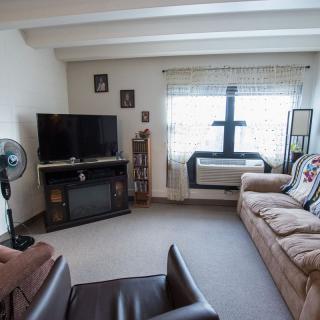
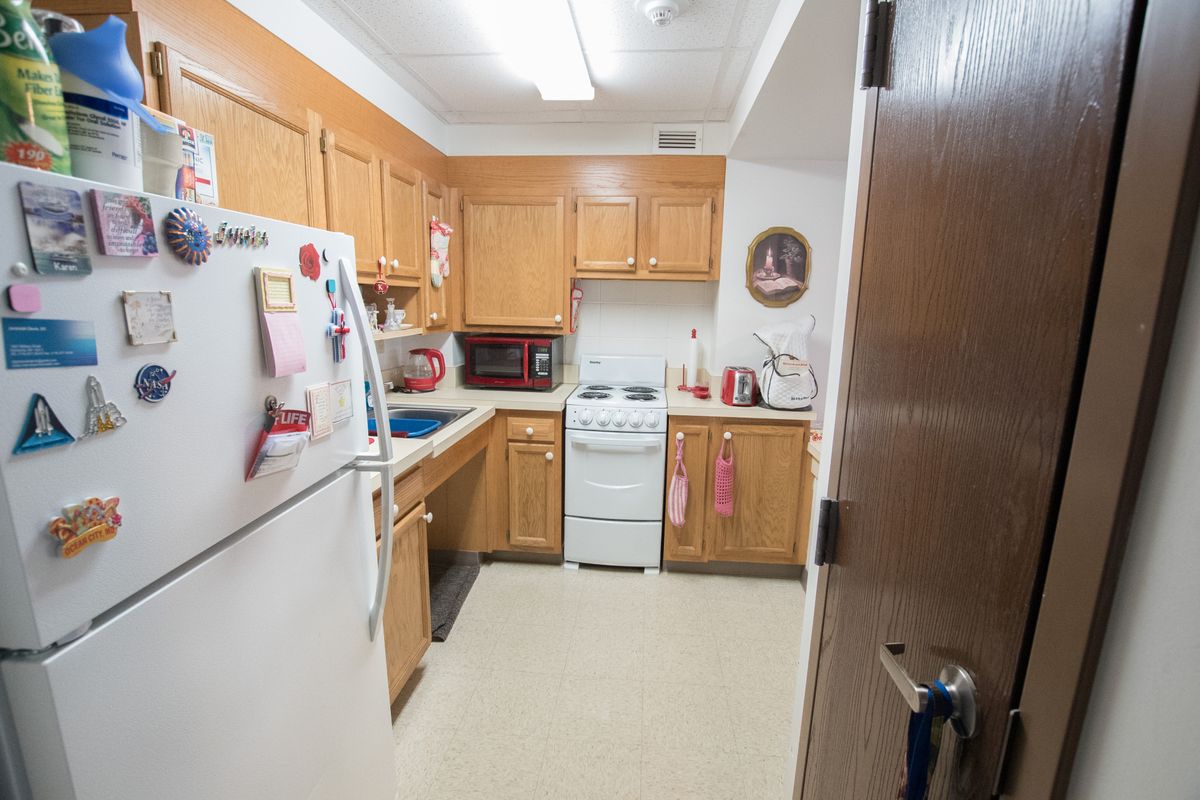
- The apartments are not bad at all and are a perfect fit for most cases.
- The outside is kept free of litter and the inside always smells good.
- The place has easily accessible, friendly folk and a good atmosphere.
- The people are nice.
- It is a great place to live and has very caring people.
Cons
 They raise rent with little notice or rationale.
- They charged for services (food, laundry, cleaning) that the family member never received.
- They told the family they had two weeks to clean out the apartment, and then demanded rent for those two weeks.
- Office staff creates a culture where residents feel afraid.
- They are always trying to get more money from residents (or former residents).
Review
Ken Ton Presbyterian Village in Buffalo is best suited for seniors who want a dependable, staff-driven community with clean, comfortable apartments, a pleasant exterior, and a friendly, accessible atmosphere. It clearly serves long-term residents who settle in and make the place their home, and it fits families seeking a stable, socially engaged environment where neighbors know one another and care feels tangible. The best-case picture is of a well-kept, low-stress setting where daily life includes dependable routines, accessible design, and a sense of belonging that many long-tenured residents clearly value.
Those who may want alternatives are those who cannot tolerate financial opacity or fee surprises. At least one review paints a troubling picture of rent increases with little notice and charges for services after a loved one died who never received those services. The implication of an office culture described as intimidating further amplifies concerns about trust and predictability. For families prioritizing transparent pricing, strict financial controls, and a non-pressured administrative atmosphere, other communities with clearer cost structures and friendlier billing practices are worth exploring. Also, anyone seeking highly specialized care plans or a more intimate, smaller-scale setting may prefer options with different care models.
The strongest positives are concrete and meaningful. Staff quality stands out as excellent across several accounts, with caregivers and the general team delivering dependable, reassuring service. Apartments are comfortable enough, and the overall environment, inside and out, is noted as clean, well-kept, and welcoming. Residents repeatedly describe a supportive, sociable atmosphere, aided by accessibility and a sense that people look out for one another. The combination of a solid location, approachable staff, and a quiet, home-like feel yields real daily value for those who want stability, social contact, and straightforward routines.
On the downside, financial and administrative concerns loom large. Rent increases with minimal notice and disputed charges for services create a palpable tension between families and management, undermining a sense of security. The reported two-week window to move out, followed by unexpected charges after a residentā€™s death, underscores a potential misalignment between care quality and billing practices. Even when the living space and community feel right, a perceived culture of fear or pressure at the office is enough to erode trust for families evaluating long-term residency and guardianship decisions.
Do the benefits offset the downsides? For many, the answer hinges on what matters most. If reliable, caring staff, a friendly, sociable environment, and a clean, accessible setting are the top criteria, Ken Ton Presbyterian Village delivers strong daily advantages that can justify the cost and the occasional billing frictions. However, the financial risk, especially a lack of transparency and the potential for surprise charges, can overwhelm the overall value for families on fixed incomes or those who demand strict budgeting and predictable monthly costs. The decision rests on whether management can provide written, enforceable pricing terms, clear service-charge policies, and a process that treats residents and families with consistent, respectful accountability.
In the end, this community is a solid match for families prioritizing warmth, dependable care, and a welcoming Buffalo home with enduring residents and staff who know the community well. It is not the right fit for those who need ironclad price guarantees, fully transparent billing, or a culture that consistently feels comfortable about financial interactions. Prospective residents should request a detailed, line-item cost schedule, a written policy on service charges and move-out notices, and candid conversations with current residents about daily experiences with administration. A thorough, in-person visit will confirm whether the tone of the office, the pace of operations, and the day-to-day interactions align with the expectations for sustained care and long-term peace of mind.
 49 resident community capacity
 Assisted Living
 Beauty salon
 Cable or satellite TV
 Dining room
 Fully furnished
 Garden
 Housekeeping services
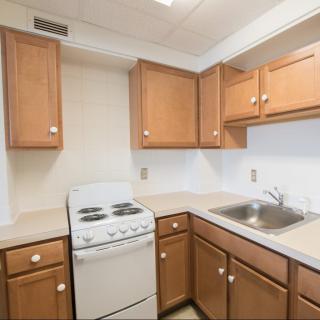
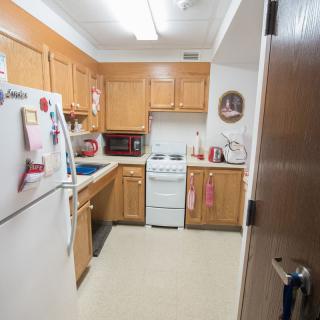
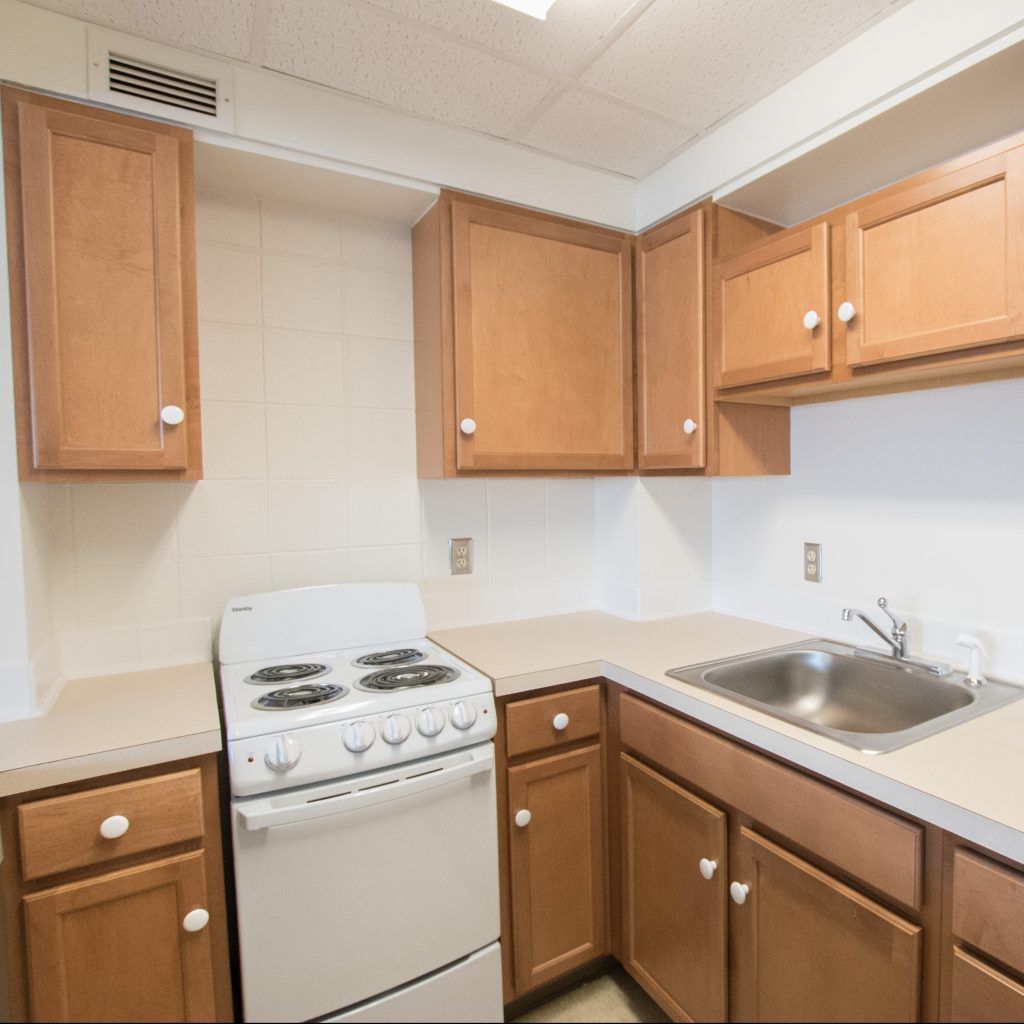
 Kitchenette
 Move-in coordination
 Outdoor space
 Restaurant-style dining
 Small library
 Telephone
 Wi-Fi/high-speed internet available
 Buffalo Niagara International (8 miles away)
 24-hour call system
 Activities of daily living assistance
 Assistance with bathing
 Assistance with dressing
 Assistance with transfers
 Diabetes diet
 Medication management
 Mental wellness program
 Special dietary restrictions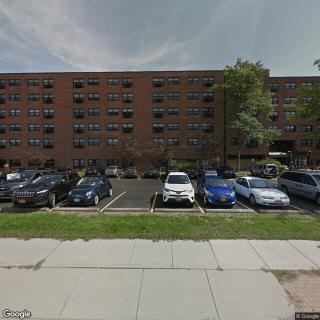






 8 Key Indicators That Suggest It May Be Time to Transition from Assisted Living to Skilled Nursing Care
 Vibrant Senior Living: A Comprehensive Guide for Active Older Adults
 When to Transition from Assisted Living to Memory Care: Key Indicators, Steps, and Finding the Right Community