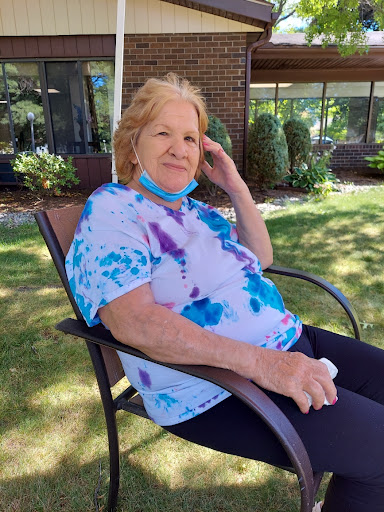
Residents and families repeatedly describe caring, supportive staff who take their concerns seriously.
Across many reviews, families praise the staff for being attentive, patient, and willing to go above and beyond. Several residents are described as happy and well cared for over long stays, with staff stepping in to help with day-to-day needs. A few reviews also suggest that oversight can vary at times, but even those comments still reference generally good care from nursing staff.
common18 reviews mention this
Clean, well-kept spaces are noted
Many reviewers mention that rooms and common areas are kept clean and maintained.
Cleanliness comes up often, including mentions of neat rooms, well-kept grounds, and housekeeping that stays on top of the basics. Some families specifically describe the building as welcoming and emphasize how comfortable their loved one felt. A smaller number of reviews qualify that the facility can look dated, so cleanliness does not always fully offset concerns about overall appearance.
common16 reviews mention this
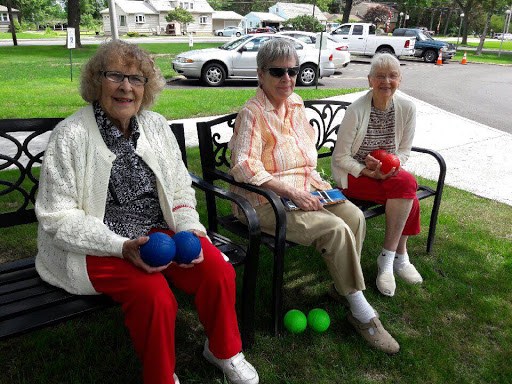
Activities and outings keep residents busy
Reviews frequently point to regular activities, celebrations, and opportunities to get out of the building.
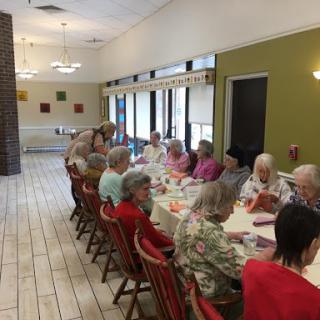
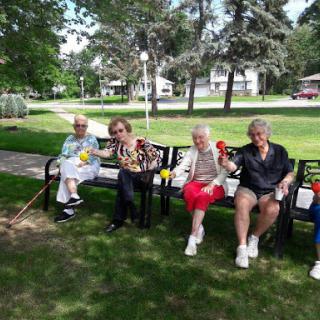
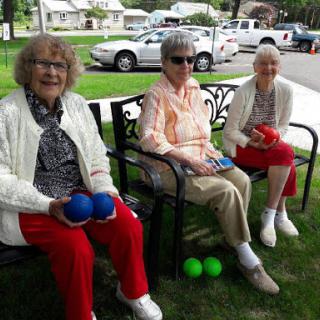
Many reviewers describe a steady schedule of events like bingo, games, movie nights, crafts, and group social time. Several also mention outings or trips to parks and stores, and some describe staff-led engagement in areas like lounges and community spaces. One review provides a counterpoint that activities on the calendar may not always happen, and another suggests recreation engagement could be stronger when family visits aren’t present.
common9 reviews mention this
Dining is a consistent positive
Multiple reviews describe the food as good and meals as an easy part of daily life.
Dining shows up as a recurring bright spot, with families describing the meals as well-balanced, tasty, and satisfying. Several reviews also mention the ability to get snacks or meals as needed, and some connect the dining experience with residents finding choices they like. The reviews that mention dining tend to be positive, though one reviewer also raises broader concerns about dietary staff being short or rude.
differentiator7 reviews mention this
Care levels include memory-focused support
Families describe support that goes beyond basic assisted living, including help suited for dementia needs.
Several reviews mention dementia-related care, patience, and staff interactions that work well for residents who need memory support. One family specifically frames the community as memory care they could trust, and another describes staff patience and support for a resident with dementia. This matches the community’s stated mix of care services, including assisted living and memory-care programming.
caveat5 reviews mention this
Rooms feel small or outdated
Some reviewers say rooms can feel small or the facility looks dated.
A few reviews describe limited room size, and one mentions a smaller room compared with other options. Others call out appearance concerns like an outdated or dark feel and suggest updates are needed. Even when reviews praise staff and care, these comments point to physical space and renovation concerns as a sticking point for some families.
caveat2 reviews mention this
Staffing and oversight can vary
A couple of reviews raise concerns about staffing levels and overnight or weekend oversight.
While most reviews emphasize strong support, two comments suggest gaps in day-to-day oversight. One reviewer describes aides being less available at times and calls for stronger management coverage during nights and weekends, while another says there don’t always seem to be enough staff. Together, these concerns point to the importance of family involvement and clear expectations about when help is available.
How we summarize
Counts show how many written reviews mention each theme; a review can touch several themes, and only frequently mentioned themes are displayed.
Features
Housing
115 resident community capacity
Studio apartments
Types of Care
Assisted Living
Memory Care
Respite Care
Skilled Nursing Facility
Amenities
Air-conditioning
Beauty salon
Cable or satellite TV
Computer center
Dining room
Financing advice
Fitness room
Fully furnished
Gaming room
Garden
Housekeeping services
Kitchenette
Laundry
Move-in coordination
Outdoor space
Private bathrooms
Restaurant-style dining
Small library
Telephone
Wellness center
Wi-Fi/high-speed internet available
Transportation
Greater Rochester International (7 miles away)
Community operated transportation
Transportation & parking
Transportation arrangement
Transportation arrangement (non-medical)
Transportation to doctors appointments
Care Services
12-16 hour nursing
24-hour call system
24-hour supervision
Activities of daily living assistance
Assistance with bathing
Assistance with dressing
Assistance with transfers
Diabetes diet
Meal preparation and service
Medication management
Mental wellness program
Mild cognitive impairment
Physical therapy
Special dietary restrictions
Specialized memory care programming
Dining
Diabetes diet
Special dietary restrictions
Activities
Activities off-site
Community-sponsored activities
Concierge services
Fitness programs
Planned day trips
Religious services
Resident-run activities
Scheduled daily activities
Languages Spoken
English
Nearby Places of Interest
Pharmacies
Walgreens (0.1 miles)
Top's Markets (0.2 miles)
Wegmans (0.3 miles)
CVS Pharmacy (0.3 miles)
Faris Pharmacy (2.2 miles)
CVS Pharmacy (2.3 miles)
Target Pharmacy (2.3 miles)
Physicians
Greater Rochester Internal Medicine (0.6 miles)
Greece Dermatological Associates (2.2 miles)
Parkway Pediatrics & Adolescent Medicine (2.6 miles)
Rochester Regional Health Laboratories (2.8 miles)
Unity Hospital (3.2 miles)
WorkReady - Unity Hospital (3.3 miles)
Westside Allergy Care (3.4 miles)
Restaurants
McDonald's (1.2 miles)
Taco Bell (1.3 miles)
TC Hooligans (1.4 miles)
Chick-Fil-A (1.7 miles)
McDonald's (2 miles)
Bill Gray's (2.2 miles)
Critic's On The Mall (2.2 miles)
Parks
Basil A. Marella Park (1.4 miles)
Seneca Park (2.7 miles)
Bristol Play Area (2.9 miles)
Ontario Beach Park (3.5 miles)
Martin Luther King Jr Memorial Park at Manhattan Square (5.5 miles)
The features of Grandeville Assisted Living are meticulously designed to address the unique needs of residents with dementia or Alzheimer's disease, ensuring their safety and enhancing their quality of life. The provision of 24-hour supervision offers constant support, alleviating concerns about wandering or other risks associated with cognitive decline. Assistance with activities of daily living, such as bathing, dressing, and transfers, helps maintain personal dignity while promoting independence in a secure environment. Tailored meal preparation and service ensure residents receive nutritious options that accommodate dietary needs, while medication management provides essential oversight to prevent errors and ensure adherence to prescribed regimens. Engaging in a mental wellness program specifically developed for those experiencing mild cognitive impairment fosters cognitive engagement and emotional well-being. Furthermore, physical therapy supports mobility and overall physical health, while specialized memory care programming introduces structured activities aimed at stimulating memory recall and social interaction, creating a supportive community that fosters connection and understanding among residents navigating similar challenges.
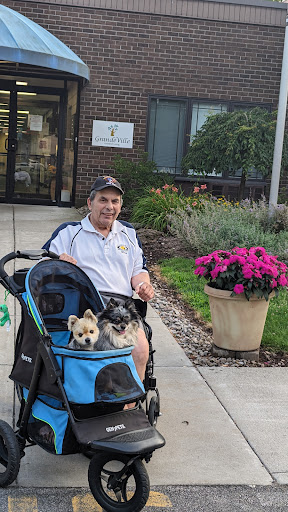
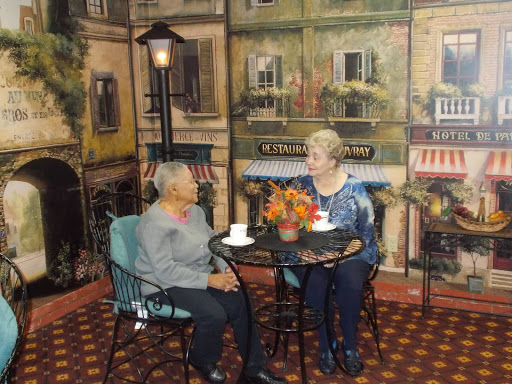
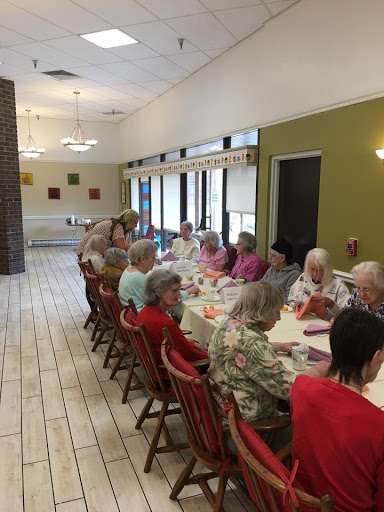
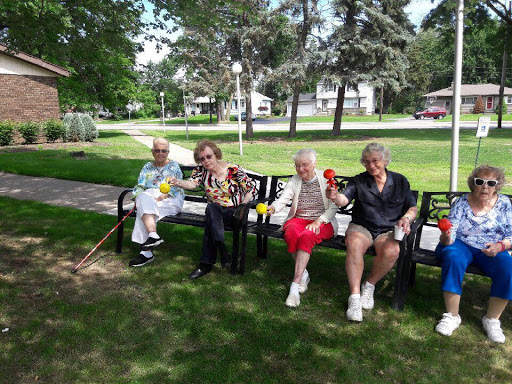
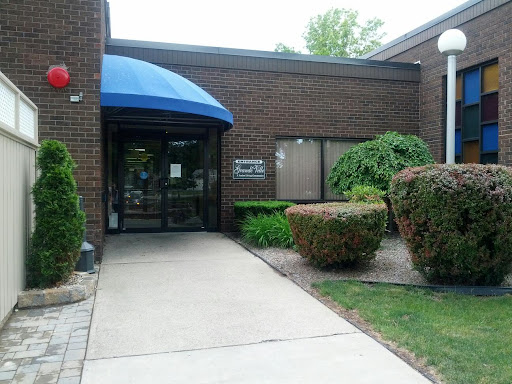
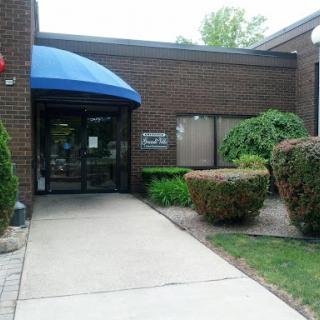
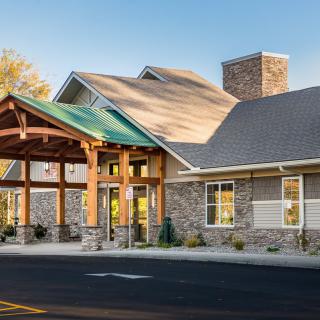
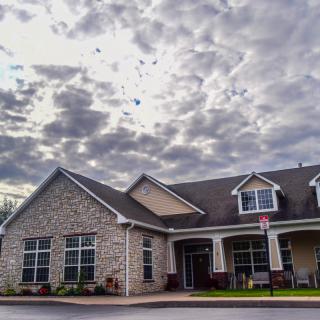
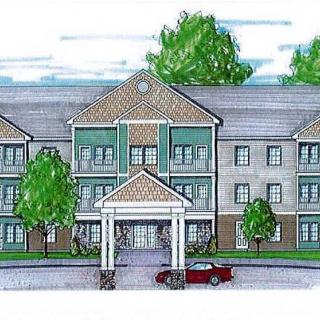
Grandeville Assisted Living on seniors.fyi includes 9 photos including images showing dining, interior, park, outdoor, landscaping, building, entrance, sidewalk, and more.
Nearby Communities
GrandeVille Senior Living
Rochester, NY
4.3 from 33 reviews
$2,440 to $3,140 / month
Attentive staff, remodeled facilities, and engaging activities with on-site dining.
Legacy at Park Crescent
Rochester, NY
4.7 from 30 reviews
$1,795 to $3,095 / month
Friendly staff, engaging activities, clean and spacious apartments, plus convenient on-site amenities.
Legacy at Maiden Park
Rochester, NY
4.6 from 150 reviews
$2,995 to $5,995 / month
Compassionate, attentive staff in a clean, welcoming community with engaging activities.
English Village Apartments
Rochester, NY
Nearby amenities include restaurants, parks, healthcare, pharmacies, places of worship, and social opportunities.
Hamilton Manor Nursing Home
Rochester, NY
3.9 from 30 reviews
Caring staff with an improving activities program.
Crimson Ridge Meadows
Rochester, NY
4.3 from 60 reviews
$4,495 to $5,370 / month
Engaged, friendly staff in a bright, home-like setting with chef-prepared meals and active social options.
Gardens at Town Center
Rochester, NY
3.8 from 60 reviews
$772 to $927 / month
Bright, sunlit apartments with friendly staff and active community programs in a convenient location.
Sundown syndrome, or sundowning, is a phenomenon in dementia patients characterized by increased confusion and agitation during late afternoon and evening, influenced by factors like disrupted circadian rhythms and fatigue. Effective caregiver strategies include establishing routines and managing environmental light while addressing caregiver stress through support services.
Delirium is a rapidly onset, reversible cognitive disturbance often caused by acute medical issues, while dementia is a gradual and irreversible decline due to chronic neurodegenerative diseases. Accurate differentiation between the two is essential for appropriate treatment and management in older adults.
Dementia, including Alzheimer’s disease, is often mischaracterized in terms of lethality as it leads to complications that can be fatal rather than being a direct cause of death; it causes a progressive decline in cognitive and physical health, making patients vulnerable to infections and other health crises. Effective management of nutrition, hydration, and communication is crucial in patient care, with palliative care becoming vital in advanced stages to enhance comfort and quality of life while caregivers play a key role amidst the challenges posed by the disease.
Get PricingAsk A QuestionSchedule A TourContact Senior Advisor
By clicking submit, you agree to our Partner's Terms of Use. You
also consent to receive calls and texts, which may be autodialed, from our Partner. Your consent is not a condition to
using our Partner's service. Please visit our Partner's Privacy Policy for information about their privacy practices.



 115 resident community capacity
 Studio apartments
 Assisted Living
 Memory Care
 Respite Care
 Skilled Nursing Facility
 Air-conditioning
 Beauty salon
 Cable or satellite TV
 Computer center
 Dining room
 Financing advice
 Fitness room
 Fully furnished
 Gaming room
 Garden
 Housekeeping services
 Kitchenette
 Laundry
 Move-in coordination
 Outdoor space
 Private bathrooms
 Restaurant-style dining
 Small library
 Telephone
 Wellness center
 Wi-Fi/high-speed internet available
 Greater Rochester International (7 miles away)
 Community operated transportation
 12-16 hour nursing
 24-hour call system
 Activities of daily living assistance
 Assistance with bathing
 Assistance with dressing
 Assistance with transfers
 Diabetes diet
 Medication management
 Mental wellness program
 Physical therapy
 Special dietary restrictions
 Concierge services
 Planned day trips
 Religious services
 English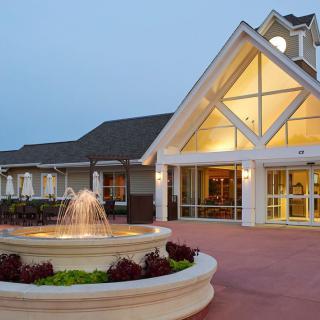
 Attentive staff, remodeled facilities, and engaging activities with on-site dining.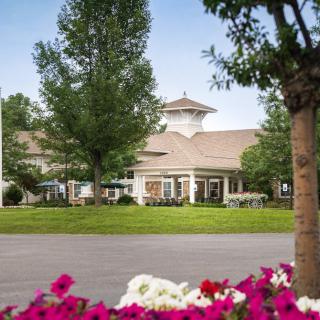

 Comprehending Evening Confusion in Dementia: Causes, Manifestations, and Support
 Delirium and Dementia: Unraveling the Key Differences
 Are Dementia and Alzheimer's Disease Lethal? A Comprehensive Exploration