Village Walk at Patchogue offers a range of living options with pricing that reflects its unique amenities and services. For instance, the cost for a semi-private room stands at $5,145 per month, which is notably higher than the average in Suffolk County ($3,706) and New York State ($4,389). Studio apartments are priced at $6,425, surpassing both local and state averages - Suffolk County's typical studio costs around $5,129 and New York State's average is $4,532. Those opting for a one-bedroom unit can expect to pay $7,715 monthly; again, this figure exceeds the respective averages of $5,646 in Suffolk County and $4,307 statewide. These rates highlight Village Walk at Patchogue's positioning within the market as a facility that likely prioritizes higher-quality care or enhanced lifestyle offerings.
Floor plans
Village Walk at Patchogue
Suffolk County
New York
Semi-Private
$5,145
$3,706
$4,389
Studio
$6,425
$5,129
$4,532
1 Bedroom
$7,715
$5,646
$4,307
Memory care communities with a similar price nearby
Residents and families consistently describe attentive, compassionate care.
Across the reviews, families repeatedly highlight nurses, aides, and care staff as kind, responsive, and invested in residents’ comfort. Several reviewers mention specific support with day-to-day needs and responsiveness when medical issues come up, along with communication that keeps families in the loop. Memory care residents are also described as being supported with patience and attention, which reviewers contrast with experiences at other places.
common30 reviews mention this
Activities fill the days
Many residents stay engaged thanks to an active daily schedule.
A large share of reviews focus on busy days with outings, performances, and ongoing events. Families describe recreation staff as arranging activities that keep residents social and moving through the day, including special celebrations and group events. A few reviewers note that not every resident participates as much as staff would like, but the program still stands out in the feedback.
common15 reviews mention this
Dining earns multiple compliments
Residents and visitors frequently mention meals as a highlight.
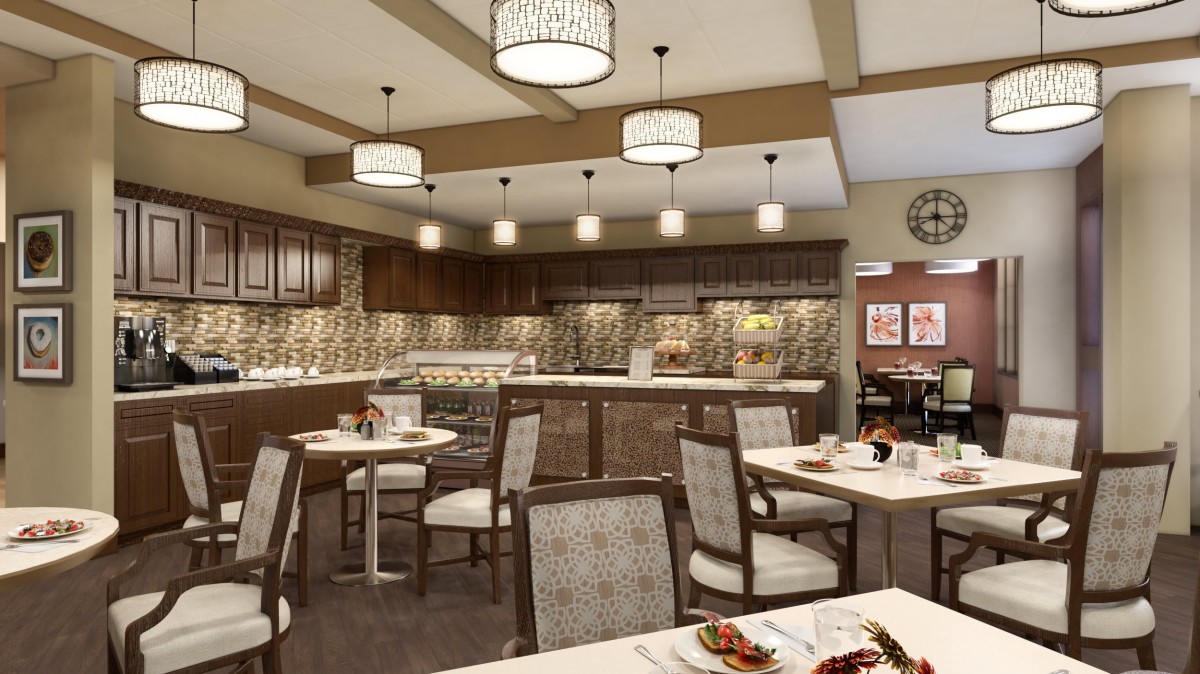
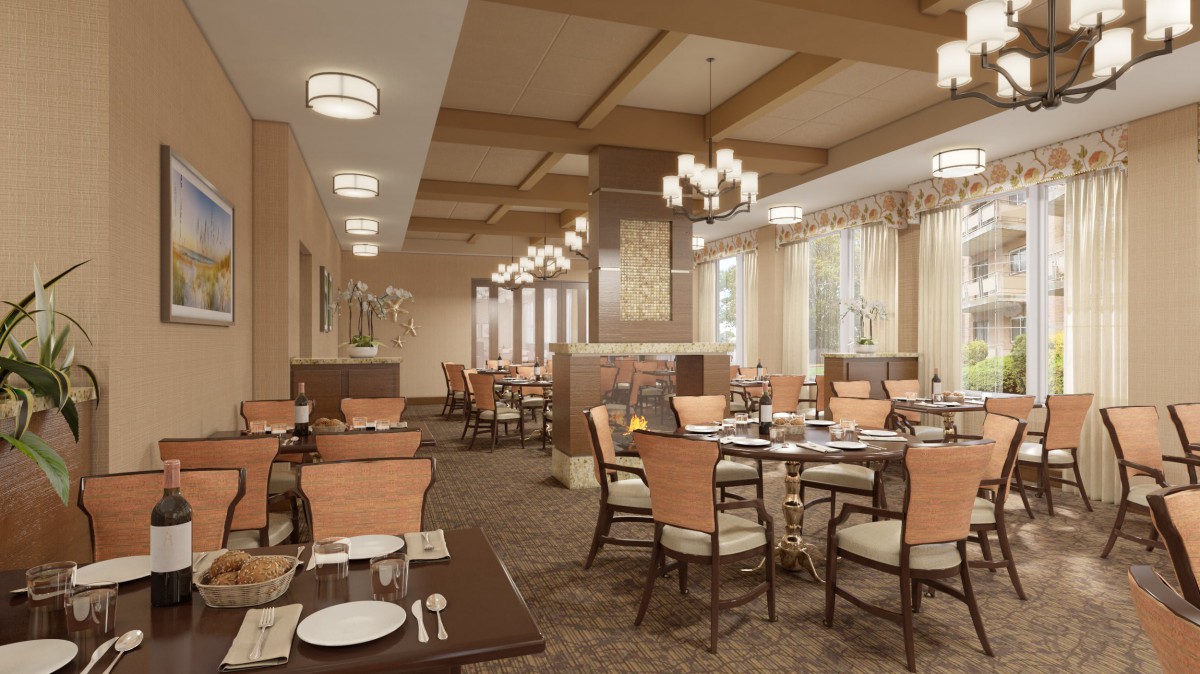
Reviews often say the food is enjoyable, with some families specifically calling out the bistro dining experience and the care around meal quality. Residents are also described as looking forward to snacks and cappuccinos, and several reviewers mention attentive service during dining. The dining program is discussed alongside other day-to-day comforts, rather than as a one-time event.
caveat6 reviews mention this
Pricing is a mixed picture
Some families question costs and billing flexibility during transitions.
Several reviews describe the community as offering a reasonable value or affordability compared with alternatives, especially during move-in or while selling a home. At the same time, a handful of negative reviews raise concerns about fees, rate changes, or delays in the level of care that was paid for. Those complaints center on expectations around what care packages include and how quickly services are delivered.
caveat8 reviews mention this
Some families report serious safety concerns
A minority of reviews describe severe problems with safety and oversight.
While most feedback is positive, a smaller group of reviews raises urgent concerns about how residents are treated and how situations are handled. These complaints include allegations of poor supervision, lack of accountability, and incidents involving memory care residents. In contrast to the many reviews praising communication and support, these negative accounts say families did not receive the level of attention they expected during safety-related events.
differentiator4 reviews mention this
Care levels and diabetes support
Families mention higher-acuity assistance and medication support.
Some reviewers point to care that goes beyond basic help with mobility, including support such as Hoyer-lift assistance for getting in and out of bed and wheelchair transfers. Others describe professional nursing involvement and medication management, including for higher-need situations. A few comments also connect the facility’s care options to staying in the community rather than transferring out for the type of help needed.
How we summarize
Counts show how many written reviews mention each theme; a review can touch several themes, and only frequently mentioned themes are displayed.
Features
Housing
1-bedroom apartments
Studio apartments
Types of Care
Assisted Living
Memory Care
Pets
Cats allowed
Dogs allowed
Amenities
Activities off-site
Activities on-site
Air-conditioning
Beautician on-site
Cable or satellite TV
Devotional services off-site
Ground floor units
Handicap accessible
Indoor common areas
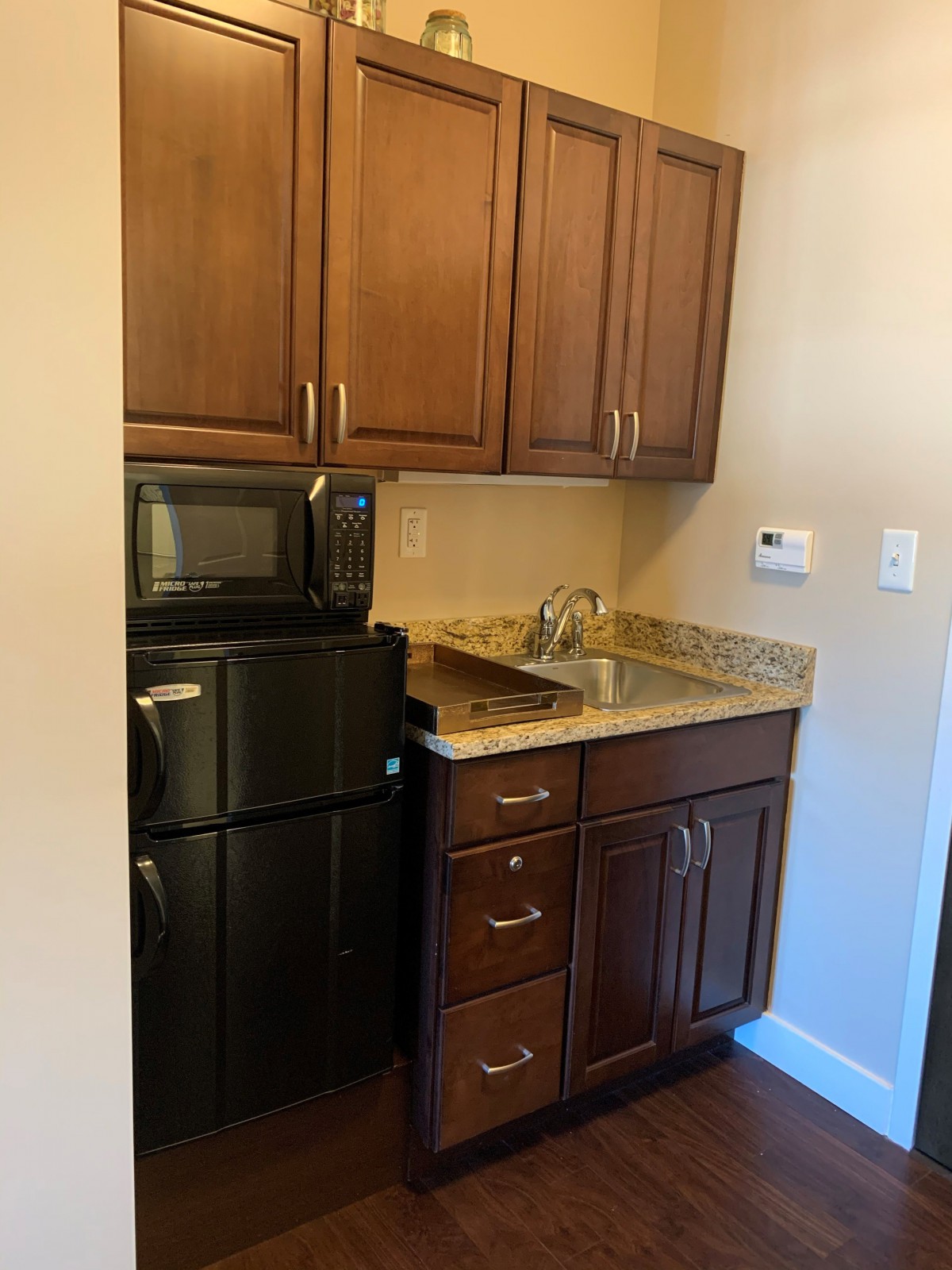
Kitchenette
Outdoor common areas
Respite or short term stays offered
Wheelchair accessible showers
Wi-Fi/high-speed internet available
Transportation
Long Island - MacArthur (5 miles away)
Care Services
Ambulatory care
Diabetic care
High acuity care
Incontinence care
Medication management
Dining
Gluten-free
International cuisine
Low / no sodium
Meals provided
No Sugar
Professional chef
Restaurant style dining
Room service
Special dining programs
Vegetarian
Activities
Art classes
Cooking classes
Day trips and outings
Devotional activities offsite
Educational speakers / life long learning
Happy hour
Karaoke
Live dance or theater performances
Live musical performances
Live well programs
Stretching classes
Visiting Rabbi
Wine tasting
Videos
Nearby Places of Interest
This part of Patchogue, New York offers a convenient and diverse range of amenities for seniors looking to establish their living arrangements in the area. The proximity of various physicians, including Medihealth Realty and South Shore Neurologic Associates, ensures easy access to healthcare services. Additionally, there are numerous pharmacies such as Brookhaven Pharmacy and Walgreens nearby for medication needs. Restaurants like Dirty Taco + Tequila and George's Luncheonette offer dining options within walking distance, while cafes like Starbucks provide a cozy spot for socializing. For recreational activities, parks like Shorefront Park and Sayville Park are great places to enjoy nature. Access to transportation hubs such as Patchogue LIRR Station and Long Island MacArthur Airport makes traveling convenient. Overall, this part of Patchogue provides a well-rounded community with essential services tailored towards senior living.
Village Walk at Patchogue offers a range of living options with pricing that reflects its unique amenities and services. For instance, the cost for a semi-private room stands at $5,145 per month, which is notably higher than the average in Suffolk County ($3,706) and New York State ($4,389). Studio apartments are priced at $6,425, surpassing both local and state averages - Suffolk County's typical studio costs around $5,129 and New York State's average is $4,532. Those opting for a one-bedroom unit can expect to pay $7,715 monthly; again, this figure exceeds the respective averages of $5,646 in Suffolk County and $4,307 statewide. These rates highlight Village Walk at Patchogue's positioning within the market as a facility that likely prioritizes higher-quality care or enhanced lifestyle offerings.
Village Walk at Patchogue's medication management system ensures that residents receive their medications on time and in the correct dosages, which is crucial for individuals with dementia or Alzheimer's disease who may struggle with memory and organization. By meticulously overseeing prescriptions and addressing potential side effects, the staff can help maintain the residents' overall health and stability. Incontinence care is also a vital feature, as it provides personalized support to residents who may experience challenges in this area due to cognitive decline. This compassionate assistance helps to preserve dignity and comfort, alleviating anxiety for both residents and their families while allowing individuals to focus on their well-being without undue stress about personal care issues.
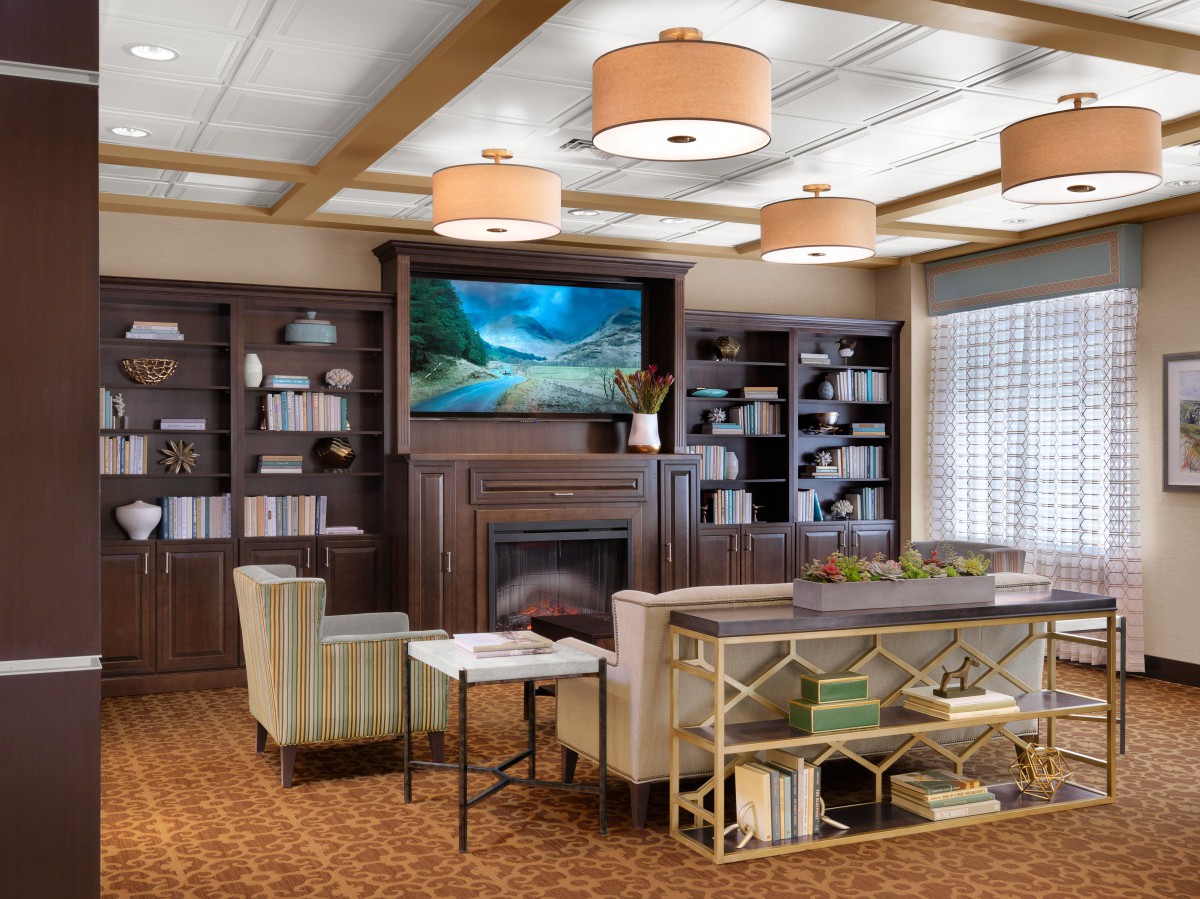
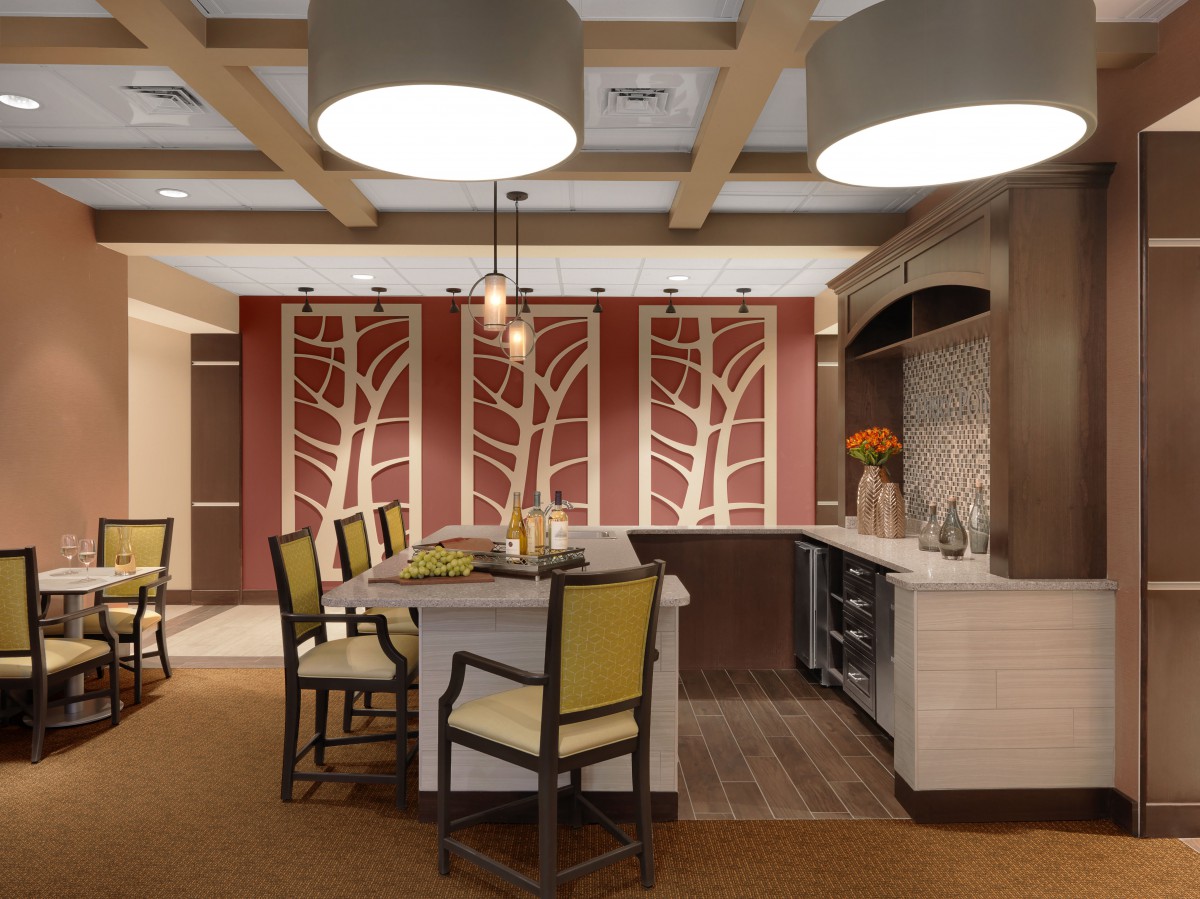
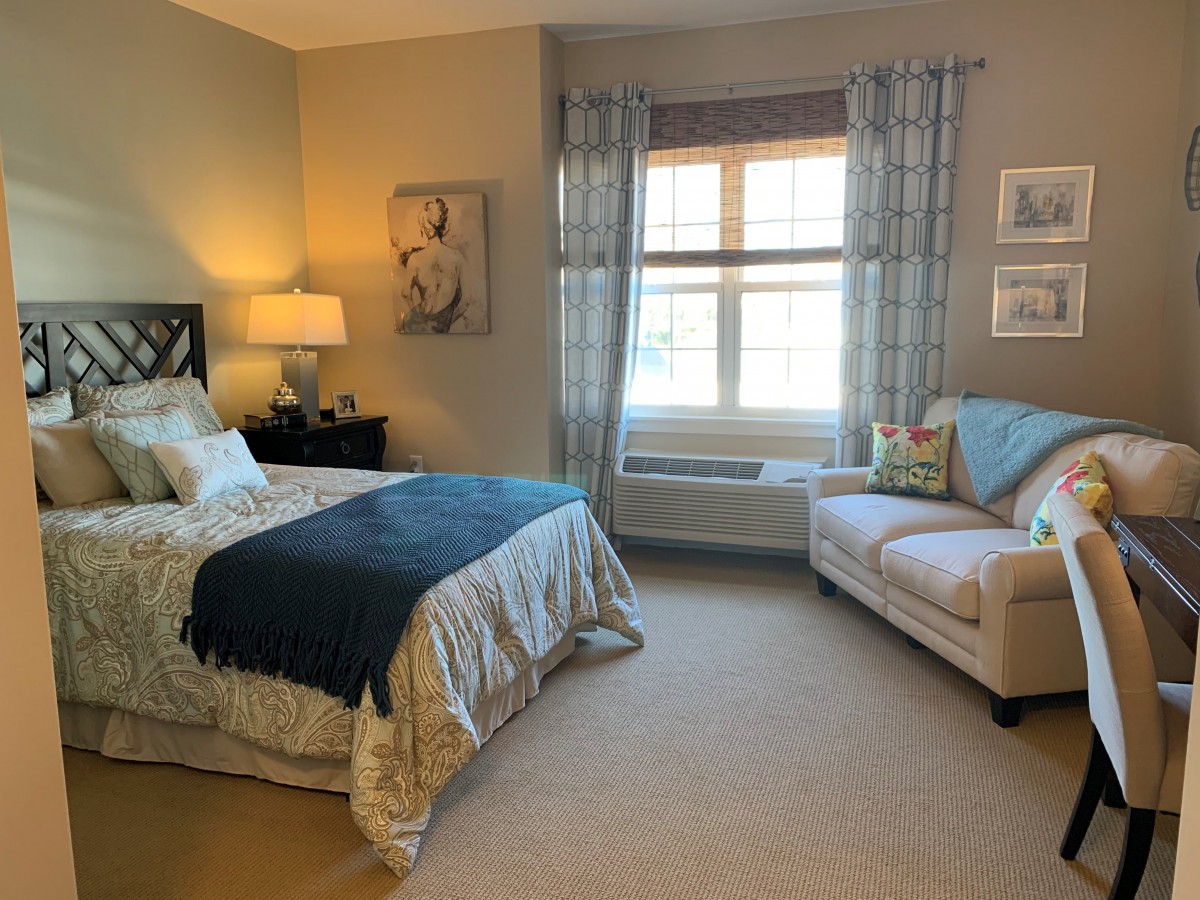
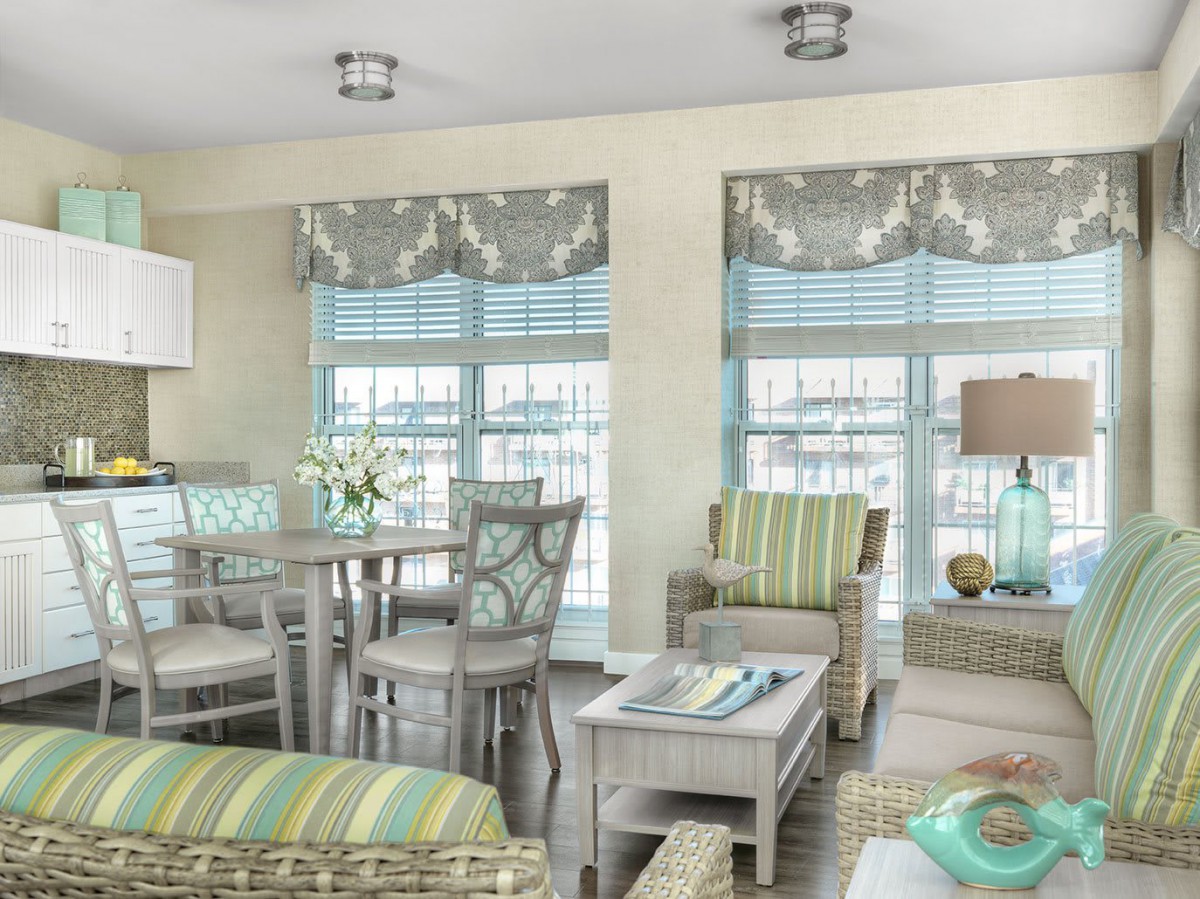
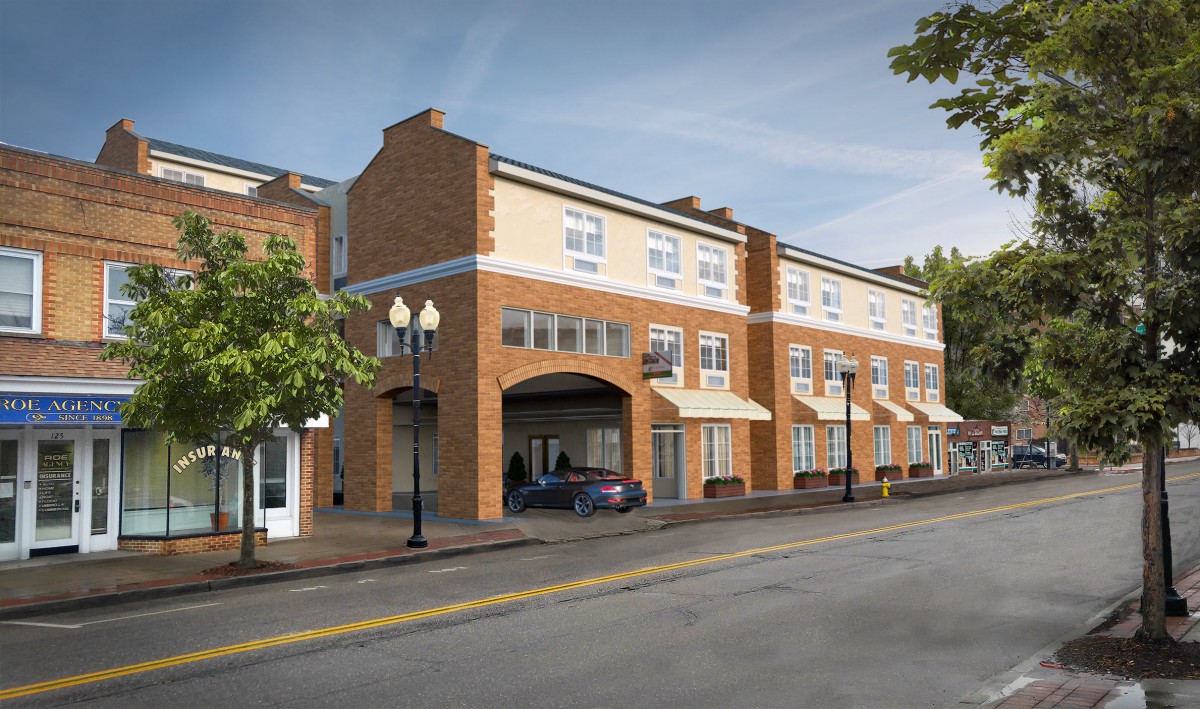
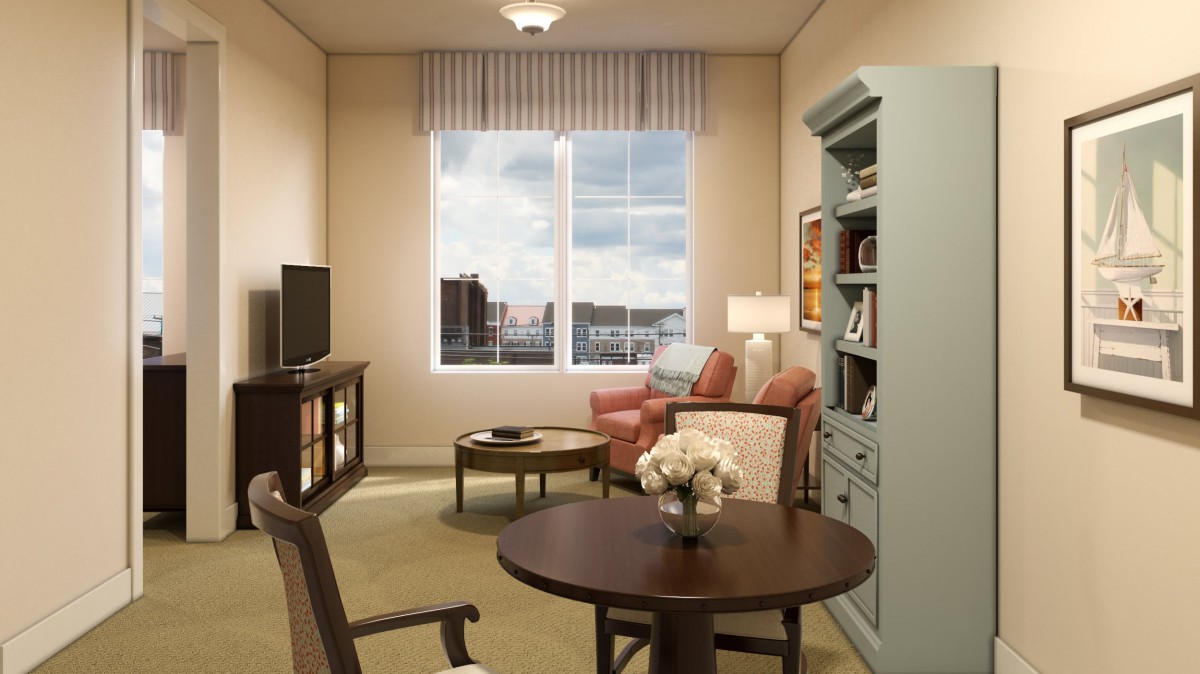
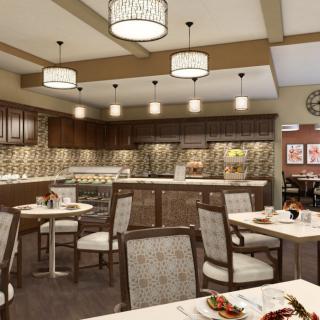
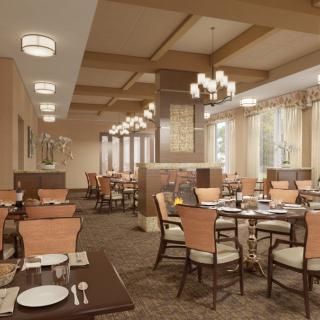
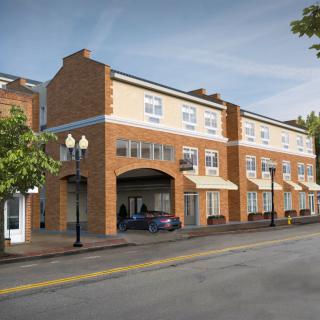
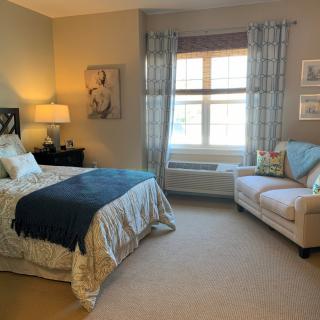
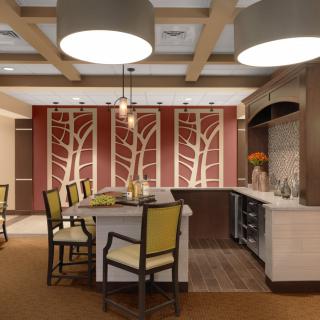
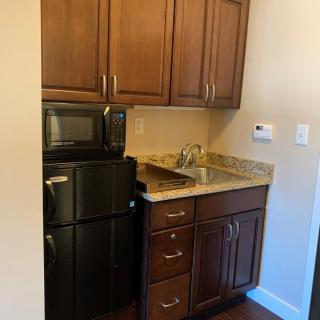
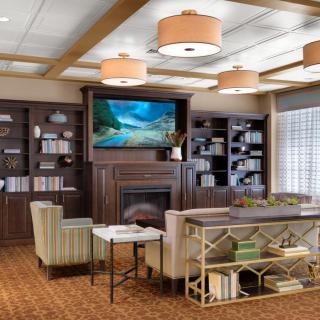
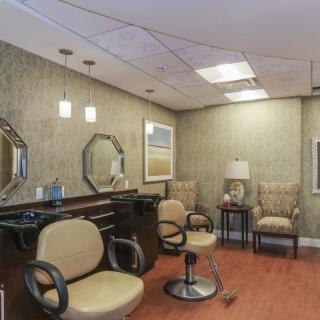
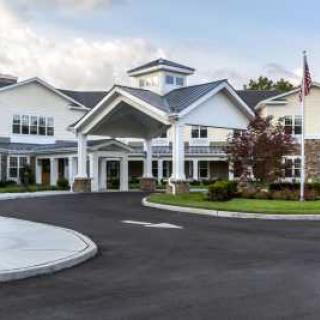
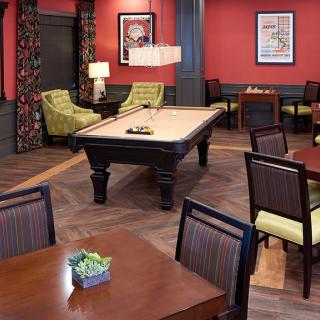
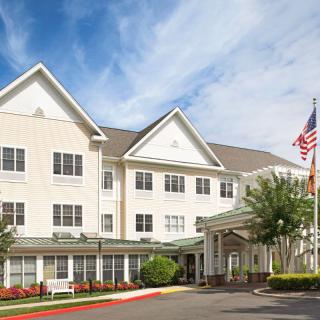
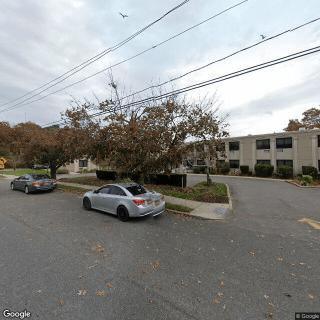
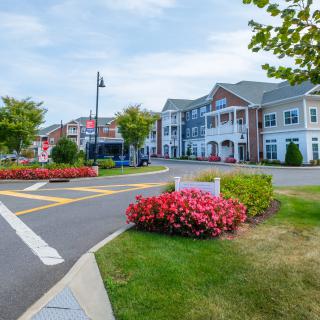
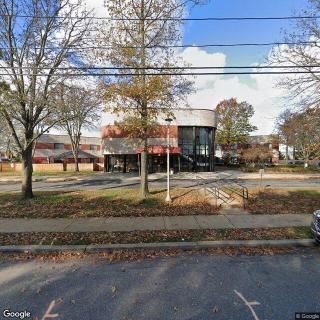
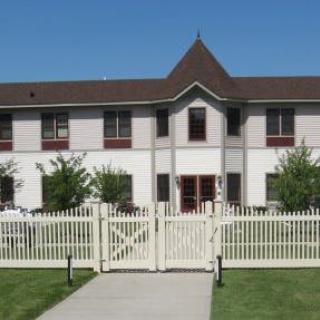
Village Walk at Patchogue on seniors.fyi includes 11 photos including images showing dining, interior, decor, kitchen, living room, architecture, bedroom, lighting, and more.
Nearby Communities
Village Walk
Patchogue, NY
4.4 from 87 reviews
Convenient downtown Patchogue location with clean facilities and personalized care.
Gables Home For Adults
Patchogue, NY
4.6 from 72 reviews
Fully furnished, 24/7 supervision, and comprehensive care
McPeaks Assisted Living Nursing Home
Patchogue, NY
4.3 from 18 reviews
Home-like setting with personalized attention and engaging activities.
McPeak's Adult Home
Patchogue, NY
4.4 from 7 reviews
$2,500 to $3,750 / month
Lower pricing than local county/state averages (semi-private and studio options).
Suffolk Center For Rehabilitation And Nursing
Patchogue, NY
3.5 from 69 reviews
Extensive on-site amenities and care services
Suffolk Center for Nursing and Rehab
Patchogue, NY
2.1 from 12 reviews
Compassionate, attentive staff (notably LPN Jackie) in a calm, resident-friendly environment.
Brightview Sayville
Sayville, NY
4.4 from 116 reviews
Resort-style community with personalized care and excellent dining.
Luxor Nursing And Rehabilitation At Sayville
Sayville, NY
4.2 from 137 reviews
Clean facility with friendly, attentive staff and strong therapy programs.
"Memory Care Pathways: A Holistic Guide to Dementia Support" outlines the complexities of dementia and its various types, emphasizing early detection, patient-centered care strategies, caregiver support, and long-term care options while addressing legal and financial considerations to enhance the quality of life for individuals with dementia and their families.
Sundown syndrome, or sundowning, is a phenomenon in dementia patients characterized by increased confusion and agitation during late afternoon and evening, influenced by factors like disrupted circadian rhythms and fatigue. Effective caregiver strategies include establishing routines and managing environmental light while addressing caregiver stress through support services.
Delirium is a rapidly onset, reversible cognitive disturbance often caused by acute medical issues, while dementia is a gradual and irreversible decline due to chronic neurodegenerative diseases. Accurate differentiation between the two is essential for appropriate treatment and management in older adults.
Get PricingAsk A QuestionSchedule A TourContact Senior Advisor
By clicking submit, you agree to our Partner's Terms of Use. You
also consent to receive calls and texts, which may be autodialed, from our Partner. Your consent is not a condition to
using our Partner's service. Please visit our Partner's Privacy Policy for information about their privacy practices.





 1-bedroom apartments
 Assisted Living
 Memory Care
 Cats allowed
 Dogs allowed
 Activities off-site
 Air-conditioning
 Beautician on-site
 Cable or satellite TV
 Devotional services off-site
 Ground floor units
 Handicap accessible
 Indoor common areas
 Kitchenette
 Outdoor common areas
 Respite or short term stays offered
 Wheelchair accessible showers
 Wi-Fi/high-speed internet available
 Long Island - MacArthur (5 miles away)
 Ambulatory care
 Diabetic care
 High acuity care
 Incontinence care
 Medication management
 Gluten-free
 Art classes
 Cooking classes
 Day trips and outings
 Educational speakers / life long learning
 Happy hour
 Karaoke
 Live dance or theater performances
 Live musical performances
 Live well programs
 Visiting Rabbi
 Wine tasting
 Convenient downtown Patchogue location with clean facilities and personalized care.
 Memory Care Pathways: A Holistic Guide to Dementia Support
 Comprehending Evening Confusion in Dementia: Causes, Manifestations, and Support
 Delirium and Dementia: Unraveling the Key Differences