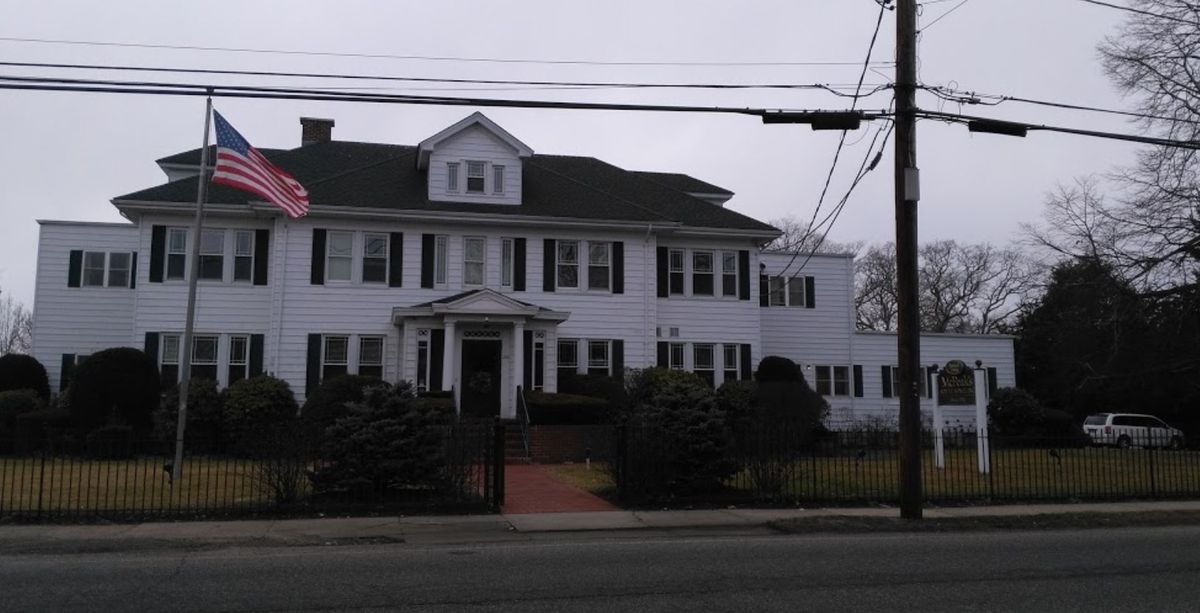

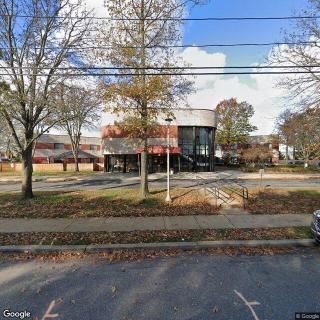
286 North Ocean Avenue, Patchogue, NY 11772
For more information about senior living options: (866) 208-4318
Overall Review of McPeaks Assisted Living Nursing Home
Pros
 The management and staff at McPeak’s are described as communicative, caring, considerate, and accommodating.
- The care at McPeak’s is wonderful, with staff who are kind and warm.
- McPeak’s is regarded as the absolute best assisted living facility on Long Island, offering excellent value for money.
- The health care aides are exceptionally good, and the staff are highly professional and well-trained.
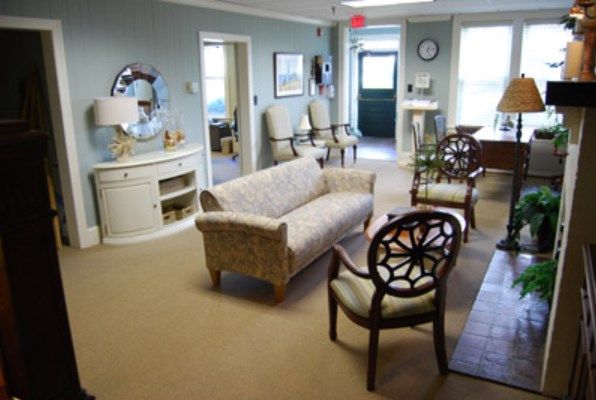
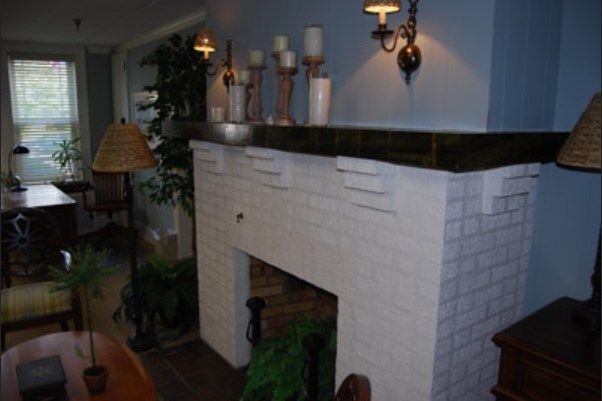
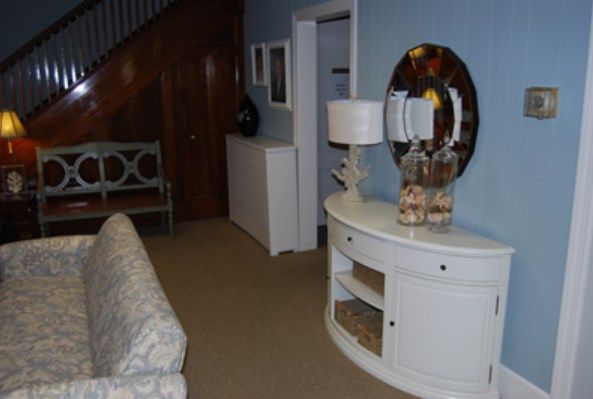
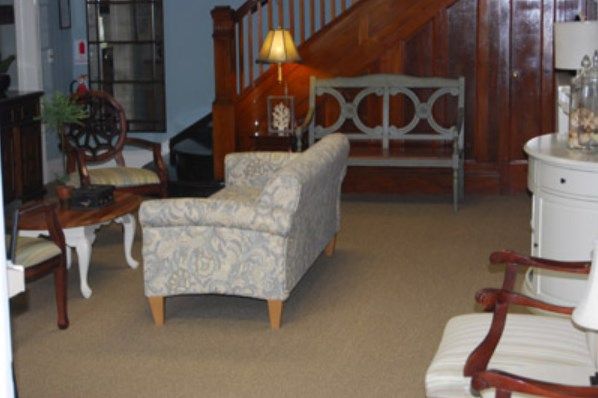
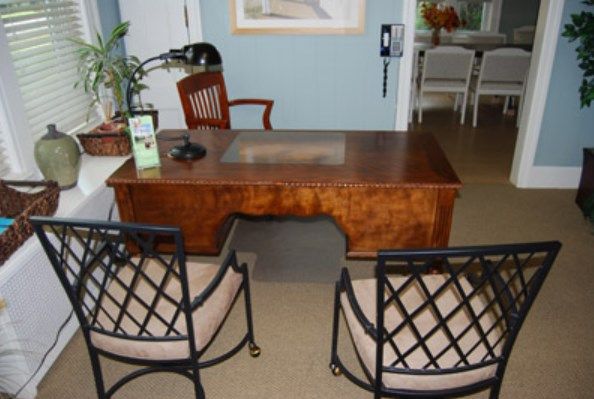
- McPeak’s feels like a home—a small, family-run environment created by grandparents and retired nurses.
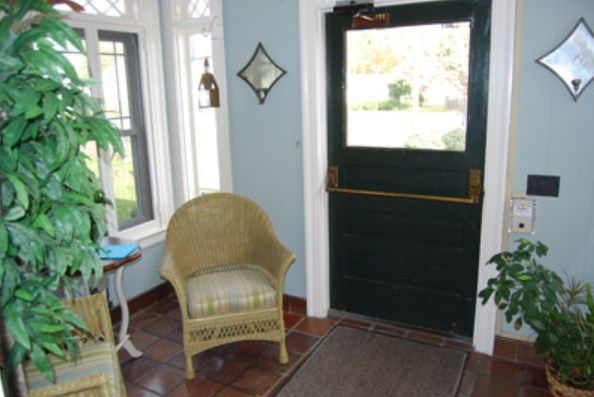
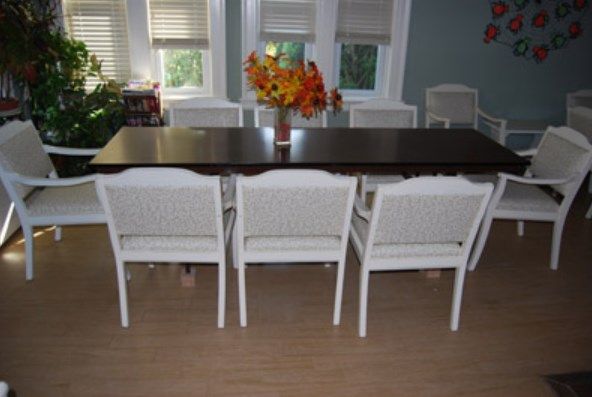
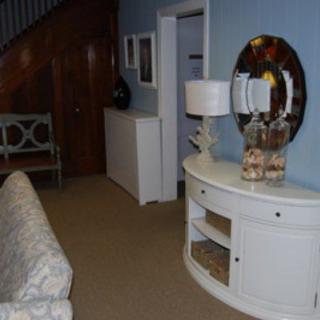
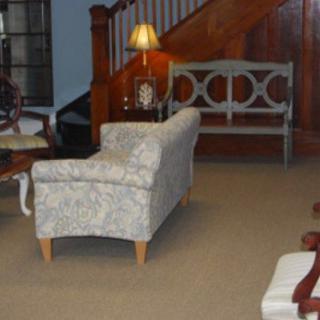
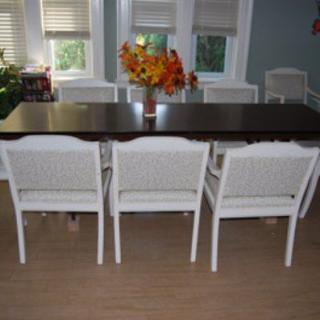
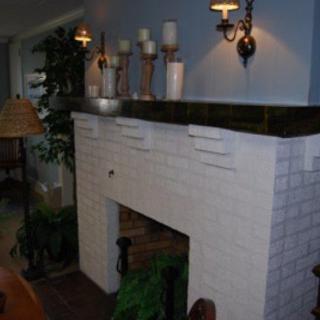
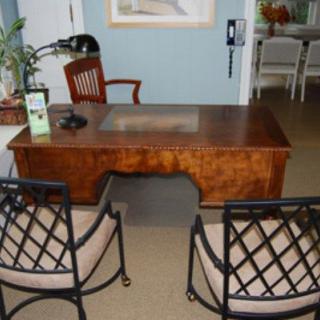
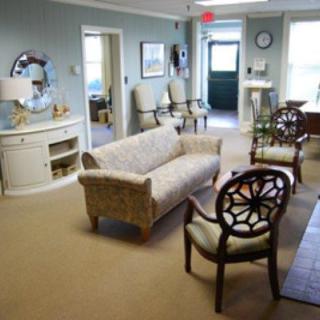
- The setting is safe and non-clinical, with clean, homey surroundings and pleasant dining.
- The staff are friendly, interactive, and consistently provide great care.
- The facility offers a wide range of engaging activities and recreation, including bingo, art classes, and service dogs.
- The on-site administration and proactive communication ensure residents are supported quickly and well.
Cons
 They never called the family about the first fall.
- The building was known for having bumpy floors.
- They did not recommend McPeak’s.
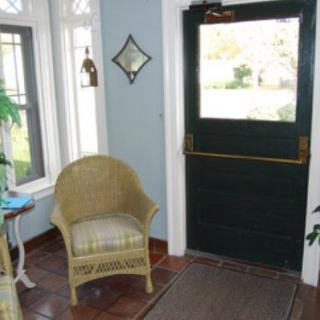
- The front door did not lock.
- There were skeleton staff on weekends.
- He complained about the food sometimes.
- It wasn’t the right place for her husband.
Review
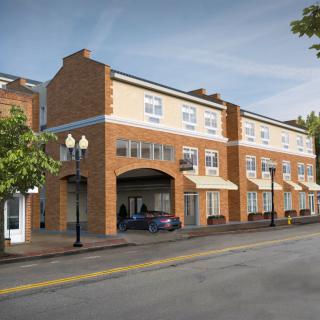
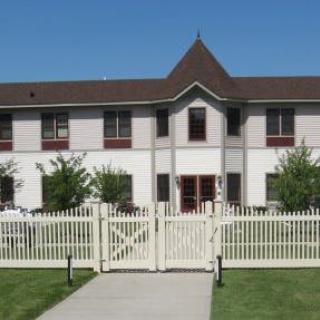
McPeak’s Assisted Living Nursing Home in Patchogue is best suited for families seeking a small, home-like, affordably priced option where staff know residents well and care is delivered with warmth and consistency. It works best for seniors who do not require high-acuity medical oversight yet value daily structure, regular social activities, and hands-on attention from a close-knit team. The on-site administration seven days a week, combined with a clearly engaged caregiving culture, makes this community feel like a reachable extension of family life rather than a impersonal institution.
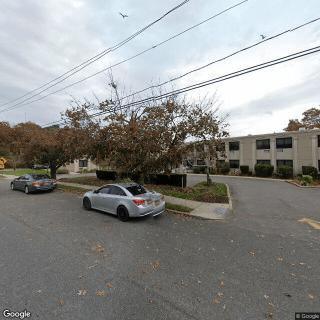
Those who should consider alternatives are residents with significant medical needs or those requiring rigorous safety monitoring. A number of reviews flag concerns about safety and staffing on weekends, and there is explicit mention of a front door that does not always lock, plus a clutter of wheelchairs in hallways. For families prioritizing a highly secure environment, robust nursing coverage around the clock, or a more clinical setting, larger operators with modern facilities may be a better fit. If a resident’s fall risk is high or if round-the-clock supervision is non-negotiable, keep looking elsewhere.
The strongest positives center on the heart of the operation: caring, communicative staff; a home-like atmosphere; and real value. Families consistently praise the management’s accessibility and the aides’ compassionate, personalized care. The facility’s small scale fosters meaningful relationships, frequent family updates, and a sense that staff truly knows each resident’s routine and preferences. The dining and daily activities, ranging from simple meals to table games, current-event discussions, art, and gentle stretching, are designed to keep residents engaged without tipping into a clinical mood. This is a place where residents feel seen, not just accommodated.
On the practical side, the value for money is a decisive strength. The price point is described as roughly one-third of typical New York-area assisted living costs, making McPeak’s a compelling option for families on a budget who still want dignity and personal attention. Food is reliable and the atmosphere is homier than a hotel-like setting, which many families find preferable for long-term living. The small community, often with 30–40 residents, supports a calmer pace, easier staff-coordinator interactions, and a sense of belonging that many larger facilities struggle to deliver.
Yet the cons deserve frank consideration. While several testimonies emphasize excellent care, other accounts point to safety gaps, occasional falls without timely outreach, floors described as bumpy in an older building, and the lingering risk of insufficient weekend staffing. A single, clearly concerning note about a front door that “does not lock” cannot be ignored, because secure access and reliable supervision are non-negotiables for many families. These gaps do not invalidate the care quality, but they do tilt the equation toward caution for residents who need consistent, around-the-clock security and rapid, professional response during emergencies.
In making a high-stakes choice, use McPeak’s as a test of whether warmth, attentiveness, and affordability align with the resident’s health needs and the family’s capacity to monitor safety. Schedule visits to observe the pace, speak directly with the administrator about weekend coverage, walk the floors to assess safety and accessibility, and inquire about ongoing maintenance plans for the older building. Confirm that transport to medical facilities remains prompt, and ask for recent examples of how falls or health concerns were managed. If these checks pass, the community’s strengths, its culture of care, its home-like setting, and its clear value, make it a compelling option.
Ultimately, McPeak’s stands out as a practical, experienced choice for families prioritizing a intimate, affordable living arrangement where residents feel valued and involved. It is not the frontline choice for those requiring intensive medical management or ironclad security; for those criteria, larger, more clinical environments may be more suitable. When fit is found, the payoff is evident: a trusted, community-centered home where dignity and daily engagement are the core benefits, and care feels personal, available, and consistent.
 51 resident community capacity
 Assisted Living
 Memory Care
 Respite Care
 Air-conditioning
 Beautician on-site
 Cable or satellite TV
 Computer center
 Dining room
 Fitness room
 Fully furnished
 Gaming room
 Garden
 Guest parking
 Housekeeping services
 Kitchenette
 Laundry
 Move-in coordination
 Outdoor space
 Party space
 Private bathrooms
 Restaurant-style dining
 Small library
 Telephone
 VA Benefits Consultation
 Wellness center
 Wi-Fi/high-speed internet available
 Long Island - MacArthur (5 miles away)
 Community operated transportation
 24-hour call system
 Activities of daily living assistance
 Assistance with bathing
 Assistance with dressing
 Assistance with transfers
 Diabetes diet
 Hospice care
 Medication management
 Mental wellness program
 Psychiatric care
 Special dietary restrictions
 Arts and crafts
 Concierge services
 Games
Games Live musical performances
 Planned day trips
 Stories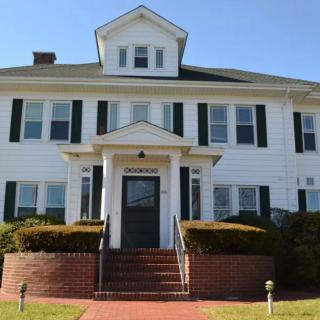


 Dementia, Paranoia, and Caregiver Guidance: Understanding the Connection
 Engaging Memory Care Activities That Enhance Quality of Life
 When to Transition from Assisted Living to Memory Care: Key Indicators, Steps, and Finding the Right Community