
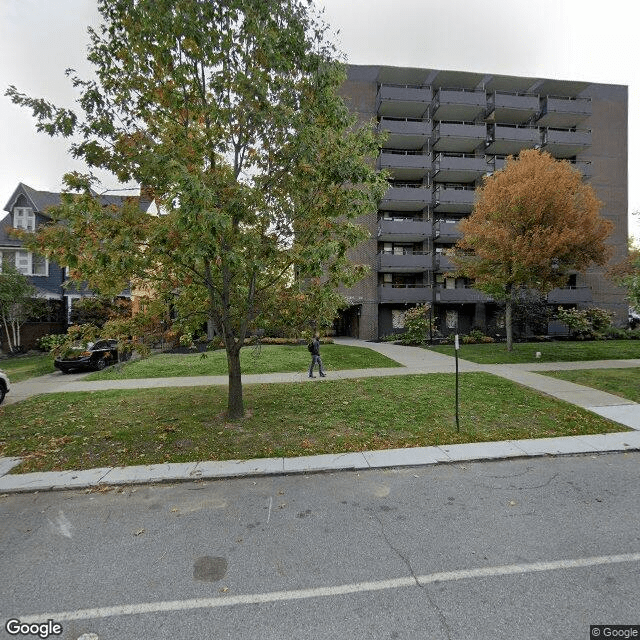
33 Linwood Ave, Buffalo, NY 14209
To contact a resident: (716) 882-4348
For more information about senior living options: (866) 208-4318
Overall Review of Trinity Tower
Pros
 They love it.
- The place is nice.
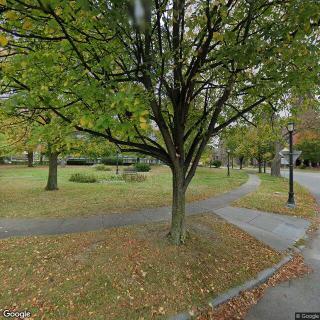
- Landscrape is beautiful.
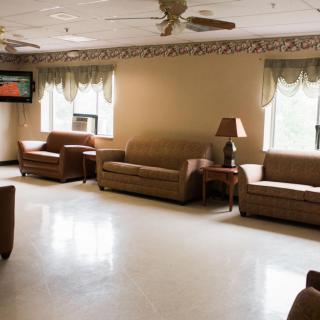
- The community room is spotless.
- Assigned parking is available.
- The laboratories are clean.
- The front and back stairs are safe and clean.
- New residents are warmly welcomed.
- The management is caring and professional, and the staff are supportive and helpful.
- The transition to the community has been smooth.
- Walgreens has been great with the move.
- Chuck's Deli and Wendy's are delish.
- The resident has sung there for 26 years and rehearses with the Buffalo Gay Men's Chorus.
- It feels like a new home.
Cons
 Residents report bedbug and cockroach infestations at the facility.
- A senior resident’s family notes ongoing issues with heat, plumbing, and pest intrusion.
- There has been no working call or phone box for more than a year, hindering access for visitors and emergency personnel.
- Handicapped residents must use the downstairs elevator to admit guests, indicating accessibility problems.
- The building is described as unsanitary and plagued by infestations, with concerns going unaddressed.
- Elevators are unreliable, with one out of service for an extended period.
- The new owner is perceived as uncaring, with a lack of transparency and a hostile tenant climate.
- Security deposits have not been returned or have been delayed and reduced, raising fears of theft.
- Tenants warn others not to move in, claiming seniors are mistreated by Corvus.
- There are suspicions that management could have stolen money; refunds were delayed and short of what was owed.
Review
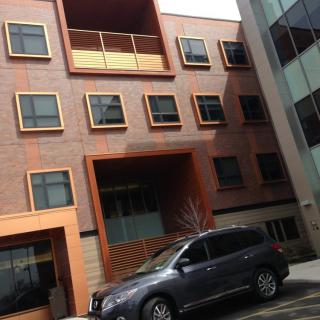
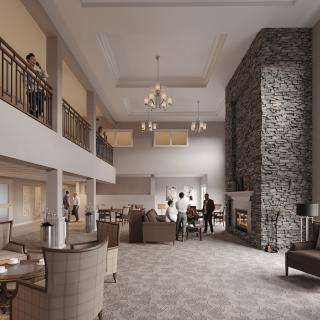
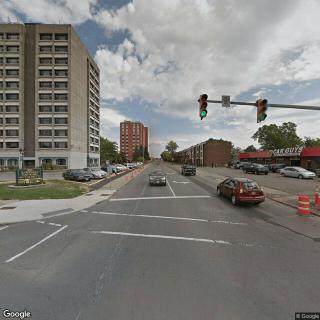
Trinity Tower in Buffalo is best suited for independent seniors who want an urban, proximity-rich lifestyle with ready access to medical campuses, shops, and transit. The building offers a clean, inviting interior when maintained, a well-kept community room, assigned parking, and a pleasant eastern view from upper floors. The grounds are described as beautiful, and the building provides practical safety features like safe stairs and accessible entry when systems work. For residents who prize autonomy, a sense of neighborhood, and affordability, Trinity Tower can be a workable home, so long as the key reliability and safety issues can be managed or tolerated.
However, this community should not be the default choice for anyone whose priority is flawless reliability and pest-free comfort. Families evaluating Trinity Tower should consider alternatives if a resident depends on always-working elevators, a dependable call system, and consistently bug-free living; if transparency in management and timely financial settlements are essential, or if the budget cannot absorb ongoing maintenance hiccups. The troubling patterns reported after the Corvis Group acquisition, an inoperable elevator, pest infestations, nonfunctional call/phone boxes, and disputes over security deposits, signal a structural risk that often outweighs much of the aesthetic upside for many households.
On balance, the most tangible advantages, clean common areas, a bright social setting, and convenient access to amenities, do offer meaningful everyday value. When management history leaned toward caring, as noted by long-time residents, staff support and a welcoming environment helped newcomers settle and feel at home. The social opportunities, polished public spaces, safe stairs, and solid parking arrangement create practical routines that reduce friction for independent seniors. Yet these positives do not erase the core risks: pests threaten health and comfort; heating and plumbing problems can disrupt daily life; and the absence of reliable elevator service exacerbates mobility challenges. In a decision matrix, the positives cushion the impact of defects only to a point.
The most prominent red flags cluster around maintenance reliability and safety. A bedbug and cockroach infestation is unacceptable for seniors, especially those with limited mobility or compromised health. Heating and plumbing issues can leave residents uncomfortable or unsafe during cold snaps. The call or phone box system has reportedly been out of service for more than a year, eroding emergency responsiveness and peace of mind. An inoperable elevator, with only one functioning elevator for an extended period, dramatically limits independence for residents who rely on building access. Management concerns, claims of limited transparency, delayed or incomplete refunds of security deposits, and reports that responsiveness is inconsistent, cast a lasting shadow over daily life and future plans. Nighttime disturbances and a perceived lack of control by on-site leadership further undermine confidence in long-term residency.
For families seriously considering Trinity Tower, a disciplined due-diligence plan is essential. Demand current pest-control reports and a remediation timeline; insist on a current elevator maintenance log and a clear plan for bringing the second elevator online; verify the status of the call/communication system and establish a concrete emergency-contingency plan. Seek recent resident feedback and a transparent, written operating plan from management with escalation paths. Review the lease terms, deposit handling, and any pending refunds, documenting agreed amounts and timelines. Tour the building during a typical day to gauge staff responsiveness, cleanliness, and the reality of noise or safety concerns. Only after these items are clearly addressed, and the resident’s mobility and health needs align with what the building can reliably deliver, should the decision lean toward Trinity Tower.
In sum, Trinity Tower offers a credible urban living option for seniors who value location, social engagement, and a straightforward daily routine, provided maintenance reliability and safety are negotiable. If essential requirements include a pest-free environment, dependable elevator access, transparent management, and consistently functioning emergency systems, it is prudent to explore alternatives with stronger safety and upkeep records. The decision hinges on weighing the appeal of central Buffalo living and built-in community against non-negotiables of safety, reliability, and respectful, accountable governance. Prospective residents should proceed only after confirming current remediation efforts and ensuring the residence can meet mobility and health needs without exposing them to ongoing risk.
 Active Adult Communities (55+)
 Buffalo Niagara International (7 miles away)
 Urinary Tract Infections in Older Adults: Comprehensive Insights on Symptoms, Treatment, and Prevention
 California's Form 602A: An In-Depth Examination of Senior Care Assessment
 Comprehensive Look at Senior Blood Pressure Charts: Normal and Elevated Levels by Age