
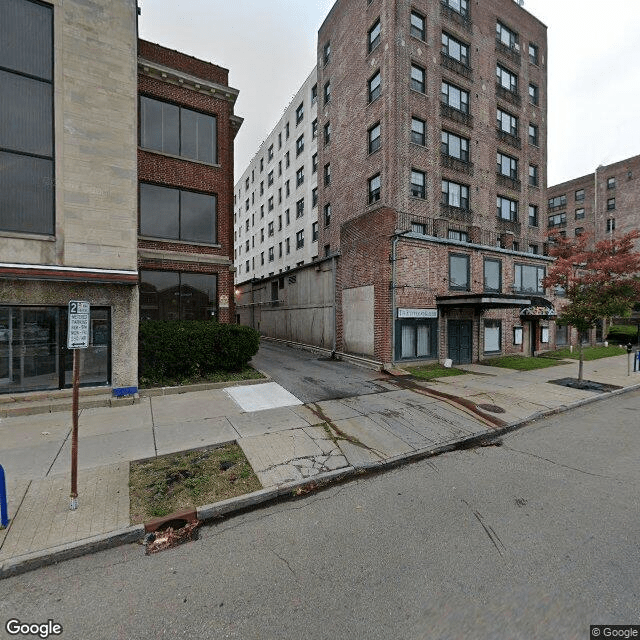
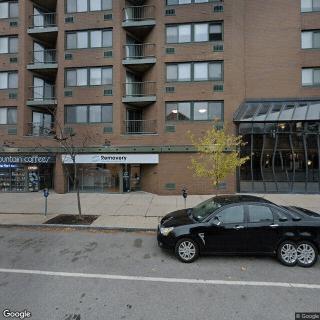
245 Elmwood Ave, Buffalo, NY 14222
To contact a resident: (716) 855-6774
For more information about senior living options: (866) 208-4318
Overall Review of Stuyvesant Apartments
Pros
 BMHA is a great place to live.
- They are grateful for a new place to live after it was refurbished from a motel into an apartment building.
- A very nice man came out of the office and explained the details about applying and submitting documents.
Cons
 They have been on the waiting list for four years, despite bringing a doctor's note, visiting the office over 80 times, and still facing missing pay stubs and an unrecoverable application, with no responses from staff.
- They say the staff are only helpful if residents do what they're told.
- They were on the waiting list for six months, never received a call, were told they were taken off the list, and staff never answer the phone.
- Privately managed by subcontractors, the program has had weeks with no hot water and days with the water shut off; management and subcontractors do not care as long as rent is paid, with vacate notices issued within 10 days.
- Their application was lost and they were told to reapply.
- They claim the organization never answers the phone, even in important situations, and that they do not care about residents.
- They witnessed unlivable conditions at the properties—filth, no hot water, and plumbing issues—and say they will report BMHA for failing to provide a safe environment.
- The wait list has reportedly grown from 6-12 months to 3-5 years, with suspicions of favoritism toward workers' personal friends or family, and a belief that the city does not care about those in need.
Review
Stuyvesant Apartments in Buffalo is best suited for households that need affordable, subsidized housing and can tolerate a long, imperfect path to placement. The property sits in the public housing ecosystem, and demand is high enough that the waiting period stretches into months or years. Prospective residents should understand that this is not a contemporary, turnkey community; the units are refurbished from older stock, and the experience hinges on bureaucratic processes as much as on day-to-day living. For those who can accept a basic, no-frills environment in exchange for lower rent and a place in the public housing pipeline, Stuyvesant may be worth the long wait. It is not a align-to-quick-move-in option, nor a model of modern amenities or responsive service, but it can fulfill a necessary housing need when budgets are tight.
That said, several groups should consider alternatives or several caution flags before committing. Individuals or families in urgent need of stable housing with predictable utilities and timely communication will want to look elsewhere. Those who demand consistent, responsive management, especially around maintenance, hot water, and critical repairs, will likely be disappointed by the pattern of missed calls, lost applications, and delays described by reviewers. Private rental options, newer affordable communities, or other BMHA properties with stronger reputations for reliability should be on the short list for anyone who cannot tolerate repeated administrative friction or uncertain timelines. The combination of long waits and service gaps makes this a choice to be weighed against safer, more dependable housing paths.
The few tangible positives here do not compensate for the core drawbacks, but they do offer a lens through which to evaluate potential fit. A refurbishment from motel-style origins into apartment units represents a real improvement in living space relative to prior conditions, and there is a sense that the building has potential once stabilized. Several observers note that staff members can be helpful when they can be reached and provided with the right information, and that some individuals encountered honest, straightforward explanations about the application process. In at least one encounter, a staff member offered clear guidance on how to apply and what to expect from the process. These scattered experiences suggest that the right staff member can make a difference, but they also underscore how inconsistent and unreliable contact and follow-through remain across the board.
Where the promise breaks down is in the consistency and reliability of service. Waiting lists are notorious for being opaque and long, with reports of six months turning into years and even four-year stretches, despite assurances of shorter timelines. Communication is repeatedly flagged as a weakness: calls go unanswered, messages are not returned, and residents must physically visit the office to chase essential updates. Administrative missteps, lost or incorrectly managed applications, paperwork requests that reappear after months, and unclear instructions, compound frustration for people trying to secure housing. Maintenance stories range from insufficient hot water to general plumbing and everyday upkeep failures, all of which contribute to a perception of livability that is uneven at best and unacceptable at worst. When financial pressures and reliance on public assistance coexist with such operational fragility, the risk profile shifts decisively toward disappointment.
The bottom-line assessment is that the positives are meaningful only in narrow circumstances: a resident prepared for a potentially lengthy wait, someone who can stomach irregular contact, and an expectation that the property will eventually meet basic housing standards rather than exceed them. For most families, the cons, especially the chronic communication failures, the bureaucratic drag, and the occasional breakdown of essential utilities, outweigh the upside. This is not a community to gamble on with urgent relocation goals or with the expectation of rapid placement. It functions as a viable option for those who have time, persistence, and a tight budget, but absolute clarity about the likelihood of delays and the variability of upkeep is essential before committing.
For families weighing this choice, a practical approach is essential. Treat Stuyvesant as a staging option rather than a final destination unless a long, patient process is already baked into the plan. Carry a plan B: pursue other affordable housing opportunities or BMHA properties with stronger service records, and line up alternate housing so the move-in can occur without last-minute scrambles. Request written timelines and escalation points from the office, and insist on documented acknowledgments for every submission or update. Keep meticulous records of communications and maintain a habit of following up on the status of applications, repairs, and utility concerns. In parallel, consider visiting with current residents when possible to gauge how the building operates on an ordinary day and what routines practitioners follow to resolve issues.
Ultimately, Stuyvesant Apartments represents a practical lifeline for affordability in a market where options are limited and public assistance programs are a life raft. It is not a polished or consistently well-managed community, but it can still play a vital role for households that can absorb the uncertainty and tolerate the administrative maze in exchange for a subsidized place to call home. The responsible takeaway is clear: enter with tempered expectations, secure a robust contingency plan, and proceed only if the budget constraints and the willingness to negotiate with a slow-moving system align with the real-world realities documented by residents.
 Active Adult Communities (55+)
 Buffalo Niagara International (8 miles away)

 Seniors and Modern Transportation: Exploring Uber, Lyft, and Other Ride-Hailing Options
 Comprehensive Guide to Qualifying for Home Health Care Services
 Powerful Realities of Elder Abuse and the Most Effective Ways to Report It