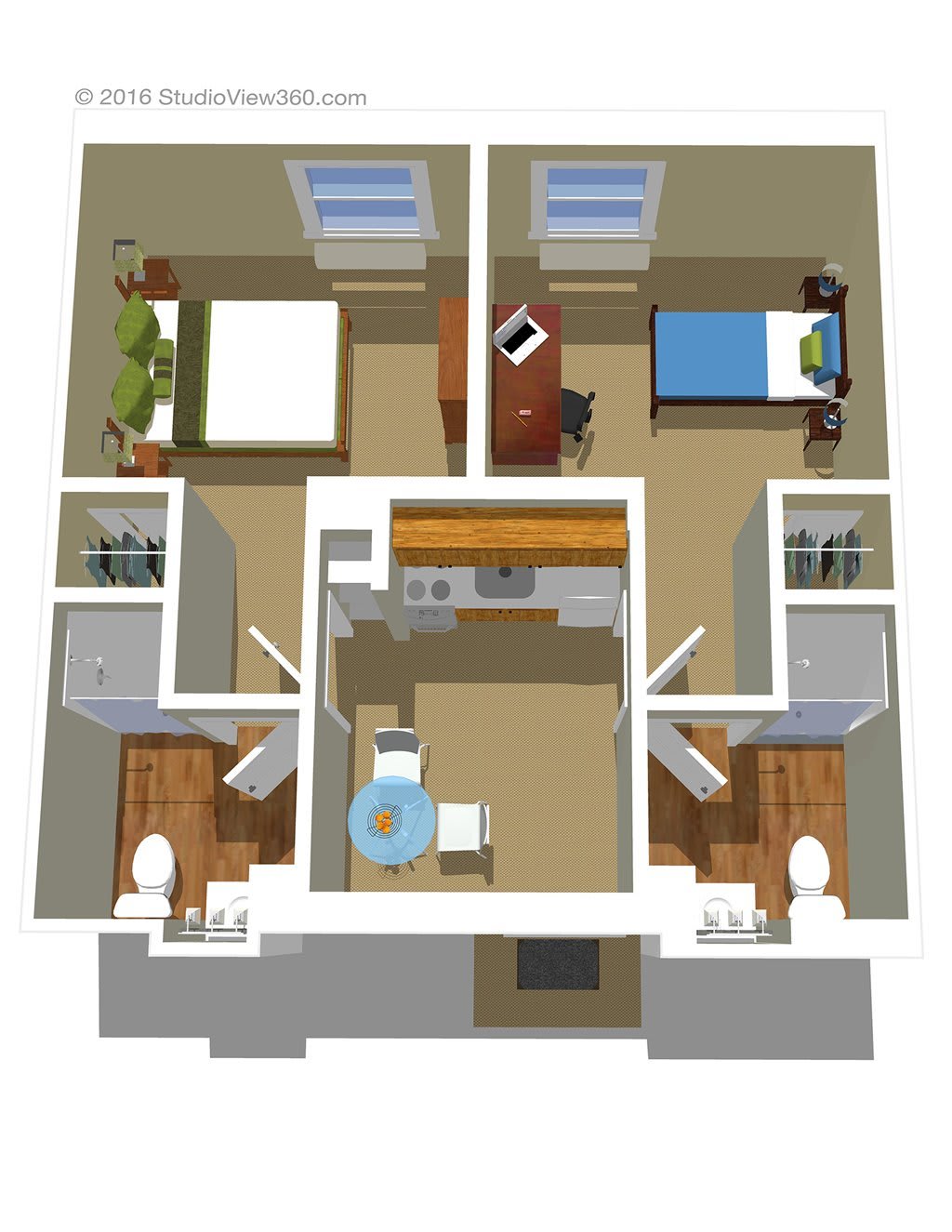
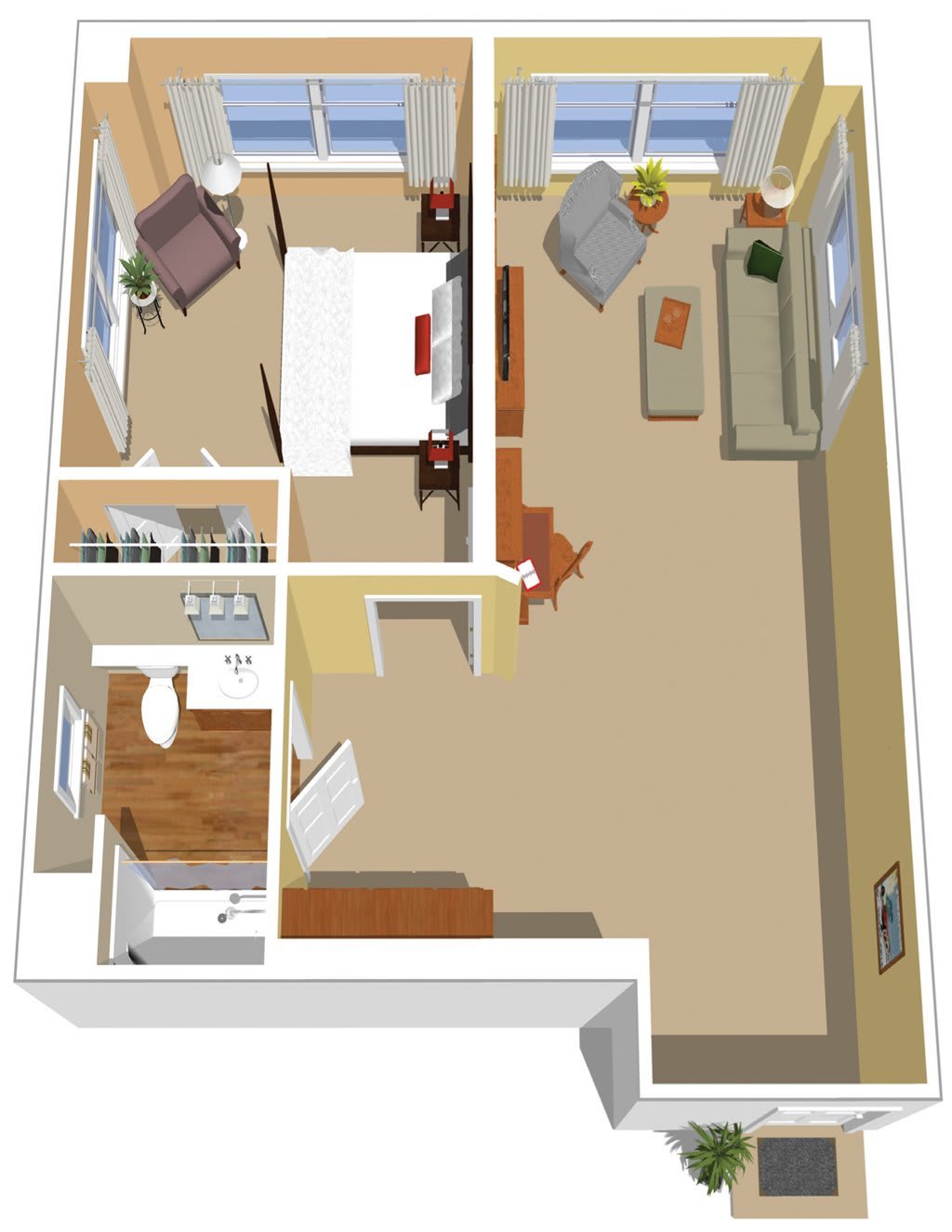
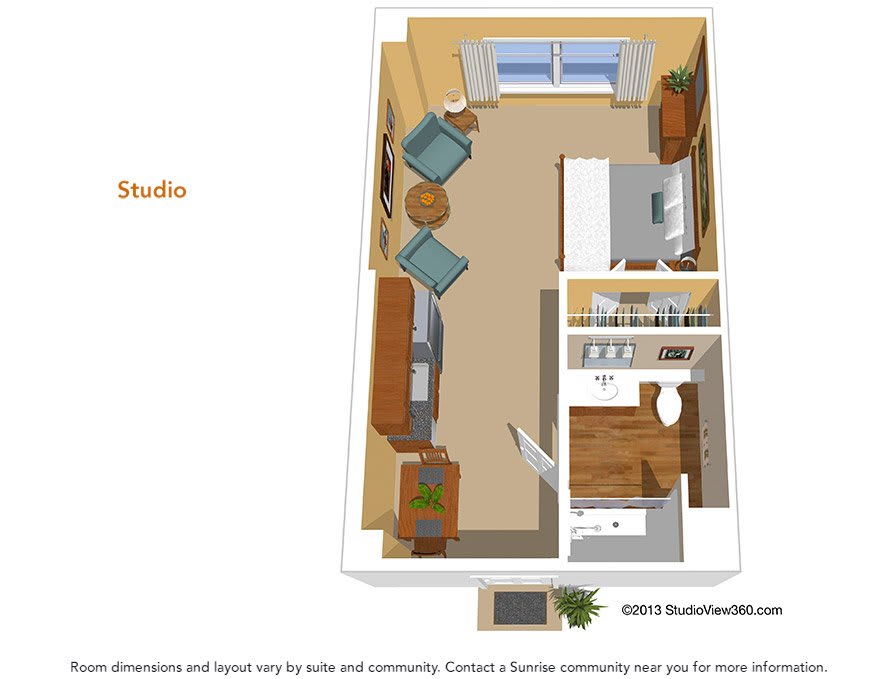
Sunrise at Sheepshead Bay offers a range of comfortable living options, with monthly costs that reflect the premium services and amenities provided. For a semi-private room, residents can expect to pay $5,520, which is notably higher than the average costs in Kings County at $4,426 and New York State at $4,389. The one-bedroom option increases to $7,710 - substantially above both local averages of $6,583 in Kings County and $4,307 statewide. Similarly, the studio units are priced at $7,800, surpassing the county rate of $5,461 and the state average of $4,532. These figures highlight Sunrise at Sheepshead Bay's positioning as a higher-end choice within the competitive landscape of assisted living facilities.
Floor plans
Sunrise at Sheepshead Bay
Kings County
New York
Semi-Private
$5,520
$4,426
$4,389
1 Bedroom
$7,710
$6,583
$4,307
Studio
$7,800
$5,461
$4,532
Memory care communities with a similar price nearby
Residents and families most often describe the staff as kind, respectful, and attentive.
Across reviews, families frequently say they feel their loved ones are treated with respect and that staff members make daily life easier. Many also mention clear communication, quick follow-up, and staff being available to help with needs like bathing, dressing, transfers, and medication management. A few reviews describe serious breakdowns—such as rude medical staff, delayed help, or inadequate follow-through—so experiences are not uniformly positive.
common26 reviews mention this
Daily activities and outings keep residents engaged
Residents describe an active schedule with entertainment, outings, and day-to-day programming.
Many reviews highlight scheduled activities each day, including group entertainment, games, and creative programming. Families also mention trips and outings, and several note how well residents adjust and stay engaged after moving in. There are also a few concerns that activities can feel limited for certain residents or at certain times, including complaints that an individual was bored or that dementia-specific activity experiences didn’t match general-resident programming.
caveat14 reviews mention this
Dining gets mixed feedback
Dining is a frequent discussion, with both positive meals and complaints about food quality or fit.
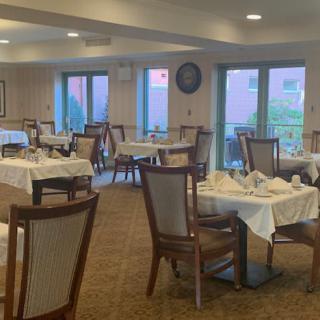
Several reviews praise the dining room and meals, including descriptions of tasty food and accommodating dining experiences. Others complain that food could be bland or mediocre, and a few say they didn’t receive enough support with medical or diet needs, including diabetes-related concerns. One resident-focused complaint also ties to dining being served cold when brought to a room during lockdown.
differentiator12 reviews mention this
Care support for memory needs
Residents with dementia or memory issues receive support that families connect to day-to-day reassurance.
Reviews repeatedly mention support for residents with dementia, including recollection-focused spaces and care staff helping with the transition and ongoing needs. Families also describe assistance with personal care tasks and medication-related support, and some say their loved ones were able to keep participating in events. Still, a smaller number of reviews raise concerns about dementia staffing, activity differences versus general programming, and issues with medical follow-through for higher care needs.
caveat10 reviews mention this
Private-pay pricing is a recurring concern
Pricing and private-pay limits come up often as reasons some families could not move forward.
Multiple reviews call out that the community is private pay, and some families say they couldn’t afford it or couldn’t use insurance. A few also describe cost surprises, including being underquoted or ending up with added fees after issues during the stay. Some reviewers counter that the care and overall experience feel worth the cost, but the financial concerns are consistent enough to affect decision-making for many prospects.
How we summarize
Counts show how many written reviews mention each theme; a review can touch several themes, and only frequently mentioned themes are displayed.
Features
Housing
189 resident community capacity
1-bedroom apartments
Studio apartments
Types of Care
Assisted Living
Memory Care
Amenities
Activities off-site
Activities on-site
Air-conditioning
Beautician on-site
Beauty salon
Cable or satellite TV
Computer center
Devotional services off-site
Devotional services on-site
Dining room
Fitness room
Fully furnished
Gaming room
Garden
Housekeeping services
Indoor common areas
Kitchenette
Laundry
Move-in coordination
Outdoor common areas
Outdoor space
Private bathrooms
Respite or short term stays offered
Restaurant-style dining
Small library
Telephone
Wellness center
Wi-Fi/high-speed internet available
Transportation
John F Kennedy International (10 miles away)
Newark International (14 miles away)
LaGuardia (14 miles away)
Community operated transportation
Transportation arrangement
Transportation arrangement (non-medical)
Care Services
12-16 hour nursing
24-hour call system
24-hour supervision
Activities of daily living assistance
Assistance with bathing
Assistance with dressing
Assistance with transfers
Coordination with health care providers
Diabetes diet
Diabetic care
High acuity care
Incontinence care
Meal preparation and service
Medication management
Mental wellness program
Mild cognitive impairment
Physical therapy
Special dietary restrictions
Specialized memory care programming
Transportation arrangement (medical)
Transportation to doctors appointments
Dining
Diabetes diet
Guest meals
Low / no sodium
Low fat
Meals provided
No Sugar
Professional chef
Restaurant style dining
Special dietary restrictions
Special dining programs
Activities
Activities off-site
Activities on-site
Art classes
Community-sponsored activities
Concierge services
Day trips and outings
Devotional activities offsite
Devotional activities on-site
Educational speakers / life long learning
Fitness programs
Happy hour
Pet-focused programs
Planned day trips
Religious services
Resident-run activities
Scheduled daily activities
Sensory-based programs
Languages Spoken
English
Nearby Places of Interest
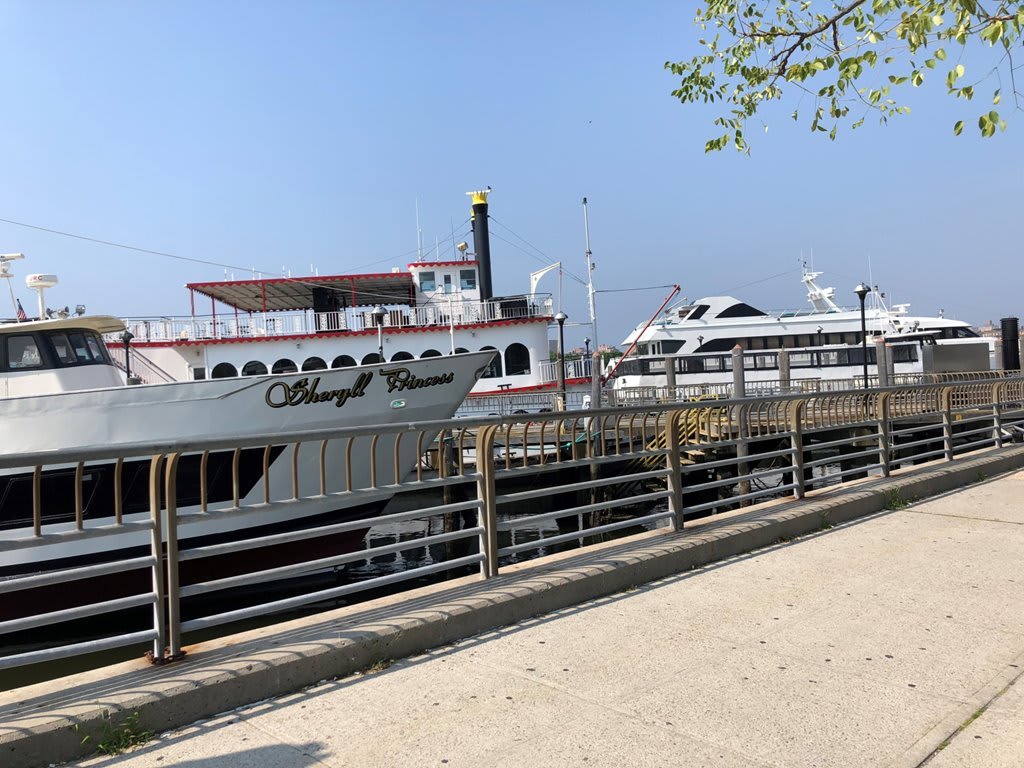
This neighborhood in Brooklyn, New York is a vibrant and diverse area with a variety of amenities within close proximity. With multiple subway stations nearby, transportation is easily accessible for getting around the city. There are several pharmacies and hospitals within a few miles, providing convenient access to healthcare services. The neighborhood also offers a range of dining options from iconic seafood establishments to cozy cafes. For leisure activities, there are parks and theaters within a short distance for relaxation and entertainment. Overall, this area provides a convenient and lively environment for senior living.
Transportation
MTA Subway - Sheepshead Bay (0.5 miles)
MTA Subway - W 8th St/NY Aquarium (1.7 miles)
MTA Subway - Coney Island/Stillwell Ave (1.9 miles)
Sunrise at Sheepshead Bay offers a range of comfortable living options, with monthly costs that reflect the premium services and amenities provided. For a semi-private room, residents can expect to pay $5,520, which is notably higher than the average costs in Kings County at $4,426 and New York State at $4,389. The one-bedroom option increases to $7,710 - substantially above both local averages of $6,583 in Kings County and $4,307 statewide. Similarly, the studio units are priced at $7,800, surpassing the county rate of $5,461 and the state average of $4,532. These figures highlight Sunrise at Sheepshead Bay's positioning as a higher-end choice within the competitive landscape of assisted living facilities.
The array of services at Sunrise at Sheepshead Bay is meticulously designed to cater to the diverse needs of residents with varying degrees of dementia or Alzheimer's disease, fostering a supportive environment that enhances their quality of life. With 24-hour supervision, residents receive constant attention and security, which is crucial for those who might experience confusion or disorientation. Assistance with activities of daily living, such as bathing and dressing, helps maintain personal hygiene and dignity, while support during transfers ensures safety and mobility. Coordination with healthcare providers effectively manages the health concerns often associated with memory care needs, complemented by incontinence care that promotes comfort and confidence. Meal preparation tailored to dietary requirements nourishes both body and mind, while medication management safeguards adherence to treatment plans. Programs focused on mental wellness and physical therapy not only encourage cognitive engagement but also enhance overall physical health. Additionally, sensory-based programs stimulate cognitive function through tailored experiences, and specialized memory care programming provides structured routines that can ease anxiety and promote familiarity. Transportation arrangements for medical appointments ensure that residents have access to necessary external healthcare services without added stress, further solidifying their comprehensive care framework.
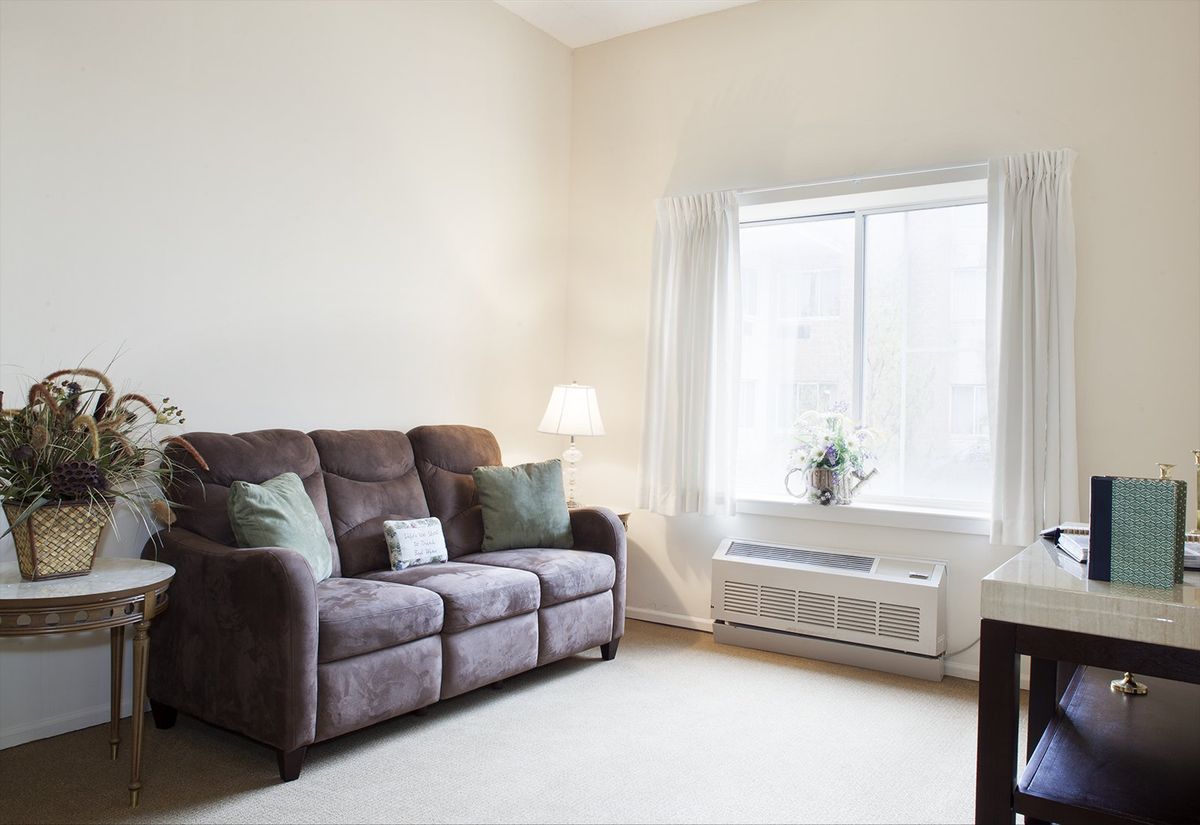
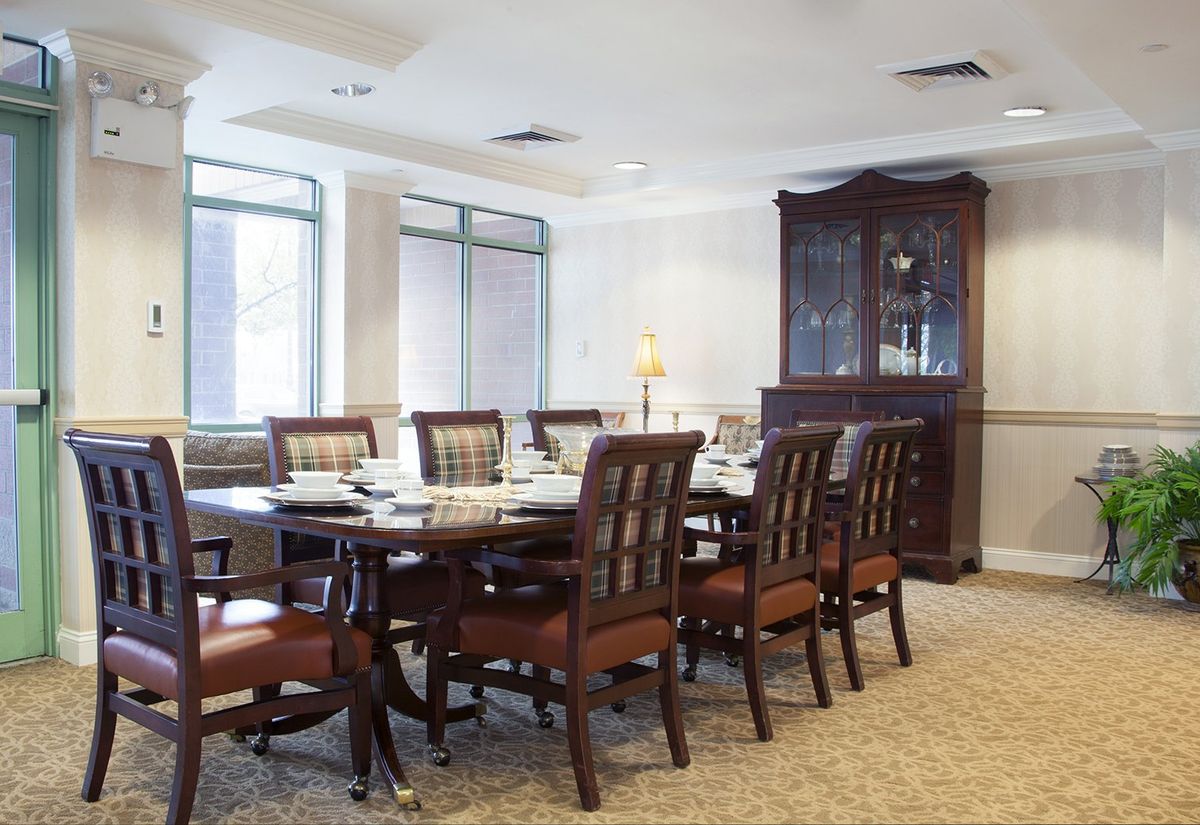
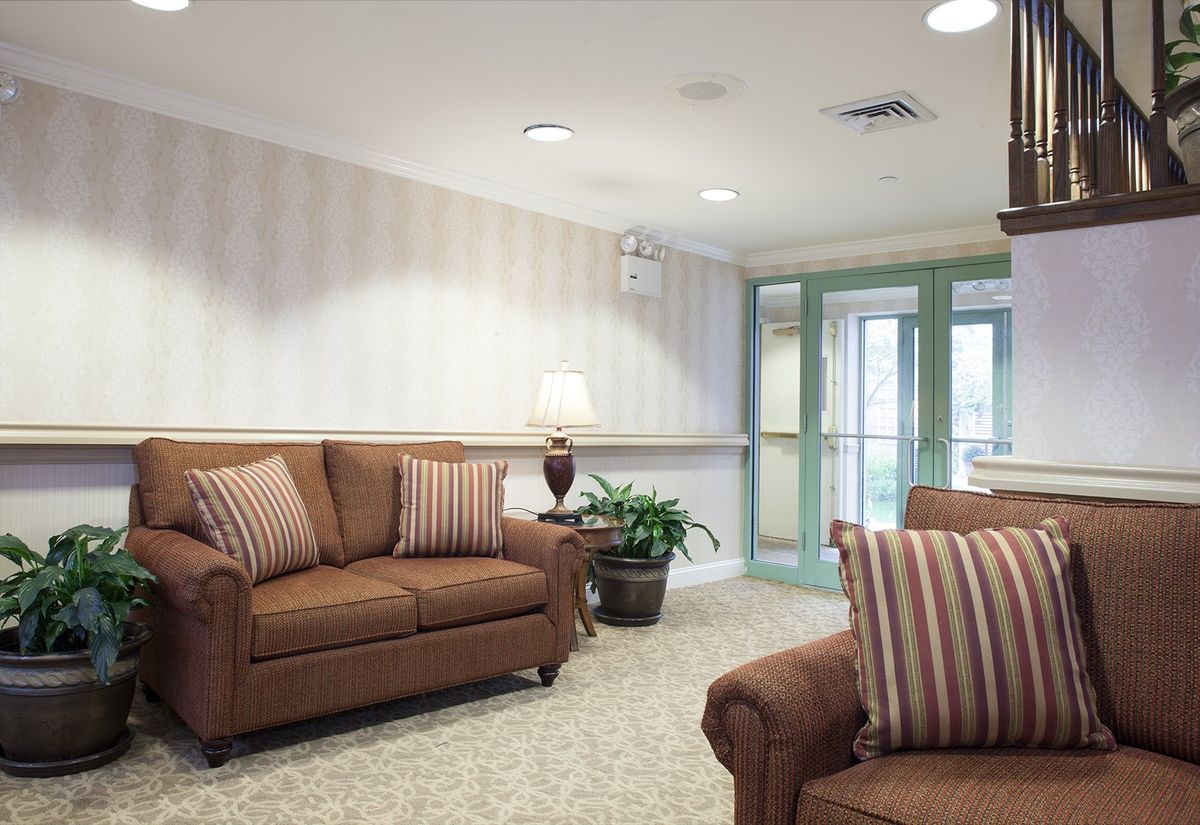
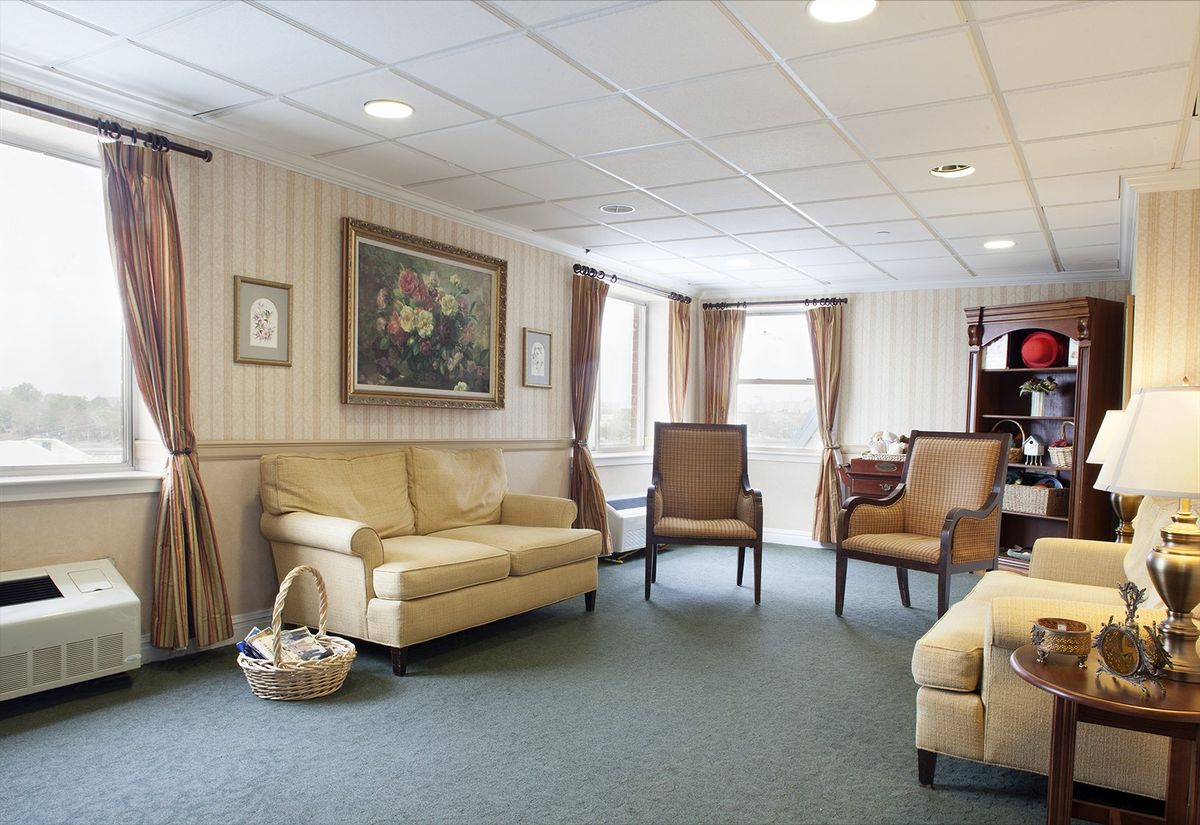
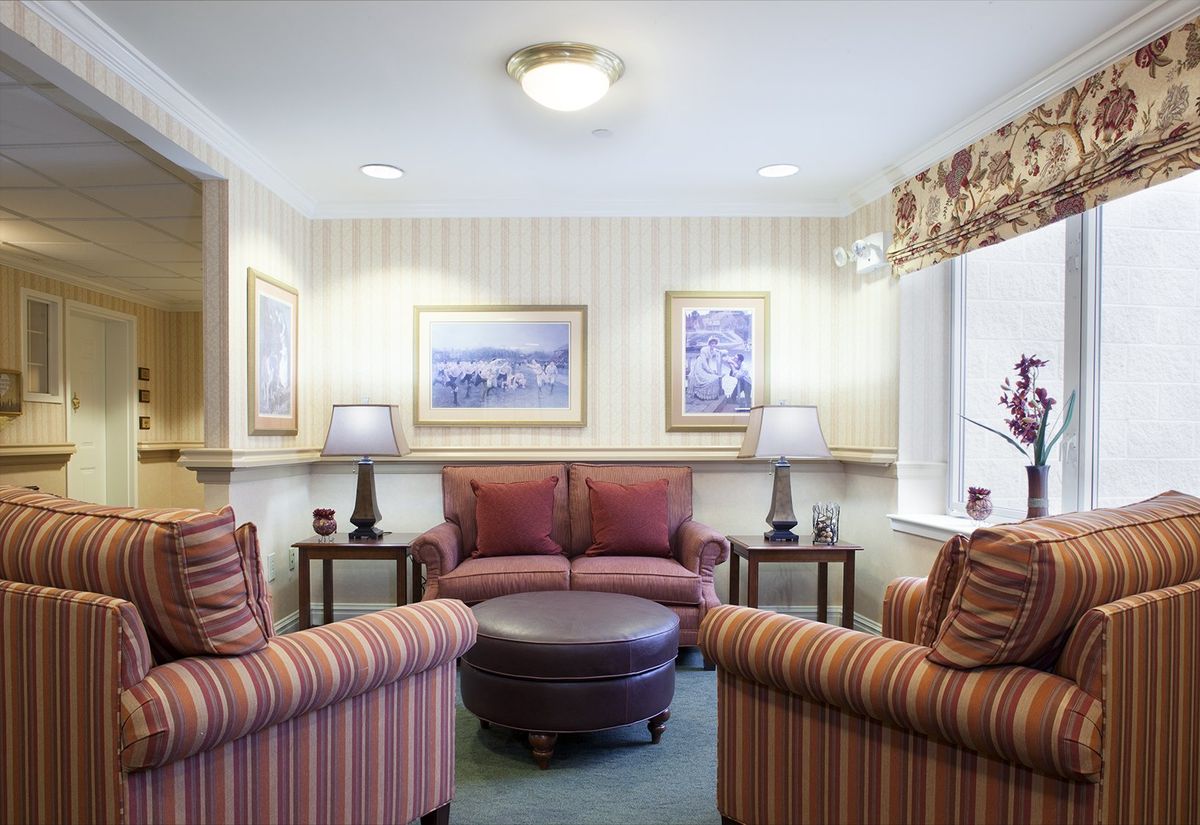
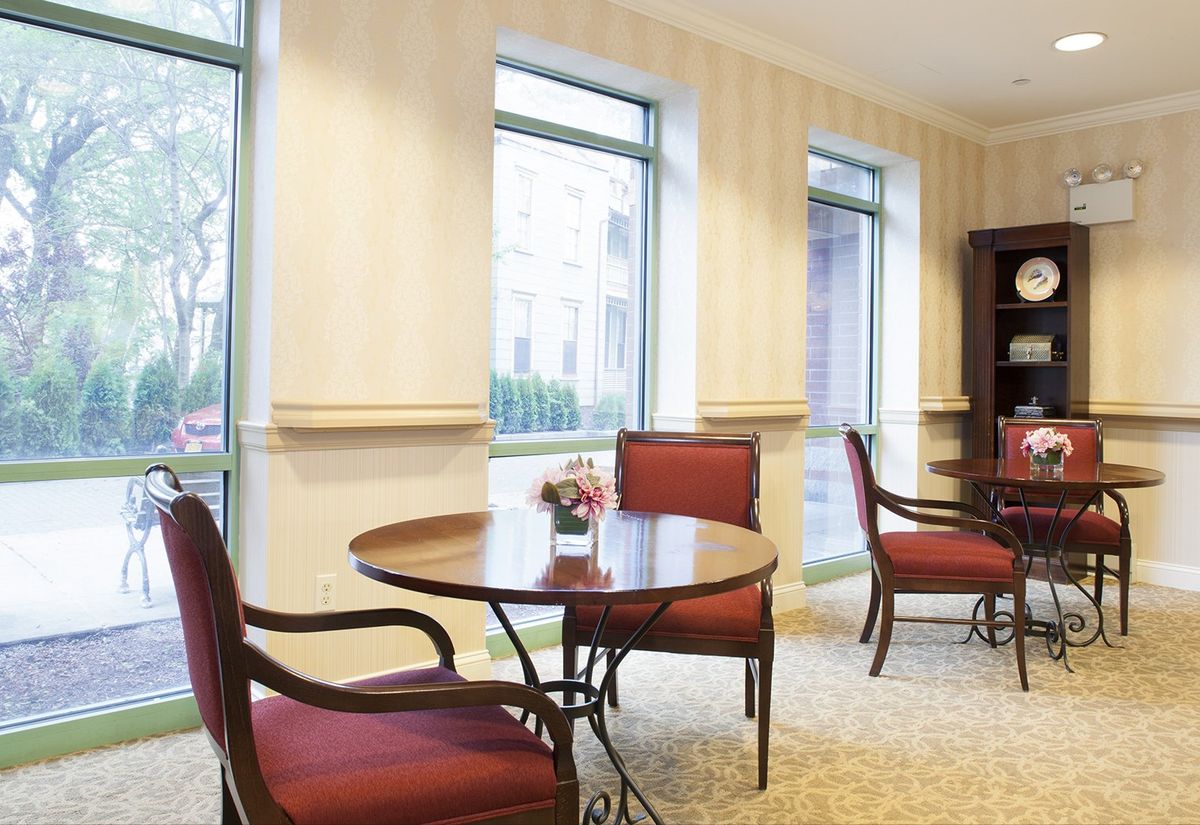
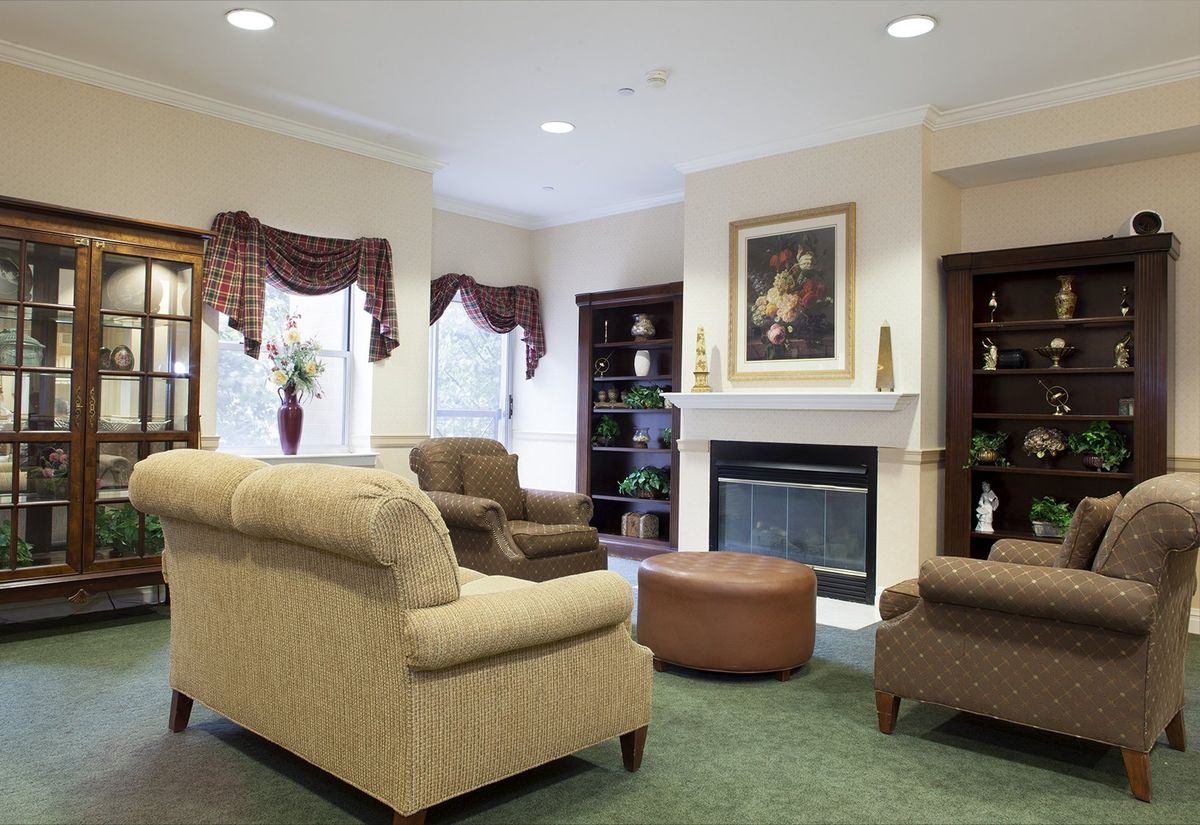
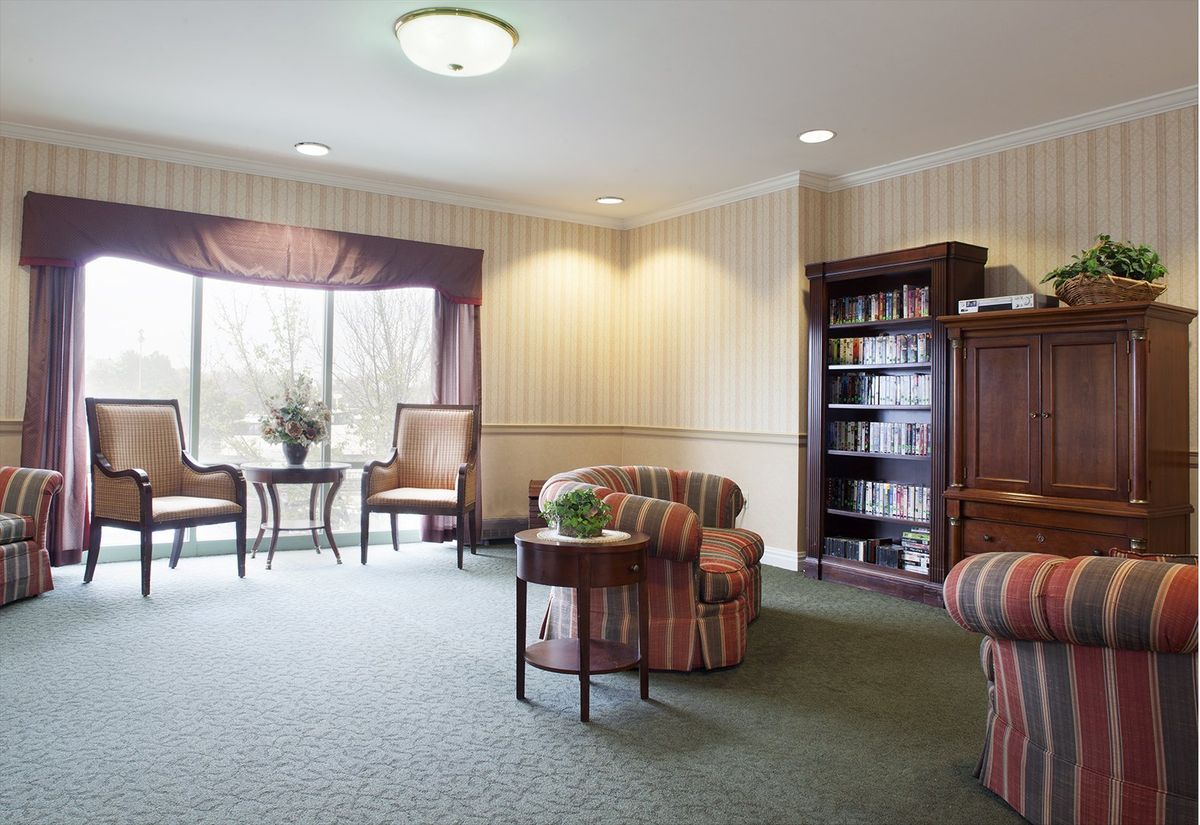
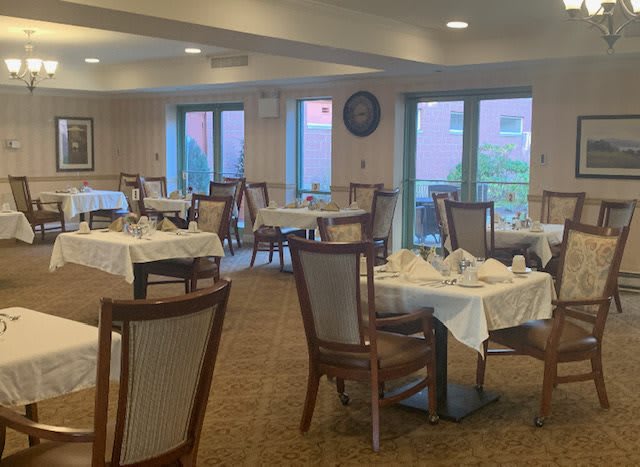
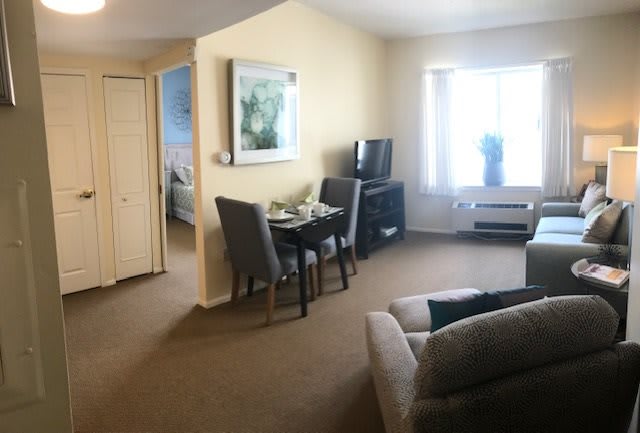
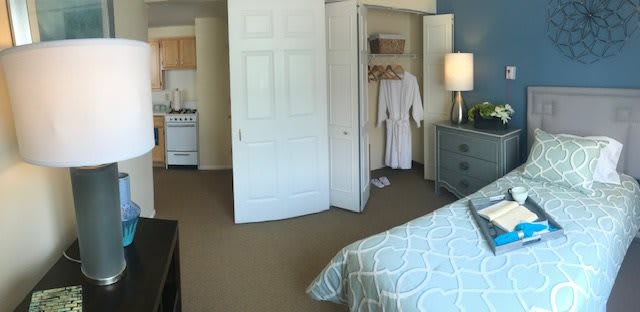
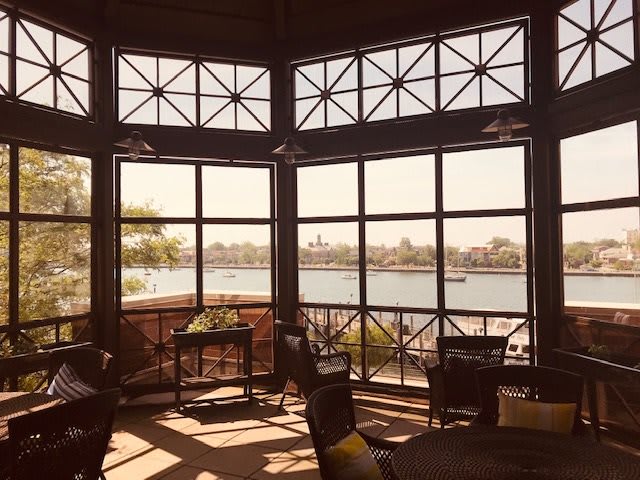
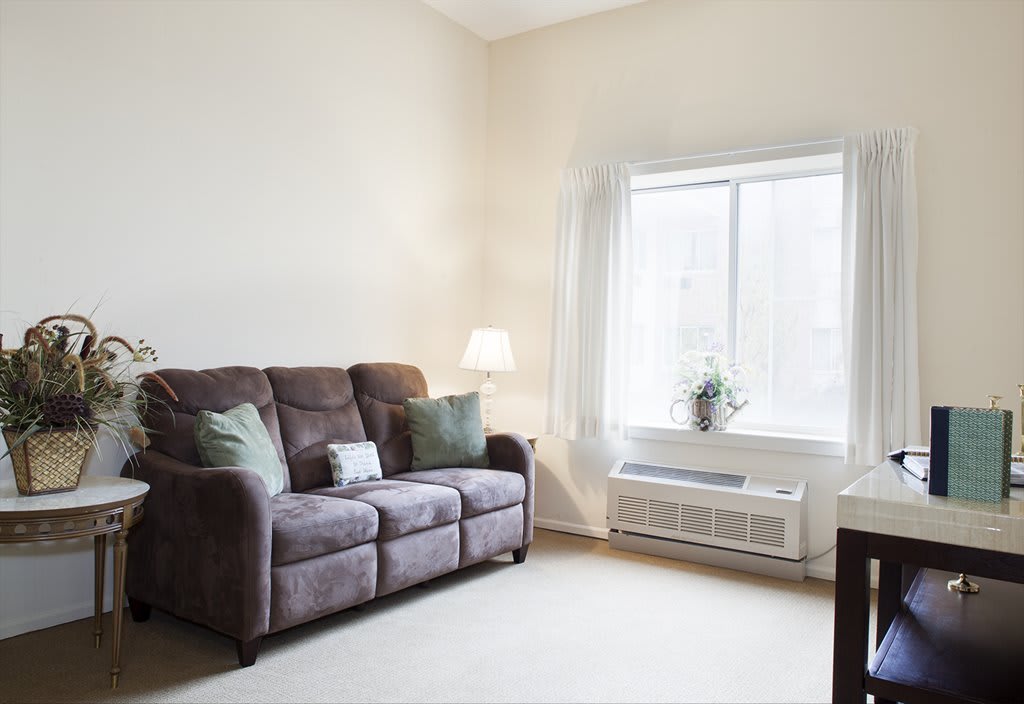
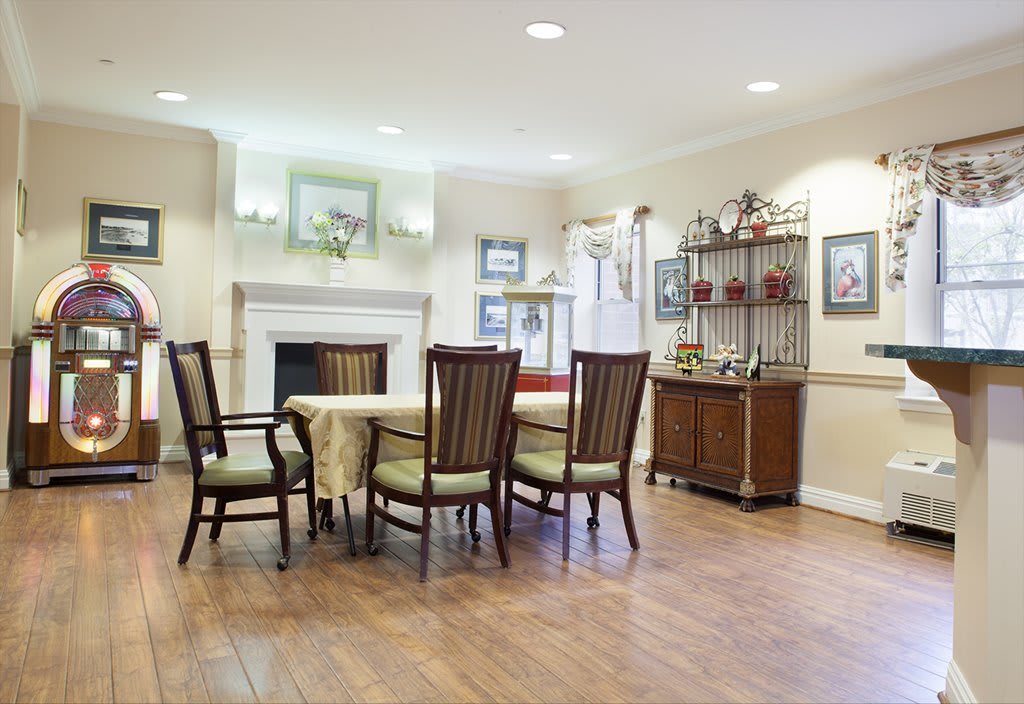
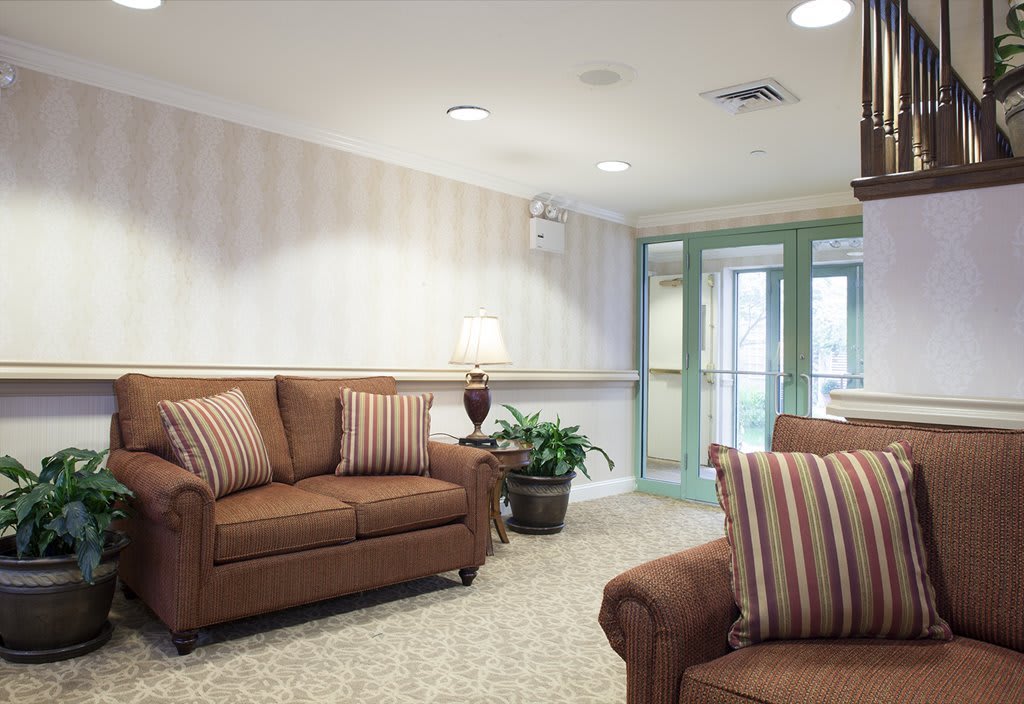
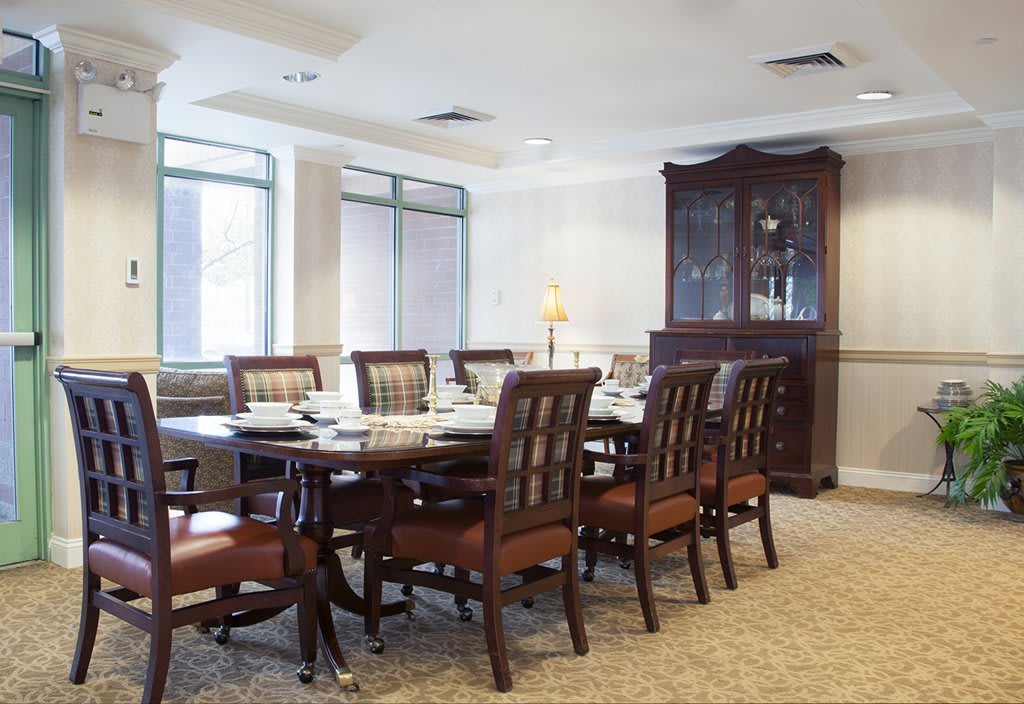
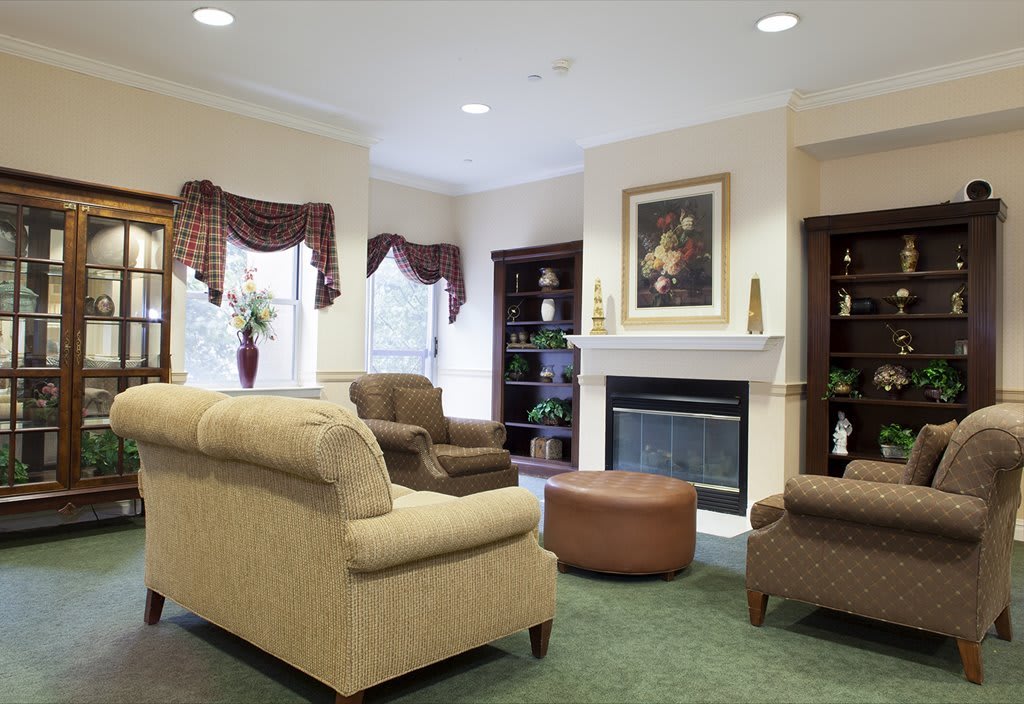
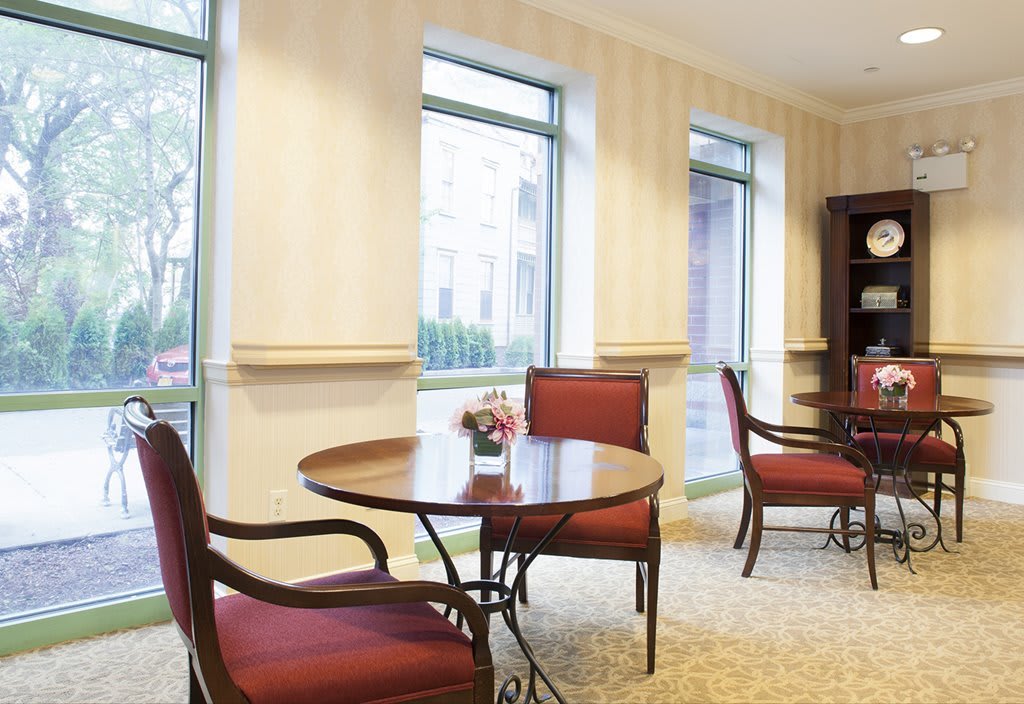
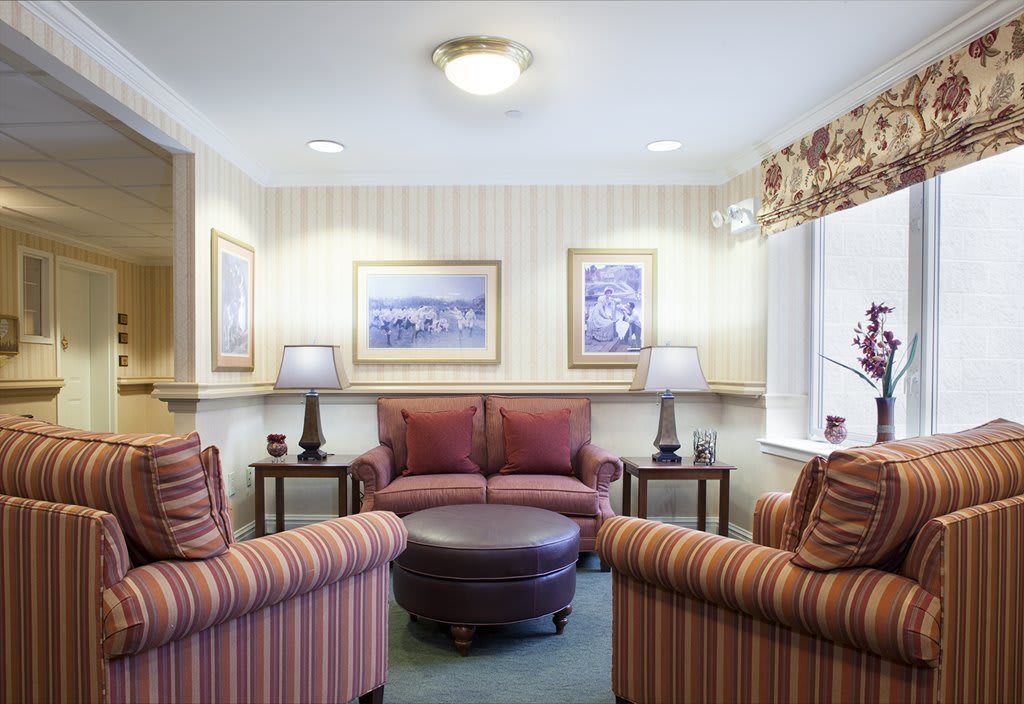
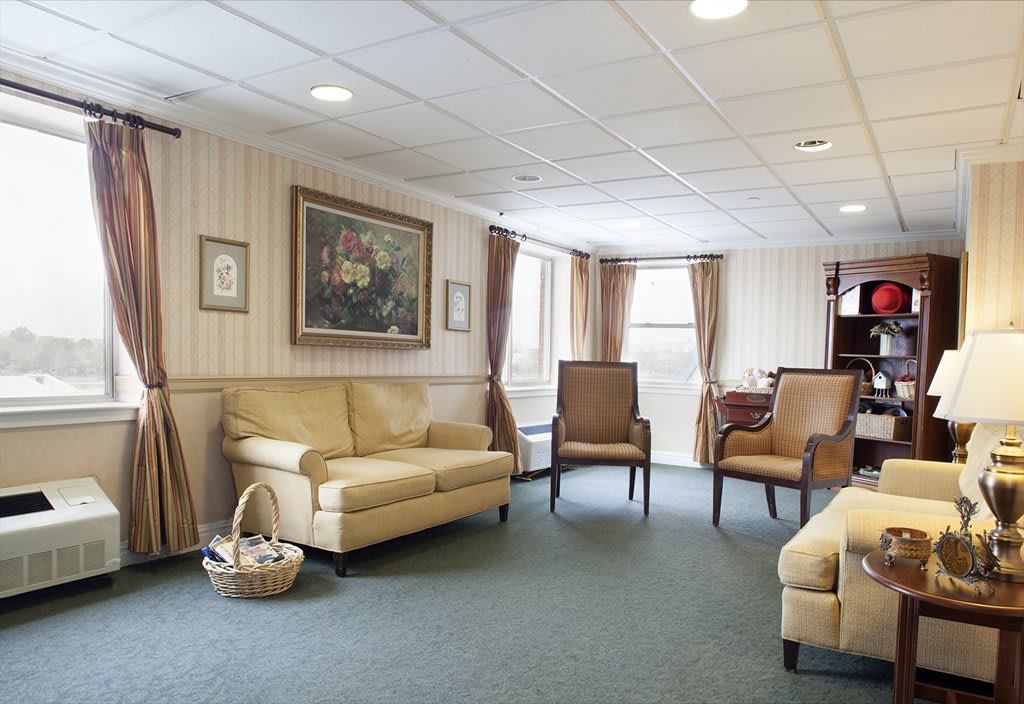
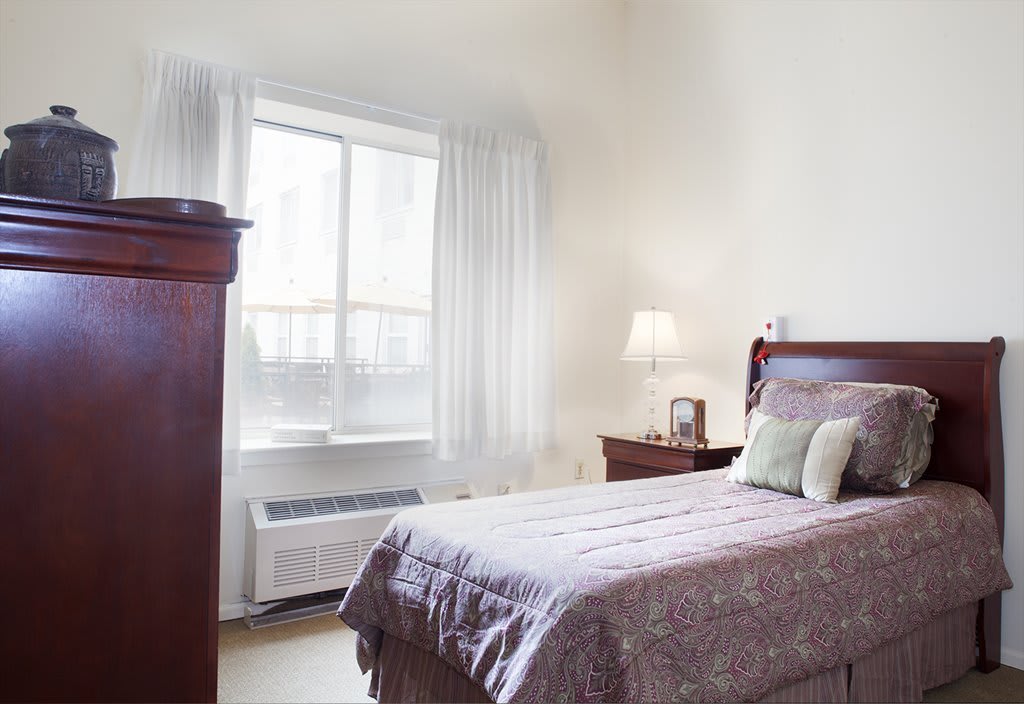
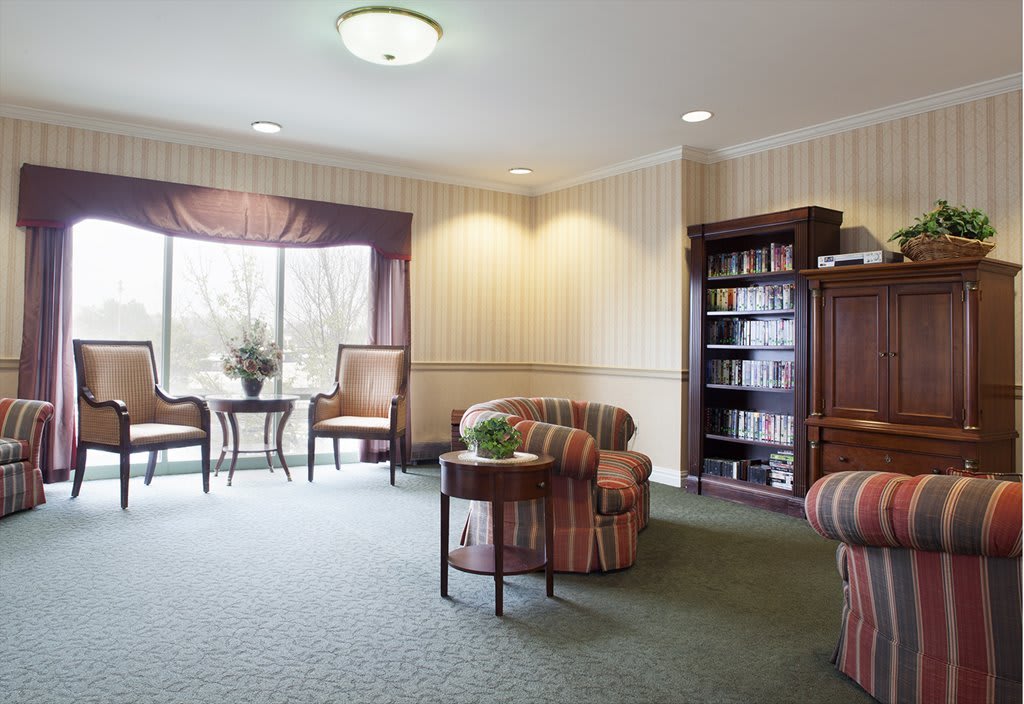
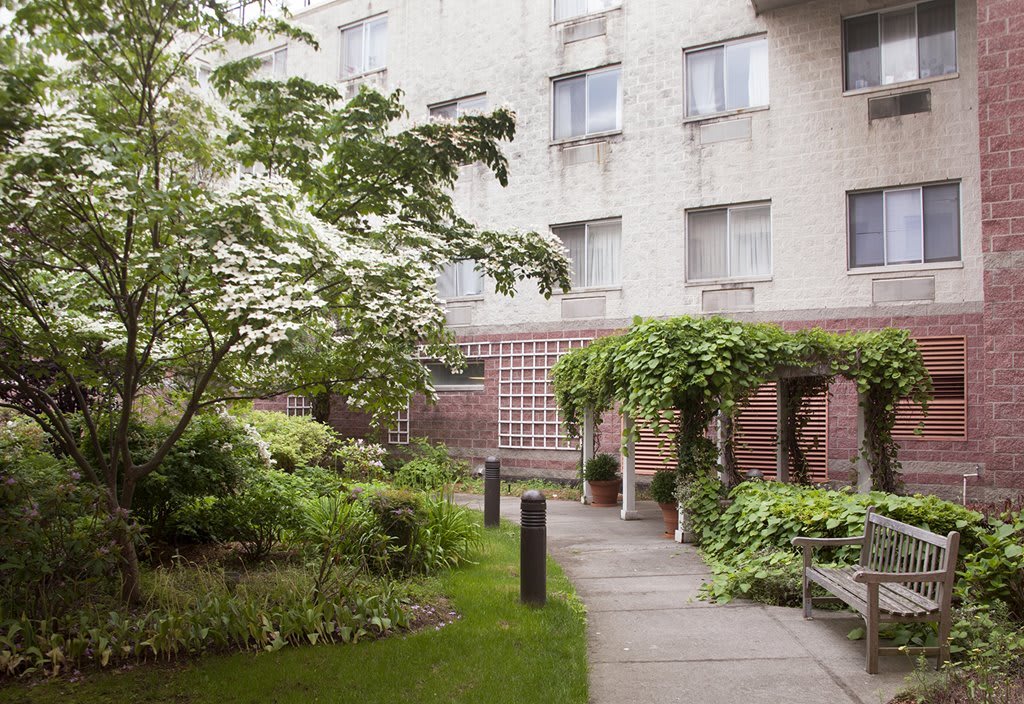
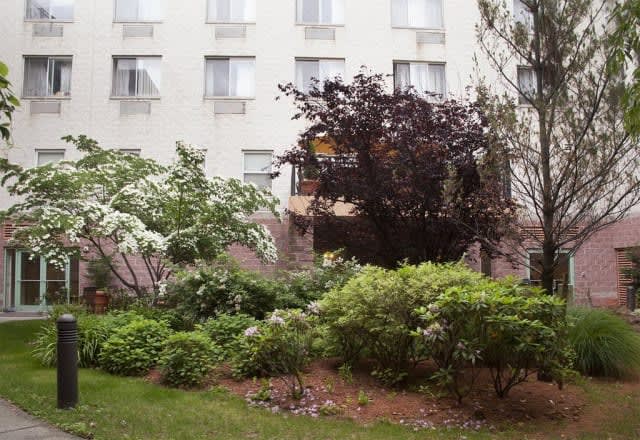
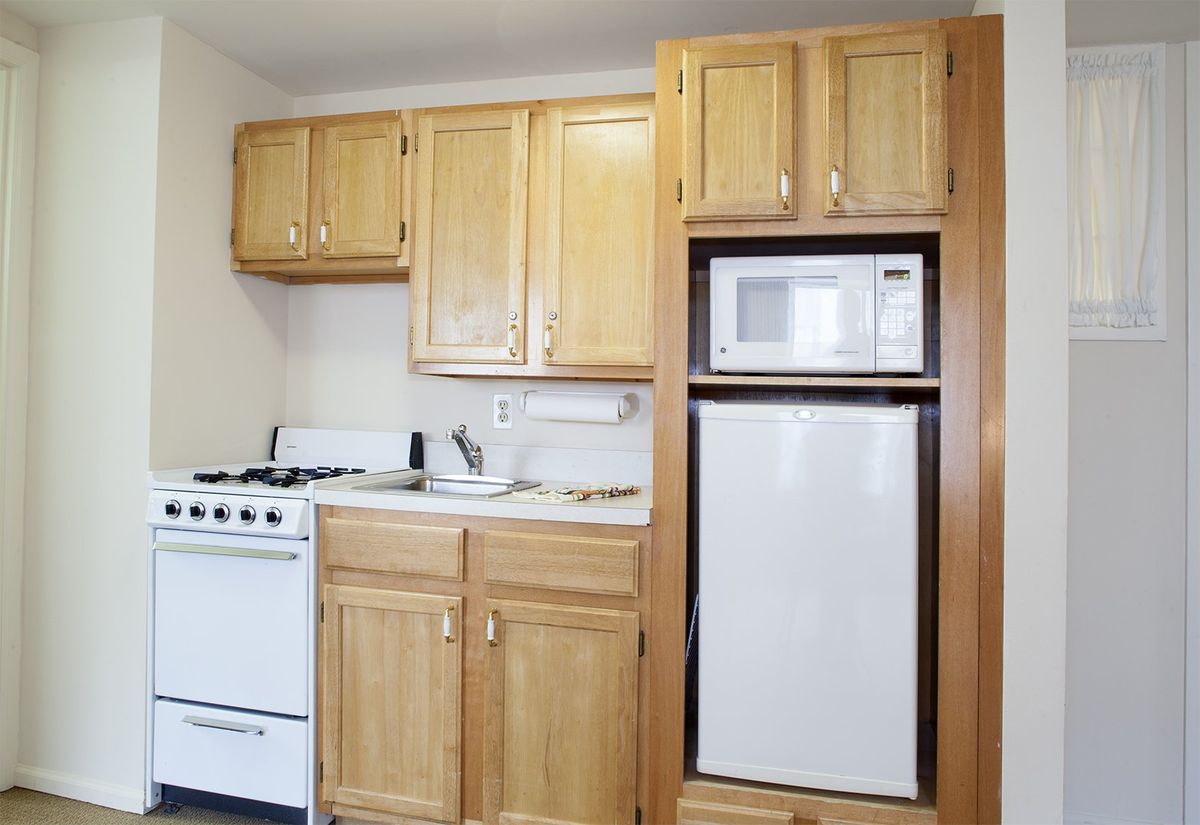
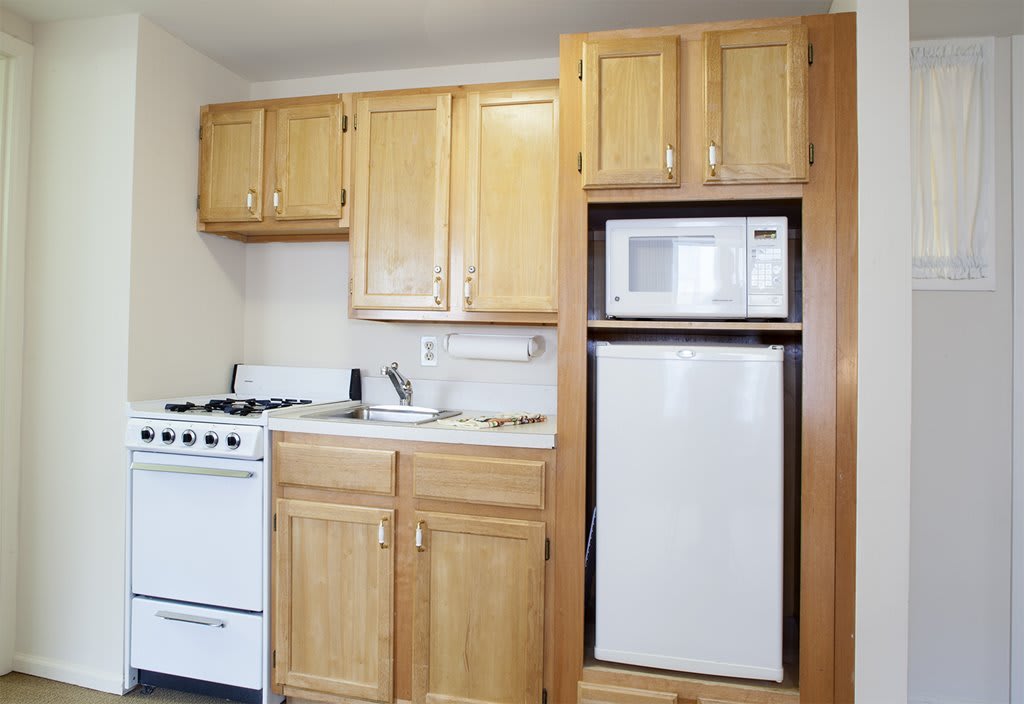
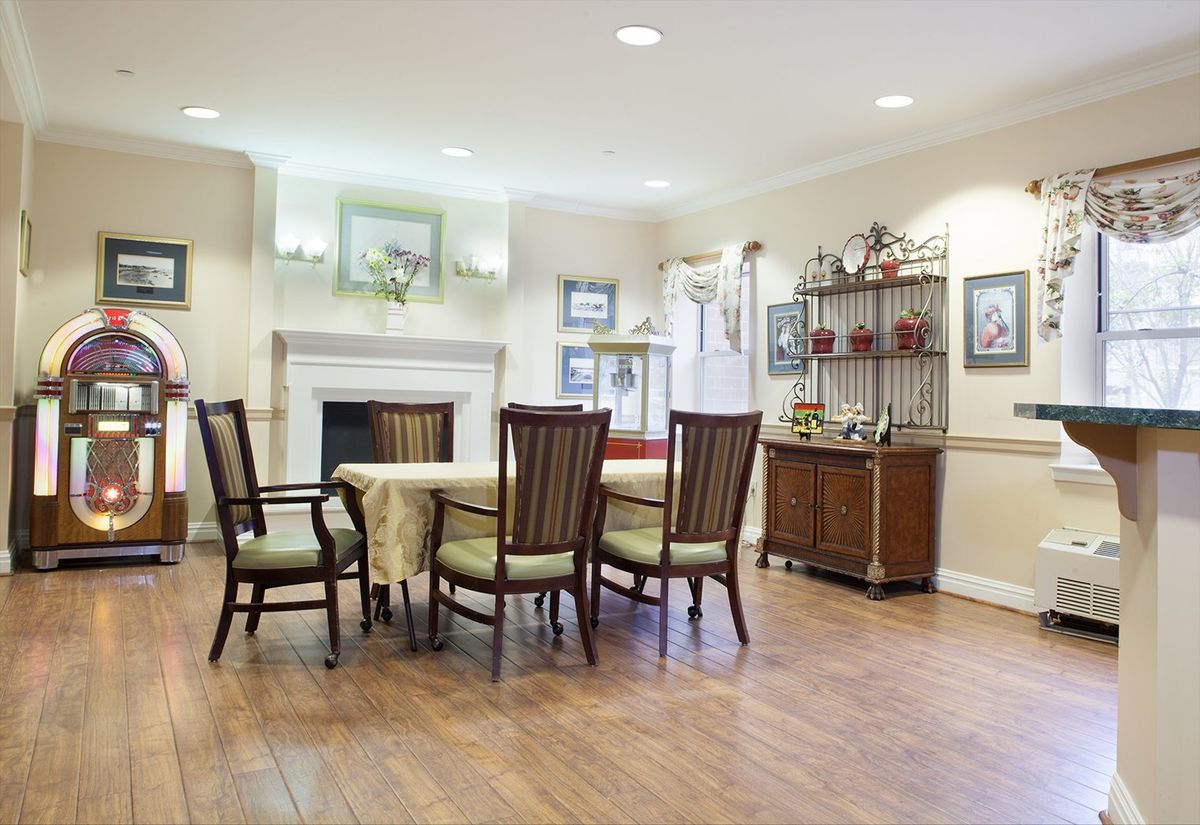
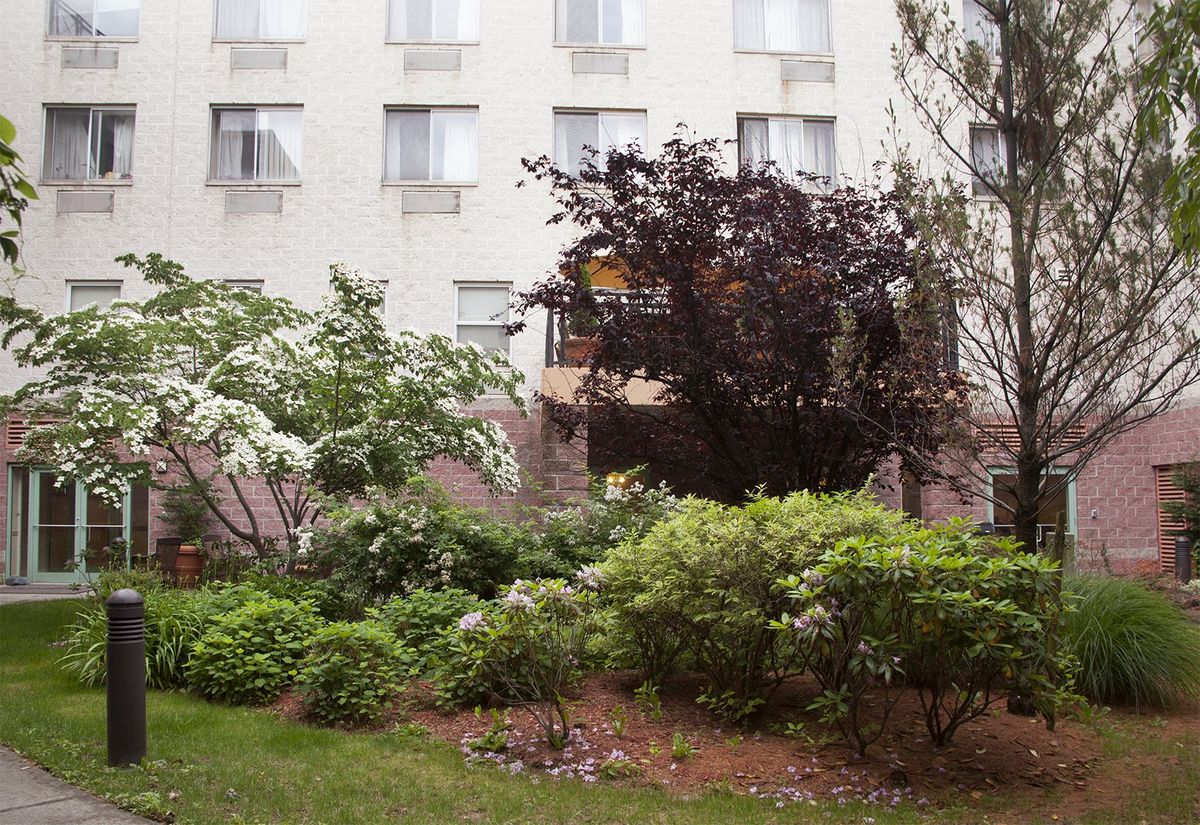
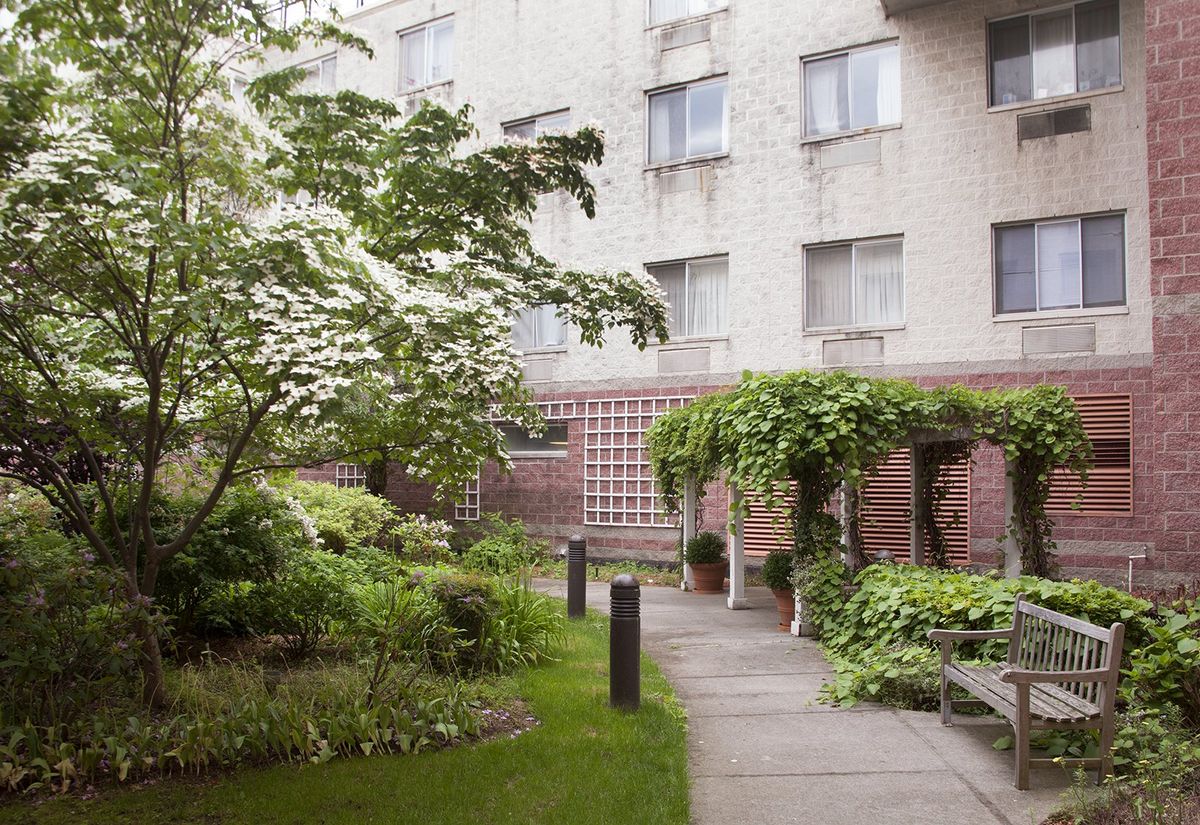
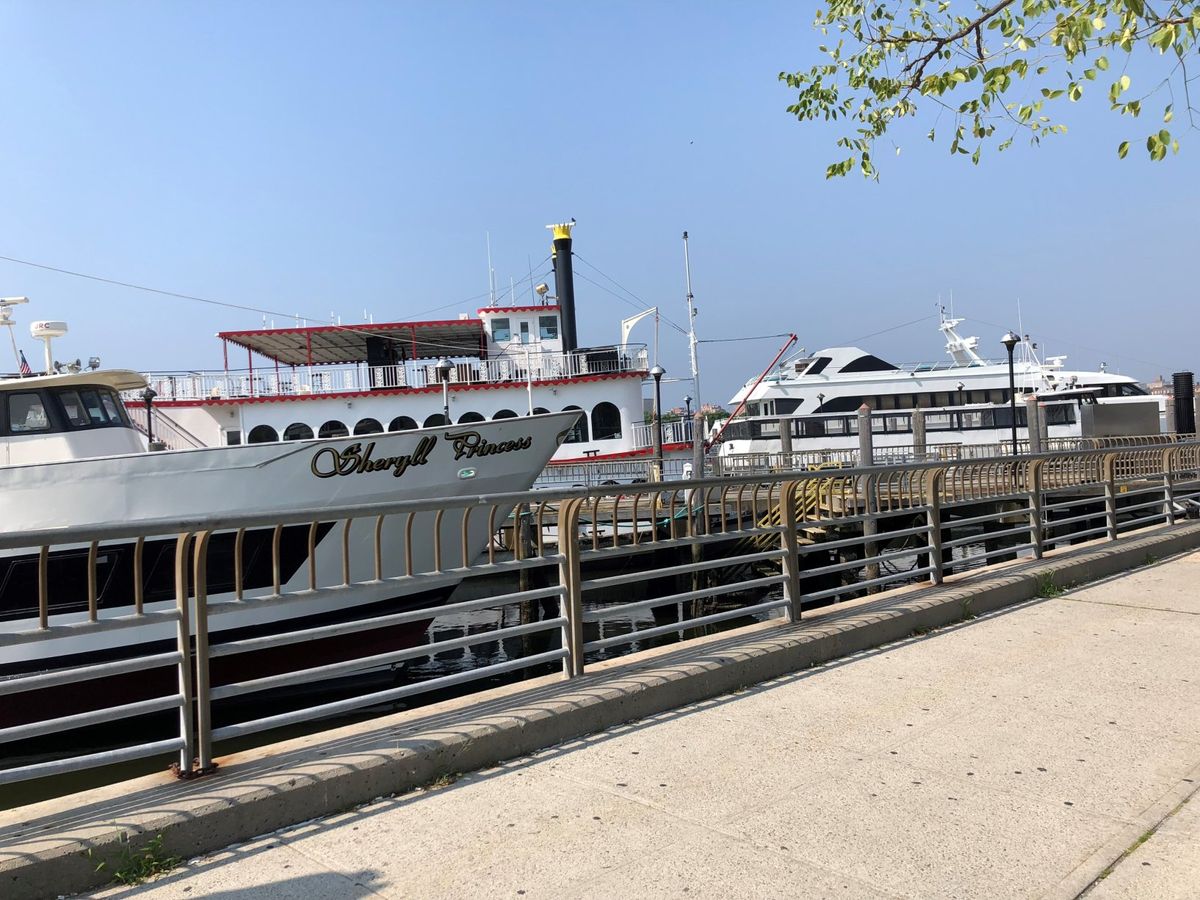
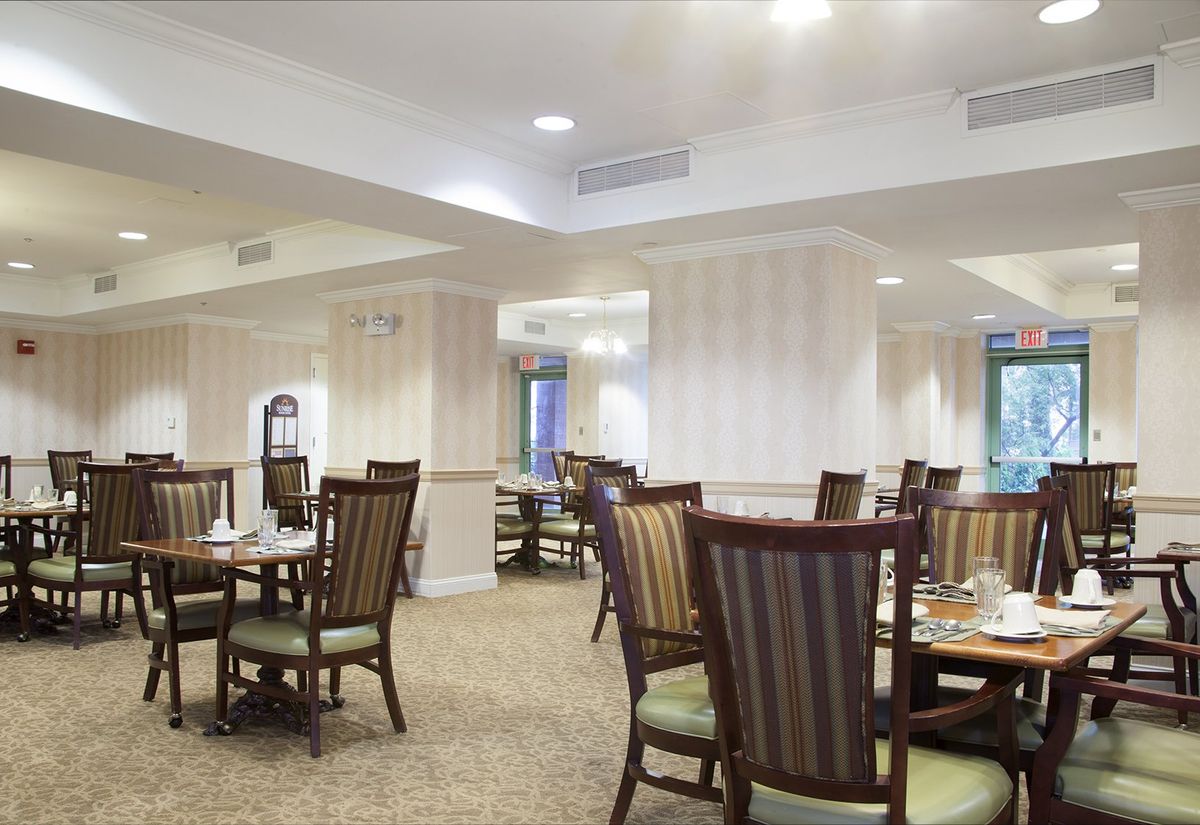
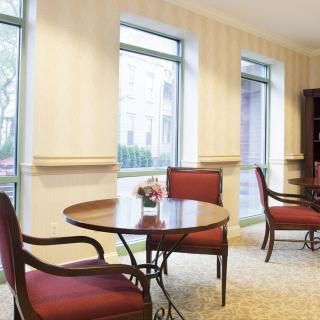
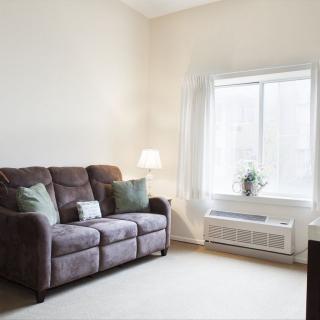
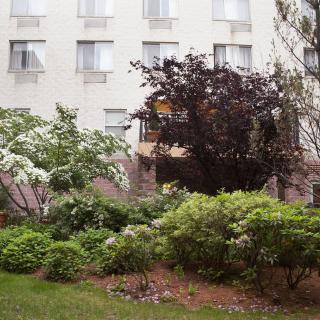
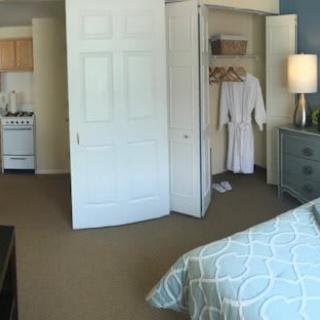
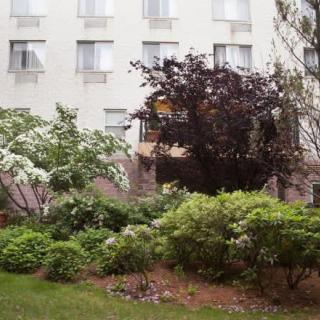
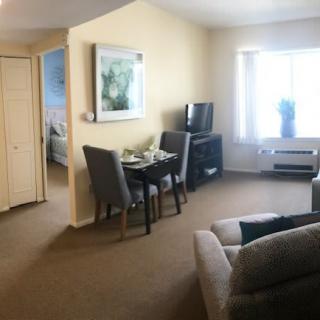
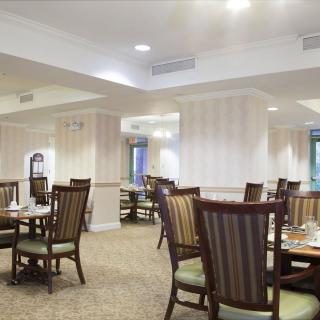
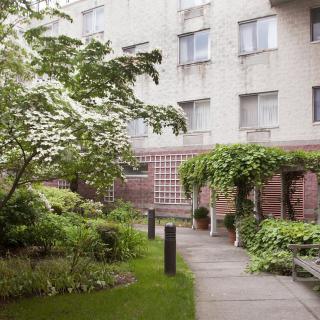
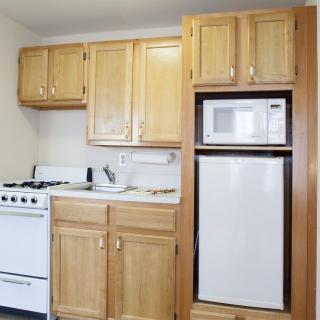
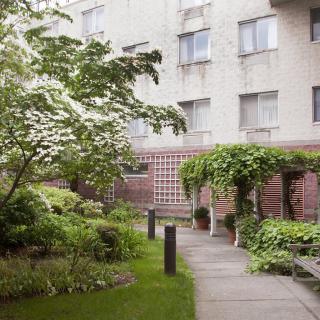
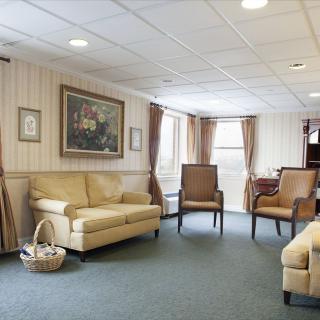
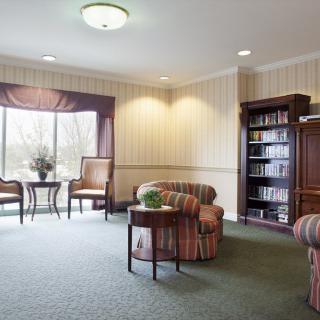
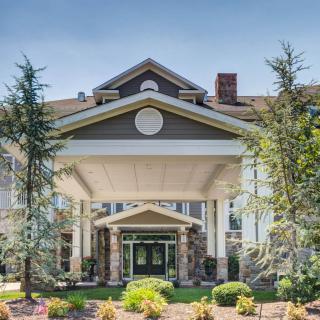
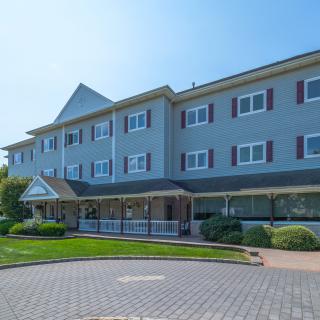
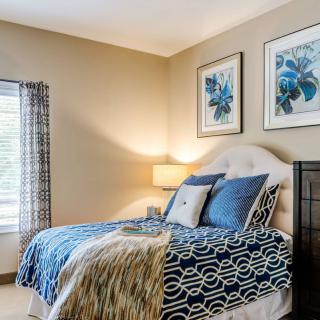
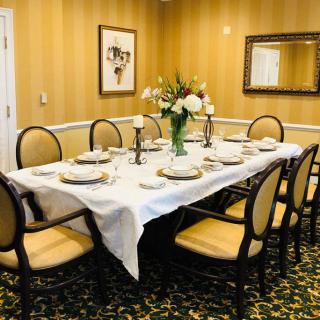
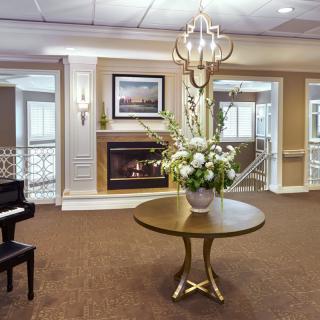
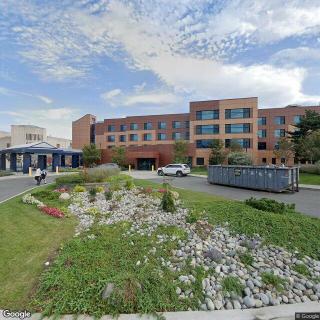
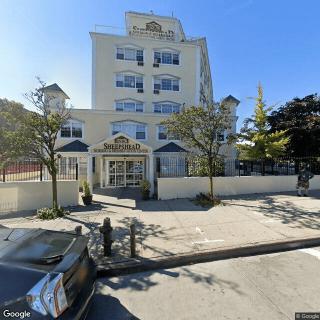
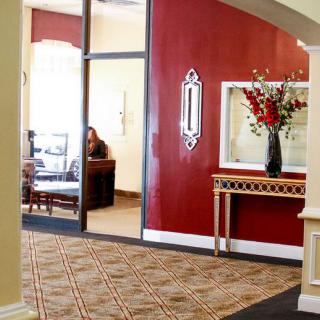
Sunrise at Sheepshead Bay on seniors.fyi includes 36 photos including images showing interior, living room, windows, dining, landscaping, decor, floor plan, bedroom, and more.
Nearby Communities
Geriatric Resource
Brooklyn, NY
4 from 2 reviews
Reliable caregiver matched to meet specific hours and care needs.
Real Care Inc
Brooklyn, NY
3 from 2 reviews
Convenient access to parks, healthcare, dining, transportation, and hospitals nearby.
The Waterford On The Bay
Brooklyn, NY
4.2 from 95 reviews
$4,313 to $8,561 / month
Friendly, attentive staff; clean and well-maintained facility; waterfront location with proactive family communication.
Menorah Home & Hospital
Brooklyn, NY
3.6 from 139 reviews
Clean, well-maintained facility with compassionate staff and effective physical therapy.
Menorah Home & Hospital For Aged & Infirm
Brooklyn, NY
3.6 from 100 reviews
Extensive amenities and 24/7 nursing care.
Sheepshead Nursing & Rehabilitation Center
Brooklyn, NY
4.5 from 116 reviews
24-hour care with supervision, restaurant-style dining, and private, furnished rooms.
Sheepshead Nursing Home
Brooklyn, NY
4.4 from 111 reviews
Friendly, attentive staff and well-designed rehab rooms.
Ateret Avot
Brooklyn, NY
3.9 from 11 reviews
$6,500 / month
Home-like Heimish atmosphere with friendly staff and well-appointed, hotel-style rooms.
Signature Senior Living
Brooklyn, NY
3.8 from 105 reviews
$3,700 to $3,800 / month
Caring staff and a variety of resident activities.
Memory care activities are essential for improving the quality of life of seniors with cognitive impairments, as they stimulate cognitive function, promote well-being, and encourage social interaction through tailored strategies. These activities combine structured exercises with spontaneous tasks, sensory engagement, physical workouts, creative pursuits, and intergenerational interactions to enhance emotional connection and a sense of purpose.
Transitioning from assisted living to memory care is driven by an individual's cognitive decline and specific needs, requiring careful evaluation of indicators like increased confusion and wandering. The process involves consulting medical professionals, researching suitable communities, considering financial and legal aspects, and ensuring effective communication for personalized care plans.
The article differentiates between assisted living and memory care, explaining that assisted living supports seniors with daily activities while promoting independence, whereas memory care provides specialized services for individuals with dementia, focusing on secure environments and cognitive support. It also addresses staff training, safety considerations, costs, family involvement, and transition strategies for families navigating these care options.
Get PricingAsk A QuestionSchedule A TourContact Senior Advisor
By clicking submit, you agree to our Partner's Terms of Use. You
also consent to receive calls and texts, which may be autodialed, from our Partner. Your consent is not a condition to
using our Partner's service. Please visit our Partner's Privacy Policy for information about their privacy practices.


 189 resident community capacity
 1-bedroom apartments
 Assisted Living
 Memory Care
 Activities off-site
 Air-conditioning
 Beautician on-site
 Cable or satellite TV
 Computer center
 Devotional services off-site
 Dining room
 Fitness room
 Fully furnished
 Gaming room
 Garden
 Housekeeping services
 Indoor common areas
 Kitchenette
 Laundry
 Move-in coordination
 Outdoor common areas
 Private bathrooms
 Respite or short term stays offered
 Restaurant-style dining
 Small library
 Telephone
 Wellness center
 Wi-Fi/high-speed internet available
 John F Kennedy International (10 miles away)
 Community operated transportation
 12-16 hour nursing
 24-hour call system
 Assistance with bathing
 Assistance with dressing
 Assistance with transfers
 Diabetes diet
 Diabetic care
 High acuity care
 Incontinence care
 Medication management
 Mental wellness program
 Physical therapy
 Special dietary restrictions
 Transportation arrangement (medical)
 Art classes
 Concierge services
 Day trips and outings
 Educational speakers / life long learning
 Happy hour
 Pet-focused programs
 Sensory-based programs
 English
 Reliable caregiver matched to meet specific hours and care needs.



 Engaging Memory Care Activities That Enhance Quality of Life
 When to Transition from Assisted Living to Memory Care: Key Indicators, Steps, and Finding the Right Community
 Understanding the Distinctions: Assisted Living and Memory Care Explained