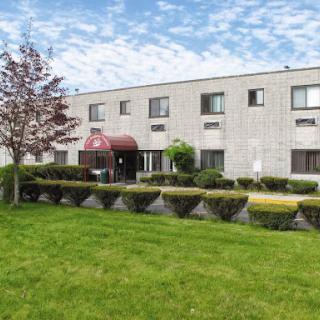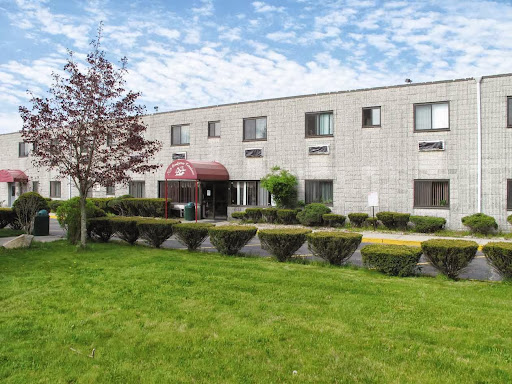

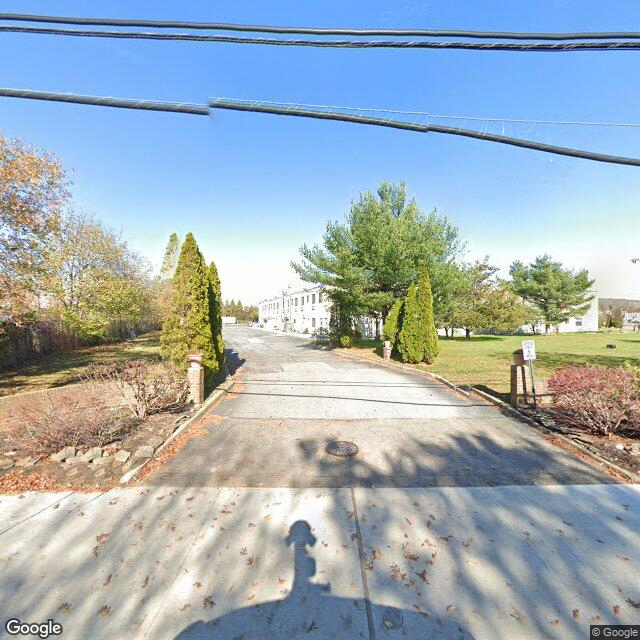
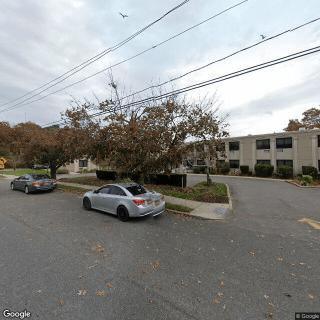
111 Beaver Dam Road, Brookhaven, NY 11719
To contact a resident: (631) 286-2500
For more information about senior living options: (866) 208-4318
New Brookhaven Town House Costs & Pricing
New Brookhaven Town House offers competitive pricing compared to both Suffolk County and the broader New York state landscape. For semi-private rooms, residents pay $1,550 monthly, which is significantly lower than the county average of $3,706 and the state average of $4,389. Similarly, the cost for a studio at New Brookhaven Town House is set at $2,800, providing substantial savings against the Suffolk County rate of $5,129 and the state rate of $4,532. These pricing structures position New Brookhaven Town House as an attractive option for those seeking affordability without compromising on quality care in a desirable location.
| Floor plans | New Brookhaven Town House | Suffolk County | New York |
|---|---|---|---|
| Semi-Private | $1,550 | $3,706 | $4,389 |
| Studio | $2,800 | $5,129 | $4,532 |
Assisted Living communities with a similar price nearby
-
from +$50 / mo
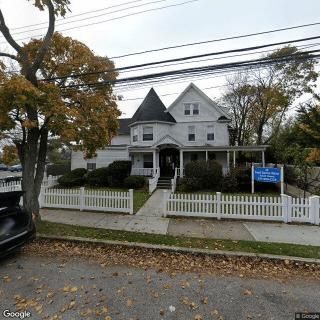
Pearl Garden Manor
$1,600 to $3,200 / month14.9 miles away -
from +$150 / mo
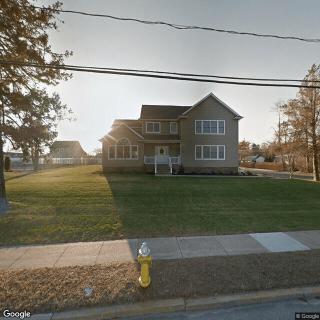
Heartland on the Bay, Inc.
$1,700 to $1,750 / month5.6 miles away
Overall Review of New Brookhaven Town House
Cons
 The place is described as sad and terrible.
- His uncle's call button was turned off repeatedly.
- He was left on his own to survive until they returned.
- The reviewer warns that loved ones should not be placed in this place.
Review
New Brookhaven Town House in Brookhaven, NY reads as a community that is best suited for seniors who are largely independent and do not require consistent, hands-on assistance. The single, highly negative review suggests that residents who need timely help or monitoring may be left vulnerable, making the strongest-case fit those who can largely care for themselves or have strong informal caregiving support nearby. In short, this facility appears to align with a niche where daily supervision is minimal and the expectation of staff responsiveness is low, rather than a setting built for reliable, round-the-clock protection.
Families evaluating options should explicitly consider alternatives for anyone who cannot tolerate lapses in care. The review signals a red flag for residents who rely on a responsive staff to meet urgent needs, such as assistance with a call for help. Prospective residents or their families would be prudent to prioritize facilities with clearly documented, consistent call-response times, visible safety protocols, and transparent oversight. If safety, dignity in daily care, and dependable assistance are non-negotiables, other communities deserve careful comparison.
The core concern in the report is blunt and actionable: a residentā€™s call button was allegedly turned off repeatedly, leaving him effectively on his own until family could intervene. That kind of failure translates into meaningful risk, falls, medical emergencies, dehydration, or untreated needs, and it directly conflicts with the fundamental expectation of a living environment designed for seniors. The wording of the complaint is unmistakable: neglect of basic safety features that should be non-negotiable in any assisted setting. When a facility cannot reliably ensure that a resident can summon help, the overall quality of care is called into question.
There are no evident compensating advantages described in the review that would offset these serious shortcomings. No highlighted benefits, such as strong social programming, robust activities, or a warm, home-like atmosphere, are documented in the feedback provided. In the absence of persuasive positives, the demonstrated risk to safety and well-being dominates the evaluation. Even modest comforts, routines, or sense of community cannot counterbalance a pattern of ignored emergency needs. The practical takeaway is that safety and timely assistance are non-negotiable priorities, and this community appears to fall short on those measures.
For families still weighing options, a disciplined due-diligence process is warranted. Before choosing a place, insist on witnessing a live call-system test, verifying staff-to-resident ratios during various shifts, and interviewing current residents about response times. Request recent inspection reports, corrective action plans, and a clear policy on addressing neglect or missed alarms. Ask for a written commitment to 24/7 oversight, a guaranteed escalation path for emergencies, and a trial period during which family members can monitor responsiveness. If possible, obtain references from multiple families and corroborate them with a site visit at different times of day to observe actual practice.
Bottom line: the documented experience at New Brookhaven Town House strongly cautions families away from placing someone who relies on prompt assistance in this community. It is better suited for those who require little more than a place to reside with limited daily supervision and who can be present to supervise care themselves. For anyone with real needs for responsive care, the risk posed by unreliability in emergency situations is too high to accept. Strong alternatives exist in the market, communities with verified safety records, transparent responsiveness metrics, and a track record of safeguarding residents, where peace of mind for families and dignity for seniors can be preserved.
 Assisted Living
 Activities off-site
 Devotional services off-site
 Indoor common areas
 Long Island - MacArthur (9 miles away)
 Ambulatory care
 Diabetic care
 Medication management
 Meals provided
 Comprehensive amenities and 24/7 care support.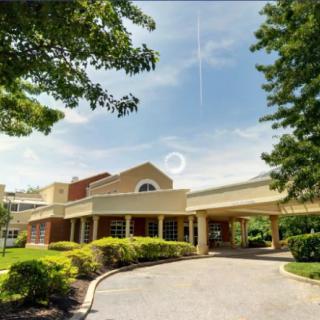



 Beyond the Bingo Hall: 50+ Enriching Activities for Seniors in Assisted Living
 Understanding the Distinctions: Assisted Living and Memory Care Explained
 Guiding Elderly Parents Who Refuse Assisted Living: 6 Practical Steps