
4918 Regina Circle NW, Albuquerque, NM 87105
For more information about senior living options: (866) 208-4318
Overall Review of Little Rose’S Home Of The Southwest - Albuquerque
Pros
 The reviewer values patient safety and proper authorization in medical transport.
- The observer highlights the importance of aligning transport practices with insurance and regulatory guidelines.
- The review shows a commitment to reducing risk for medical patients during transport.
- The feedback advocates for safer, compliant transportation solutions.
- The writer demonstrates care for responsible patient transport.
Cons
 The place is trying to use Uber to transport their medical patients labeled as high fall risk and needing assistance.
- The reviewer views this as unsafe and inappropriate for high-risk patients.
- They claim that neither they nor Uber’s insurance would authorize or insure such transport.
Review
Little Rose’s Home Of The Southwest in Albuquerque is best suited for families seeking a modest, home-like assisted living option that emphasizes affordability and a close-knit setting. This community can work for seniors whose care needs are light to moderate and who value direct, daily access to staff in a smaller, more familiar environment. It appeals to caregivers who want to keep costs predictable and who are comfortable taking a hands-on role in coordinating transportation and safety oversight. The practical takeaway is clear: this is a workable, no-frills choice for those prioritizing personal attention and lower price over extensive on-site medical programming or large-scale services.
Those considering alternatives should note who may be better served elsewhere. Residents with significant mobility risk or complex medical needs requiring consistent, medically supervised transport will likely clash with current gaps in safety governance here. If the plan relies on ride-hailing services for high-risk patients, the arrangement raises red flags around liability, insurance, and dependable supervision. Families needing guaranteed, nurse-backed oversight for transportation or on-site medical management may find larger facilities with formalized transport networks and clearly defined risk protocols a more reliable match.
The rating pattern suggests some residents and families experience meaningful benefit, while others encounter considerable dissatisfaction. Three five-star endorsements indicate that there are positives, likely in personal attention, atmosphere, and perceived value, yet the absence of mid-range or broader positive feedback signals variability in day-to-day operations. In practical terms, these mixed signals mean potential residents should pursue granular, expectation-setting conversations during tours, rather than rely on high-level impressions. The practical question becomes whether the positive elements can be consistently delivered in tandem with safe, well-regulated transport.
The core concern centers on transport safety and governance. The explicit issue, attempting to use Uber for transporting high fall risk medical patients, highlights a misalignment between risk management and service delivery. Such an approach introduces liability exposure and questions about insurance coverage, which can undermine any perceived cost savings or flexibility. Even if ride-sharing appears convenient, it must be paired with robust safeguards: insured vehicles, trained staff, clearly documented protocols, and a plan for immediate escalation if a resident’s condition worsens. Without these safeguards, the positives of the setting are quickly offset by preventable safety risks.
Practical diligence can mitigate many concerns. Prospective residents should demand a written, transparent transport policy that specifies licensing, driver training, fall-prevention protocols, and emergency procedures. It is essential to meet with the administrator and direct care staff to review typical transport scenarios and to request incident logs or caregiver feedback. Clarify whether transportation is standardized or tailored by resident risk profiles, and confirm the exact insurance coverage and liability limits tied to all transport arrangements. In parallel, compare this option with nearby communities offering on-site nursing supervision and formalized transport programs to ensure the final decision aligns with medical realities and family risk tolerance.
Bottom line: Little Rose’s offers a cost-conscious, intimate living environment that can suit seniors who require modest daily support and whose families are prepared to actively oversee transportation arrangements. The pivotal caveat is transport governance. If the facility can establish clear, insured, and staff-supported transport for high-risk individuals, or steer away from ride-sharing for such residents, the positives can outweigh the drawbacks. If not, alternatives with stronger medical oversight and vetted transport protocols should be pursued. The right fit hinges on how convincingly the community demonstrates safety-first transport policies and how consistently those policies are applied in practice.
 21 resident community capacity
 Assisted Living
 Beauty salon
 Cable or satellite TV
 Dining room
 Fully furnished
 Garden
 Housekeeping services
 Kitchenette
 Move-in coordination
 Outdoor space
 Telephone
 Wi-Fi/high-speed internet available
 Albuquerque International (6 miles away)
 24-hour call system
 Activities of daily living assistance
 Assistance with bathing
 Assistance with dressing
 Assistance with transfers
 Diabetes diet
 Meal preparation and service
 Medication management
 Mental wellness program
 Special dietary restrictions
 Transportation arrangement (medical)
 Transportation to doctors appointments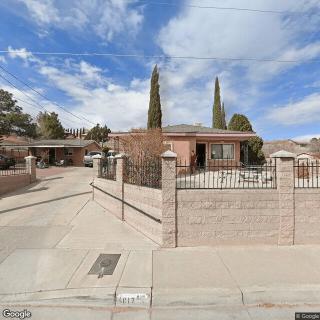


 Choosing the Right Senior Care: A Detailed Exploration of Assisted Living and Nursing Homes
 Understanding the True Cost of Assisted Living in 2025: A Comprehensive Guide
 Understanding Medicaid Coverage for Assisted Living: A Comprehensive Guide