

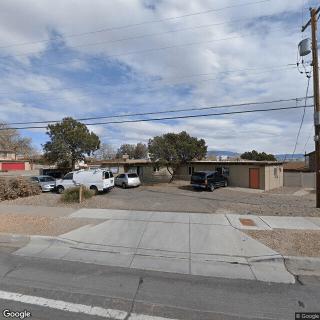
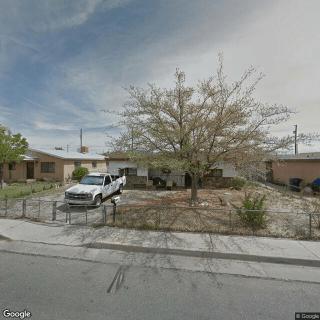
4917 Regina Cir NW, Albuquerque, NM 87105
To contact a resident: (505) 836-4623
For more information about senior living options: (866) 208-4318
Overall Review of Little Roses Home Care Of The South West
Pros
 The care home feels more like a home.
- They dispense her medications.
- They provide her three meals a day plus snacks.
- They take her to the store and wherever she needs to go.
- She likes the food.
- It is affordable for her.
Cons
 The reviewer criticizes the facility for using Uber to transport high-fall-risk medical patients, calling it unsafe and inappropriate.
- The reviewer notes that neither they nor the patient's insurance is authorized to use Uber for medical transport.
- The reviewer observes that Little Rose's Board And Care Home lacks activities for residents, which is a shortcoming.
Review
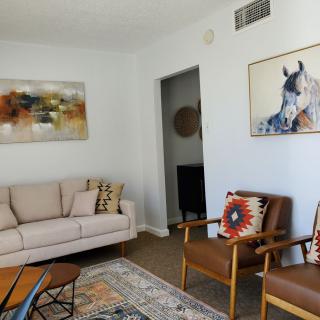
Little Roses Home Care Of The South West is best suited for seniors who want a compact, home-like setting where daily routines feel familiar, meals are prepared on site, medications are managed, and errands can be handled with help. It appeals to families seeking affordable, simple-to-operate support rather than a large, highly structured campus. The environment should feel more like a private home than an institution, with a focus on basic daily living tasks and predictable care rather than intensive medical oversight.
That clarity also means some residents will want to consider alternatives. For anyone whose loved one requires robust social programming, frequent organized activities, or preventative medical supervision beyond basic assistance, a larger assisted-living community or a memory-care setting may be a better fit. The same caution applies to seniors who rely on professional, medically supervised transport for high fall risk or other safety concerns; a facility that leans on rideshares for medical moves may not align with insurance coverage or liability expectations.
The strongest positives are clear: medication management and three meals a day plus snacks reduce caregiver burden and keep routine predictable. The home-like atmosphere lowers friction for those who resist institutional feels, and the thoughtful provision of local transportation for errands helps maintain independence without requiring family-driven logistics. Affordability is a meaningful advantage for families with tight budgets, and the ability to handle routine outings offset some of the personal time and resource demands on relatives.
Yet, the core drawbacks temper those advantages. The most significant is a transport approach that relies on rideshare for high-risk medical needs, which raises safety and coverage questions for families managing fall risk or complex medical conditions. This is not just a convenience issue, it touches on whose oversight is responsible during transit and whether the arrangement meets insurers’ requirements. In addition, the lack of active, structured programming is a gap; residents may experience limited social stimulation and cognitive engagement, which can hinder overall well-being over time in a setting that feels very residential and quiet.
The gap in activities is not a minor critique. For many seniors, daily companionship, purposeful programming, and opportunities to socialize are essential to quality of life. Without a robust activity calendar or on-site engagement, even a comfortable, affordable home setting can feel isolating or unstimulating. Prospective families should weigh whether a resident’s interests, social clubs, fitness, outings, or memory-support activities, will be met elsewhere, or if these elements can be supplemented effectively through outside services.
In deciding, focus on a practical checklist: confirm the level of medical oversight and staff availability at all hours; verify the transport policy and what modalities are truly used for medical trips, ensuring alignment with fall-risk management and insurance coverage; probe the activity schedule and ask for sample weekly calendars to assess whether engagement aligns with the resident’s preferences. Clarify dietary accommodations, meal variety, and how snacks fit into daily routines. Finally, quantify the total monthly cost, including any transport or care-plan add-ons, and request a tour with current residents or families to gauge real-world satisfaction. If the goal is a warm, affordable, home-like setting with dependable meals and meds, Little Roses delivers, provided transport safety and activity needs are acceptable. If those gaps are dealbreakers, steer toward a community with a fuller activity program and professional, medically supervised transport.
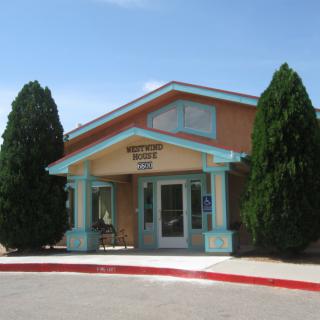
 Board and Care Home
 Albuquerque International (6 miles away)



 Understanding the Nuances of Palliative Care and Hospice: A Comprehensive Exploration
 Fecal Incontinence in Older Adults: A Comprehensive Guide
 Nurturing Well-Being Through Gardening: A Detailed Guide for Senior Enthusiasts