The Chelsea At Sparta

Save

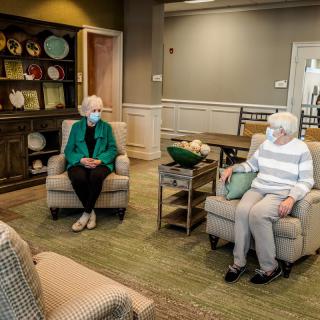
  • Interior

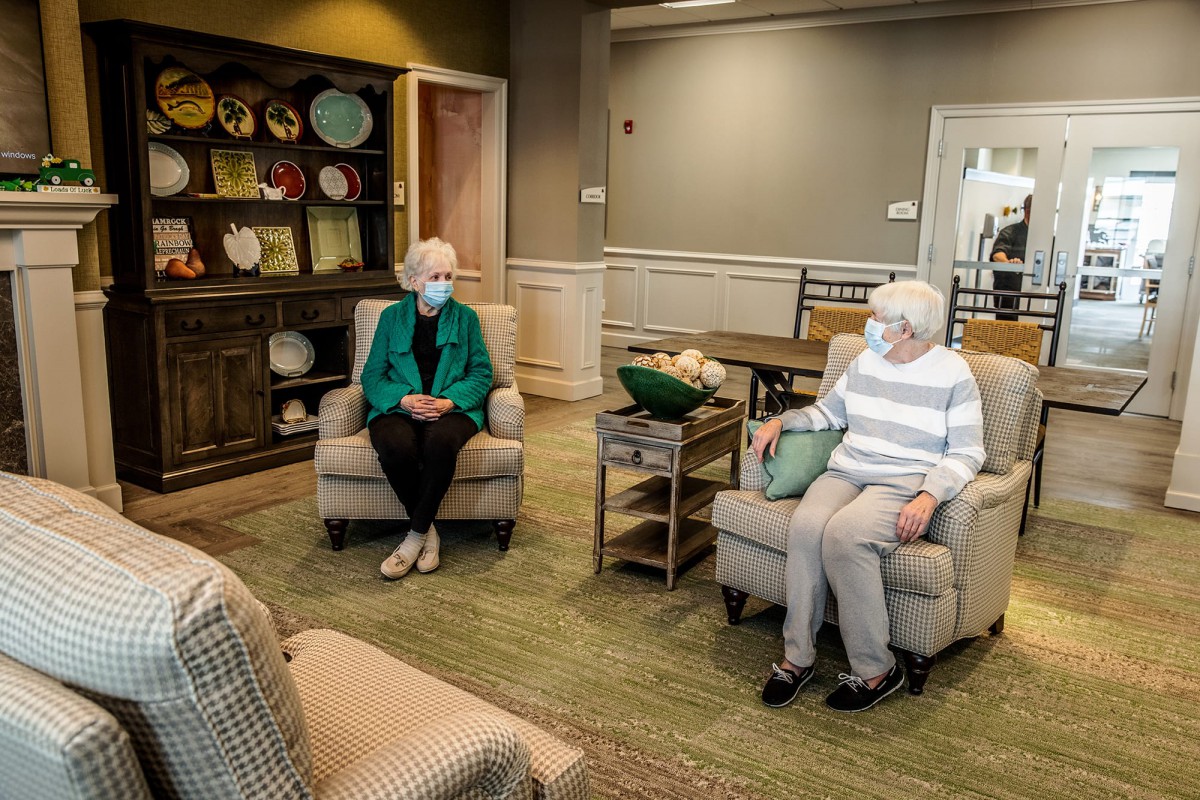
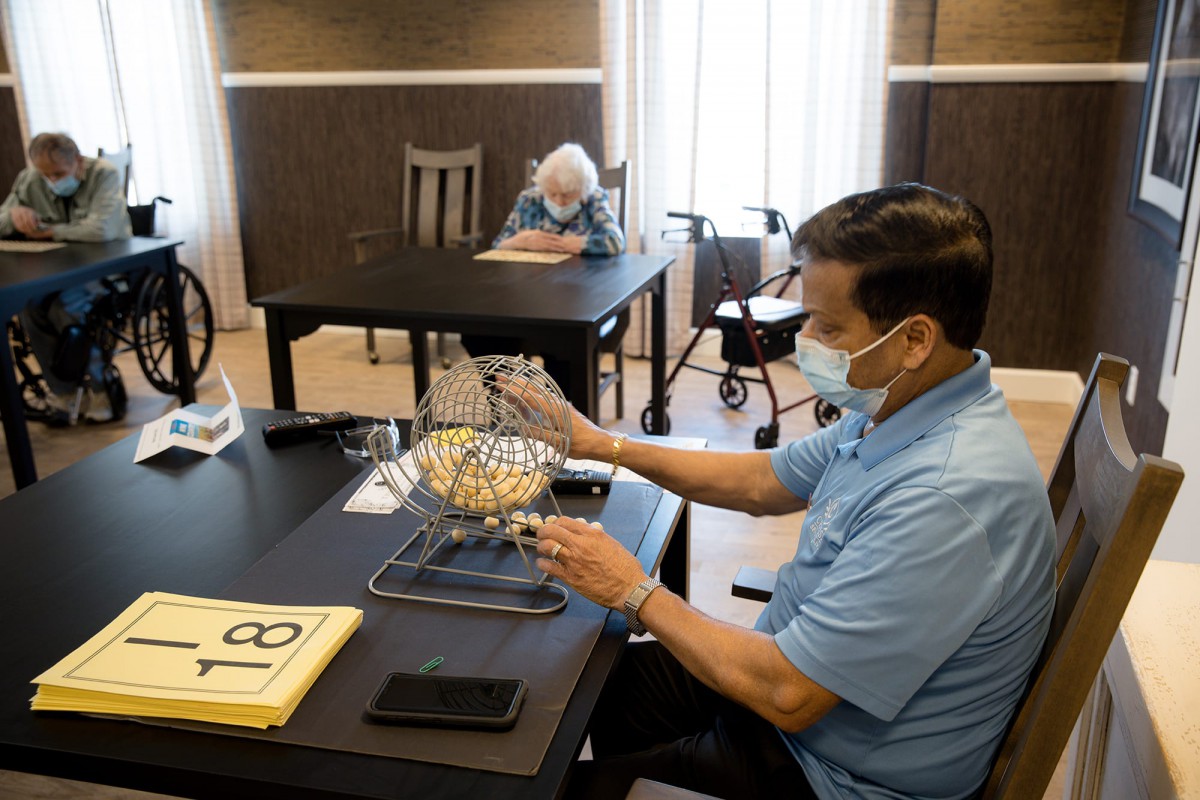
    Two seniors wearing masks sit and converse in a cozy living room setting.
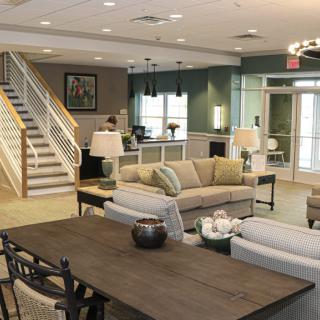
  • Decor

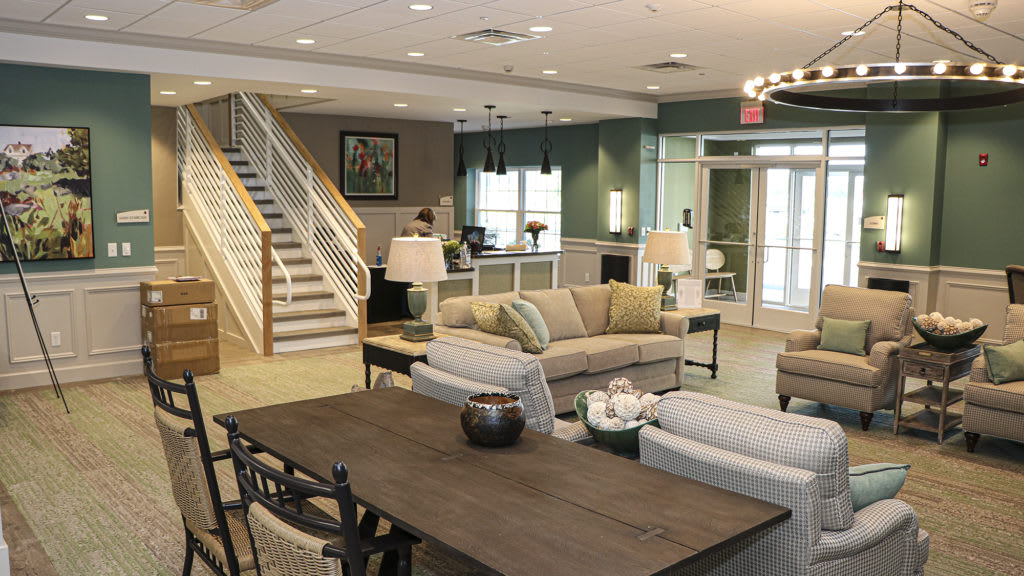
    A modern living room with comfortable sofas, a large wooden table, and a staircase leading to the upper level.
  • Living Room

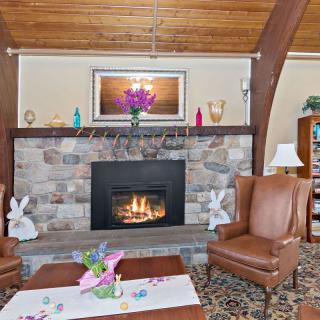
    A cozy living room with a sofa, lamps, and stylish decor.
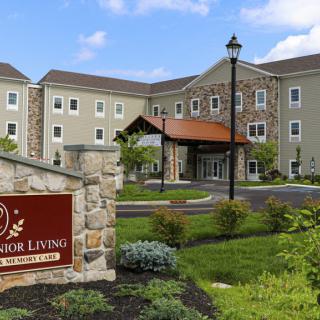
  • Building

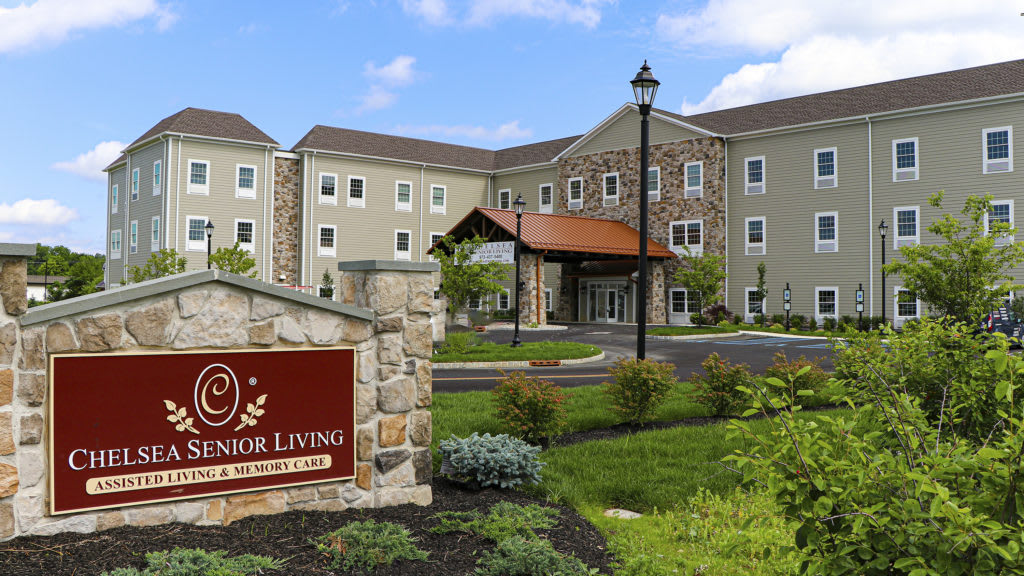
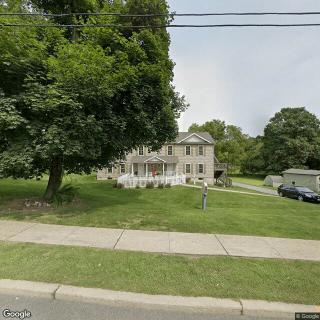
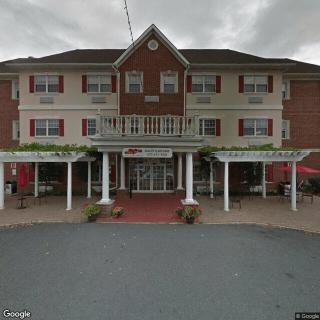
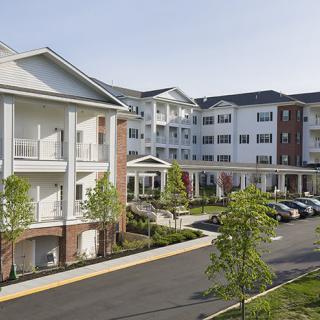
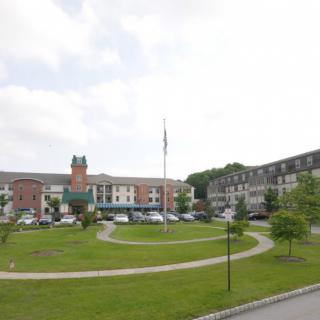
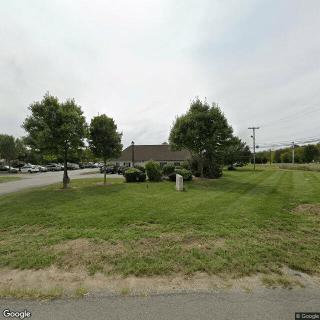
    A senior living facility with landscaped grounds and a welcoming entrance.
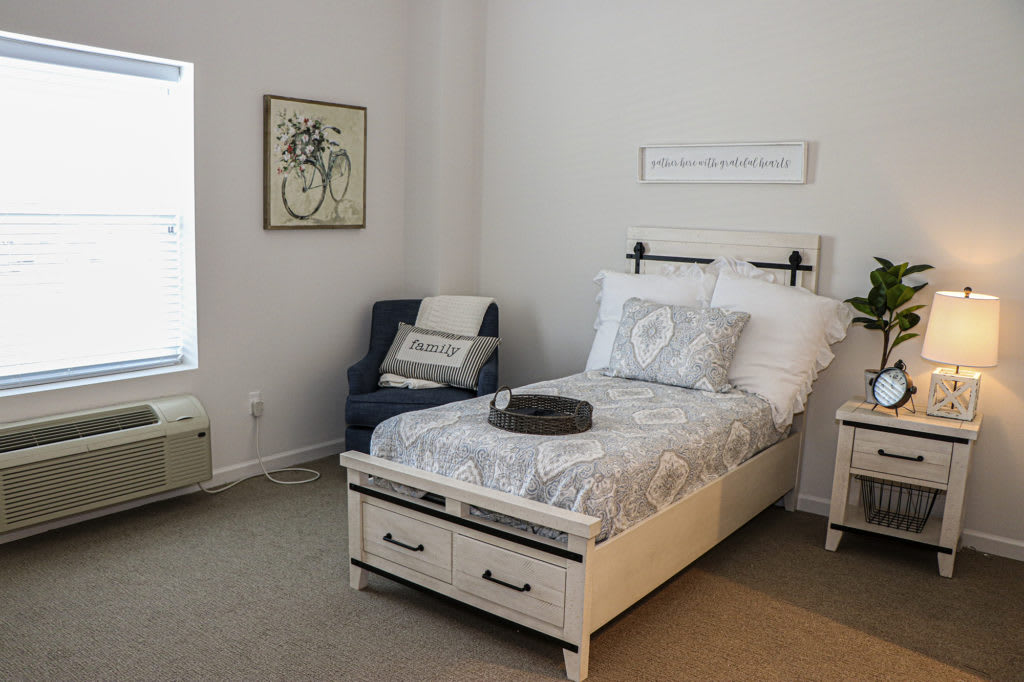
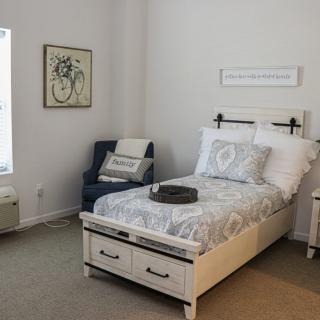
  • Bedroom

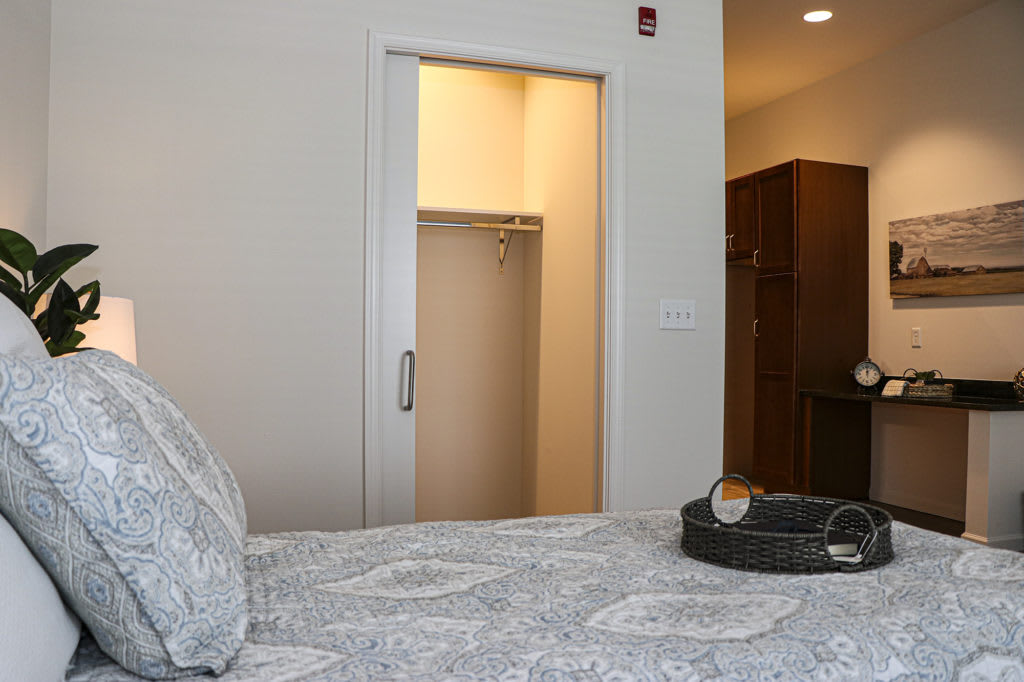
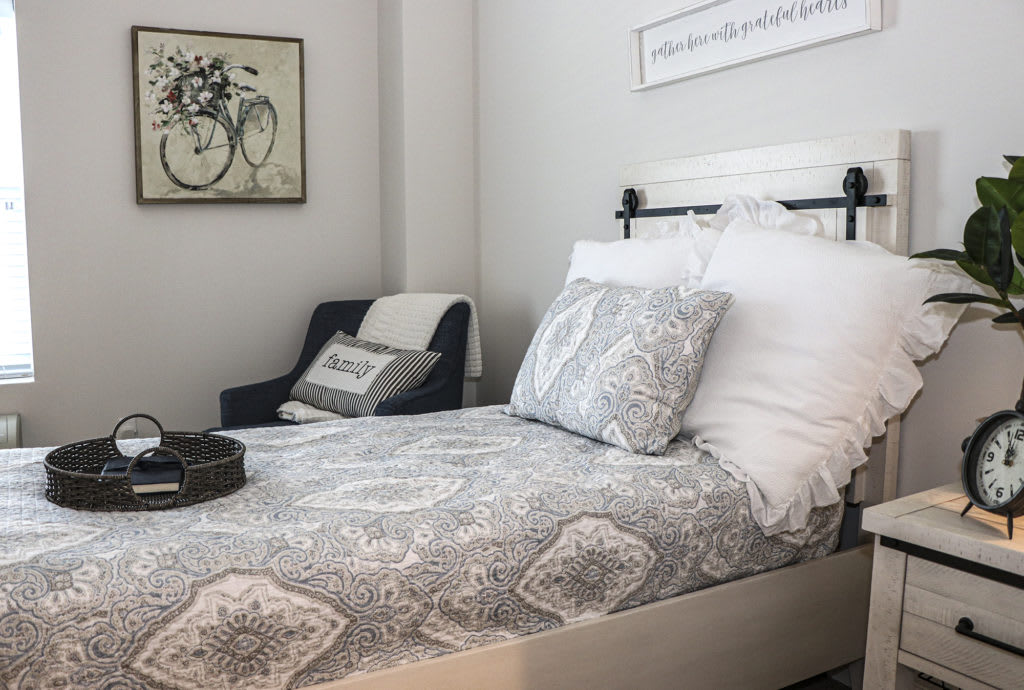
    A cozy bedroom with a single bed, matching bedding, an armchair, and wall decor.
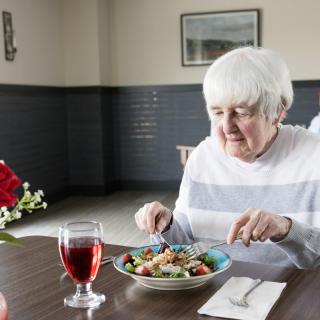
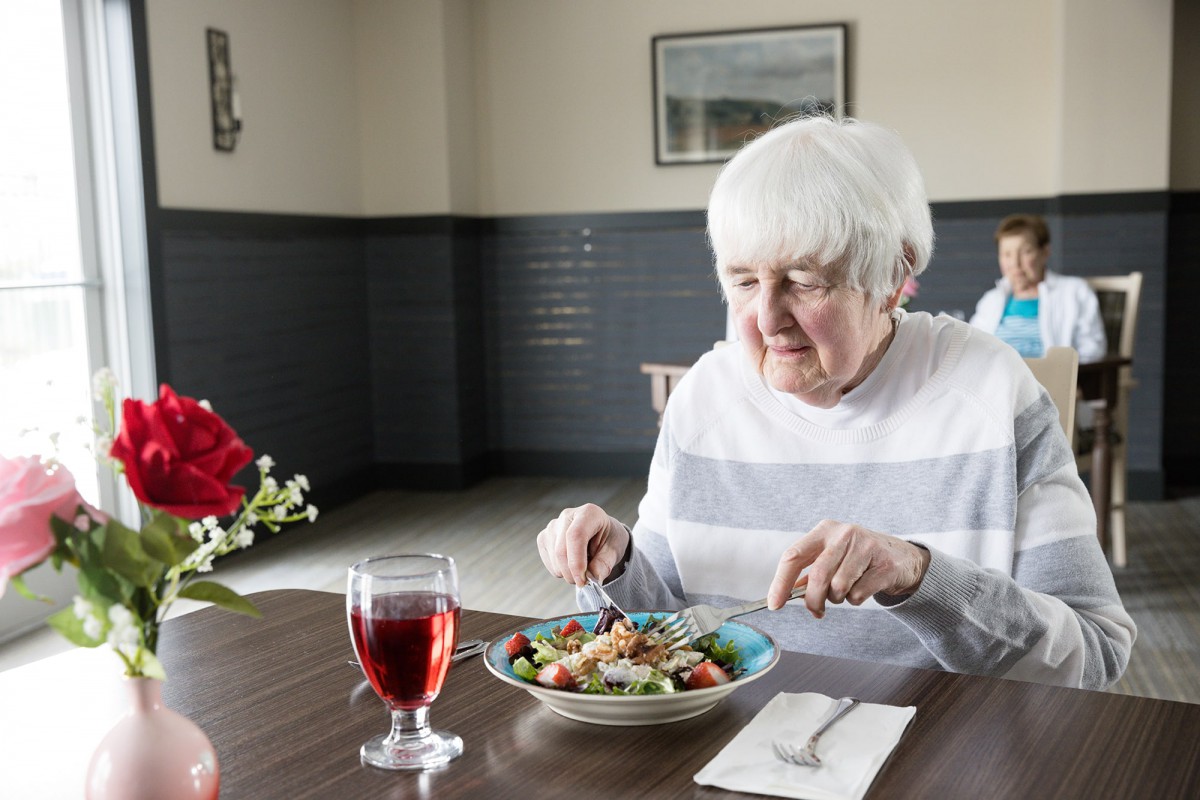
  • Dining

    An elderly woman enjoys a meal at a table set with a salad and a glass of red drink.
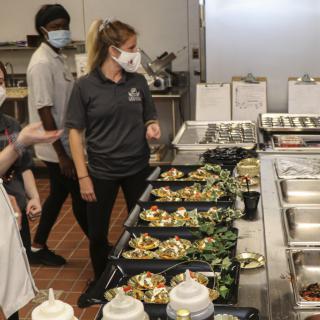
  • Kitchen

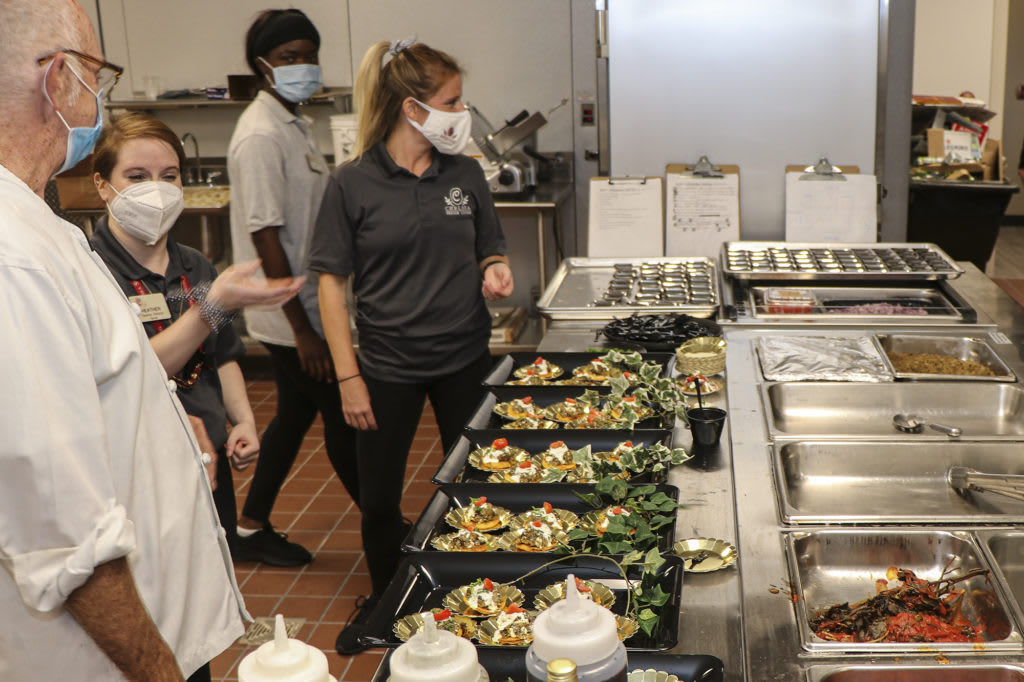
    People working in a commercial kitchen preparing meal trays while wearing masks.
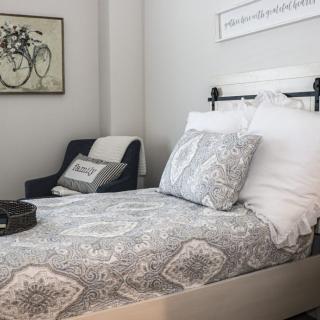
  • Artwork

    A cozy bedroom with a neatly made bed and stylish decor.
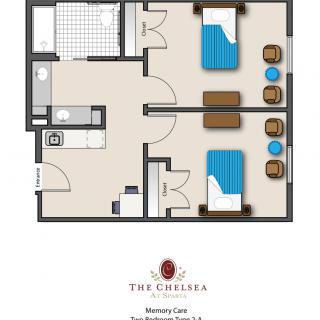
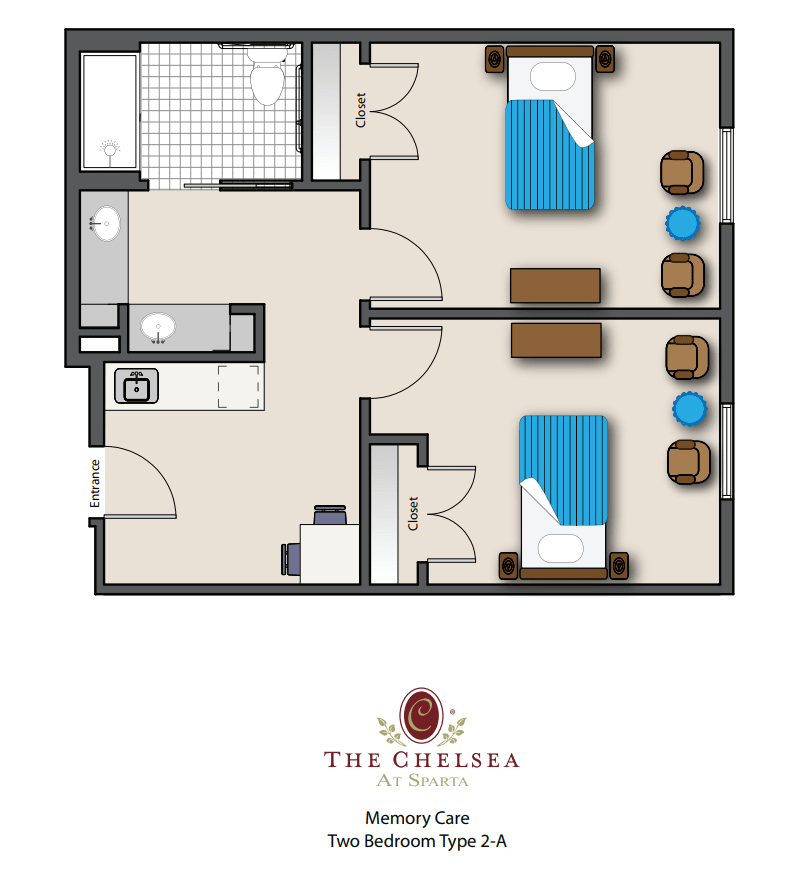
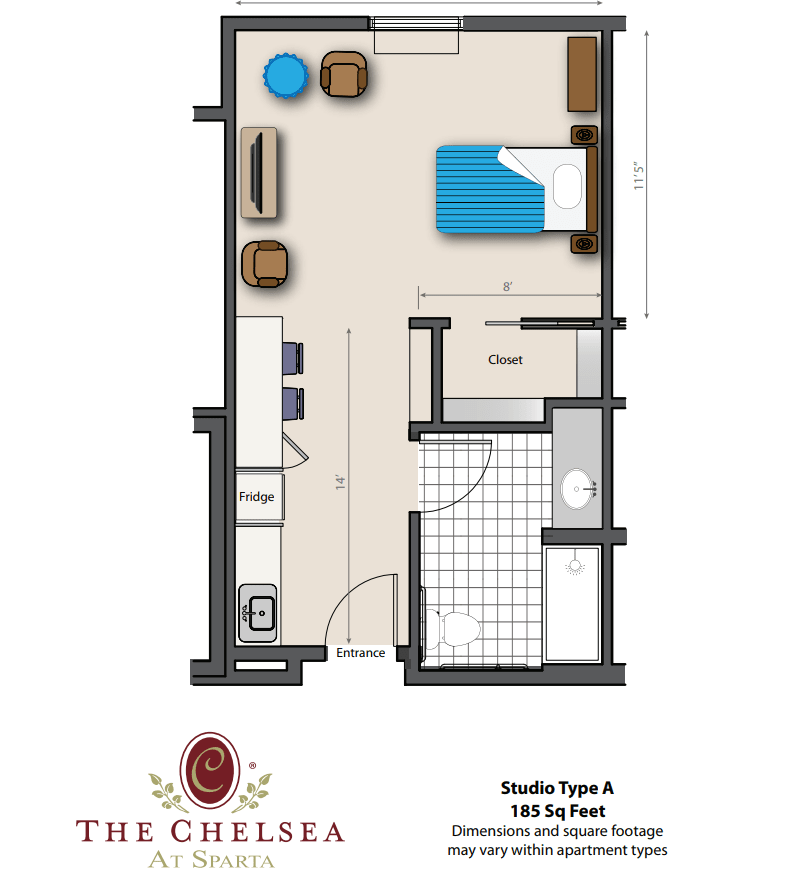
  • Floor Plan

    A floor plan of a two-bedroom apartment with labeled areas including a living room, kitchen, and bathroom.
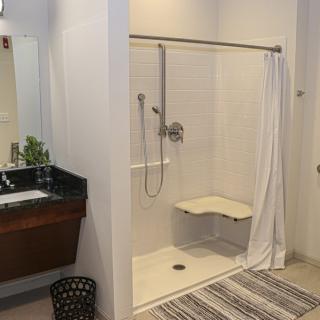
  • Bathroom

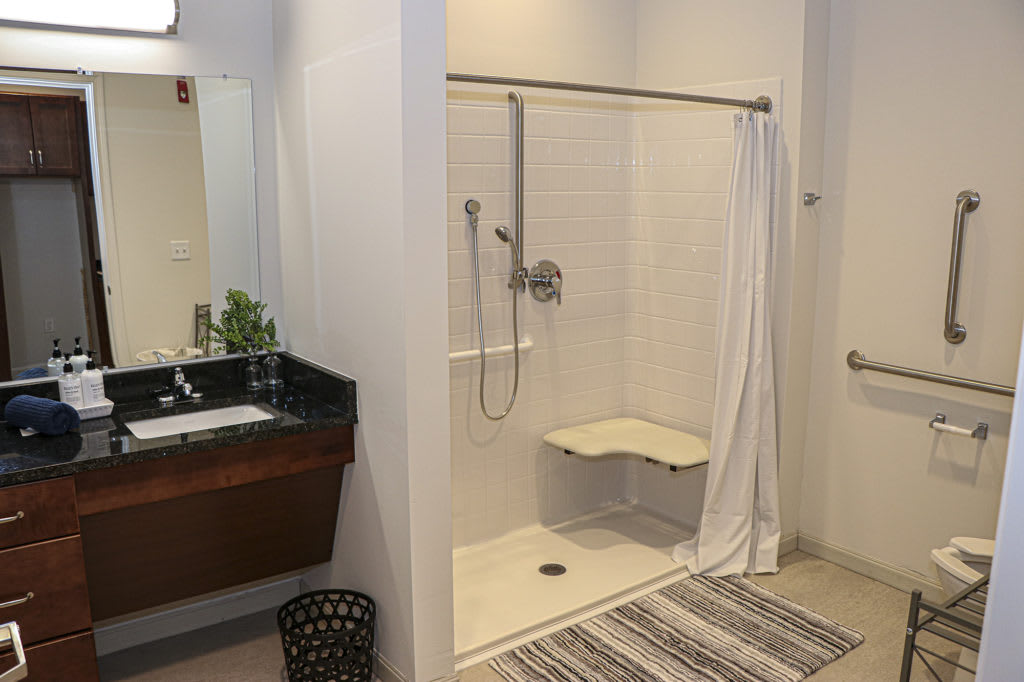
    A contemporary bathroom with a walk-in shower and sleek vanity area.
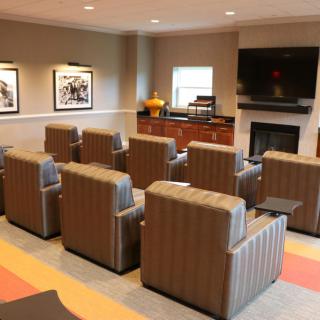
  • Television

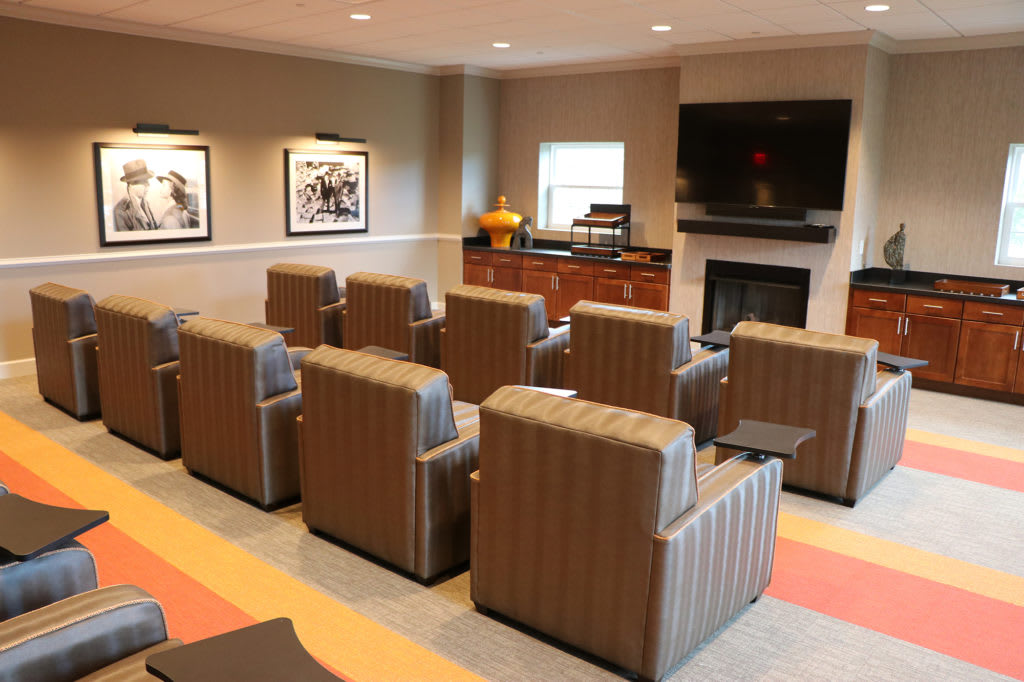
    A cozy lounge area with multiple comfortable chairs facing a television.
  • Salon

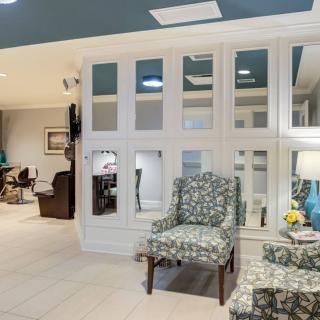
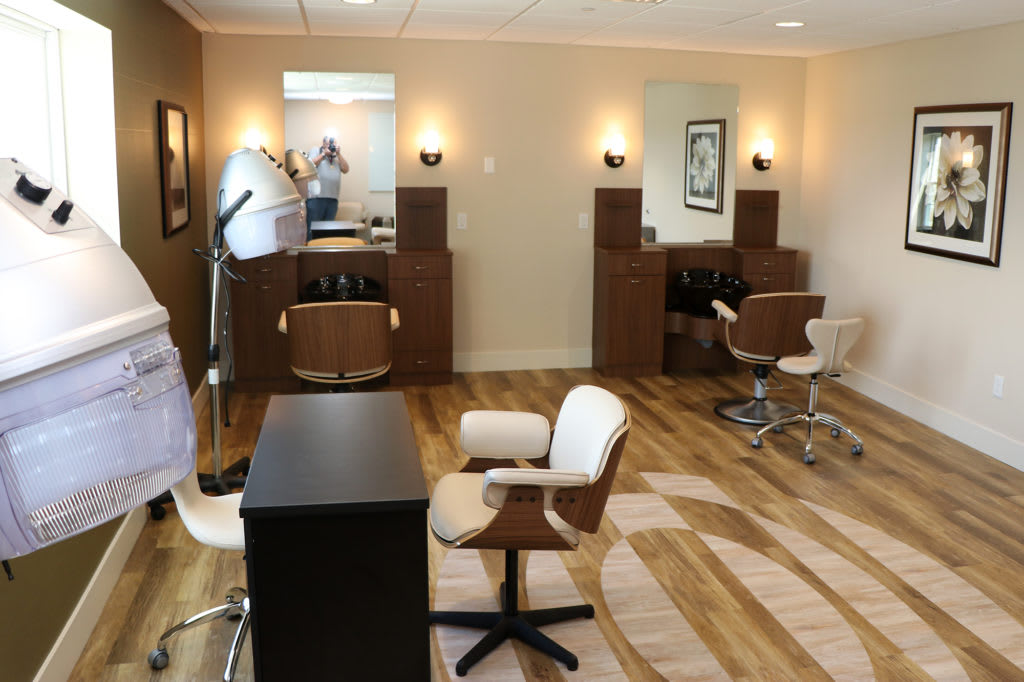
    A modern hair salon interior with styling chairs and mirrors.
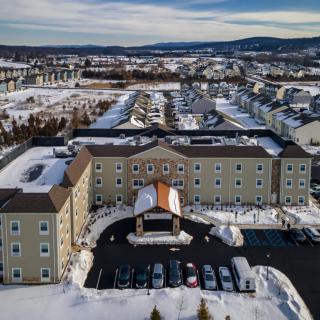
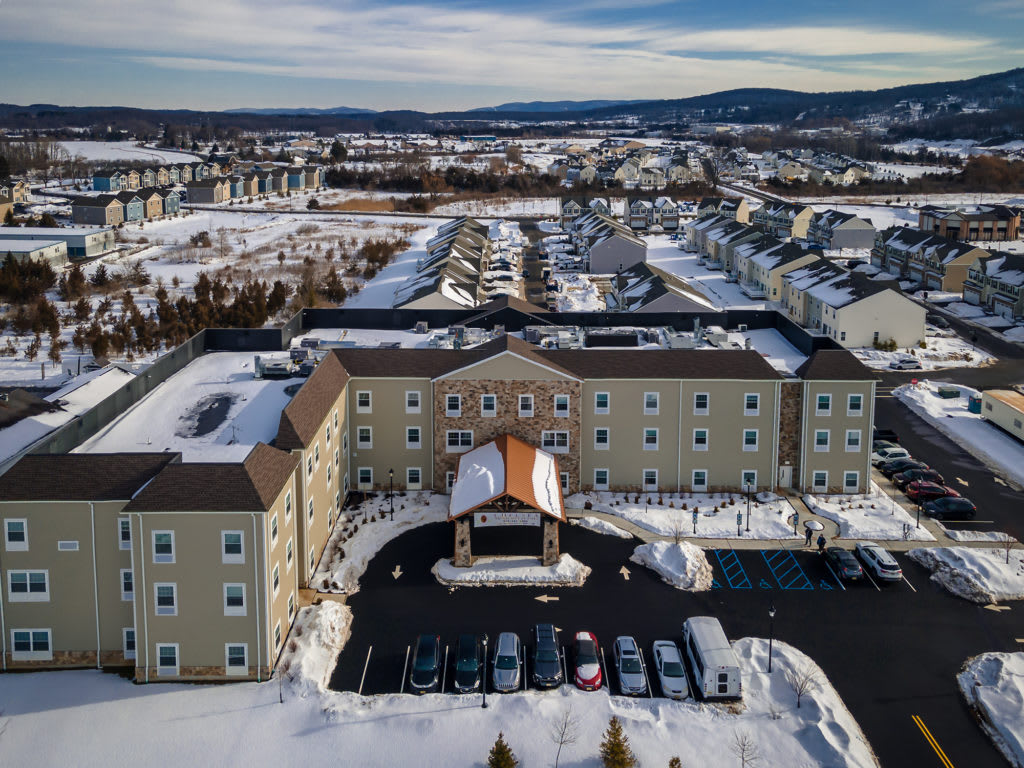
  • Aerial View

    Aerial view of a hotel surrounded by a snowy residential area.
  • Healthcare

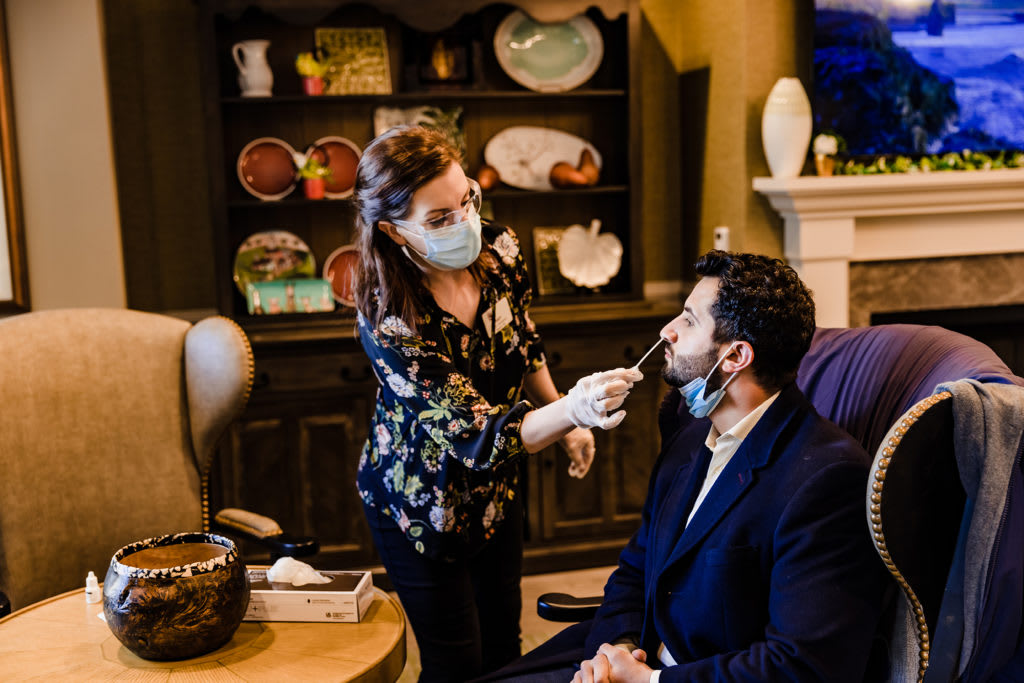
    A healthcare worker administers a COVID-19 test indoors, both wearing masks for safety.

The Chelsea At Sparta

Information last verified:

513 Lafayette Road, Sparta, NJ 07871

For more information about senior living options: (844) 490-3973

4.7 from 46 reviews
5 stars
39
4 stars
4
3 stars
2
2 stars
0
1 stars
1

Seniors.FYI Elite Community Awards

Top 5% Senior Living Community in 2025

Add this award to your website

The Chelsea At Sparta Costs & Pricing

The Chelsea At Sparta offers a range of housing options with prices that reflect its premium amenities and services. For a semi-private room, residents can expect to pay $4,950 per month, which is higher than the Sussex County average of $4,250 but slightly lower than New Jersey's state average of $5,068. Those opting for a studio will find costs at $6,510 - considerably above both the county ($4,963) and the state ($5,286) averages. The 1-bedroom option is priced at $8,670, again outpacing local and state norms where Sussex County averages $5,602 and New Jersey overall averages $5,994. Finally, the 2-bedroom unit is available at $9,900, which exceeds both Sussex County's average of $8,048 and significantly surpasses the statewide average of $6,216. This pricing structure highlights The Chelsea At Sparta's positioning as a facility offering luxurious living arrangements compared to regional counterparts.

Floor plansThe Chelsea At SpartaSussex CountyNew Jersey
Semi-Private$4,950$4,250$5,068
Studio$6,510$4,963$5,286
1 Bedroom$8,670$5,602$5,994
2 Bedrooms$9,900$8,048$6,216

Overall Review of The Chelsea At Sparta

Pros

  • pro The Chelsea is described as a wonderful facility.
  • pro The building is beautiful, bright, welcoming, and feels like an extended family taking care of residents.
  • pro The staff is caring, attentive, and highly communicative.
  • pro They go above and beyond for residents and their families.
  • pro The Chelsea is highly recommended for the best care for loved ones.
  • pro Residents are treated with kindness, respect, and white-glove service.
  • pro The facility is clean, beautiful, and well maintained, with a warm atmosphere.
  • pro The nursing and caregiving staff truly care and support families through difficult times.
  • pro The Chelsea provides on-site, comprehensive medical services, reducing the need for outside visits.
  • pro Families express gratitude and peace of mind from the care they receive.

Cons

  • pro The reviewer notes that the food and activities need improvement, describing them as a work in progress.
  • pro The reviewer found the community not as warm or homey as they hoped.
  • pro The reviewer considered the location undesirable due to a railroad track and proximity to a ShopRite.
  • pro The reviewer described the facility as expensive and noted they had to provide basic supplies such as paper towels and toilet paper.
  • pro The reviewer stated that after touring, their loved one's care needs increased beyond what the facility could accommodate.
  • pro The reviewer believed that, despite the beauty and cleanliness of the setting, the quality of care could be improved and more assistance was needed, especially given the cost.
  • pro The reviewer commented that there needs to be more attention to detail and awareness regarding residents' care.
  • pro The reviewer observed that the community is in a busy area with limited land.

Review

The Chelsea at Sparta is best suited for families that demand a high-touch, compassionate environment where memory care and assisted living are delivered with palpable warmth, structure, and reliability. It is especially well matched for residents who need robust daily support, predictable routines, and strong on-site medical oversight, including memory care with hospice when appropriate. Families that prize a bright, welcoming setting, a sense of extended family, and transparent, frequent communication will find this community’s tone and culture align with their expectations. The campus’s attention to appearance, safety, and staff accessibility underpins a dependable, respectful living experience that can relieve the stress of caregiving by ensuring that professionals handle daily needs with dignity and expertise. In short, those who want a polished, activity-rich environment coupled with attentive, engaged caregivers will benefit most.

Those who may want to consider alternatives include families working with tighter budgets or residents whose needs may outstrip the campus’s current acuity capabilities. The price point is consistently described as costly, and some reviewers note a need to supply basic household items, which raises questions about inclusions in the base rate. If a quieter, more intimate setting or a location removed from nearby rail lines and busy shopping corridors is important, other communities could be a better fit. For residents requiring higher levels of medical supervision or specialized care beyond assisted living and standard memory care, prospective buyers should compare with facilities that offer broader on-site medical flexibility or dedicated clinical teams. In cases where essential care needs are evolving quickly, a move to a different campus with a deeper continuum of care may be prudent.

The Chelsea’s strengths are substantial and strategically offset several potential concerns. The environment is aesthetically pleasing, clean, and immediately reassuring, reinforcing a sense of comfort and dignity. Staff across the spectrum, from reception to aides to nursing, are repeatedly described as cheerful, attentive, and deeply caring, delivering consistent engagement and timely responses. On-site medical services, including routine blood work and imaging, streamline care coordination and reduce the burden of external appointments. The activities program is notably dynamic, with outings, social events, and creative programming that encourage participation and social connection. Families consistently note that communication is accessible and candid, with leaders and frontline staff working in concert to support residents and families alike. Taken together, these advantages create meaningful value that can outweigh occasional gaps in nutrition, programming, or the pace of administrative improvements.

Where some concerns arise, the most common threads center on cost and occasional inconsistencies in care detail or programming. While the dining experience is generally well-regarded, a subset of reviewers describe food quality as an area still in need of refinement, though many residents enjoy diverse menus and the flexibility to request alternatives. Some comments point to improvements in activity scheduling or participation rates, yet the overall atmosphere remains lively and purposeful, which many families view as essential for cognitive and emotional well-being. In terms of care execution, several families acknowledge that assisted living needs can be nuanced, and a few note that attention to specific day-to-day care nuances could be more precise. Leadership communication, while praised by many, has not always been uniform in every account. Nevertheless, the consistent thread is a culture of genuine dedication, with leaders and staff often going the extra mile to protect residents’ comfort and dignity. The location’s busyness and soundscape may be a consideration for memory-impaired individuals valuing a quieter environment.

Extended caregiver anecdotes illuminate why The Chelsea at Sparta remains compelling for decision-makers facing a hard choice. Stories of rapid crisis response, staff moving a resident to a more suitable room during a weekend amidst high need, underscore the campus’s readiness to mobilize resources without hesitation. The same caregivers who manage daily routines also provide emotional support to families, grieving alongside them and offering a steady presence during transitions. Residents frequently become more socially engaged, forming friendships and participating in a broad spectrum of activities, with staff often driving participation and encouraging consistent interaction. The memory care team, in particular, earns praise for compassionate, individualized care, with nurses and aides who treat residents with respect and who accompany families through difficult moments with empathy. Generous visiting hours and transparent pricing conversations, sometimes including veteran-discount options, add practical reassurance for families seeking reliable, long-term partnerships.

For families weighing the decision, The Chelsea at Sparta presents a compelling, confident option for those prioritizing exceptional caregiving, a dignified setting, and a proven, supportive approach to memory care and hospice needs. It is less suited for budgets that demand strict affordability or for residents whose care requirements anticipate a broader continuum of services than this campus currently delivers. The strongest positives, exceptional staff, a bright, well-maintained environment, a robust activity calendar, convenient on-site medical services, and straightforward communication, tend to offset the principal drawbacks: cost considerations, occasional menu or care-detail gaps, and a busy setting that may not suit everyone. Prospective families should arrange a tour, observe caregiver–resident interactions, and ask pointed questions about individualized care plans, memory-care capabilities, and the cadence of care reassessments. Clarify pricing inclusions, potential discounts, and any veteran benefits in writing, ensuring expectations align with realities. When aligned, The Chelsea at Sparta delivers a home-like, respectful, and trustworthy environment that can transform caregiving by offering reliable, compassionate support for aging loved ones.

Features

Housing

  • 21 resident community capacity 21 resident community capacity

Types of Care

  • Assisted Living Assisted LivingAssisted living facilities provide crucial support and care for seniors who may need help with daily tasks such as medication management, bathing, and meal preparation. These communities offer a safe and comfortable environment where seniors can maintain their independence while receiving the assistance they need to thrive in their golden years.
  • Memory Care Memory CareMemory care is crucial for seniors as it provides specialized support and services for individuals with dementia or Alzheimer's disease. These programs offer a safe and secure environment where residents receive personalized care, cognitive stimulation, and help with daily activities. Memory care helps seniors maintain their independence, quality of life, and dignity while also providing peace of mind for their families.

Pets

  • Cats allowed Cats allowed"Pet friendly" senior living communities are important for seniors because pets provide companionship, reduce feelings of loneliness and depression, promote physical activity and mental stimulation, and offer a sense of purpose and responsibility. Pets can improve overall well-being and quality of life for seniors in many ways.
  • Dogs allowed Dogs allowed"Pet friendly" senior living communities are important for seniors because pets provide companionship, reduce feelings of loneliness and depression, promote physical activity and mental stimulation, and offer a sense of purpose and responsibility. Pets can improve overall well-being and quality of life for seniors in many ways.

Amenities

  • Activities on-site Activities on-siteActivities on-site are important for seniors because they provide opportunities for socialization, mental stimulation, physical activity, and overall well-being. Engaging in activities can help seniors stay active, maintain their independence, and improve their quality of life.
  • Air-conditioning Air-conditioningAir conditioning is important for seniors as they are more vulnerable to heat-related illnesses and may have underlying health conditions that make it difficult for them to regulate their body temperature. It helps to keep them comfortable, safe, and healthy in hot weather.
  • Beautician on-site Beautician on-siteHaving a beautician on-site at a senior living community is important for seniors as it allows them to easily access grooming and personal care services, boosting their self-esteem and overall well-being. It also provides convenience and helps seniors maintain their sense of independence and personal style.
  • Beauty salon Beauty salonBeauty salons are important for seniors because they provide a space for them to feel pampered, socialize, and maintain their personal grooming and hygiene. Regular visits to a beauty salon can help boost seniors' self-esteem and overall well-being.
  • Cable or satellite TV Cable or satellite TVCable or satellite TV is important for seniors because it provides entertainment, news, and companionship, helping to combat loneliness and boredom. It also offers a wide range of programming options tailored to different interests and preferences.
  • Devotional services off-site Devotional services off-siteDevotional services off-site are important for seniors as they provide spiritual nourishment, social engagement, and a sense of community outside of the senior living facility. This can enhance overall well-being and help combat feelings of isolation and loneliness often experienced by older adults.
  • Devotional services on-site Devotional services on-siteDevotional services on-site provide seniors with spiritual support and a sense of community, as well as an opportunity for reflection and guidance during their senior living experience. This can promote emotional well-being and connection to others, leading to a more fulfilling and enriching lifestyle in their later years.
  • Dining room Dining roomDining rooms are important for seniors as they provide a space for socialization, connection, and nutritious meals. They offer opportunities for residents to bond over shared meals, foster a sense of community, and promote healthy eating habits. Dining rooms also ensure that seniors have access to well-balanced meals tailored to their dietary needs and preferences.
  • Fully furnished Fully furnishedFully furnished senior living communities are important for seniors because they provide convenience, comfort, and a hassle-free moving experience. Seniors can easily settle into their new living space without the stress of having to buy and move furniture. This allows them to focus on enjoying their new home and community.
  • Garden GardenGardens are important for seniors as they provide a peaceful and therapeutic environment for relaxation, physical activity, and socialization. Being in nature has been shown to reduce stress, improve mood, and promote overall well-being. Gardens also offer opportunities for seniors to engage in gardening activities, which can improve mobility, flexibility, and cognitive function. Additionally, gardens create a sense of community and connection with others who share a passion for plants and outdoor spaces.
  • Ground floor units Ground floor unitsGround floor units are important for seniors because they provide easy accessibility, reduced risk of falls and injuries, and convenience for those with mobility issues. Seniors can avoid climbing stairs or using elevators, making daily tasks and activities more manageable and enjoyable.
  • Handicap accessible Handicap accessible"Handicap accessible" amenities are crucial for seniors to ensure they can easily navigate and access facilities, services, and activities without barriers or limitations due to physical impairments. This promotes independence, safety, and inclusivity for seniors in senior living communities.
  • Housekeeping services Housekeeping servicesHousekeeping services are important for seniors because they help maintain a clean and safe living environment, promote independence, and reduce the risk of accidents or illnesses. Additionally, having assistance with household chores can alleviate physical strain and allow seniors to focus on other aspects of their well-being.
  • Indoor common areas Indoor common areasIndoor common areas are crucial for seniors as they provide a space for socialization, recreation, and community engagement, promoting overall well-being and reducing feelings of isolation and loneliness.
  • Kitchenette KitchenetteKitchenettes are important for seniors living in senior living communities because they provide the convenience and independence of being able to prepare simple meals and snacks in the comfort of their own living space. This can help promote a sense of autonomy and well-being for seniors, allowing them to maintain some level of control over their dietary choices and daily routines.
  • Move-in coordination Move-in coordinationMove-in coordination is important for seniors because it helps ease the transition into their new living environment. It ensures that all logistics, such as packing, organizing movers, and setting up utilities are taken care of, allowing seniors to focus on settling in and adjusting to their new home. Having a smooth move-in process can alleviate stress and anxiety, making the transition smoother and more enjoyable for seniors.
  • Outdoor common areas Outdoor common areasOutdoor common areas are important for seniors as they provide a space for socialization, physical activity, and relaxation. Being outside in nature can improve mood and overall well-being, while also encouraging movement and engagement with others. These spaces can help combat feelings of isolation and promote a sense of community among residents.
  • Outdoor space Outdoor spaceOutdoor spaces are important for seniors as they provide opportunities for physical activity, social interaction, exposure to natural light and fresh air, and a sense of connection to nature. Having access to outdoor spaces can improve overall well-being and quality of life for older adults living in senior communities.
  • Respite or short term stays offered Respite or short term stays offeredRespite or short term stays provide seniors with a temporary solution when their regular caregiver is unavailable, offering them the opportunity to receive additional care and support during times of need, while also giving caregivers a chance to rest and recharge.
  • Restaurant-style dining Restaurant-style diningRestaurant-style dining is important for seniors because it allows them to enjoy delicious, nutritious meals in a social and upscale setting. This enhances their dining experience, promotes healthy eating habits, and fosters socialization with fellow residents, ultimately contributing to their overall well-being and quality of life.
  • Telephone TelephoneTelephones are important for seniors as they provide a lifeline for communication with loved ones, emergency services, and healthcare providers. They offer a sense of security and independence, enabling seniors to stay connected and access assistance when needed.
  • Wheelchair accessible showers Wheelchair accessible showersWheelchair accessible showers are crucial for seniors as they provide a safe and independent bathing option for those with mobility challenges. These showers help prevent falls and allow seniors to maintain their dignity and autonomy while ensuring they can bathe comfortably.
  • Wi-Fi/high-speed internet available Wi-Fi/high-speed internet availableWi-Fi/high-speed internet is important for seniors to stay connected with loved ones, access online resources, and participate in virtual activities to combat feelings of loneliness and isolation. It also allows them to easily manage healthcare needs, access entertainment, and engage in lifelong learning opportunities.

Care Services

  • 24-hour call system 24-hour call system24-hour call systems are important for seniors because they provide peace of mind and immediate assistance in case of emergencies. This technology ensures that help is always available, promoting safety and security for elderly individuals living alone or in assisted living facilities.
  • 24-hour supervision 24-hour supervision24-hour supervision is important for seniors to ensure their safety, well-being, and access to immediate assistance in case of emergencies or health issues. This constant support provides peace of mind for both seniors and their loved ones, allowing them to age in place with dignity and security.
  • Activities of daily living assistance Activities of daily living assistanceActivities of daily living assistance are important for seniors because they provide essential support with tasks such as eating, bathing, dressing, and mobility. This assistance helps seniors maintain their independence, dignity, and overall quality of life as they age.
  • Ambulatory care Ambulatory care"Ambulatory care services provide essential medical support and treatment to seniors without requiring hospitalization, allowing them to maintain their independence and quality of life while managing chronic conditions or receiving routine medical care."
  • Assistance with bathing Assistance with bathingAssistance with bathing is crucial for seniors as it helps maintain personal hygiene, prevents infections, and ensures their overall well-being and comfort. It also provides a sense of dignity and independence for seniors who may struggle with this task on their own.
  • Assistance with dressing Assistance with dressingAssistance with dressing is important for seniors because it helps maintain their independence, promotes personal hygiene, prevents accidents and injuries, and improves overall quality of life. This service ensures that seniors can continue to dress comfortably and confidently, despite any physical limitations they may have.
  • Assistance with transfers Assistance with transfersAssistance with transfers is crucial for seniors as it helps prevent falls and injuries, maintains their independence, and ensures they can safely navigate their living environment. It also provides peace of mind for both seniors and their loved ones.
  • Coordination with health care providers Coordination with health care providersCoordination with health care providers is crucial for seniors to ensure proper medical care, medication management, and overall well-being. This collaboration helps prevent overlapping treatments, track progress more effectively, and provide comprehensive support tailored to individual needs.
  • Diabetes diet Diabetes dietA diabetes diet is crucial for seniors as it helps manage blood sugar levels, reduce risks of complications, and improve overall health and well-being. By following a balanced and nutritious diet tailored to their specific needs, seniors can better control their diabetes and enhance their quality of life.
  • Diabetic care Diabetic careDiabetic care is crucial for seniors as they are more susceptible to developing diabetes due to aging and other health conditions. Proper management of diabetes can help prevent complications such as heart disease, vision loss, and nerve damage, improving the overall quality of life for seniors in senior living communities.
  • High acuity care High acuity careHigh acuity care is important for seniors because it provides specialized medical attention and support for individuals with complex medical needs. This level of care ensures that seniors receive the appropriate treatment and assistance to maintain their health and quality of life as they age.
  • Incontinence care Incontinence careIncontinence care is essential for seniors to maintain their dignity, hygiene, and overall quality of life. By addressing incontinence issues promptly and effectively, seniors can enjoy a sense of independence and comfort in their daily activities.
  • Meal preparation and service Meal preparation and serviceMeal preparation and service are crucial for seniors as they may have limited mobility or energy to cook nutritious meals. Having access to healthy and convenient food options can ensure they are getting the proper nutrition needed to maintain their overall health and well-being.
  • Medication management Medication managementMedication management is crucial for seniors to ensure they are taking the right medications at the correct dosages and times. This helps prevent adverse drug interactions, reduces the risk of medication errors, and promotes overall health and well-being. Proactive management also allows for adjustments as needed based on changing health conditions or new prescriptions.
  • Mental wellness program Mental wellness programMental wellness programs are essential for seniors as they promote cognitive stimulation, emotional support, and social engagement. These programs help prevent isolation, depression, and cognitive decline, ultimately enhancing the overall quality of life for older adults.
  • Mild cognitive impairment Mild cognitive impairment"Mild cognitive impairment" is important for seniors because it is an early stage of cognitive decline that can potentially progress to more severe conditions such as dementia. Recognizing and addressing mild cognitive impairment can help seniors receive appropriate care and support to maintain their quality of life and independence for as long as possible.
  • Special dietary restrictions Special dietary restrictionsSpecial dietary restrictions are important for seniors because age-related changes in metabolism and health conditions can make it difficult for their bodies to process certain foods. By following a diet tailored to their specific needs, seniors can maintain their overall health and well-being, manage chronic conditions, and reduce the risk of complications such as malnutrition or food interactions with medications.
  • Specialized memory care programming Specialized memory care programmingSpecialized memory care programming is crucial for seniors with cognitive impairments such as dementia or Alzheimer's disease. These programs provide a safe and supportive environment tailored to the unique needs of individuals with memory loss, helping them maintain their independence, dignity, and quality of life.
  • Transportation arrangement (medical) Transportation arrangement (medical)Transportation arrangements for medical purposes are essential for seniors as they may have difficulty driving themselves to appointments or accessing public transportation. Having reliable and safe transportation options ensures that seniors can receive timely medical care and maintain their health and well-being.
  • Transportation to doctors appointments Transportation to doctors appointmentsTransportation to doctors' appointments is crucial for seniors as it ensures they have access to necessary medical care and support for their health needs. Without reliable transportation, seniors may struggle to attend important appointments, leading to potential delays in treatment and health complications. Providing transportation services helps seniors maintain their overall well-being and quality of life.

Dining

  • Diabetes diet Diabetes dietA diabetes diet is crucial for seniors as it helps manage blood sugar levels, reduce risks of complications, and improve overall health and well-being. By following a balanced and nutritious diet tailored to their specific needs, seniors can better control their diabetes and enhance their quality of life.
  • Gluten-free Gluten-freeGluten-free options are important for seniors as they are more prone to digestive issues and dietary sensitivities. Offering gluten-free meal choices in senior living communities can help improve their overall health and well-being.
  • Guest meals Guest mealsGuest meals are important for seniors living in senior living communities because they provide an opportunity for socialization and companionship. Sharing a meal with friends, family, or new acquaintances can help combat feelings of loneliness and isolation, promote a sense of community, and enhance overall well-being. Additionally, guest meals allow seniors to enjoy delicious food in a comfortable setting without the hassle of cooking or cleaning up, making dining a pleasurable and stress-free experience.
  • International cuisine International cuisineInternational cuisine is important for seniors because it offers a variety of flavors, ingredients, and cultural experiences that can help keep their meals interesting and enjoyable. Trying new dishes can also stimulate the senses and provide different nutrients that contribute to overall health and well-being. Additionally, exploring international cuisine can bring back fond memories of travels or childhood experiences, making mealtime more nostalgic and fulfilling for seniors.
  • Low / no sodium Low / no sodiumLow/no sodium options are important for seniors because excessive sodium intake can lead to high blood pressure, heart disease, and other health issues commonly experienced by older adults. By choosing low/no sodium foods, seniors can better manage their health and reduce their risk of developing these conditions.
  • Meals provided Meals provided"Meals provided" are crucial for seniors in assisted living communities as it ensures they have access to nutritious, balanced meals without the stress of meal planning and preparation. This can help promote overall health and well-being for seniors who may have limited mobility or cognitive abilities.
  • No Sugar No SugarNo sugar diets are important for seniors because they can help prevent or manage chronic conditions such as diabetes, heart disease, and obesity. Sugar can also contribute to cognitive decline and inflammation in the body, so reducing sugar intake can lead to overall improved health and well-being in older adults.
  • Professional chef Professional chefProfessional chefs are important for seniors living in senior living communities because they provide nutritious and delicious meals that cater to their dietary needs and preferences. A professional chef can ensure that seniors are receiving balanced, flavorful meals that support their overall health and well-being.
  • Restaurant style dining Restaurant style diningRestaurant style dining is important for seniors as it offers them a social and enjoyable dining experience, promotes healthy eating habits, and provides personalized menu options to cater to their dietary needs and preferences. This type of dining setting can enhance their overall quality of life and create a sense of community within the senior living facility.
  • Room service Room serviceRoom service is important for seniors in a senior living community because it provides convenience and allows them to have their meals delivered directly to their room. This can be especially beneficial for seniors who may have mobility issues or difficulty accessing the dining area. Room service ensures that seniors are able to receive nutritious meals without having to navigate through the facility, allowing them to maintain their independence and overall well-being.
  • Special dietary restrictions Special dietary restrictionsSpecial dietary restrictions are important for seniors because age-related changes in metabolism and health conditions can make it difficult for their bodies to process certain foods. By following a diet tailored to their specific needs, seniors can maintain their overall health and well-being, manage chronic conditions, and reduce the risk of complications such as malnutrition or food interactions with medications.
  • Special dining programs Special dining programsSpecial dining programs are important for seniors because they provide nutritious meals tailored to their dietary needs and preferences. These programs also offer socialization opportunities, promote overall health and well-being, and can help prevent malnutrition.
  • Vegan VeganVegan diets can provide numerous health benefits for seniors, including lower risk of chronic diseases, improved digestion, and increased energy levels. Additionally, plant-based diets are often rich in essential nutrients that can support overall well-being and longevity in older adults.
  • Vegetarian VegetarianA vegetarian diet is important for seniors because it can help lower the risk of chronic diseases, maintain a healthy weight, and provide essential nutrients needed for aging bodies. Additionally, plant-based diets are often easier on digestive systems and can contribute to overall well-being in older adults.

Activities

  • Art classes Art classesArt classes are important for seniors because they provide a creative outlet, improve cognitive function, reduce stress and anxiety, promote socialization, and enhance overall well-being and quality of life.
  • Bible study group Bible study groupBible study groups provide seniors with a sense of community, spiritual growth, and support during their later years. It helps them stay connected to their faith, find comfort in difficult times, and build meaningful relationships with others.
  • Catholic services Catholic servicesCatholic services are important for seniors because they provide spiritual support, a sense of community, and opportunities for social interaction that can enhance overall well-being and quality of life in their later years.
  • Community-sponsored activities Community-sponsored activitiesCommunity-sponsored activities are important for seniors as they provide opportunities for social interaction, mental stimulation, and physical activity. These activities can help improve overall well-being, combat loneliness and isolation, and promote a sense of belonging and purpose among older adults.
  • Cooking classes Cooking classesCooking classes are important for seniors as they provide opportunities for social interaction, enhance cognitive skills, promote healthy eating habits, and boost confidence in the kitchen.
  • Devotional activities offsite Devotional activities offsiteDevotional activities offsite are important for seniors because they provide social engagement, spiritual growth, and a sense of community outside of their living environment. This can improve overall well-being, mental health, and combat feelings of isolation or loneliness.
  • Devotional activities on-site Devotional activities on-siteDevotional activities on-site provide seniors with a sense of community, spiritual fulfillment, and emotional support, promoting overall well-being and a positive sense of purpose in their lives.
  • Educational speakers / life long learning Educational speakers / life long learningEducational speakers and lifelong learning opportunities are crucial for seniors as they provide mental stimulation, promote social engagement, and contribute to overall well-being. Continuous learning helps seniors stay mentally sharp, build new skills, and maintain a sense of purpose and fulfillment in their lives. It also allows them to stay connected to the world around them and fosters a sense of community within senior living facilities.
  • Other religious services Other religious servicesOther religious services are important for seniors as they provide a sense of community, spiritual comfort, and opportunities for socializing. These services can help seniors feel connected to their faith and maintain a sense of purpose and belonging in their later years.
  • Protestant services Protestant servicesProtestant services are important for seniors because they provide spiritual nourishment, community support, and a sense of belonging. These services can help seniors connect with others who share their faith, find comfort and guidance in times of need, and maintain a sense of purpose and fulfillment in their later years.
  • Resident-run activities Resident-run activitiesResident-run activities are important for seniors as they encourage social interaction, creativity, and a sense of autonomy. These activities empower seniors to stay engaged and active in their community while fostering meaningful connections with their peers.
  • Scheduled daily activities Scheduled daily activitiesScheduled daily activities are important for seniors because they provide structure, socialization, mental stimulation, and physical activity. Engaging in regular activities can improve overall well-being and quality of life for seniors living in a community setting.
  • Visiting chaplain or priest Visiting chaplain or priestHaving a visiting chaplain or priest at a senior living community is important for seniors because it provides spiritual support, comfort, and guidance during a time of life that can be challenging and uncertain. Their presence can help seniors feel connected to their faith, find peace of mind, and cope with the emotional and mental struggles they may face in their later years.

Description

The Chelsea At Sparta is an assisted living community located in Sparta, NJ, offering specialized care for individuals with memory impairments. The community offers a range of amenities to ensure comfort and convenience for residents. Each apartment is fully furnished and equipped with air-conditioning, cable or satellite TV, and Wi-Fi/high-speed internet. There are also on-site beautician services and a beauty salon available for residents' use.

Residents can enjoy meals in the dining room, which offers restaurant-style dining with a professional chef preparing delicious and nutritious meals. Special dietary restrictions such as gluten-free, low/no sodium, vegan, vegetarian, and diabetic care are accommodated.

The Chelsea At Sparta provides various care services to support residents' daily needs. These include assistance with activities of daily living such as bathing, dressing, and transfers. Medication management, coordination with healthcare providers, and transportation arrangement for medical appointments are also offered. Additionally, there is 24-hour supervision, incontinence care if needed, and specialized memory care programming to cater to those experiencing mild cognitive impairment.

To promote mental wellness and engage residents socially, the community offers scheduled daily activities such as educational speakers/life-long learning sessions and resident-run activities. Residents can also participate in devotional activities on-site or attend religious services off-site.

Conveniently located near many amenities, The Chelsea At Sparta is surrounded by cafes, pharmacies, physicians' offices, restaurants, parks, and a hospital. This ensures easy access to essential services while maintaining a close-knit community atmosphere within the residence.

Nearby Places of Interest

Located in Sparta, New Jersey, this area offers a range of amenities that cater to the needs of senior residents. Within close proximity, there are several cafes such as Starbucks and Cafe Pierrot for social gatherings or quiet moments. Numerous restaurants like Bubbakoo's Burritos and Ristorante Il Porto provide dining options for every taste. Access to medical care is convenient with physicians' offices like Sparta Medical Associates and Skyview Orthopedic Associates nearby. Hospitals like St Clare's Hospital MICU are also easily accessible in case of emergencies. For outdoor activities, residents can enjoy parks like Station Park and Swartswood State Park. Pharmacies such as Sparta Pharmacy and CVS Pharmacy ensure that medications are easily obtainable. Overall, this part of Sparta offers a mix of services and recreational opportunities suitable for senior living.

Cafes

  • Starbucks (0.1 miles)
  • Cafe Pierrot (3 miles)
  • Cloveberry (3.1 miles)
  • Hampton Diner (4.1 miles)
  • The Daily Bean (12.2 miles)

Restaurants

  • Bubbakoo's Burritos (0.1 miles)
  • Lafayette House (1.8 miles)
  • Fu's Chinese Restaurant and Sushi Bar (2.8 miles)
  • Anthony Francos Restaurant and Pizzeria (2.8 miles)
  • Ristorante Il Porto (3.3 miles)
  • Casa Bellisima (3.3 miles)
  • KFC (4.2 miles)

Physicians

  • Sparta Medical Associates and Ambulatory Surgery Center (0.1 miles)
  • Skyview Orthopedic Associates (0.2 miles)
  • Eye Care Northwest (0.6 miles)
  • Wellness Pediatrics (2.7 miles)
  • Paul M. Littman (2.7 miles)
  • Advocare Pediatric Neurology (2.8 miles)
  • Sleep Wellness Center (2.9 miles)

Hospitals

  • St Clare's Hospital MICU (1.3 miles)
  • Barn Hill Rehab (5.8 miles)

Parks

  • Station Park (2.8 miles)
  • Swartswood State Park (8.7 miles)
  • Stokes State Forest (10.3 miles)
  • Hopatcong State Park (11.1 miles)
  • Lakeside Park (12.2 miles)

Pharmacies

  • Sparta Pharmacy (2.8 miles)
  • CVS Pharmacy (3.4 miles)
  • Walmart Pharmacy (4.2 miles)
  • Walgreens (4.6 miles)
  • Nutri Sport Pharmacal (4.7 miles)
  • Rite Aid (6.9 miles)
  • CVS Pharmacy (8.6 miles)

Places of Worship

  • Stanhope Presbyterian Church (12.2 miles)

Frequently Asked Questions

How much does it cost to live at The Chelsea At Sparta in Sparta, NJ?
Where is The Chelsea At Sparta?
Does The Chelsea At Sparta provide care for residents with dementia or Alzheimer's disease?
Does The Chelsea At Sparta allow residents to have pets?
What photos are available for The Chelsea At Sparta in Sparta, New Jersey?

Nearby Communities

  • Compassionate Care

    Compassionate Care

    Sparta, NJ

    2.9 from 46 reviews
    $3,595 to $6,195 / month

    pro Excellent access to dining, medical services, and nature with personalized care.


  • Knoll View

    Knoll View

    Sparta, NJ

    4.7 from 3 reviews
     

    pro Friendly staff and a welcoming, social community.

  • Knoll Heights Village

    Knoll Heights Village

    Sparta, NJ

    4.3 from 9 reviews
     

    pro Nearby cafes, parks, pharmacies, doctors, restaurants, and a hospital.

  • Andover Subacute And Rehab I

    Andover Subacute And Rehab I

    Andover, NJ

    3.8 from 22 reviews
     

    pro Extensive on-site amenities and 24/7 supervision (dining, fitness, beauty salon, transportation).

  • Andover Subacute And Rehab II

    Andover Subacute And Rehab II

    Andover, NJ

    2.4 from 14 reviews
     

    pro Friendly, attentive staff with engaging activities.

  • Above the Rest

    Above the Rest

    Sparta, NJ

    5 from 8 reviews
    $2,652 / month

    pro Friendly, professional staff with proactive planning.

  • Westwind Manor

    Westwind Manor

    Franklin, NJ

    4.7 from 44 reviews
    $3,600 to $4,900 / month

    pro Caring staff with engaging activities in a clean, welcoming setting.

  • Merriam Casa Bella

    Merriam Casa Bella

    Newton, NJ

    3.4 from 24 reviews
    $1,995 to $2,495 / month

    pro Friendly staff, clean, home-like setting with engaging activities.

  • United Methodist Communities Bristol Glen a CCRC

    United Methodist Communities Bristol Glen a CCRC

    Newton, NJ

    4.5 from 91 reviews
    $2,959 to $12,045 / month

    pro Beautiful resort-like campus with attentive staff, spacious apartments, and engaging activities.

Related Resources

  • dementia careA Holistic Dementia Care Guide: Effective Strategies for Memory Support

    The guide on holistic dementia care outlines the complexity of dementia and stresses the need for individualized caregiver strategies that include medical treatment, psychological support, and environmental adaptations, while emphasizing early detection, various therapeutic options, and caregiver support to enhance quality of life and maintain dignity.

  • dementia careMemory Care Pathways: A Holistic Guide to Dementia Support

    "Memory Care Pathways: A Holistic Guide to Dementia Support" outlines the complexities of dementia and its various types, emphasizing early detection, patient-centered care strategies, caregiver support, and long-term care options while addressing legal and financial considerations to enhance the quality of life for individuals with dementia and their families.

  • sundown syndromeComprehending Evening Confusion in Dementia: Causes, Manifestations, and Support
    Sundown syndrome, or sundowning, is a phenomenon in dementia patients characterized by increased confusion and agitation during late afternoon and evening, influenced by factors like disrupted circadian rhythms and fatigue. Effective caregiver strategies include establishing routines and managing environmental light while addressing caregiver stress through support services.