
99 Mulford Road, Andover, NJ 07821
For more information about senior living options: (866) 208-4318
Overall Review of Andover Subacute And Rehab II
Pros
 The Subacute Rehab and Nursing Home has excellent caregivers and offers a lot of fun during recovery.
- Andover Subacute and Rehab II has friendly staff.
- There are always activities going on there.
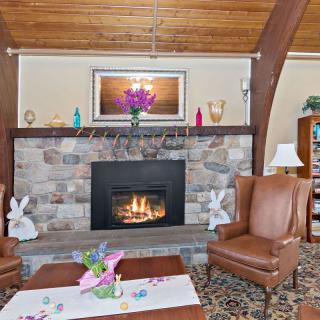
- The dining hall is very nice.
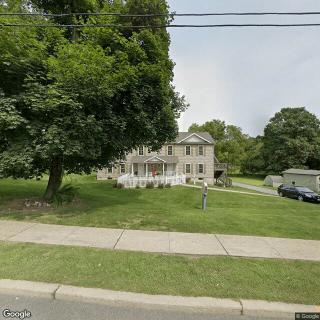
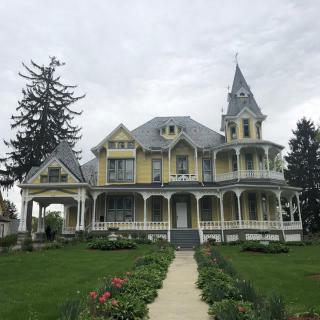
- The facility has a pleasant area with a beautiful garden where residents can hang out.
- The nursing staff seem competent and are always attentive to residents' needs.
- The staff is exceptional.
Cons
 The facility is described as a nightmare, with dirty rooms, rusted beds, and furniture in disrepair.
- It is severely understaffed, leading to delays in care and residents left unattended or wandering at night.
- Residents are allegedly heavily medicated or not properly charted, resulting in serious health crises.
- Privacy is routinely violated, with staff entering rooms without knocking.
- The food is described as among the worst and often inedible, with no snacks and residents left hungry.
- Hygiene and basic care are neglected, including hair, nails, and dental care.
- There are allegations of abuse and coercive treatment, including drugging patients and forcing diapers and wheelchairs.
- The facility is considered by some to be unfit for care and should be shut down.
Review
Andover Subacute and Rehab II is best suited for families seeking a subacute rehab setting with an active social and therapeutic program, where resident engagement and ongoing physical therapy are central to the plan. It suits individuals who will benefit from structured activities, rehab-focused care, and a campus that supports light to moderate dementia needs, provided there is strong family involvement to monitor daily operations. Those prioritizing a pristine environment, rigorous hygiene, and rock-solid consistency in daily care should proceed with strong caution. The community can work when recovery and social stimulation are the primary goals, but it is not a universal fit for all long-term needs.
On the plus side, several reviews highlight meaningful therapy, friendly front-line staff, and a calendar packed with activities. Families report tangible benefits from physical therapy, medication monitoring, and a sense that residents have opportunities to participate in games, arts, and social events. The facility offers two-person rooms, a salon for grooming, and outdoor space that can support a calmer pace for those recovering from illness. When the care team operates smoothly, it creates bursts of momentum for recovery and a perception of attentive, personable care during the rehabilitation journey.
However, the most persistent red flags center on understaffing, inconsistent cleanliness, and lapses in basic resident dignity. Multiple accounts describe crowded, noisy environments with frequent privacy intrusions and rooms that do not meet perceived standards of hygiene. There are troubling claims of residents being left unattended, and in some reviews, people recount rooms that are poorly maintained, with odors and general disarray. The most troubling narratives involve severe concerns about medication administration, documentation gaps, and the impression that care quality can deteriorate on weekends when staffing shrinks. These issues undermine trust and can derail even the best rehab plan.
The strongest counterbalance to the drawbacks is clearly the quality and availability of therapy and the presence of engaging activities, which can drive meaningful progress for short-term residents. When nurses and aides are present and attentive, residents receive timely medications, monitoring, and a sense of safety during critical recovery windows. Yet these positives are not consistently reliable across shifts, and the variability in staffing and cleanliness makes outcomes unpredictable. In short, the care experience at Andover II can be good in moments, but the consistency required for long-term steadiness and peace of mind remains unsettled.
Who should consider alternatives? Families that cannot tolerate reports of understaffing, infrequent hygiene checks, privacy violations, or concerning patterns around medication safety should look elsewhere. For anyone whose loved one requires consistent, English-speaking communication, rigorous infection control, or a quieter, cleaner environment with fewer bedmates per room, it is prudent to explore other options. Dementia care with high needs for supervision, or scenarios where ongoing family oversight is not feasible, also point toward facilities with stronger staffing ratios and more uniform care standards.
Bottom line: Andover Subacute and Rehab II can serve as a workable choice for short-term rehab where an active program and hands-on therapy are the priority and where vigilant family involvement can compensate for gaps in staffing and cleanliness. It is not a universal solution for long-term care, especially when privacy, consistent hygiene, and predictable medication administration are nonnegotiable. Prospective families should conduct a thorough tour, question current staffing levels and language support, probe housekeeping and dining quality, and speak candidly with residents and families about daily realities. If those checks reveal stable staffing, clean environments, and reliable care, this facility can deliver productive recovery with engaging programming; if not, alternatives with stronger, more consistent operations will likely better protect safety and peace of mind.
 543 resident community capacity
 Skilled Nursing Facility
 Air-conditioning
 Beauty salon
 Cable or satellite TV
 Computer center
 Dining room
 Fitness room
 Fully furnished
 Gaming room
 Garden
 Housekeeping services
 Kitchenette
 Move-in coordination
 Outdoor space
 Private bathrooms
 Restaurant-style dining
 Small library
 Telephone
 Wellness center
 Wi-Fi/high-speed internet available
 Community operated transportation
 12-16 hour nursing
 24-hour call system
 Activities of daily living assistance
 Assistance with bathing
 Assistance with dressing
 Assistance with transfers
 Diabetes diet
 Medication management
 Mental wellness program
 Special dietary restrictions
 Concierge services
 Planned day trips


 In-Depth Look at the VA Aid and Attendance Program
 Nurturing Our Loved Ones: A Daughter's Journey in Caring for Her Mother
 Nurturing Our Elders: Linda's Journey of Supporting Her Mother