
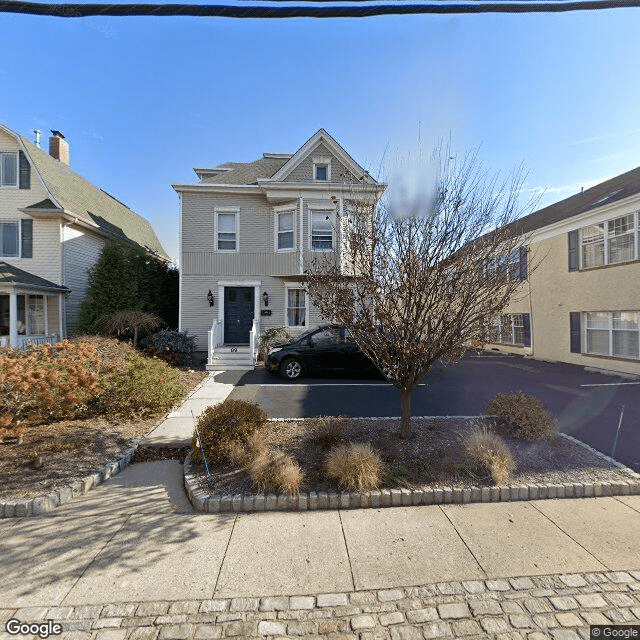
89 Chestnut St., Ridgewood, NJ 07450
To contact a resident: (201) 452-2222
For more information about senior living options: (866) 208-4318
Overall Review of TLC Companions Home Healthcare
Pros
 TLC is one of the best in Bergen County.
- Sue and Howard are the absolute best.
- The TLC management is incredible, detail-oriented, and highly responsive outside of normal hours.
- TLC staff are among the kindest people, showing love, empathy, professionalism, and understanding.
- They go above and beyond to support families.
- The office staff are pleasant and make enrollment easy.
- TLC makes caring for a loved one from far away easier and responds quickly to questions.
- They make clients feel like family and provide peace of mind.
Cons
 Caring for a parent from another state is not easy.
- They were told they didn’t have a Chinese-speaking aide.
- Finding a home health aide during the pandemic was nerve-wracking.
Review
TLC Companions Home Healthcare in Ridgewood, NJ is best suited for families seeking deeply personalized, in-home care with strong medical coordination. This agency excels when a loved one needs regular assistance, careful activity support, and a thoughtful, phased approach to transitions from hospital to home. The model thrives in a small-team, family-like environment where care plans are shaped by the hands-on involvement of the owners. Sue and Howard take ownership of outcomes, not just tasks, and remain closely connected with families throughout the care journey. Language needs are a real strength here; a Chinese-speaking aide can be located to support relatives who communicate best in Mandarin or Cantonese. For families managing care from afar or coordinating with medical teams, the combination of responsiveness and personal touch yields steady, reliable progress rather than ad hoc visits.
Who may want to consider alternatives: if a family requires a larger, more formalized provider with a broad caregiver pool and guaranteed 24/7 coverage, this private, owner-led setup may feel constrained. Families seeking a facility-based option for daily living with built-in medical supervision might prefer an assisted living community. Those needing a wider array of languages beyond Chinese, or a vendor with extensive corporate processes, could look elsewhere. Cost structure and the desire for standardized contracts may also push some toward bigger agencies. For cases with unusually high-acuity medical needs or strict schedule guarantees, exploring larger providers or facility options could be prudent.
Key strengths are visible in the people running the service. Sue and Howard are described as extraordinarily responsive and genuinely invested in clients’ well-being, often providing emotional support to families during difficult episodes. The care teams are noted as attentive, thorough, and resourceful, quick to locate a matching aide and to adapt care plans as needs shift. Outside of regular hours the team remains accessible, a feature that delivers real reassurance when emergencies arise or last-minute questions appear. Clients repeatedly report feeling treated like partners rather than customers, with updates and decisions communicated clearly and promptly. The result is a smoother hospital discharge process, better caregiver alignment, and a level of trust that is rare in more impersonal operations.
Limitations are inherent in a smaller operation. The intimate, owner-driven model can translate to tighter staffing availability than a large agency, potentially affecting scheduling during peak demand or periods of illness. While the Chinese-speaking option is a clear plus, the caregiver pool may be narrower than what bigger firms offer, which could matter for families with diverse needs or multi-language requirements beyond Chinese. Importantly, care remains home-based; if a family’s goal is 24/7 facility-style supervision or a more formal institutional setting, alternative arrangements may prove more reliable for those expectations.
On balance, the positives offset the potential drawbacks in practical, tangible ways. The practical focus on coordination with physicians, hospitals, and families reduces the friction commonly seen when juggling multiple caregivers. The willingness to locate a Chinese-speaking aide and to mobilize quickly during urgent transitions demonstrates a level of agility that larger outfits sometimes lack. Families experience ongoing communication, predictable updates, and a sense that care decisions align with personal routines and cultural preferences. That emotional support for caregivers and the adaptability of aides means less stress in managing a loved one’s day-to-day needs, fewer miscommunications, and more consistent quality of care across visits. In short, for the right client, the advantages translate into real peace of mind.
Verdict for Ridgewood-area families: TLC Companions Home Healthcare is a compelling choice for in-home care anchored in personal attention, swift responsiveness, and hospital-transition savvy. It is especially well-suited for households needing language-supported care and for those who value a close working relationship with the ownership team. Prospective clients should not discount the possibility that a smaller operation has limits in scale; if ongoing, guaranteed 24/7 coverage across all shifts or a diverse multilingual staffing pool are non-negotiable, exploring larger agencies or facility options is prudent. For families prioritizing peace of mind, collaborative planning, and a caregiver network that feels like an extension of the family, TLC offers a practical, capable path to maintaining independence at home.
 LaGuardia (19 miles away)




 Exploring Palliative Care in the Home: A Comprehensive Overview
 Comprehensive Insights into Palliative Home Care: What It Is and What to Expect
 Skilled Nursing Facilities vs. Nursing Homes: Making Sense of the Differences