Harmony Village at CareOne Paramus

Save

  • Interior

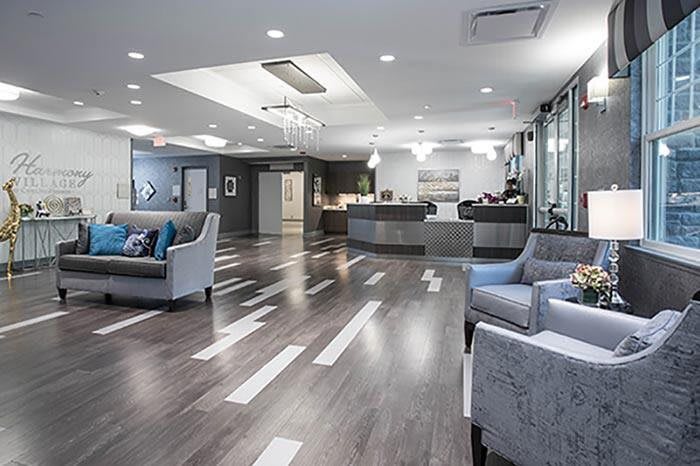
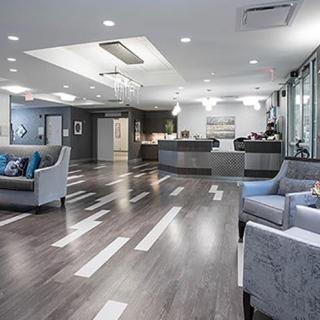
    A modern lobby area with comfortable seating and a reception desk.
  • Decor

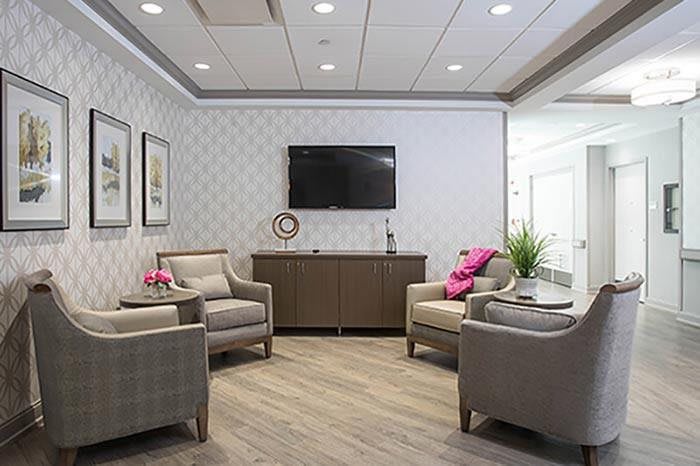
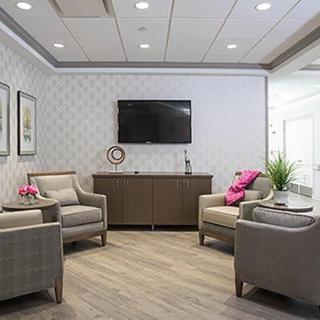
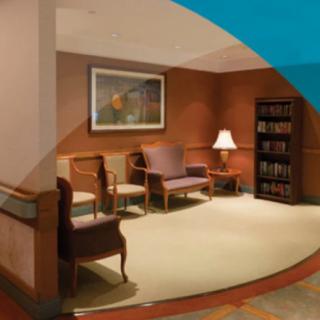
    A modern waiting room with comfortable seating and a television.
  • Living Room

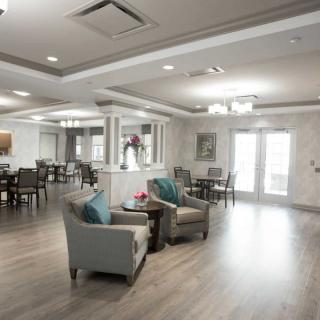
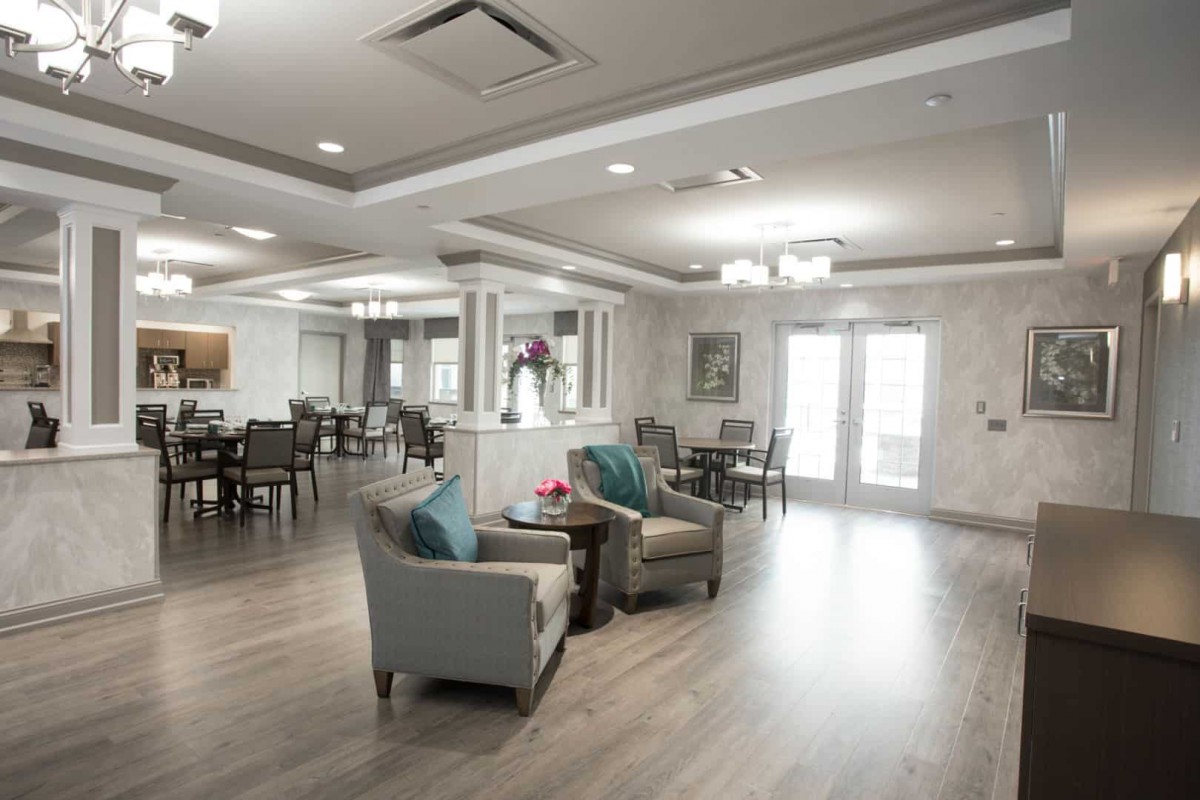
    A modern living area with comfortable seating and elegant lighting.
  • Building

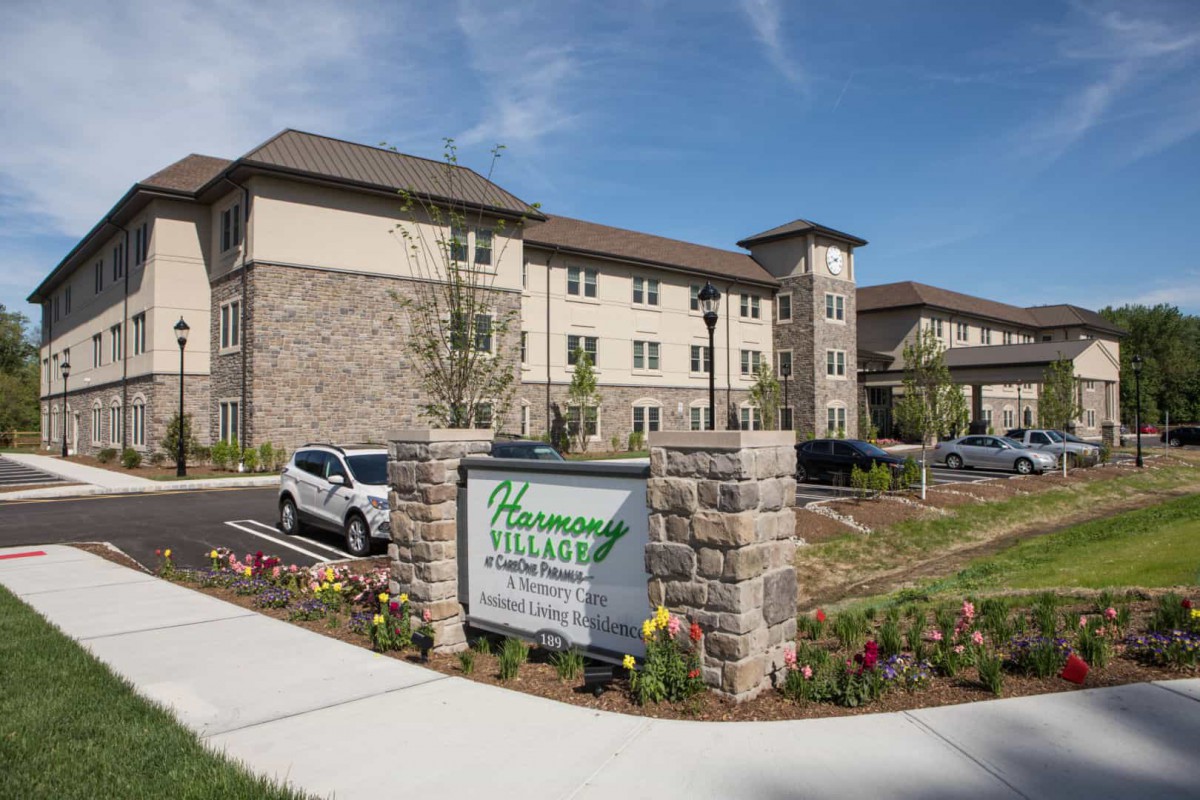
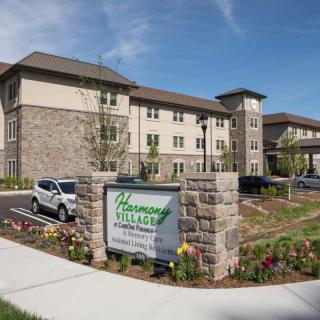
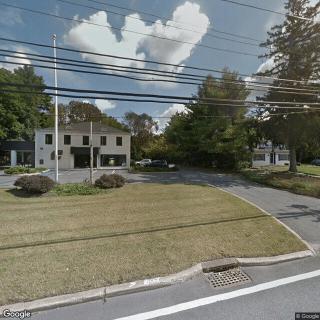
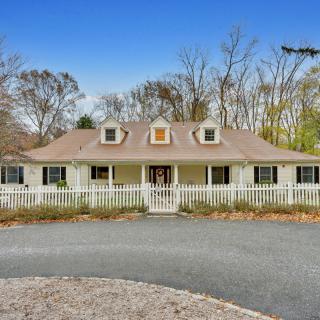
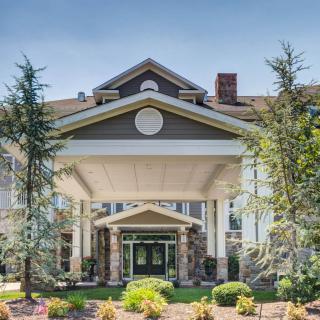
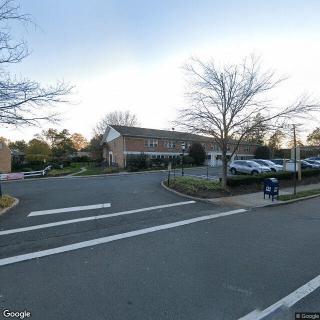
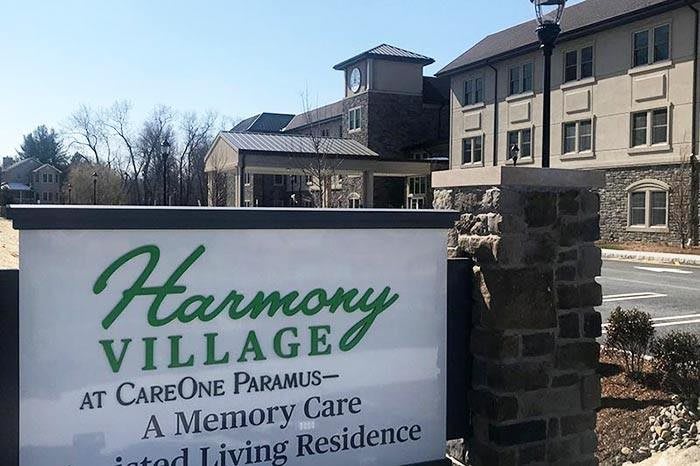
    The exterior view of an assisted living facility with a landscaped front and parking area, captured on a sunny day.
  • Architecture

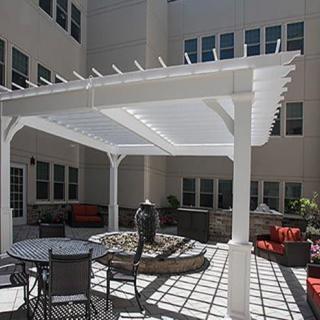
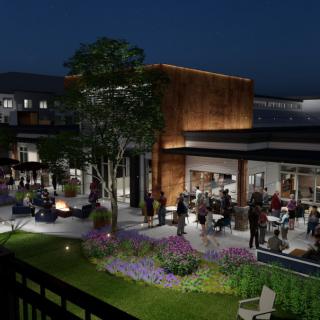
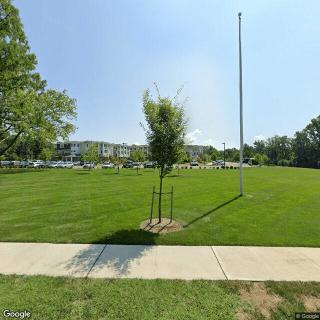
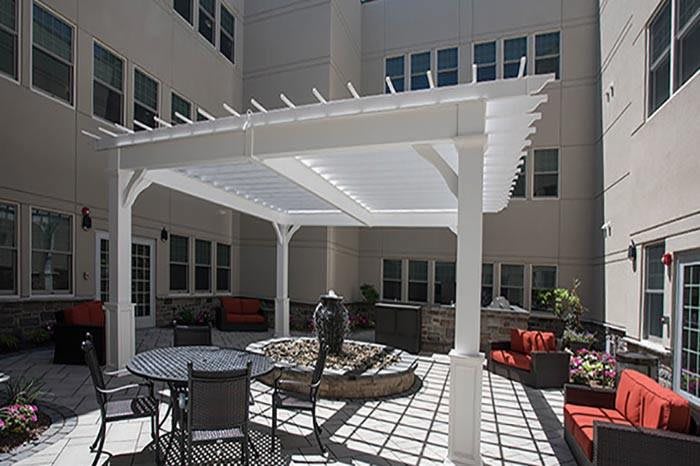
    A courtyard with a white pergola providing shade over outdoor seating and patio furniture.
  • Bedroom

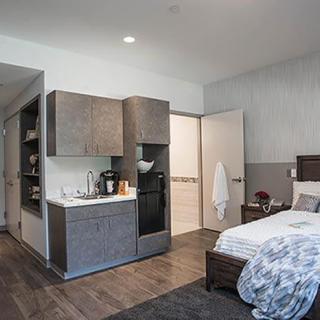
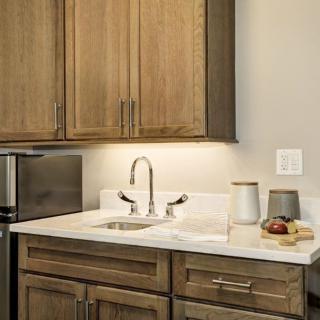
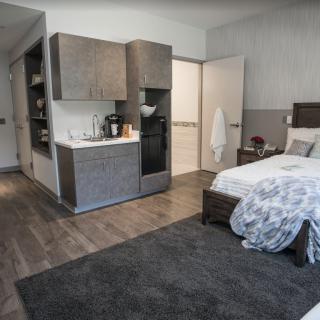
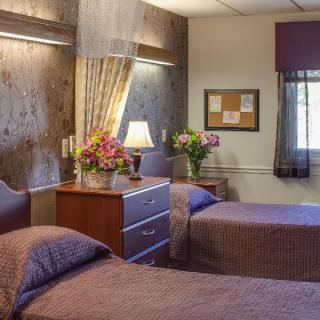
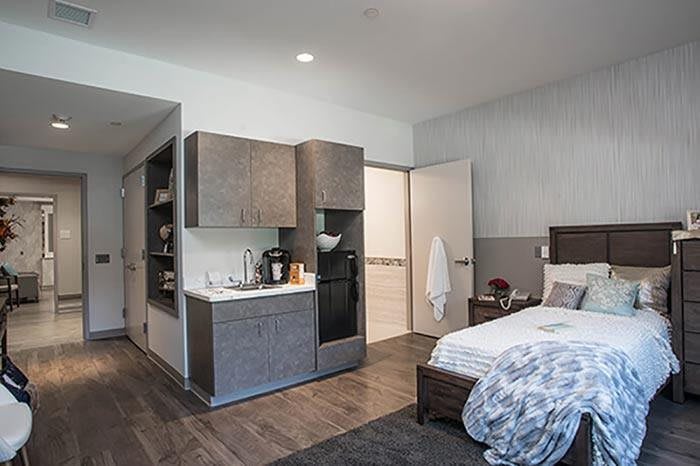
    A modern apartment bedroom with a kitchenette and minimalist decor.
  • Dining

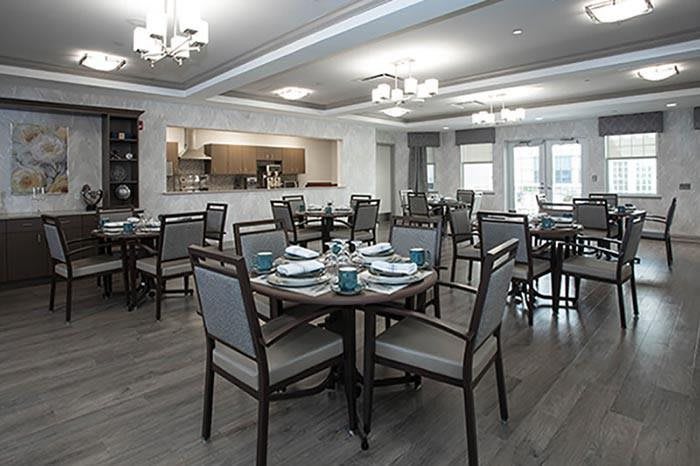
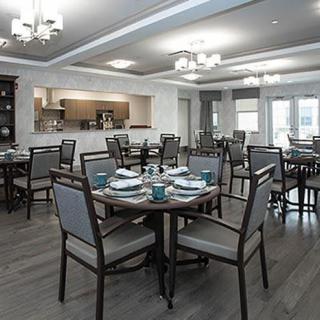
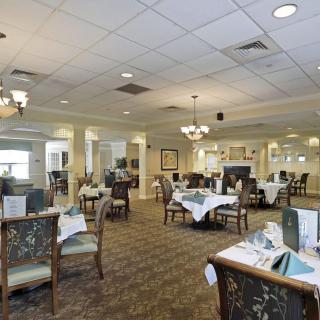
    Elegant dining room with neatly set tables and modern lighting fixtures.
  • Kitchen

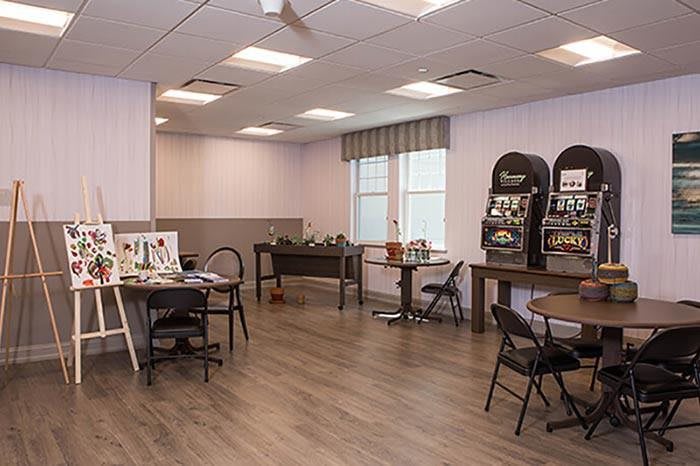
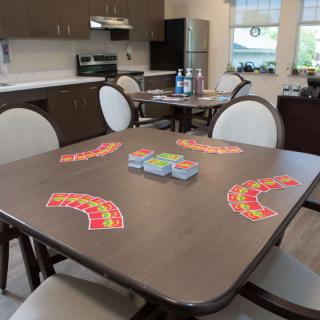
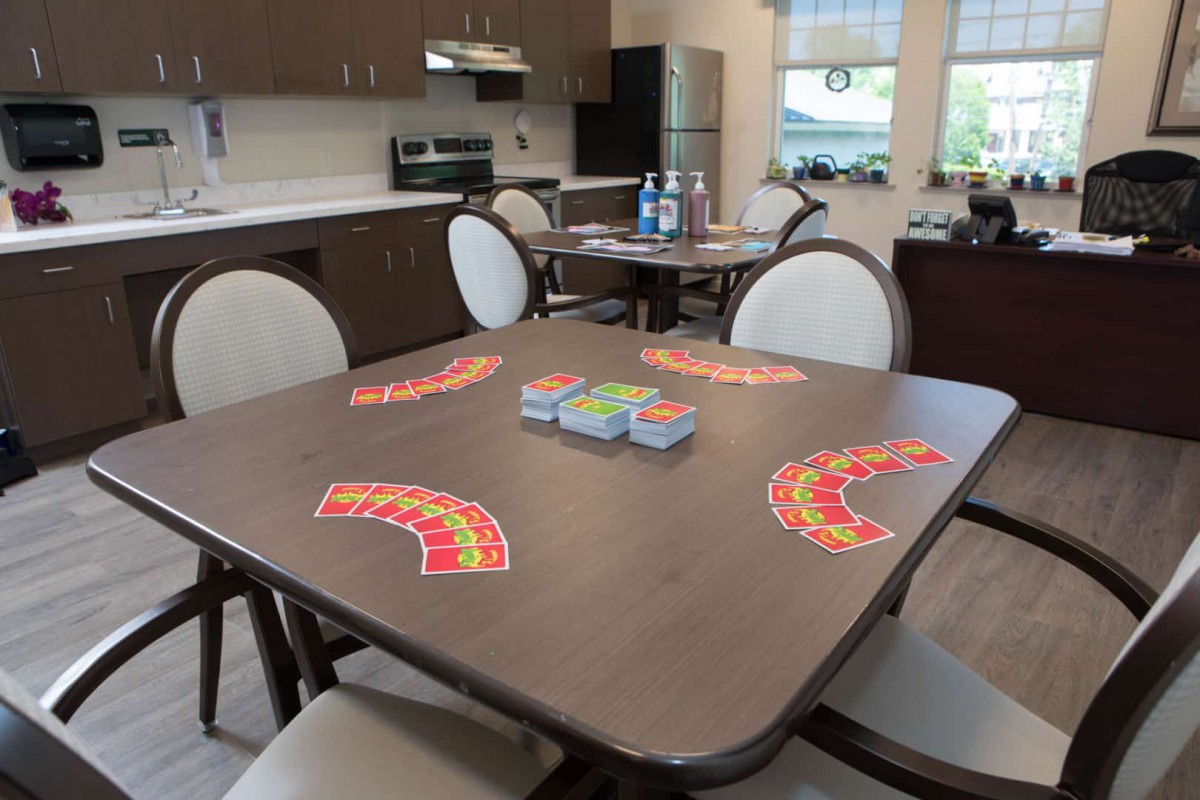
    A kitchen area with a table set up for a card game.
  • Bathroom

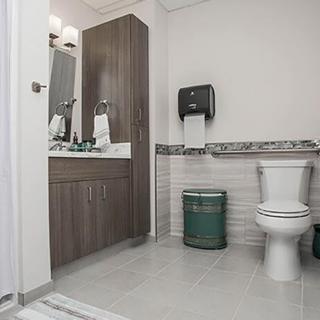
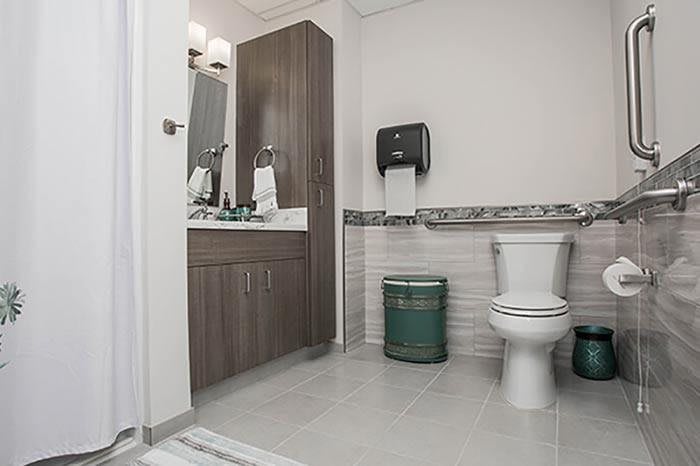
    A clean and modern bathroom with a toilet, sink, and paper towel dispenser.
  • Salon

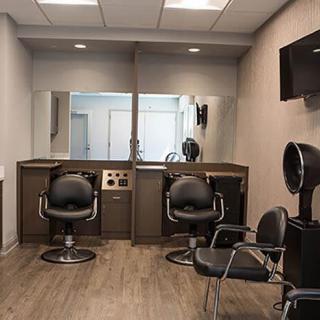
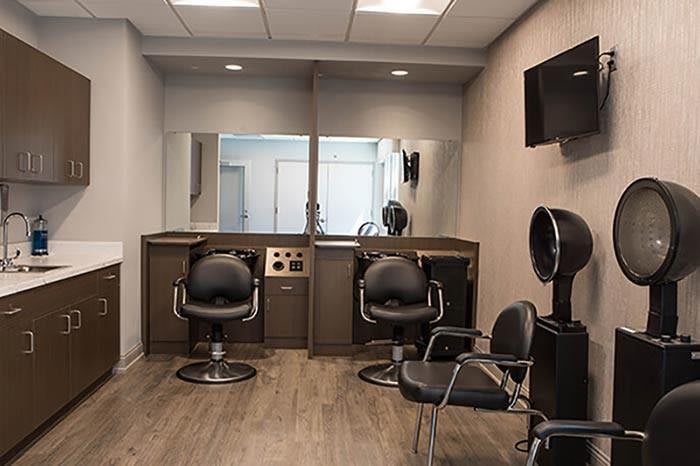
    A modern hair salon with styling stations and chairs, featuring mirrors and a clean interior design.

Harmony Village at CareOne Paramus

187 Paramus Rd, Paramus, NJ 07652

For more information about senior living options: (844) 490-3973

4.4 from 63 reviews
5 stars
49
4 stars
4
3 stars
2
2 stars
1
1 stars
7

Memory Care

Harmony Village at CareOne Paramus Costs & Pricing

Harmony Village at CareOne Paramus offers a range of accommodations with pricing that reflects its premium services and amenities. For a semi-private room, residents can expect to pay $6,760 per month, which is notably higher than the Bergen County average of $6,049 and significantly above the New Jersey state average of $5,068. Studio apartments are priced at $8,320, again surpassing both county and state averages of $6,525 and $5,286 respectively. The 1-bedroom units are offered at $11,440 per month, clearly positioning themselves above local norms - Bergen County averages $6,158 while the statewide figure stands at $5,994. While these costs may be elevated compared to other options in the area, they reflect Harmony Village's commitment to providing a high-quality living experience tailored to meet the needs of its residents.

Floor plansHarmony Village at CareOne ParamusBergen CountyNew Jersey
Semi-Private$6,760$6,049$5,068
Studio$8,320$6,525$5,286
1 Bedroom$11,440$6,158$5,994

Overall Review of Harmony Village at CareOne Paramus

Pros

  • pro The staff and administration are professional and caring, and they actively resolve issues with empathy.
  • pro The facility is spotless, safe, and secure, with 24/7 medical staff and attentive nursing care.
  • pro Residents are treated with dignity and respect, with caregivers who know their preferences and needs.
  • pro Harmony Village is regarded as a top memory-care facility, dedicated to dementia care with devoted, skilled staff.
  • pro The meals, activities, and social events are described as excellent and abundant.
  • pro Families report smooth transitions, clear communication, and easy access for updates and visits.
  • pro The environment is beautifully designed - calming, bright, and comfortable - with private rooms and modern amenities.
  • pro The staff are consistently described as friendly, knowledgeable, and willing to go above and beyond to help residents.

Cons

  • pro The place needs to be shut down.
  • pro The bosses are careless and they do things under the table; they are short-staffed.
  • pro One male caregiver is very rough with the elders, and another has nails longer than ever, which is disturbing.
  • pro The food looks gross.
  • pro The admin lady is fake and doesn't care.
  • pro The caregivers say microwaves are locked and residents aren't allowed to drink water.
  • pro This place is a disgrace.
  • pro The caregivers look unhappy here.
  • pro The admin sucks.
  • pro The food looks horrible for residents who paid all this money.
  • pro People wouldn't want to leave their father there.
  • pro Poor management; the staff are horrible, always on their phones and not paying attention.
  • pro The staff are horribly uncaring and nasty.
  • pro They are short-handed, which leads to unsafe care.
  • pro It's a money grab; the administrator is described as the least compassionate.
  • pro They wouldn't allow movement to the advanced floor despite severe dementia.
  • pro The staff spent little time with residents and missed diagnosing a UTI.
  • pro They wouldn't let her return because they couldn't handle her progressed dementia and sent her to the ER.
  • pro Rent increased substantially with no notice.
  • pro They don't pay their staff; turnover is high.
  • pro The food is pretty bad.
  • pro Entertainment is lacking after 5 pm and on weekends.
  • pro The nurses are only there during the day; at night you don't have them.
  • pro There was not enough staff to monitor the residents.

Review

Harmony Village at CareOne Paramus is clearly best suited for families seeking a dementia-centric living solution where memory-care expertise and structured, cognition-based programming are the core offerings. The community is designed as an all-in-one memory care campus, with neighborhood divisions aligned to levels of cognition, private rooms, and a calm, modern atmosphere. For families confronting progressive memory impairment, especially Alzheimer's and related conditions, this is a setting built around specialized staff training, predictable routines, and proactive safety measures that provide peace of mind.

Alternatives to consider are warranted for several reasons. If a loved one does not require a dementia-focused environment, or if budget constraints are a primary driver, other assisted living communities with broader care options or lower price points may be a better fit. Families seeking robust overnight nursing coverage, less emphasis on memory-specific programming, or greater flexibility in dining and social programming might explore facilities with different care models. Likewise, if a needs assessment prioritizes longer-tenure staff stability over the premium features of a new, memory-dedicated campus, it is prudent to broaden the search and compare staffing stability, care philosophies, and cost structures.

The strongest positives here rest on genuine, specialized dementia care. The staff's deep reservoir of memory-care experience translates into individualized attention, consistent routines, and meticulous grooming and hygiene for residents. The campus's newness and clean, attractive design contribute to a sense of safety and dignity, while the neighborhood approach makes it easier to tailor activities and supervision to each resident's cognitive stage. Families repeatedly highlight effective communication channels - regular updates, responsive administrators, and accessible nursing leadership - that reduce the typical stress of locating a trusted caregiver. When care plans stay aligned with resident preferences, residents appear more engaged, with meaningful activities that extend beyond passive TV time.

Yet the most significant concerns run counter to those strengths. A substantial thread of reviews flags staffing instability and underpayment as drivers of turnover, which can interrupt continuity of care and undermine trust. Some families report experiences with inattentive staff, inattentive safety checks, or perceived staff missteps in daily care, including incidents that escalate concerns about safety and responsiveness. Food quality is another recurring theme, with complaints about repetitive menus and insufficient attention to dietary nuances or preferences. On the financial side, there are credible cautions about sudden rent increases or additional charges for higher levels of around-the-clock care, creating anxiety for families already navigating delicate decisions about placement.

These pros and cons must be weighed against each other in practical terms. For families prioritizing dementia-specific expertise, personalized care, and open-family communication, Harmony Village provides a compelling value proposition, especially given the level of staff training, the presence of memory-care specialists, and the clearly dedicated approach to cognition-based care. The counterbalance is the price point, paired with mixed experiences around staffing stability and meal variety. In other words, the program's clinical strength can be offset by the risk of staffing gaps and cost-related tensions unless due diligence reduces those unknowns ahead of move-in.

For decision-making, concrete steps make the difference. Visit with a focus on how care plans are developed and updated, and request to meet the dementia director and head nurse to gauge responsiveness. Probe the exact staffing ratios on all shifts, the process for handling off-hours emergencies, and the availability of on-site medical professionals after hours. Ask for references from families with residents at similar stages of dementia, and review recent activity calendars to assess whether engagement truly matches promised programming. Finally, balance the glossy presentation with a frank discussion about cost, room configurations, and the facility's approach to dietary needs; if those align with the loved one's priorities, Harmony Village becomes a decision that brings confidence rather than hesitation.

In sum, Harmony Village Paramus stands out as a leadership-level option for memory care - best for families who value specialized dementia care, transparent communication, and a well-structured daily life for residents. It does not suit every budget or every care preference, and the best choice depends on how strongly the priority of dementia expertise weighs against concerns about staffing consistency and cost. When the family's criteria center on a dementia-first environment with attentive leadership and a high level of resident engagement, Harmony Village warrants serious consideration and a thorough, pointed due-diligence process.

Features

Housing

  • Studio apartments Studio apartmentsStudio apartments are important for seniors because they offer a smaller, more manageable living space that is easier to navigate and maintain as physical abilities decline. Additionally, studio apartments provide seniors with independence and privacy while still being part of a community that offers support and social opportunities.

Types of Care

  • Memory Care Memory CareMemory care is crucial for seniors as it provides specialized support and services for individuals with dementia or Alzheimer's disease. These programs offer a safe and secure environment where residents receive personalized care, cognitive stimulation, and help with daily activities. Memory care helps seniors maintain their independence, quality of life, and dignity while also providing peace of mind for their families.

Pets

  • Cats allowed Cats allowed"Pet friendly" senior living communities are important for seniors because pets provide companionship, reduce feelings of loneliness and depression, promote physical activity and mental stimulation, and offer a sense of purpose and responsibility. Pets can improve overall well-being and quality of life for seniors in many ways.
  • Dogs allowed Dogs allowed"Pet friendly" senior living communities are important for seniors because pets provide companionship, reduce feelings of loneliness and depression, promote physical activity and mental stimulation, and offer a sense of purpose and responsibility. Pets can improve overall well-being and quality of life for seniors in many ways.

Amenities

  • Activities off-site Activities off-siteEngaging in off-site activities is crucial for seniors to maintain social connections, stay active, and stimulate their minds. It promotes overall well-being and helps combat feelings of isolation and loneliness.
  • Activities on-site Activities on-siteActivities on-site are important for seniors because they provide opportunities for socialization, mental stimulation, physical activity, and overall well-being. Engaging in activities can help seniors stay active, maintain their independence, and improve their quality of life.
  • Air-conditioning Air-conditioningAir conditioning is important for seniors as they are more vulnerable to heat-related illnesses and may have underlying health conditions that make it difficult for them to regulate their body temperature. It helps to keep them comfortable, safe, and healthy in hot weather.
  • Beautician on-site Beautician on-siteHaving a beautician on-site at a senior living community is important for seniors as it allows them to easily access grooming and personal care services, boosting their self-esteem and overall well-being. It also provides convenience and helps seniors maintain their sense of independence and personal style.
  • Cable or satellite TV Cable or satellite TVCable or satellite TV is important for seniors because it provides entertainment, news, and companionship, helping to combat loneliness and boredom. It also offers a wide range of programming options tailored to different interests and preferences.
  • Devotional services off-site Devotional services off-siteDevotional services off-site are important for seniors as they provide spiritual nourishment, social engagement, and a sense of community outside of the senior living facility. This can enhance overall well-being and help combat feelings of isolation and loneliness often experienced by older adults.
  • Devotional services on-site Devotional services on-siteDevotional services on-site provide seniors with spiritual support and a sense of community, as well as an opportunity for reflection and guidance during their senior living experience. This can promote emotional well-being and connection to others, leading to a more fulfilling and enriching lifestyle in their later years.
  • Ground floor units Ground floor unitsGround floor units are important for seniors because they provide easy accessibility, reduced risk of falls and injuries, and convenience for those with mobility issues. Seniors can avoid climbing stairs or using elevators, making daily tasks and activities more manageable and enjoyable.
  • Handicap accessible Handicap accessible"Handicap accessible" amenities are crucial for seniors to ensure they can easily navigate and access facilities, services, and activities without barriers or limitations due to physical impairments. This promotes independence, safety, and inclusivity for seniors in senior living communities.
  • Indoor common areas Indoor common areasIndoor common areas are crucial for seniors as they provide a space for socialization, recreation, and community engagement, promoting overall well-being and reducing feelings of isolation and loneliness.
  • Kitchenette KitchenetteKitchenettes are important for seniors living in senior living communities because they provide the convenience and independence of being able to prepare simple meals and snacks in the comfort of their own living space. This can help promote a sense of autonomy and well-being for seniors, allowing them to maintain some level of control over their dietary choices and daily routines.
  • Outdoor common areas Outdoor common areasOutdoor common areas are important for seniors as they provide a space for socialization, physical activity, and relaxation. Being outside in nature can improve mood and overall well-being, while also encouraging movement and engagement with others. These spaces can help combat feelings of isolation and promote a sense of community among residents.
  • Respite or short term stays offered Respite or short term stays offeredRespite or short term stays provide seniors with a temporary solution when their regular caregiver is unavailable, offering them the opportunity to receive additional care and support during times of need, while also giving caregivers a chance to rest and recharge.
  • Wheelchair accessible showers Wheelchair accessible showersWheelchair accessible showers are crucial for seniors as they provide a safe and independent bathing option for those with mobility challenges. These showers help prevent falls and allow seniors to maintain their dignity and autonomy while ensuring they can bathe comfortably.
  • Wi-Fi/high-speed internet available Wi-Fi/high-speed internet availableWi-Fi/high-speed internet is important for seniors to stay connected with loved ones, access online resources, and participate in virtual activities to combat feelings of loneliness and isolation. It also allows them to easily manage healthcare needs, access entertainment, and engage in lifelong learning opportunities.

Transportation

  • LaGuardia (16 miles away) LaGuardia (16 miles away)
  • Newark International (17 miles away) Newark International (17 miles away)
  • Westchester Cty (22 miles away) Westchester Cty (22 miles away)

Care Services

  • Diabetic care Diabetic careDiabetic care is crucial for seniors as they are more susceptible to developing diabetes due to aging and other health conditions. Proper management of diabetes can help prevent complications such as heart disease, vision loss, and nerve damage, improving the overall quality of life for seniors in senior living communities.
  • High acuity care High acuity careHigh acuity care is important for seniors because it provides specialized medical attention and support for individuals with complex medical needs. This level of care ensures that seniors receive the appropriate treatment and assistance to maintain their health and quality of life as they age.
  • Incontinence care Incontinence careIncontinence care is essential for seniors to maintain their dignity, hygiene, and overall quality of life. By addressing incontinence issues promptly and effectively, seniors can enjoy a sense of independence and comfort in their daily activities.
  • Medication management Medication managementMedication management is crucial for seniors to ensure they are taking the right medications at the correct dosages and times. This helps prevent adverse drug interactions, reduces the risk of medication errors, and promotes overall health and well-being. Proactive management also allows for adjustments as needed based on changing health conditions or new prescriptions.

Dining

  • Gluten-free Gluten-freeGluten-free options are important for seniors as they are more prone to digestive issues and dietary sensitivities. Offering gluten-free meal choices in senior living communities can help improve their overall health and well-being.
  • Guest meals Guest mealsGuest meals are important for seniors living in senior living communities because they provide an opportunity for socialization and companionship. Sharing a meal with friends, family, or new acquaintances can help combat feelings of loneliness and isolation, promote a sense of community, and enhance overall well-being. Additionally, guest meals allow seniors to enjoy delicious food in a comfortable setting without the hassle of cooking or cleaning up, making dining a pleasurable and stress-free experience.
  • International cuisine International cuisineInternational cuisine is important for seniors because it offers a variety of flavors, ingredients, and cultural experiences that can help keep their meals interesting and enjoyable. Trying new dishes can also stimulate the senses and provide different nutrients that contribute to overall health and well-being. Additionally, exploring international cuisine can bring back fond memories of travels or childhood experiences, making mealtime more nostalgic and fulfilling for seniors.
  • Low / no sodium Low / no sodiumLow/no sodium options are important for seniors because excessive sodium intake can lead to high blood pressure, heart disease, and other health issues commonly experienced by older adults. By choosing low/no sodium foods, seniors can better manage their health and reduce their risk of developing these conditions.
  • Meals provided Meals provided"Meals provided" are crucial for seniors in assisted living communities as it ensures they have access to nutritious, balanced meals without the stress of meal planning and preparation. This can help promote overall health and well-being for seniors who may have limited mobility or cognitive abilities.
  • No Sugar No SugarNo sugar diets are important for seniors because they can help prevent or manage chronic conditions such as diabetes, heart disease, and obesity. Sugar can also contribute to cognitive decline and inflammation in the body, so reducing sugar intake can lead to overall improved health and well-being in older adults.
  • Restaurant style dining Restaurant style diningRestaurant style dining is important for seniors as it offers them a social and enjoyable dining experience, promotes healthy eating habits, and provides personalized menu options to cater to their dietary needs and preferences. This type of dining setting can enhance their overall quality of life and create a sense of community within the senior living facility.
  • Room service Room serviceRoom service is important for seniors in a senior living community because it provides convenience and allows them to have their meals delivered directly to their room. This can be especially beneficial for seniors who may have mobility issues or difficulty accessing the dining area. Room service ensures that seniors are able to receive nutritious meals without having to navigate through the facility, allowing them to maintain their independence and overall well-being.
  • Special dining programs Special dining programsSpecial dining programs are important for seniors because they provide nutritious meals tailored to their dietary needs and preferences. These programs also offer socialization opportunities, promote overall health and well-being, and can help prevent malnutrition.
  • Vegetarian VegetarianA vegetarian diet is important for seniors because it can help lower the risk of chronic diseases, maintain a healthy weight, and provide essential nutrients needed for aging bodies. Additionally, plant-based diets are often easier on digestive systems and can contribute to overall well-being in older adults.

Activities

  • Art classes Art classesArt classes are important for seniors because they provide a creative outlet, improve cognitive function, reduce stress and anxiety, promote socialization, and enhance overall well-being and quality of life.
  • Catholic services Catholic servicesCatholic services are important for seniors because they provide spiritual support, a sense of community, and opportunities for social interaction that can enhance overall well-being and quality of life in their later years.
  • Cooking classes Cooking classesCooking classes are important for seniors as they provide opportunities for social interaction, enhance cognitive skills, promote healthy eating habits, and boost confidence in the kitchen.
  • Day trips and outings Day trips and outingsDay trips and outings are important for seniors as they provide opportunities for socialization, mental stimulation, physical activity, and a break from daily routines. These experiences can enhance overall well-being and quality of life for older adults living in senior communities.
  • Devotional activities offsite Devotional activities offsiteDevotional activities offsite are important for seniors because they provide social engagement, spiritual growth, and a sense of community outside of their living environment. This can improve overall well-being, mental health, and combat feelings of isolation or loneliness.
  • Devotional activities on-site Devotional activities on-siteDevotional activities on-site provide seniors with a sense of community, spiritual fulfillment, and emotional support, promoting overall well-being and a positive sense of purpose in their lives.
  • Educational speakers / life long learning Educational speakers / life long learningEducational speakers and lifelong learning opportunities are crucial for seniors as they provide mental stimulation, promote social engagement, and contribute to overall well-being. Continuous learning helps seniors stay mentally sharp, build new skills, and maintain a sense of purpose and fulfillment in their lives. It also allows them to stay connected to the world around them and fosters a sense of community within senior living facilities.
  • Karaoke KaraokeKaraoke provides seniors with a fun and social activity that can boost mood, confidence, and cognitive function. It encourages social interaction, physical movement, and creative expression, making it an important form of entertainment for senior living communities.
  • Live musical performances Live musical performancesLive musical performances can provide seniors with a sense of joy, nostalgia, and connection. Music has the power to evoke emotions and memories, improve mood and cognitive function, and foster social interaction among seniors. It can also serve as a form of therapy and stress relief for older adults, making it an important activity to include in senior living communities.
  • Live well programs Live well programs"Live well programs are essential for seniors as they provide opportunities for physical activity, social engagement, and mental stimulation, ultimately promoting overall health and well-being in later years."
  • Visiting Rabbi Visiting Rabbi"Visiting rabbis provide spiritual and emotional support to seniors in assisted living communities, helping them connect with their faith, find comfort in times of need, and maintain a sense of community and belonging."
  • Visiting chaplain or priest Visiting chaplain or priestHaving a visiting chaplain or priest at a senior living community is important for seniors because it provides spiritual support, comfort, and guidance during a time of life that can be challenging and uncertain. Their presence can help seniors feel connected to their faith, find peace of mind, and cope with the emotional and mental struggles they may face in their later years.

Description

Harmony Village at CareOne Paramus in Paramus, NJ is an assisted living community that offers a range of amenities and care services to provide a comfortable and fulfilling lifestyle for its residents. The community provides various on-site activities for residents to enjoy, including cooking classes, karaoke, live musical performances, and educational speakers. Additionally, there are opportunities for devotional activities both on-site and off-site.

The community features air-conditioned apartments with ground floor units available for those with mobility needs. All apartments are equipped with cable or satellite TV and Wi-Fi/high-speed internet access. There are indoor common areas where residents can socialize and interact with one another, as well as outdoor common areas to enjoy fresh air and nature.

For dining options, Harmony Village offers restaurant-style dining with a variety of meal options such as international cuisine, low/no sodium dishes, vegetarian choices, and meals without sugar. Room service is also available for added convenience. Special dining programs are implemented to cater to different dietary needs.

Care services provided by the community include high acuity care for individuals who require more intensive assistance, incontinence care, and medication management.

Harmony Village benefits from its convenient location near various amenities. There are three nearby cafes for residents to enjoy leisurely outings or meet up with friends. Four parks offer opportunities for outdoor activities and relaxation. Eleven pharmacies ensure easy access to medications. One physician is located nearby for medical needs. Twelve restaurants give residents options when it comes to dining out. Transportation options are readily available within close proximity of the community.

In terms of spiritual support, Harmony Village has partnerships with religious communities to provide visiting clergy members such as chaplains or priests from different faiths.

Overall, Harmony Village at CareOne Paramus offers a vibrant assisted living community where residents can engage in meaningful activities while receiving personalized care in a comfortable environment.

Videos

Nearby Places of Interest

This part of Paramus, New Jersey, offers a variety of amenities that cater to the needs and interests of seniors. The area features several beautiful parks where residents can enjoy outdoor activities and nature walks. There are also multiple dining options, ranging from casual eateries like Suburban Diner to upscale restaurants like The Capital Grille. In terms of healthcare, there are several pharmacies and hospitals nearby, ensuring easy access to medical services. Places of worship for various faiths are also present in the community, providing spiritual support for residents. Additionally, transportation options such as train stations and bus stops make it convenient for seniors to get around the area. With a mix of recreational, dining, healthcare, and religious facilities available, this neighborhood in Paramus offers a well-rounded living environment for seniors looking to settle down in a vibrant community.

Parks

  • Saddle River County Park - Dunkerhook Area (0.8 miles)
  • Saddle River County Park (1.7 miles)
  • Van Saun County Park (2.3 miles)
  • Paterson Great Falls National Historical Park (4.8 miles)
  • Rutherford Memorial Park (6.7 miles)
  • Flat Rock Brook Nature Center (7.9 miles)

Restaurants

  • Suburban Diner (1.3 miles)
  • The Capital Grille (1.7 miles)
  • Popeyes Louisiana Kitchen (2.5 miles)
  • McDonald's (2.7 miles)
  • Van Dyke Ice Cream (3.2 miles)
  • Sportsmans' Tavern (3.9 miles)
  • Houston's (4 miles)

Pharmacies

  • CVS Pharmacy (1.3 miles)
  • Walgreens (2.1 miles)
  • CVS Pharmacy (2.2 miles)
  • CVS Pharmacy (2.7 miles)
  • CVS Pharmacy (2.7 miles)
  • CVS Pharmacy (2.9 miles)
  • CVS Pharmacy (3.9 miles)

Theaters

  • Dreamscape at AMC Garden State Plaza (1.8 miles)
  • AMC DINE-IN Shops At Riverside 9 (4 miles)
  • AMC Clifton Commons 16 (8 miles)

Places of Worship

  • Community Church Of Glen Rock (2.3 miles)
  • All Saints Episcopal Church (2.3 miles)
  • Hawthorne Gospel Church (4.3 miles)
  • Clifton Blue Mosque (5.2 miles)
  • Bais Torah U'tefilah (6.2 miles)
  • Ahavas Israel (6.5 miles)
  • Immaculate Heart Of Mary School (8.3 miles)

Cafes

  • Starbucks (2.7 miles)
  • Starbucks (4.1 miles)
  • Bogota Press Cafe (5 miles)
  • Starbucks (5.8 miles)
  • Starbucks (6.3 miles)
  • Willow & Whisk (6.4 miles)
  • Starbucks (7.8 miles)

Transportation

  • NJT - Hawthorne Station (3.1 miles)
  • NJT - Waldwick Station (5.3 miles)
  • IHA Arbor Road Bus Stop (7.8 miles)

Hospitals

  • The Valley Hospital (3.2 miles)
  • St Joseph's Regional Medical Center (4.5 miles)
  • Hackensack Meridian Health Pascack Valley Medical Center (5.2 miles)
  • Holy Name Medical Center (5.8 miles)

Physicians

  • Paterson Community Health Center (4.2 miles)
  • Christian Health Care Center () (5.1 miles)
  • Kayal Orthopedic - Westwood (5.2 miles)
  • Dr Mondana S. Yazdi, MD (6.5 miles)
  • Tenafly Pediatrics (7 miles)
  • Park Medical Group PA (7.1 miles)
  • Women's Total Health of Woodcliff Lake (7.5 miles)

Frequently Asked Questions

How much does it cost to live at Harmony Village at CareOne Paramus in Paramus, NJ?
What floor plans and room types does Harmony Village at CareOne Paramus offer?
Where is Harmony Village at CareOne Paramus?
Does Harmony Village at CareOne Paramus provide care for residents with dementia or Alzheimer's disease?
Does Harmony Village at CareOne Paramus allow residents to have pets?
What photos are available for Harmony Village at CareOne Paramus in Paramus, New Jersey?

Nearby Communities

  • Harmony Village at Paramus

    Harmony Village at Paramus

    Paramus, NJ

    4.3 from 45 reviews
     

    pro Dementia-focused design with attentive staff and engaging activities.
  • Juniper Village at Paramus

    Juniper Village at Paramus

    Paramus, NJ

    4.6 from 101 reviews
    $3,995 to $9,065 / month

    pro Engaged staff, varied activities, and a clean, welcoming community.

  • Maple Glen Center

    Maple Glen Center

    Fair Lawn, NJ

    4.2 from 110 reviews
    $7,830 to $9,270 / month

    pro Friendly staff with effective rehab and good family communication.

  • New Life Adult Day Care

    New Life Adult Day Care

    Paramus, NJ

    4.3 from 25 reviews
     

    pro Vibrant day program with engaging activities and medication management.

  • Mount Saint Andrew Villa

    Mount Saint Andrew Villa

    Paramus, NJ


    pro Peaceful, comfortable setting with easy access to healthcare, dining, transportation, and parks.

  • CareOne at Ridgewood Ave

    CareOne at Ridgewood Ave

    Paramus, NJ

    4.2 from 114 reviews
     

    pro Attentive staff and effective physical therapy in a clean, well-kept facility.

  • Brightview Paramus

    Brightview Paramus

    Paramus, NJ

    4.5 from 106 reviews
     

    pro Beautiful, well-maintained facility with attentive staff and varied activities.

  • At Home With Van Dyk

    At Home With Van Dyk

    Ridgewood, NJ

    4.2 from 9 reviews
     

    pro Caregivers often take initiative and provide friendly, attentive care.

  • Alaris Health At The Chateau

    Alaris Health At The Chateau

    Rochelle Park, NJ

    3.6 from 122 reviews
     

    pro Compassionate nursing staff and effective rehab with good communication

Related Resources

  • delirium vs dementiaDelirium and Dementia: Unraveling the Key Differences

    Delirium is a rapidly onset, reversible cognitive disturbance often caused by acute medical issues, while dementia is a gradual and irreversible decline due to chronic neurodegenerative diseases. Accurate differentiation between the two is essential for appropriate treatment and management in older adults.

  • can you die from dementiaAre Dementia and Alzheimer's Disease Lethal? A Comprehensive Exploration

    Dementia, including Alzheimer’s disease, is often mischaracterized in terms of lethality as it leads to complications that can be fatal rather than being a direct cause of death; it causes a progressive decline in cognitive and physical health, making patients vulnerable to infections and other health crises. Effective management of nutrition, hydration, and communication is crucial in patient care, with palliative care becoming vital in advanced stages to enhance comfort and quality of life while caregivers play a key role amidst the challenges posed by the disease.

  • reminiscence therapyExploring the Power of Reminiscence Therapy for Individuals With Dementia
    Reminiscence therapy helps individuals with dementia recall past memories through structured discussions and meaningful objects, enhancing mood, relationships, and sense of identity while celebrating their lives. It can be practiced in formal settings or at home, requiring sensitivity to personal histories and cultural backgrounds.