Harmony Village at Paramus

Save

  • Interior

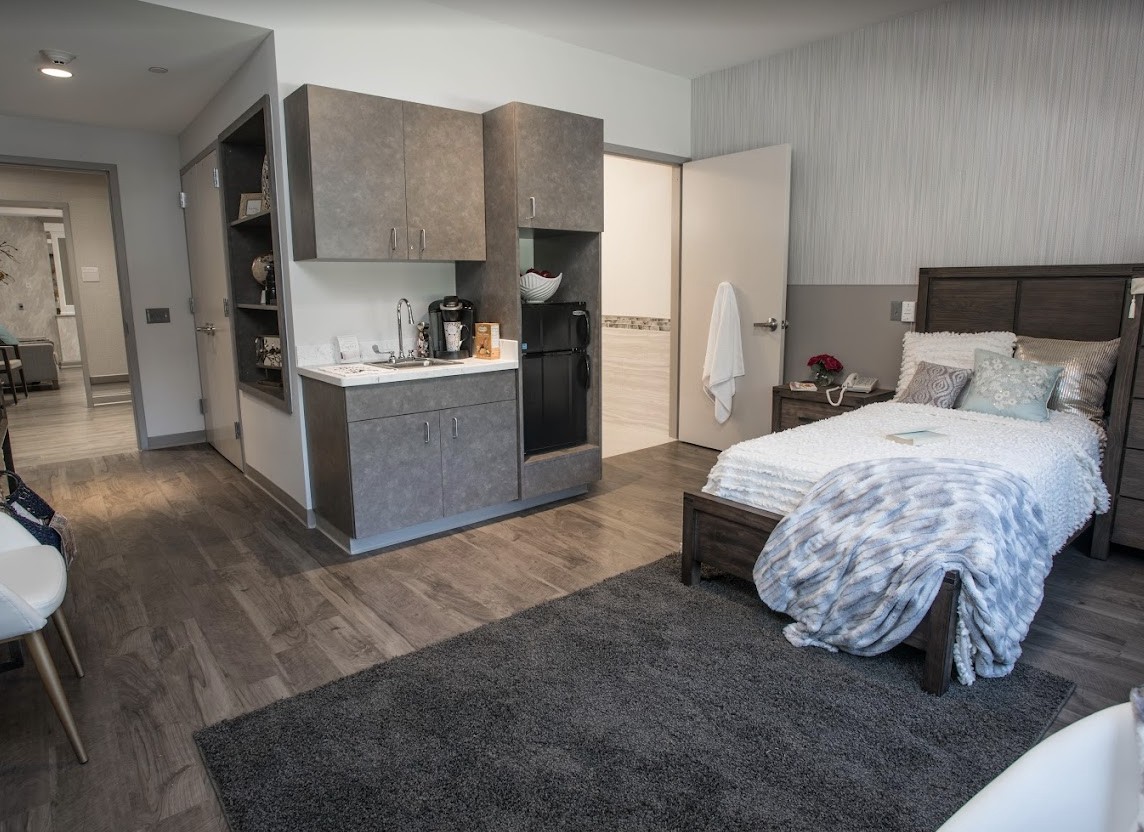
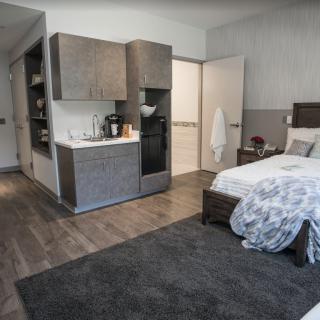
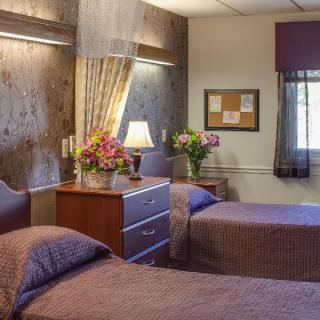
    A modern and minimalist bedroom with a small kitchenette.
  • Decor

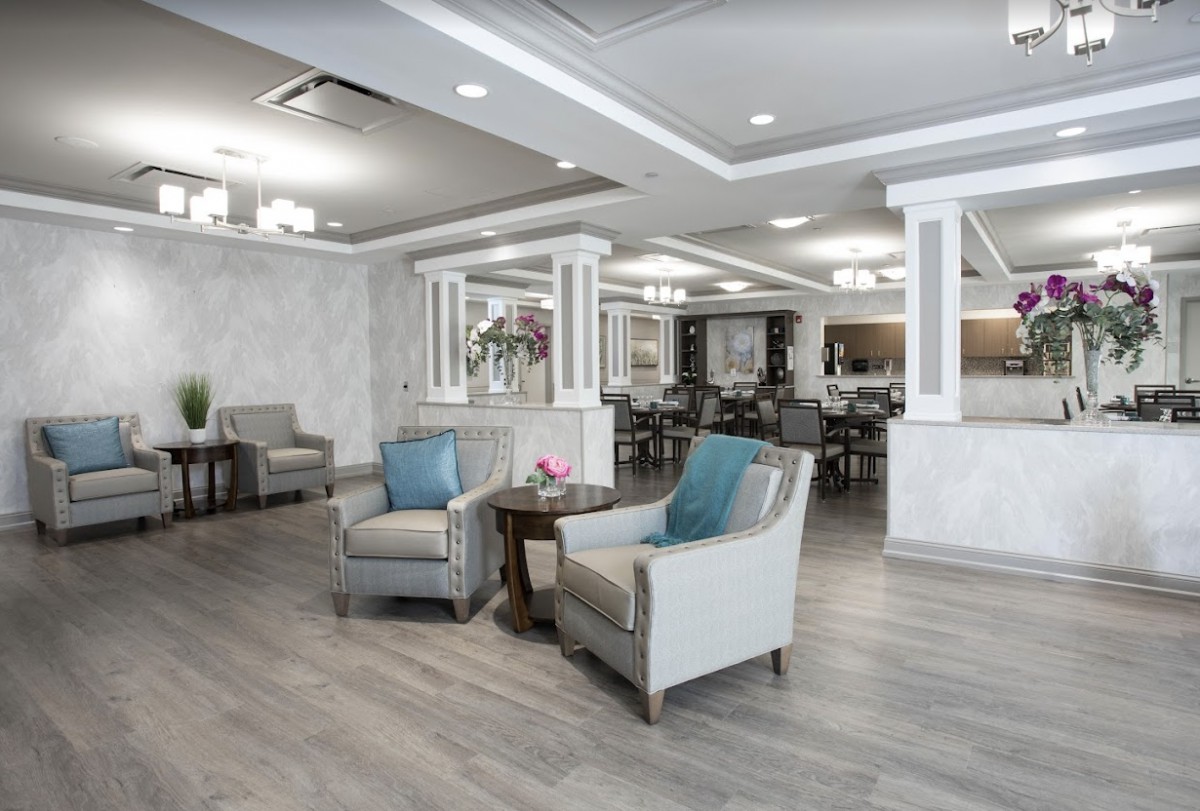
    A modern lobby with comfortable seating and stylish decor.
  • Living Room

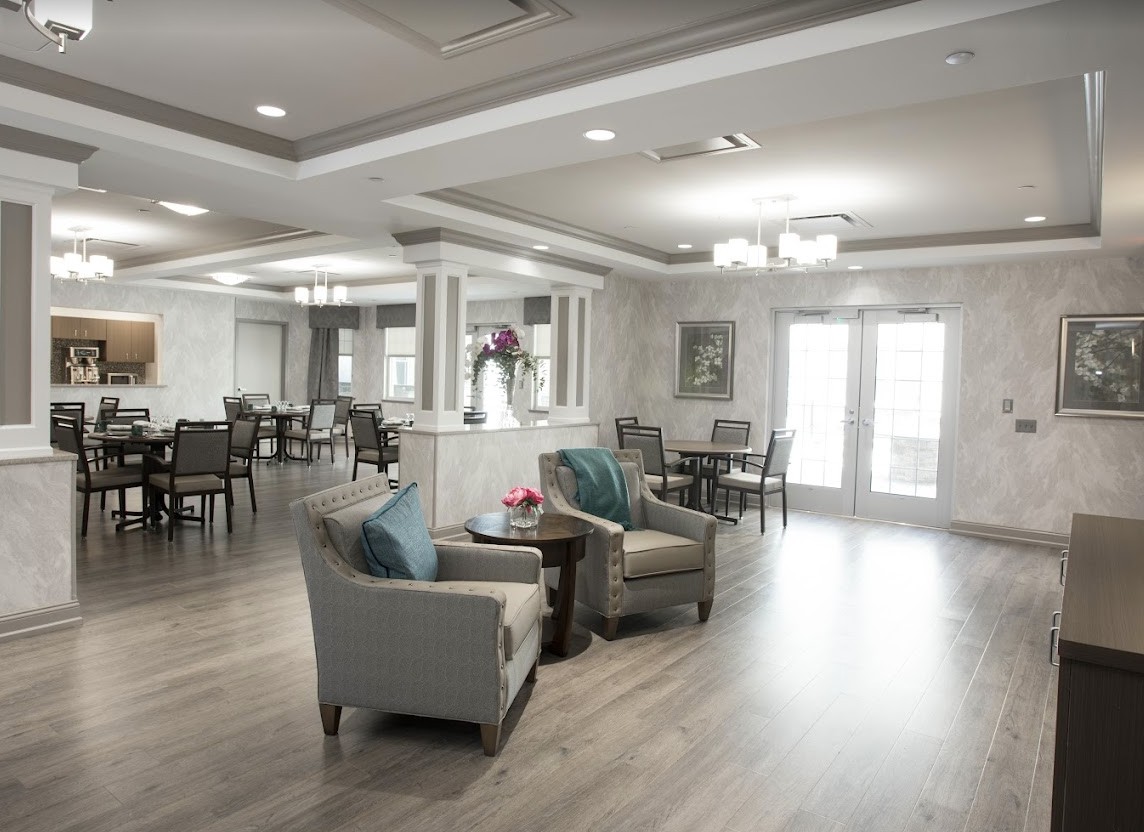
    A modern living room with comfortable seating and elegant lighting.
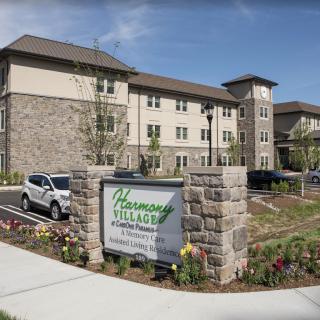
  • Building

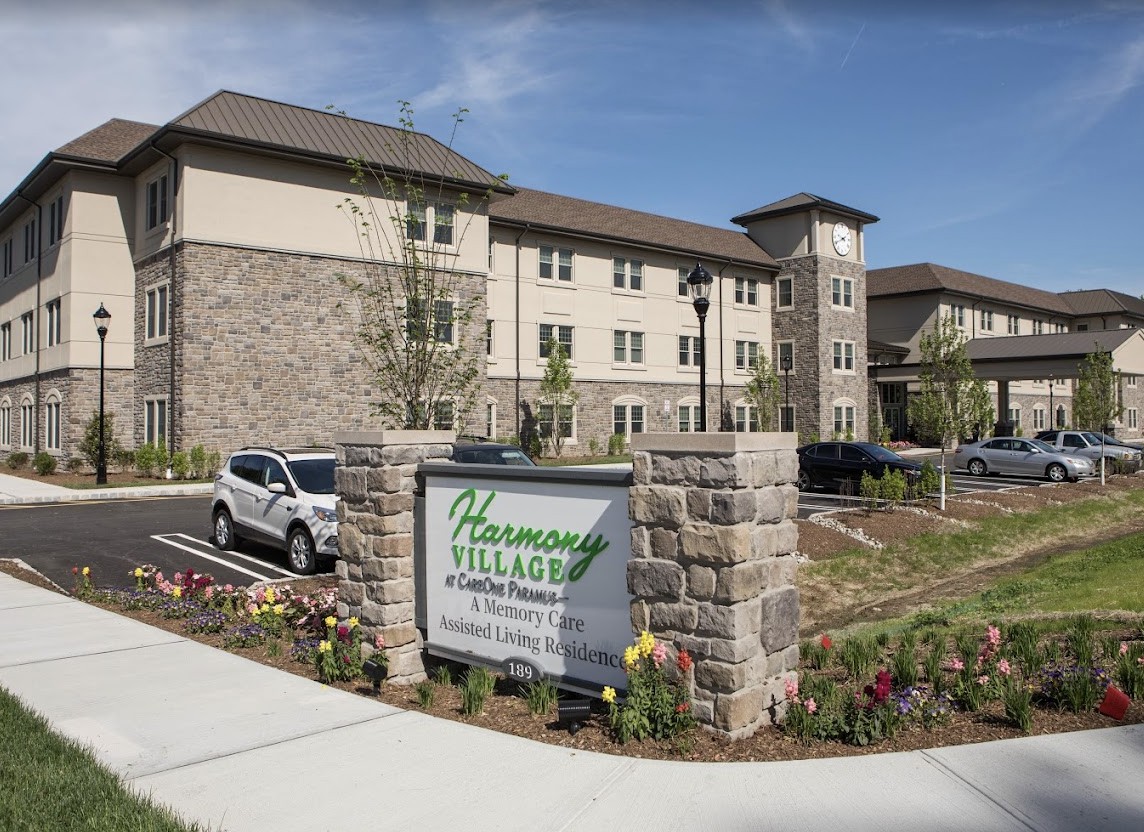
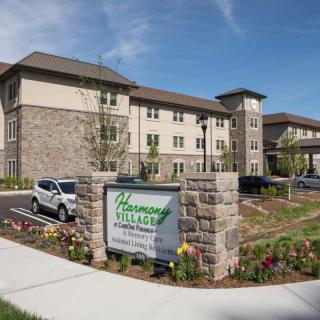
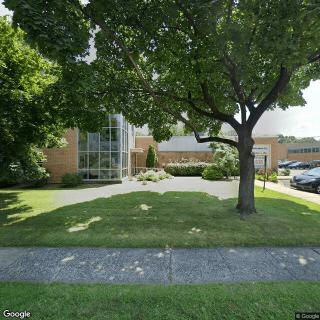
    A modern apartment complex with a landscaped entrance and parking area.
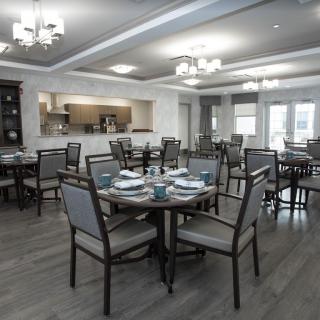
  • Dining

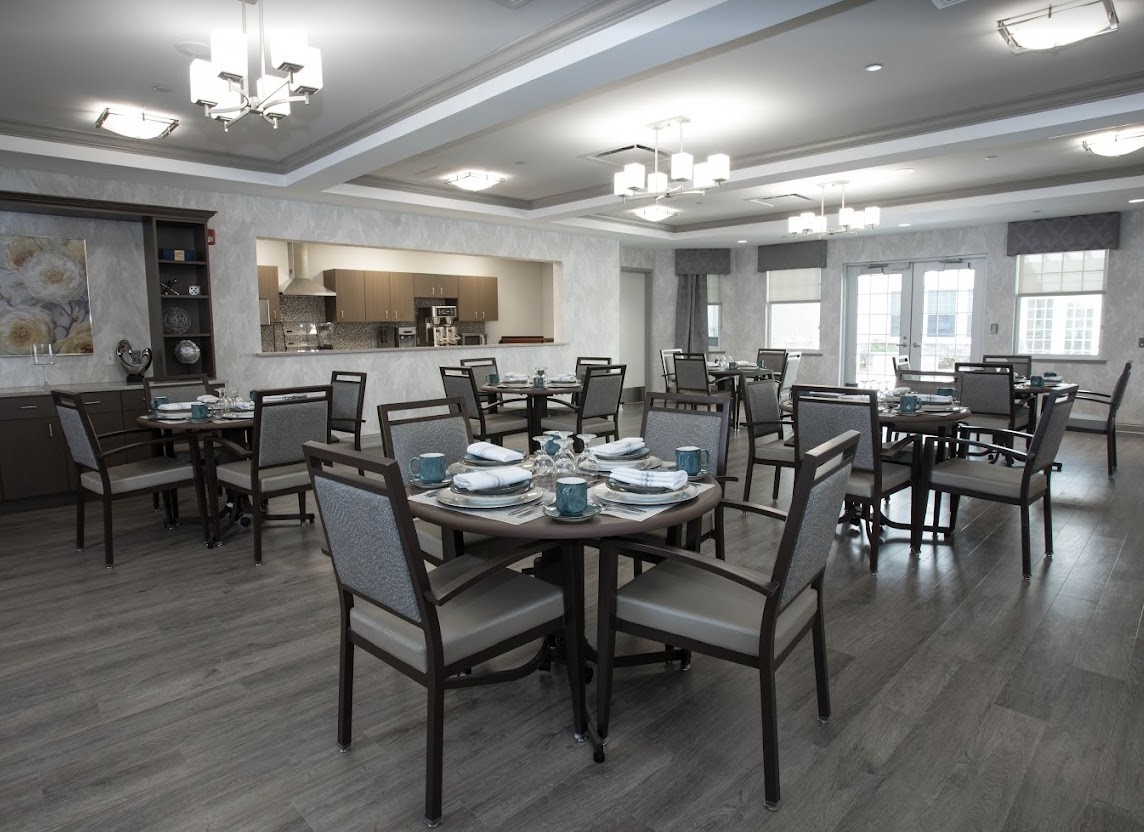
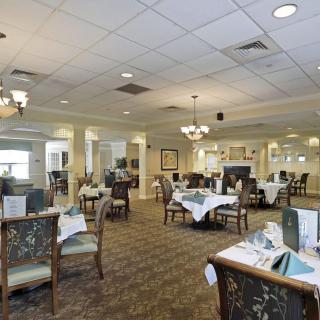
    A modern dining area with neatly arranged tables and chairs.
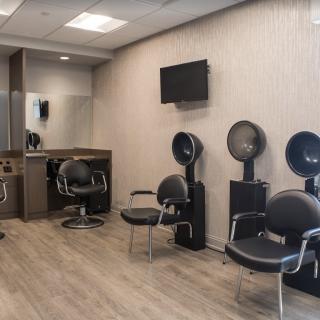
  • Salon

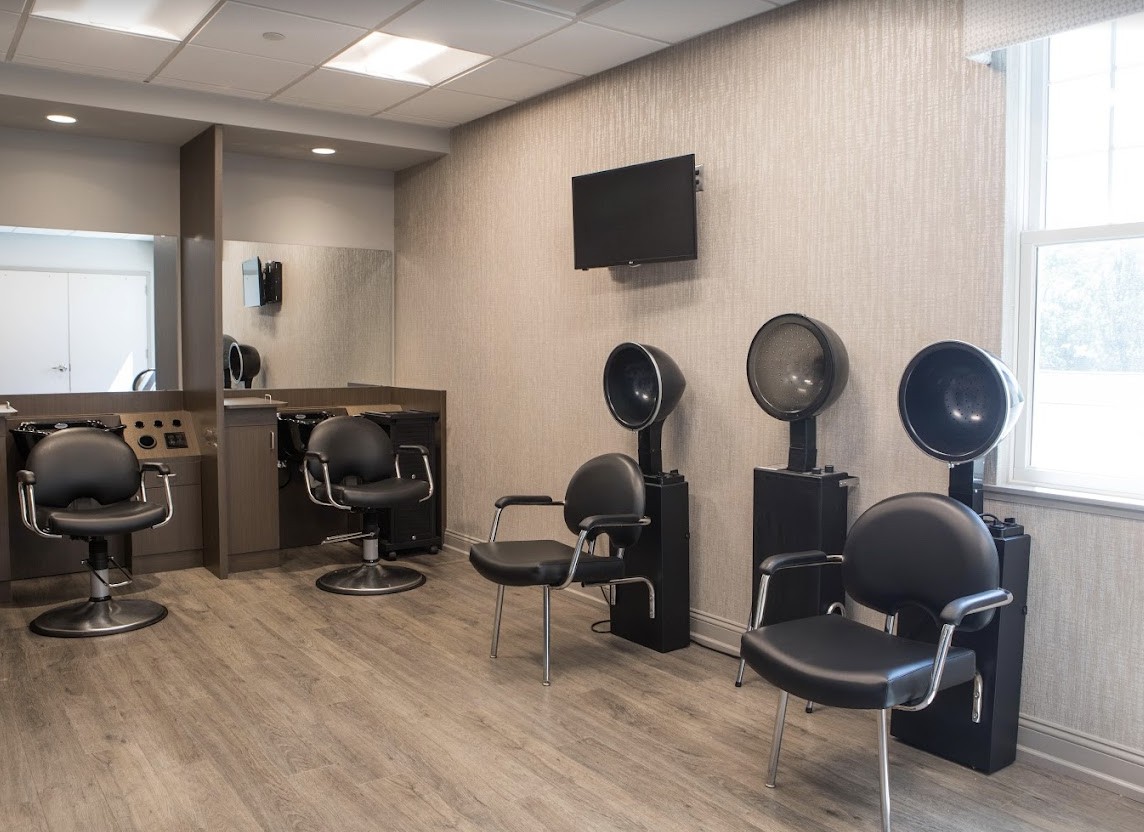
    Modern salon interior with styling chairs and hair drying stations.
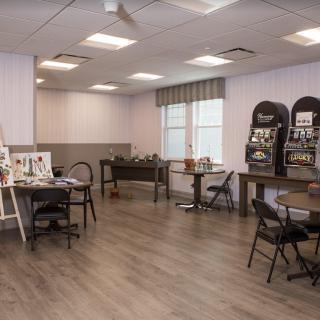
  • Office Space

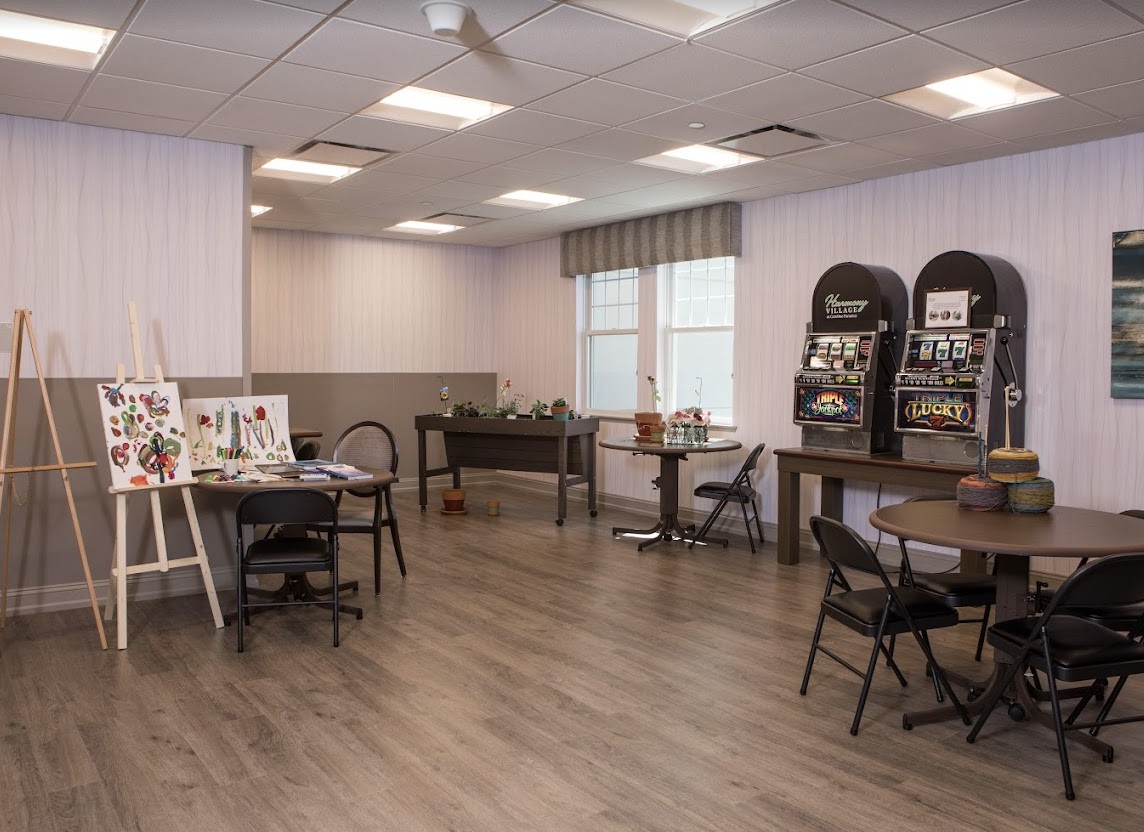
    A versatile room featuring tables, chairs, a foosball table, and magazine racks.

Harmony Village at Paramus

189 Paramus Road, Paramus, NJ 07652

For more information about senior living options: (844) 490-3973

4.3 from 45 reviews
5 stars
35
4 stars
2
3 stars
1
2 stars
0
1 stars
7

Assisted Living Memory Care

Overall Review of Harmony Village at Paramus

Pros

  • pro The staff are warm, caring, and attentive to residents' needs.
  • pro Harmony Village is clean, safe, and secure with a pleasant environment.
  • pro The memory care team is dedicated, experienced, and patient with residents.
  • pro Families feel confident that their loved ones are well cared for and treated with dignity.
  • pro The administration and nursing leadership are knowledgeable, approachable, and responsive.
  • pro Residents participate in a variety of activities and social events, keeping them engaged.
  • pro The facility offers private, well-appointed rooms and modern amenities.
  • pro Staff communicate openly with families, providing regular updates and support.
  • pro The team builds meaningful relationships, making residents feel part of a caring community.
  • pro The building is described as beautiful, well-kept, and well organized.
  • pro Care is individualized, with staff remembering each resident's likes and needs.
  • pro Harmony Village is praised for compassionate support during transitions and end-of-life care.

Cons

  • pro This place needs to get shut down.
  • pro The bosses are careless; they do things under the table; they are short staffed always.
  • pro One male caregiver is very rough with the elders.
  • pro Another caregiver has nails longer than ever, which is disturbing.
  • pro The food looks gross.
  • pro The admin lady is fake and don't care.
  • pro The caregivers tell us they lock microwaves and aren't allowed to drink water.
  • pro What is this jail?
  • pro This place is a disgrace.
  • pro The poor care givers look so unhappy here.
  • pro The admin sucks.
  • pro The food looks horrible that they feed these poor people who paid all this money.
  • pro I wouldn't leave my father here if they paid me.
  • pro This place is horrible!!! Poor management definitely she has no idea what she is doing, the staff is horrible as well, always on their phones and not paying attention.
  • pro HORRIBLE UNCARING NASTY STAFF!
  • pro MONEY GRAB!! The Administrator Risa is the least compassionate person I have ever met.
  • pro It's all about the money.
  • pro DO NOT RECOMMEND!!!

Review

Harmony Village at Paramus is best suited for families seeking a purpose-built memory-care community where dementia expertise, a secure campus, and structured daily engagement are non-negotiable priorities. The campus emphasizes a dementia-focused model with multiple neighborhoods tuned to levels of cognition, private apartments, and on-site activities designed to stimulate and soothe residents. Those who can invest in premium memory-care living - where specialist staff, regular family communication, and a polished environment are valued - will likely feel confident in the overall experience. For families confronting a dementia diagnosis and aiming to keep their loved one in a single, dedicated setting, Harmony Village checks most of the boxes that matter to long-term care success.

At the same time, several realities warrant careful consideration. Alternatives should be on the table for those prioritizing cost relief, broader assisted-living scenarios, or facilities with less emphasis on a dementia-only program. If budget constraints are non-negotiable or if a loved one's needs are not yet squarely within a memory-care framework, a more generalized assisted living community or a facility with lower ongoing costs may be a better fit. Those who require robust nighttime nursing coverage or a guaranteed schedule of medical oversight around the clock should scrutinize current night staffing and service levels before committing. Harmony Village is not for every budget or care plan, so prospects should weigh these factors against the memory-care strengths.

The strongest pros center on dementia-specific care delivered by an attentive, well-informed team. Families repeatedly praise the facility's dedicated memory-care focus, the presence of trained specialists, and the way staff move residents along meaningful routines. The building's newness and cleanliness, paired with private rooms and on-site amenities, create an environment that feels calm and dignified. Communications with families are a clear plus when care needs shift - regular updates, accessible leadership, and hands-on nursing support during transitions to hospital care or back to the facility distinguish Harmony Village from many peers. When a resident and family click with the care team, the day-to-day experience feels consistently positive.

Yet the most significant caveat centers on staffing realities and cost pressures. Reviews frequently flag short-staffing and high turnover as ongoing challenges, with some incidents described as rough handling or inattentiveness when caregiver bandwidth is stretched. Food quality and menu variety prove inconsistent, and some families report frustration navigating pricing, extra service charges, or level-placement decisions that feel more financial than clinical. Night coverage and the availability of on-site nurses after hours remain points to verify in current contracts, as experiences vary widely between shifts and neighborhoods. The gap between celebrated moments of compassionate care and quieter periods can feel wide for families already under stress.

With the pros and cons weighed, Harmony Village serves as a compelling choice for dementia care when the care plan aligns with the facility's strengths and the family can absorb the premium price. The specialized staff, clear emphasis on memory-care programming, and proactive family communication can offset some concerns about turnover or occasional service gaps, provided the transition plan is well managed and expectations are set about costs and levels of care. For families dealing with aggressive budget constraints or whose loved one's needs are not exclusively memory-related, the cons may overshadow the benefits. This is not a one-size-fits-all option; it thrives when dementia-focused care is the primary objective and the family remains engaged and informed.

Practical due diligence should guide the next steps. Prospective families should schedule a thorough in-person visit and request current staffing ratios, especially nighttime coverage, to confirm alignment with the ideal dementia-care model. Ask to see a clear map of care neighborhoods, level-of-care criteria, and how transitions between levels are handled. Clarify what is included in the base rate, what constitutes "additional" round-the-clock care, and how pricing evolves with changes in a resident's condition. Seek recent family references who can speak to day-to-day responsiveness and the care team's willingness to listen and adapt. When these checks reveal consistent leadership responsiveness, engaged staff, and transparent operations, Harmony Village is a strong, decisive choice for high-quality memory care. If not, families should pursue alternatives that better fit both budget and expectations for daily care and safety.

Features

Housing

  • 126 resident community capacity 126 resident community capacity
  • Studio apartments Studio apartmentsStudio apartments are important for seniors because they offer a smaller, more manageable living space that is easier to navigate and maintain as physical abilities decline. Additionally, studio apartments provide seniors with independence and privacy while still being part of a community that offers support and social opportunities.

Types of Care

  • Assisted Living Assisted LivingAssisted living facilities provide crucial support and care for seniors who may need help with daily tasks such as medication management, bathing, and meal preparation. These communities offer a safe and comfortable environment where seniors can maintain their independence while receiving the assistance they need to thrive in their golden years.
  • Memory Care Memory CareMemory care is crucial for seniors as it provides specialized support and services for individuals with dementia or Alzheimer's disease. These programs offer a safe and secure environment where residents receive personalized care, cognitive stimulation, and help with daily activities. Memory care helps seniors maintain their independence, quality of life, and dignity while also providing peace of mind for their families.

Amenities

  • Air-conditioning Air-conditioningAir conditioning is important for seniors as they are more vulnerable to heat-related illnesses and may have underlying health conditions that make it difficult for them to regulate their body temperature. It helps to keep them comfortable, safe, and healthy in hot weather.
  • Beauty salon Beauty salonBeauty salons are important for seniors because they provide a space for them to feel pampered, socialize, and maintain their personal grooming and hygiene. Regular visits to a beauty salon can help boost seniors' self-esteem and overall well-being.
  • Cable or satellite TV Cable or satellite TVCable or satellite TV is important for seniors because it provides entertainment, news, and companionship, helping to combat loneliness and boredom. It also offers a wide range of programming options tailored to different interests and preferences.
  • Computer center Computer centerA computer center is essential for seniors as it provides access to technology, communication tools, and resources that can enhance their daily lives. It allows them to stay connected with loved ones, engage in online activities, and learn new skills, ultimately promoting socialization and mental stimulation.
  • Dining room Dining roomDining rooms are important for seniors as they provide a space for socialization, connection, and nutritious meals. They offer opportunities for residents to bond over shared meals, foster a sense of community, and promote healthy eating habits. Dining rooms also ensure that seniors have access to well-balanced meals tailored to their dietary needs and preferences.
  • Fitness room Fitness roomHaving a fitness room in a senior living community is essential for seniors to stay active, maintain their physical health, and improve their overall well-being. Regular exercise can help prevent falls, reduce the risk of chronic diseases, and promote mental sharpness. It also provides social opportunities for residents to connect with others and enjoy a sense of community.
  • Fully furnished Fully furnishedFully furnished senior living communities are important for seniors because they provide convenience, comfort, and a hassle-free moving experience. Seniors can easily settle into their new living space without the stress of having to buy and move furniture. This allows them to focus on enjoying their new home and community.
  • Gaming room Gaming roomGaming rooms are important for seniors as they provide a fun and engaging environment for socializing, cognitive stimulation, and physical activity. Games can improve memory, problem-solving skills, and overall mental well-being while fostering friendships and reducing feelings of isolation.
  • Garden GardenGardens are important for seniors as they provide a peaceful and therapeutic environment for relaxation, physical activity, and socialization. Being in nature has been shown to reduce stress, improve mood, and promote overall well-being. Gardens also offer opportunities for seniors to engage in gardening activities, which can improve mobility, flexibility, and cognitive function. Additionally, gardens create a sense of community and connection with others who share a passion for plants and outdoor spaces.
  • Housekeeping services Housekeeping servicesHousekeeping services are important for seniors because they help maintain a clean and safe living environment, promote independence, and reduce the risk of accidents or illnesses. Additionally, having assistance with household chores can alleviate physical strain and allow seniors to focus on other aspects of their well-being.
  • Kitchenette KitchenetteKitchenettes are important for seniors living in senior living communities because they provide the convenience and independence of being able to prepare simple meals and snacks in the comfort of their own living space. This can help promote a sense of autonomy and well-being for seniors, allowing them to maintain some level of control over their dietary choices and daily routines.
  • Move-in coordination Move-in coordinationMove-in coordination is important for seniors because it helps ease the transition into their new living environment. It ensures that all logistics, such as packing, organizing movers, and setting up utilities are taken care of, allowing seniors to focus on settling in and adjusting to their new home. Having a smooth move-in process can alleviate stress and anxiety, making the transition smoother and more enjoyable for seniors.
  • Outdoor space Outdoor spaceOutdoor spaces are important for seniors as they provide opportunities for physical activity, social interaction, exposure to natural light and fresh air, and a sense of connection to nature. Having access to outdoor spaces can improve overall well-being and quality of life for older adults living in senior communities.
  • Private bathrooms Private bathroomsPrivate bathrooms are important for seniors in senior living communities because they provide independence, dignity, and comfort. Having a private bathroom allows seniors to maintain their personal hygiene routines without the need for assistance, promoting a sense of autonomy and privacy. Additionally, private bathrooms help prevent the spread of infections and provide a safe and clean environment for seniors to navigate safely.
  • Restaurant-style dining Restaurant-style diningRestaurant-style dining is important for seniors because it allows them to enjoy delicious, nutritious meals in a social and upscale setting. This enhances their dining experience, promotes healthy eating habits, and fosters socialization with fellow residents, ultimately contributing to their overall well-being and quality of life.
  • Small library Small librarySmall libraries are important for seniors as they provide access to a variety of reading materials, including books, newspapers, and magazines. This can help stimulate their minds, keep them engaged, and provide a sense of community through book clubs and other social activities. Additionally, reading has been shown to improve cognitive function and overall mental well-being in older adults.
  • Telephone TelephoneTelephones are important for seniors as they provide a lifeline for communication with loved ones, emergency services, and healthcare providers. They offer a sense of security and independence, enabling seniors to stay connected and access assistance when needed.
  • Wellness center Wellness centerWellness centers are important for seniors because they offer a variety of programs and services that promote physical, mental, and emotional well-being. These centers provide opportunities for exercise, socialization, education, and relaxation, helping seniors maintain their overall health and quality of life.
  • Wi-Fi/high-speed internet available Wi-Fi/high-speed internet availableWi-Fi/high-speed internet is important for seniors to stay connected with loved ones, access online resources, and participate in virtual activities to combat feelings of loneliness and isolation. It also allows them to easily manage healthcare needs, access entertainment, and engage in lifelong learning opportunities.

Transportation

  • LaGuardia (16 miles away) LaGuardia (16 miles away)
  • Newark International (17 miles away) Newark International (17 miles away)
  • Westchester Cty (22 miles away) Westchester Cty (22 miles away)
  • Community operated transportation Community operated transportationCommunity operated transportation is crucial for seniors as it provides them with the means to access essential services, social activities, and medical appointments. It allows seniors to maintain their independence and quality of life by ensuring they can participate in activities outside of their homes. Additionally, community-operated transportation services offer a safe and reliable way for seniors to travel without having to rely on family or friends for assistance.
  • Transportation arrangement Transportation arrangementTransportation arrangements are crucial for seniors as they may face challenges with driving, mobility, or access to public transportation. Having reliable transportation services ensures that seniors can easily attend appointments, social activities, and maintain their independence and quality of life.

Care Services

  • 24-hour call system 24-hour call system24-hour call systems are important for seniors because they provide peace of mind and immediate assistance in case of emergencies. This technology ensures that help is always available, promoting safety and security for elderly individuals living alone or in assisted living facilities.
  • 24-hour supervision 24-hour supervision24-hour supervision is important for seniors to ensure their safety, well-being, and access to immediate assistance in case of emergencies or health issues. This constant support provides peace of mind for both seniors and their loved ones, allowing them to age in place with dignity and security.
  • Activities of daily living assistance Activities of daily living assistanceActivities of daily living assistance are important for seniors because they provide essential support with tasks such as eating, bathing, dressing, and mobility. This assistance helps seniors maintain their independence, dignity, and overall quality of life as they age.
  • Assistance with bathing Assistance with bathingAssistance with bathing is crucial for seniors as it helps maintain personal hygiene, prevents infections, and ensures their overall well-being and comfort. It also provides a sense of dignity and independence for seniors who may struggle with this task on their own.
  • Assistance with dressing Assistance with dressingAssistance with dressing is important for seniors because it helps maintain their independence, promotes personal hygiene, prevents accidents and injuries, and improves overall quality of life. This service ensures that seniors can continue to dress comfortably and confidently, despite any physical limitations they may have.
  • Assistance with transfers Assistance with transfersAssistance with transfers is crucial for seniors as it helps prevent falls and injuries, maintains their independence, and ensures they can safely navigate their living environment. It also provides peace of mind for both seniors and their loved ones.
  • Diabetes diet Diabetes dietA diabetes diet is crucial for seniors as it helps manage blood sugar levels, reduce risks of complications, and improve overall health and well-being. By following a balanced and nutritious diet tailored to their specific needs, seniors can better control their diabetes and enhance their quality of life.
  • Meal preparation and service Meal preparation and serviceMeal preparation and service are crucial for seniors as they may have limited mobility or energy to cook nutritious meals. Having access to healthy and convenient food options can ensure they are getting the proper nutrition needed to maintain their overall health and well-being.
  • Medication management Medication managementMedication management is crucial for seniors to ensure they are taking the right medications at the correct dosages and times. This helps prevent adverse drug interactions, reduces the risk of medication errors, and promotes overall health and well-being. Proactive management also allows for adjustments as needed based on changing health conditions or new prescriptions.
  • Mental wellness program Mental wellness programMental wellness programs are essential for seniors as they promote cognitive stimulation, emotional support, and social engagement. These programs help prevent isolation, depression, and cognitive decline, ultimately enhancing the overall quality of life for older adults.
  • Mild cognitive impairment Mild cognitive impairment"Mild cognitive impairment" is important for seniors because it is an early stage of cognitive decline that can potentially progress to more severe conditions such as dementia. Recognizing and addressing mild cognitive impairment can help seniors receive appropriate care and support to maintain their quality of life and independence for as long as possible.
  • Special dietary restrictions Special dietary restrictionsSpecial dietary restrictions are important for seniors because age-related changes in metabolism and health conditions can make it difficult for their bodies to process certain foods. By following a diet tailored to their specific needs, seniors can maintain their overall health and well-being, manage chronic conditions, and reduce the risk of complications such as malnutrition or food interactions with medications.
  • Specialized memory care programming Specialized memory care programmingSpecialized memory care programming is crucial for seniors with cognitive impairments such as dementia or Alzheimer's disease. These programs provide a safe and supportive environment tailored to the unique needs of individuals with memory loss, helping them maintain their independence, dignity, and quality of life.

Dining

  • Diabetes diet Diabetes dietA diabetes diet is crucial for seniors as it helps manage blood sugar levels, reduce risks of complications, and improve overall health and well-being. By following a balanced and nutritious diet tailored to their specific needs, seniors can better control their diabetes and enhance their quality of life.
  • Special dietary restrictions Special dietary restrictionsSpecial dietary restrictions are important for seniors because age-related changes in metabolism and health conditions can make it difficult for their bodies to process certain foods. By following a diet tailored to their specific needs, seniors can maintain their overall health and well-being, manage chronic conditions, and reduce the risk of complications such as malnutrition or food interactions with medications.

Activities

  • Community-sponsored activities Community-sponsored activitiesCommunity-sponsored activities are important for seniors as they provide opportunities for social interaction, mental stimulation, and physical activity. These activities can help improve overall well-being, combat loneliness and isolation, and promote a sense of belonging and purpose among older adults.
  • Concierge services Concierge servicesConcierge services are essential for seniors as they provide assistance with daily tasks and errands, enhance their quality of life by offering convenience and personalized care, and promote a sense of safety and security.
  • Fitness programs Fitness programsFitness programs are crucial for seniors as they help improve strength, flexibility, balance, and overall well-being. Staying active can reduce the risk of chronic diseases, improve mental health, and enhance quality of life in older adults.
  • Planned day trips Planned day tripsPlanned day trips are important for seniors because they offer opportunities for socialization, mental stimulation, and physical activity. They provide a change of scenery and help seniors stay engaged and connected to their community, promoting overall well-being and quality of life.
  • Resident-run activities Resident-run activitiesResident-run activities are important for seniors as they encourage social interaction, creativity, and a sense of autonomy. These activities empower seniors to stay engaged and active in their community while fostering meaningful connections with their peers.
  • Scheduled daily activities Scheduled daily activitiesScheduled daily activities are important for seniors because they provide structure, socialization, mental stimulation, and physical activity. Engaging in regular activities can improve overall well-being and quality of life for seniors living in a community setting.

Description

Harmony Village at Paramus is a senior living community located in Paramus, NJ, that offers specialized care for individuals with memory impairment. The community provides a range of amenities and services designed to ensure the comfort and well-being of its residents.

Residents at Harmony Village can enjoy the convenience of an on-site beauty salon to help them look and feel their best. They also have access to cable or satellite TV in their fully furnished apartments for entertainment. Community-operated transportation is available for outings and appointments, and a computer center allows residents to stay connected with loved ones.

The dining experience at Harmony Village is top-notch, with restaurant-style dining offered in a spacious dining room. Special dietary restrictions can be accommodated to meet individual needs. Additionally, the community has two nearby cafes and several restaurants for residents who prefer dining out.

To promote physical wellness, Harmony Village offers a fitness room where residents can engage in regular exercise programs. The outdoor space provides opportunities for relaxation and socialization in a beautiful garden setting. A wellness center is also available to attend to any healthcare needs.

Residents receive 24-hour supervision from trained staff members who provide assistance with activities of daily living such as bathing, dressing, and transfers. Medication management services ensure that medications are taken as prescribed. A mental wellness program supports residents' emotional health, while specialized memory care programming is tailored specifically for those with cognitive impairment.

Harmony Village's location offers easy access to various amenities in the surrounding area. Nearby parks provide opportunities for outdoor recreation, while pharmacies and physicians are conveniently located for medical needs. Places of worship allow residents to practice their faith, and theaters offer entertainment options. Hospitals in close proximity ensure that healthcare needs can be met promptly if necessary.

With its array of amenities and attentive care services, Harmony Village at Paramus provides a safe and comfortable environment where individuals with memory impairment can thrive while receiving the support they need.

Nearby Places of Interest

Parks

  • Saddle River County Park - Dunkerhook Area (0.8 miles)
  • Saddle River County Park (1.7 miles)
  • Van Saun County Park (2.3 miles)
  • Paterson Great Falls National Historical Park (4.8 miles)
  • Rutherford Memorial Park (6.7 miles)
  • Flat Rock Brook Nature Center (7.9 miles)

Restaurants

  • Suburban Diner (1.3 miles)
  • The Capital Grille (1.7 miles)
  • Popeyes Louisiana Kitchen (2.5 miles)
  • McDonald's (2.7 miles)
  • Van Dyke Ice Cream (3.2 miles)
  • Sportsmans' Tavern (4 miles)
  • Houston's (4 miles)

Pharmacies

  • CVS Pharmacy (1.4 miles)
  • Walgreens (2.2 miles)
  • CVS Pharmacy (2.2 miles)
  • CVS Pharmacy (2.7 miles)
  • CVS Pharmacy (2.8 miles)
  • CVS Pharmacy (2.9 miles)
  • CVS Pharmacy (4 miles)

Theaters

  • Dreamscape at AMC Garden State Plaza (1.8 miles)
  • AMC DINE-IN Shops At Riverside 9 (4.1 miles)
  • AMC Clifton Commons 16 (8 miles)

Places of Worship

  • Community Church Of Glen Rock (2.3 miles)
  • All Saints Episcopal Church (2.3 miles)
  • Hawthorne Gospel Church (4.3 miles)
  • Clifton Blue Mosque (5.3 miles)
  • Bais Torah U'tefilah (6.3 miles)
  • Ahavas Israel (6.6 miles)
  • Immaculate Heart Of Mary School (8.3 miles)

Cafes

  • Starbucks (2.7 miles)
  • Starbucks (4.1 miles)
  • Bogota Press Cafe (5 miles)
  • Starbucks (5.9 miles)
  • Starbucks (6.3 miles)
  • Willow & Whisk (6.3 miles)
  • Starbucks (7.9 miles)

Hospitals

  • The Valley Hospital (3.1 miles)
  • St Joseph's Regional Medical Center (4.6 miles)
  • Hackensack Meridian Health Pascack Valley Medical Center (5.2 miles)
  • Holy Name Medical Center (5.8 miles)

Transportation

  • NJT - Hawthorne Station (3.1 miles)
  • NJT - Waldwick Station (5.3 miles)
  • IHA Arbor Road Bus Stop (7.8 miles)

Physicians

  • Paterson Community Health Center (4.3 miles)
  • Christian Health Care Center () (5.1 miles)
  • Kayal Orthopedic - Westwood (5.2 miles)
  • Dr Mondana S. Yazdi, MD (6.5 miles)
  • Tenafly Pediatrics (7 miles)
  • Park Medical Group PA (7 miles)
  • Women's Total Health of Woodcliff Lake (7.4 miles)

Frequently Asked Questions

What floor plans and room types does Harmony Village at Paramus offer?
Where is Harmony Village at Paramus?
Does Harmony Village at Paramus provide care for residents with dementia or Alzheimer's disease?
What photos are available for Harmony Village at Paramus in Paramus, New Jersey?

Nearby Communities

  • Harmony Village at CareOne Paramus

    Harmony Village at CareOne Paramus

    Paramus, NJ

    4.4 from 63 reviews
    $6,760 to $11,440 / month

    pro Compassionate staff, strong dementia-focused care, and a beautiful, well-maintained campus with varied activities.
  • Juniper Village at Paramus

    Juniper Village at Paramus

    Paramus, NJ

    4.6 from 101 reviews
    $3,995 to $9,065 / month

    pro Engaged staff, varied activities, and a clean, welcoming community.

  • Maple Glen Center

    Maple Glen Center

    Fair Lawn, NJ

    4.2 from 110 reviews
    $7,830 to $9,270 / month

    pro Friendly staff with effective rehab and good family communication.

  • New Life Adult Day Care

    New Life Adult Day Care

    Paramus, NJ

    4.3 from 25 reviews
     

    pro Vibrant day program with engaging activities and medication management.

  • Mount Saint Andrew Villa

    Mount Saint Andrew Villa

    Paramus, NJ


    pro Peaceful, comfortable setting with easy access to healthcare, dining, transportation, and parks.

  • CareOne at Ridgewood Ave

    CareOne at Ridgewood Ave

    Paramus, NJ

    4.2 from 114 reviews
     

    pro Attentive staff and effective physical therapy in a clean, well-kept facility.

  • Brightview Paramus

    Brightview Paramus

    Paramus, NJ

    4.5 from 106 reviews
     

    pro Beautiful, well-maintained facility with attentive staff and varied activities.

  • At Home With Van Dyk

    At Home With Van Dyk

    Ridgewood, NJ

    4.2 from 9 reviews
     

    pro Caregivers often take initiative and provide friendly, attentive care.

  • Alaris Health At The Chateau

    Alaris Health At The Chateau

    Rochelle Park, NJ

    3.6 from 122 reviews
     

    pro Compassionate nursing staff and effective rehab with good communication

Related Resources

  • dementia paranoiaDementia, Paranoia, and Caregiver Guidance: Understanding the Connection

    Dementia encompasses progressive neurological disorders that impair cognitive functions and can lead to paranoia due to cognitive decline and emotional changes. The article discusses the triggers of paranoia in dementia, caregiver strategies for managing it, and the importance of distinguishing between dementia-related paranoia and other psychiatric conditions.

  • memory care activitiesEngaging Memory Care Activities That Enhance Quality of Life

    Memory care activities are essential for improving the quality of life of seniors with cognitive impairments, as they stimulate cognitive function, promote well-being, and encourage social interaction through tailored strategies. These activities combine structured exercises with spontaneous tasks, sensory engagement, physical workouts, creative pursuits, and intergenerational interactions to enhance emotional connection and a sense of purpose.

  • when to move from assisted living to memory careWhen to Transition from Assisted Living to Memory Care: Key Indicators, Steps, and Finding the Right Community
    Transitioning from assisted living to memory care is driven by an individual's cognitive decline and specific needs, requiring careful evaluation of indicators like increased confusion and wandering. The process involves consulting medical professionals, researching suitable communities, considering financial and legal aspects, and ensuring effective communication for personalized care plans.