For more information about senior living options: (866) 208-4318
3.8 from 28 reviews
5 stars
12
4 stars
8
3 stars
2
2 stars
1
1 stars
5
Spring Hills Princeton Costs & Pricing
Spring Hills Princeton offers competitive pricing for its various room types when compared to both Somerset County and New Jersey state averages. For a semi-private room, residents pay $4,500 per month, significantly lower than the county average of $5,167 and the state average of $5,068. Studio apartments at Spring Hills are priced at $5,550, which is slightly above the county's $5,545 but still notably better than the state average of $5,286. The one-bedroom option is available for $6,420 - a bit higher than both Somerset County's and New Jersey's averages of $5,903 and $5,994 respectively. Lastly, two-bedroom accommodations are offered at $7,650; although this figure exceeds both the county's price of $6,824 and the state's average of $6,216. Overall, while Spring Hills Princeton may present some higher costs in certain categories compared to its surroundings, it maintains a welcoming environment with options that provide value across various needs.
Floor plans
Spring Hills Princeton
Somerset County
New Jersey
Semi-Private
$4,500
$5,167
$5,068
Studio
$5,550
$5,545
$5,286
1 Bedroom
$6,420
$5,903
$5,994
2 Bedrooms
$7,650
$6,824
$6,216
Skilled Nursing Facilities with a similar price nearby
Residents and families describe staff who are attentive and quick to respond.
Many reviews say staff members are friendly, caring, and welcoming, and that communication keeps families informed. Several residents’ daily care experiences are described as better coordinated after move-in, including help with laundry and organizing care and doctor visits. A few reviews are sharply negative about care support, including concerns about aides not assisting as promised and insufficient support for residents’ needs.
common6 reviews mention this
Meals are a consistent strength
Dining stands out as a frequent positive in residents’ everyday experience.
Reviewers describe the meals as enjoyable, with residents who talk positively about the food. One family also compares the food favorably to other communities they toured. There is also at least one serious complaint about food quality and weight loss, which contrasts with the broader positive dining comments.
common7 reviews mention this
Activities keep residents engaged
Residents’ days often include structured activities and outings.
Multiple reviews mention activities such as games, outings, and a busy daily schedule, along with support for residents to participate. Families also describe dedicated spaces and programming, including arts and crafts and programs geared to memory care. At least one review also ties the overall feel of the community to how well these activities fit their loved one.
caveat3 reviews mention this
Pricing varies by unit type
Cost is a recurring point of concern, with mixed experiences around charges.
Some reviewers say the community felt cheaper than alternatives they were comparing, while another calls it very expensive. There are also complaints about promised charges not matching what was billed and about difficulty getting a deposit back, so families are advising others to get details in writing. Overall, pricing appears to be a pressure point even when the rest of the experience is positive.
How we summarize
Counts show how many written reviews mention each theme; a review can touch several themes, and only frequently mentioned themes are displayed.
Features
Housing
1-bedroom apartments
2-bedroom apartments
Studio apartments
Types of Care
Assisted Living
Memory Care
Skilled Nursing Facility
Amenities
Activities on-site
Air-conditioning
Beautician on-site
Cable or satellite TV
Devotional services off-site
Devotional services on-site
Dining room
Garden
Ground floor units
Indoor common areas
Kitchenette
Outdoor common areas
Private bathrooms
Respite or short term stays offered
VA Benefits Consultation
Wheelchair accessible showers
Wi-Fi/high-speed internet available
Transportation
Trenton-Mercer County (12 miles away)
Transportation & parking
Care Services
Ambulatory care
Companion care
Diabetic care
High acuity care
Hospice care
Incontinence care
Medication management
Personal care assistants
Psychiatric care
Dining
Guest meals
Low / no sodium
Meals provided
No Sugar
Restaurant style dining
Vegetarian
Activities
Art classes
Catholic services
Cooking classes
Day trips and outings
Devotional activities offsite
Devotional activities on-site
Educational speakers / life long learning
Live well programs
Other religious services
Visiting Rabbi
Visiting chaplain or priest
Languages Spoken
English
Nearby Places of Interest
This area of Princeton, New Jersey, offers a convenient and diverse range of amenities for seniors looking to reside in the area. With a variety of physicians, hospitals, and pharmacies nearby, residents have easy access to healthcare services. Additionally, there are several restaurants with different dining options available within a short distance. Places of worship are also situated close by for those seeking spiritual fulfillment. Transportation options include a nearby train station for easy travel, and various parks provide opportunities for outdoor recreation and relaxation. The presence of cafes and theaters adds to the cultural and social opportunities in the area, making it a well-rounded community for seniors to consider for living.
Physicians
Surgical Specialists at Princeton (0.1 miles)
CHOP Specialty Care Center (1.4 miles)
Princeton Eye Group (2.1 miles)
Princeton Medical Group PA (2.1 miles)
Princeton Dermatology Associates (2.4 miles)
Princeton Regional Orthopaedics PA (2.4 miles)
The Derm Group (2.5 miles)
Restaurants
PJ's Pancake House & Bakery - Kingston (1.2 miles)
McDonald's (1.9 miles)
Hoagie Haven (2 miles)
Mediterra Restaurant (2.5 miles)
Tiger's Tale (3.6 miles)
White Castle (4 miles)
Applebee's (5.7 miles)
Hospitals
University Medical Center of Princeton at Plainsboro (1.3 miles)
Capital Health Medical Center (10.2 miles)
Pharmacies
CVS Pharmacy (1.9 miles)
CVS Pharmacy (2.2 miles)
Walgreens (2.9 miles)
CVS Pharmacy (3 miles)
Wegmans (4.8 miles)
CVS Pharmacy (4.9 miles)
CVS Pharmacy (5 miles)
Places of Worship
Princeton University Chapel (2.3 miles)
Baps Shri Swaminarayan Mandir, New Jersey (7.5 miles)
Blawenburg Reformed Church (7.7 miles)
St Gregory the Great Roman Catholic Church (9.4 miles)
Spring Hills Princeton offers competitive pricing for its various room types when compared to both Somerset County and New Jersey state averages. For a semi-private room, residents pay $4,500 per month, significantly lower than the county average of $5,167 and the state average of $5,068. Studio apartments at Spring Hills are priced at $5,550, which is slightly above the county's $5,545 but still notably better than the state average of $5,286. The one-bedroom option is available for $6,420 - a bit higher than both Somerset County's and New Jersey's averages of $5,903 and $5,994 respectively. Lastly, two-bedroom accommodations are offered at $7,650; although this figure exceeds both the county's price of $6,824 and the state's average of $6,216. Overall, while Spring Hills Princeton may present some higher costs in certain categories compared to its surroundings, it maintains a welcoming environment with options that provide value across various needs.
Incontinence care is essential in memory care settings, as it supports residents' dignity and comfort while minimizing anxiety related to personal hygiene issues. By providing specialized assistance, staff can address individual needs promptly, fostering a sense of security for those experiencing cognitive decline. Meanwhile, medication management plays a crucial role in ensuring that residents receive the appropriate medications at the right times, which is vital for maintaining their overall health and managing dementia-related symptoms. This organized approach not only helps prevent medication errors but also alleviates stress for both residents and their families, allowing individuals to focus on daily activities and social interactions without the burden of managing complex medication regimens. Together, these features create a supportive environment conducive to enhancing the quality of life for residents with dementia or Alzheimer's disease.
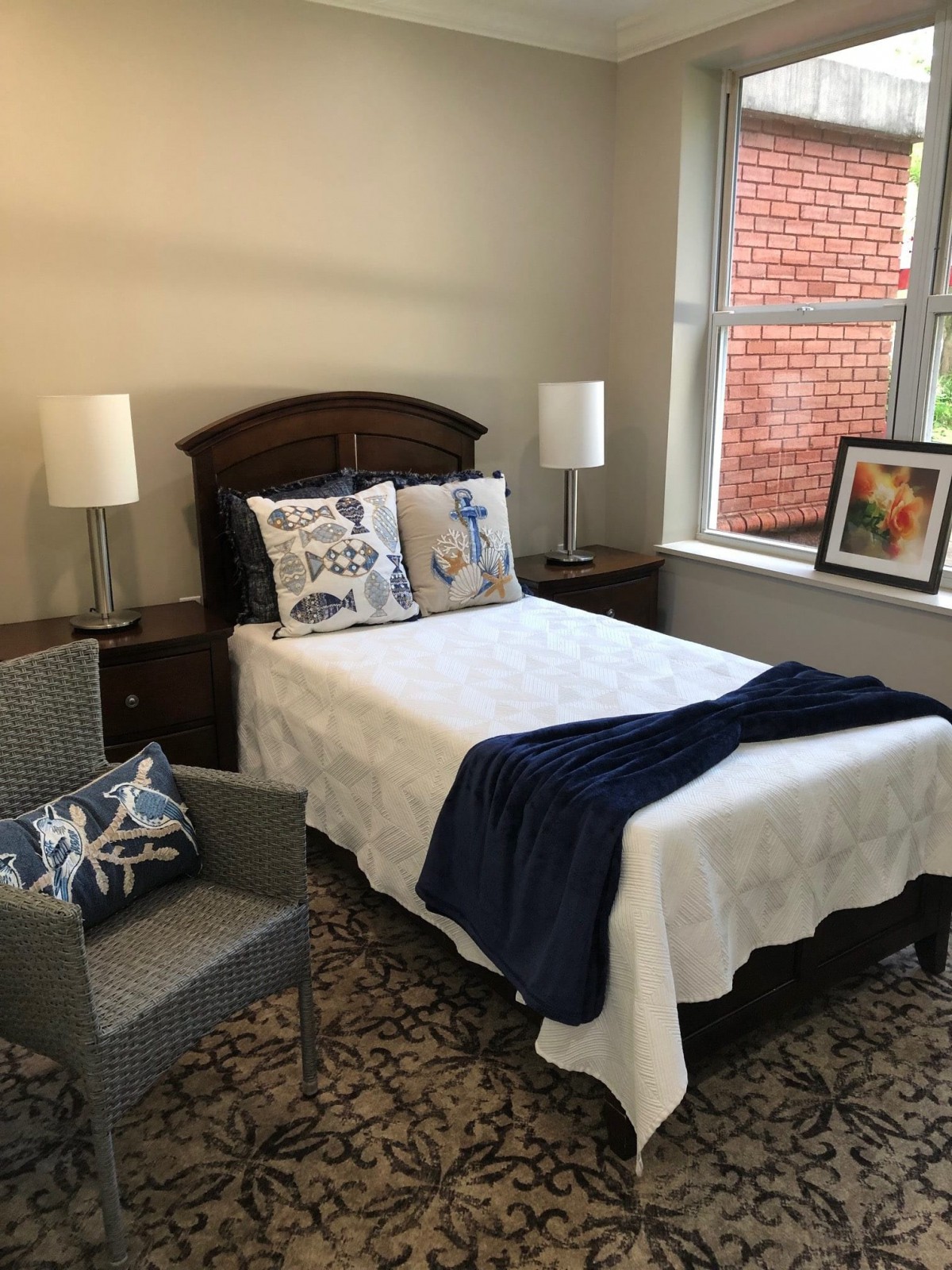
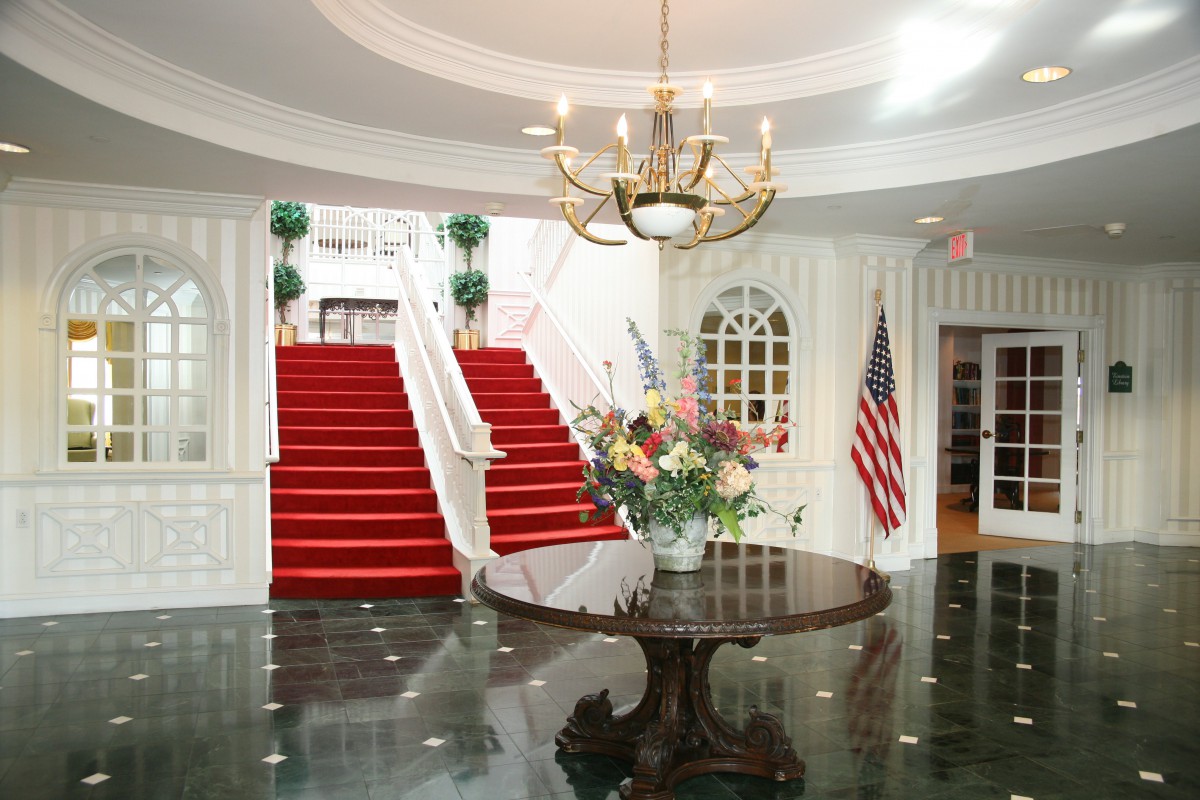
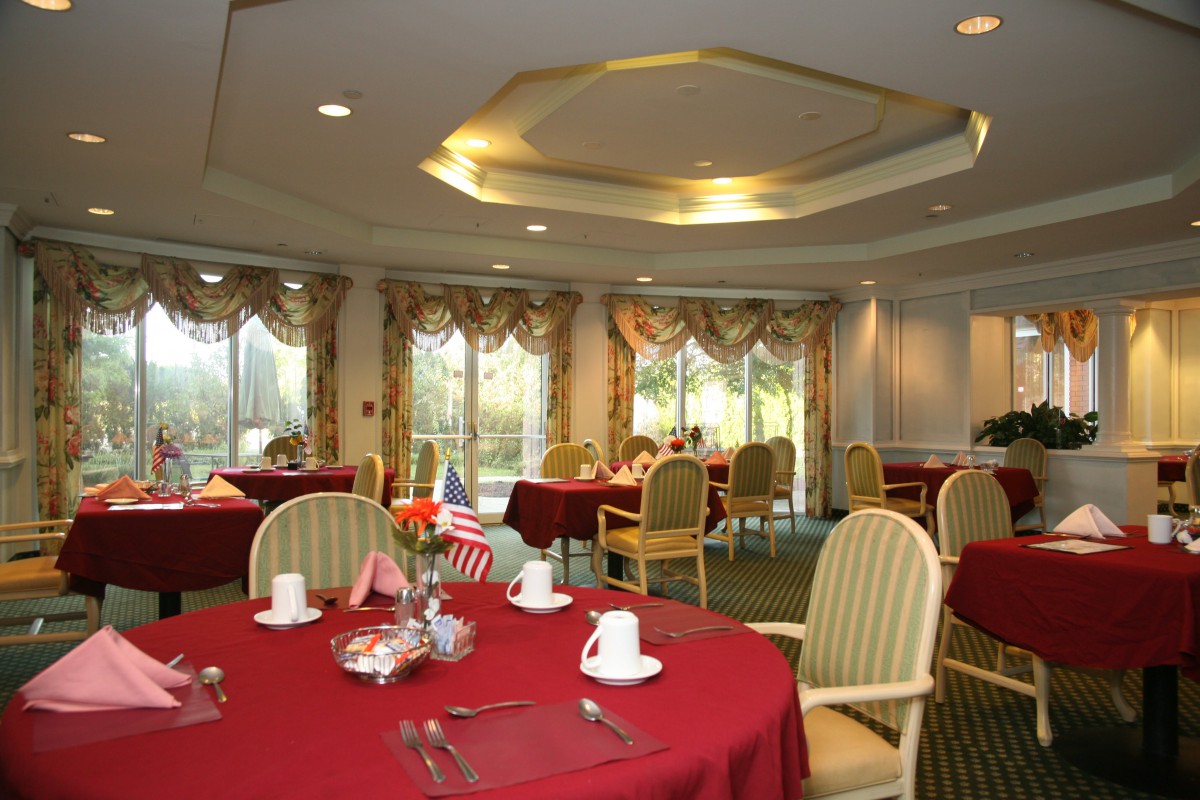
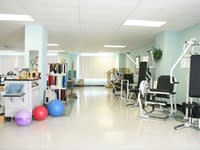
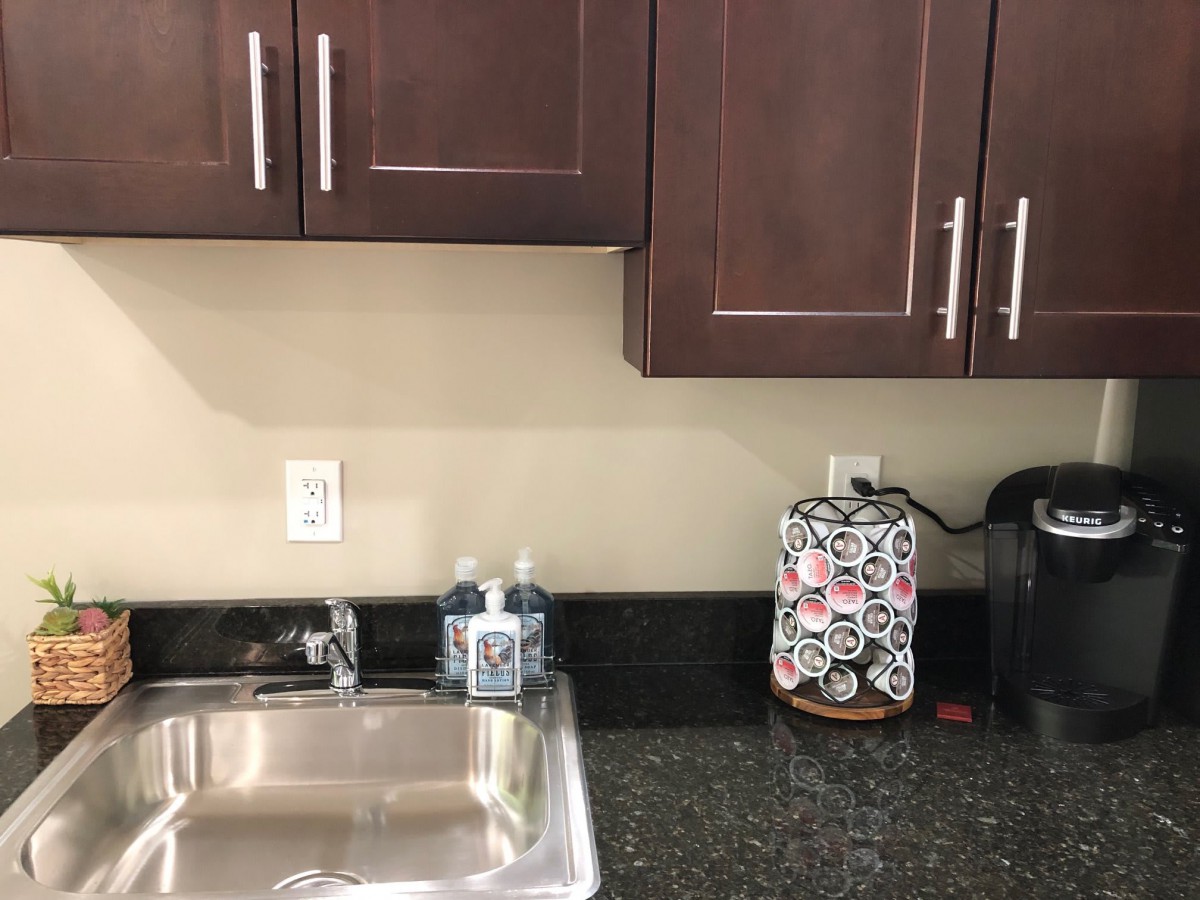
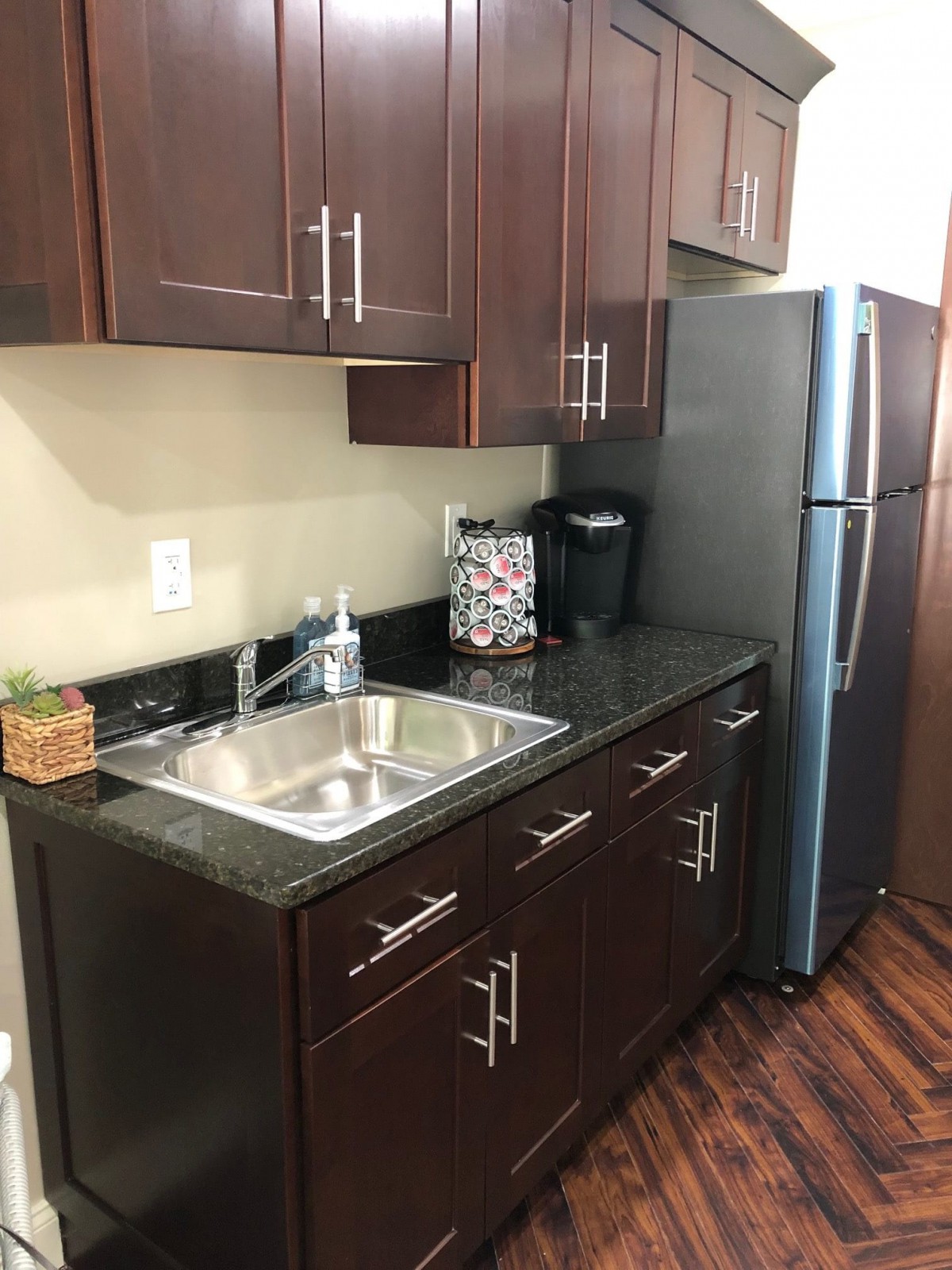
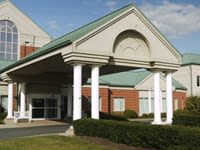
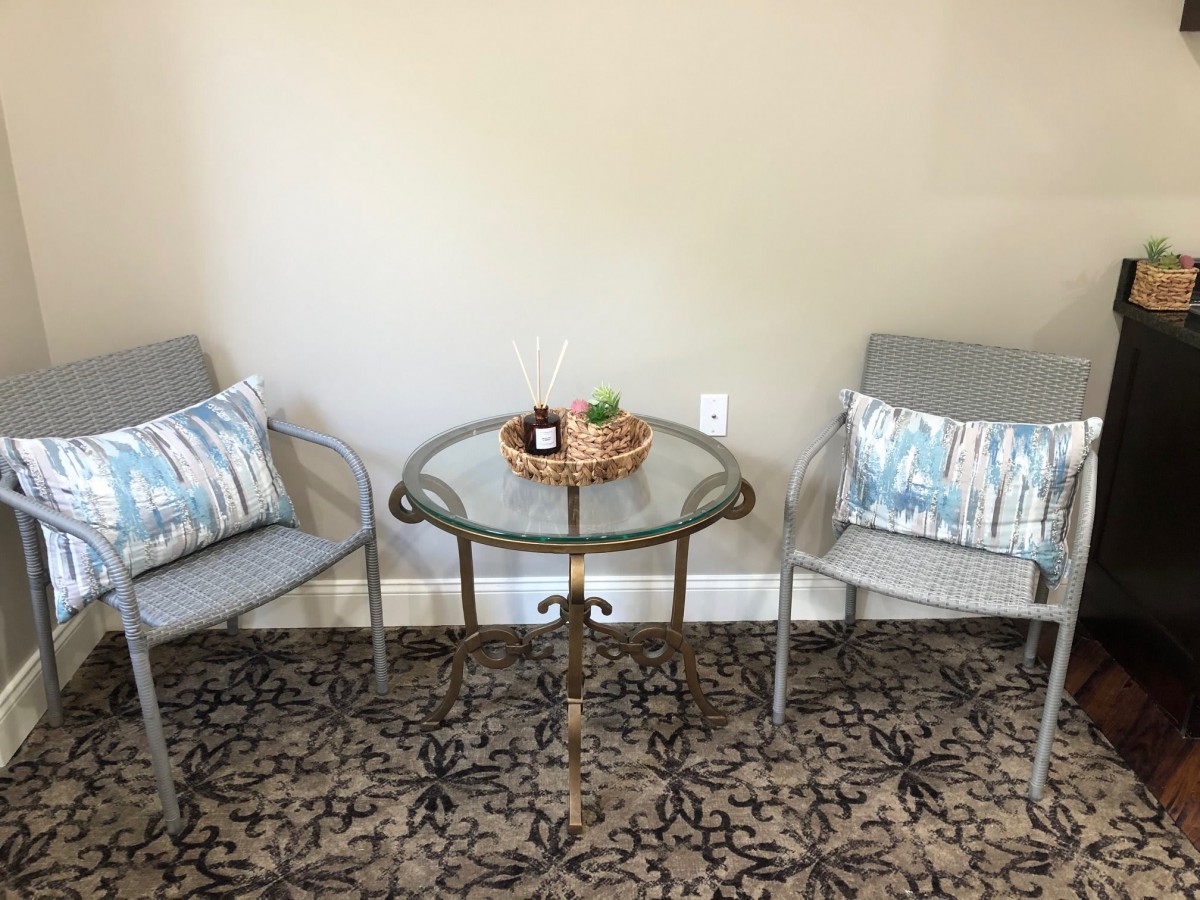
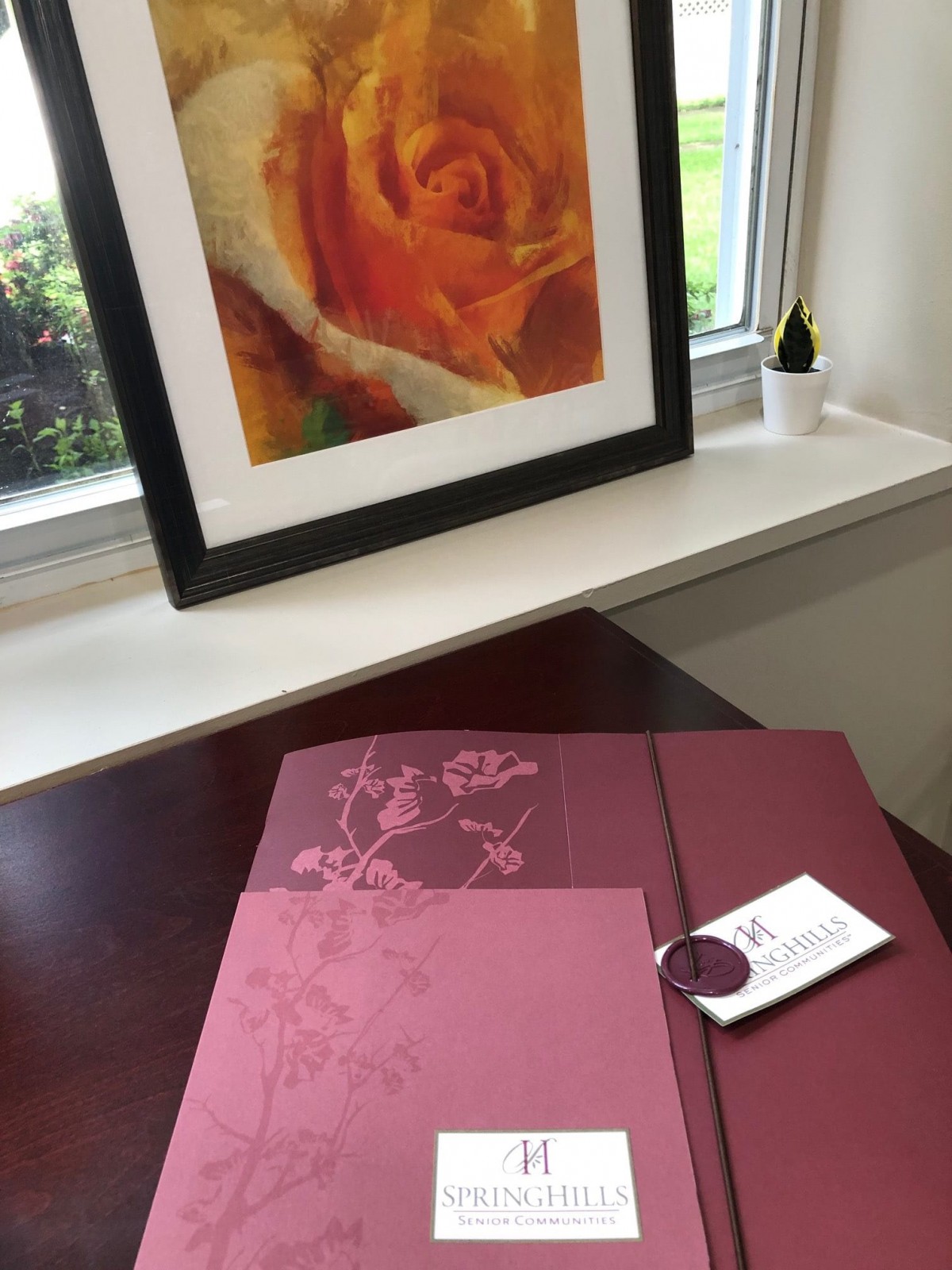
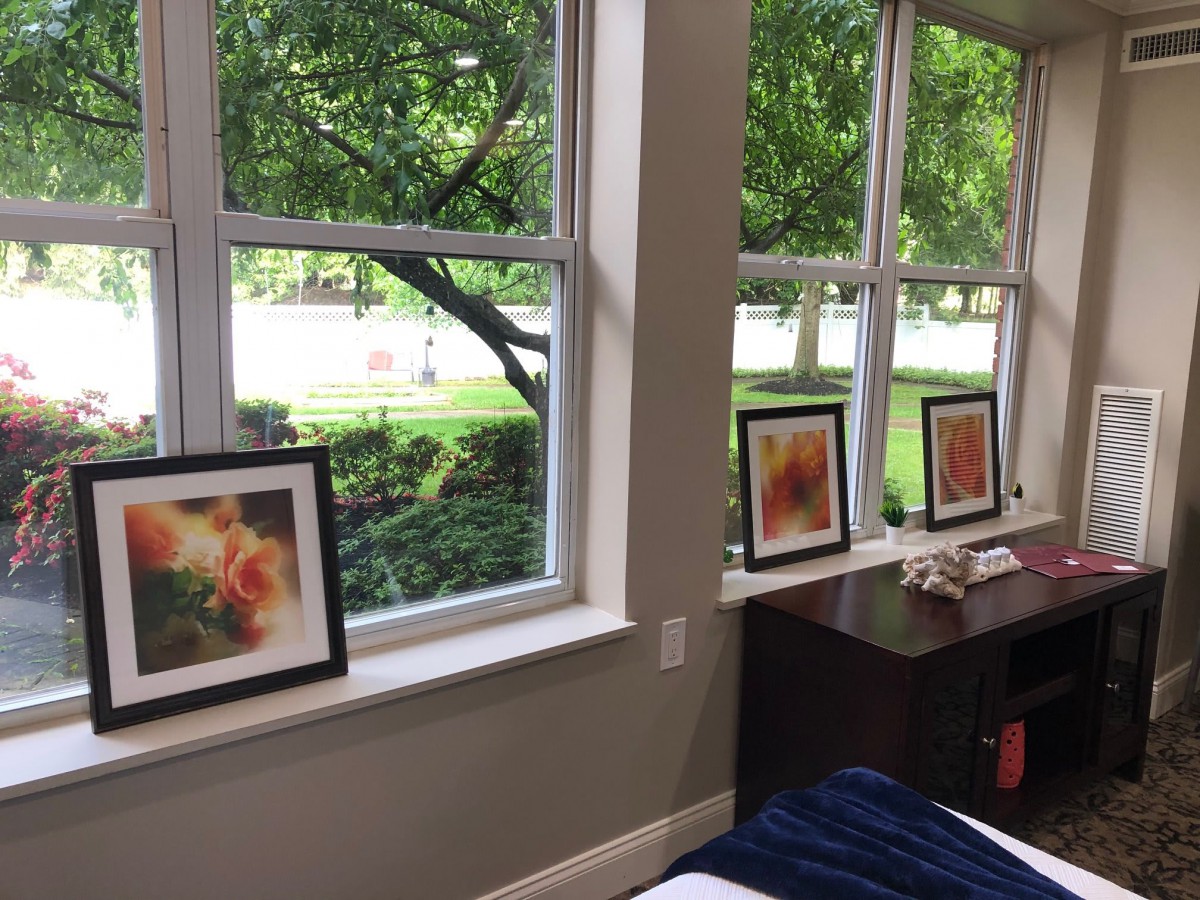
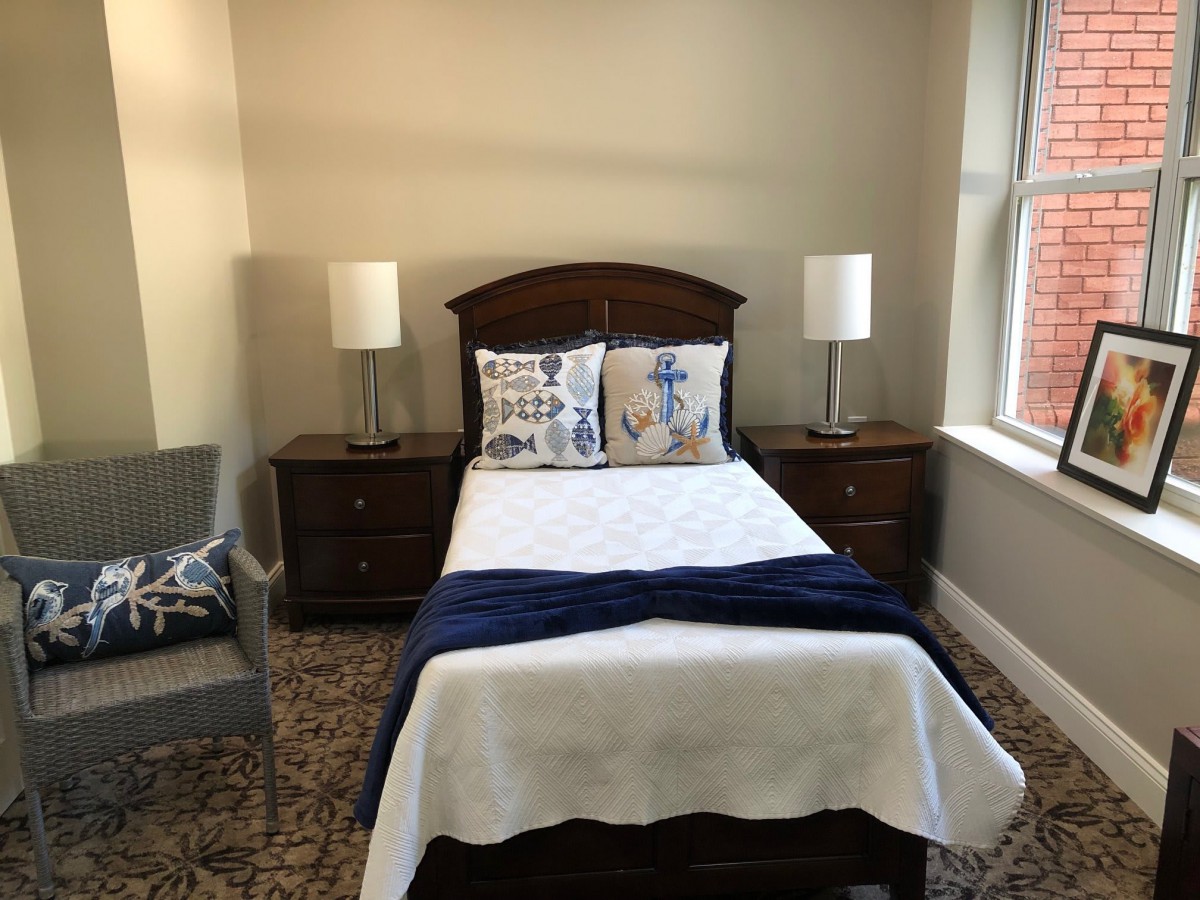
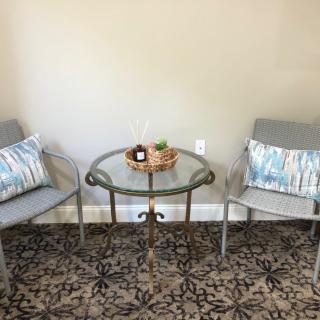
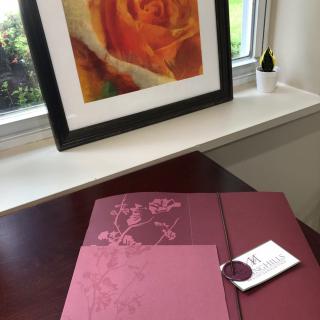
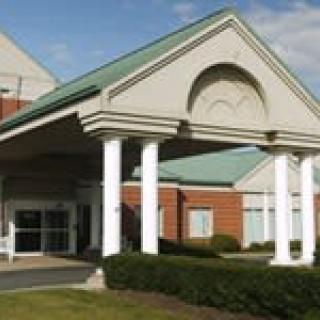
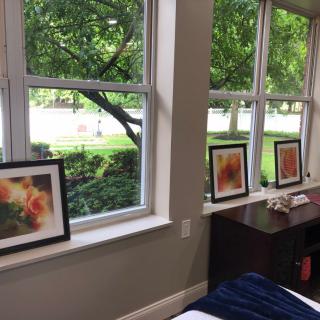
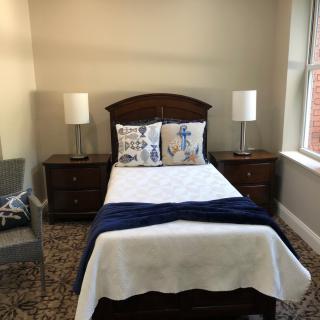
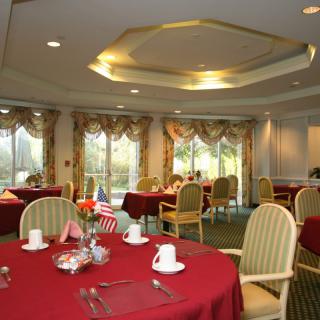
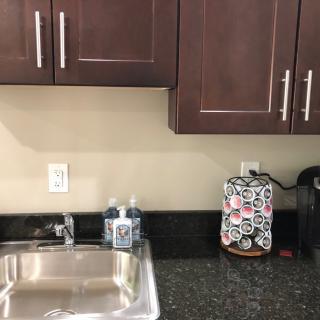
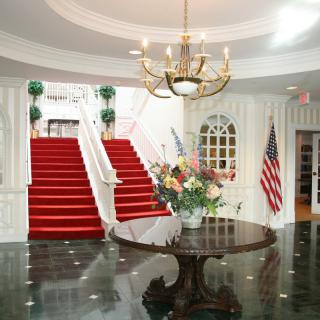
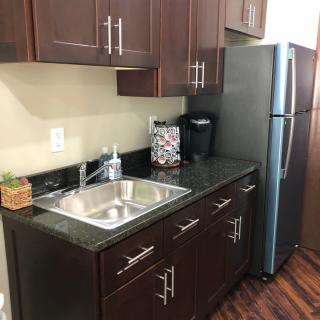
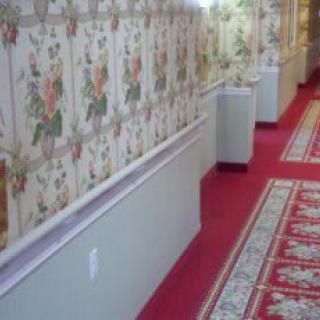
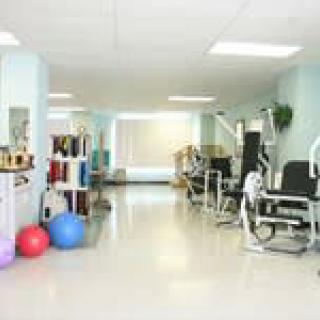
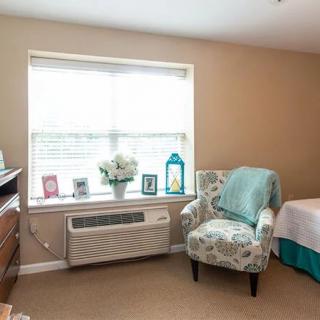
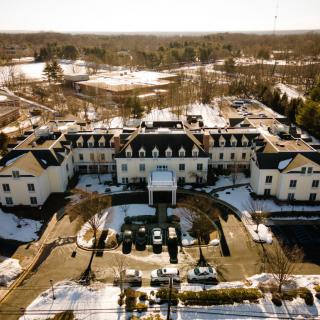
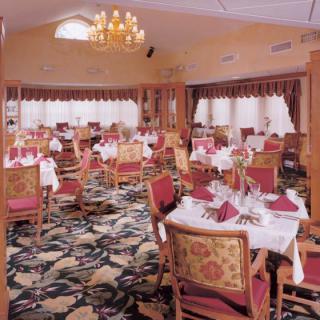
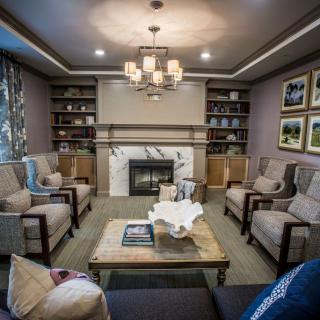
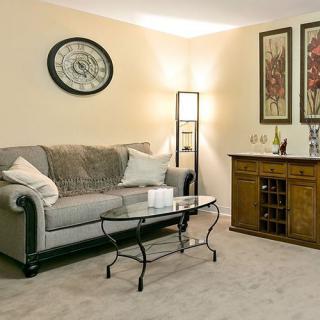
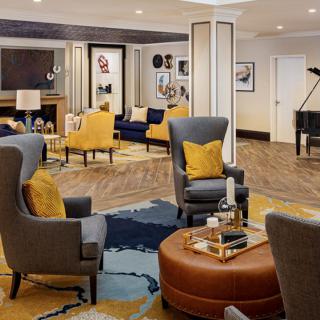
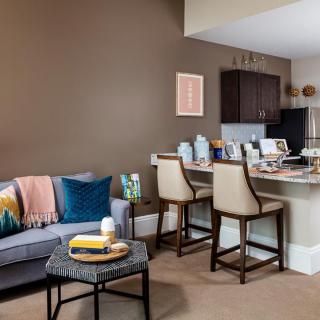
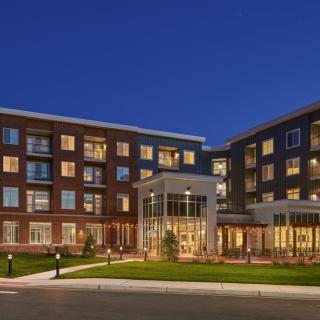
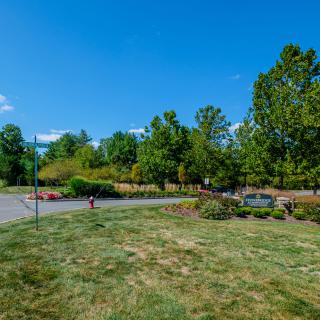
Spring Hills Princeton on seniors.fyi includes 13 photos including images showing interior, bedroom, decor, windows, artwork, kitchen, coffee station, dining, and more.
Nearby Communities
Atrium Senior Living Of Princeton
Princeton, NJ
4.5 from 22 reviews
Helpful staff, engaging activities, and a pleasant atmosphere in a conveniently located Princeton community.
Atrium Post Acute Care Of Princeton
Princeton, NJ
4.1 from 124 reviews
Friendly staff and well-maintained rooms
Princeton Windrows
Princeton, NJ
4.4 from 68 reviews
$2,400 / month
Beautiful, amenity-rich independent living with an active social calendar and friendly staff.
Maplewood At Princeton
Plainsboro Township, NJ
4.8 from 68 reviews
Strong memory-care focus with attentive staff and robust amenities.
HarborChase of Princeton
Princeton, NJ
4.2 from 38 reviews
Beautiful hotel-like facility with attentive staff, a busy activity calendar, and options for couples to stay together.
HarborChase Of Princeton
Monmouth Junction, NJ
4.4 from 23 reviews
Memory-care focused with 24/7 supervision, medication management, and holistic wellness/activities.
Icon Riverwalk
Plainsboro Township, NJ
4.1 from 53 reviews
$3,595 to $5,695 / month
Attractive amenities and stylish property with potential under new management.
Stonebridge at Montgomery
Skillman, NJ
4.4 from 64 reviews
Friendly staff, good food, and robust amenities.
Elms of Cranbury
Cranbury, NJ
3.9 from 129 reviews
Attentive staff, clean environment, and effective rehabilitation.
The article discusses the late stages of dementia, detailing the progression from mild to severe impairment and highlighting key characteristics such as profound cognitive decline and dependency in daily activities. It emphasizes care strategies focused on comfort and dignity, the importance of advance directives, and the emotional support needed for family caregivers facing this challenging journey.
The article examines the link between certain medications and increased dementia risk, particularly in older adults, emphasizing that long-term or high-dose use of anticholinergics, benzodiazepines, and other drug classes can exacerbate cognitive impairment. It calls for careful medication evaluation and shared decision-making to mitigate these risks while managing treatment efficacy.
The article emphasizes the significance of establishing a power of attorney for elderly parents to enable an agent to make decisions on their behalf regarding health and finances, especially during cognitive or physical decline. It outlines various types of power of attorney, the importance of consulting legal professionals, and the responsibilities and challenges faced by agents, while also discussing alternatives and common misconceptions.
Get PricingAsk A QuestionSchedule A TourContact Senior Advisor
By clicking submit, you agree to our Partner's Terms of Use. You
also consent to receive calls and texts, which may be autodialed, from our Partner. Your consent is not a condition to
using our Partner's service. Please visit our Partner's Privacy Policy for information about their privacy practices.

 1-bedroom apartments
 Assisted Living
 Memory Care
 Skilled Nursing Facility
 Activities on-site
 Air-conditioning
 Beautician on-site
 Cable or satellite TV
 Devotional services off-site
 Dining room
 Garden
 Ground floor units
 Indoor common areas
 Kitchenette
 Outdoor common areas
 Private bathrooms
 Respite or short term stays offered
 VA Benefits Consultation
 Wheelchair accessible showers
 Wi-Fi/high-speed internet available
 Trenton-Mercer County (12 miles away)
 Transportation & parking
 Ambulatory care
 Companion care
 Diabetic care
 High acuity care
 Hospice care
 Incontinence care
 Medication management
 Psychiatric care
 Guest meals
 Art classes
 Catholic services
 Cooking classes
 Day trips and outings
 Educational speakers / life long learning
 Live well programs
 Visiting Rabbi
 English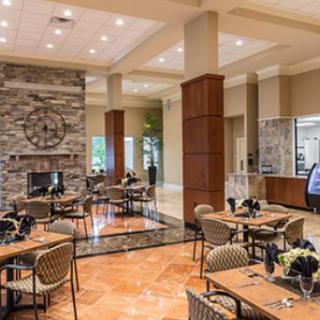
 Helpful staff, engaging activities, and a pleasant atmosphere in a conveniently located Princeton community.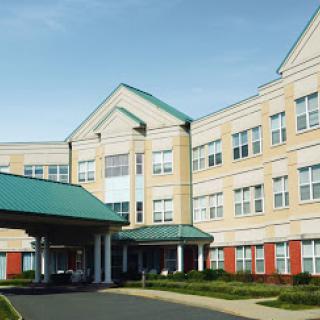
 Comprehensive Insights on the Late Stages of Dementia: What to Expect and How to Provide Care
 Medications Associated with Dementia Risk: A Comprehensive Overview
 Guiding Your Journey: Understanding Power of Attorney for Elderly Parents