For more information about senior living options: (866) 208-4318
4.1 from 124 reviews
5 stars
78
4 stars
17
3 stars
6
2 stars
5
1 stars
18
Overall Review of Atrium Post Acute Care Of Princeton
common58 reviews mention this
Staff compassion and responsiveness
Residents and families frequently describe the staff as caring and responsive.
Many reviews emphasize that the nursing staff, aides, and therapists treat residents with kindness and professionalism. Several families describe quick help when they call for assistance, and they mention feeling reassured by how staff communicate and answer questions. There are also a few negative reviews describing missed needs, unanswered call bells, or delays for help, which stands in contrast to the more positive accounts.
differentiator34 reviews mention this
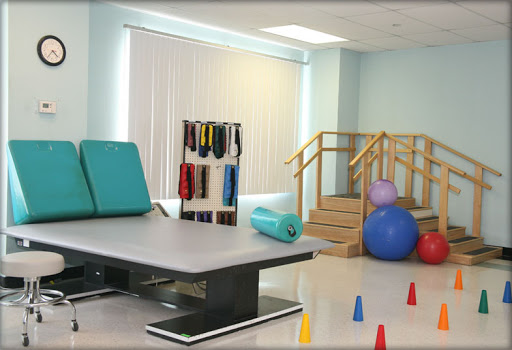
Rehab progress with PT and OT
Physical and occupational therapy are described as effective and individualized for recovery.
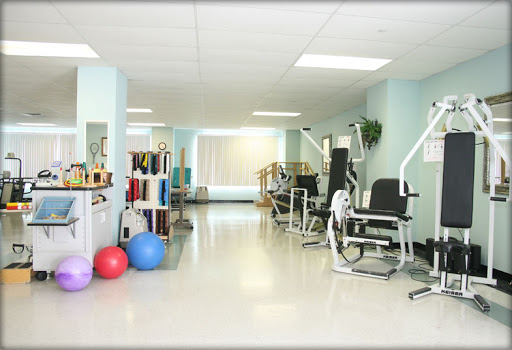
A recurring theme is progress during rehabilitation, with multiple residents and families crediting physical therapy and occupational therapy for improving mobility and daily functioning. Reviews mention personalized treatment plans and daily therapy sessions that help residents regain strength. A small number of accounts raise concerns about delays in starting therapy or the level of therapy provided, but overall rehab outcomes are a major positive theme.
common26 reviews mention this
Clean, well-kept facilities
Reviews repeatedly mention that the building is clean and well-maintained.
Many reviewers describe the facility as clean, neat, and comfortable, with rooms and common areas kept in good condition. Some also mention pleasant spaces like landscaping, gardens, and homelike areas. On the downside, a minority of reviews claim the facility was not sanitary or was dirty, including complaints about cleanliness over multiple visits.
caveat21 reviews mention this
Food quality is mixed
Dining satisfaction varies, with several reviews citing concerns about taste and preparation.
Some residents and families praise the food, describing it as good and even specifically mentioning enjoyable items. Others complain that the food does not look or taste good, and at least one review says it was not prepared well for vegetarian preferences. A separate thread mentions inconsistent food quality on different days, which may help explain why opinions are split.
caveat16 reviews mention this
Care delays and understaffing concerns
A recurring concern is delayed assistance when residents need help.
Several negative reviews describe long waits for assistance, including delays after call bells and trouble getting help for bathroom needs and basic care. Some mention understaffing issues that lead to gaps in supervision or response times. There are also a few highly serious complaints involving medication timing or emergency response, while other reviews report the opposite experience.
How we summarize
Counts show how many written reviews mention each theme; a review can touch several themes, and only frequently mentioned themes are displayed.
Features
Housing
180 resident community capacity
Types of Care
Skilled Nursing Facility
Amenities
Air-conditioning
Beauty salon
Cable or satellite TV
Computer center
Dining room
Fitness room
Fully furnished
Gaming room
Garden
Housekeeping services
Kitchenette
Move-in coordination
Outdoor space
Private bathrooms
Restaurant-style dining
Small library
Telephone
Wellness center
Wi-Fi/high-speed internet available
Transportation
Trenton-Mercer County (12 miles away)
Community operated transportation
Transportation arrangement
Transportation arrangement (non-medical)
Transportation to doctors appointments
Care Services
12-16 hour nursing
24-hour call system
24-hour supervision
Activities of daily living assistance
Assistance with bathing
Assistance with dressing
Assistance with transfers
Diabetes diet
Meal preparation and service
Medication management
Mental wellness program
Special dietary restrictions
Dining
Diabetes diet
Special dietary restrictions
Activities
Community-sponsored activities
Concierge services
Fitness programs
Planned day trips
Resident-run activities
Scheduled daily activities
Nearby Places of Interest
Physicians
Surgical Specialists at Princeton (0.2 miles)
CHOP Specialty Care Center (1.4 miles)
Princeton Eye Group (2.1 miles)
Princeton Medical Group PA (2.1 miles)
Princeton Dermatology Associates (2.3 miles)
Princeton Regional Orthopaedics PA (2.3 miles)
The Derm Group (2.5 miles)
Restaurants
PJ's Pancake House & Bakery - Kingston (1.2 miles)
McDonald's (1.9 miles)
Hoagie Haven (1.9 miles)
Mediterra Restaurant (2.4 miles)
Tiger's Tale (3.6 miles)
White Castle (4 miles)
Applebee's (5.6 miles)
Hospitals
University Medical Center of Princeton at Plainsboro (1.3 miles)
Capital Health Medical Center (10.1 miles)
Pharmacies
CVS Pharmacy (2 miles)
CVS Pharmacy (2.2 miles)
Walgreens (2.9 miles)
CVS Pharmacy (3 miles)
Wegmans (4.8 miles)
CVS Pharmacy (4.9 miles)
CVS Pharmacy (5 miles)
Places of Worship
Princeton University Chapel (2.2 miles)
Baps Shri Swaminarayan Mandir, New Jersey (7.5 miles)
Blawenburg Reformed Church (7.7 miles)
St Gregory the Great Roman Catholic Church (9.4 miles)
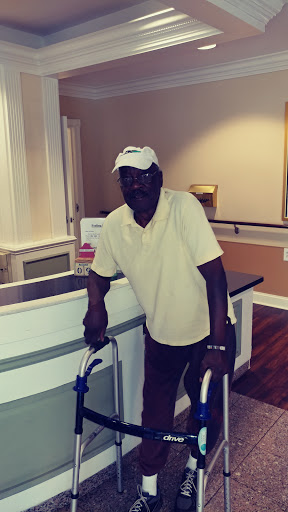
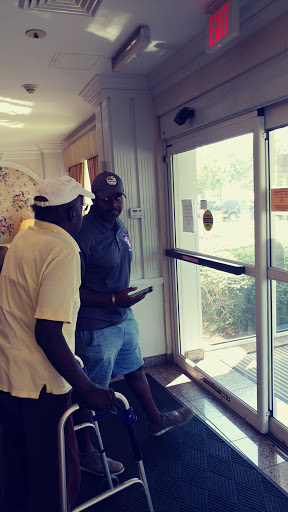
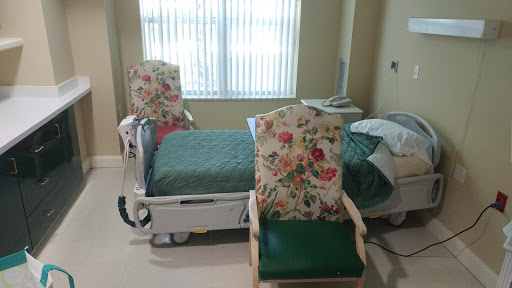
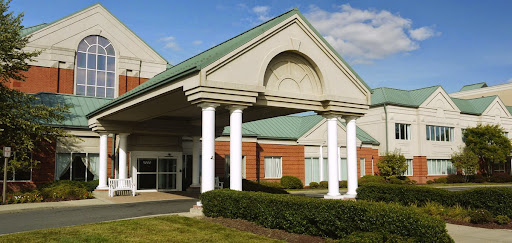
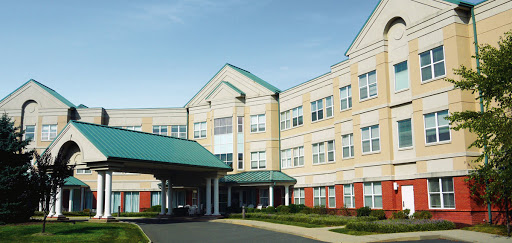
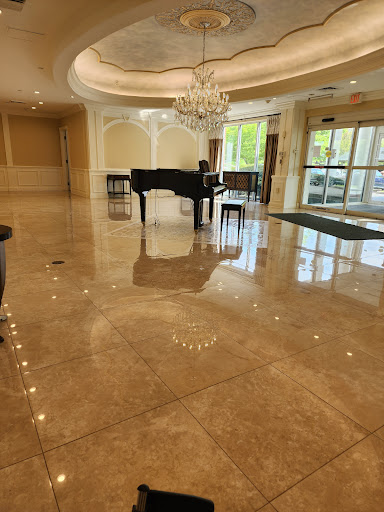
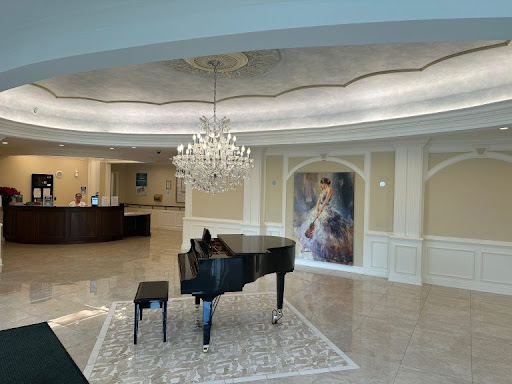
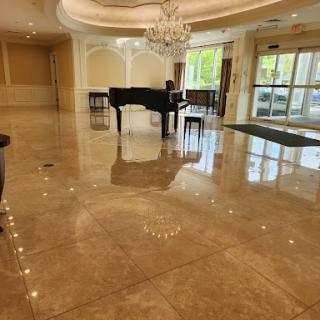
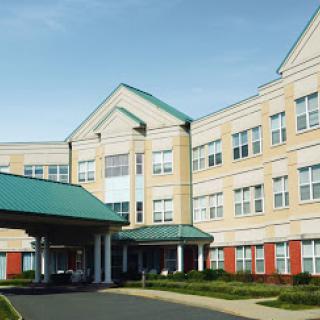
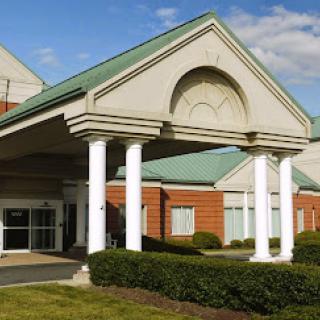
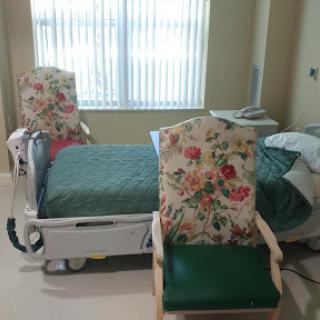
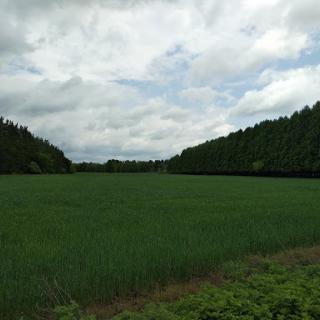
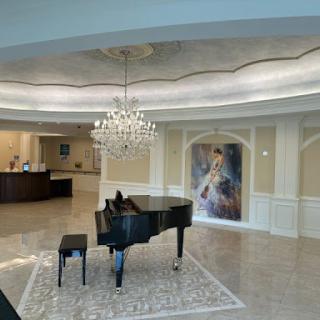
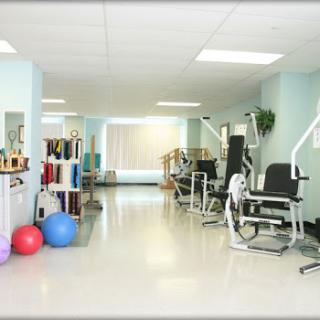
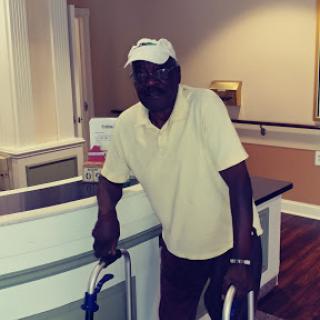
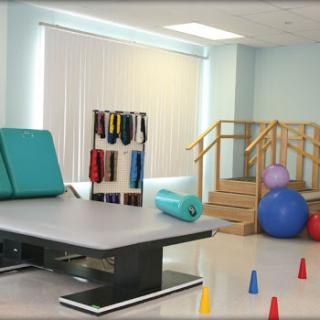
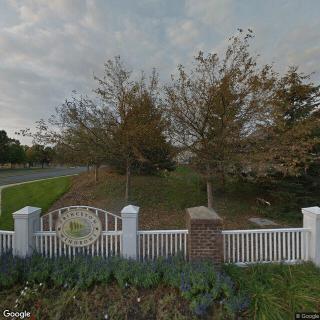
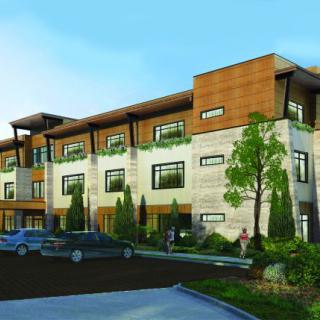
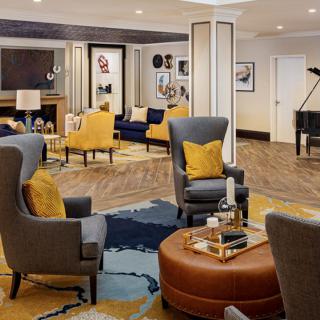
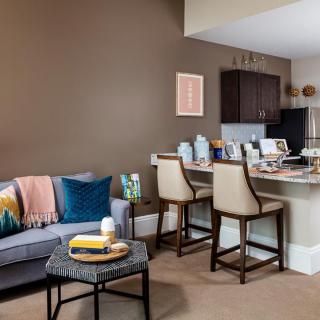
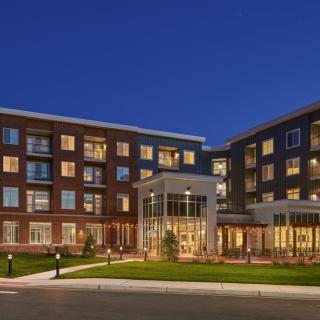
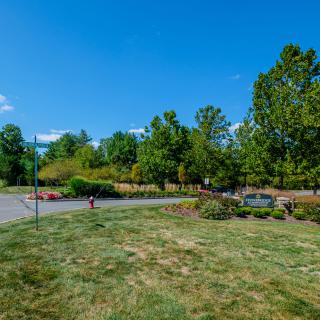
Atrium Post Acute Care Of Princeton on seniors.fyi includes 10 photos including images showing interior, exercise equipment, landscaping, chandelier, rehabilitation, fitness, building, architecture, and more.
Nearby Communities
Spring Hills Princeton
Princeton, NJ
3.8 from 28 reviews
$4,500 to $7,650 / month
Caring staff with engaging activities in a welcoming setting.
Atrium Senior Living Of Princeton
Princeton, NJ
4.5 from 22 reviews
Helpful staff, engaging activities, and a pleasant atmosphere in a conveniently located Princeton community.
Princeton Windrows
Princeton, NJ
4.4 from 68 reviews
$2,400 / month
Beautiful, amenity-rich independent living with an active social calendar and friendly staff.
Maplewood At Princeton
Plainsboro Township, NJ
4.8 from 68 reviews
Strong memory-care focus with attentive staff and robust amenities.
HarborChase of Princeton
Princeton, NJ
4.2 from 38 reviews
Beautiful hotel-like facility with attentive staff, a busy activity calendar, and options for couples to stay together.
HarborChase Of Princeton
Monmouth Junction, NJ
4.4 from 23 reviews
Memory-care focused with 24/7 supervision, medication management, and holistic wellness/activities.
Icon Riverwalk
Plainsboro Township, NJ
4.1 from 53 reviews
$3,595 to $5,695 / month
Attractive amenities and stylish property with potential under new management.
Stonebridge at Montgomery
Skillman, NJ
4.4 from 64 reviews
Friendly staff, good food, and robust amenities.
Elms of Cranbury
Cranbury, NJ
3.9 from 129 reviews
Attentive staff, clean environment, and effective rehabilitation.
Skilled nursing facilities (SNFs) provide high-level medical care and rehabilitation for short-term recovery, typically covered by Medicare after hospitalization, while nursing homes focus on ongoing custodial care for chronic conditions, mainly funded by Medicaid or private payments. The staffing and regulatory structures differ significantly between the two, necessitating clarity for families in choosing appropriate long-term care options.
Nursing home care costs in the U.S. vary significantly based on location, level of care, and amenities, with private room prices ranging from approximately $6,700 to over $30,000 monthly. Families need to explore various payment options and conduct thorough research to manage these expenses effectively.
Nonmedical home care provides assistance with daily activities and companionship for individuals wishing to maintain independence and quality of life at home, without medical intervention. Its growing popularity is driven by an aging population, the need for supportive environments for recovery, and the emotional benefits of caregiver companionship, while costs vary based on service frequency and location.
Get PricingAsk A QuestionSchedule A TourContact Senior Advisor
By clicking submit, you agree to our Partner's Terms of Use. You
also consent to receive calls and texts, which may be autodialed, from our Partner. Your consent is not a condition to
using our Partner's service. Please visit our Partner's Privacy Policy for information about their privacy practices.

 180 resident community capacity
 Skilled Nursing Facility
 Air-conditioning
 Beauty salon
 Cable or satellite TV
 Computer center
 Dining room
 Fitness room
 Fully furnished
 Gaming room
 Garden
 Housekeeping services
 Kitchenette
 Move-in coordination
 Outdoor space
 Private bathrooms
 Restaurant-style dining
 Small library
 Telephone
 Wellness center
 Wi-Fi/high-speed internet available
 Trenton-Mercer County (12 miles away)
 Community operated transportation
 12-16 hour nursing
 24-hour call system
 Activities of daily living assistance
 Assistance with bathing
 Assistance with dressing
 Assistance with transfers
 Diabetes diet
 Medication management
 Mental wellness program
 Special dietary restrictions
 Concierge services
 Planned day trips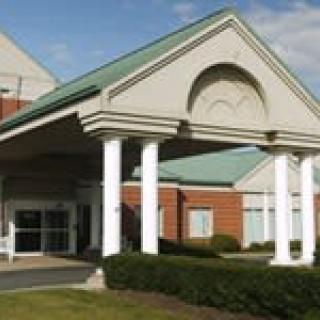
 Caring staff with engaging activities in a welcoming setting.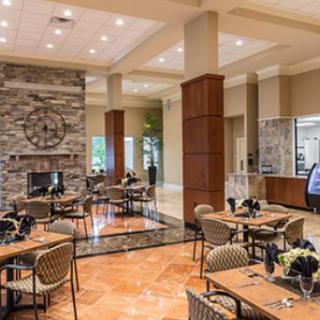
 Skilled Nursing Facilities vs. Nursing Homes: Making Sense of the Differences
 A Detailed Examination of Nursing Home Costs Across the U.S.
 Exploring Nonmedical Home Care: Understanding Services, Costs, and Financial Approaches