1000 Windrow Drive, Princeton, NJ 08540
For more information about senior living options: (866) 208-4318
Overall Review of Atrium Senior Living Of Princeton
Pros
 Tracy Frederick handles the family with dedication and kindness.
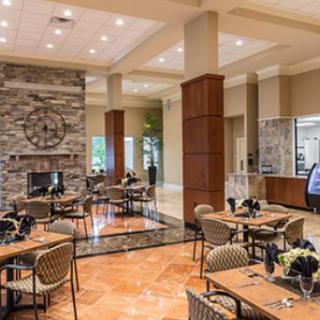
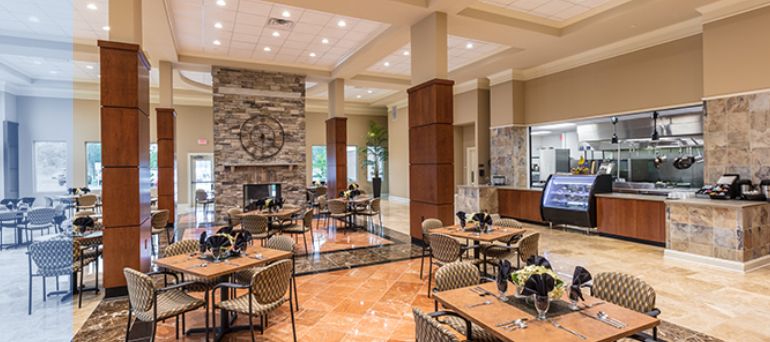
- The dining program at Carnegie Assisted Living is a wonderful highlight, with meals prepared with real care and a restaurant-style presentation.
- Residents enjoy a wide variety of options, from classic comfort foods to creative dishes that are beautifully plated.
- The culinary team ensures each meal is nutritious and something residents look forward to every day.
- Feedback from families and residents has been amazing, and everyone truly enjoys the dining experience.
- Carnegie Assisted Living values food as a key part of quality of life, which shows in the dining program.
- The team creates dishes that feel like home while offering a restaurant-style experience, from fresh soups and entrées to colorful sides and desserts.
- Residents’ smiles at mealtimes reflect how delicious and appealing the meals are.
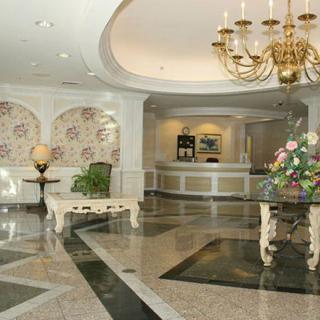
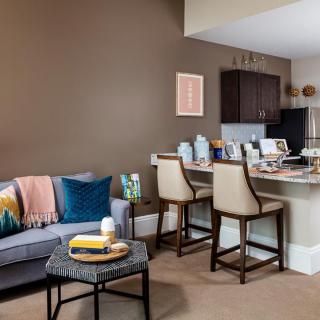
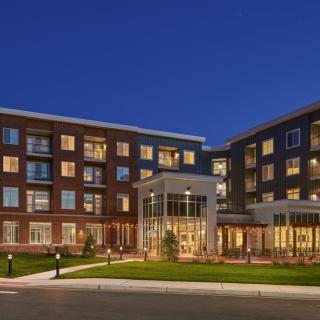
- The facility is bright, welcoming, and well-maintained, with renovations making the environment even nicer.
Cons
 The community looks beautiful, but it is short-staffed and not organized.
- The staff on the Assisted Living side are not transferring records and are not helping to have the hospital bed picked up.
- Messages and emails left for the uncle went unanswered by the staff.
- The reviewer was disappointed by the staff's lack of response in matters of the power of attorney.
- The aides are horrible; they leave the resident without help in the bathroom and sometimes do not provide dinner, even after claiming they did.
- The food is so bad that the resident dropped to 94 pounds.
- The place never gets cleaned and is very dirty.
- The reviewer would not recommend this facility to anyone.
- This has been a bad experience for the mom, and she is being removed from the facility.
Review
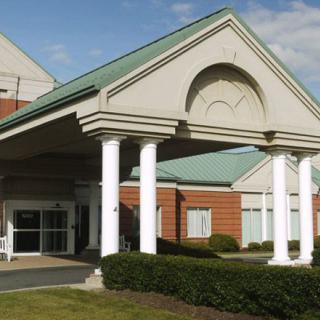
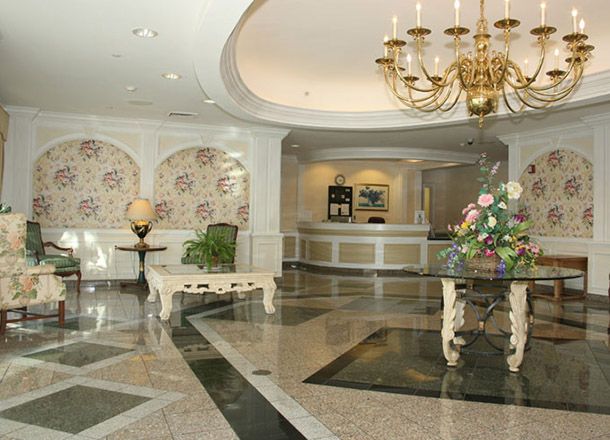
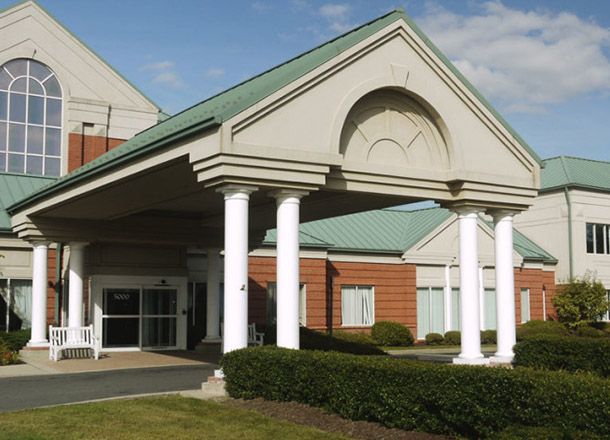
Atrium Senior Living Of Princeton is best suited for families seeking a polished, lifestyle-forward setting where presentation and social engagement matter as much as care. The campus reads upscale and well-maintained, with tours handled by staff who demonstrate warmth and professionalism. A visitor noted the facility is stunning, clean, and that residents look cared for and happy, a strong signal that the environment itself can feel inviting and reassuring during the transition to companionship in later life. For households that prize a high-end atmosphere, visible investment in the living space, and an active, community-oriented daily rhythm, this community offers a compelling package. The ongoing remodeling suggests a operator committed to continuous improvement, which many families interpret as long-term value and forward momentum.
If uncertainty matters because administrative reliability is non-negotiable, this community may prompt families to consider alternatives. Reports of uneven responsiveness, difficulty with record transfers when a loved one moves between levels of care, and signs of understaffing or disorganization point to potential gaps in day-to-day operations. Those gaps can translate into delays in answering questions, trouble coordinating outside services, or lapses in routine care during busy shifts. For families with complex care needs, or for those who require airtight communication and seamless information flow across departments, it makes sense to compare with other Princeton-area options that emphasize stronger, more consistent administrative systems from first contact through ongoing care.
The strongest positives play to a refined environment that supports social life and evident caregiver engagement. Residents appear well cared for, and the campus exudes cleanliness and a sense of order that supports comfort and peace of mind. The experience of staff like Tracy Frederick, who guided a family through a delicate situation with dedication and kindness, illustrates a culture that prioritizes courteous, responsive service during visits and transitions. Remodeling is framed as a long-term enhancement rather than a disruption, and families report a robust calendar of events and opportunities for resident involvement. For residents who flourish on social stimulation, structured activities, and the feeling of being part of a community, these attributes can offset the price of admission with meaningful daily engagement.
Yet the concerns voiced by some families cannot be dismissed. The most commonly cited drawbacks center on staffing and organizational consistency: occasional understaffing, delays in responding to messages, and at times challenging record-handling between the assisted living side and higher levels of care. One account even describes caregiver performance that undermined daily reliability and cleanliness. These voices underscore a reality: experiences can vary by shift and by leadership emphasis at any given moment. Remodeling, while attractive, can also introduce transitional periods that affect routine for residents and families, so timing and cadence of new space introductions warrant careful probing during tours.
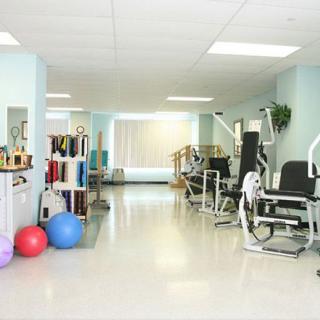
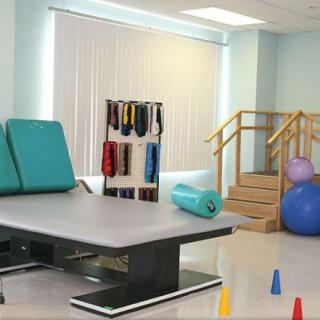
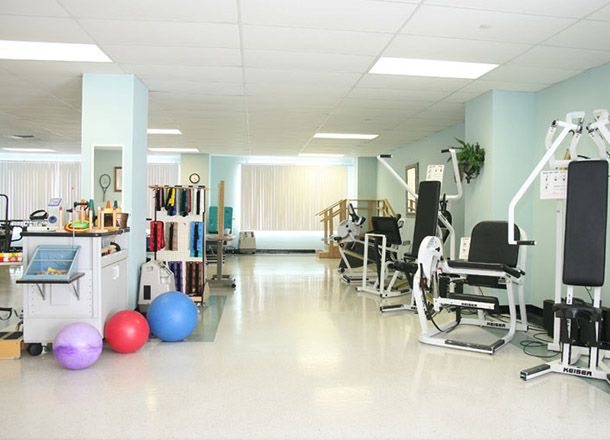
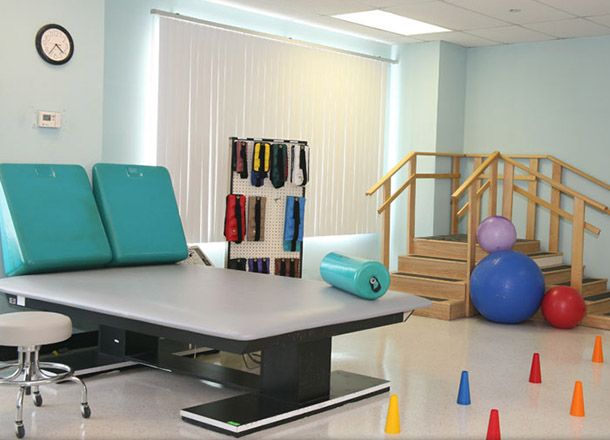
From a decision-making standpoint, practical checks should guide the visit. Seek exact staffing ratios by shift and a concrete plan for stabilizing coverage; ask how care plans and daily updates move between departments and who is accountable for ensuring follow-through; request a written description of the records-transfer process and test it with a live example scenario. Tour the therapy and activity spaces, and speak with staff about typical daily schedules to gauge consistency. Inquire about the scope and finish of the remodeling project, and confirm timelines. Above all, request candid references from current residents and families who can speak to sustained responsiveness and the quality of meals, cleanliness, and general reliability over time.
In the end, Atrium Senior Living Of Princeton can deliver a refined, socially engaging experience that suits residents who value ambiance, proactive front-line care during transitions, and a sense of belonging within a stylish setting. It stands as a solid option for families prioritizing a bright, well-maintained campus with visible investment and an active community. However, for households where consistent administrative reliability, rigorous care coordination, and straightforward record management are non-negotiable, it remains essential to compare against strong alternatives in the area, Carnegie Assisted Living for a proven culture of care and dining, and Spring Hills Princeton for location-driven convenience and consistently engaged staff. The right choice hinges on weighing the appeal of a beautiful, welcoming environment and a credible first impression against the ongoing need for dependable operations and transparent communication at every level of care.
 105 resident community capacity
 1-bedroom apartments
 Assisted Living
 Hospice Agency
 Memory Care
 Respite Care
 Skilled Nursing Facility
 Air-conditioning
 Beauty salon
 Cable or satellite TV
 Computer center
 Dining room
 Fitness room
 Fully furnished
 Gaming room
 Garden
 Housekeeping services
 Kitchenette
 Move-in coordination
 Outdoor space
 Private bathrooms
 Restaurant-style dining
 Small library
 Telephone
 VA Benefits Consultation
 Wellness center
 Wi-Fi/high-speed internet available
 Trenton-Mercer County (12 miles away)
 Community operated transportation
 12-16 hour nursing
 24-hour call system
 Activities of daily living assistance
 Assistance with bathing
 Assistance with dressing
 Assistance with transfers
 Companion care
 Diabetes diet
 Medication management
 Mental wellness program
 Psychiatric care
 Special dietary restrictions
 Concierge services
 Planned day trips
 English



 Guiding Your Journey: Understanding Power of Attorney for Elderly Parents
 22 Remarkable Caregiver Support Groups Available Online and In-Person
 Understanding Medicaid Coverage for Assisted Living: A Comprehensive Guide