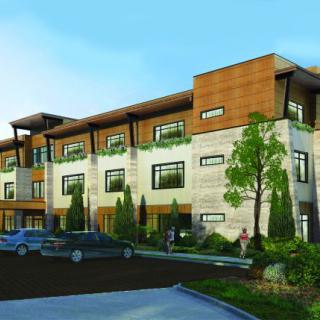
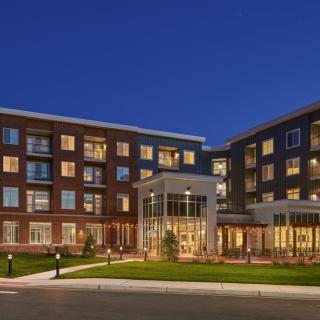
HarborChase Of Princeton in Monmouth Junction, NJ

Save

HarborChase Of Princeton in Monmouth Junction, NJ

4331 US-RT 1 South, Monmouth Junction, NJ 08852

For more information about senior living options: (844) 490-3973

4.4 from 23 reviews
5 stars
19
4 stars
1
3 stars
0
2 stars
0
1 stars
3

Assisted Living Memory Care

Overall Review of HarborChase Of Princeton

Pros

  • pro The facility is kept clean, with friendly and helpful staff and ample on-site parking.
  • pro It is a very nice, well-maintained facility with excellent meals.
  • pro The staff are extremely helpful and friendly, and the facility feels welcoming.
  • pro The place is beautiful, and the staff are friendly and helpful.
  • pro Nancy is very helpful, going above and beyond to help families feel safe with their decision to move to Harbor Chase.
  • pro Residents are offered a variety of activities to participate in.
  • pro The new director Ashley is caring and makes families feel comfortable.
  • pro The memory care staff are caring, creative, and engaging, and residents' quality of life has greatly improved.

Cons

  • pro He was a fall risk and went to the ER six times in one week.
  • pro The wife found him on the floor unattended in feces.
  • pro Nobody from this place cares, especially the staff.
  • pro Fourteen thousand dollars was taken from his wife's account in one week while he was there.
  • pro After certain staff left, there were absolutely no activities in the Cove and residents were left in front of the TV with little supervision.
  • pro The facility is not safe for loved ones due to understaffing and doors that do not keep memory care residents safe, allowing escapes at night.

Review

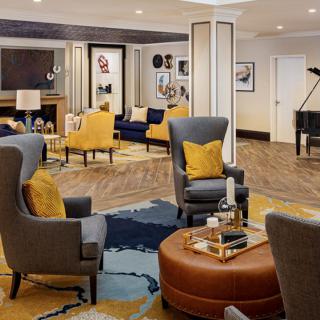
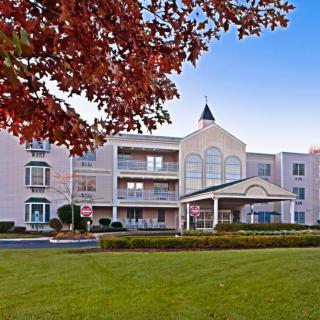
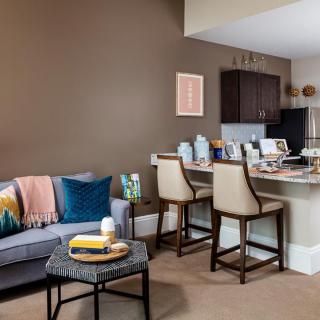
HarborChase of Princeton is best suited for families seeking a resort-style assisted living experience with strong social programming, exceptional dining, and a visually impressive, maintenance-friendly environment. The community consistently earns praise for cleanliness, beauty, and the feeling of a welcoming campus where residents can enjoy gracious common areas, lounges, and amenities that resemble a high-end retirement setting. The dining program stands out in many accounts, with chef-driven meals and a sense of hospitality that makes visits feel like staying at a well-appointed hotel. For families who prioritize an active calendar, on-site services like a salon, frequent events, and visible staff engagement, HarborChase offers a compelling, low-impulse transition into senior living.

However, several reviews signal that alternatives should be considered for residents with higher care needs or for families prioritizing consistently reliable staffing and safety oversight. Critics highlight experiences in the memory care neighborhood that raise questions about activity levels, supervision, and the reliability of daily support. Some families report turnover among leadership and care managers, which can translate into inconsistent responses to concerns. There are also troubling anecdotes about financial mishandling and discrepancies in how residents' needs are addressed, underscoring the importance of diligence and ongoing verification before any long-term commitment. For those requiring stringent safety controls or highly predictable staffing, exploring other options may be prudent.

The strongest pro-cluster for HarborChase lies in the tangible daily experience: rooms and common areas that feel like upscale residences, a dining program that resonates positively with multiple pockets of residents, and staff who are described as friendly, helpful, and attentive during visits. Tours repeatedly emphasize welcoming directors and knowledgeable team members who guide families through the process, and several families credit the facility with transforming a resident's appetite, social engagement, and overall mood. The presence of a dedicated memory care environment with bright spaces and supervised access to courtyards is repeatedly noted as a meaningful feature for families navigating dementia-related concerns. When operations run smoothly, these elements convert HarborChase into a genuinely uplifting home.

Yet the cons must be weighed with equal attention. Instances of understaffing or uneven activity programming in the Cove memory care wing, described by some families as insufficient supervision and limited engagement, temper the otherwise polished exterior. Reports of leadership turnover and inconsistent communication from administrators contribute to a perception that the experience can be bifurcated - calm and polished on tours, more variable in day-to-day care. A particularly concerning narrative centers on a reviewer who questioned the financial transparency and safety practices, reminding prospective residents that a facility's appearance can mask operational gaps. These factors do not negate the positives, but they do demand careful due diligence and a willingness to scrutinize daily care plans, staffing coverage, and accountability mechanisms.

To make HarborChase work best, prospective residents should arrive armed with a practical checklist. Ask for current staffing ratios by shift and by wing, request recent activity calendars, and request direct contact with the director or nurse manager to discuss care protocols in memory care. Seek out firsthand accounts from current residents and families about meal quality, timely assistance with activities of daily living, and how emergencies are managed after hours. Verify the financial terms, including what services are included, what is billable, and whether any concerns about billing have been resolved. Finally, tour both Assisted Living and Memory Care spaces with a critical eye toward safety features, staff responsiveness, and opportunities for meaningful engagement that align with the resident's interests.

In sum, HarborChase of Princeton delivers a compelling, well-appointed setting with standout dining, strong front-line hospitality, and a palpable sense of community. The decision hinges on match quality: for families prioritizing atmosphere, social programming, and visible kindness, the pros can clearly outweigh the cons. For those needing unwavering, consistent staffing, robust safety oversight, and tightly managed memory care programming, cautious exploration of alternatives is warranted. The facility's strengths - hospitality, beauty, and resident satisfaction in many cases - are real and persuasive, but the effective choice will come down to aligning expectations with the realities of daily care and governance in the specific memory care and long-term care needs of the individual.

Features

Types of Care

  • Assisted Living Assisted LivingAssisted living facilities provide crucial support and care for seniors who may need help with daily tasks such as medication management, bathing, and meal preparation. These communities offer a safe and comfortable environment where seniors can maintain their independence while receiving the assistance they need to thrive in their golden years.
  • Memory Care Memory CareMemory care is crucial for seniors as it provides specialized support and services for individuals with dementia or Alzheimer's disease. These programs offer a safe and secure environment where residents receive personalized care, cognitive stimulation, and help with daily activities. Memory care helps seniors maintain their independence, quality of life, and dignity while also providing peace of mind for their families.

Amenities

  • Air-conditioning Air-conditioningAir conditioning is important for seniors as they are more vulnerable to heat-related illnesses and may have underlying health conditions that make it difficult for them to regulate their body temperature. It helps to keep them comfortable, safe, and healthy in hot weather.
  • Beauty salon Beauty salonBeauty salons are important for seniors because they provide a space for them to feel pampered, socialize, and maintain their personal grooming and hygiene. Regular visits to a beauty salon can help boost seniors' self-esteem and overall well-being.
  • Cable or satellite TV Cable or satellite TVCable or satellite TV is important for seniors because it provides entertainment, news, and companionship, helping to combat loneliness and boredom. It also offers a wide range of programming options tailored to different interests and preferences.
  • Computer center Computer centerA computer center is essential for seniors as it provides access to technology, communication tools, and resources that can enhance their daily lives. It allows them to stay connected with loved ones, engage in online activities, and learn new skills, ultimately promoting socialization and mental stimulation.
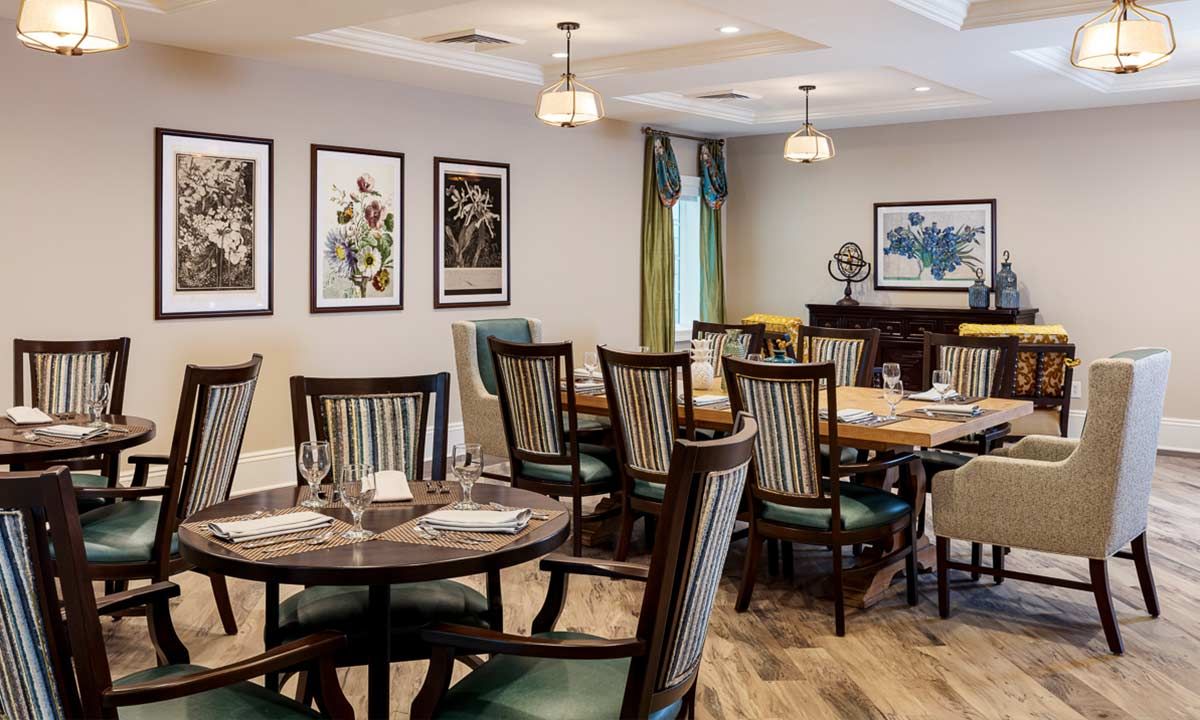
  • Dining room Dining roomDining rooms are important for seniors as they provide a space for socialization, connection, and nutritious meals. They offer opportunities for residents to bond over shared meals, foster a sense of community, and promote healthy eating habits. Dining rooms also ensure that seniors have access to well-balanced meals tailored to their dietary needs and preferences.
  • Fitness room Fitness roomHaving a fitness room in a senior living community is essential for seniors to stay active, maintain their physical health, and improve their overall well-being. Regular exercise can help prevent falls, reduce the risk of chronic diseases, and promote mental sharpness. It also provides social opportunities for residents to connect with others and enjoy a sense of community.
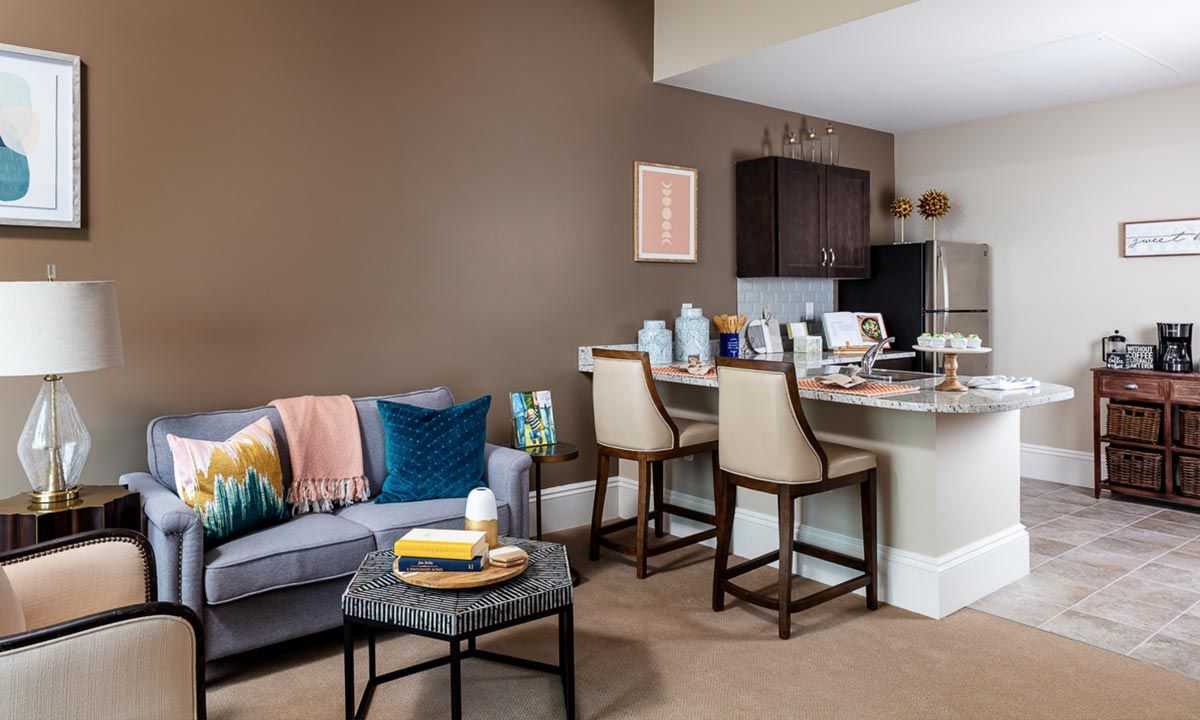
  • Fully furnished Fully furnishedFully furnished senior living communities are important for seniors because they provide convenience, comfort, and a hassle-free moving experience. Seniors can easily settle into their new living space without the stress of having to buy and move furniture. This allows them to focus on enjoying their new home and community.
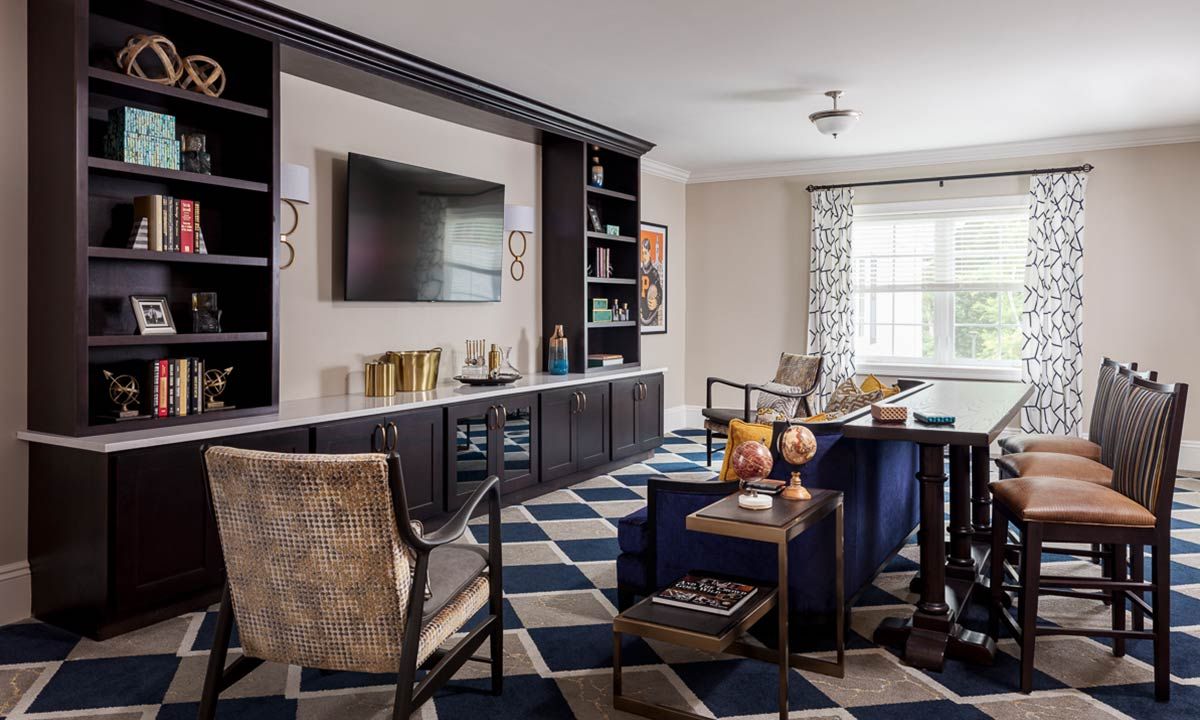
  • Gaming room Gaming roomGaming rooms are important for seniors as they provide a fun and engaging environment for socializing, cognitive stimulation, and physical activity. Games can improve memory, problem-solving skills, and overall mental well-being while fostering friendships and reducing feelings of isolation.
  • Garden GardenGardens are important for seniors as they provide a peaceful and therapeutic environment for relaxation, physical activity, and socialization. Being in nature has been shown to reduce stress, improve mood, and promote overall well-being. Gardens also offer opportunities for seniors to engage in gardening activities, which can improve mobility, flexibility, and cognitive function. Additionally, gardens create a sense of community and connection with others who share a passion for plants and outdoor spaces.
  • Housekeeping services Housekeeping servicesHousekeeping services are important for seniors because they help maintain a clean and safe living environment, promote independence, and reduce the risk of accidents or illnesses. Additionally, having assistance with household chores can alleviate physical strain and allow seniors to focus on other aspects of their well-being.
  • Kitchenette KitchenetteKitchenettes are important for seniors living in senior living communities because they provide the convenience and independence of being able to prepare simple meals and snacks in the comfort of their own living space. This can help promote a sense of autonomy and well-being for seniors, allowing them to maintain some level of control over their dietary choices and daily routines.
  • Move-in coordination Move-in coordinationMove-in coordination is important for seniors because it helps ease the transition into their new living environment. It ensures that all logistics, such as packing, organizing movers, and setting up utilities are taken care of, allowing seniors to focus on settling in and adjusting to their new home. Having a smooth move-in process can alleviate stress and anxiety, making the transition smoother and more enjoyable for seniors.
  • Outdoor space Outdoor spaceOutdoor spaces are important for seniors as they provide opportunities for physical activity, social interaction, exposure to natural light and fresh air, and a sense of connection to nature. Having access to outdoor spaces can improve overall well-being and quality of life for older adults living in senior communities.
  • Pet friendly Pet friendly"Pet friendly" senior living communities are important for seniors because pets provide companionship, reduce feelings of loneliness and depression, promote physical activity and mental stimulation, and offer a sense of purpose and responsibility. Pets can improve overall well-being and quality of life for seniors in many ways.
  • Private bathrooms Private bathroomsPrivate bathrooms are important for seniors in senior living communities because they provide independence, dignity, and comfort. Having a private bathroom allows seniors to maintain their personal hygiene routines without the need for assistance, promoting a sense of autonomy and privacy. Additionally, private bathrooms help prevent the spread of infections and provide a safe and clean environment for seniors to navigate safely.
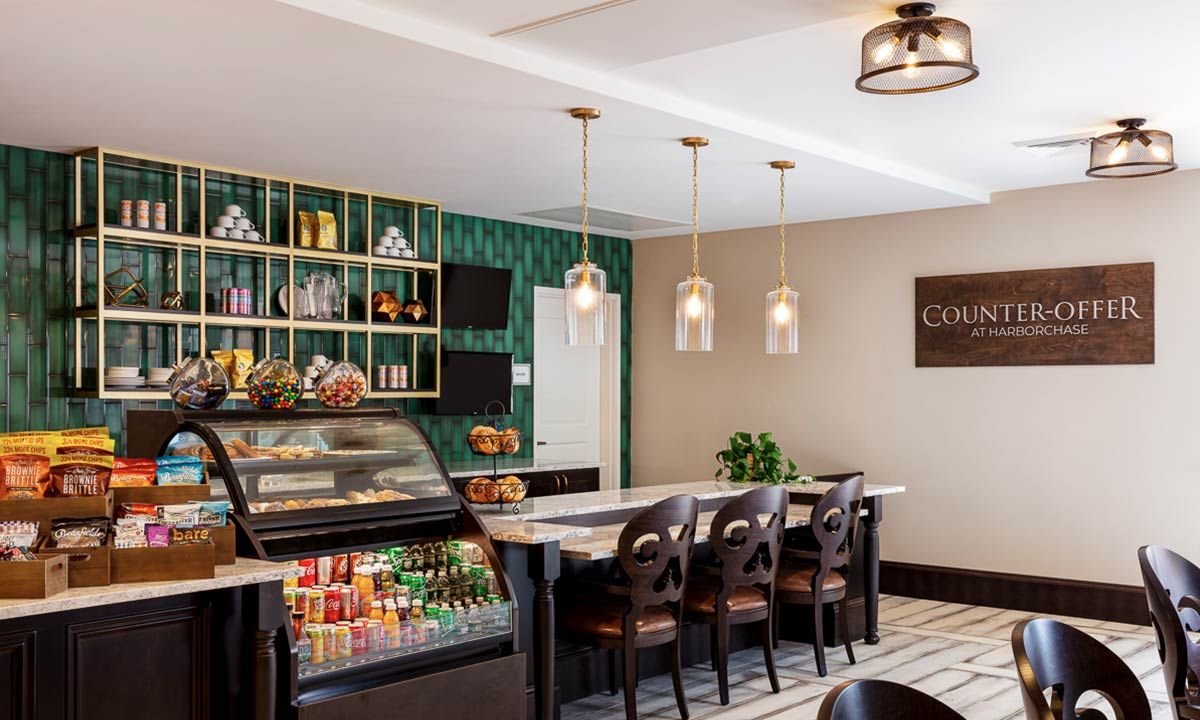
  • Restaurant-style dining Restaurant-style diningRestaurant-style dining is important for seniors because it allows them to enjoy delicious, nutritious meals in a social and upscale setting. This enhances their dining experience, promotes healthy eating habits, and fosters socialization with fellow residents, ultimately contributing to their overall well-being and quality of life.
  • Small library Small librarySmall libraries are important for seniors as they provide access to a variety of reading materials, including books, newspapers, and magazines. This can help stimulate their minds, keep them engaged, and provide a sense of community through book clubs and other social activities. Additionally, reading has been shown to improve cognitive function and overall mental well-being in older adults.
  • Telephone TelephoneTelephones are important for seniors as they provide a lifeline for communication with loved ones, emergency services, and healthcare providers. They offer a sense of security and independence, enabling seniors to stay connected and access assistance when needed.
  • Wellness center Wellness centerWellness centers are important for seniors because they offer a variety of programs and services that promote physical, mental, and emotional well-being. These centers provide opportunities for exercise, socialization, education, and relaxation, helping seniors maintain their overall health and quality of life.
  • Wi-Fi/high-speed internet available Wi-Fi/high-speed internet availableWi-Fi/high-speed internet is important for seniors to stay connected with loved ones, access online resources, and participate in virtual activities to combat feelings of loneliness and isolation. It also allows them to easily manage healthcare needs, access entertainment, and engage in lifelong learning opportunities.

Transportation

  • Trenton-Mercer County (13 miles away) Trenton-Mercer County (13 miles away)
  • Community operated transportation Community operated transportationCommunity operated transportation is crucial for seniors as it provides them with the means to access essential services, social activities, and medical appointments. It allows seniors to maintain their independence and quality of life by ensuring they can participate in activities outside of their homes. Additionally, community-operated transportation services offer a safe and reliable way for seniors to travel without having to rely on family or friends for assistance.
  • Transportation arrangement Transportation arrangementTransportation arrangements are crucial for seniors as they may face challenges with driving, mobility, or access to public transportation. Having reliable transportation services ensures that seniors can easily attend appointments, social activities, and maintain their independence and quality of life.

Care Services

  • 24-hour call system 24-hour call system24-hour call systems are important for seniors because they provide peace of mind and immediate assistance in case of emergencies. This technology ensures that help is always available, promoting safety and security for elderly individuals living alone or in assisted living facilities.
  • 24-hour supervision 24-hour supervision24-hour supervision is important for seniors to ensure their safety, well-being, and access to immediate assistance in case of emergencies or health issues. This constant support provides peace of mind for both seniors and their loved ones, allowing them to age in place with dignity and security.
  • Activities of daily living assistance Activities of daily living assistanceActivities of daily living assistance are important for seniors because they provide essential support with tasks such as eating, bathing, dressing, and mobility. This assistance helps seniors maintain their independence, dignity, and overall quality of life as they age.
  • Assistance with bathing Assistance with bathingAssistance with bathing is crucial for seniors as it helps maintain personal hygiene, prevents infections, and ensures their overall well-being and comfort. It also provides a sense of dignity and independence for seniors who may struggle with this task on their own.
  • Assistance with dressing Assistance with dressingAssistance with dressing is important for seniors because it helps maintain their independence, promotes personal hygiene, prevents accidents and injuries, and improves overall quality of life. This service ensures that seniors can continue to dress comfortably and confidently, despite any physical limitations they may have.
  • Assistance with transfers Assistance with transfersAssistance with transfers is crucial for seniors as it helps prevent falls and injuries, maintains their independence, and ensures they can safely navigate their living environment. It also provides peace of mind for both seniors and their loved ones.
  • Coordination with health care providers Coordination with health care providersCoordination with health care providers is crucial for seniors to ensure proper medical care, medication management, and overall well-being. This collaboration helps prevent overlapping treatments, track progress more effectively, and provide comprehensive support tailored to individual needs.
  • Dementia waiver Dementia waiverDementia waivers are essential for seniors as they provide critical protections and accommodations for those experiencing cognitive decline. These waivers ensure individuals with dementia receive appropriate care, support, and resources to maintain their quality of life and dignity as they navigate the challenges of this progressive condition.
  • Diabetes diet Diabetes dietA diabetes diet is crucial for seniors as it helps manage blood sugar levels, reduce risks of complications, and improve overall health and well-being. By following a balanced and nutritious diet tailored to their specific needs, seniors can better control their diabetes and enhance their quality of life.
  • Hospice waiver Hospice waiverHospice waivers are important for seniors because they allow individuals to receive specialized end-of-life care and support at home or in a hospice facility. This waiver ensures that seniors can access the necessary resources and services to maintain comfort and dignity during their final days.
  • Meal preparation and service Meal preparation and serviceMeal preparation and service are crucial for seniors as they may have limited mobility or energy to cook nutritious meals. Having access to healthy and convenient food options can ensure they are getting the proper nutrition needed to maintain their overall health and well-being.
  • Medication management Medication managementMedication management is crucial for seniors to ensure they are taking the right medications at the correct dosages and times. This helps prevent adverse drug interactions, reduces the risk of medication errors, and promotes overall health and well-being. Proactive management also allows for adjustments as needed based on changing health conditions or new prescriptions.
  • Mental wellness program Mental wellness programMental wellness programs are essential for seniors as they promote cognitive stimulation, emotional support, and social engagement. These programs help prevent isolation, depression, and cognitive decline, ultimately enhancing the overall quality of life for older adults.
  • Mild cognitive impairment Mild cognitive impairment"Mild cognitive impairment" is important for seniors because it is an early stage of cognitive decline that can potentially progress to more severe conditions such as dementia. Recognizing and addressing mild cognitive impairment can help seniors receive appropriate care and support to maintain their quality of life and independence for as long as possible.
  • Special dietary restrictions Special dietary restrictionsSpecial dietary restrictions are important for seniors because age-related changes in metabolism and health conditions can make it difficult for their bodies to process certain foods. By following a diet tailored to their specific needs, seniors can maintain their overall health and well-being, manage chronic conditions, and reduce the risk of complications such as malnutrition or food interactions with medications.
  • Specialized memory care programming Specialized memory care programmingSpecialized memory care programming is crucial for seniors with cognitive impairments such as dementia or Alzheimer's disease. These programs provide a safe and supportive environment tailored to the unique needs of individuals with memory loss, helping them maintain their independence, dignity, and quality of life.
  • Transportation arrangement (medical) Transportation arrangement (medical)Transportation arrangements for medical purposes are essential for seniors as they may have difficulty driving themselves to appointments or accessing public transportation. Having reliable and safe transportation options ensures that seniors can receive timely medical care and maintain their health and well-being.
  • Transportation to doctors appointments Transportation to doctors appointmentsTransportation to doctors' appointments is crucial for seniors as it ensures they have access to necessary medical care and support for their health needs. Without reliable transportation, seniors may struggle to attend important appointments, leading to potential delays in treatment and health complications. Providing transportation services helps seniors maintain their overall well-being and quality of life.

Dining

  • Diabetes diet Diabetes dietA diabetes diet is crucial for seniors as it helps manage blood sugar levels, reduce risks of complications, and improve overall health and well-being. By following a balanced and nutritious diet tailored to their specific needs, seniors can better control their diabetes and enhance their quality of life.
  • Special dietary restrictions Special dietary restrictionsSpecial dietary restrictions are important for seniors because age-related changes in metabolism and health conditions can make it difficult for their bodies to process certain foods. By following a diet tailored to their specific needs, seniors can maintain their overall health and well-being, manage chronic conditions, and reduce the risk of complications such as malnutrition or food interactions with medications.

Activities

  • Community-sponsored activities Community-sponsored activitiesCommunity-sponsored activities are important for seniors as they provide opportunities for social interaction, mental stimulation, and physical activity. These activities can help improve overall well-being, combat loneliness and isolation, and promote a sense of belonging and purpose among older adults.
  • Concierge services Concierge servicesConcierge services are essential for seniors as they provide assistance with daily tasks and errands, enhance their quality of life by offering convenience and personalized care, and promote a sense of safety and security.
  • Fitness programs Fitness programsFitness programs are crucial for seniors as they help improve strength, flexibility, balance, and overall well-being. Staying active can reduce the risk of chronic diseases, improve mental health, and enhance quality of life in older adults.
  • Planned day trips Planned day tripsPlanned day trips are important for seniors because they offer opportunities for socialization, mental stimulation, and physical activity. They provide a change of scenery and help seniors stay engaged and connected to their community, promoting overall well-being and quality of life.
  • Resident-run activities Resident-run activitiesResident-run activities are important for seniors as they encourage social interaction, creativity, and a sense of autonomy. These activities empower seniors to stay engaged and active in their community while fostering meaningful connections with their peers.
  • Scheduled daily activities Scheduled daily activitiesScheduled daily activities are important for seniors because they provide structure, socialization, mental stimulation, and physical activity. Engaging in regular activities can improve overall well-being and quality of life for seniors living in a community setting.

Description

HarborChase of Princeton is an assisted living community located in Monmouth Junction, NJ. The community specializes in memory care services for individuals with dementia or other memory impairments.

Residents at HarborChase of Princeton enjoy a wide range of amenities to enhance their daily lives. These amenities include a beauty salon, cable or satellite TV, community operated transportation, a computer center, dining room, fitness room, fully furnished apartments, a gaming room, a garden area, housekeeping services, kitchenettes in each apartment, move-in coordination assistance, outdoor space for outdoor activities and relaxation, pet-friendly accommodations, private bathrooms, restaurant-style dining experiences, a small library for reading enthusiasts, telephones in each apartment for easy communication with loved ones and medical professionals when needed, a wellness center for health and wellness programs or exercise classes, as well as Wi-Fi/high-speed internet access throughout the community.

The care services provided at HarborChase of Princeton ensure that residents receive round-the-clock supervision and assistance with their daily living activities. This includes support with bathing, dressing, transfers from one place to another within the community for those who may need mobility assistance or use mobility aids like walkers or wheelchairs. The staff also coordinates with healthcare providers to ensure residents receive the necessary medical care and follow-up appointments. For individuals with dementia or memory impairments specifically who are eligible for the Dementia waiver program may receive specialized services catered to their needs. Additionally residents with diabetes will have access to a diabetic diet plan while those eligible can receive hospice care if needed. Medication management is provided to ensure proper administration and timely reminders are given. To promote mental wellness among residents dealing with cognitive decline issues such as mild cognitive impairment there are dedicated programs available.

Dining at HarborChase of Princeton accommodates special dietary restrictions to meet individual needs and preferences. The culinary team prepares delicious meals that are both nutritious and tailored to specific dietary requirements.

Residents at HarborChase of Princeton can participate in a variety of activities to enrich their daily lives. These include concierge services, fitness programs, planned day trips for exploring the surrounding area, resident-run activities where residents can take charge and organize events or hobbies of interest, as well as scheduled daily activities to keep residents engaged and entertained.

The community is conveniently located near several parks, pharmacies, physicians, restaurants, transportation options, places of worship, and hospitals for easy access to various amenities and services.

Nearby Places of Interest

Restaurants

  • PJ's Pancake House & Bakery - Kingston (1.1 miles)
  • McDonald's (2.2 miles)
  • White Castle (2.7 miles)
  • Hoagie Haven (3.2 miles)
  • Mediterra Restaurant (3.7 miles)
  • Tiger's Tale (3.8 miles)
  • Gil & Bert's Ice Cream (5.6 miles)

Physicians

  • Surgical Specialists at Princeton (1.3 miles)
  • CHOP Specialty Care Center (2.5 miles)
  • The Derm Group (3.2 miles)
  • Princeton Eye Group (3.2 miles)
  • Princeton Medical Group PA (3.2 miles)
  • Princeton Regional Orthopaedics PA (3.3 miles)
  • Princeton Dermatology Associates (3.3 miles)

Parks

  • Rocky Top Dog Park (1.9 miles)
  • Veterans Park (4.7 miles)
  • D & R Canal State Park (5 miles)
  • Half-Acre Park (7.1 miles)
  • Mercer County Park (7.5 miles)
  • Bicentennial Park (8.4 miles)
  • East Brunswick Dog Park (8.4 miles)

Pharmacies

  • CVS Pharmacy (2.3 miles)
  • CVS Pharmacy (3.5 miles)
  • CVS Pharmacy (3.5 miles)
  • Walgreens (3.8 miles)
  • CVS Pharmacy (3.8 miles)
  • CVS Pharmacy (5.4 miles)
  • Walgreens (5.5 miles)

Hospitals

  • University Medical Center of Princeton at Plainsboro (2.4 miles)

Places of Worship

  • Princeton University Chapel (3.6 miles)
  • Baps Shri Swaminarayan Mandir, New Jersey (8 miles)
  • Blawenburg Reformed Church (8.6 miles)
  • The Parish Community of St Joseph (8.9 miles)
  • St Gregory the Great Roman Catholic Church (10.3 miles)

Transportation

  • NJT - Princeton Junction Station (3.9 miles)
  • Avis Rent A Car (7.6 miles)
  • Bus Stop Twin Rivers Loop (8.9 miles)
  • Hamilton Station (9.7 miles)

Cafes

  • Starbucks (5.1 miles)
  • Grover's Mill Coffee Company (5.3 miles)
  • Starbucks (6.7 miles)
  • Panera Bread (7.1 miles)
  • Panera Bread (10.4 miles)

Theaters

  • Regal Commerce Center & RPX (7 miles)

Frequently Asked Questions

Where is HarborChase Of Princeton?
Does HarborChase Of Princeton provide care for residents with dementia or Alzheimer's disease?
What photos are available for HarborChase Of Princeton in Monmouth Junction, New Jersey?

Nearby Communities

  • HarborChase of Princeton

    HarborChase of Princeton

    Princeton, NJ

    4.3 from 33 reviews
     

    pro Beautiful hotel-like facility with attentive staff, a busy activity calendar, and options for couples to stay together.

  • The Pointe at Turnbury

    The Pointe at Turnbury

    Monmouth Junction, NJ


    pro Meals, medication management, Wi-Fi, and nearby healthcare.

  • Park Place Center

    Park Place Center

    Monmouth Jct, NJ

    4.7 from 100 reviews
    $6,960 to $7,650 / month

    pro Excellent access to parks, pharmacies, healthcare, dining, transport, worship, and a hospital; private rooms.

  • Complete Care at Park Place

    Complete Care at Park Place

    Monmouth Junction, NJ

    4.6 from 110 reviews
     

    pro Caring, responsive staff with strong rehab services in a clean, home-like environment.

  • Buckingham Place Adult Day Center

    Buckingham Place Adult Day Center

    Princeton, NJ

    4.5 from 11 reviews
     

    pro Excellent nearby access to parks, pharmacies, physicians, restaurants, transportation, and hospitals.

  • Brandywine Living At Princeton

    Brandywine Living At Princeton

    Princeton, NJ

    4.5 from 120 reviews
    $3,500 to $6,780 / month

    pro Friendly, attentive staff with engaging activities.

  • Princeton Windrows

    Princeton Windrows

    Princeton, NJ

    4.4 from 67 reviews
    $2,400 / month

    pro Beautiful, amenity-rich independent living with an active social calendar and friendly staff.

  • Maplewood At Princeton

    Maplewood At Princeton

    Plainsboro Township, NJ

    4.8 from 62 reviews
     

    pro Strong memory-care focus with attentive staff and robust amenities.

  • Icon Riverwalk

    Icon Riverwalk

    Plainsboro Township, NJ

    4 from 39 reviews
    $3,595 to $5,695 / month

    pro Attractive amenities and stylish property with potential under new management.

Related Resources

  • does my mom have dementia quizFive Subtle Dementia Indicators to Observe: An In-Depth Guide to Understanding “Does My Mom Have Dementia?”

    The article presents five subtle indicators of dementia, such as memory lapses and mood swings, to help families assess cognitive decline in loved ones. It emphasizes early detection, open communication, and seeking professional help while providing practical support steps.

  • dementia paranoiaDementia, Paranoia, and Caregiver Guidance: Understanding the Connection

    Dementia encompasses progressive neurological disorders that impair cognitive functions and can lead to paranoia due to cognitive decline and emotional changes. The article discusses the triggers of paranoia in dementia, caregiver strategies for managing it, and the importance of distinguishing between dementia-related paranoia and other psychiatric conditions.

  • memory care activitiesEngaging Memory Care Activities That Enhance Quality of Life

    Memory care activities are essential for improving the quality of life of seniors with cognitive impairments, as they stimulate cognitive function, promote well-being, and encourage social interaction through tailored strategies. These activities combine structured exercises with spontaneous tasks, sensory engagement, physical workouts, creative pursuits, and intergenerational interactions to enhance emotional connection and a sense of purpose.