For more information about senior living options: (866) 208-4318
4.7 from 115 reviews
5 stars
101
4 stars
8
3 stars
0
2 stars
0
1 stars
6
Park Place Center Costs & Pricing
At Park Place Center, the monthly costs for accommodations present a notable contrast to both Middlesex County and the broader New Jersey market. For a semi-private room, residents can expect to pay $6,960, which exceeds the county average of $4,878 and the state average of $5,068. When it comes to private rooms, Park Place Center's rate of $7,650 also surpasses local and state figures - $5,507 in Middlesex County and $5,799 across New Jersey. These pricing structures may reflect Park Place Center's unique offerings or specialized services that cater to its residents' needs; nonetheless, prospective clients should weigh these costs against their desired amenities and care quality when making a decision.
Floor plans
Park Place Center
Middlesex County
New Jersey
Semi-Private
$6,960
$4,878
$5,068
Private
$7,650
$5,507
$5,799
Skilled Nursing Facilities with a similar price nearby
Several reviewers mention dementia care as a key part of the experience.
Some families specifically describe dementia-related situations when choosing or evaluating Park Place. One reviewer says the caregivers were responsive and knew personal preferences, including during care meetings. Another reviewer, however, describes a difficult experience during a transfer for late-stage dementia and highlights concerns about day-to-day support.
common6 reviews mention this
Activities and recreation engagement
Residents and families consistently talk about engaging activities.
Recreation and activities come up often, with reviewers describing creative events intended to keep residents engaged. Multiple residents or families mention holidays and special events, and at least one reviewer credits the recreation team’s planning. A few comments also connect activities to residents feeling comfortable and spending meaningful time each day.
common2 reviews mention this
Cleanliness is frequently mentioned
A couple of reviewers point to a clean, well-kept building.
Reviewers directly comment on cleanliness, describing the facility as neat, clean, and tidy. In these mentions, the cleanliness is paired with positive impressions of how residents are treated day to day.
caveat4 reviews mention this
Staffing and communication concerns
Some reviewers report gaps in staffing, responsiveness, and follow-through.
While other reviews focus on caring staff, a set of negative reviews describe problems with responsiveness and basic coverage. One reviewer says a facility could not provide post-surgical wound care or timely pain management and also disputed promised transportation after discharge. Others describe issues like delays in checking on symptoms, inadequate monitoring, and poor follow-up after concerns were raised, along with claims of staffing being too thin.
How we summarize
Counts show how many written reviews mention each theme; a review can touch several themes, and only frequently mentioned themes are displayed.
Features
Types of Care
Skilled Nursing Facility
Amenities
Private
Transportation
Trenton-Mercer County (14 miles away)
Nearby Places of Interest
Monmouth Junction, New Jersey offers a variety of amenities for seniors looking to relocate to the area. With multiple parks nearby such as Rocky Top Dog Park and Veterans Park, residents can enjoy outdoor activities and leisurely walks in nature. The diverse selection of restaurants, including PJ's Pancake House & Bakery and Hoagie Haven, provides dining options for every taste. Access to medical care is convenient with several physician offices and pharmacies within a few miles radius, along with the University Medical Center of Princeton nearby for any healthcare needs. Places of worship are also easily accessible for spiritual support. Transportation options such as NJT - Princeton Junction Station make it easy for seniors to get around the area. Overall, Monmouth Junction offers a blend of recreational, dining, medical, and transportation options that cater to the needs of seniors looking for a comfortable and convenient living environment.
Parks
Rocky Top Dog Park (1.3 miles)
Veterans Park (3.9 miles)
D & R Canal State Park (4.6 miles)
Half-Acre Park (7 miles)
Bicentennial Park (7.6 miles)
East Brunswick Dog Park (7.8 miles)
Mercer County Park (8.3 miles)
Restaurants
PJ's Pancake House & Bakery - Kingston (1.5 miles)
At Park Place Center, the monthly costs for accommodations present a notable contrast to both Middlesex County and the broader New Jersey market. For a semi-private room, residents can expect to pay $6,960, which exceeds the county average of $4,878 and the state average of $5,068. When it comes to private rooms, Park Place Center's rate of $7,650 also surpasses local and state figures - $5,507 in Middlesex County and $5,799 across New Jersey. These pricing structures may reflect Park Place Center's unique offerings or specialized services that cater to its residents' needs; nonetheless, prospective clients should weigh these costs against their desired amenities and care quality when making a decision.
Palliative home care focuses on improving the quality of life for individuals with serious illnesses by providing comfort, symptom management, and emotional support in their own homes. This approach includes personalized care plans, regular assessments, and resources for family caregivers, all while prioritizing person-centered treatment that aligns with patients' goals.
Skilled nursing facilities (SNFs) provide high-level medical care and rehabilitation for short-term recovery, typically covered by Medicare after hospitalization, while nursing homes focus on ongoing custodial care for chronic conditions, mainly funded by Medicaid or private payments. The staffing and regulatory structures differ significantly between the two, necessitating clarity for families in choosing appropriate long-term care options.
Nursing home care costs in the U.S. vary significantly based on location, level of care, and amenities, with private room prices ranging from approximately $6,700 to over $30,000 monthly. Families need to explore various payment options and conduct thorough research to manage these expenses effectively.
Get PricingAsk A QuestionSchedule A TourContact Senior Advisor
By clicking submit, you agree to our Partner's Terms of Use. You
also consent to receive calls and texts, which may be autodialed, from our Partner. Your consent is not a condition to
using our Partner's service. Please visit our Partner's Privacy Policy for information about their privacy practices.

 Skilled Nursing Facility
 Private
 Trenton-Mercer County (14 miles away)
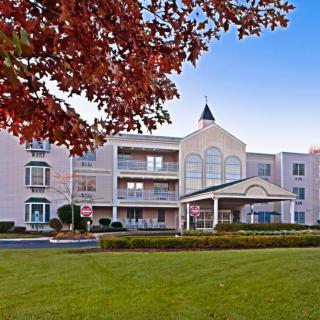
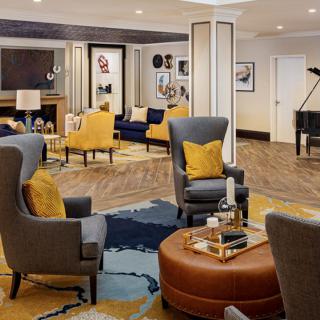
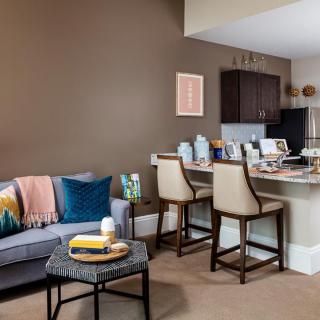
 Caring, responsive staff with strong rehab services in a clean, home-like environment.

 Comprehensive Insights into Palliative Home Care: What It Is and What to Expect
 Skilled Nursing Facilities vs. Nursing Homes: Making Sense of the Differences
 A Detailed Examination of Nursing Home Costs Across the U.S.