
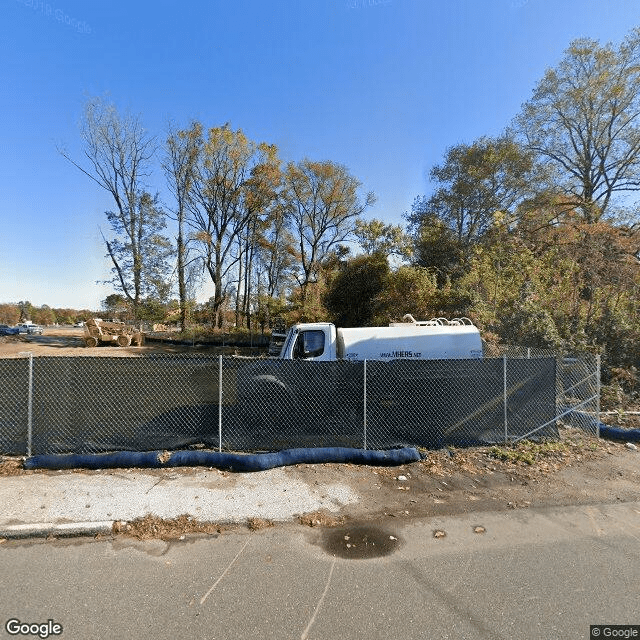
1801 Mt. Holly Road, Burlington, NJ 08016
To contact a resident: (609) 227-4433
For more information about senior living options: (866) 208-4318
Springside School Apartments Costs & Pricing
Springside School Apartments offers competitive pricing for both one-bedroom and two-bedroom units when compared to the broader market in Burlington County and the state of New Jersey. With a monthly rent of $673 for a one-bedroom apartment, Springside School provides a significantly more affordable option than the county average of $5,362 and the state average of $5,994. Similarly, for two-bedroom units priced at $818, residents can enjoy substantial savings compared to the Burlington County average of $3,858 and New Jersey's average of $6,216. This positioning not only emphasizes Springside's appeal as an economical choice but also highlights its commitment to providing quality living spaces within fiscal reach, making it a desirable option for prospective tenants seeking value without compromising on comfort.
| Floor plans | Springside School Apartments | Burlington County | New Jersey |
|---|---|---|---|
| 1 Bedroom | $673 | $5,362 | $5,994 |
| 2 Bedrooms | $818 | $3,858 | $6,216 |
Senior living communities with a similar price nearby
-
from +$46 / mo
Zurbrugg Mansion
$719 to $960 / month6.1 miles away -
from -$33 / mo

Tarditi Commons
$640 / month14.7 miles away -
from -$45 / mo
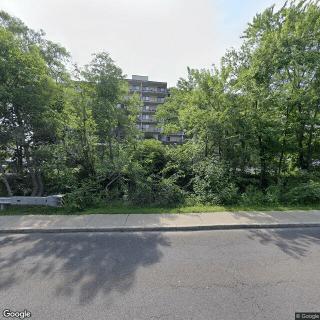
Center Square Towers
$628 to $796 / month23.8 miles away -
from +$27 / mo
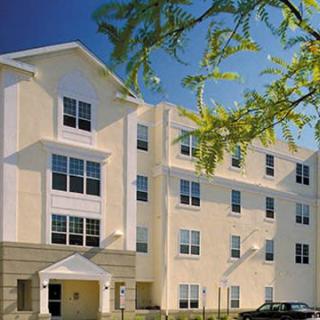
Maple Village
$700 to $2,240 / month17.6 miles away -
from +$23 / mo
Park View at Cheltenham
$696 to $850 / month16.1 miles away
Overall Review of Springside School Apartments
Pros
 It is an awesome place to live.
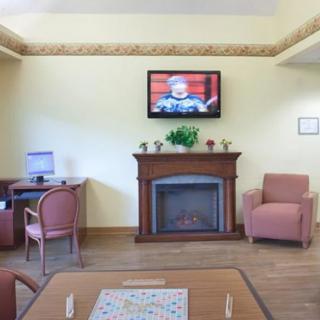
- It is clean and quiet, with a great multipurpose room and a small library for residents.
Cons
 They never went in.
- The client wanted to move because her rent increased by $600.
Review
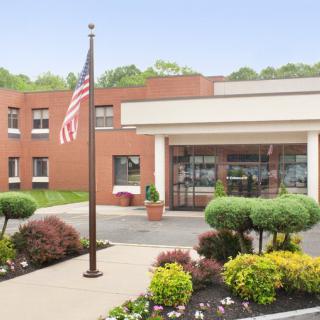
Springside School Apartments in Burlington, NJ is best suited for independent seniors who prize a clean, quiet living environment with straightforward, low-friction amenities. This community works well for residents who value a tidy, calm home base and enough social space to stay engaged without navigating a bustling, high-traffic campus. The practical appeal rests in a well-kept setting and simple infrastructure that supports daily routines, with a notable emphasis on predictable, comfortable living rather than a barnstorm of on-site services.
Those who may want to consider alternatives are seniors expecting robust assisted living supports, comprehensive meal plans, or a more active, resource-rich environment. The reviews sketch a picture of a modest, independent-oriented option rather than a full-service senior community. One reviewer did not personally tour the property, and another instance highlighted a rent increase tied to income, signaling that affordability and access to in-depth care or programming are worth scrutinizing. For residents who anticipate growing care needs, prefer a strong on-site activity calendar, or seek flexible pricing with tighter financial protections, a larger or more full-service community may be a better match.
The strongest positives are concrete and practical: cleanliness and quiet are consistently noted as core strengths, creating a low-stress backdrop for daily living. The presence of a well-utilized multi-purpose room and a small resident library adds tangible value, offering spaces for social clubs, gatherings, or quiet enrichment without requiring travel outside the complex. These features provide ongoing opportunities for connection and hobby engagement, which can be essential for long-term satisfaction in an apartment setting where daily life is the central focus.
The primary drawback centers on affordability dynamics. A resident’s account of a $600 rent increase driven by income growth highlights a potentially consequential financial exposure. On paper, tying rent to income can preserve fairness and align payments with earnings, but in practice it can create budgeting volatility, especially for fixed-income seniors or households with narrow margin. The offset depends on transparent, predictable rent adjustments, clear calculation methods, and any protections such as notice requirements or caps. Without those guardrails, higher income may paradoxically erode housing stability rather than enhance it.
From a decision-making standpoint, Springside offers a sensible option for households prioritizing simplicity, quiet, and practical gathering space over extensive on-site services. Families should weigh the value of the shared spaces against the risk of unexpected rent shifts. If stability and clarity around pricing are non-negotiable, it becomes essential to obtain detailed, written explanations of the lease terms, how income-based adjustments are computed, and whether there are subsidies or affordable-housing provisions available. Prospective residents should also evaluate whether transportation access, proximity to healthcare, and nearby conveniences align with current needs, given the community’s more modest service footprint.
In the end, Springside School Apartments deliver reliable, low-stress independent living with meaningful community spaces that support casual interaction and personal enrichment. The bottom line is clear: the appeal rests on a clean, quiet environment and practical amenities, balanced against potential affordability risk tied to income-based rent. Families evaluating options should demand a transparent rent structure, request concrete examples of how adjustments have been applied in the past, and arrange a personal visit to gauge how well management engages residents and fosters a sense of community. For those who value straightforward, comfortable independence and can navigate possible pricing shifts, Springside warrants serious consideration; for those needing robust daily care, predictable costs, or a more dynamic activity ecosystem, exploring alternatives is strongly recommended.
 Active Adult Communities (55+)
 Cats allowed
 Dogs allowed
 Activities on-site
 Indoor common areas
 Outdoor common areas
 Wheelchair accessible showers
 Trenton-Mercer County (15 miles away)
 Powerful Realities of Elder Abuse and the Most Effective Ways to Report It
 Ten Vital Duties of a Senior Caregiver: A Comprehensive Guide
 9 Stimulating Memory Activities for Seniors: Puzzles, Cards, and Much More