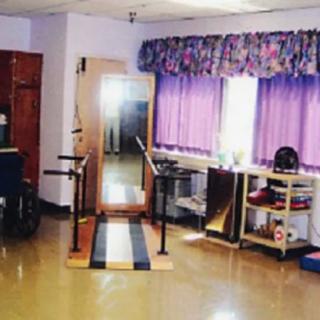
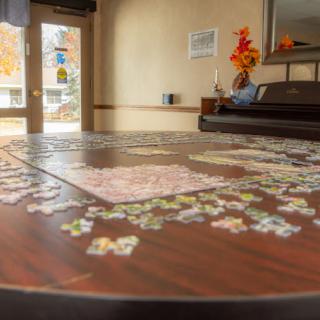
The Courville At Manchester

Save

  • Interior

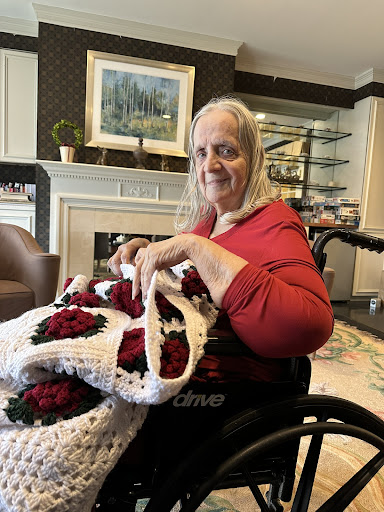
    An elderly woman in a wheelchair enjoys crocheting a beautiful blanket adorned with red roses.
  • Building

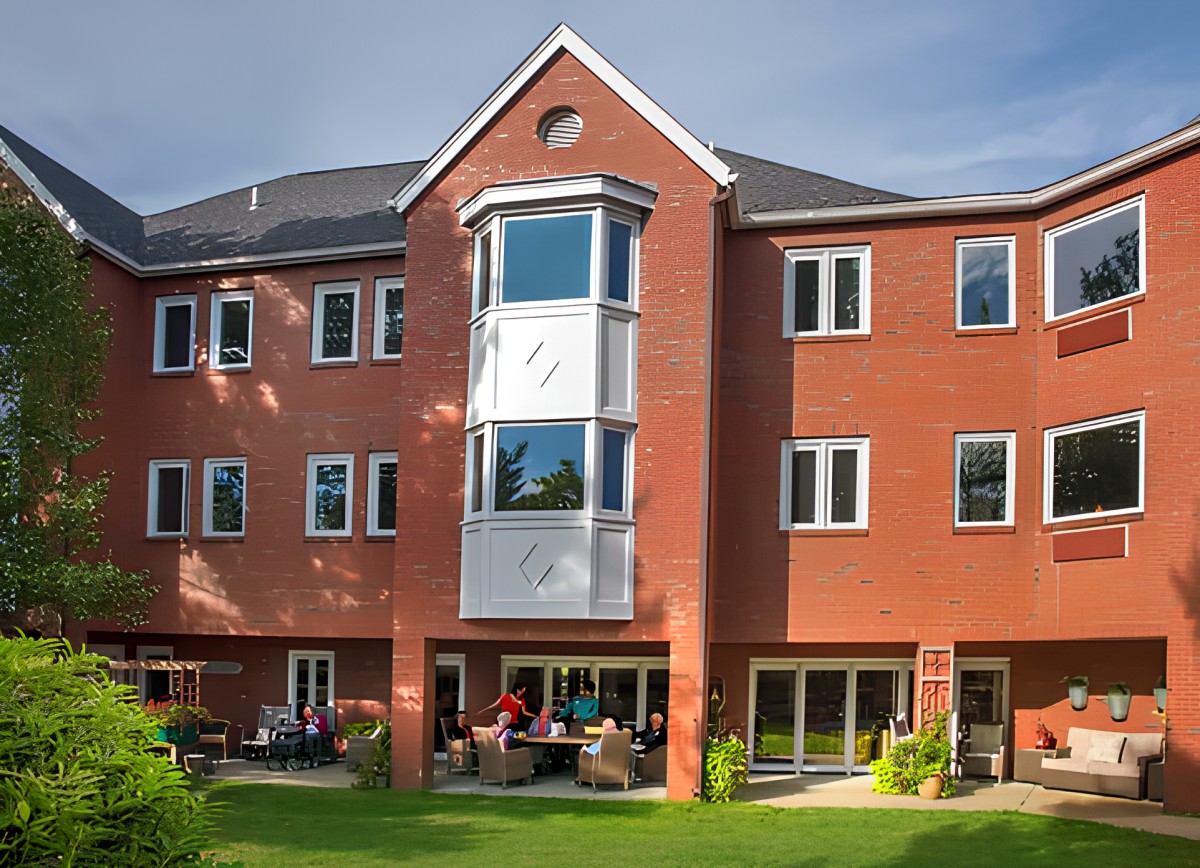
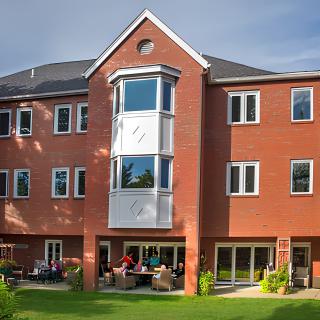
    A view of a red brick residential building with large windows and outdoor seating on the lawn.
  • Architecture

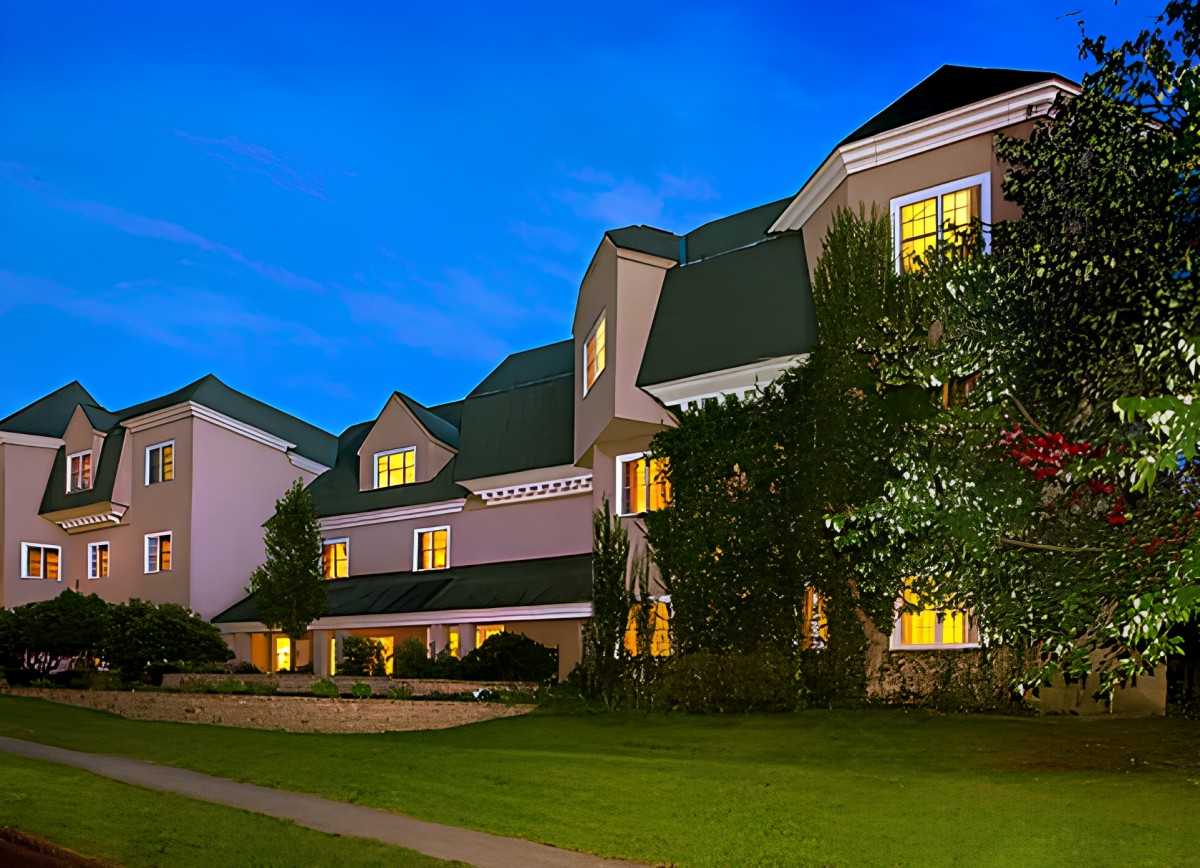
    A well-lit hotel building with illuminated windows, surrounded by greenery at night.
  • Trees

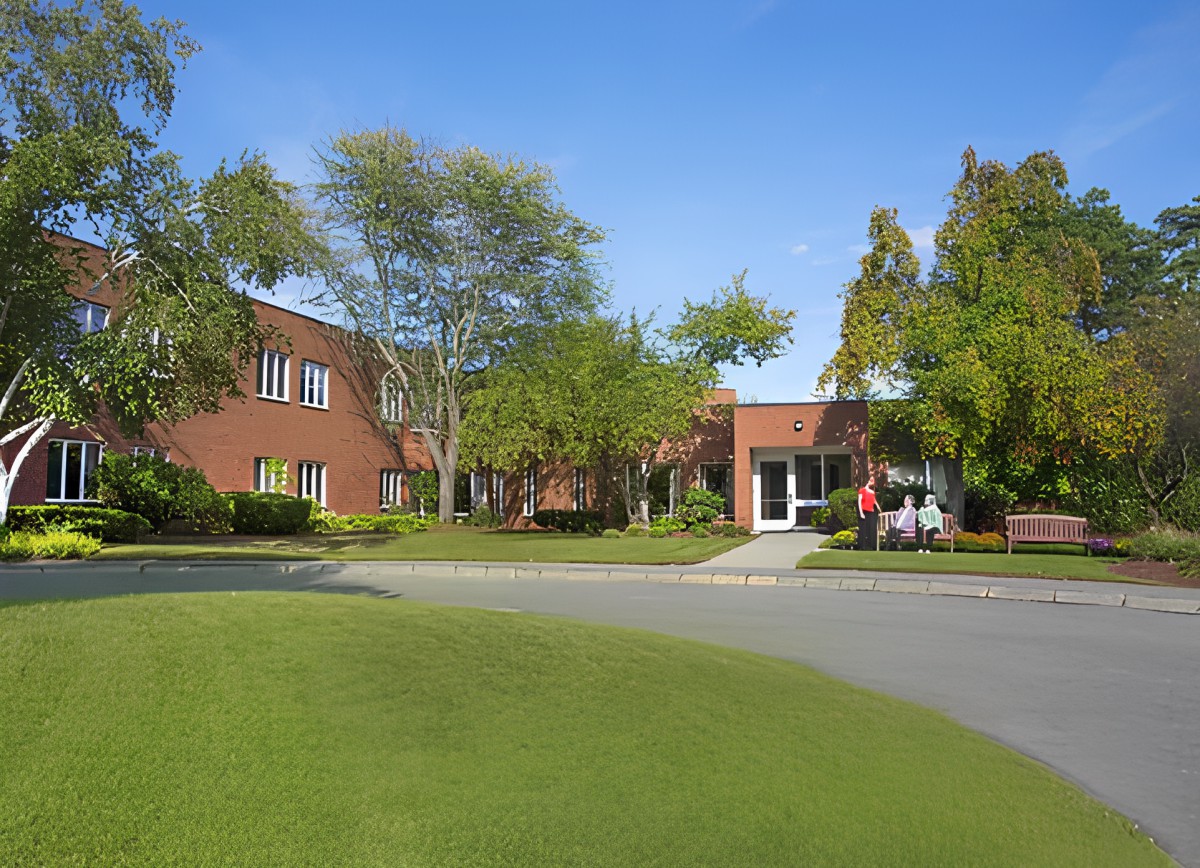
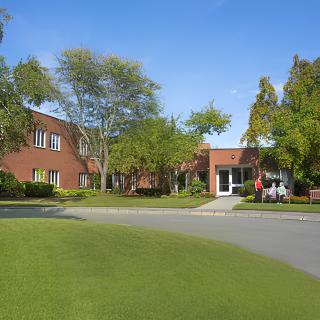
    A brick building surrounded by trees and grass on a sunny day.
  • Landscaping

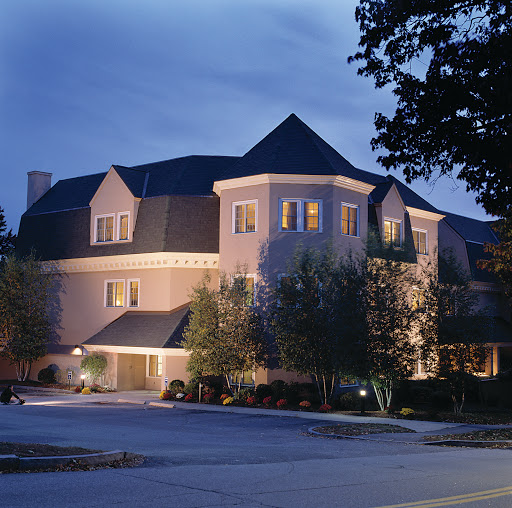
    A beautifully illuminated residential home at dusk, showcasing its charming architecture.
  • Wheelchair

    A senior individual in a black and yellow jacket seated in a wheelchair, enjoying the indoor environment.

The Courville At Manchester

Information last verified:

44 West Webster Street, Manchester, NH 03104

For more information about senior living options: (844) 490-3973

4.1 from 42 reviews
5 stars
29
4 stars
4
3 stars
1
2 stars
2
1 stars
6

Seniors.FYI Elite Community Awards

Top 5% Senior Living Community in 2019Top 5% Senior Living Community in 2025

Add this award to your website

Overall Review of The Courville At Manchester

Pros

  • pro The Courville staff provided exceptional care during rehab, making residents feel safe from day one.
  • pro The nurses were patient-focused, professional, and caring, with the PT/OT teams that were outstanding.
  • pro The building is beautiful and clean, with private rooms and a welcoming atmosphere.
  • pro The activities department encouraged socialization and helped residents stay engaged in meaningful programs.
  • pro Jen Pinard and the Courville team were praised for kindness, professionalism, and patience in guiding families through transitions.
  • pro Courville Manchester is described as the epitome of quality senior rehabilitation and care, with compassionate staff and reliable communication.
  • pro Rehab outcomes were frequently positive, with residents improving mobility and sometimes returning home walking unassisted.
  • pro Families consistently express gratitude for staff who treat residents like family and make them feel loved and cared for.

Cons

  • pro Courville of Manchester was not a great experience for the reviewer’s loved one after four years.
  • pro The facility is short-staffed, and even the nurses are worried.
  • pro The staff failed to follow the resident’s DNR order and CPR was performed.
  • pro Personal items such as eyeglasses and hearing aids went missing, with staff repeatedly saying they did not know what happened.
  • pro Injuries occurred and staff could not explain how they happened.
  • pro There is never staff in the common area supervising residents.
  • pro The medical staff gave medication that was not authorized.
  • pro The environment needs an upgrade and cleanliness is lacking, with carpets described as filthy.

Review

The Courville At Manchester is best suited for seniors who anticipate needing skilled nursing care with a strong rehabilitation focus after a hospital stay. The reviews consistently spotlight robust PT and OT programs, patient-centered nursing, and an active, social atmosphere that helps residents regain strength and confidence. For families prioritizing mobility restoration, discharge planning, and a home-like environment where staff-driven care blends with meaningful activities, this community delivers measurable benefits. It’s especially compelling for those who value a well-kept building, private rooms, and a care team that treats rehabilitation as a core mission rather than a peripheral service. In short, Courville Manchester is the pick if the goal is aggressive rehab with a caring, personable staff in a pleasant setting.

The major strengths revolve around rehab outcomes and the human touch. Multiple families credit therapists, nurses, and aides with personalized attention that translates into real gains, patients relearning to walk, gaining independence, and returning home with greater functional ability. Acknowledged case management helps coordinate inpatient goals with post-discharge in-home services, which reduces friction in the transition to home life. Administrative and activities staff are frequently cited for their empathy and availability, creating a welcoming daily rhythm that supports emotional well-being alongside physical recovery. The setting itself, clean, bright common spaces and private rooms, offers dignity and comfort that reinforce trust during recovery. For anyone whose priority is a high-quality, multidisciplinary rehab pathway, these elements form a solid core.

But the feedback on long-term care and everyday operations is more conflicted. A sizable cluster of reviews describe inconsistent experiences once rehabilitation ends or when long-term stays extend. Critics report lapses in cleanliness, infrequent assistance, and occasional shortages in staffing that leave residents waiting or unattended. Personal items going missing, missed meals, and questions about medication oversight surface in several accounts, along with troubling anecdotes about adherence to advanced directives and end-of-life wishes. The strongest objections come from families who stayed through lengthy periods and observed uneven care quality, with some staff appearing overwhelmed or disengaged. Taken together, these criticisms cannot be dismissed and warrant serious consideration for families weighing ongoing, non-rehab needs.

Those connecting the positives to the downsides will find that the rehab advantage can substantially offset some concerns, but not all. For a resident entering Courville primarily for short-term, outcome-driven rehabilitation, the strong therapy teams, discharge planning, and family-friendly culture can outweigh lingering worries about what happens beyond discharge. The facility’s beauty, the ability to host visitors, and the sense that staff care deeply about residents’ day-to-day happiness all contribute to a meaningful, home-like feel that cushions the impact of occasional operational gaps. Yet when the plan shifts from recovering to enduring care, the risk of understaffing, inconsistent routines, and cleanliness challenges becomes more consequential. Families must stay actively involved and prepared to push for timely, transparent responses to problems.

Because the Courtville Manchester experience can diverge so markedly between short-term rehab and long-term care, some families should particularly consider alternatives. If a loved one requires steady, around-the-clock oversight with airtight infection control and flawless housekeeping, or if there is a history of medical complexity that demands unwavering medical supervision, other facilities with a longer track record in sustained care may be a better match. Similarly, if prior experiences of high staff turnover, missed meals, or missing belongings caused significant distress during a loved one’s care, exploring competitors with stronger retention and robust zero-tolerance policies for safety gaps is prudent. The reviews clearly show a bifurcation: excellent rehab and warm relationships on one hand, and serious safety and consistency concerns on the other.

Practical decision guidance follows the logic of needs first. If rehabilitation outcomes and a caring, proactive care team are non-negotiable, Courville Manchester remains a compelling option, provided families maintain clear lines of communication, insist on detailed care plans, and monitor daily operations closely during the stay. Prospective residents should seek a tour that emphasizes therapy schedules, staff-to-resident ratios, and the facility’s approach to housekeeping, nutrition, and medication management. Engage administrators early about expectations for long-term care, incident reporting, and how the community handles safety concerns when they arise. This is a facility that can deliver remarkable recoveries and heartfelt care, but it requires decisive family involvement and a plan for ongoing oversight if long-term residency is anticipated. The Courville at Manchester can be a transformative choice for rehabilitation-focused families, yet it asks for vigilance on the part of those funding and guiding the care journey.

Features

Housing

  • 12 resident community capacity 12 resident community capacity

Types of Care

  • Assisted Living Assisted LivingAssisted living facilities provide crucial support and care for seniors who may need help with daily tasks such as medication management, bathing, and meal preparation. These communities offer a safe and comfortable environment where seniors can maintain their independence while receiving the assistance they need to thrive in their golden years.
  • Board and Care Home Board and Care HomeBoard and care homes provide a smaller, more intimate setting for seniors who require assistance with daily tasks but do not need the level of care offered by a nursing home. They offer personalized care, meals, and social activities in a homelike environment, ensuring that seniors receive individualized attention and support in their golden years.
  • Skilled Nursing Facility Skilled Nursing FacilitySkilled Nursing Facilities are crucial for seniors as they provide round-the-clock medical care, rehabilitation services, and assistance with daily activities. These facilities ensure that seniors receive the specialized care they need to maintain their health and well-being as they age.

Amenities

  • Activities on-site Activities on-siteActivities on-site are important for seniors because they provide opportunities for socialization, mental stimulation, physical activity, and overall well-being. Engaging in activities can help seniors stay active, maintain their independence, and improve their quality of life.
  • Beautician on-site Beautician on-siteHaving a beautician on-site at a senior living community is important for seniors as it allows them to easily access grooming and personal care services, boosting their self-esteem and overall well-being. It also provides convenience and helps seniors maintain their sense of independence and personal style.
  • Cable or satellite TV Cable or satellite TVCable or satellite TV is important for seniors because it provides entertainment, news, and companionship, helping to combat loneliness and boredom. It also offers a wide range of programming options tailored to different interests and preferences.
  • Devotional services off-site Devotional services off-siteDevotional services off-site are important for seniors as they provide spiritual nourishment, social engagement, and a sense of community outside of the senior living facility. This can enhance overall well-being and help combat feelings of isolation and loneliness often experienced by older adults.
  • Dining room Dining roomDining rooms are important for seniors as they provide a space for socialization, connection, and nutritious meals. They offer opportunities for residents to bond over shared meals, foster a sense of community, and promote healthy eating habits. Dining rooms also ensure that seniors have access to well-balanced meals tailored to their dietary needs and preferences.
  • Fully furnished Fully furnishedFully furnished senior living communities are important for seniors because they provide convenience, comfort, and a hassle-free moving experience. Seniors can easily settle into their new living space without the stress of having to buy and move furniture. This allows them to focus on enjoying their new home and community.
  • Garden GardenGardens are important for seniors as they provide a peaceful and therapeutic environment for relaxation, physical activity, and socialization. Being in nature has been shown to reduce stress, improve mood, and promote overall well-being. Gardens also offer opportunities for seniors to engage in gardening activities, which can improve mobility, flexibility, and cognitive function. Additionally, gardens create a sense of community and connection with others who share a passion for plants and outdoor spaces.
  • Housekeeping services Housekeeping servicesHousekeeping services are important for seniors because they help maintain a clean and safe living environment, promote independence, and reduce the risk of accidents or illnesses. Additionally, having assistance with household chores can alleviate physical strain and allow seniors to focus on other aspects of their well-being.
  • Indoor common areas Indoor common areasIndoor common areas are crucial for seniors as they provide a space for socialization, recreation, and community engagement, promoting overall well-being and reducing feelings of isolation and loneliness.
  • Laundry LaundryLaundry services are important for seniors as they may have difficulty with physical tasks such as bending, lifting, or carrying heavy loads. Having access to laundry services can help seniors maintain personal hygiene, cleanliness, and independence in their daily lives.
  • Move-in coordination Move-in coordinationMove-in coordination is important for seniors because it helps ease the transition into their new living environment. It ensures that all logistics, such as packing, organizing movers, and setting up utilities are taken care of, allowing seniors to focus on settling in and adjusting to their new home. Having a smooth move-in process can alleviate stress and anxiety, making the transition smoother and more enjoyable for seniors.
  • Outdoor space Outdoor spaceOutdoor spaces are important for seniors as they provide opportunities for physical activity, social interaction, exposure to natural light and fresh air, and a sense of connection to nature. Having access to outdoor spaces can improve overall well-being and quality of life for older adults living in senior communities.
  • Party space Party spaceHaving access to party space is important for seniors as it provides opportunities for socialization, connection, and enjoyment. These spaces allow seniors to celebrate special occasions, host gatherings with friends and family, and participate in community events, enhancing their overall well-being and quality of life.
  • Respite or short term stays offered Respite or short term stays offeredRespite or short term stays provide seniors with a temporary solution when their regular caregiver is unavailable, offering them the opportunity to receive additional care and support during times of need, while also giving caregivers a chance to rest and recharge.
  • Telephone TelephoneTelephones are important for seniors as they provide a lifeline for communication with loved ones, emergency services, and healthcare providers. They offer a sense of security and independence, enabling seniors to stay connected and access assistance when needed.
  • Wi-Fi/high-speed internet available Wi-Fi/high-speed internet availableWi-Fi/high-speed internet is important for seniors to stay connected with loved ones, access online resources, and participate in virtual activities to combat feelings of loneliness and isolation. It also allows them to easily manage healthcare needs, access entertainment, and engage in lifelong learning opportunities.

Transportation

  • Manchester (5 miles away) Manchester (5 miles away)
  • Transportation & parking Transportation & parkingTransportation and parking are vital for seniors as they offer access to essential services, activities, and social interactions. Reliable transportation options can help seniors maintain independence, stay connected within their community, and enjoy a higher quality of life. Additionally, convenient parking facilities ensure that seniors can easily access necessary resources and amenities without added stress or difficulty.

Care Services

  • 24-hour supervision 24-hour supervision24-hour supervision is important for seniors to ensure their safety, well-being, and access to immediate assistance in case of emergencies or health issues. This constant support provides peace of mind for both seniors and their loved ones, allowing them to age in place with dignity and security.
  • Activities of daily living assistance Activities of daily living assistanceActivities of daily living assistance are important for seniors because they provide essential support with tasks such as eating, bathing, dressing, and mobility. This assistance helps seniors maintain their independence, dignity, and overall quality of life as they age.
  • Ambulatory care Ambulatory care"Ambulatory care services provide essential medical support and treatment to seniors without requiring hospitalization, allowing them to maintain their independence and quality of life while managing chronic conditions or receiving routine medical care."
  • Assistance with bathing Assistance with bathingAssistance with bathing is crucial for seniors as it helps maintain personal hygiene, prevents infections, and ensures their overall well-being and comfort. It also provides a sense of dignity and independence for seniors who may struggle with this task on their own.
  • Assistance with dressing Assistance with dressingAssistance with dressing is important for seniors because it helps maintain their independence, promotes personal hygiene, prevents accidents and injuries, and improves overall quality of life. This service ensures that seniors can continue to dress comfortably and confidently, despite any physical limitations they may have.
  • Assistance with transfers Assistance with transfersAssistance with transfers is crucial for seniors as it helps prevent falls and injuries, maintains their independence, and ensures they can safely navigate their living environment. It also provides peace of mind for both seniors and their loved ones.
  • Coordination with health care providers Coordination with health care providersCoordination with health care providers is crucial for seniors to ensure proper medical care, medication management, and overall well-being. This collaboration helps prevent overlapping treatments, track progress more effectively, and provide comprehensive support tailored to individual needs.
  • Diabetes diet Diabetes dietA diabetes diet is crucial for seniors as it helps manage blood sugar levels, reduce risks of complications, and improve overall health and well-being. By following a balanced and nutritious diet tailored to their specific needs, seniors can better control their diabetes and enhance their quality of life.
  • Diabetic care Diabetic careDiabetic care is crucial for seniors as they are more susceptible to developing diabetes due to aging and other health conditions. Proper management of diabetes can help prevent complications such as heart disease, vision loss, and nerve damage, improving the overall quality of life for seniors in senior living communities.
  • Meal preparation and service Meal preparation and serviceMeal preparation and service are crucial for seniors as they may have limited mobility or energy to cook nutritious meals. Having access to healthy and convenient food options can ensure they are getting the proper nutrition needed to maintain their overall health and well-being.
  • Medication management Medication managementMedication management is crucial for seniors to ensure they are taking the right medications at the correct dosages and times. This helps prevent adverse drug interactions, reduces the risk of medication errors, and promotes overall health and well-being. Proactive management also allows for adjustments as needed based on changing health conditions or new prescriptions.
  • Physical therapy Physical therapyPhysical therapy is essential for seniors to maintain and improve their mobility, strength, and overall quality of life. It helps reduce pain, prevent falls, and enhance independence in daily activities. By promoting movement and function, physical therapy can help seniors stay active, healthy, and engaged in their communities.
  • Special dietary restrictions Special dietary restrictionsSpecial dietary restrictions are important for seniors because age-related changes in metabolism and health conditions can make it difficult for their bodies to process certain foods. By following a diet tailored to their specific needs, seniors can maintain their overall health and well-being, manage chronic conditions, and reduce the risk of complications such as malnutrition or food interactions with medications.
  • Transportation arrangement (medical) Transportation arrangement (medical)Transportation arrangements for medical purposes are essential for seniors as they may have difficulty driving themselves to appointments or accessing public transportation. Having reliable and safe transportation options ensures that seniors can receive timely medical care and maintain their health and well-being.
  • Transportation to doctors appointments Transportation to doctors appointmentsTransportation to doctors' appointments is crucial for seniors as it ensures they have access to necessary medical care and support for their health needs. Without reliable transportation, seniors may struggle to attend important appointments, leading to potential delays in treatment and health complications. Providing transportation services helps seniors maintain their overall well-being and quality of life.

Dining

  • Diabetes diet Diabetes dietA diabetes diet is crucial for seniors as it helps manage blood sugar levels, reduce risks of complications, and improve overall health and well-being. By following a balanced and nutritious diet tailored to their specific needs, seniors can better control their diabetes and enhance their quality of life.
  • Meals provided Meals provided"Meals provided" are crucial for seniors in assisted living communities as it ensures they have access to nutritious, balanced meals without the stress of meal planning and preparation. This can help promote overall health and well-being for seniors who may have limited mobility or cognitive abilities.
  • Room service Room serviceRoom service is important for seniors in a senior living community because it provides convenience and allows them to have their meals delivered directly to their room. This can be especially beneficial for seniors who may have mobility issues or difficulty accessing the dining area. Room service ensures that seniors are able to receive nutritious meals without having to navigate through the facility, allowing them to maintain their independence and overall well-being.
  • Special dietary restrictions Special dietary restrictionsSpecial dietary restrictions are important for seniors because age-related changes in metabolism and health conditions can make it difficult for their bodies to process certain foods. By following a diet tailored to their specific needs, seniors can maintain their overall health and well-being, manage chronic conditions, and reduce the risk of complications such as malnutrition or food interactions with medications.

Activities

  • Activities on-site Activities on-siteActivities on-site are important for seniors because they provide opportunities for socialization, mental stimulation, physical activity, and overall well-being. Engaging in activities can help seniors stay active, maintain their independence, and improve their quality of life.
  • Community-sponsored activities Community-sponsored activitiesCommunity-sponsored activities are important for seniors as they provide opportunities for social interaction, mental stimulation, and physical activity. These activities can help improve overall well-being, combat loneliness and isolation, and promote a sense of belonging and purpose among older adults.
  • Devotional activities offsite Devotional activities offsiteDevotional activities offsite are important for seniors because they provide social engagement, spiritual growth, and a sense of community outside of their living environment. This can improve overall well-being, mental health, and combat feelings of isolation or loneliness.
  • Religious services Religious servicesReligious services provide seniors with a sense of community, support, and spiritual fulfillment, which can improve their overall well-being and mental health. It also offers them opportunities for socialization and connection with others who share their beliefs.
  • Scheduled daily activities Scheduled daily activitiesScheduled daily activities are important for seniors because they provide structure, socialization, mental stimulation, and physical activity. Engaging in regular activities can improve overall well-being and quality of life for seniors living in a community setting.

Languages Spoken

  • English EnglishEnglish is important for seniors as it allows them to communicate effectively with healthcare providers, understand important information related to their health and medications, stay connected with loved ones, and engage in social activities within their communities. It also opens up opportunities for lifelong learning and intellectual stimulation.

Description

The Courville At Manchester is an assisted living community located in the vibrant city of Manchester, NH. Our community offers various types of care including board and care home services as well as skilled nursing facility options.

Residents at The Courville At Manchester enjoy a wide range of amenities to ensure their comfort and convenience. Each room is fully furnished and equipped with cable or satellite TV, telephone, and Wi-Fi/high-speed internet access. Our community also features a dining room where residents can enjoy delicious meals prepared by our skilled staff. Housekeeping services and laundry facilities are available to maintain cleanliness and order in the living spaces.

To promote an active and engaging lifestyle, we offer numerous activities for residents to participate in daily. From scheduled daily activities to religious services, our community aims to cater to the diverse interests and preferences of our residents.

Our dedicated staff provides comprehensive care services that include assistance with daily living activities such as bathing, dressing, and transfers. We also coordinate with healthcare providers to ensure appropriate medical management and transportation arrangements for medical appointments.

In terms of local amenities, The Courville At Manchester benefits from its proximity to several cafes, parks, pharmacies, physicians' offices, restaurants, places of worship, theaters, and hospitals. This allows residents to easily access necessary resources and entertainment options within the surrounding areas.

The Courville At Manchester strives to provide a supportive environment where seniors can experience personalized care while maintaining their independence.

Nearby Places of Interest

Physicians

  • Northeast Dermatology Associates, PC (0.3 miles)
  • Amoskeag Primary Care (0.3 miles)
  • PTU Lab & Technology Solutions (0.3 miles)
  • Child Health Services (0.7 miles)
  • Diabetes Resource Center CMC (1 miles)
  • Anesthesia Care Group PC (1.1 miles)
  • Jessica G. Clem, MD, MPH (1.1 miles)

Pharmacies

  • Rite Aid (0.3 miles)
  • Genoa Healthcare (0.4 miles)
  • Rite Aid (0.5 miles)
  • Rite Aid (1 miles)
  • Hannaford Pharmacy (1.4 miles)
  • Walgreens (1.9 miles)
  • Walgreens (1.9 miles)

Restaurants

  • Fratello's Italian Grille (0.5 miles)
  • Puritan Ice Cream & Take Out (0.7 miles)
  • Puritan Backroom Restaurant (0.7 miles)
  • The Wild Rover (0.9 miles)
  • Cotton (0.9 miles)
  • Buba Noodle Bar (0.9 miles)
  • Red Arrow Diner (0.9 miles)

Parks

  • Stark Park (0.6 miles)
  • Donati Memorial Park (5.8 miles)
  • Nuthin' But Good Times (7 miles)

Hospitals

  • Catholic Medical Center (1.1 miles)
  • Elliot Hospital (2.1 miles)
  • Elliot Hospital Surgical Day Care (2.1 miles)
  • Bedford Ambulatory Surgical Center (3.2 miles)
  • Marketing Initiatives (3.8 miles)

Theaters

  • Cinemagic Hooksett (2.8 miles)

Cafes

  • Panera Bread (3 miles)
  • Starbucks (3.4 miles)
  • Starbucks (3.4 miles)
  • Starbucks (3.5 miles)
  • Pressed Cafe (4.4 miles)
  • Starbucks (5.6 miles)
  • The Inside Scoop (5.7 miles)

Places of Worship

  • Manchester Christian Church (3.4 miles)

Transportation

  • Manchester-Boston Regional Airport (MHT) (5.6 miles)
  • Eastern Bank Business Center at Manchester Boston Regional Airport (5.6 miles)

Frequently Asked Questions

Where is The Courville At Manchester?
What photos are available for The Courville At Manchester in Manchester, New Hampshire?

Nearby Communities

  • Maxim Health Care Services

    Maxim Health Care Services

    Manchester, NH

    3.8 from 17 reviews
     

    pro 24/7 care with restaurant-style dining and engaging activities.
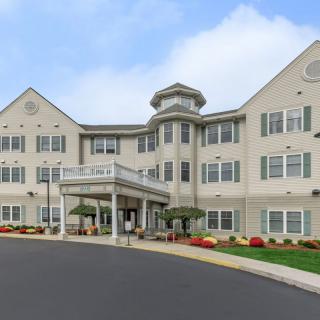
  • Meetinghouse at Riverfront

    Meetinghouse at Riverfront

    Manchester, NH

    4.5 from 35 reviews
    $3,504 to $3,960 / month

    pro Attentive staff in a clean, welcoming community with strong resident relationships.

  • Always There Senior Care

    Always There Senior Care

    Manchester, NH

    4.9 from 42 reviews
    $4,400 to $5,600 / month

    pro Private rooms with private baths, engaging activities, inclusive dining, and convenient access to local services.

  • Interim Hlthcare Of The N East

    Interim Hlthcare Of The N East

    Manchester, NH

    3.9 from 17 reviews
     

    pro 24/7 care with ADL support and restaurant-style dining

  • Evergreen Place

    Evergreen Place

    Manchester, NH

    4.5 from 13 reviews
     

    pro Warm, home-like community with attentive staff, engaging activities, and strong dining and support services.

  • Washington Manor

    Washington Manor

    Manchester, NH

    5 from 1 review
     

    pro Personalized care in a small, intimate community with 24/7 supervision.

  • Maple Leaf Health Care Center

    Maple Leaf Health Care Center

    Manchester, NH

    4.1 from 53 reviews
     

    pro Caring staff with good communication and a clean environment.

  • Home Instead - Manchester,  NH

    Home Instead - Manchester, NH

    Manchester, NH

    4.8 from 45 reviews
     

    pro Compassionate, dedicated staff providing attentive, reassuring care.

  • Villa Crest Nursing & Retirement

    Villa Crest Nursing & Retirement

    Manchester, NH

    4.2 from 89 reviews
     

    pro Friendly staff and a clean, engaging environment with good rehab services.

Related Resources

  • assisted living vs memory careAssisted Living and Memory Care: Understanding Their Core Differences

    Assisted living provides moderate support for seniors seeking independence, while memory care offers specialized support for individuals with dementia or cognitive impairments through structured routines and trained staff. Key differences include care approaches, environment security measures, staff training levels, activity types, and cost considerations.

  • assisted living activitiesBeyond the Bingo Hall: 50+ Enriching Activities for Seniors in Assisted Living

    Assisted living communities offer diverse activities beyond traditional games to enhance seniors' physical health, cognitive well-being, emotional enrichment, and social connections, including fitness classes, creative expression, and intergenerational interactions. These enriching programs foster community bonds and support residents' independence and happiness.

  • assisted living vs memory careUnderstanding the Distinctions: Assisted Living and Memory Care Explained

    The article differentiates between assisted living and memory care, explaining that assisted living supports seniors with daily activities while promoting independence, whereas memory care provides specialized services for individuals with dementia, focusing on secure environments and cognitive support. It also addresses staff training, safety considerations, costs, family involvement, and transition strategies for families navigating these care options.