
40 Pleasant Street, Concord, NH 03301
For more information about senior living options: (866) 208-4318
Overall Review of Pillar House Crisis Apts
Pros
 They understand that things will happen.
- They have nothing but good things to say about them.
- They are very friendly, day or night.
- Fellowship Housing is full of people who genuinely care about all their residents and tenants.
- They are very caring.
Cons
 Someone has an infestation in their apartment and is afraid to tell staff, fearing clients will be blamed for "things" that happen.
- Residents don't feel comfortable reporting issues to staff.
Review
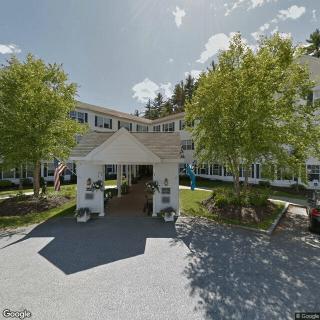
Pillar House Crisis Apts in Concord, NH is best suited for seniors or adults in a temporary or transitional crisis who want a small, human-scale setting where staff are accessible around the clock and practical kindness matters as much as policy. Reviews consistently point to a culture that understands things will happen and responds with steady, attentive care. The standout examples, Kerry and Herb, are highlighted as reliable, approachable anchors who make residents feel seen and protected in stressful moments. This is not a place for those chasing a glossy, expansive campus; it is a compact, responsive community built to handle acute needs with genuine warmth.
Alternatives are worth considering for residents who prioritize a transparent, non-punitive system for reporting problems and a plan to address issues quickly and publicly. The strongest warning in the feedback is a sense of fear among residents about reporting concerns, specifically around an infestation, because some fear blame or retaliation. That dynamic suggests a culture where open communication isn’t as robust as it should be. Families who require clear, escalation-driven processes, more formal pest-control responsiveness, or a setting where mistakes are not stigmatized may find larger, more structured assisted-living options a better fit.
The positives, genuine care, a consistently friendly staff, and around-the-clock availability, do offset some of the risk, but not perfectly. When staff anticipate that problems will arise, they can provide reassurance and prompt, practical help that reduces anxiety and stabilizes routines. The sentiment of care is reinforced by a sense that residents are not abandoned during a rough patch. Still, those advantages are tempered by the fear of reporting issues, which undercuts trust and can delay remediation if not addressed by a clearly communicated, non-blaming process.
The most explicit drawback is the culture around reporting. The infestation episode, described as a situation where residents were hesitant to come forward due to potential blame, points to a systemic vulnerability. This is not simply about warmth from staff; it touches on safety and maintenance transparency. In a setting designed to support vulnerable adults, that gap, between goodwill and a reliable, resident-centered reporting framework, matters. Families should assess whether a non-punitive, clearly defined path for raising concerns is actively practiced and consistently reinforced.
In practical terms, the positives carry real weight for families prioritizing companionship and reassurance. The broader Fellowship Housing ethos, many reviewers describe staff as genuinely caring across the board, offers a supportive atmosphere that matters during transitions or crises. For residents who thrive on steady relationships with caregivers and who value personal warmth in addition to basic daily support, Pillar House can be a lifeline. Yet the risk of under-reported maintenance issues remains a decisive caveat, unless the management demonstrates a robust, stigma-free reporting and remediation framework.
Bottom line: Pillar House Crisis Apts serves best when the priority is a small, hospitable environment where staff care deeply and are reliably available, and where a crisis can be navigated with personal attention. It may be less suitable for families needing aggressive, transparent issue-tracking and rapid remediation in a clearly non-blaming culture. Prospective residents should visit with a focused checklist: how are concerns raised, tracked, and resolved; what steps are taken when infestations or other problems occur; and how is staff accountability maintained to ensure residents never hesitate to speak up. For some families, this is precisely the human-centered setting sought; for others, alternatives with stronger maintenance transparency and escalation clarity will be the prudent choice.
 4 resident community capacity
 Assisted Living
 Cable or satellite TV
 Dining room
 Fully furnished
 Garden
 Housekeeping services
 Move-in coordination
 Outdoor space
 Telephone
 Wi-Fi/high-speed internet available
 Manchester (19 miles away)
 24-hour supervision
 Activities of daily living assistance
 Assistance with bathing
 Assistance with dressing
 Assistance with transfers
 Diabetes diet
 Meal preparation and service
 Medication management
 Special dietary restrictions
 Transportation arrangement (medical)
 Transportation to doctors appointments


 8 Key Indicators That Suggest It May Be Time to Transition from Assisted Living to Skilled Nursing Care
 Vibrant Senior Living: A Comprehensive Guide for Active Older Adults
 When to Transition from Assisted Living to Memory Care: Key Indicators, Steps, and Finding the Right Community