
11 Chesley Street, Concord, NH 03301
For more information about senior living options: (866) 208-4318
Overall Review of Fellowship House
Pros
 Residents have nothing but good things to say about the staff.
- Kerry and Herb are described as very friendly, day or night.
- Fellowship Housing is full of people who genuinely care about all residents and tenants.
- The staff are very caring people.
Cons
 Someone has an infestation in their apartment.
- They are afraid to let staff know due to clients being blamed for "things" that happen.
- Residents don’t feel comfortable reporting things to staff.
Review
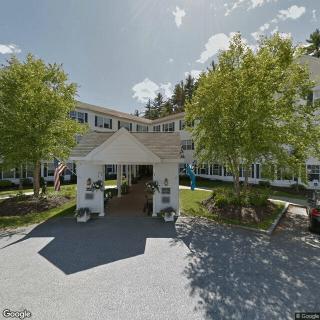
This community is best suited for independent seniors and adults who want a warm, neighborly, small-house atmosphere in Concord with a simple, human-scale approach to daily living. It appeals to residents who value direct access to staff, practical help on a hands-on basis, and a sense that caregivers know their names and routines. The culture leans toward personal attention, with a live-in or on-site staff dynamic that feels approachable night and day. Families seeking a calm, low-stress environment where relationships with caregivers matter as much as services will find Fellowship House a dependable fit. It is not a sterile, impersonal facility; it’s a social, resident-centered setting where everyday kindness from staff and neighbors can make a meaningful difference in quality of life.
However, this is not a one-size-fits-all option. Those who need rigorous safety protocols, transparent incident reporting, or robust pest management should seriously compare alternatives. The reviews flag a troubling dynamic: an infestation in a resident’s apartment and a culture where reporting issues is perceived as risky because blame could fall on the residents. That atmosphere can undermine safety and peace of mind, especially for those with medical needs or a heightened sensitivity to environmental issues. If clean lines of accountability, quick bug control, and environments where concerns are openly welcomed rather than concealed are priorities, other communities might deliver more assurance. Consider whether the staff’s personal warmth compensates for these potential governance gaps.
On the upside, the core strength lies in the people. The staff is described as genuinely caring, with particular note of individuals like Kerry and Herb who are accessible around the clock. Members of the Fellowship House community report that caregivers understand that problems will arise, and they respond with patience and steady support rather than frustration. That kind of reliability matters deeply for residents who want a steady hand, predictable routines, and a sense that help is nearby when needed. The environment appears to cultivate real connection among residents as well, a factor that combats loneliness and fosters a practical, day-to-day comfort. In short, the human element here is the differentiator.
Yet the main drawback centers on safety culture and how issues are managed. The infestation incident indicates a potential gap in timely reporting and transparent resolution, which can leave residents feeling exposed and blamed rather than protected. Even with a highly affectionate staff, the possibility that problems won’t be escalated or investigators won’t take concerns seriously is meaningful. The presence of a 2-star review among otherwise strong ratings also signals that at least one resident experienced a process or environment that didn’t meet expectations. In a decision where health, safety, and accountability are non-negotiable, this risk cannot be ignored.
Pros and cons must be weighed against the resident’s needs. For families prioritizing warmth, daily kindness, and a community where neighbors know one another, Fellowship House delivers a compelling value. The same warmth can help residents stay engaged, reduce isolation, and maintain a comfortable pace of life. However, for those who require formalized oversight, rapid pest control, or a culture of open, blame-free reporting, the gaps suggested by the reviews may tip the balance toward alternative options. It may be worth requesting a detailed walk-through of procedures for pest management, complaint handling, and how staff are trained to respond to environmental concerns.
Decision-makers should enter visits with clear questions: How are pest issues tracked and resolved? What is the escalation path for complaints, and who bears accountability? How does the facility protect resident reporting from blame and retaliation? What medical and daily living services are included, and how are nights staffed? What are the actual response times for common requests? If the answers demonstrate transparent processes, dependable staffing, and ongoing opportunities for social connection, Fellowship House sits as a strong, practical choice. If not, families should consider alternatives that foreground safety protocols, formalized governance, and explicit resident protections, even if the warm, staff-led culture remains an important plus to weigh.
 12 resident community capacity
 Assisted Living
 Cable or satellite TV
 Dining room
 Fully furnished
 Garden
 Housekeeping services
 Move-in coordination
 Outdoor space
 Telephone
 Wi-Fi/high-speed internet available
 Manchester (19 miles away)
 24-hour supervision
 Activities of daily living assistance
 Assistance with bathing
 Assistance with dressing
 Assistance with transfers
 Diabetes diet
 Meal preparation and service
 Medication management
 Special dietary restrictions
 Transportation arrangement (medical)
 Transportation to doctors appointments


 Understanding Medicaid Coverage for Assisted Living: A Comprehensive Guide
 How and When Medicaid May Cover Assisted Living Costs
 A Detailed Exploration of Assisted Living Medicaid Waivers Across the United States