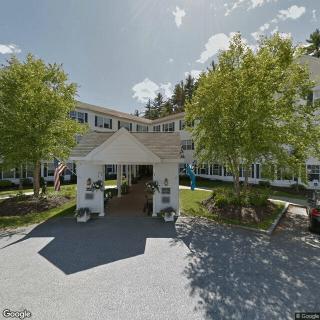
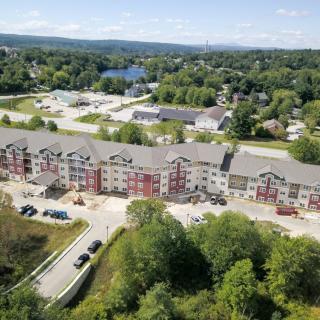
Yellow House is an assisted living community in Concord, NH.
Information last verified:
89 Pleasant Street, Concord, NH 03301
For more information about senior living options: (866) 208-4318
2.6 from 51 reviews
5 stars
19
4 stars
1
3 stars
1
2 stars
0
1 stars
30
Overall Review of Yellow House
caveat9 reviews mention this
Staffing and supervision concerns
Many reviewers describe insufficient supervision and staffing during care.
Several reviewers say residents went without timely help, especially outside normal coverage, with accounts ranging from call buttons going unanswered to aides not arriving. Others describe residents left in common areas or not being fully assisted after an incident, including reports of residents unattended in hallways. One reviewer also links day-to-day issues like odors and dirty conditions to ongoing staffing shortages, and another points to the rehab unit being under-staffed.
caveat5 reviews mention this
Medication and care timing issues
Reviews frequently mention missed or delayed medication and follow-through.
A number of reviewers report medication not being given as expected, including cases where morning meds were still outstanding at the time of a visit. Others describe delays in getting scheduled or requested meds, and one review says medication orders were not properly carried out. There are also accounts involving medication handling errors or near-misses that required outside questioning to correct.
caveat4 reviews mention this
Cleanliness and odor complaints
Multiple reviews describe cleanliness and odor problems.
Reviewers mention conditions they characterize as filthy, including sticky floors and an ongoing urine odor. Some describe dirty living spaces and unsanitary room conditions over time, alongside missing or poorly cared-for personal items. While a few reviewers mention their own rooms feeling clean earlier, at least one review still calls out cleanliness as an issue overall.
caveat5 reviews mention this
Communication and management responsiveness
Several reviewers say families struggled to get clear answers.
Some reviewers describe disorganized management and difficulties getting questions answered. Others say they experienced runarounds or a lack of communication from directors, with families not hearing back when they reached out. There are also accounts that nurses or supervisors avoided direct discussion when care concerns were raised, and at least one reviewer reports never receiving a promised callback from the care team.
common4 reviews mention this
Warm staff and positive impressions
Some reviewers describe caring, responsive staff and a welcoming atmosphere.
A smaller set of reviews highlight positive interactions, including quick responses to suggestions and concerns about a loved one’s care. Others describe being greeted promptly, seeing residents chat with staff, and feeling the environment was calm and peaceful. One reviewer specifically praises professional warmth, while another calls out best care in New Hampshire.
How we summarize
Counts show how many written reviews mention each theme; a review can touch several themes, and only frequently mentioned themes are displayed.
Features
Housing
9 resident community capacity
Types of Care
Assisted Living
Amenities
Cable or satellite TV
Dining room
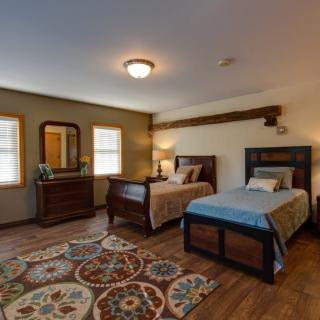
Fully furnished
Garden
Housekeeping services
Move-in coordination
Outdoor space
Telephone
Wi-Fi/high-speed internet available
Transportation
Manchester (19 miles away)
Care Services
24-hour supervision
Activities of daily living assistance
Assistance with bathing
Assistance with dressing
Assistance with transfers
Coordination with health care providers
Diabetes diet
Meal preparation and service
Medication management
Special dietary restrictions
Transportation arrangement (medical)
Transportation to doctors appointments
Dining
Diabetes diet
Special dietary restrictions
Activities
Community-sponsored activities
Scheduled daily activities
Nearby Places of Interest
This area of Concord, New Hampshire offers a convenient and bustling location with various amenities within close proximity. There are several dining options nearby, ranging from casual spots like Tucker's and Dos Amigos Burritos to more upscale choices like Hermanos Cocina Mexicana and The Barley House. Medical care is easily accessible with multiple physician offices and pharmacies in the vicinity, including Dartmouth-Hitchcock Concord Primary Care. Those looking for spiritual fulfillment will find St John The Evangelist Church nearby, while nature enthusiasts can explore parks like White Park and Grappone Park for outdoor leisure activities. Additionally, there are cafes such as Revelstoke Coffee for a cozy environment to relax or socialize. Healthcare services are readily available at Concord Hospital 5th Floor and Convenient MD Concord. With its blend of amenities and services, this area presents a desirable option for senior living in Concord.
Restaurants
Tucker's (0.3 miles)
Hermanos Cocina Mexicana (0.5 miles)
Dos Amigos Burritos (0.5 miles)
The Works Café (0.5 miles)
Cheers Grille & Bar (0.5 miles)
McDonald's (0.6 miles)
The Barley House (0.6 miles)
Physicians
Arvin Steve (0.4 miles)
Concord Otolaryngology Head & Neck Surgery Prof Association (0.5 miles)
Alliance Audiology (0.5 miles)
Dartmouth-Hitchcock Concord Primary Care at Pillsbury Street (0.7 miles)
Concord Obstetrics & Gynecology Prof Association (0.9 miles)
Kalnoki Kis Emese MD Emese Kalnoki, MD (0.9 miles)
Yellow House is located at 89 Pleasant Street, Concord, NH 03301 in Merrimack County, New Hampshire
Nearby Communities
Brick House
Concord, NH
4.8 from 22 reviews
All-in-one care with 24/7 supervision, medication management, meals with dietary options, and medical transport.
Bayberry House
Concord, NH
$4,535 / month
Affordable private accommodations with 24/7 supervision, meals, housekeeping, and convenient amenities (Wi?Fi, outdoor space, transportation for medical appointments).
Grey House
Concord, NH
2.2 from 5 reviews
Compact, fully furnished assisted living with extensive on-site care and amenities.
Twitchell House
Concord, NH
Small, personalized assisted living with comprehensive care, meals, and activities.
Pond Place East
Concord, NH
4 from 3 reviews
Comprehensive care (ADLs, meds, diabetes diet) with meals and care coordination.
Pond Place West
Concord, NH
4 from 3 reviews
Intimate assisted living with furnished units, on-site dining, 24/7 supervision, ADL support, medication management, and attractive outdoor spaces.
White Rock Senior Community
Bow, NH
3.9 from 73 reviews
$1,015 to $1,300 / month
Bright, well-maintained apartments with friendly staff and on-site amenities.
Hillsbrook Village at Allenstown
Allenstown, NH
4.8 from 24 reviews
$3,975 to $5,125 / month
Supportive, attentive staff in a clean, safe environment with engaging activities.
Pine Rock Manor
Warner, NH
4.2 from 79 reviews
$6,000 to $6,550 / month
Caring staff in a homey environment with memory-care programming.
The article examines the complexities of assisted living for individuals with disabilities, emphasizing the need for tailored care solutions that enhance quality of life and social inclusion, while addressing financial challenges and advocating for community integration. It discusses various housing options, the importance of financial assistance through public benefits, and highlights trends towards integrated and technology-driven solutions in disability-focused housing.
Assisted living for adults with disabilities has transformed to provide personalized care and support services aimed at improving residents' quality of life while balancing independence and assistance. However, low-income individuals often face challenges in affording these services, requiring navigation of various financial resources and advocacy for better policies and solutions.
Assisted living facilities provide support for older adults needing help with daily activities without extensive medical care, but their costs can be high and vary by location and services offered. Families often seek various funding options and financial strategies to manage these expenses effectively while considering future needs and potential price increases.
Get PricingAsk A QuestionSchedule A TourContact Senior Advisor
By clicking submit, you agree to our Partner's Terms of Use. You
also consent to receive calls and texts, which may be autodialed, from our Partner. Your consent is not a condition to
using our Partner's service. Please visit our Partner's Privacy Policy for information about their privacy practices.

 9 resident community capacity
 Assisted Living
 Cable or satellite TV
 Dining room
 Fully furnished
 Garden
 Housekeeping services
 Move-in coordination
 Outdoor space
 Telephone
 Wi-Fi/high-speed internet available
 Manchester (19 miles away)
 24-hour supervision
 Activities of daily living assistance
 Assistance with bathing
 Assistance with dressing
 Assistance with transfers
 Diabetes diet
 Meal preparation and service
 Medication management
 Special dietary restrictions
 Transportation arrangement (medical)
 Transportation to doctors appointments
 All-in-one care with 24/7 supervision, medication management, meals with dietary options, and medical transport.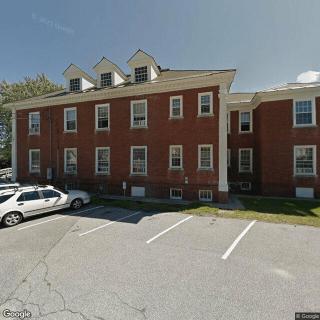
 Comprehensive Residential Support and Assisted Living Solutions for Individuals with Disabilities
 Comprehensive Supportive Living Arrangements for Adults with Disabilities
 Funding and Affording Assisted Living: A Thorough Overview