
91 Pleasant Street, Concord, NH 03301
For more information about senior living options: (866) 208-4318
Overall Review of Brick House
Pros
 The Birches features a beautiful building, superb staff, and an amazing audience.
- The staff and programming team are supportive and engaging, creating priceless moments for residents.
- The staff and administration are phenomenally compassionate, patient, and skilled.
- The Birches is one of the top facilities in the state, and its staff truly cares.
- The Birches provides a comfortable and restful experience for residents in their final months.
- The Birches has done a fantastic job taking care of families during the pandemic, with proactive measures and no resident positive cases.
- The staff are outstanding, caring, and residents are treated with dignity.
- The leadership team and compassionate staff provide a wonderful environment for residents living with memory loss.
- The Birches is an extremely special place that treats cognitive issues with dignity, compassion, positivity, and non-judgment.
Cons
 The reviewer believes it is not what it seems.
- They warn that even with overnight nursing and extra in-home staffing, a memory-impaired loved one cannot always be kept safe.
- They describe placing a loved one in someone else’s care as a brutal decision.
- They note that the cost is not inexpensive.
- They acknowledge it is not ideal to entrust a loved one’s care to someone else.
Review
The Birches at Concord is best suited for families seeking a memory-care focused living option in a deliberately intimate setting where residents are known by name and care plans are highly personalized. This community excels when a loved one requires focused cognitive-care, daily structure, and compassionate, patient staff who can maintain dignity while managing the realities of memory loss. It works well for families who value a small, homelike atmosphere with steady human connections, regular programming, and leadership that stays closely involved with both residents and their families.
Those considering alternatives are wise to evaluate needs beyond memory-specific care. For residents who require broader medical oversight, more extensive independent living options, or a lower-cost path, other facilities or larger campuses might be a better fit. The Birches is not positioned as a generic senior-living campus; its strength is specialized memory support, not a wide continuum of care or aggressively priced, high-volume services. If cost is a primary concern or if a loved one’s needs extend beyond cognitive care into complex medical management, exploring other options is a prudent step.
The strongest pros here offset the main drawbacks very clearly. The building’s beauty and the warm, capable staff create an environment where residents feel safe, engaged, and respected. The small size means staff personally know residents, monitor changes quickly, and tailor activities to individual interests. Family members consistently report extraordinary kindness, genuine concern, and a leadership team that communicates well, often providing biweekly updates that keep families informed and involved. In a memory-care setting, this combination of personal attention and expert care represents a meaningful value that often justifies the price.
Security and safety are well integrated into daily life, with thoughtful features that support independence while preventing risky situations. The facility’s emphasis on compassionate care is reinforced by dedicated leadership and a culture that treats residents with dignity and non-judgment. Families describe the staff as outstanding and the community as a place where even difficult transitions are handled with sensitivity. While no care arrangement is flawless, the balance of individualized attention, consistent staffing across shifts, and a focus on meaningful engagement makes the Birches a compelling choice for many families navigating memory loss.
From an operational standpoint, the Birches demonstrates effectiveness through routine, staff coverage, and programming aimed at cognitive stimulation. The memory-care focus is supported by multiple shifts seven days a week, reducing the likelihood of gaps in supervision. Dining is described as good, and activities are designed to be engaging rather than monotonous, contributing to a sense of normalcy and purpose for residents. The tight-knit staff culture translates into relationships that feel more like care from caring professionals than a clinical arrangement, which is often the decisive factor for families weighing emotional and practical needs.
The bottom line is practical and clear: The Birches at Concord represents a strong, well-regarded option for memory care in New Hampshire, one of the state’s notable facilities in this category. It is especially well-suited for families who expect a quiet, dignified environment where staff know each resident and respond with empathy and competence. It carries a price tag that reflects its specialized services, but families who prioritize quality of life, personalized attention, and proactive family communication typically find that the value aligns with their goals. For those with tighter budgets or broader care needs, it makes sense to tour a few alternatives to confirm the fit before making a final commitment. In the decision-making journey, a visit to the Birches, ask to meet the leadership team, observe staff-resident interactions, review a sample care plan, and sit in on a family update, will quickly reveal whether this intimate setting aligns with hopes for the loved one’s daily life.
 7 resident community capacity
 Assisted Living
 Cable or satellite TV
 Dining room
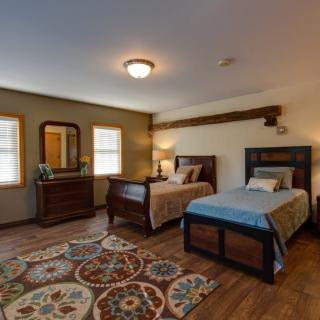
 Fully furnished
 Garden
 Housekeeping services
 Move-in coordination
 Outdoor space
 Telephone
 Wi-Fi/high-speed internet available
 Manchester (19 miles away)
 24-hour supervision
 Activities of daily living assistance
 Assistance with bathing
 Assistance with dressing
 Assistance with transfers
 Diabetes diet
 Meal preparation and service
 Medication management
 Special dietary restrictions
 Transportation arrangement (medical)
 Transportation to doctors appointments
 Senior Transition Services: Understanding Their Role, Cost, and Importance
 Exploring the Path to Senior Living: A Comprehensive Look at Independent Living and Assisted Living
 Is Assisted Living Deductible on Your Taxes? Understanding the Complexities of Assisted Living Expenses and Deductions