
35 Pleasant Street, Concord, NH 03301
For more information about senior living options: (866) 208-4318
Alternative Care at Home Costs & Pricing
When considering the costs associated with Alternative Care at Home, it's essential to analyze how they compare within Merrimack County and across New Hampshire. The monthly fee for a private room in an alternative care setting stands at $6,000. This rate surpasses both the county average of $5,145 and the state average of $5,170. Such a disparity indicates that while the services offered through Alternative Care at Home may provide additional benefits or amenities that justify the higher cost, potential clients should carefully weigh these factors against more affordable options available within the region.
| Floor plans | Alternative Care at Home | Merrimack County | New Hampshire |
|---|---|---|---|
| Private | $6,000 | $5,145 | $5,170 |
Assisted Living communities with a similar price nearby
-
from +$758 / mo

Carlyle Place
$6,758 to $9,703 / month17.2 miles away -
About the same

Granite Ledges Of Concord
$5,825 to $7,575 / month1.4 miles away -
from -$500 / mo
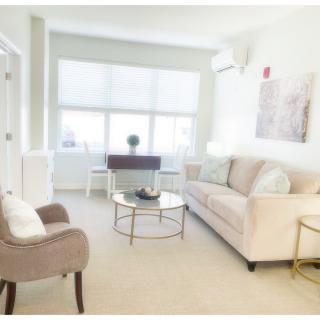
Bowman Place Of Olde Bedford
$5,500 to $8,550 / month16.8 miles away -
from -$700 / mo
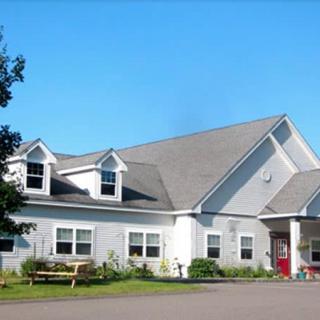
Inn At Deerfield
$5,300 / month14.9 miles away -
from +$235 / mo

Aware Recovery Care Of New Hampshire
$6,235 / month17.8 miles away
Overall Review of Alternative Care at Home
Pros
 In-Home provides wonderful and compassionate care for elderly in-laws who are in their 90s.
- The office staff are professional, caring, and provide open and prompt communication about care plans and billing.
- The caregiver goes out of her way to support the in-laws with laundry, housekeeping, and transportation to the store and library.
- The organization is highly recommended for quality and compassionate in-home support.
Review
Alternative Care at Home in Concord, NH is best suited for seniors who want to remain in their own home while receiving attentive, compassionate in-home support. This option serves older adults who need help with daily tasks, light housekeeping, laundry, and reliable transportation, yet do not require round-the-clock medical supervision or a community living setting. Families seeking clear, proactive communication from the office, and a dependable care team that can coordinate care plans and billing without friction, will find a practical, hands-on partner in this provider.
Those who should consider alternatives are primarily the ones aiming for a highly social environment with built-in activities, meals, and around-the-clock supervision. If care needs lean toward intensive skilled nursing, memory care, or a campus-style setting where residents share common spaces and participate in structured programs, an assisted living community or a memory-care-focused facility may deliver more comprehensive coverage. Additionally, if budget constraints or a preference for uninterrupted caregiver continuity over time are critical, it’s wise to compare plans that guarantee dedicated staff and predictable schedules.
The strongest pros center on genuine, person-centered care. The in-home workforce is described as wonderful and compassionate, with caregivers who go beyond basic tasks to assist with laundry, housekeeping, and transportation to stores or libraries. The office staff are noted as professional and caring, providing open, prompt communication on care plans and billing. This combination builds trust, reduces family stress, and often translates into a smoother day-to-day experience for a senior who values independence and familiar routines.
However, the in-home model carries practical considerations that families should weigh. Caregiver availability can introduce variability in scheduling and continuity, and the level of supervision will not match the constant oversight found in an institutional setting. For seniors who require extensive medical management, constant monitoring, or immediate access to emergency support, gaps may emerge. Social opportunities, though extended through community outings, cannot replicate the constant social fabric of a dedicated senior living campus, which means some isolation risk remains if outings are limited by caregiver schedules. Finally, cost and reimbursement structures can influence long-term viability, especially when home-based services escalate in intensity.
These pros do not merely offset the cons; they redefine the decision framework. The hallmark communication from the office and the caregiver’s practical generosity, handling laundry, housekeeping, and transportation, dramatically lowers the burden on family members and preserves autonomy for the senior at home. This alignment between staff reliability and personal warmth can make a crucial difference in daily quality of life, particularly for 90-something loved ones who prize routine and familiar surroundings. When care plans are well-documented and billing is transparent, the risk of hidden costs or misaligned expectations diminishes, making the home-care option feel predictable and sustainable.
In the end, this provider earns a confident recommendation for families prioritizing home-based living with dependable, compassionate hands on support. Alternative Care at Home is a strong fit for seniors who value staying in their own residence, rely on straightforward care plan management, and appreciate practical help that preserves independence. For those who require more social opportunities, constant 24/7 supervision, or highly specialized medical oversight, exploring assisted living or memory-care communities will likely yield a better fit. Prospective clients should directly compare caregiver continuity guarantees, who oversees care plans, the scope of services included, and the true monthly cost, ensuring the chosen path aligns with both current needs and anticipated changes in health or mobility.
 21 resident community capacity
 Assisted Living
 Beauty salon
 Cable or satellite TV
 Dining room
 Fully furnished
 Garden
 Housekeeping services
 Kitchenette
 Move-in coordination
 Outdoor space
 Restaurant-style dining
 Small library
 Telephone
 Wi-Fi/high-speed internet available
 Manchester (19 miles away)
 24-hour call system
 Activities of daily living assistance
 Assistance with bathing
 Assistance with dressing
 Assistance with transfers
 Diabetes diet
 Medication management
 Mental wellness program
 Special dietary restrictions


 Understanding Medicaid Coverage for Assisted Living: A Comprehensive Guide
 How and When Medicaid May Cover Assisted Living Costs
 A Detailed Exploration of Assisted Living Medicaid Waivers Across the United States