Oakey Assisted Living offers competitive pricing for its residents compared to both Clark County and the state of Nevada as a whole. For instance, a studio at Oakey is priced at $2,200 per month, significantly lower than the county average of $3,407 and the state average of $3,567. Similarly, the one-bedroom units at Oakey are available for $2,395 per month, which again provides substantial savings compared to Clark County's average of $3,346 and Nevada's overall average of $3,619. This makes Oakey Assisted Living an attractive option for individuals seeking quality care without straining their budgets in a market where costs can be quite high.
Floor plans
Oakey Assisted Living
Clark County
Nevada
Studio
$2,200
$3,407
$3,567
1 Bedroom
$2,395
$3,346
$3,619
Assisted Living communities with a similar price nearby
Residents and families frequently describe staff as caring and responsive.
Across many reviews, families say the team takes time to listen, helps residents with daily needs, and keeps families informed. Multiple reviewers also mention staff being friendly and treating residents with respect, with some describing quick follow-through when issues come up. A few residents note that responses and communication can vary depending on the situation, but the overall tone is that staff are present and supportive.
common10 reviews mention this
Clean, well-kept community
Reviews repeatedly call out the facility’s cleanliness and upkeep.
Several reviews describe the building as clean, with hallways and common areas kept tidy. Families also mention the facility feeling cared for and “fresh,” including frequent cleaning by staff. Even some mixed experiences still describe the community as clean, while a small number of reviews raise concerns about appearance and cleanliness during their visit.
common
Dining is a major focus
Food shows up often in reviews, with many calling it good.
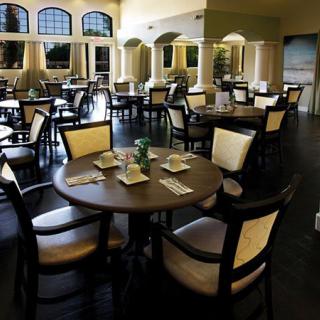
Many families say the meals are enjoyable, with comments about food quality and room-for-diet needs like special requests. Several also point to regular meal service and the dining experience as a positive part of day-to-day life. That said, a few reviews describe dining as inconsistent, with concerns about limited variety or freshness at times.
common
Activities keep residents engaged
Residents and families mention regular activities and entertainment.
Reviews frequently reference scheduled activities and outings, including things like live entertainment and games. Some families say their loved ones participated often and looked forward to events such as happy hour. A smaller number of reviewers question activity consistency, including concerns about whether the activity team shows up reliably.
caveat3 reviews mention this
Communication can be uneven
Several reviews raise problems with communication and follow-through.
Some reviewers report difficulty reaching the facility by phone or having calls handled appropriately. Others describe gaps in administration communication, including delays with documentation and concerns that updates between shifts weren’t consistent. While many reviews are positive about responsiveness, these negative notes specifically point to phone access and administrative handoffs as recurring weak spots.
caveat
Pricing feels lower, but can shift
Pricing is often described as competitive, with some warnings about changes over time.
Several families highlight affordability compared with other local options or say the value helped them choose the community. At the same time, a few reviews warn that costs can rise quickly when care needs increase, and that billing or overpayment handling can become stressful. Overall, reviews suggest the starting cost may feel manageable, but families should plan for how pricing may change as care levels shift.
How we summarize
We summarize when many written reviews mention each theme; a review can touch several themes, and only frequently mentioned themes are displayed.
Features
Housing
112 resident community capacity
1-bedroom apartments
Studio apartments
Types of Care
Assisted Living
Independent Living
Memory Care
Skilled Nursing Facility
Pets
Cats allowed
Dogs allowed
Amenities
Activities off-site
Activities on-site
Air-conditioning
Beautician on-site
Beauty salon
Cable or satellite TV
Computer center
Devotional services off-site
Devotional services on-site
Dining room
Fitness room
Fully furnished
Gaming room
Garden
Ground floor units
Handicap accessible
Housekeeping services
Indoor common areas
Kitchenette
Laundry
Move-in coordination
Outdoor common areas
Outdoor space
Private bathrooms
Resident parking
Respite or short term stays offered
Restaurant-style dining
Small library
Telephone
VA Benefits Consultation
Wellness center
Wheelchair accessible showers
Wi-Fi/high-speed internet available
Transportation
McCarran International (6 miles away)
Community operated transportation
Transportation & parking
Transportation arrangement
Care Services
24-hour call system
24-hour supervision
Activities of daily living assistance
Assistance with bathing
Assistance with dressing
Assistance with transfers
Diabetes diet
Diabetic care
High acuity care
Incontinence care
Meal preparation and service
Medication management
Special dietary restrictions
Walking wheelchair assistance
Dining
Diabetes diet
Guest meals
Low / no sodium
Meals provided
No Sugar
Professional chef
Restaurant style dining
Room service
Special dietary restrictions
Special dining programs
Vegetarian
Activities
Activities off-site
Art classes
Catholic services
Community-sponsored activities
Concierge services
Cooking classes
Day trips and outings
Devotional activities offsite
Devotional activities on-site
Educational speakers / life long learning
Fitness programs
Happy hour
Jewish services
Karaoke
Live musical performances
Live well programs
Planned day trips
Resident-run activities
Scheduled daily activities
Wine tasting
Languages Spoken
English
Nearby Places of Interest
This part of Las Vegas, Nevada offers a variety of amenities and services that may appeal to seniors looking for a convenient and vibrant community. With multiple pharmacies in close proximity, accessing medication and healthcare is convenient. There are also several dining options ranging from casual fast food to upscale restaurants, catered to different tastes. In terms of healthcare, there are urgent care facilities, hospitals, and specialized medical centers nearby providing comprehensive medical services. Additionally, public transportation options like the Las Vegas Monorail stations offer easy access to different parts of the city. For spiritual needs, there is a place of worship within a reasonable distance as well. Overall, this area provides a mix of convenience and accessibility for seniors looking to live comfortably in Las Vegas.
Pharmacies
Walmart Pharmacy (0.5 miles)
CVS Pharmacy (0.6 miles)
CVS Pharmacy (0.9 miles)
CVS Pharmacy (1.3 miles)
Walgreens (2.1 miles)
Walgreens (2.2 miles)
Walgreens (2.4 miles)
Restaurants
The Phoenix Bar & Lounge (0.7 miles)
The Golden Tiki (1.9 miles)
The Marketplace (2 miles)
McDonald's (2 miles)
Wendy's (2.1 miles)
Peppermill Inn (2.1 miles)
Tacos El Gordo (2.2 miles)
Cafes
Dutch Bros Coffee (0.8 miles)
Starbucks (1.9 miles)
Starbucks (2.4 miles)
The LINQ Hotel & Casino (2.7 miles)
Primrose (3.5 miles)
Hello Kitty Cafe (3.6 miles)
Physicians
Southwest Medical Rancho Urgent Care (1.2 miles)
Sunrise Hospital and Medical Center (3.5 miles)
Longford Medical Building (3.9 miles)
Nevada Orthopedic & Spine Center (3.9 miles)
Digestive Disease Specialists (4.2 miles)
Hope Cancer Care of Nevada (4.7 miles)
Nevada Spine Clinic (4.7 miles)
Transportation
Las Vegas Monorail - Sahara Station (2.3 miles)
Las Vegas Monorail - Harrah's/Quad Station (2.7 miles)
Oakey Assisted Living offers competitive pricing for its residents compared to both Clark County and the state of Nevada as a whole. For instance, a studio at Oakey is priced at $2,200 per month, significantly lower than the county average of $3,407 and the state average of $3,567. Similarly, the one-bedroom units at Oakey are available for $2,395 per month, which again provides substantial savings compared to Clark County's average of $3,346 and Nevada's overall average of $3,619. This makes Oakey Assisted Living an attractive option for individuals seeking quality care without straining their budgets in a market where costs can be quite high.
The array of services offered by Oakey Assisted Living is designed to support residents with dementia or Alzheimer's disease at every stage of their condition. With 24-hour supervision, trained staff can promptly respond to the unique needs and safety concerns that arise throughout the day and night, providing peace of mind for both residents and families. Assistance with activities of daily living, such as bathing and dressing, ensures that residents maintain their dignity while receiving the help they require. Support during transfers minimizes the risk of falls and injuries, which are common in individuals facing cognitive challenges. Incontinence care further addresses personal hygiene needs sensitively and discreetly, contributing to overall comfort. The meal preparation and service aspect promotes proper nutrition while accounting for dietary restrictions commonly associated with these diseases, enhancing physical well-being. Lastly, medication management helps ensure adherence to prescribed regimens, reducing the risk of confusion or missed doses that could significantly impact health outcomes. Together, these features create a comprehensive environment fostering autonomy while ensuring safety and care tailored to individual needs.
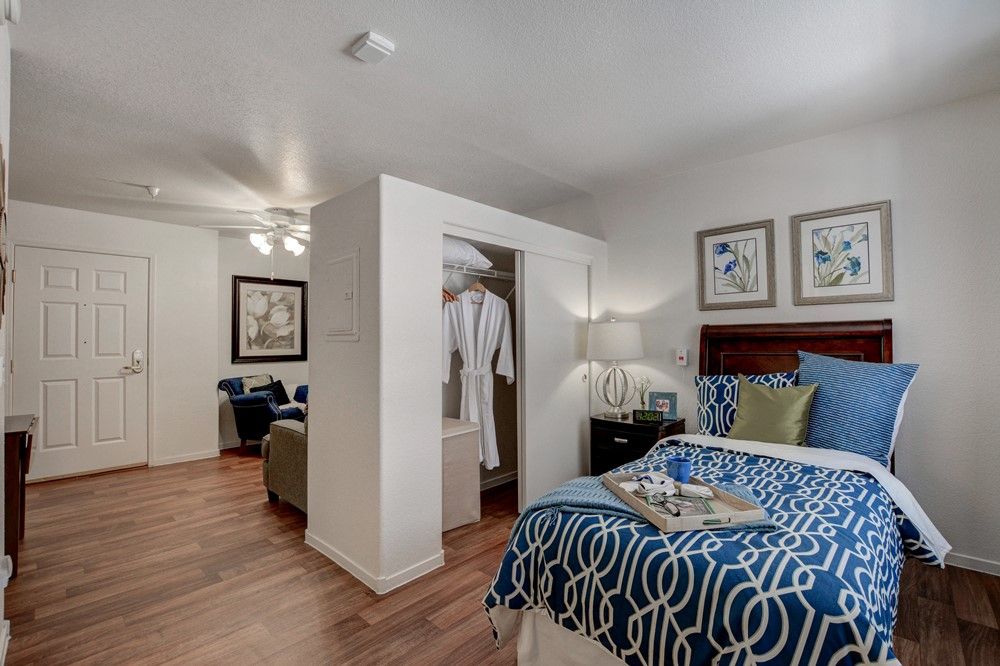
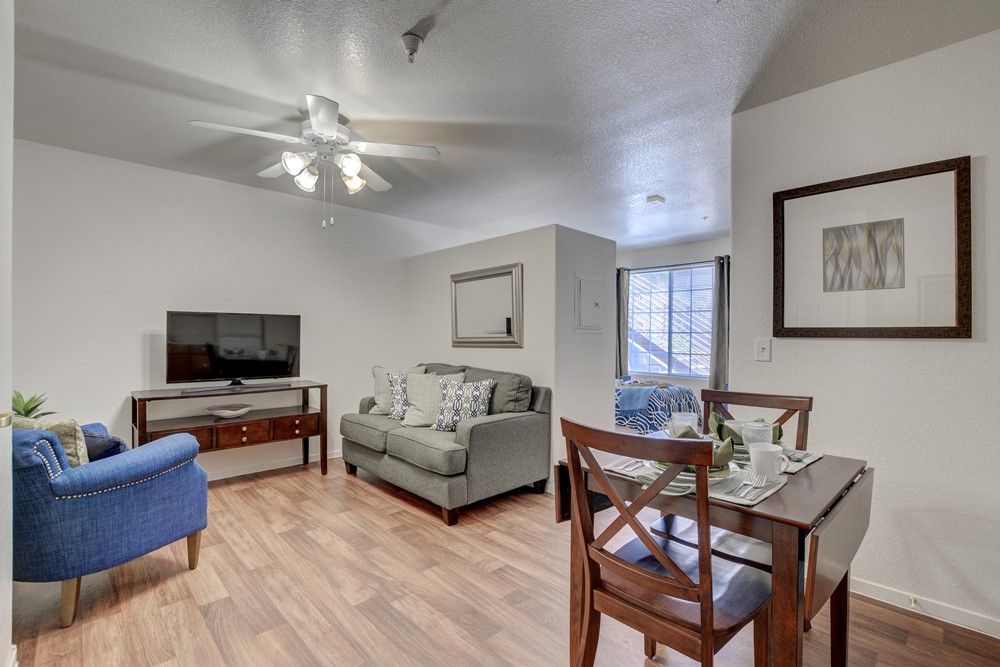
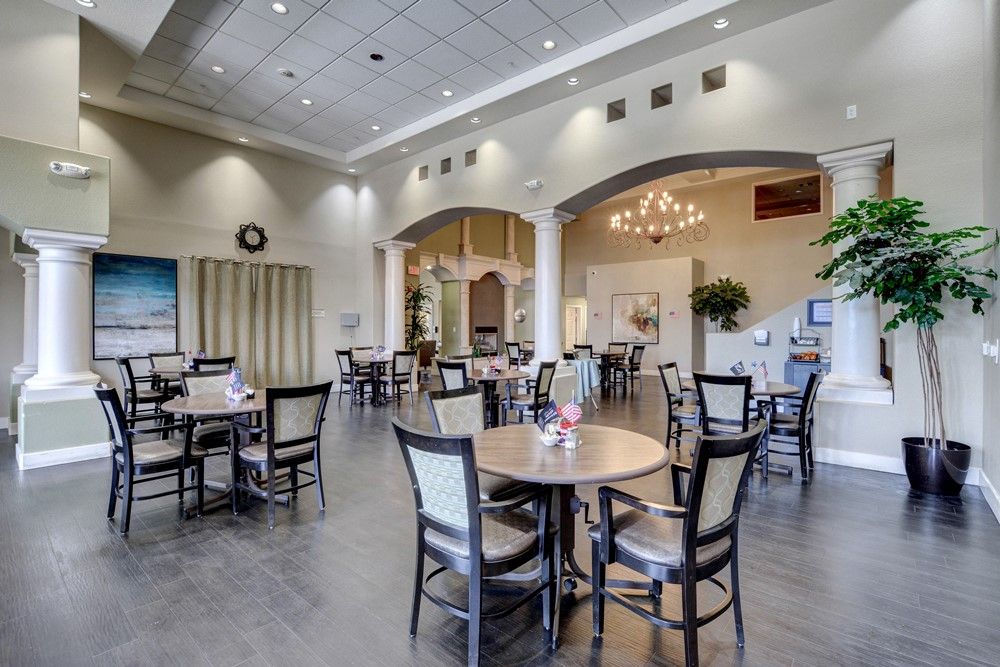
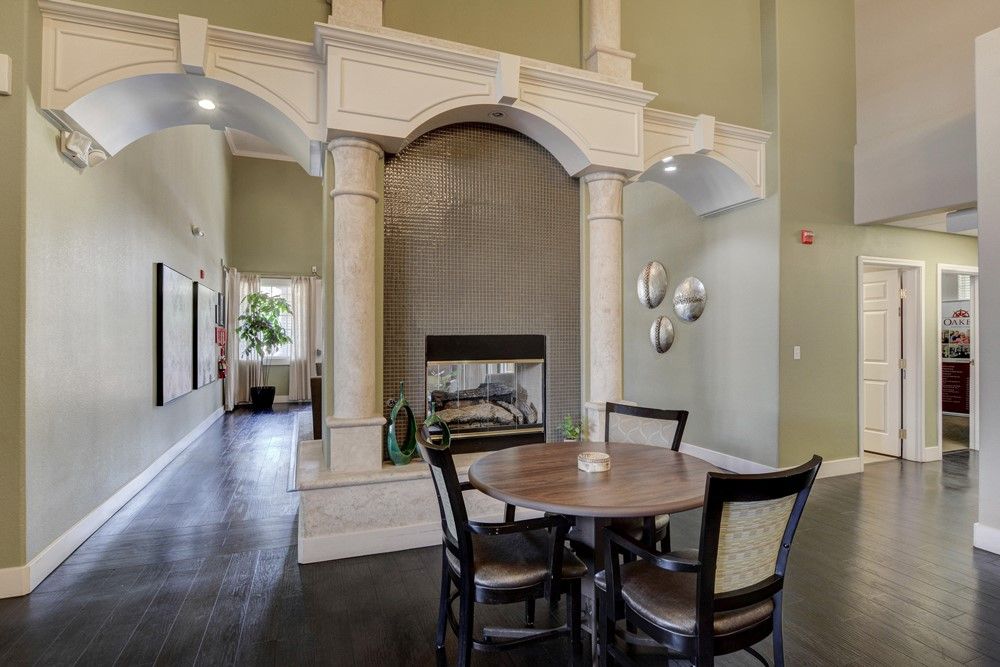
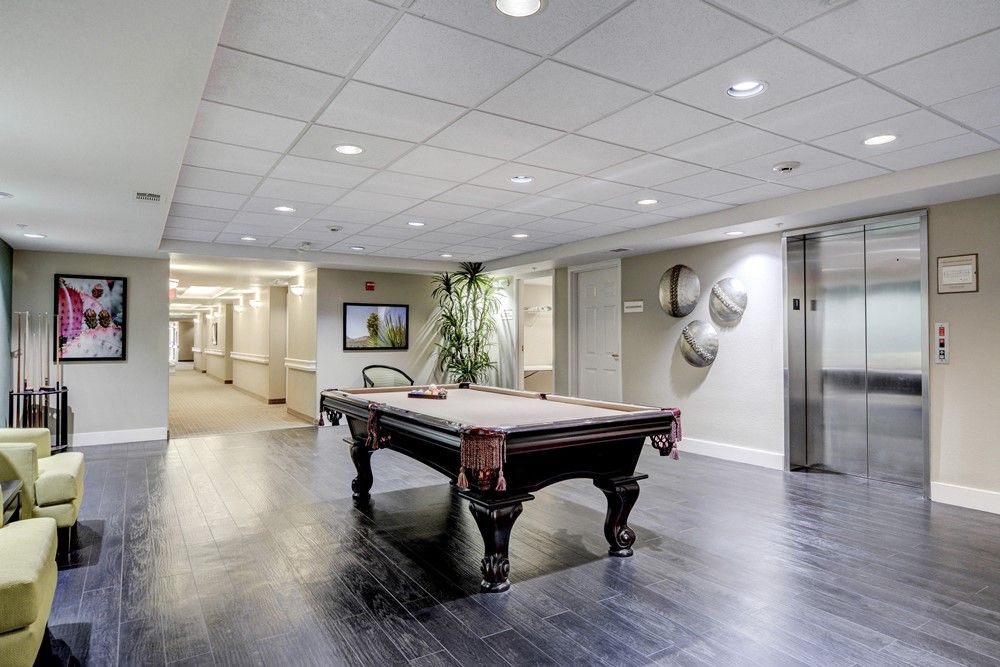
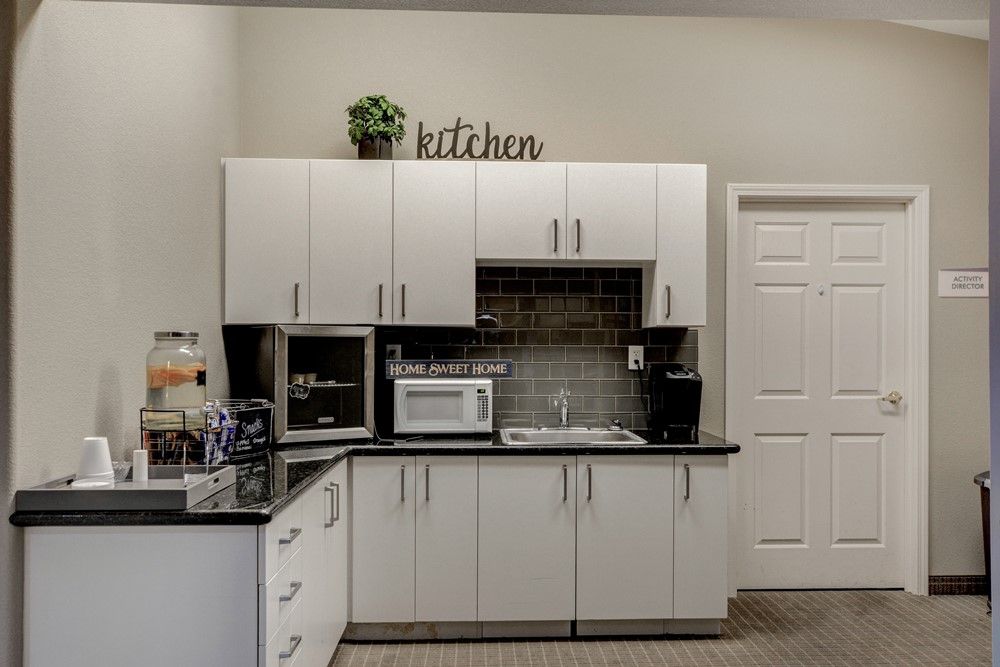
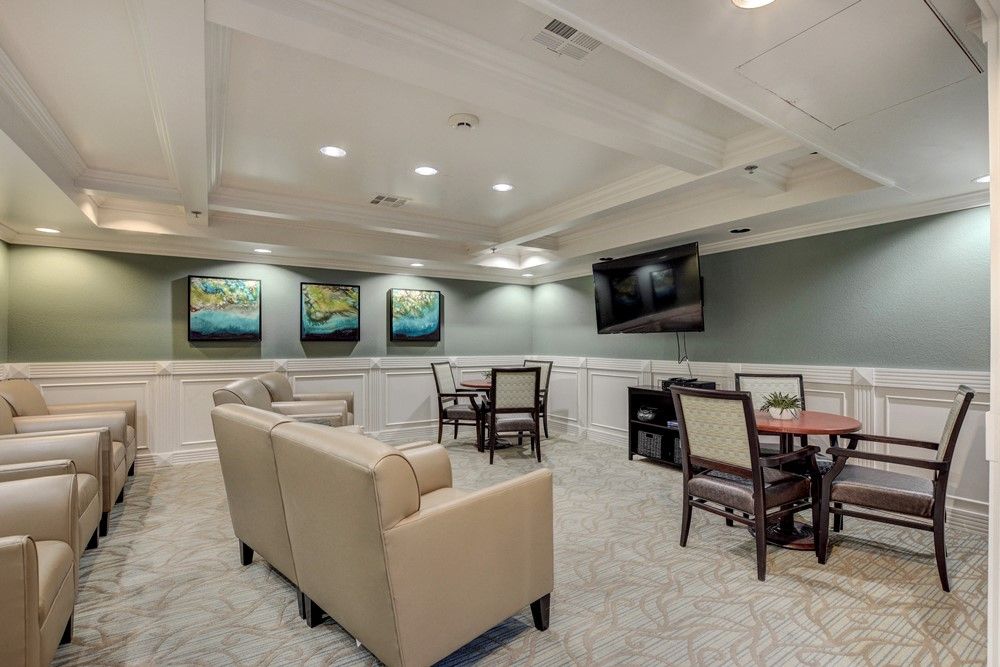
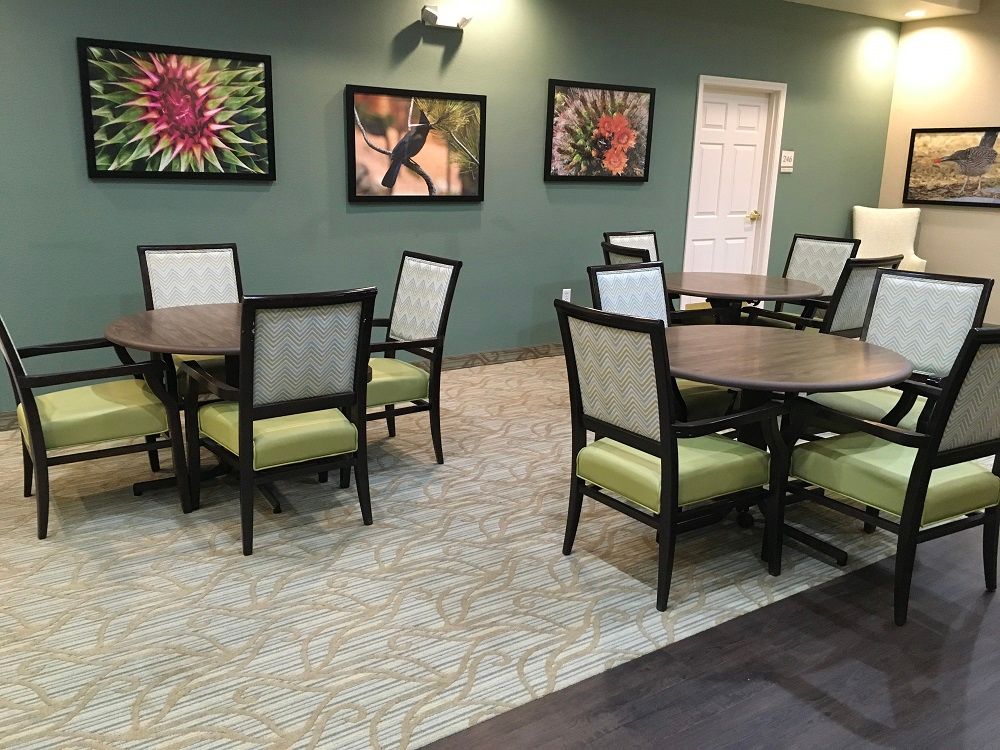
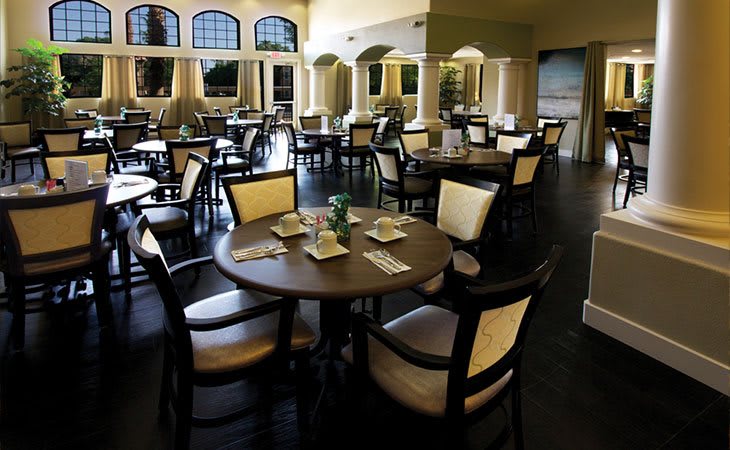
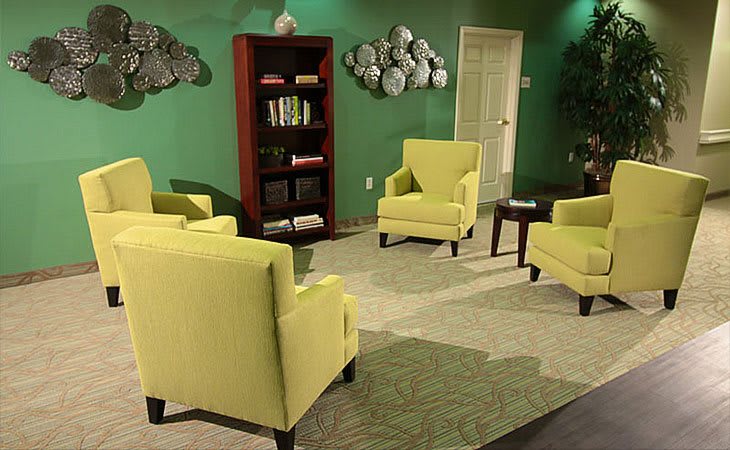
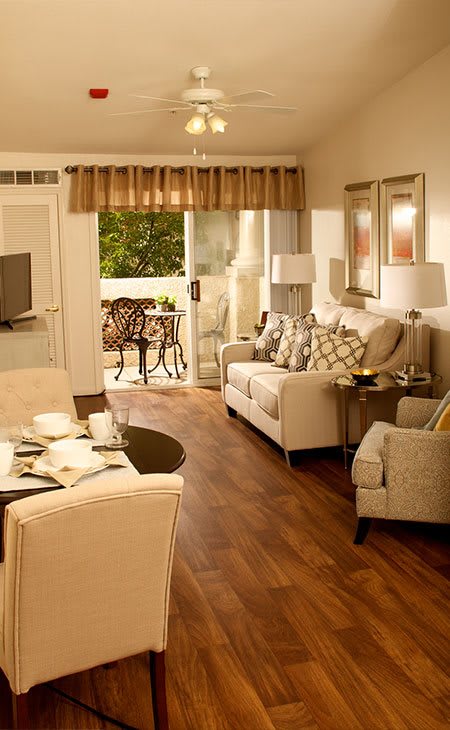
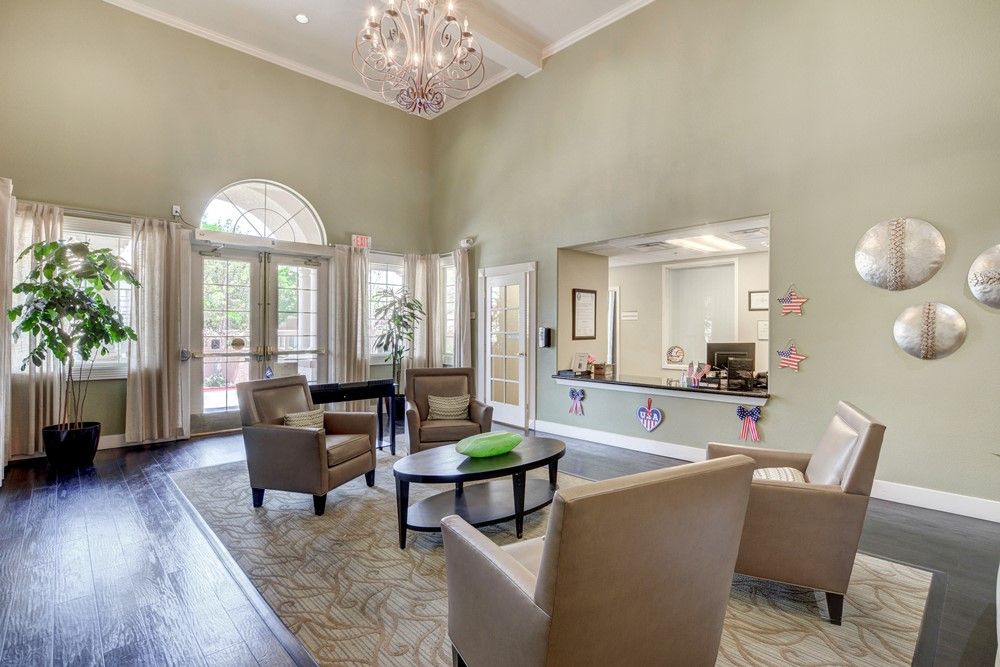
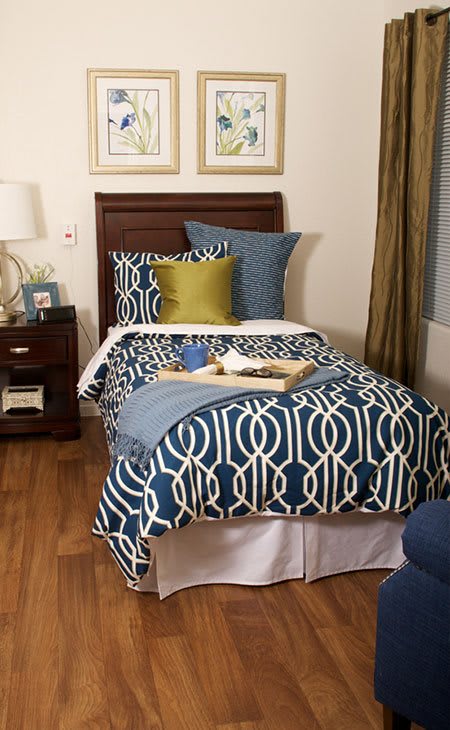
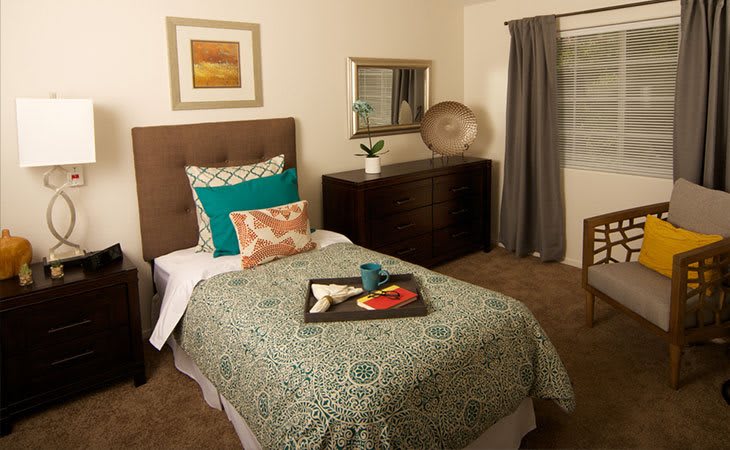
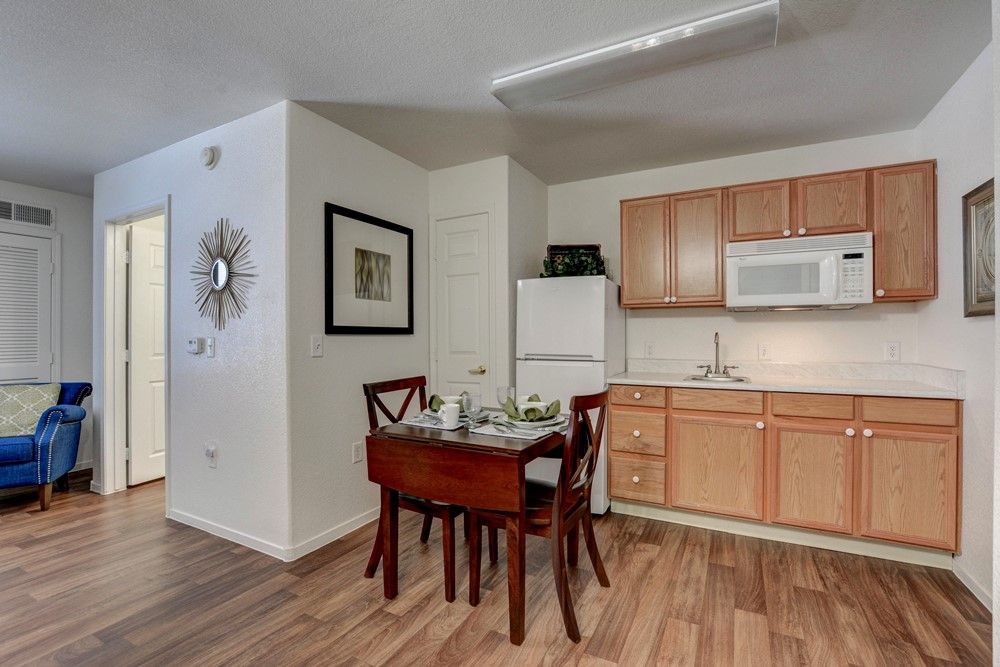
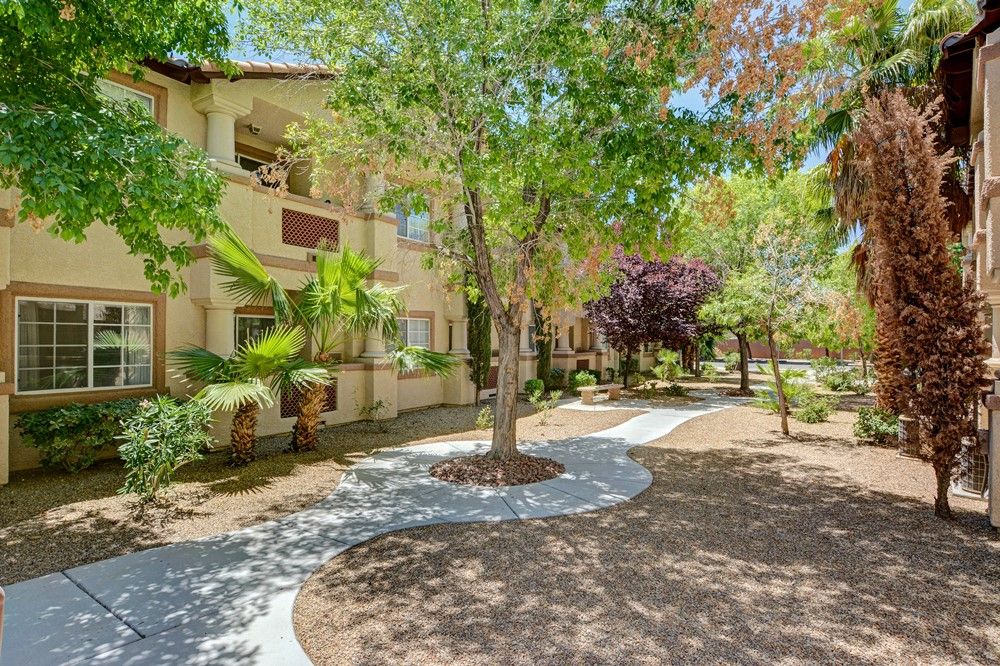
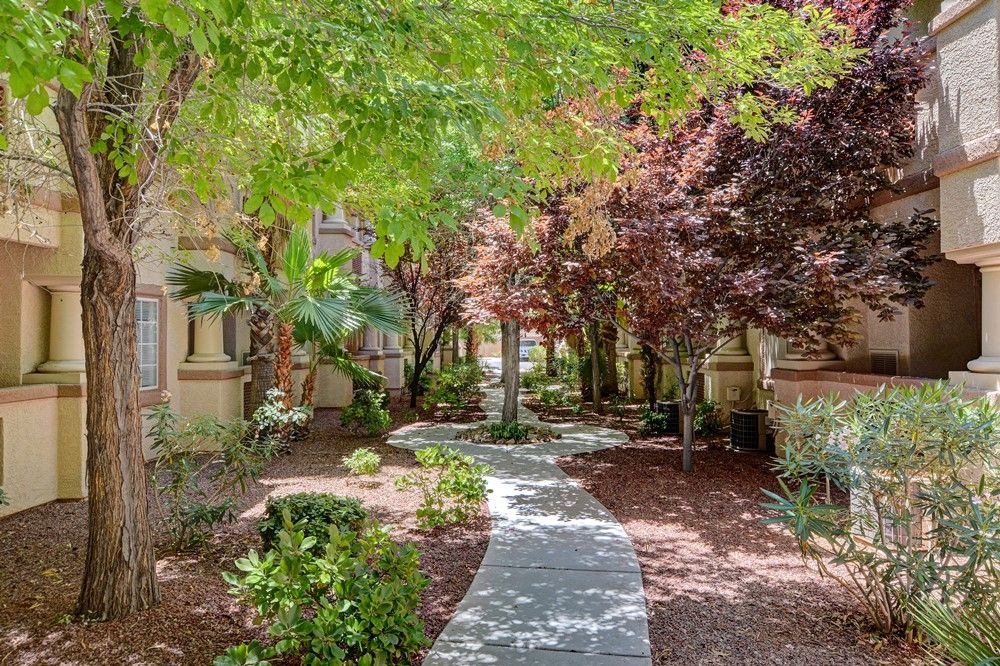
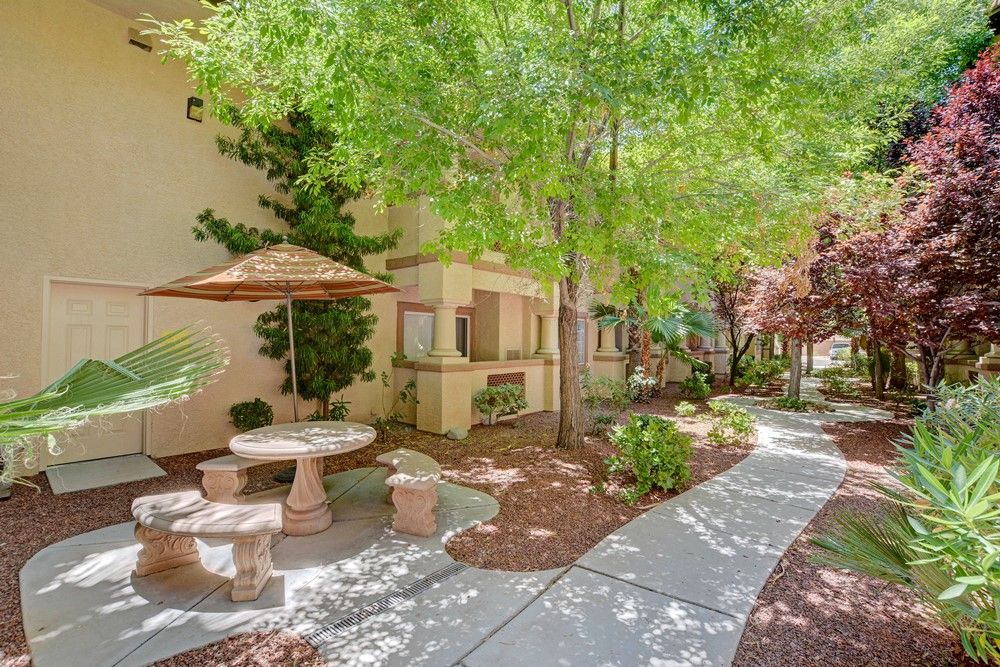
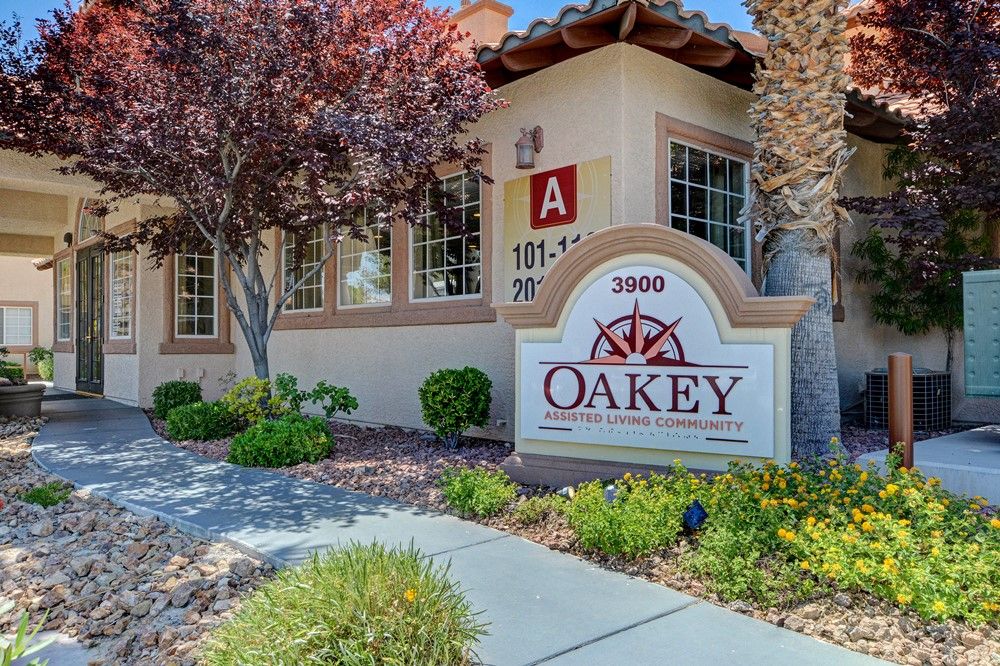
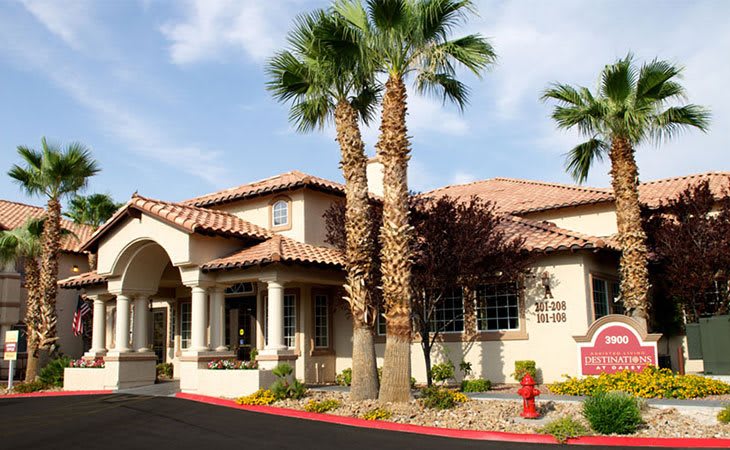
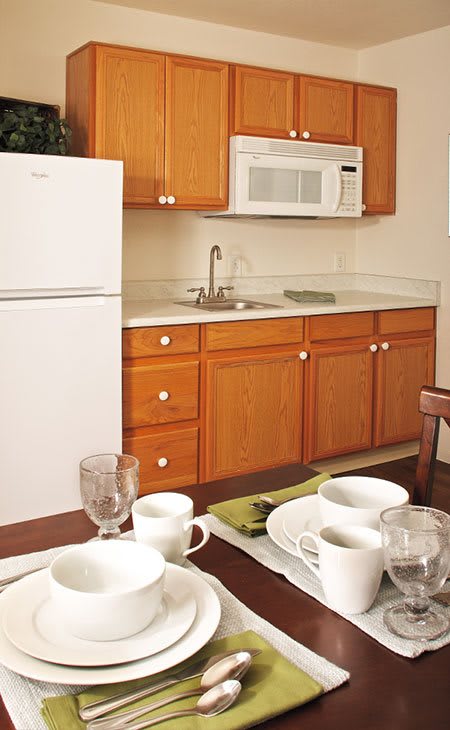
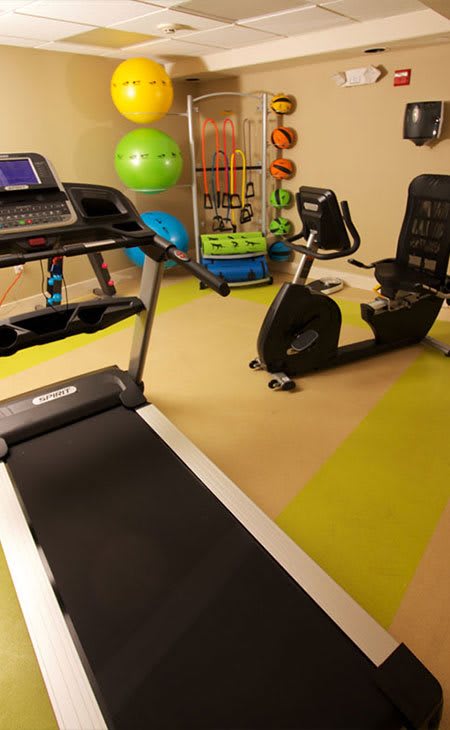
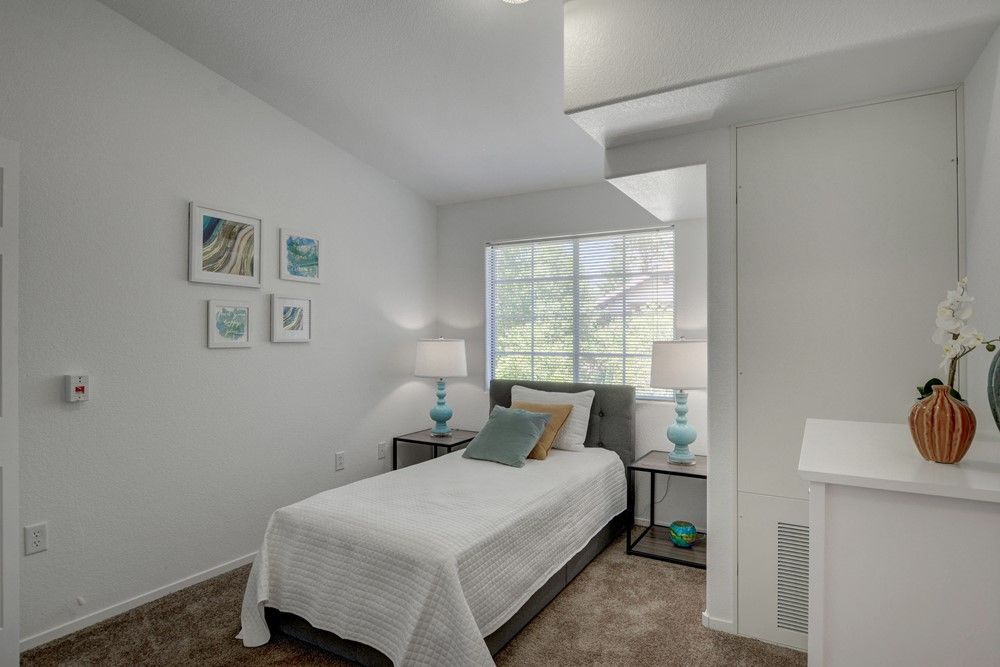
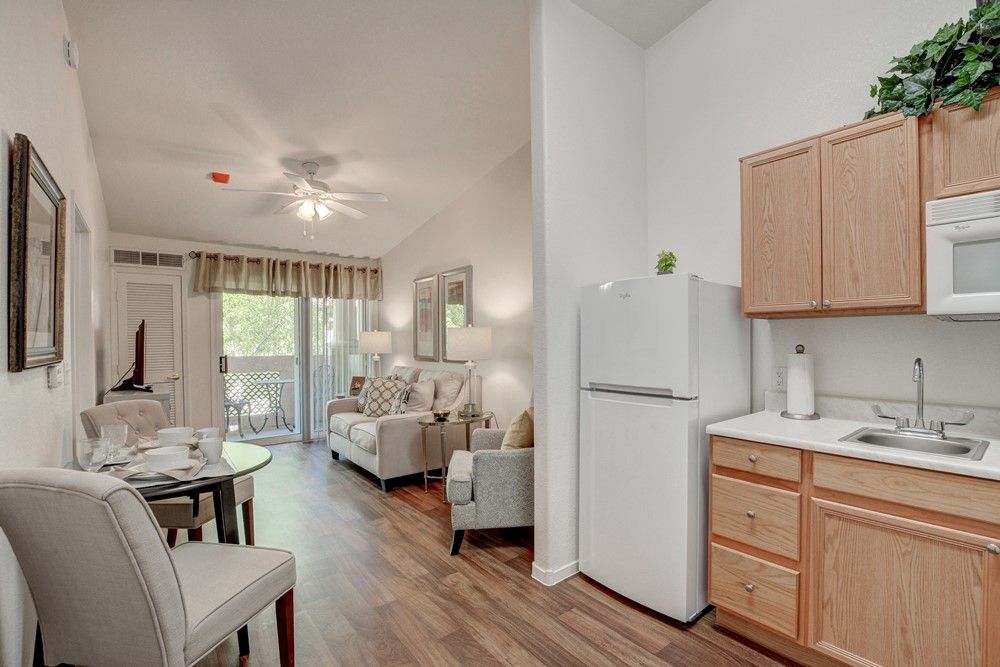
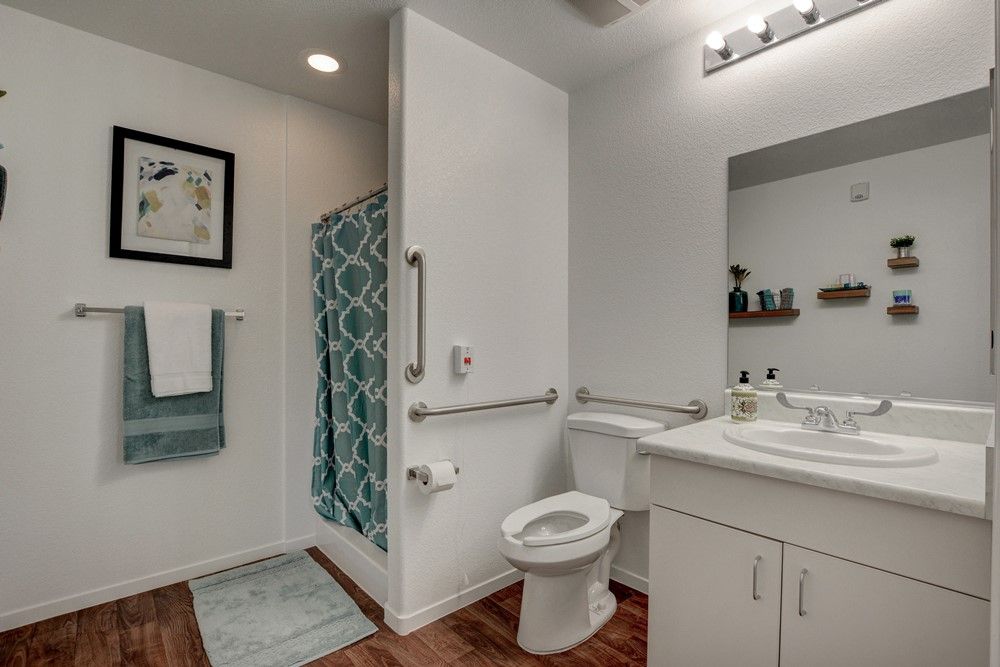
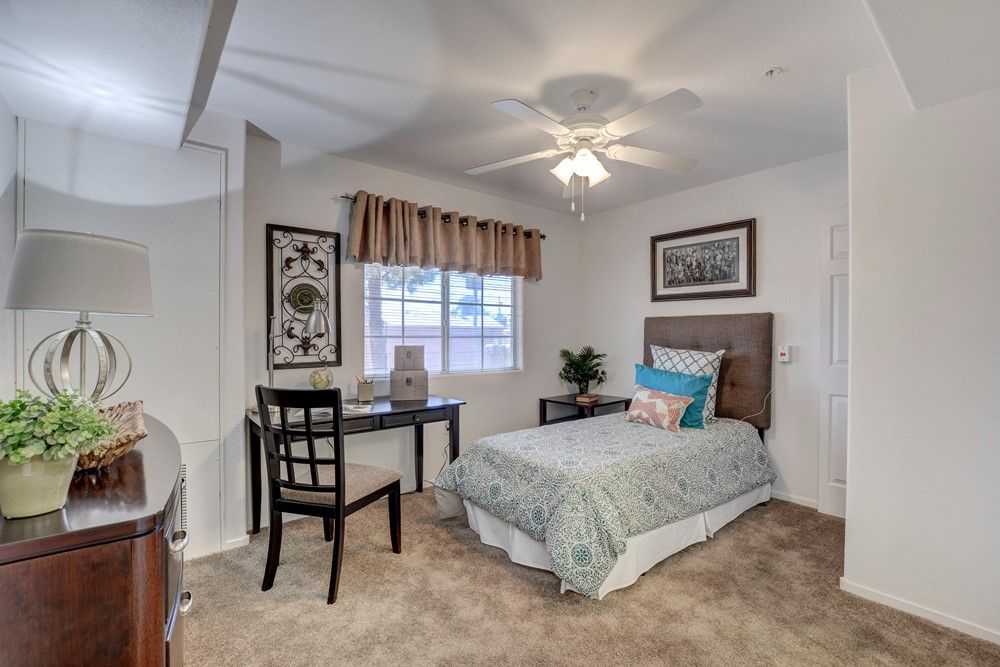
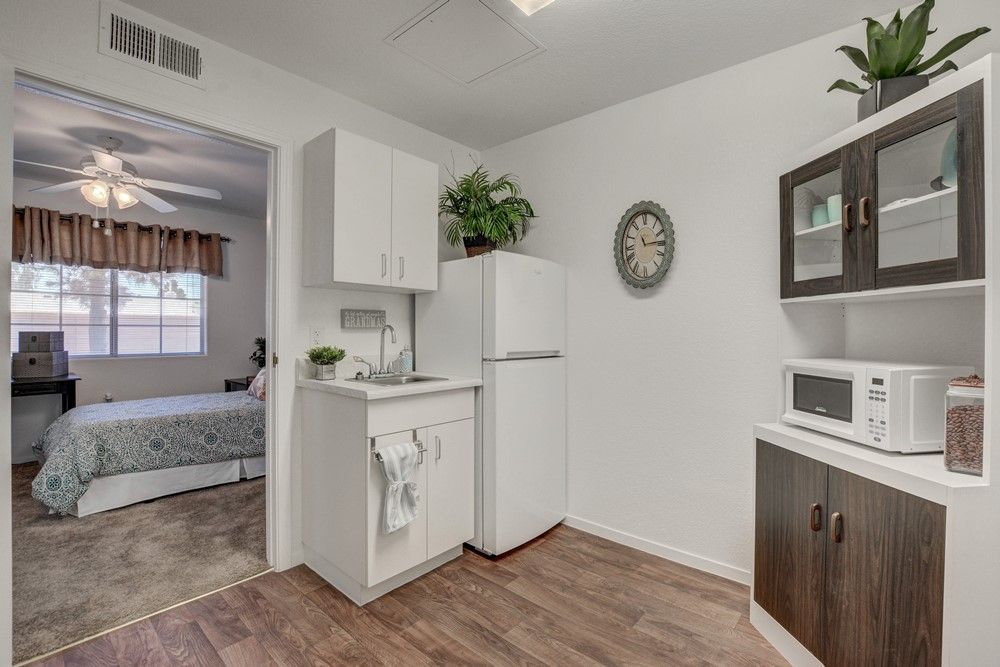
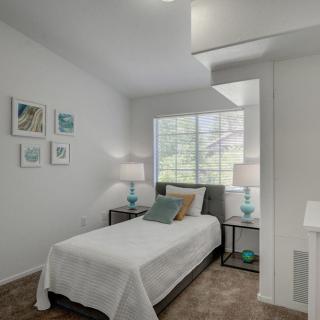
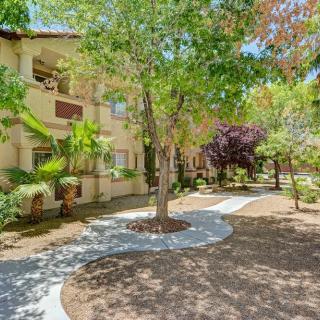
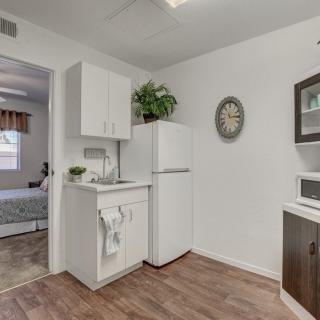
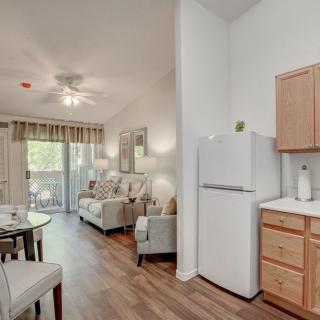
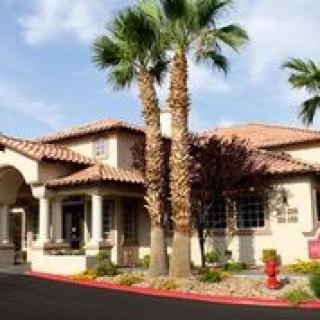
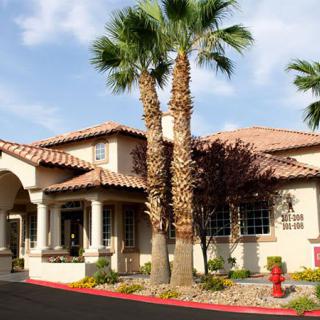
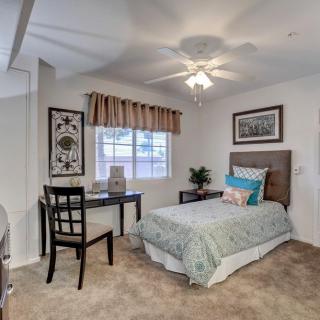
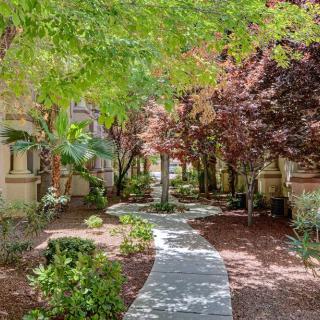
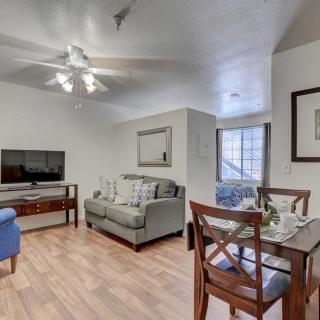
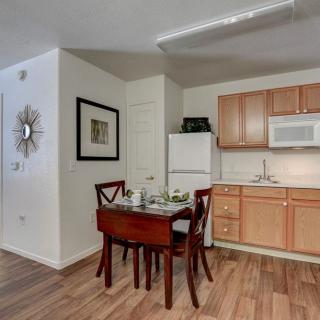
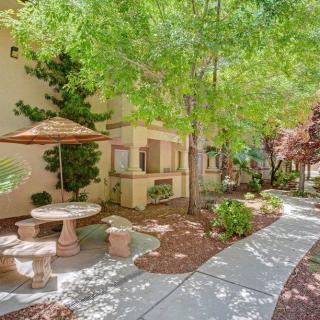
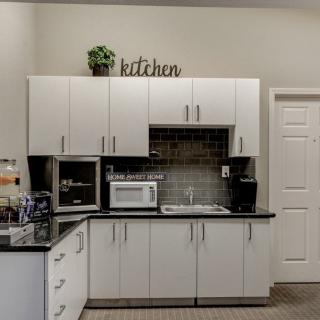
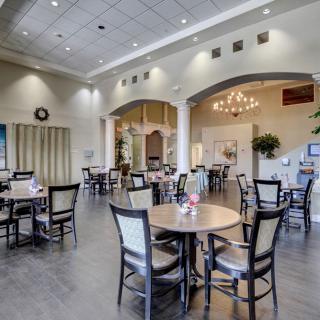
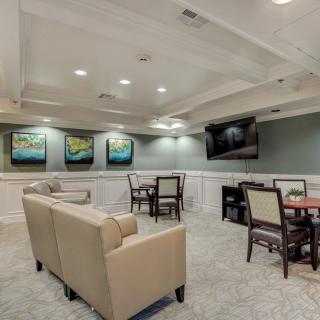
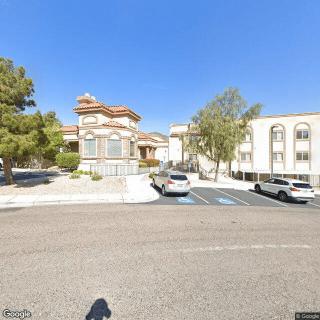
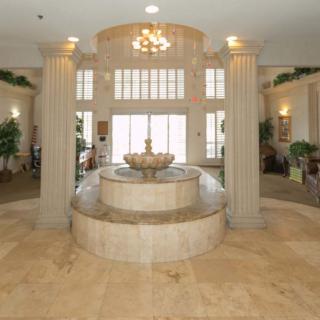
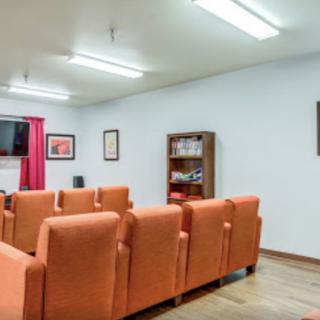
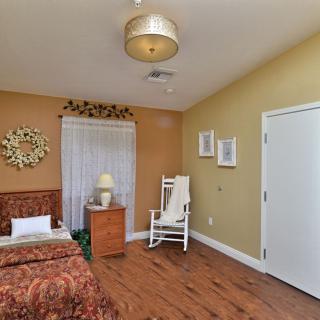
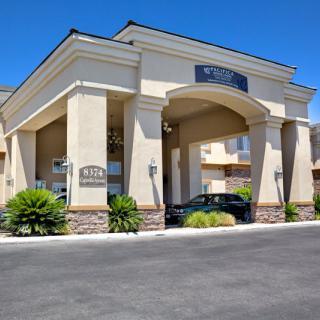
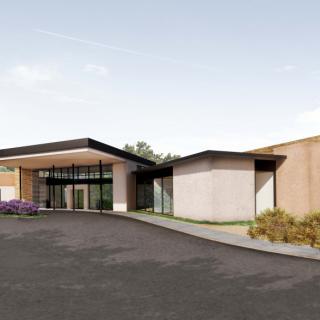
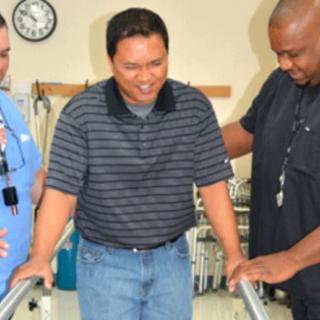
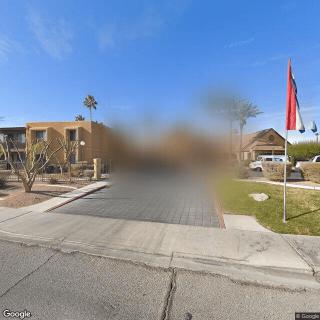
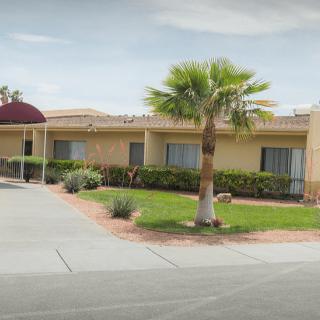
Oakey Assisted Living on seniors.fyi includes 30 photos including images showing interior, bedroom, decor, landscaping, dining, kitchen, living room, lighting, and more.
Nearby Communities
Destinations at Valley View
Las Vegas, NV
2.5 from 4 reviews
$630 to $784 / month
Affordable pricing compared with local averages.
Country Club at Valley View
Las Vegas, NV
4.9 from 114 reviews
$599 to $799 / month
Affordable independent living with on-site amenities (beautician, pool) and rich nearby services (dining, pharmacies, physicians).
Embry Meadow Care Home
Las Vegas, NV
3 from 2 reviews
Intimate, home-like setting with highly personalized care due to very small capacity.
The Meadows Home
Las Vegas, NV
3 from 2 reviews
Fully furnished units with meals, housekeeping, and daily activities.
Hallow Hands Home Care Ltd
Las Vegas, NV
3 from 2 reviews
Prompt and helpful responses with practical referrals.
Lumina Las Vegas
Las Vegas, NV
4.7 from 53 reviews
$5,800 / month
Beautiful, well-maintained accommodations with caring staff and personalized memory care.
Horizon Health And Rehabilitation Center
Las Vegas, NV
2.8 from 30 reviews
Caring CNAs and nurses on some units; recently remodeled rooms.
Heritage Park Apartments
Las Vegas, NV
4.1 from 18 reviews
$640 to $2,988 / month
Affordable pricing with a friendly, long-term community.
Torrey Pines Post Acute And Rehabilitation
Las Vegas, NV
2.6 from 47 reviews
Compassionate staff with strong rehabilitation focus.
Dementia encompasses progressive neurological disorders that impair cognitive functions and can lead to paranoia due to cognitive decline and emotional changes. The article discusses the triggers of paranoia in dementia, caregiver strategies for managing it, and the importance of distinguishing between dementia-related paranoia and other psychiatric conditions.
Memory care activities are essential for improving the quality of life of seniors with cognitive impairments, as they stimulate cognitive function, promote well-being, and encourage social interaction through tailored strategies. These activities combine structured exercises with spontaneous tasks, sensory engagement, physical workouts, creative pursuits, and intergenerational interactions to enhance emotional connection and a sense of purpose.
Transitioning from assisted living to memory care is driven by an individual's cognitive decline and specific needs, requiring careful evaluation of indicators like increased confusion and wandering. The process involves consulting medical professionals, researching suitable communities, considering financial and legal aspects, and ensuring effective communication for personalized care plans.
Get PricingAsk A QuestionSchedule A TourContact Senior Advisor
By clicking submit, you agree to our Partner's Terms of Use. You
also consent to receive calls and texts, which may be autodialed, from our Partner. Your consent is not a condition to
using our Partner's service. Please visit our Partner's Privacy Policy for information about their privacy practices.

 112 resident community capacity
 1-bedroom apartments
 Assisted Living
 Independent Living
 Memory Care
 Skilled Nursing Facility
 Cats allowed
 Dogs allowed
 Activities off-site
 Air-conditioning
 Beautician on-site
 Cable or satellite TV
 Computer center
 Devotional services off-site
 Dining room
 Fitness room
 Fully furnished
 Gaming room
 Garden
 Ground floor units
 Handicap accessible
 Housekeeping services
 Indoor common areas
 Kitchenette
 Laundry
 Move-in coordination
 Outdoor common areas
 Private bathrooms
 Resident parking
 Respite or short term stays offered
 Restaurant-style dining
 Small library
 Telephone
 VA Benefits Consultation
 Wellness center
 Wheelchair accessible showers
 Wi-Fi/high-speed internet available
 McCarran International (6 miles away)
 Community operated transportation
 24-hour call system
 Assistance with bathing
 Assistance with dressing
 Assistance with transfers
 Diabetes diet
 Diabetic care
 High acuity care
 Incontinence care
 Medication management
 Special dietary restrictions
 Art classes
 Catholic services
 Concierge services
 Cooking classes
 Day trips and outings
 Educational speakers / life long learning
 Happy hour
 Jewish services
 Karaoke
 Live musical performances
 Wine tasting
 English
 Affordable pricing compared with local averages.
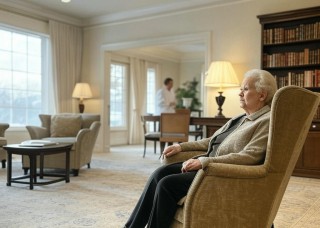 Dementia, Paranoia, and Caregiver Guidance: Understanding the Connection
 Engaging Memory Care Activities That Enhance Quality of Life
 When to Transition from Assisted Living to Memory Care: Key Indicators, Steps, and Finding the Right Community