
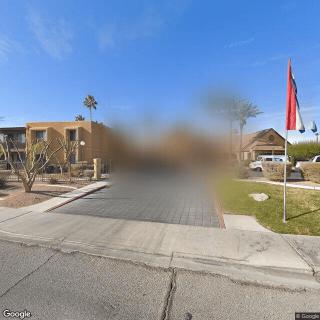
4005 Paso De Oro Avenue, Las Vegas, NV 89102
For more information about senior living options: (866) 208-4318
Overall Review of Embry Meadow Care Home
Pros
 The Meadows Home is a beautiful place.
- It is extremely professional and well run.
- New Mexico is lucky to have such a facility.
- State-regulated facilities are described as among the best, with reliable compliance.
Cons
 They were very displeased with the facility.
- The facility frequently requested food to be delivered on top of the $3500 per month price point.
- They have not been contacted about returning their loved one's belongings, including an expensive wheelchair.
- They felt the facility did not offer condolences, which they found rude and disrespectful.
- They feel the facility does not care about the people in its care or their families who pay a lot to be there.
- They would rate it 0 stars if possible.
- They view private facilities as highly profit-driven, at the expense of the quality of care for loved ones.
- They think Meadows Home prioritizes making money over the quality of care.
Review
Embry Meadow Care Home in Las Vegas is best suited for families that prize a polished, professionally run setting and are prepared to invest in a higher-end care experience. The strongest signal from the available impressions is a facility that presents well, operates with a clear sense of organization, and projects a stable, well-managed atmosphere. For families seeking predictable administration, visible staff oversight, and a setting that feels comparable to a refined residence, this community can feel like a reassuring anchor. It works best for those who want a foremost emphasis on appearance, routine, and a structured daily plan, with comfort as a tangible part of the package.
On the strengths side, one reviewer describes the environment as beautiful and the operation as extremely professional and well run, which matters when choosing a place where reliability and dignity are top priorities. That sense of order and presentation can translate into fewer surprises day to day, smoother coordination with family members, and confidence that staff are guided by formal processes. Yet the positives must be weighed against meaningful gaps surfaced by another family: a hospice experience marred by disputes over what is included in the base rate, charges for basic services like meals, and a noticeable retreat from outreach after a loved one passes away. These tensions underline a critical truth: appearance and polish do not automatically translate into exceptional family-centered care.
The most troubling elements center on cost and post-visit responsiveness. A recurring concern is the way the facility frames nutrition, advertising nutritious foods while repeatedly asking families to self-fund meals or deliver food at extra charge beyond a hefty monthly rate. This kind of practice can erode trust when families are already navigating the emotional and practical burden of hospice care. Equally troubling is the lack of outreach to return belongings or offer condolences after a death, which can feel disrespectful and disrespectful to families who have just endured loss. In practical terms, high price with opaque inclusions and limited bereavement follow-through makes the value proposition questionable for households balancing tight budgets and emotional needs.
Another layer to consider is the broader caution voiced about private facilities versus state-regulated options. Some observers argue that state-run facilities tend to emphasize compliance and consistent care, while private operations can be more profit-driven and susceptible to charging for extras. While that perspective is not a universal verdict, it does heighten the need for prospective residents and families to demand clear, written pricing, and to verify exactly what is included in the base rate and what incurs additional costs. For anyone with Medicaid or Medicare considerations, the potential variability in what is covered versus what requires supplemental payment should be scrutinized before committing.
For families weighing options, the decisive action is to demand transparency and specific assurances. Request a complete, itemized cost proposal that spells out what is included in the base rate, what triggers extra charges (such as meals or snacks), and the policy for returning belongings and acknowledging a loved one’s passing. Probe the staff-to-resident ratio, caregiver qualifications, and the mechanism for family communication, especially during transitions or end-of-life care. If bereavement support, timely communication, and respectful post-death handling are non-negotiable, press for explicit commitments in writing and request recent family references who can speak to those practices. Without these guardrails, the premium appearance cannot compensate for fundamental gaps in care alignment.
In sum, Embry Meadow Care Home may be the right fit for families seeking a well-presented, well-organized setting and who are comfortable with a premium price tag that appears to come with clear administrative control. It is not the obvious choice for those who require budget predictability, absolute pricing clarity, and robust, attentive bereavement support. Alternatives should be considered by anyone who prioritizes transparent costs, consistent family engagement after a loved one’s passing, or tighter alignment between care quality and overall value. The prudent path combines a firsthand tour, candid discussions about pricing, and verifiable references that illuminate how care, compassion, and communication actually work on a day-to-day basis.
 2 resident community capacity
 Skilled Nursing Facility
 Cable or satellite TV
 Dining room
 Fully furnished
 Garden
 Housekeeping services
 Move-in coordination
 Outdoor space
 Telephone
 Wi-Fi/high-speed internet available
 McCarran International (5 miles away)
 24-hour supervision
 Activities of daily living assistance
 Assistance with bathing
 Assistance with dressing
 Assistance with transfers
 Diabetes diet
 Meal preparation and service
 Medication management
 Special dietary restrictions






 Exploring Palliative Care in the Home: A Comprehensive Overview
 Comprehensive Insights into Palliative Home Care: What It Is and What to Expect
 Skilled Nursing Facilities vs. Nursing Homes: Making Sense of the Differences