
4300 Del Monte Avenue, Las Vegas, NV 89102
For more information about senior living options: (866) 208-4318
Overall Review of The Meadows Home
Pros
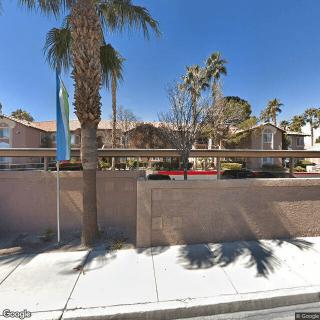
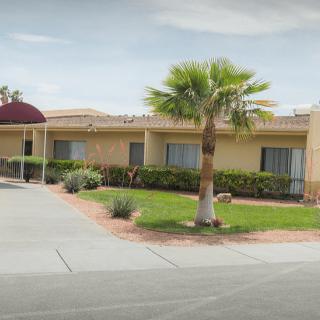
 The Meadows Home is a beautiful place.
- The Meadows Home is extremely professional and well run.
- New Mexico is very lucky to have such a place.
Cons
 They frequently charged for food deliveries on top of the $3500/month price.
- They did not reach out to arrange the return of belongings, including an expensive wheelchair.
- They did not offer condolences, which felt rude and disrespectful.
- They do not seem to care about residents or their families who pay high fees.
- The reviewer would rate it 0 stars.
- Private facilities are very profit-driven, at the expense of the quality of care.
- The Meadows Home appears to prioritize profit over residents' care.
Review
The Meadows Home in Las Vegas is best suited for families seeking a polished, professionally run facility that accepts Medicare and Medicaid and can provide steady, regulation-controlled care in a stable environment. It offers a visually appealing setting and a level of administrative competence that passes muster for families who want assurances around licensing, staffing patterns, and consistent operations. This community can be a solid choice for standard assisted living needs or hospice scenarios where the primary expectation is reliable daily care within a well-managed campus. It is not the pick for families hoping for exceptionally intimate hospice responsiveness or aggressively transparent bedside oversight beyond the basics.
Those who should consider alternatives are families prioritizing deeply personal, engaged end-of-life support and relentlessly transparent billing practices. If bereavement follow-up and timely, compassionate communication after a difficult transition matter most, The Meadows Home may fall short. The reviews suggest potential friction around family outreach and sensitivity, areas where smaller, more family-centered homes or non-profit providers often excel. Additionally, households wary of optional charges and unclear cost structures should be wary; a facility that leverages add-ons for meals and other services can erode perceived value, especially when financial clarity is paramount.
On the upside, the facility’s apparent beauty and professional presentation are meaningful pros. A well-kept campus, together with orderly operations and a sense of regulatory discipline, can translate into a calmer daily experience for residents and staff alike. The ability to accept Medicaid or Medicare is a practical advantage, reducing the likelihood of abrupt coverage gaps and aligning care with established funding channels. For families navigating insurance approvals or government-funded options, this combination of aesthetics and compliance can deliver predictable scheduling, routine, and oversight, features that matter when stewardship of a loved one’s daily life is the central task.
Yet the main drawbacks temper those strengths. A recurring concern is the perception of care that tilts toward profit-optimization rather than deep, family-facing service. Reports of added fees for seemingly basic needs, such as meals, at a high monthly rate raise red flags about cost transparency and value. Equally troubling is the treatment of belongings after a loved one passes away and the lack of a condolence gesture or outreach. In a setting where trust with families is foundational, these gaps create a sense of disconnection that can eclipse the facility’s otherwise orderly surface. The character of a home, after all, hinges on how it handles life’s most delicate moments.
Therefore, the gains from a solid, professional frame and government-funding access must be measured against the potential for hidden costs and impersonal family interactions. For families that can absorb or negotiate the pricing structure, and that do not require exceptionally high levels of end-of-life emotionally attunement, The Meadows Home can still function as a dependable option. However, the realities surfaced in the reviews suggest that the more demanding needs, transparent billing, proactive bereavement support, and a demonstrably compassionate, family-centered approach, will likely be better met elsewhere. The decision hinges on prioritizing either a pristine, admin-forward environment or a deeply responsive, family-first care culture.
Practical next steps for families considering The Meadows Home: demand a detailed, line-item price schedule that explicitly states what is included in base charges and what counts as add-ons, especially around meals and hospice services. Seek explicit policies on post-closure belongings, returns, and a clear, timely condolences or memorial process. Request examples of family communications after difficult events to gauge responsiveness, and ask for recent references from families who faced similar hospice transitions. Finally, compare with non-profit or smaller providers known for stronger family engagement and clearer, no-surprises pricing. The right choice comes down to aligning care philosophy with the family’s expectations for transparency, emotional support, and the tangible value delivered for every dollar.
 10 resident community capacity
 Assisted Living
 Cable or satellite TV
 Dining room
 Fully furnished
 Garden
 Housekeeping services
 Move-in coordination
 Outdoor space
 Telephone
 Wi-Fi/high-speed internet available
 McCarran International (6 miles away)
 24-hour supervision
 Activities of daily living assistance
 Assistance with bathing
 Assistance with dressing
 Assistance with transfers
 Diabetes diet
 Meal preparation and service
 Medication management
 Special dietary restrictions
 Transportation arrangement (medical)
 Transportation to doctors appointments


 Medicare Coverage for Assisted Living: An In-Depth Exploration
 Choosing the Right Senior Care: A Detailed Exploration of Assisted Living and Nursing Homes
 Understanding the True Cost of Assisted Living in 2025: A Comprehensive Guide