Aksarben Village Senior Living Community Costs & Pricing
Aksarben Village Senior Living Community offers a range of accommodation options at a premium compared to both Douglas County and the broader state of Nebraska. For instance, the monthly cost for a one-bedroom unit is set at $3,735, which notably exceeds the county's average of $2,803 and the state's average of $3,167. The studio apartments are priced at $3,835, again higher than Douglas County's average of $3,611 and Nebraska's average of $3,728. Similarly, two-bedroom units in Aksarben Village command a price of $4,915, significantly higher than both the county ($3,202) and state ($3,627) averages. This pricing reflects not only the community's amenities and services but also its commitment to providing a high standard of living for its residents.
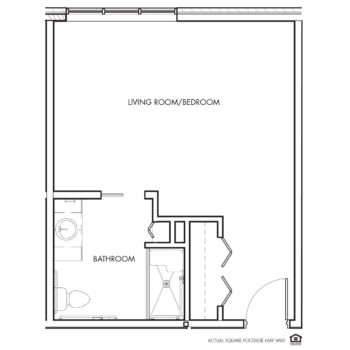
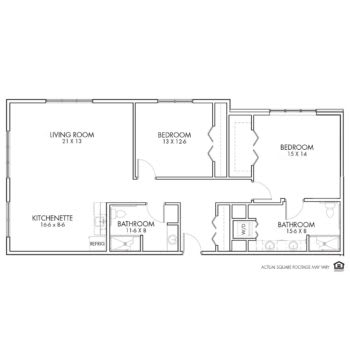
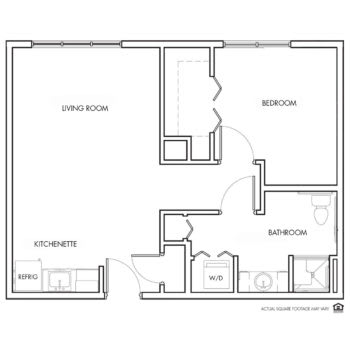
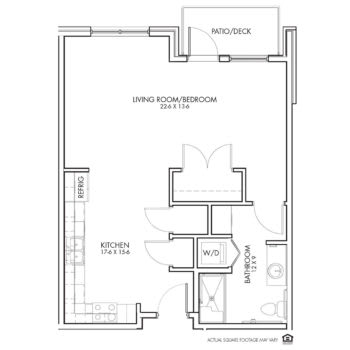
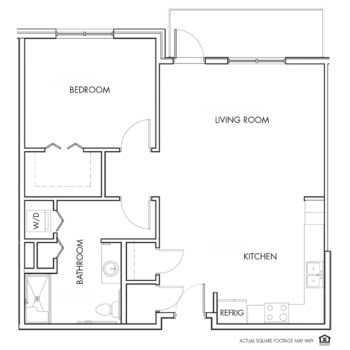
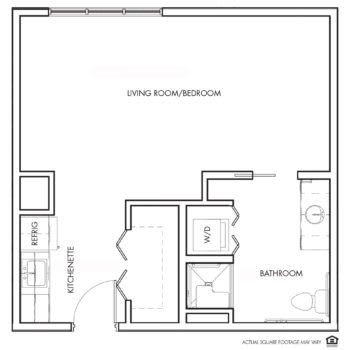
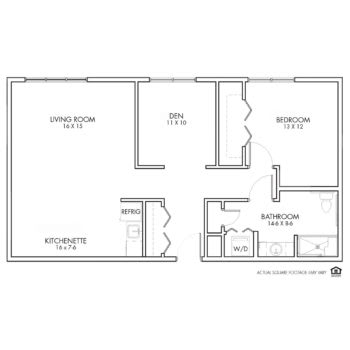
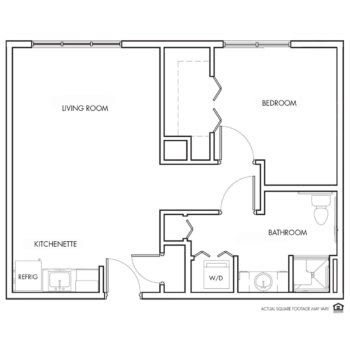
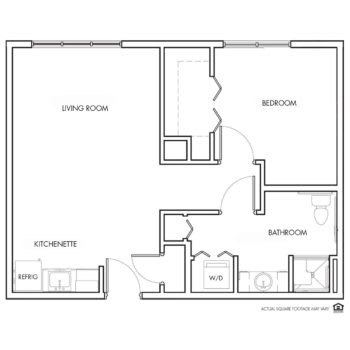
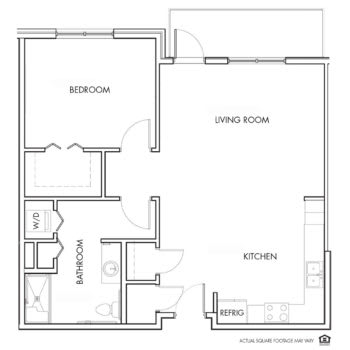
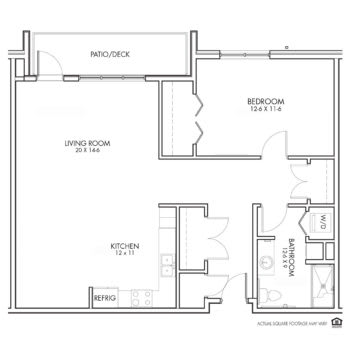
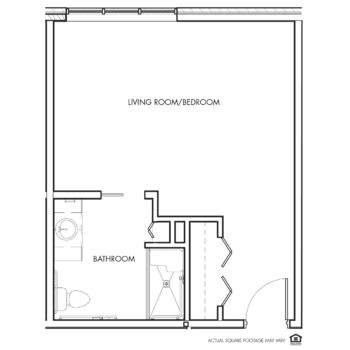
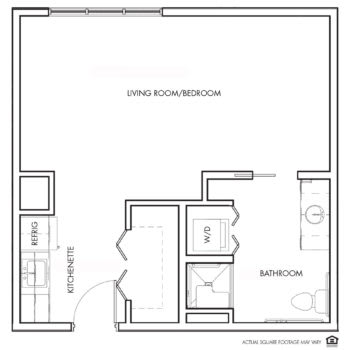
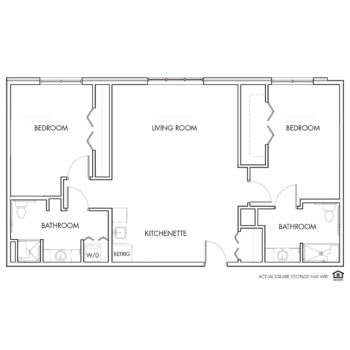
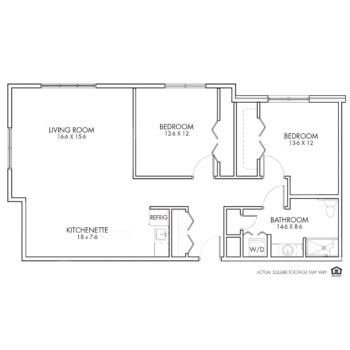
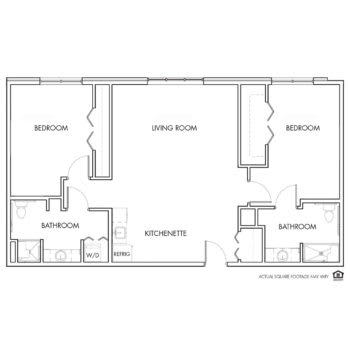
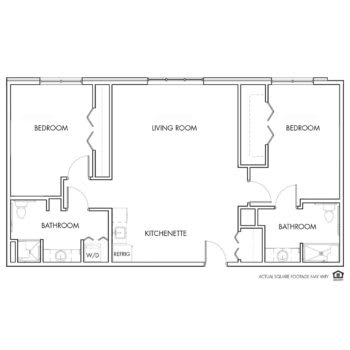
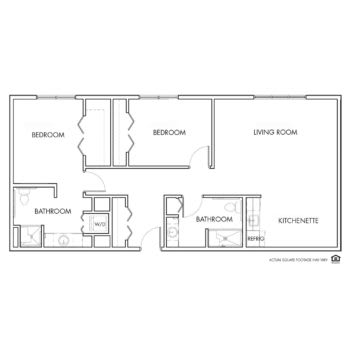
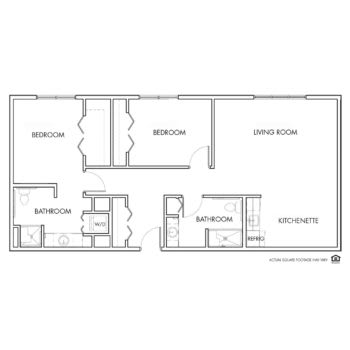
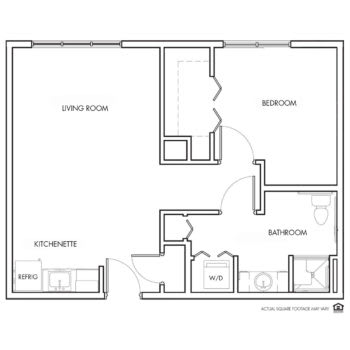
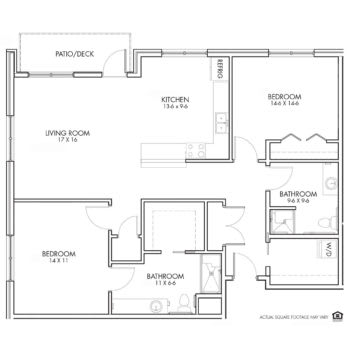
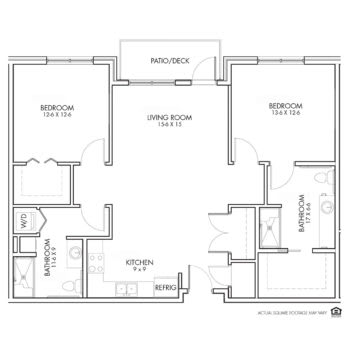
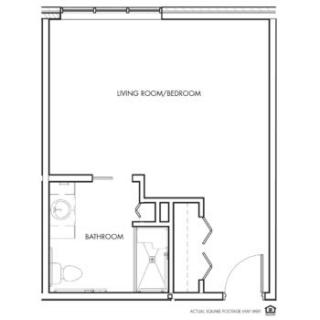
Floor plans
Aksarben Village Senior Living Community
Douglas County
Nebraska
1 Bedroom
$3,735
$2,803
$3,167
Studio
$3,835
$3,611
$3,728
2 Bedrooms
$4,915
$3,202
$3,627
Memory care communities with a similar price nearby
Overall Review of Aksarben Village Senior Living Community
common32 reviews mention this
Staff friendliness shows up repeatedly
Residents and visitors consistently describe staff as welcoming and responsive.
Across reviews, people mention being greeted warmly, staff members being helpful with questions, and a team that stays focused on residents’ needs. Several reviewers also connect the “in good hands” feeling to professional, knowledgeable care interactions rather than just friendliness. Even when families describe the move process, they describe staff being accommodating and willing to work with them during adjustments.
common12 reviews mention this
Activities keep residents engaged
Reviews repeatedly mention a steady flow of activities throughout the week.
Residents and visitors describe frequent opportunities to participate, including events and scheduled programming. Some reviews call out specific gatherings like happy hour, as well as the sense that there is “always something to do.” The community also lists on-site and off-site activities, which matches the way reviews talk about resident engagement in everyday life.
common9 reviews mention this
Dining is a frequent positive
Food and dining experiences come up often in resident and visitor feedback.
Multiple reviews describe the meals as delicious and enjoyable, and some families note specific preferences like breakfast and fish entrees. Others mention desserts and feeling satisfied at meal time. While the listing data states meals are provided, reviews go beyond that by describing the dining experience as a regular highlight.
differentiator2 reviews mention this
Memory care support is highlighted
Reviews specifically call out positive experiences in the memory care setting.
At least two reviewers mention the memory care unit when describing overall care quality, with one describing the space as beautiful and the staff as caring, patient, and fun. Another compares memory care experiences across facilities and says this community was a clear improvement. The community also offers memory care as one of its care types, aligning with what these reviewers focused on.
common10 reviews mention this
Clean, well-kept community stands out
Residents and visitors repeatedly mention the facility feels clean and well maintained.
A recurring theme is cleanliness—reviews describe spotless conditions and a tidy, well-kept environment. Several comments pair cleanliness with a welcoming atmosphere, suggesting that the physical space supports how residents and families feel day to day. One review also emphasizes clean common areas and dining rooms during a visit, reinforcing the same point.
How we summarize
Counts show how many written reviews mention each theme; a review can touch several themes, and only frequently mentioned themes are displayed.
Features
Types of Care
Assisted Living
Independent Living
Memory Care
Pets
Cats allowed
Dogs allowed
Amenities
Activities off-site
Activities on-site
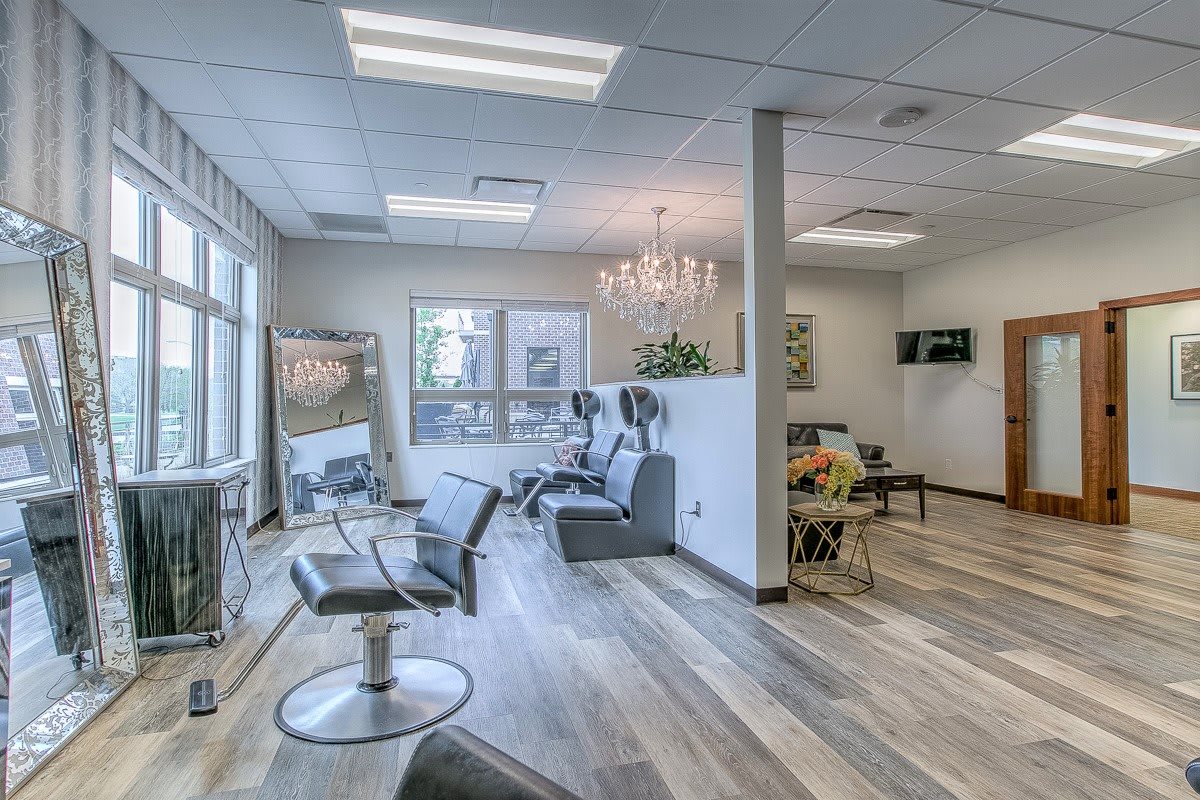
Beautician on-site
Devotional services off-site
Indoor common areas
Outdoor common areas
Respite or short term stays offered
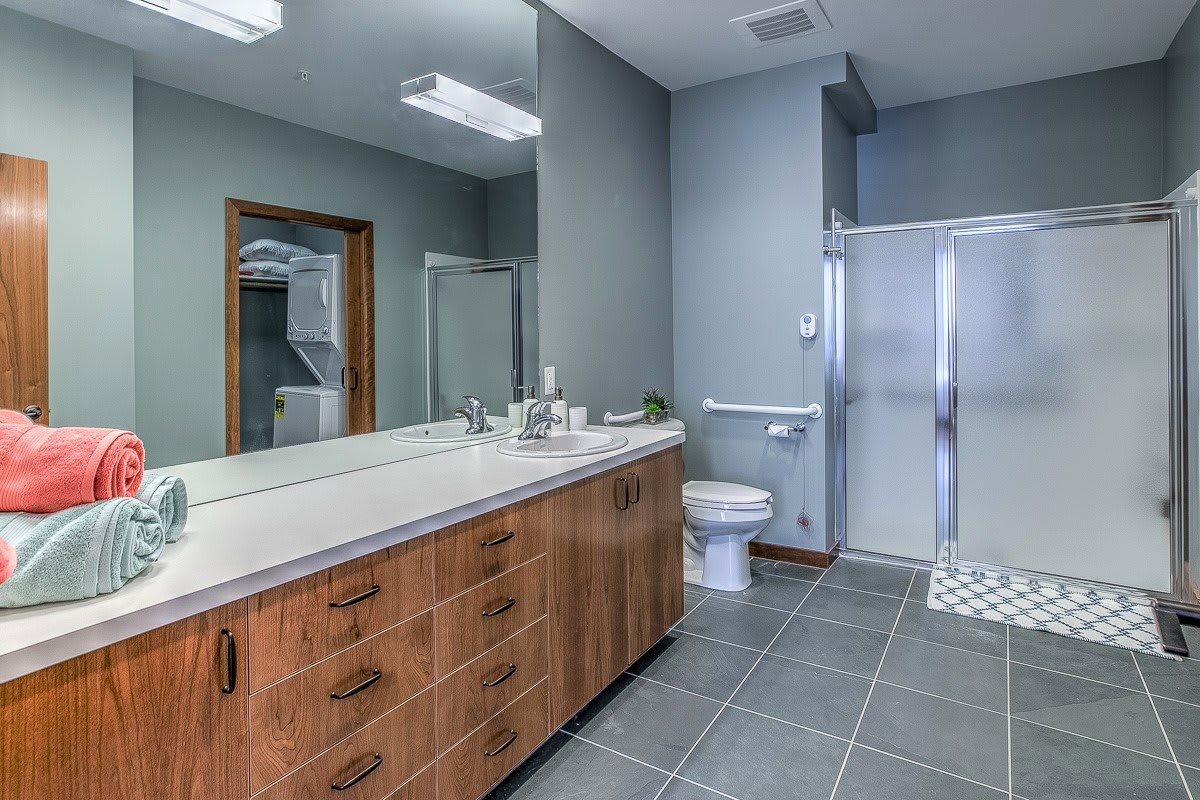
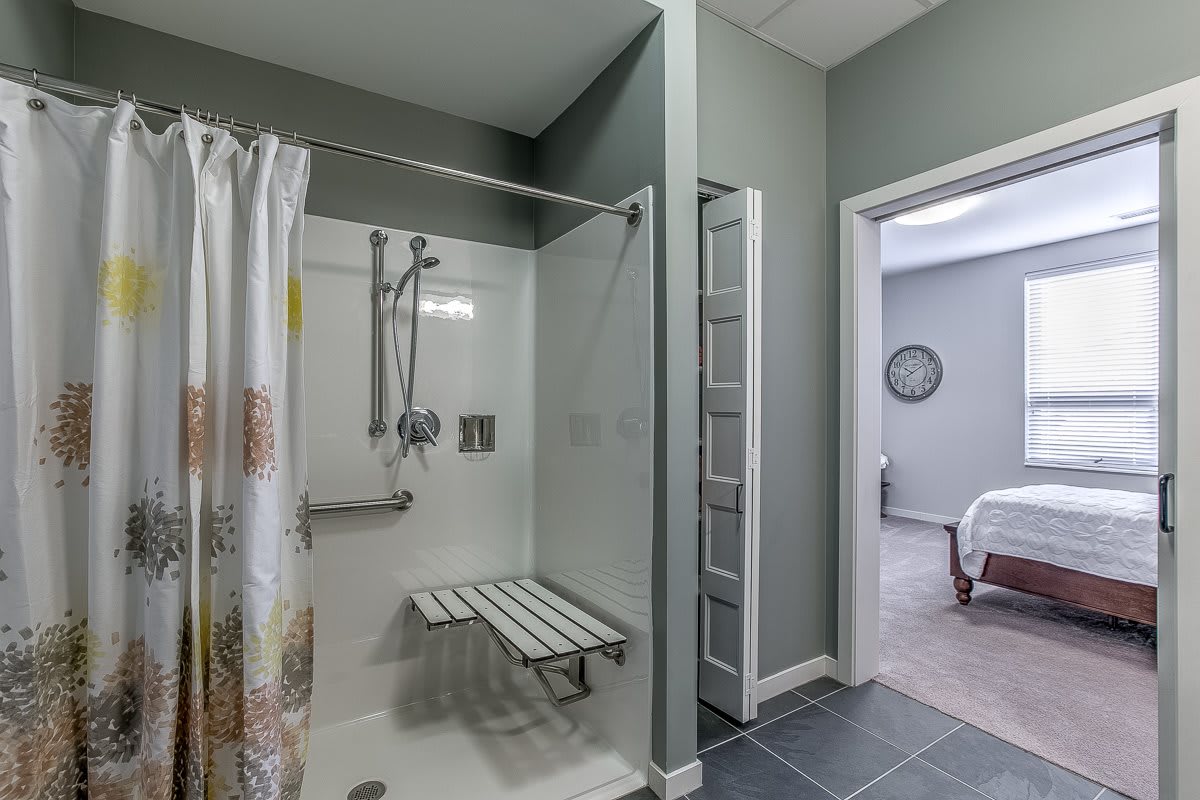
Wheelchair accessible showers
Transportation
Eppley Airfield (8 miles away)
Care Services
Ambulatory care
Diabetic care
Incontinence care
Medication management
Dining
Meals provided
Activities
Activities off-site
Activities on-site
Devotional activities offsite
Nearby Places of Interest
This area of Omaha, Nebraska offers a variety of amenities and services that can cater to the needs of seniors looking for a comfortable and convenient living environment. With a range of restaurants nearby such as Voodoo Taco, Raising Cane's Chicken Fingers, and Charleston's Restaurant, you will have ample dining options to choose from. In terms of healthcare, there are several reputable physicians' offices in close proximity, including Boys Town Internal Medicine and CHI Health Clinic. Additionally, there are pharmacies like Target Pharmacy and Walgreens nearby for easy access to medications. For recreational activities and relaxation, parks like Elmwood Park and Memorial Park provide beautiful outdoor spaces for leisurely walks or picnics. The availability of various cafes such as Panera Bread adds to the charm of this neighborhood. Furthermore, with hospitals like Methodist Hospital 6 South and the University of NE Medical Center within a short distance, you can rest assured knowing that quality medical care is easily accessible. Overall, this area offers a blend of convenience and tranquility that may appeal to seniors looking for a welcoming community in which to reside.
Aksarben Village Senior Living Community offers a range of accommodation options at a premium compared to both Douglas County and the broader state of Nebraska. For instance, the monthly cost for a one-bedroom unit is set at $3,735, which notably exceeds the county's average of $2,803 and the state's average of $3,167. The studio apartments are priced at $3,835, again higher than Douglas County's average of $3,611 and Nebraska's average of $3,728. Similarly, two-bedroom units in Aksarben Village command a price of $4,915, significantly higher than both the county ($3,202) and state ($3,627) averages. This pricing reflects not only the community's amenities and services but also its commitment to providing a high standard of living for its residents.
Aksarben Village Senior Living Community's medication management ensures that residents adhere to their prescribed therapies, enhancing their overall health and stability, which is crucial for individuals with dementia or Alzheimer's. By carefully monitoring dosages and schedules, the team mitigates the risk of confusion and potential adverse effects that can arise from incorrect medication use. Additionally, incontinence care addresses a common challenge faced by many residents with cognitive impairments, fostering dignity and comfort while reducing anxiety associated with accidents. This attentive approach not only promotes physical well-being but also supports emotional security, allowing residents to focus on engaging in daily activities and social interactions without the fear of discomfort or embarrassment. Together, these features create a nurturing environment that supports cognitive function and enhances quality of life for those affected by memory-related conditions.
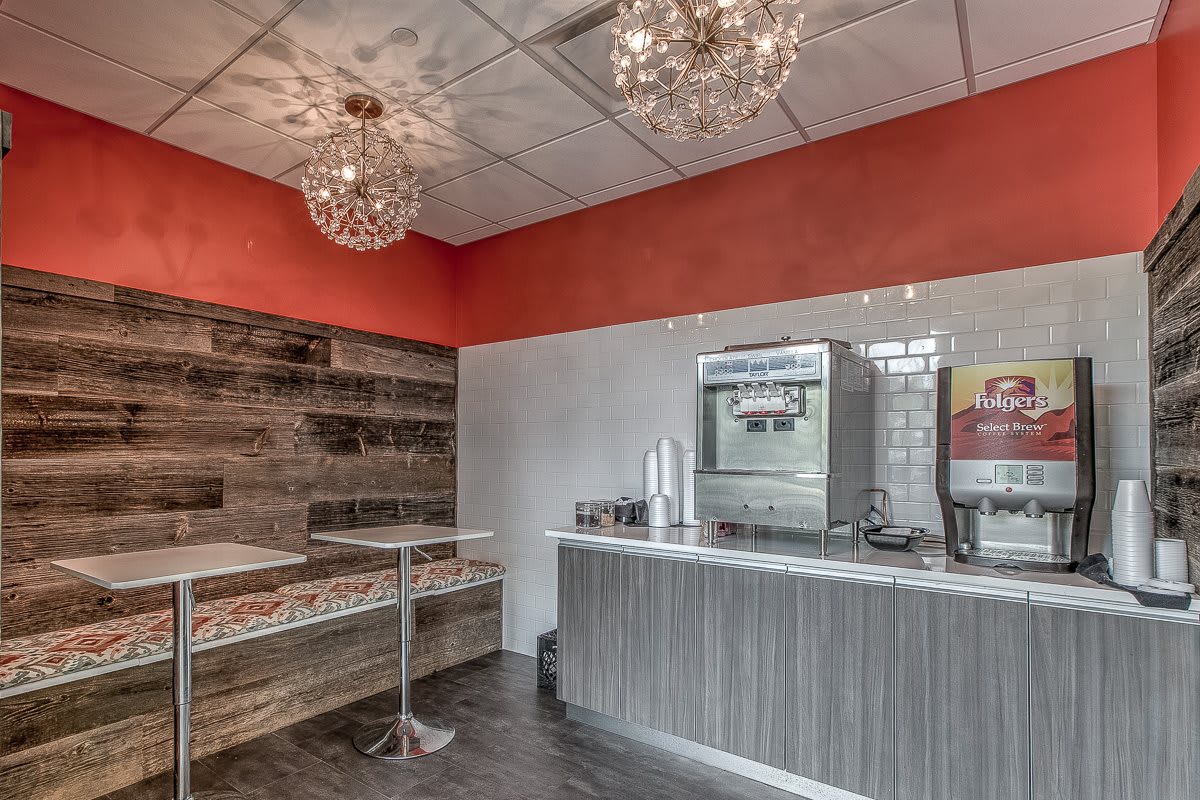
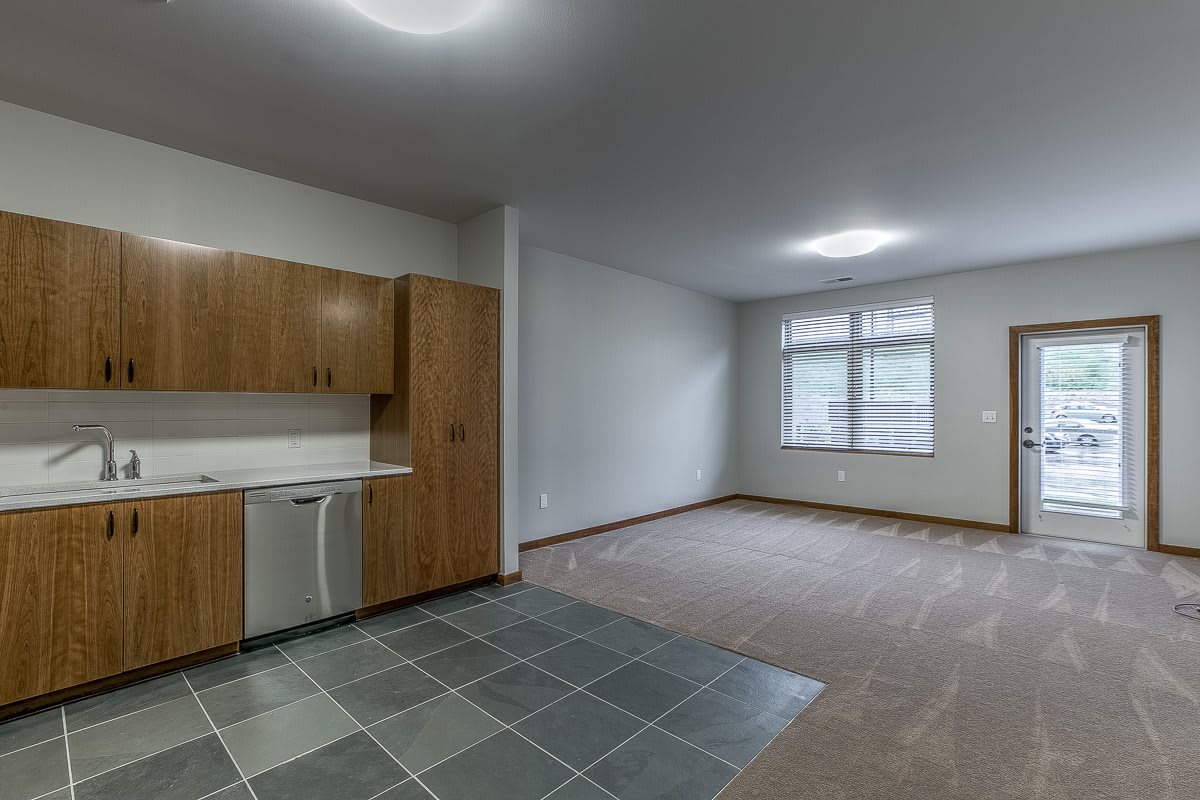
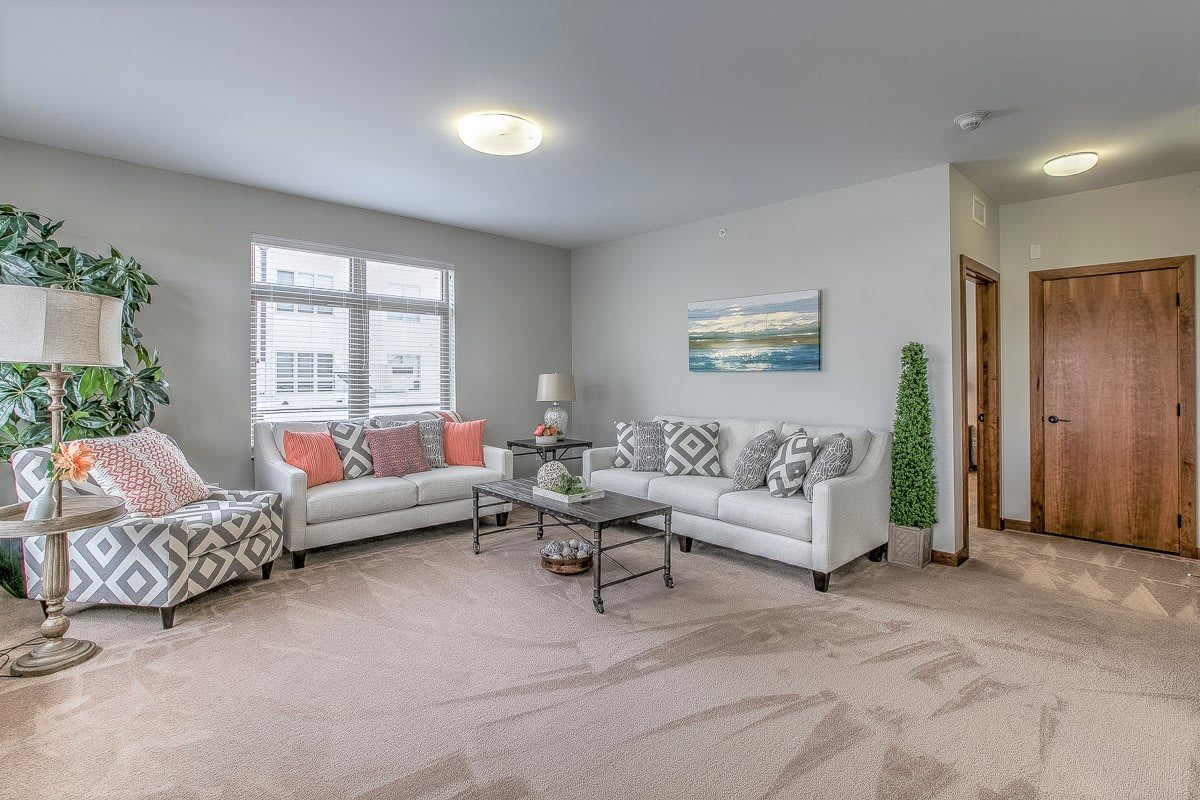
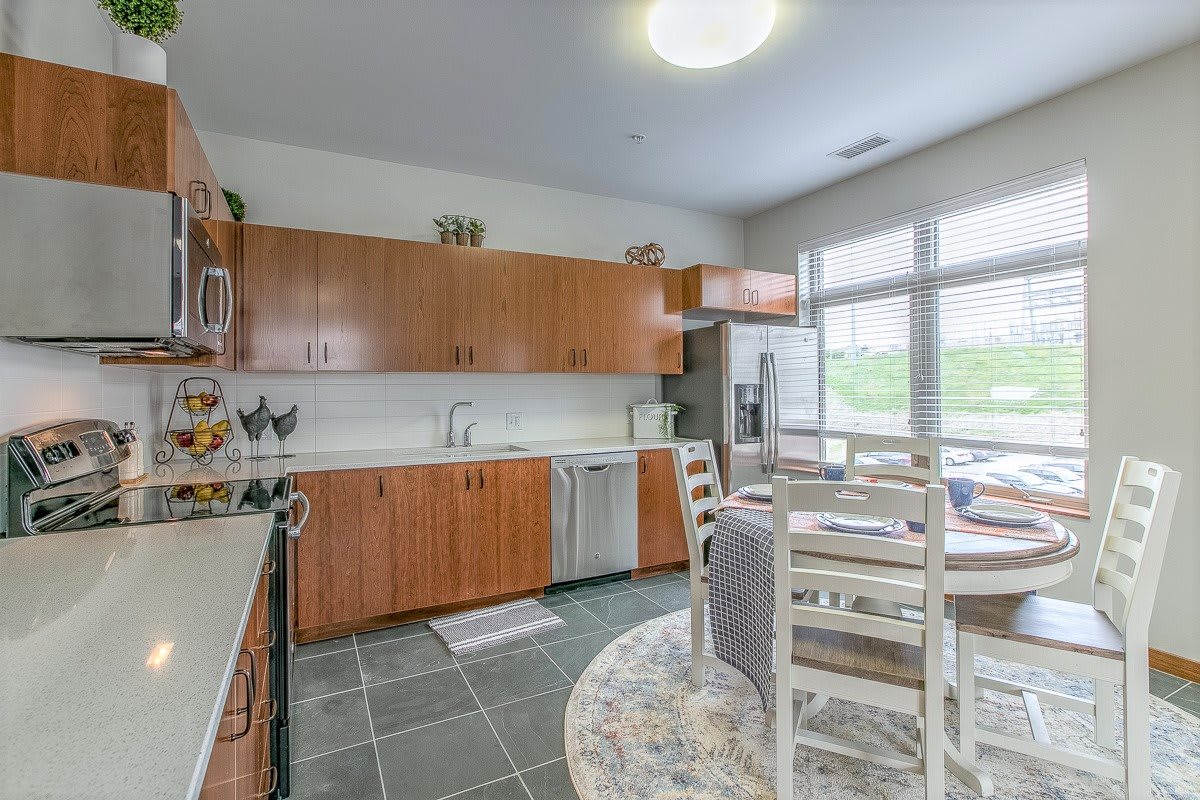
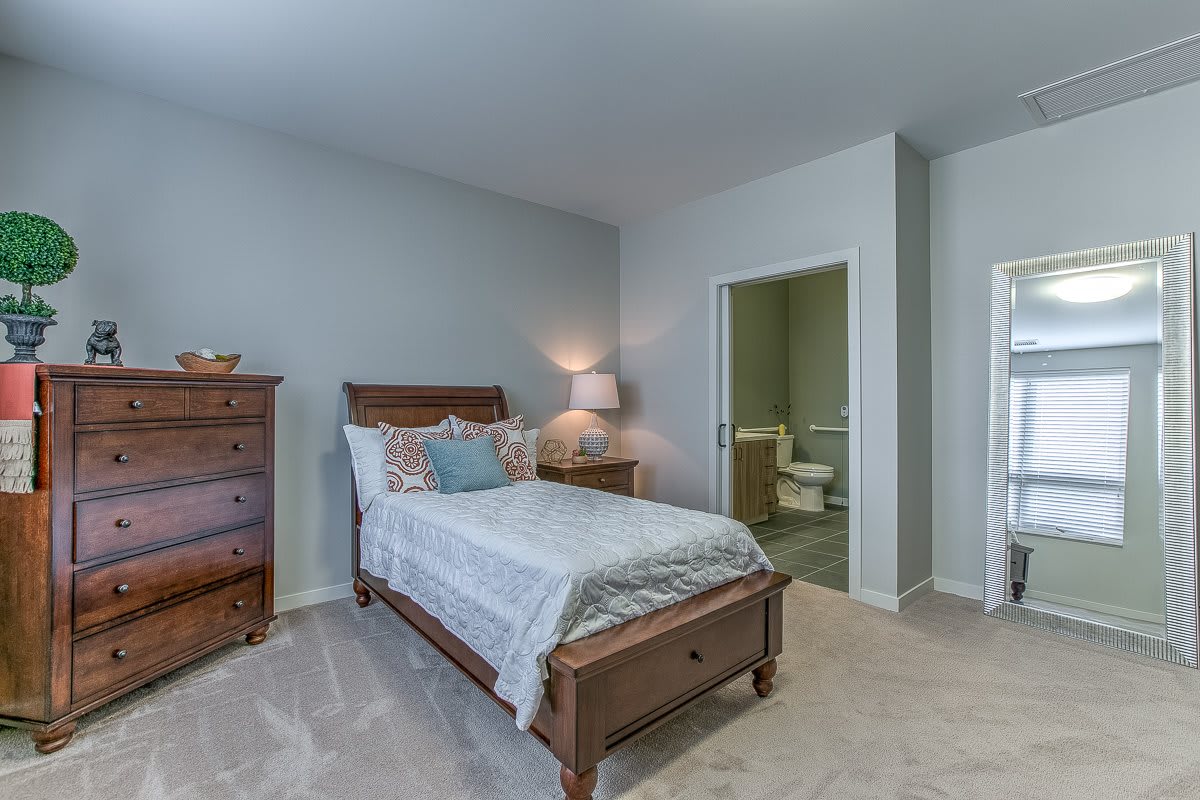
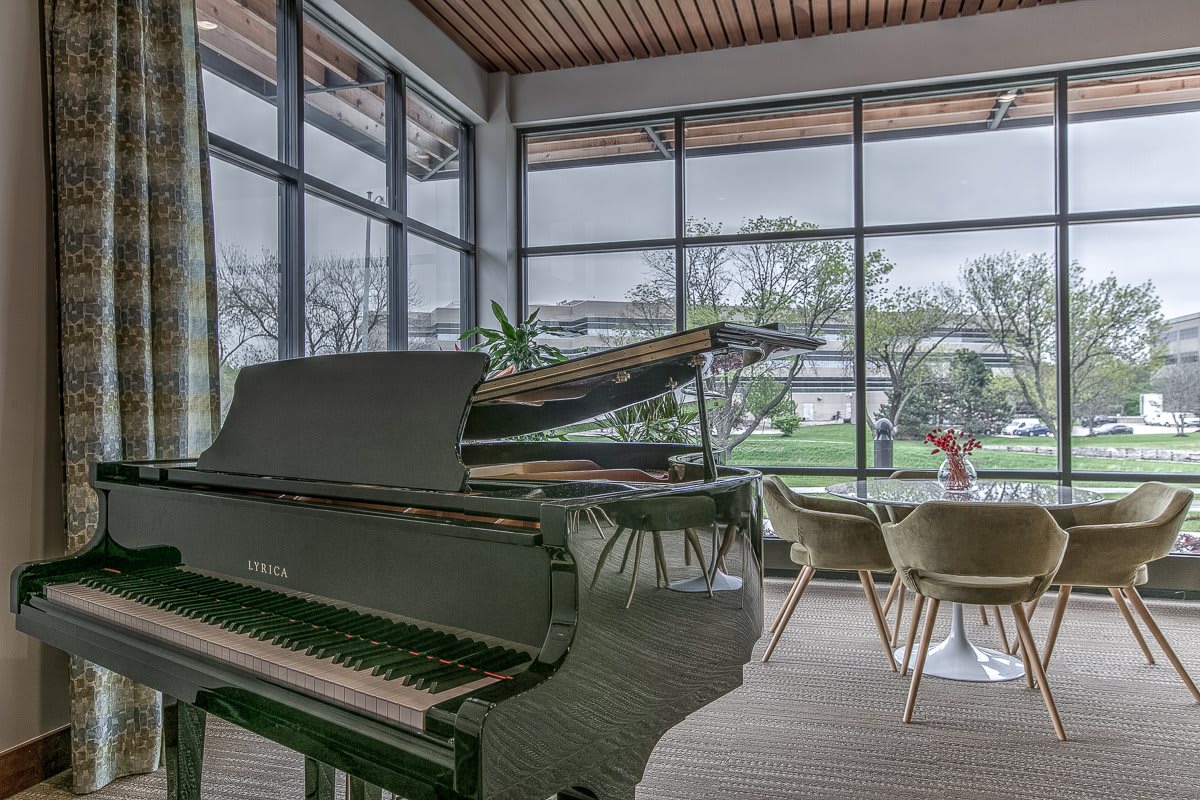
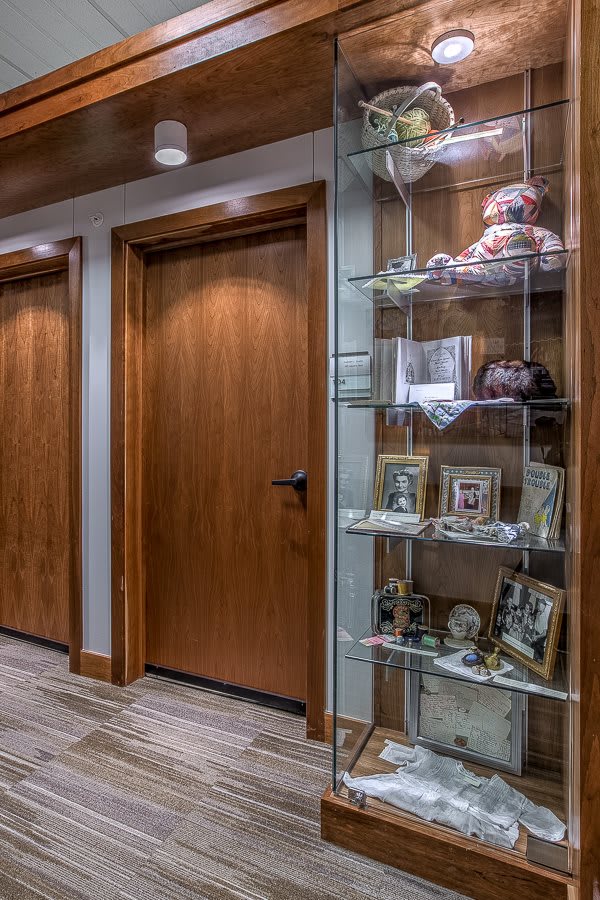
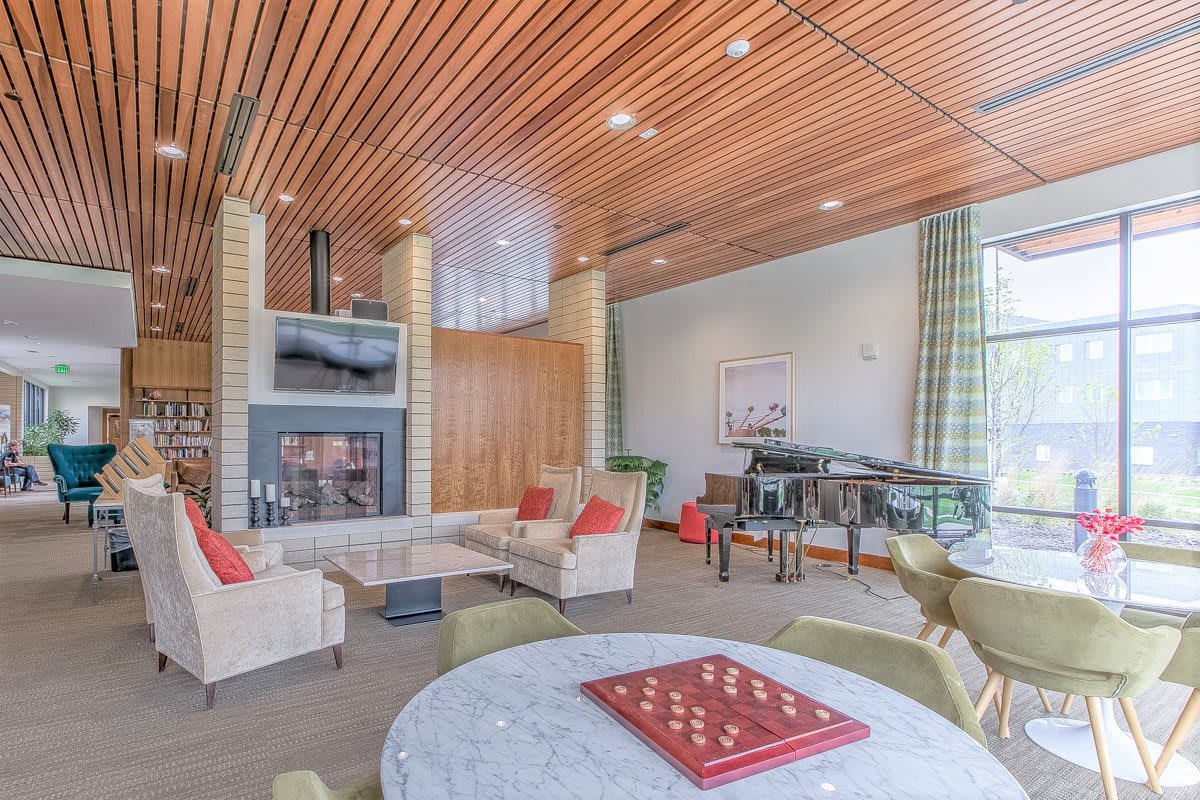
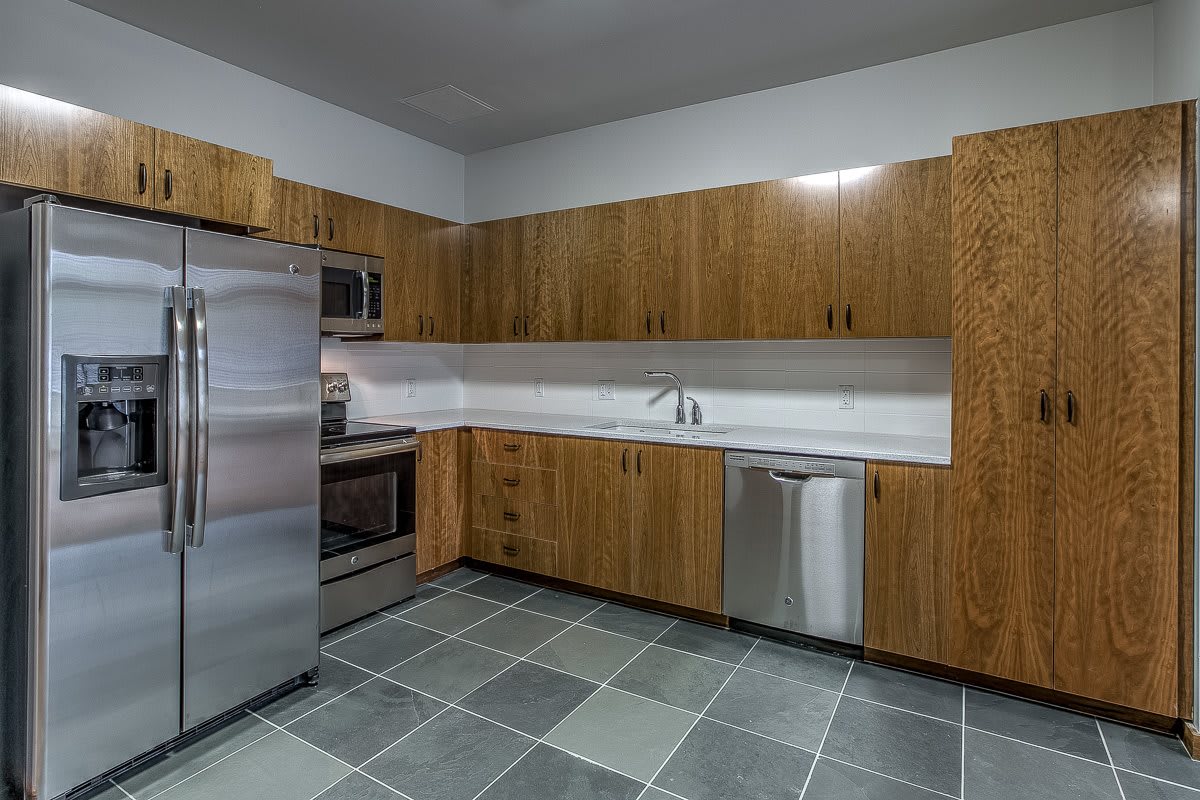
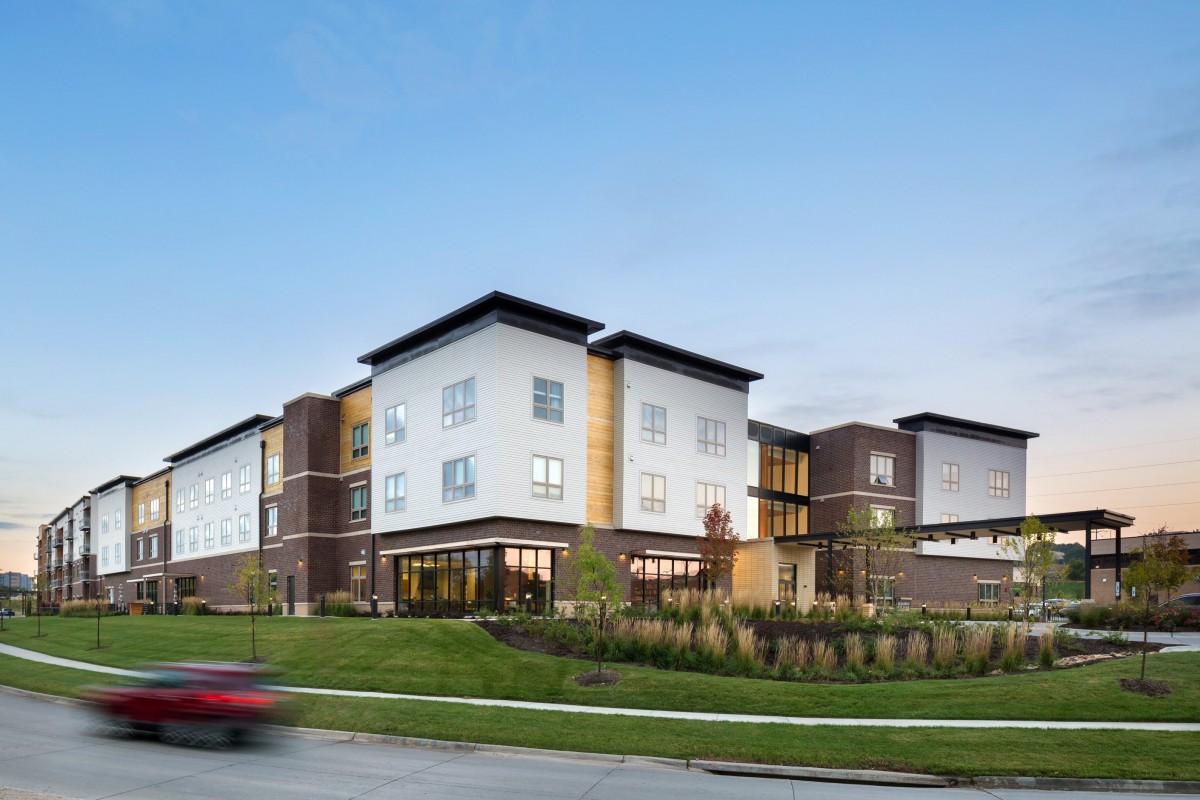
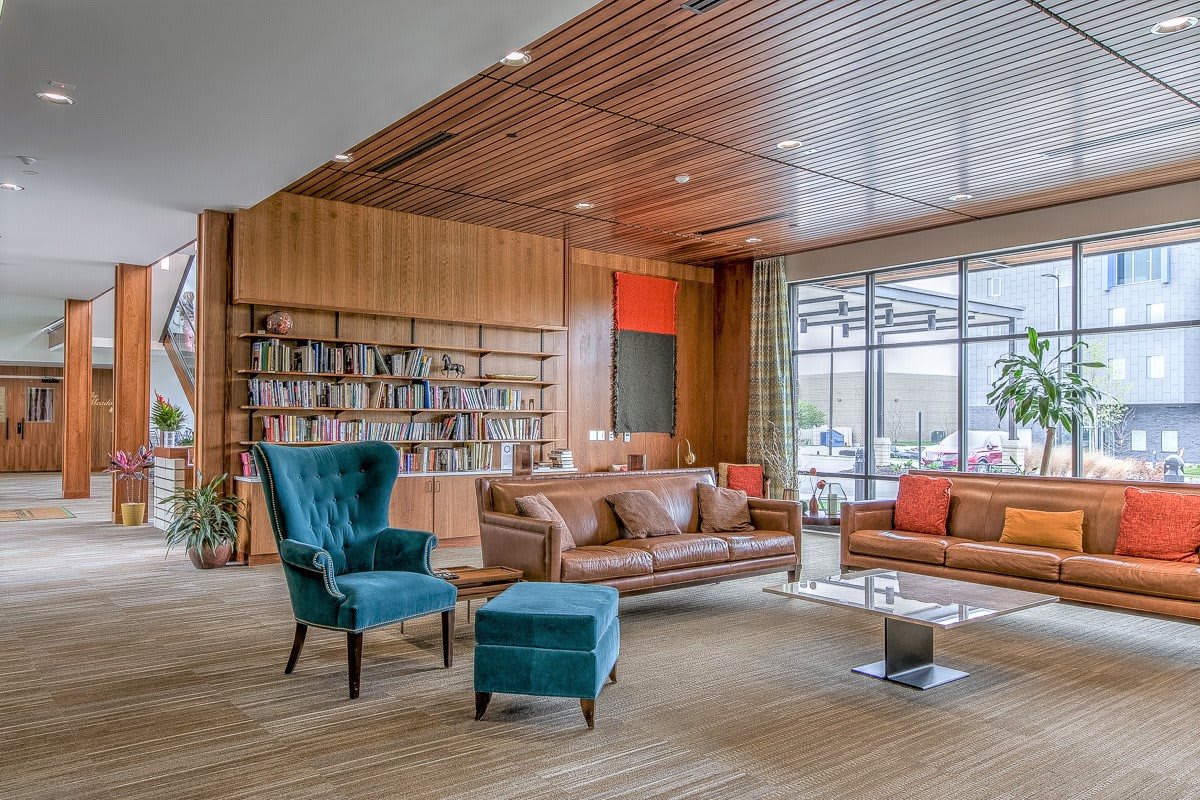
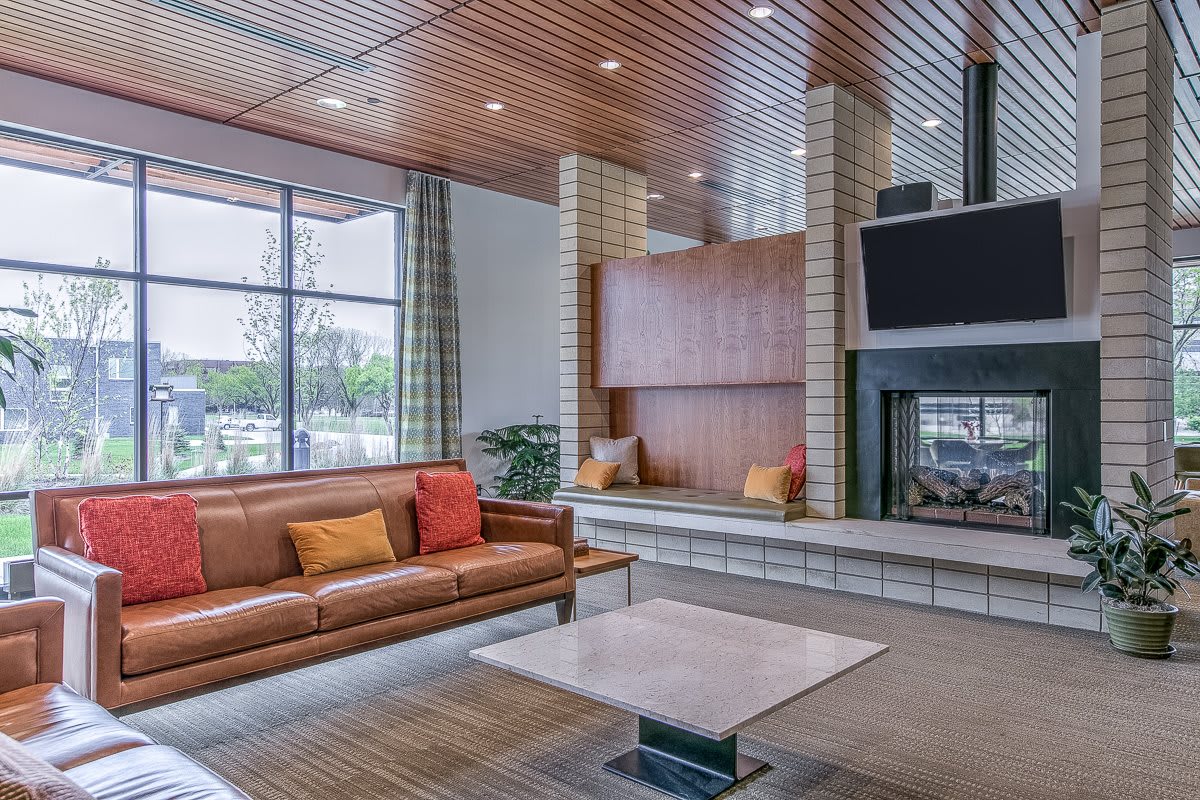
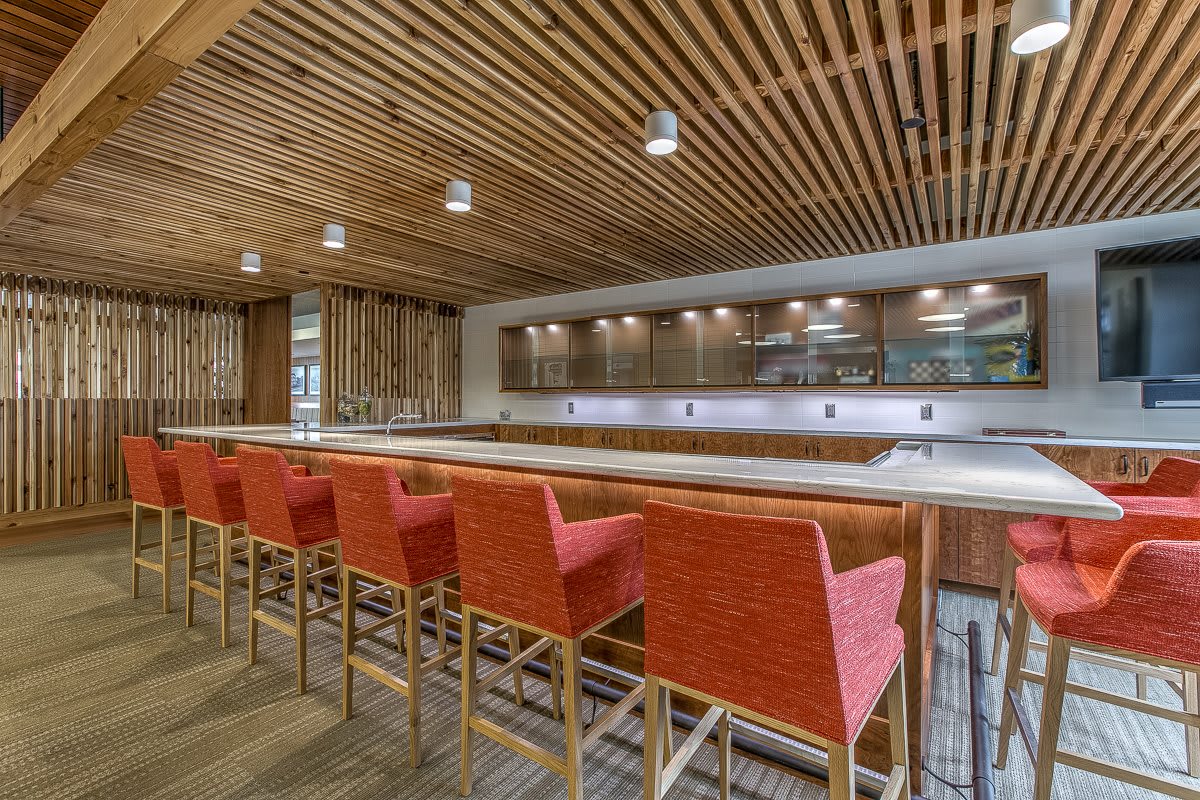
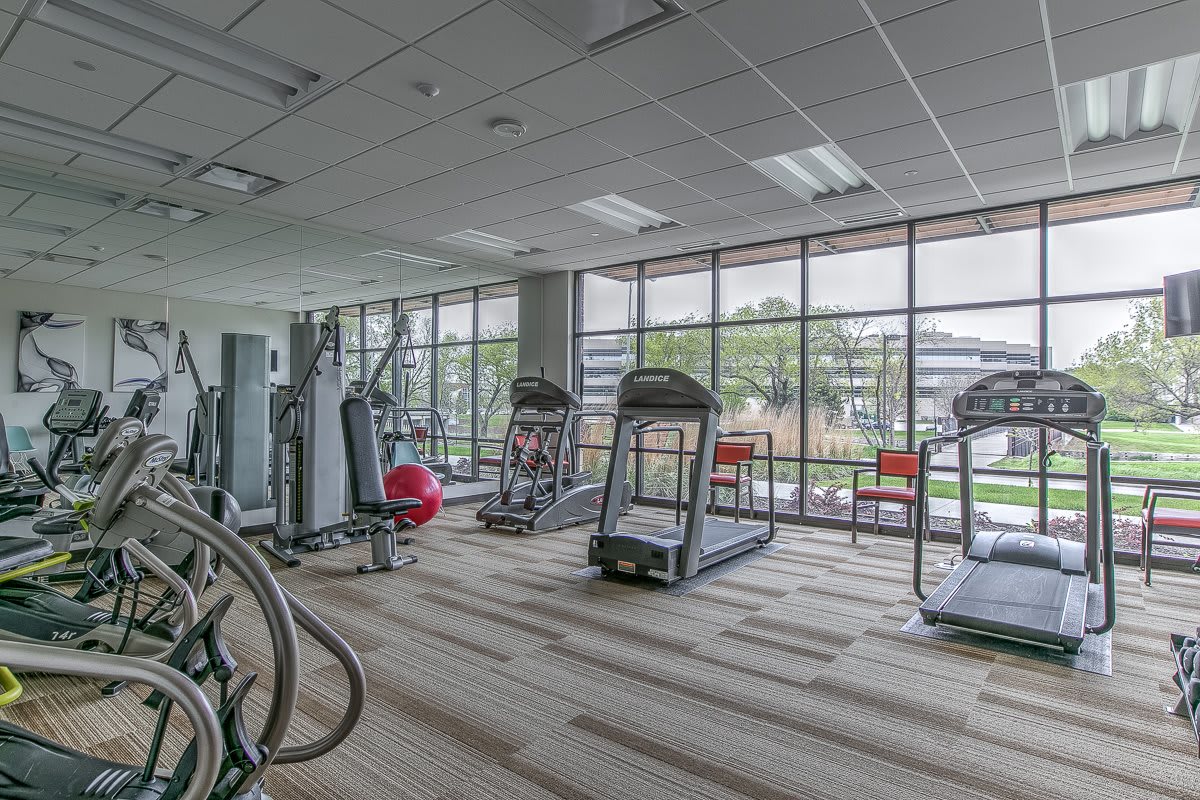
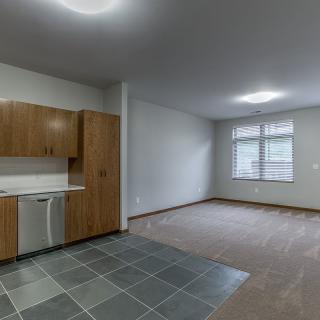
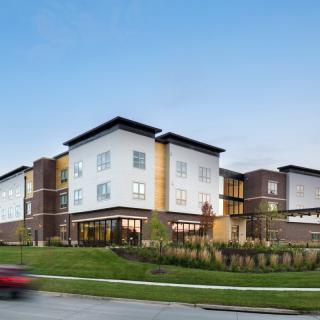
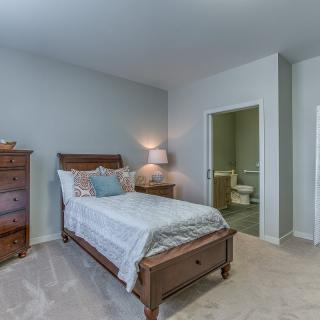
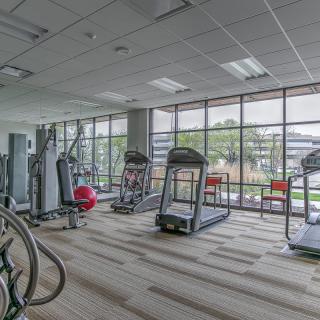
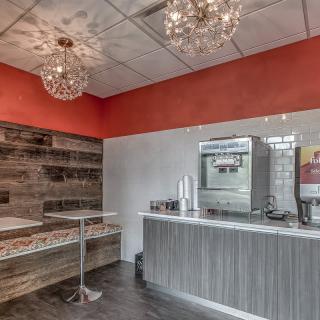
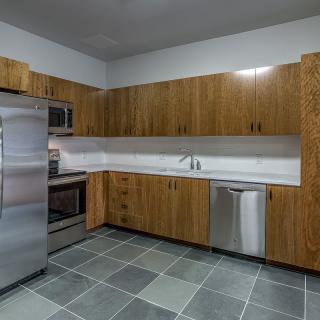
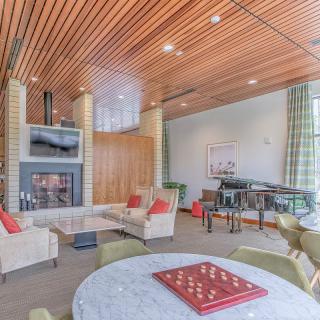
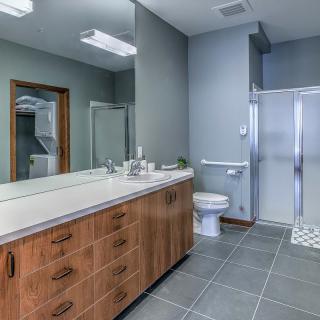
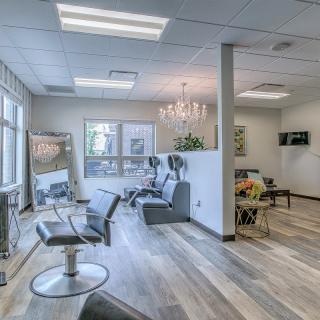
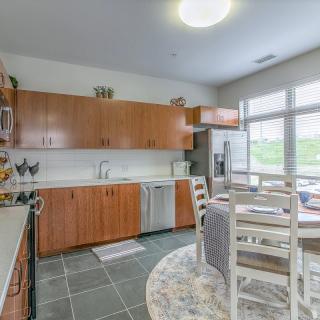
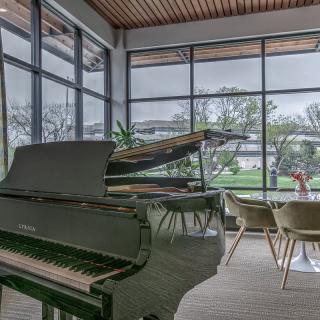
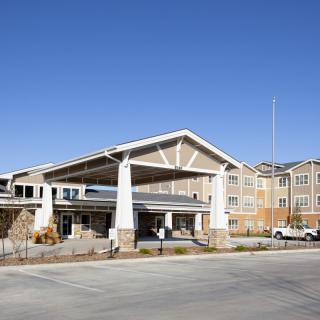
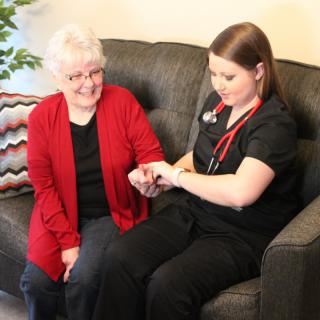
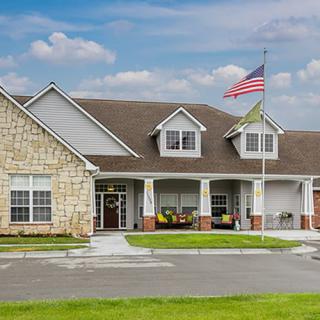
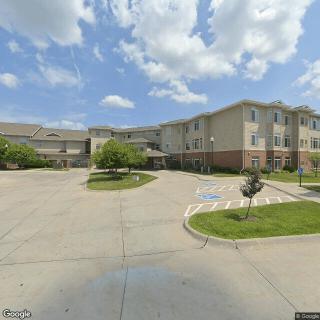
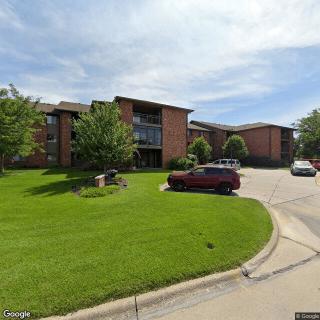
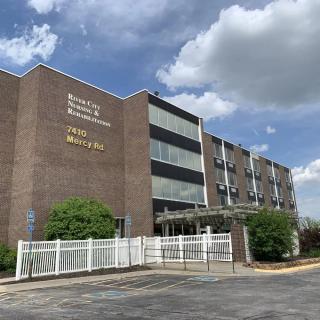
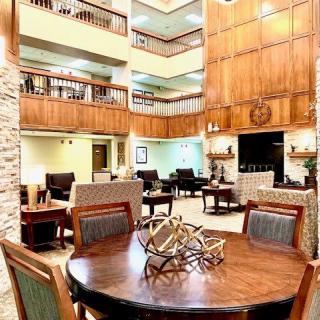
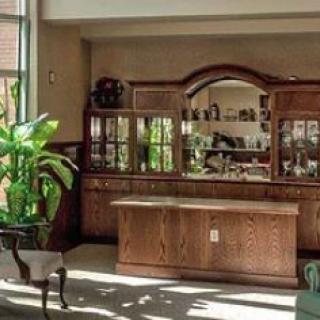
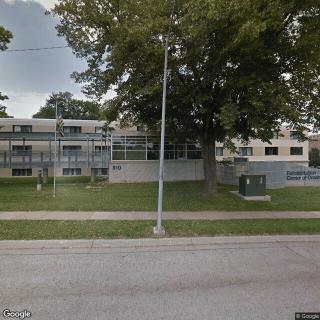
Aksarben Village Senior Living Community on seniors.fyi includes 41 photos including images showing floor plan, interior, architecture, bedroom, living room, bathroom, kitchen, windows, and more.
Nearby Communities
Hickory Villa
Omaha, NE
4.2 from 37 reviews
$3,290 / month
Caring, down-to-earth staff; clean, welcoming atmosphere with engaging activities.
Bickford of Omaha - Hickory
Omaha, NE
4.1 from 46 reviews
$3,802 to $4,106 / month
Intimate, homey environment with attentive staff and strong memory-care safety features.
Westminster Court
Omaha, NE
$1,145 to $1,425 / month
Affordable 1- and 2-bedroom pricing with convenient access to nearby amenities.
St. John Vianney Residence
Omaha, NE
5 from 4 reviews
Extensive nearby amenities (dining, parks, pharmacies, physicians, and hospitals).
River City Nursing And Rehabilitation
Omaha, NE
1.7 from 10 reviews
Extensive on-site amenities and 24/7 supervision.
Crown Pointe Retirement Community
Omaha, NE
4.4 from 154 reviews
$2,600 to $3,600 / month
Caring, friendly staff and an active community with extensive amenities.
Crown Pointe
Omaha, NE
4.5 from 143 reviews
Friendly, attentive staff in a welcoming, well-maintained environment with engaging activities and spacious common areas.
New Cassel Retirement Center
Omaha, NE
4.5 from 38 reviews
Beautiful, well-maintained facilities (cathedral-like chapel) with friendly staff and varied activities and meals.
Lindenwood Nursing Home
Omaha, NE
3.4 from 64 reviews
Small size supports personalized care and adequate staffing.
Alzheimer’s disease is a progressive neurological disorder that significantly impacts memory and cognitive functions, accounting for 60-80% of dementia cases, with early diagnosis being crucial yet challenging. It involves brain changes like beta-amyloid plaques and tau tangles, influenced by genetic and lifestyle factors, and while there is no cure, symptom management and support for caregivers are essential.
Dementia, influenced by aging and certain medications, may be exacerbated by drug classes such as anticholinergics, benzodiazepines, and antipsychotics, which are associated with cognitive impairment. Regular medication reviews by healthcare professionals are crucial for older adults to manage risks and optimize cognitive health.
Dementia often results in disrupted sleep patterns, leading to excessive daytime sleeping due to factors like brain damage affecting circadian rhythms, medication side effects, and lack of structure in daily activities. Caregivers must monitor these changes closely, as oversleeping can increase risks such as malnutrition or dehydration, and provide necessary support and routines to enhance patient engagement and well-being.
Get PricingAsk A QuestionSchedule A TourContact Senior Advisor
By clicking submit, you agree to our Partner's Terms of Use. You
also consent to receive calls and texts, which may be autodialed, from our Partner. Your consent is not a condition to
using our Partner's service. Please visit our Partner's Privacy Policy for information about their privacy practices.


 Assisted Living
 Independent Living
 Memory Care
 Cats allowed
 Dogs allowed
 Activities off-site
 Beautician on-site
 Devotional services off-site
 Indoor common areas
 Outdoor common areas
 Respite or short term stays offered
 Wheelchair accessible showers
 Eppley Airfield (8 miles away)
 Ambulatory care
 Diabetic care
 Incontinence care
 Medication management
 Meals provided
 Caring, down-to-earth staff; clean, welcoming atmosphere with engaging activities.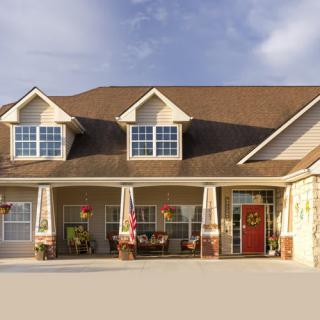

 Illuminating Insights About Alzheimer's Disease: Ten Crucial Realities
 A Thorough Discussion of Medications Potentially Linked to Dementia Risk
 Why Do Dementia Patients Sleep So Much? Understanding Oversleeping, Stages, and Care Approaches