Bickford of Omaha - Hickory offers a range of room types with pricing reflecting both local and state averages. For a studio, residents can expect to pay $3,802 per month, which is slightly above the Douglas County average of $3,611 but aligns more closely with the Nebraska state average of $3,728. If you're considering a two-bedroom unit, the monthly cost at Bickford is $4,000 - higher than both Douglas County's average of $3,202 and Nebraska's average of $3,627. Lastly, for those interested in a one-bedroom apartment, the fee stands at $4,106; this also exceeds Douglas County's lower average of $2,803 and surpasses the state average of $3,167. Overall, while Bickford's rates are competitive within the market context of both Douglas County and Nebraska as a whole, they reflect the facility's commitment to providing quality care and comfortable living environments for its residents.
Floor plans
Bickford of Omaha - Hickory
Douglas County
Nebraska
Studio
$3,802
$3,611
$3,728
2 Bedrooms
$4,000
$3,202
$3,627
1 Bedroom
$4,106
$2,803
$3,167
Skilled Nursing Facilities with a similar price nearby
Residents mention medication management and nursing support as a key point of difference.
Several reviews praise how staff handle residents’ medical needs and medication routines, including having nurses assess needs and help coordinate care. Other reviews are sharply critical, describing medication being left unattended at times and concerns about responsiveness to medical issues like diabetes. A few families also describe the transition to the right level of support as important, while one reviewer reports extra medication-management charges.
common8 reviews mention this
Activities and outings get attention
Residents and families repeatedly talk about frequent activities and outings.
Reviews frequently highlight the variety of activities and how engaged residents seem to be. Some describe daily programming and special events, while others mention field trips and the community encouraging family involvement in outings. A recurring improvement request is simply having more outings, suggesting the activity mix is strong but could expand.
caveat4 reviews mention this
Pricing comes up often
Price is a recurring concern in resident and family feedback.
Multiple reviews call out that the community is more expensive than expected or than alternatives considered. Some families specifically mention higher costs tied to care add-ons such as medication management, while another reviewer frames it as pricey but worth it for the care quality. One other comment also ties value concerns to portions and dining expectations.
differentiator5 reviews mention this
Memory care security and setup
Memory care is described as secure and tailored to residents’ needs.
Families describe the memory care environment as an appropriate step for residents with Alzheimer’s, and they point to how the layout helps reduce getting lost. A reviewer also mentions strong security and natural light as part of the memory care experience. At the same time, at least one critic specifically raises concerns about memory-care staffing and related daily care execution.
common12 reviews mention this
Clean, small, and under renovation
Many reviews emphasize cleanliness and a smaller, manageable facility feel.
Positive feedback repeatedly mentions the community being clean and well kept, with several reviewers also commenting on the facility’s size and home-like environment. One family notes the community was under renovation and describes the updated spaces as cleaner and more comfortable, while another points out small-room tradeoffs. Even in favorable comments, there are a few notes about room size and layout not matching every preference.
How we summarize
Counts show how many written reviews mention each theme; a review can touch several themes, and only frequently mentioned themes are displayed.
Features
Types of Care
Assisted Living
Memory Care
Skilled Nursing Facility
Pets
Cats allowed
Dogs allowed
Amenities
Activities off-site
Activities on-site
Bath tubs
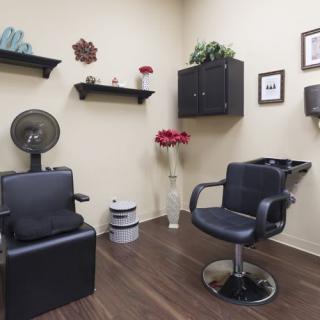
Beautician on-site
Devotional services off-site
Devotional services on-site
Dining room
Guasts at mealtime
Indoor common areas
Kitchenette
Laundry
Outdoor common areas
Party space
Respite or short term stays offered
Wheelchair accessible showers
Transportation
Eppley Airfield (8 miles away)
Transportation & parking
Care Services
Ambulatory care
Diabetic care
Incontinence care
Meal preparation and service
Medication management
Walking wheelchair assistance
Dining
Diabetes diet
Meals provided
Vegetarian
Activities
Activities off-site
Activities on-site
Devotional activities offsite
Devotional activities on-site
Religious services
Languages Spoken
English
Nearby Places of Interest
This area of Omaha, Nebraska offers a variety of amenities that may be of interest to seniors looking to relocate. The proximity to multiple healthcare facilities, including internal medicine clinics, hospitals, and pharmacies, ensures easy access to medical care. There are also several dining options nearby, ranging from fast food establishments like Chick-Fil-A and McDonald's to sit-down restaurants such as Charleston's Restaurant. In terms of recreation, there are several parks within a few miles for outdoor activities like walking or picnicking. Additionally, coffee shops like Panera Bread and Starbucks provide places for socializing and relaxation. Overall, this area offers convenience and a range of services that may appeal to seniors seeking a comfortable living environment in Omaha.
Bickford of Omaha - Hickory offers a range of room types with pricing reflecting both local and state averages. For a studio, residents can expect to pay $3,802 per month, which is slightly above the Douglas County average of $3,611 but aligns more closely with the Nebraska state average of $3,728. If you're considering a two-bedroom unit, the monthly cost at Bickford is $4,000 - higher than both Douglas County's average of $3,202 and Nebraska's average of $3,627. Lastly, for those interested in a one-bedroom apartment, the fee stands at $4,106; this also exceeds Douglas County's lower average of $2,803 and surpasses the state average of $3,167. Overall, while Bickford's rates are competitive within the market context of both Douglas County and Nebraska as a whole, they reflect the facility's commitment to providing quality care and comfortable living environments for its residents.
Bickford of Omaha - Hickory offers medication management to ensure that residents receive their prescribed medications on time and in the correct dosages, which is crucial for maintaining their cognitive health and managing symptoms related to dementia or Alzheimer's disease. The meal preparation and service feature provides nutritious, balanced meals tailored to individual dietary needs, promoting overall well-being and comfort while also fostering social interaction during mealtimes. Incontinence care is handled with compassion and respect, addressing a common concern for those with advanced cognitive impairments; this ensures dignity while alleviating stress for both residents and families. Together, these services create a supportive environment that prioritizes safety, health, and quality of life for residents facing memory challenges.
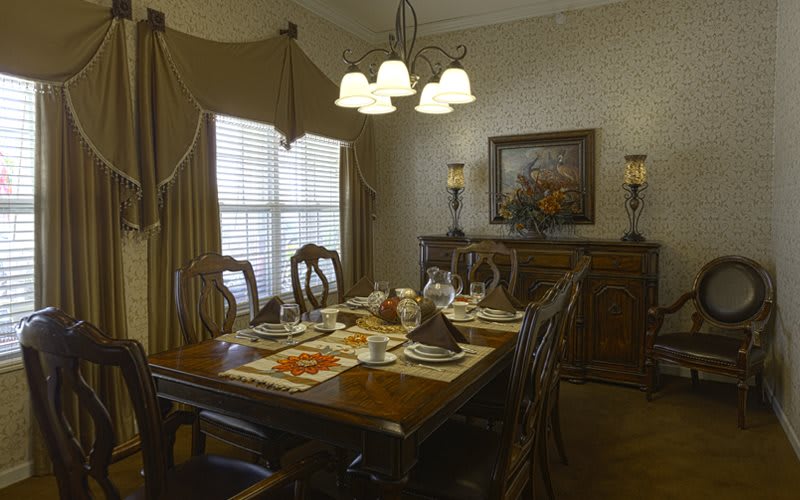
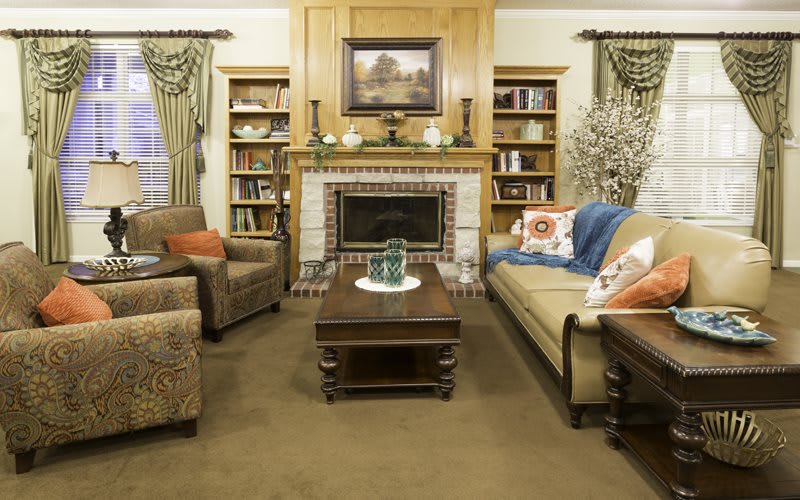
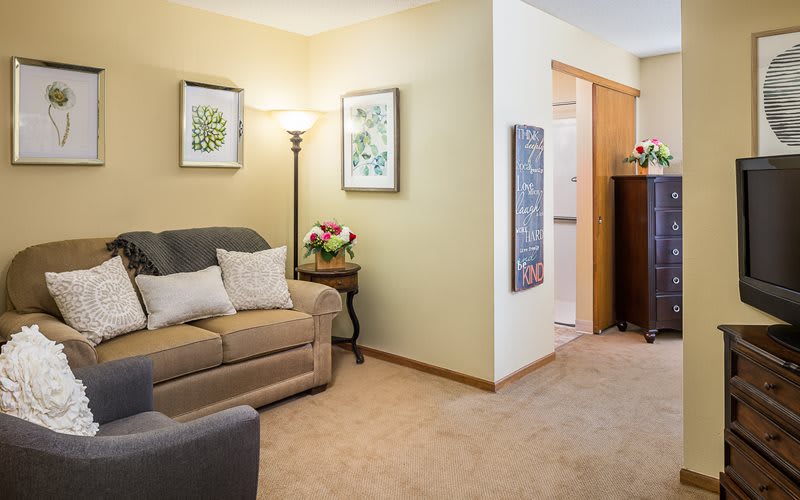
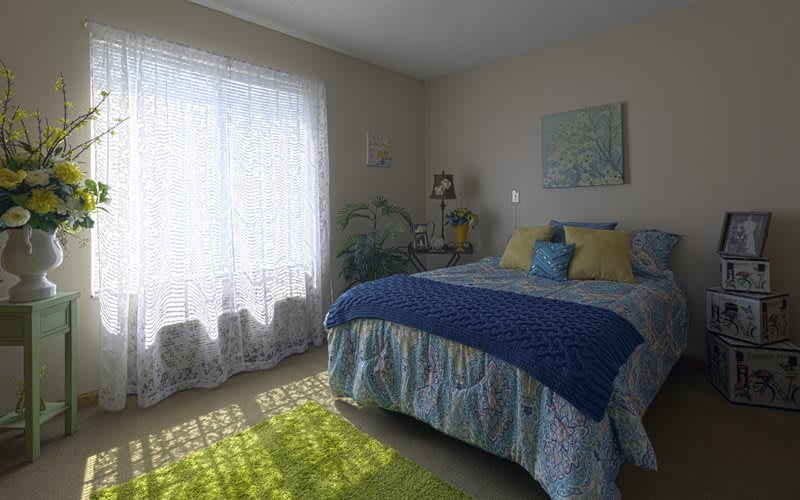
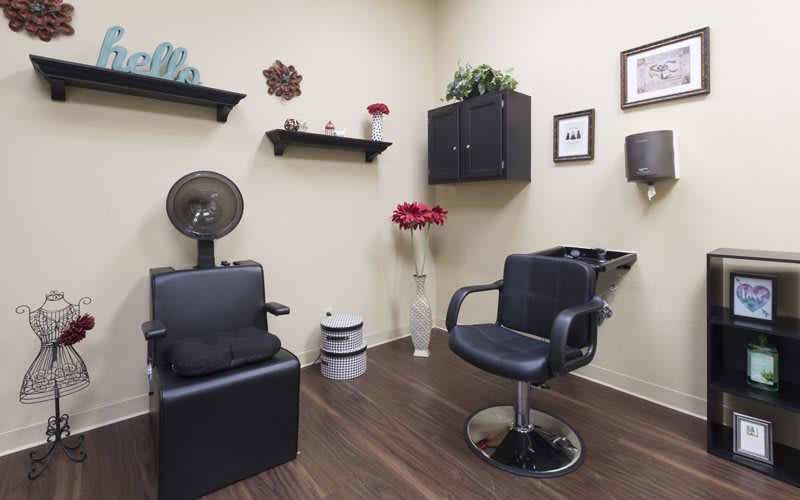
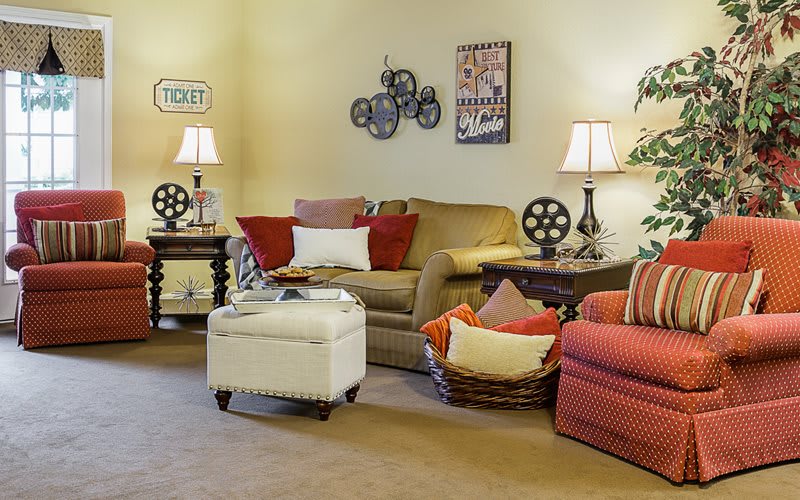
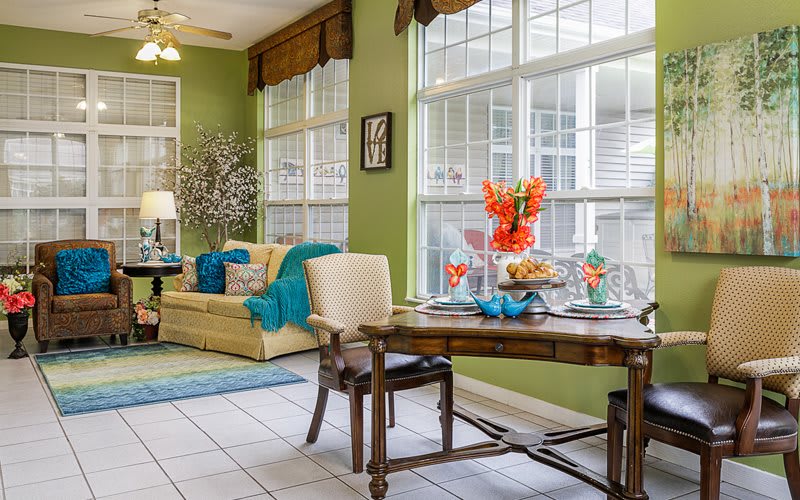
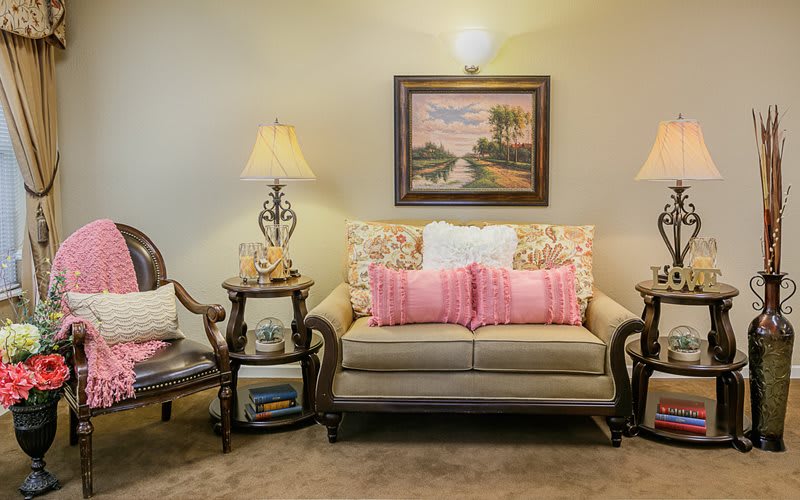
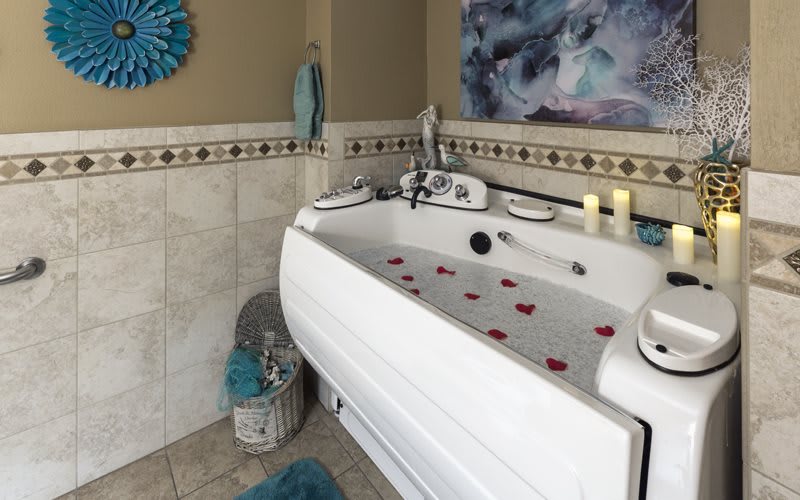
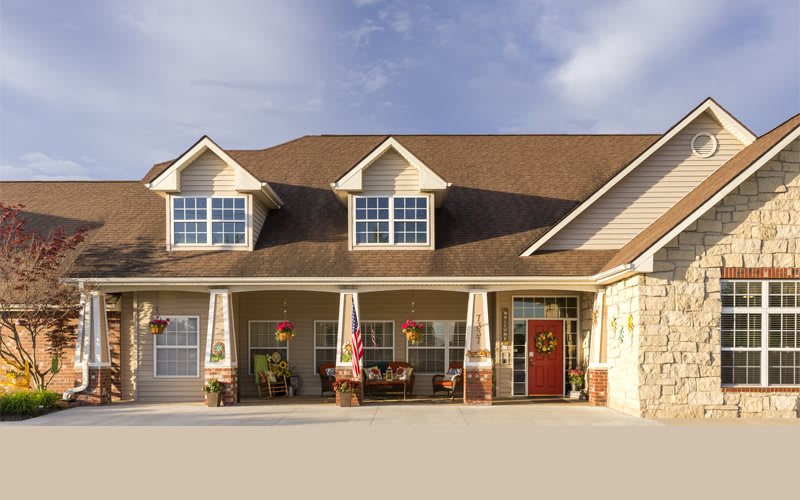
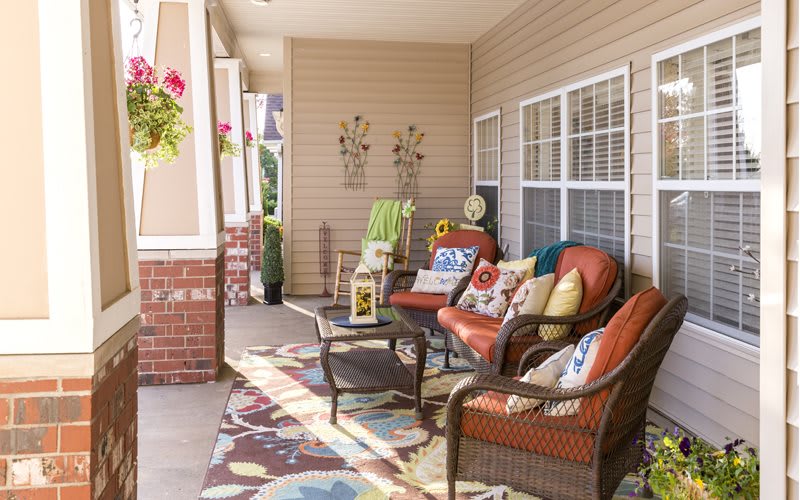
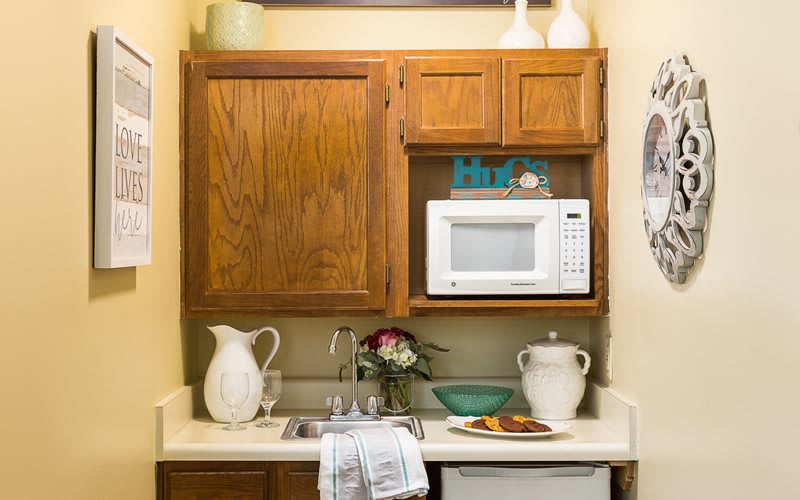
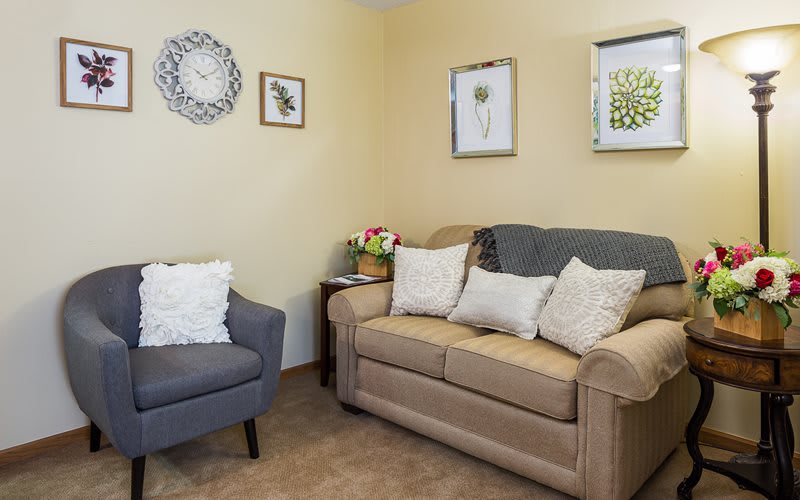
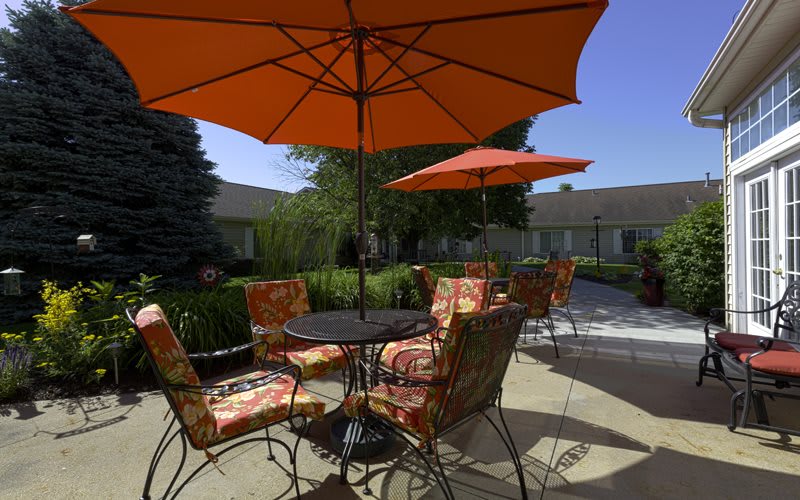
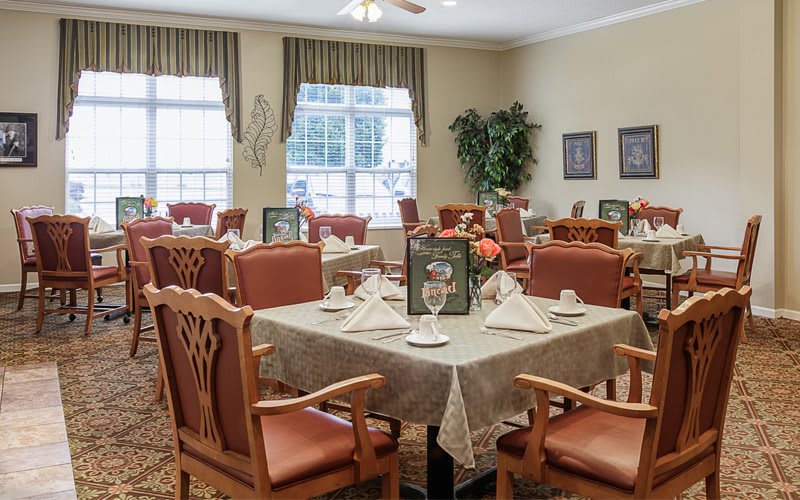
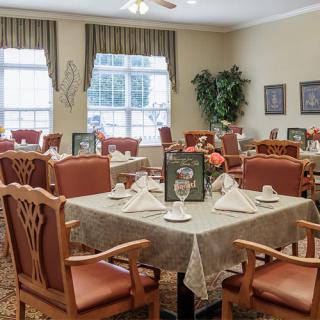
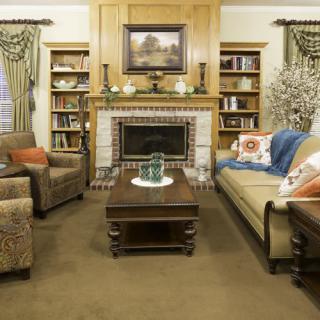
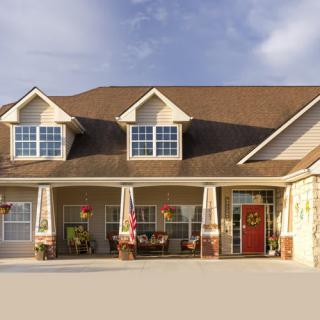
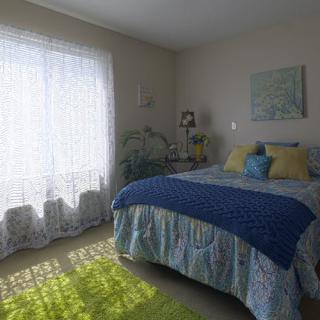
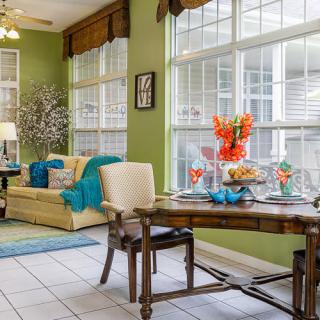
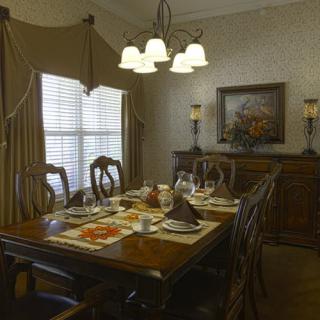
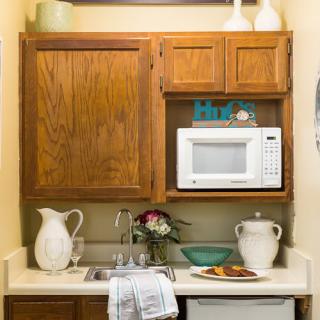
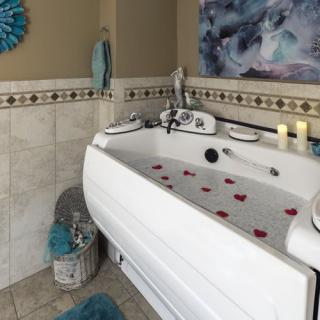
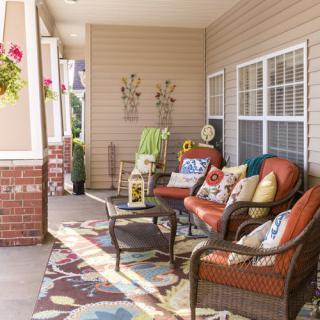
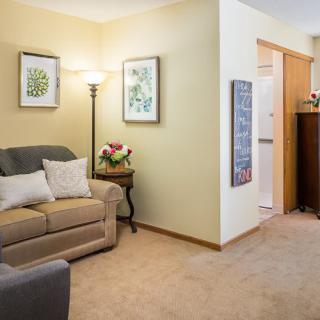
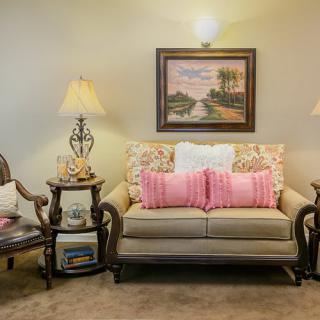
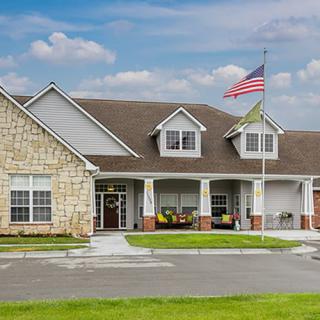
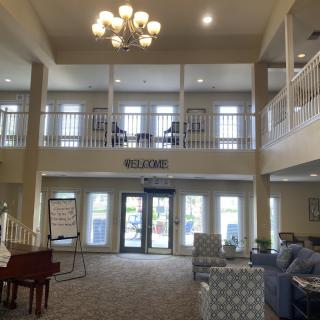
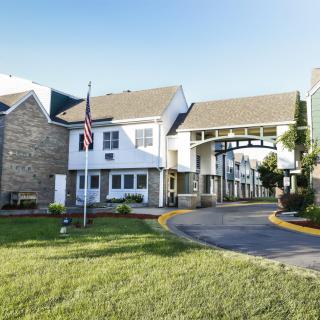
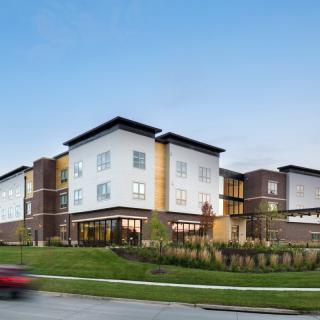
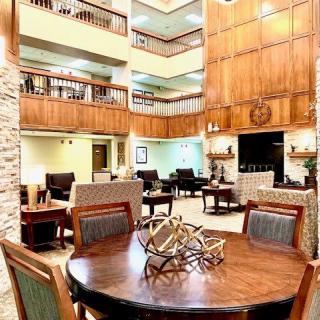
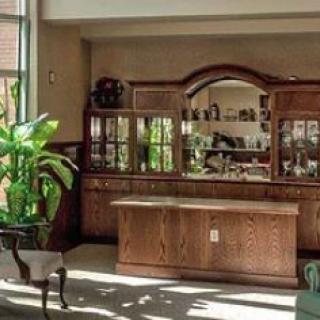
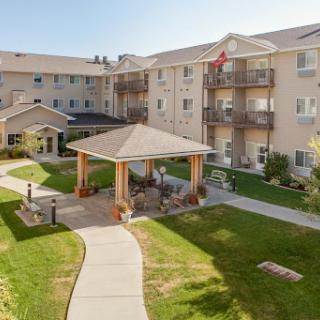
Bickford of Omaha - Hickory on seniors.fyi includes 17 photos including images showing decor, interior, living room, dining, windows, wall art, porch, architecture, and more.
Nearby Communities
Hickory Villa
Omaha, NE
4.2 from 37 reviews
$3,290 / month
Caring, down-to-earth staff; clean, welcoming atmosphere with engaging activities.
Westminster Court
Omaha, NE
$1,145 to $1,425 / month
Affordable 1- and 2-bedroom pricing with convenient access to nearby amenities.
St. John Vianney Residence
Omaha, NE
5 from 4 reviews
Extensive nearby amenities (dining, parks, pharmacies, physicians, and hospitals).
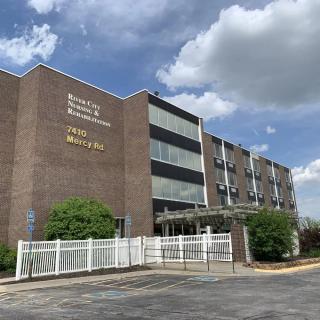
River City Nursing And Rehabilitation
Omaha, NE
1.7 from 10 reviews
Extensive on-site amenities and 24/7 supervision.
Aksarben Village Senior Living Community
Omaha, NE
4.8 from 126 reviews
$3,735 to $4,915 / month
Caring staff, prime location, and strong amenities with diverse dining for independent living.
Crown Pointe Retirement Community
Omaha, NE
4.4 from 154 reviews
$2,600 to $3,600 / month
Caring, friendly staff and an active community with extensive amenities.
Crown Pointe
Omaha, NE
4.5 from 143 reviews
Friendly, attentive staff in a welcoming, well-maintained environment with engaging activities and spacious common areas.
New Cassel Retirement Center
Omaha, NE
4.5 from 38 reviews
Beautiful, well-maintained facilities (cathedral-like chapel) with friendly staff and varied activities and meals.
Ralston House
Omaha, NE
3.3 from 13 reviews
$625 to $775 / month
Affordable 55+ living with a friendly, active community and first-floor accessibility.
Medicaid coverage for assisted living varies by state and is primarily available to low-income individuals, with eligibility dependent on strict income and asset limits. Some states offer HCBS waivers for specific services in assisted living, but families must generally cover room and board costs, and should verify facility acceptance of Medicaid while considering potential waiting lists.
Medicaid waivers for assisted living services provide vital support for seniors and individuals with disabilities in need of long-term care, with varying state-specific eligibility criteria and benefits. These waivers cover personal care and case management but often do not fully cover room and board, leading to waiting lists for many applicants.
The article compares assisted living and skilled nursing facilities, detailing their differing levels of assistance, medical support, cost structures, and day-to-day experiences. It emphasizes that assisted living is for those needing help with daily activities while maintaining independence, whereas skilled nursing facilities provide intensive medical care with 24-hour staff supervision.
Get PricingAsk A QuestionSchedule A TourContact Senior Advisor
By clicking submit, you agree to our Partner's Terms of Use. You
also consent to receive calls and texts, which may be autodialed, from our Partner. Your consent is not a condition to
using our Partner's service. Please visit our Partner's Privacy Policy for information about their privacy practices.




 Assisted Living
 Memory Care
 Skilled Nursing Facility
 Cats allowed
 Dogs allowed
 Activities off-site
 Bath tubs
 Beautician on-site
 Devotional services off-site
 Dining room
 Indoor common areas
 Kitchenette
 Laundry
 Outdoor common areas
 Party space
 Respite or short term stays offered
 Wheelchair accessible showers
 Eppley Airfield (8 miles away)
 Transportation & parking
 Ambulatory care
 Diabetic care
 Incontinence care
 Meal preparation and service
 Medication management
 Walking wheelchair assistance
 Diabetes diet
 English
 Caring, down-to-earth staff; clean, welcoming atmosphere with engaging activities.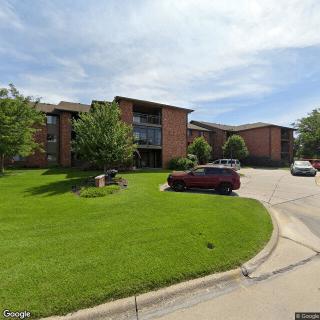

 How and When Medicaid May Cover Assisted Living Costs
 A Detailed Exploration of Assisted Living Medicaid Waivers Across the United States
 Exploring the Contrasts Between Assisted Living and Skilled Nursing