Crown Pointe Retirement Community presents competitive pricing for its residential options when compared to both Douglas County and the broader Nebraska area. For a studio apartment, Crown Pointe's monthly fee of $2,600 is notably lower than the county average of $3,611 and well beneath the state average of $3,728. Similarly, their one-bedroom units are priced at $2,800, which aligns closely with the county rate but significantly undercuts the state average. Residents seeking more spacious accommodations will find that Crown Pointe's two-bedroom option at $3,600 remains favorable compared to Douglas County's average of $3,202 and Nebraska's $3,627. Overall, Crown Pointe offers appealing affordability while maintaining a commitment to quality care and community living.
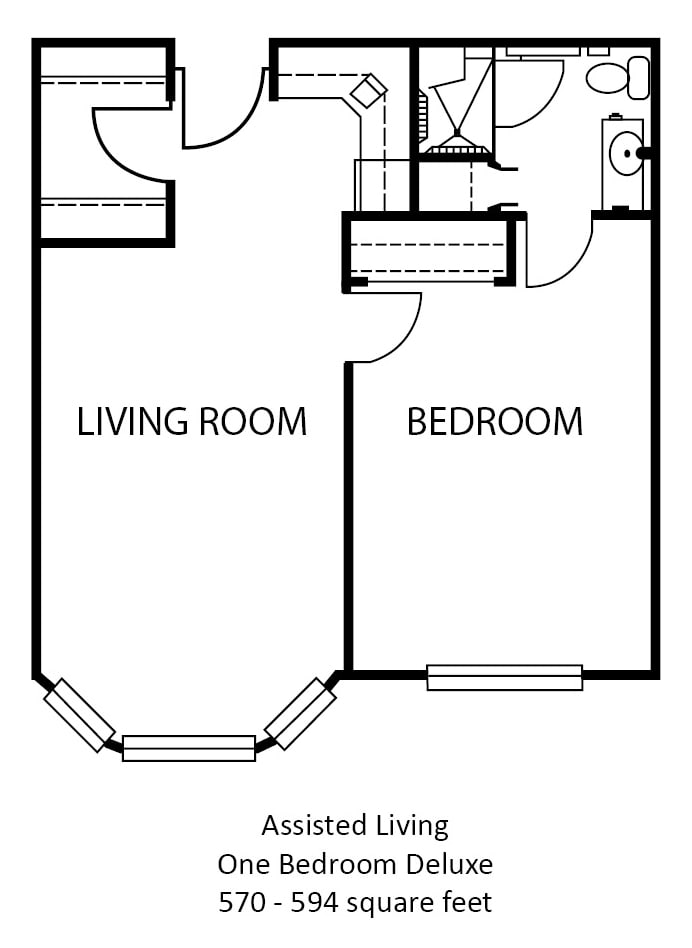
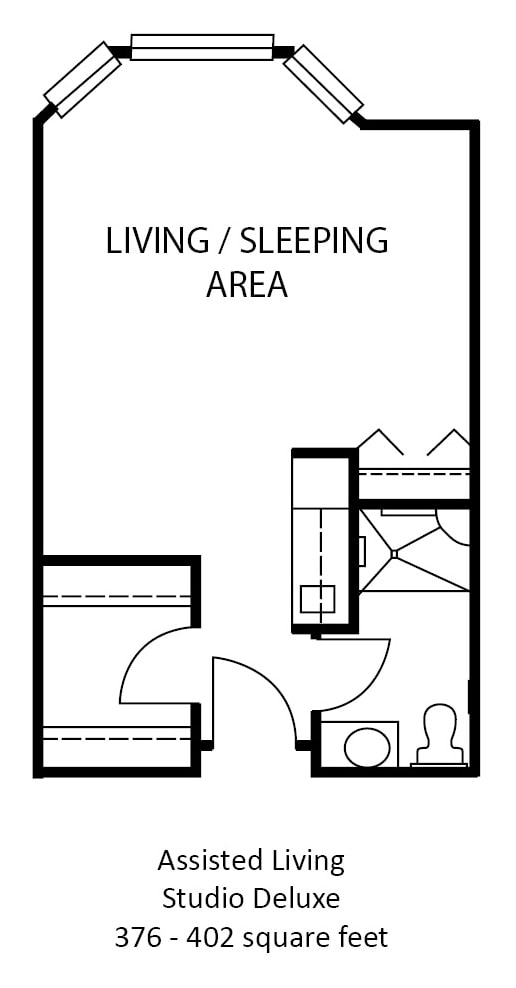
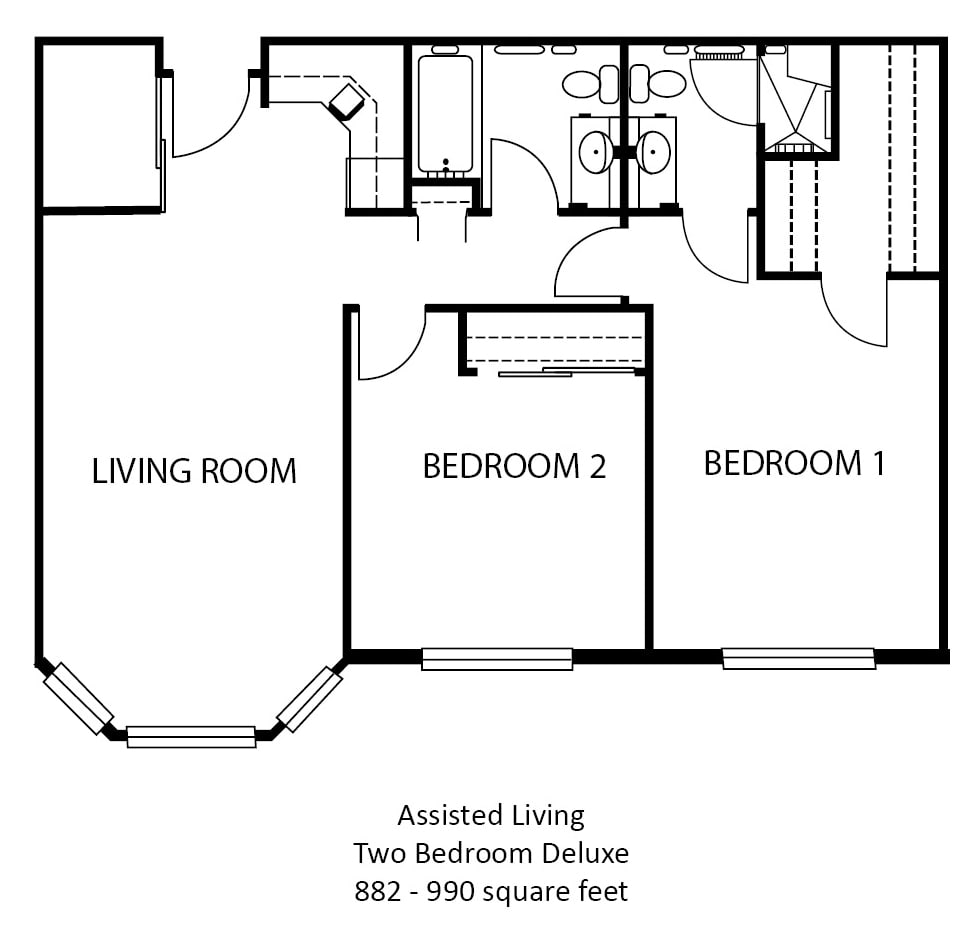
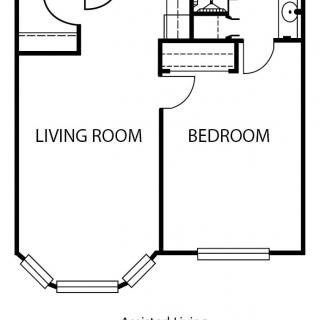
Floor plans
Crown Pointe Retirement Community
Douglas County
Nebraska
Studio
$2,600
$3,611
$3,728
1 Bedroom
$2,800
$2,803
$3,167
2 Bedrooms
$3,600
$3,202
$3,627
Memory care communities with a similar price nearby
Overall Review of Crown Pointe Retirement Community
caveat8 reviews mention this
Memory care needs careful review
Memory care experiences are mixed, with some families questioning dementia-specific safety and communication.
Several reviews describe memory care as helpful and responsive, including mentions of caring staff and assistance in daily care. Other residents’ family members report serious concerns in the memory unit, including dementia-related supervision issues, unsafe behavior around wandering, and problems with how medication or eating support is handled. There are also complaints about management and communication, alongside reports of facility odor and missing personal items.
caveat14 reviews mention this
Dining quality is inconsistent
Dining is a recurring point of difference, with residents describing both good meals and ongoing quality problems.
Many families praise the food and dining experience, including positive comments about taste, variety, and choices at meals. Others say the food quality declined over time, with complaints about casserole-heavy meals, inconsistent orders, and limited variety. A few reviews also tie dining issues to service and execution in the dining room, even when the overall facility and staff are viewed positively.
caveat3 reviews mention this
Billing and fees feel unpredictable
Some families report billing and fee changes that were handled poorly or felt unfair.
A few reviews criticize when payments are due and how prorated or variable costs are charged after move-in. Others describe rate increases after the initial quote, and frustration with credits not being refunded as expected. Even among otherwise positive experiences, these billing concerns come up often enough to stand out.
How we summarize
Counts show how many written reviews mention each theme; a review can touch several themes, and only frequently mentioned themes are displayed.
Features
Types of Care
Assisted Living
Independent Living
Memory Care
Pets
Cats allowed
Dogs allowed
Amenities
Activities off-site
Activities on-site
Air-conditioning
Bath tubs
Beautician on-site
Cable or satellite TV
Devotional services off-site
Devotional services on-site
Ground floor units
Handicap accessible
Indoor common areas
Kitchenette
Outdoor common areas
Respite or short term stays offered
Wheelchair accessible showers
Wi-Fi/high-speed internet available
Transportation
Eppley Airfield (9 miles away)
Care Services
Ambulatory care
Diabetic care
High acuity care
Incontinence care
Medication management
Dining
Guest meals
Meals provided
Professional chef
Restaurant style dining
Room service
Vegan
Activities
Art classes
Catholic services
Day trips and outings
Devotional activities offsite
Devotional activities on-site
Educational speakers / life long learning
Happy hour
Live musical performances
Live well programs
Protestant services
Visiting chaplain or priest
Wine tasting
Videos
Nearby Places of Interest
This particular area of Omaha, Nebraska is a convenient and bustling area with a variety of amenities in close proximity. There are several reputable physicians and hospitals within a short distance, providing easy access to medical care. Additionally, there are numerous dining options ranging from fast food to sit-down restaurants, as well as pharmacies for medication needs. For those who enjoy spending time outdoors, there are parks nearby where one can take a leisurely stroll or relax amidst nature. Overall, this area offers a mix of healthcare services, dining options, and recreational opportunities that may cater to the needs and preferences of seniors looking for a vibrant community to call home.
Crown Pointe Retirement Community presents competitive pricing for its residential options when compared to both Douglas County and the broader Nebraska area. For a studio apartment, Crown Pointe's monthly fee of $2,600 is notably lower than the county average of $3,611 and well beneath the state average of $3,728. Similarly, their one-bedroom units are priced at $2,800, which aligns closely with the county rate but significantly undercuts the state average. Residents seeking more spacious accommodations will find that Crown Pointe's two-bedroom option at $3,600 remains favorable compared to Douglas County's average of $3,202 and Nebraska's $3,627. Overall, Crown Pointe offers appealing affordability while maintaining a commitment to quality care and community living.
Medication management at Crown Pointe Retirement Community ensures that residents receive their prescribed medications on time and in the correct dosages, which is crucial for individuals with dementia or Alzheimer's disease. This feature reduces the risk of adverse reactions and helps maintain cognitive function, addressing the unique challenges these residents face. Incontinence care further enhances the quality of life for residents by providing dignity and comfort; caregivers are trained to assist individuals sensitively, offering personalized support that promotes hygiene and emotional well-being. Together, these features create a supportive environment that prioritizes both health and dignity, enabling residents to thrive despite the difficulties posed by memory-related conditions.
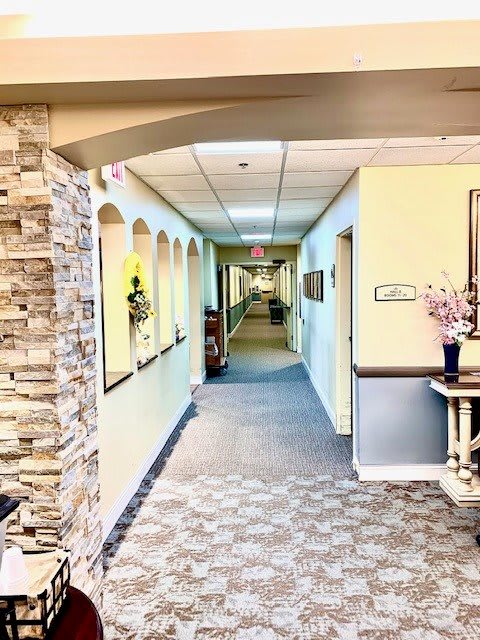
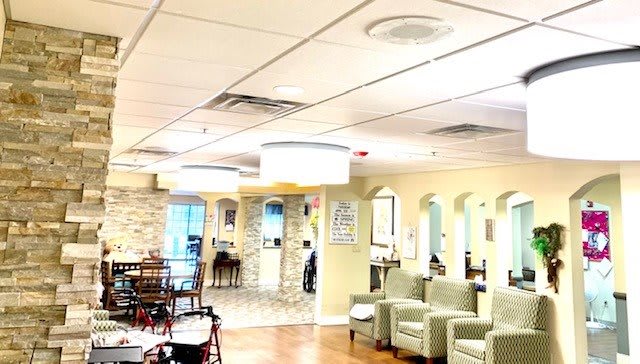
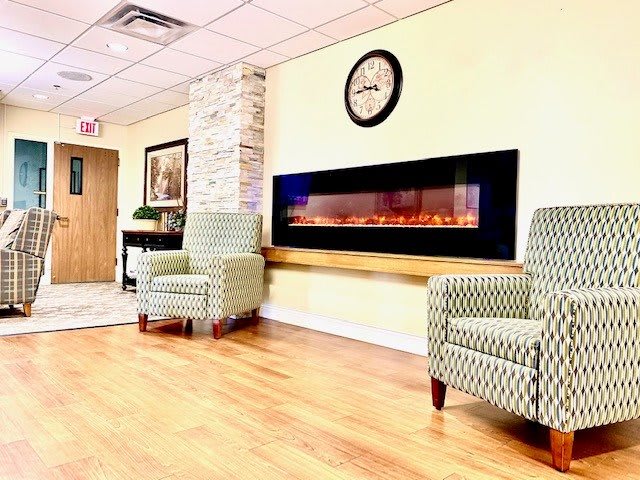
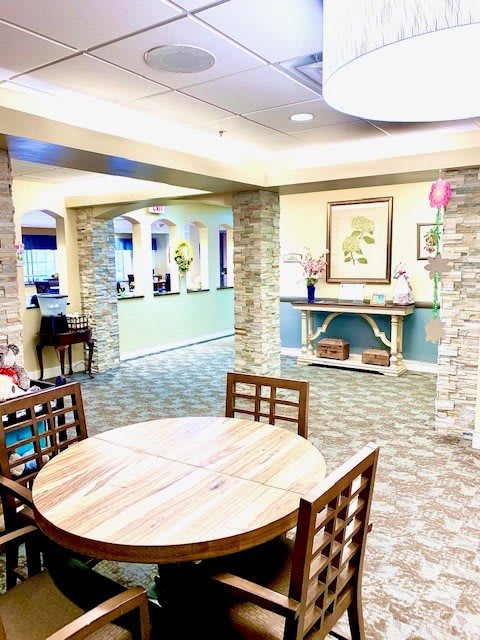
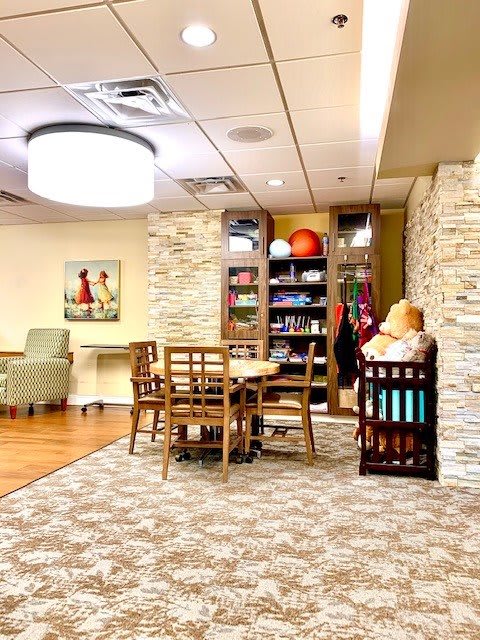
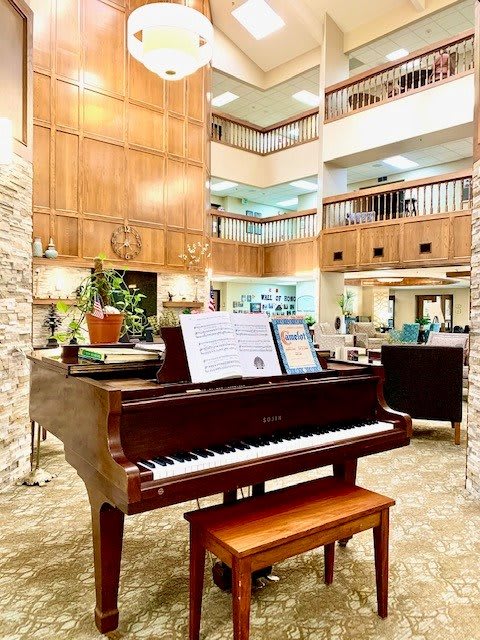
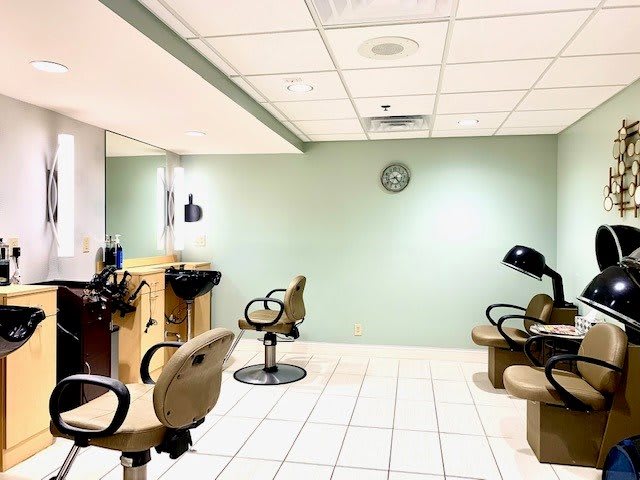
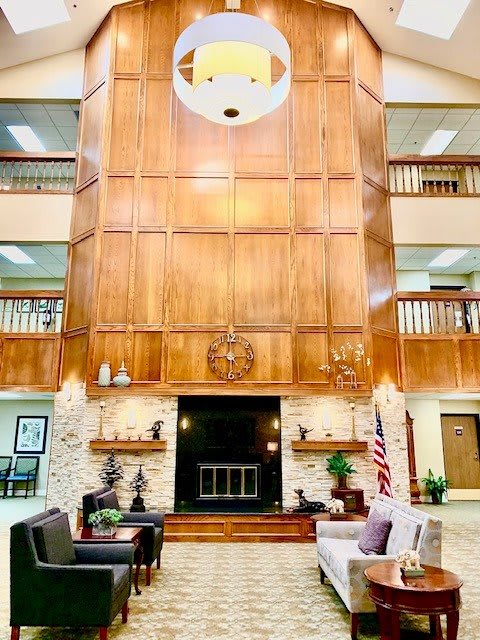
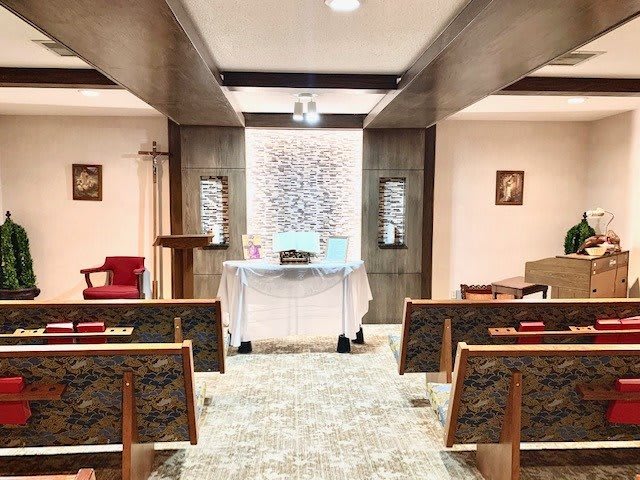
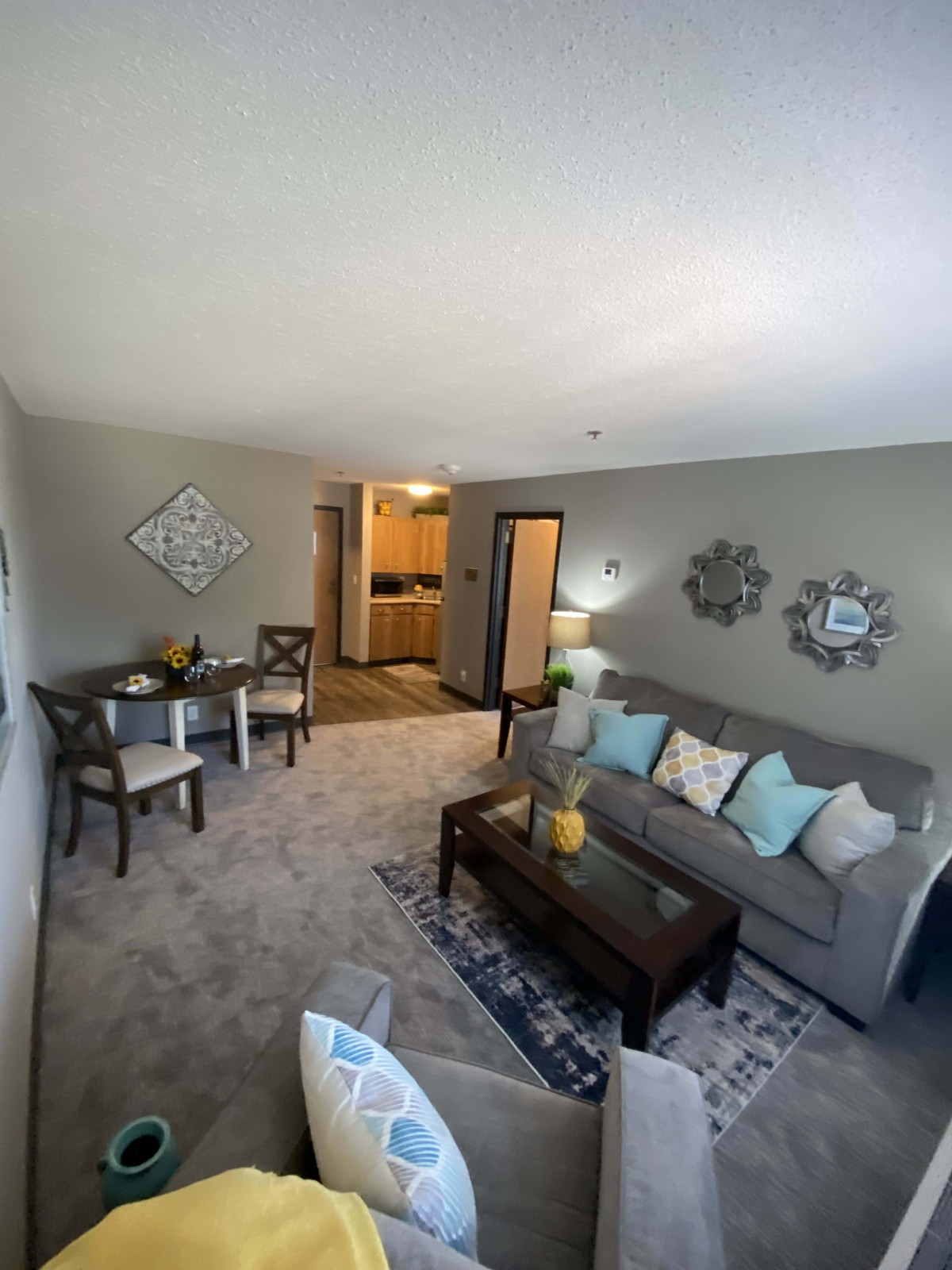
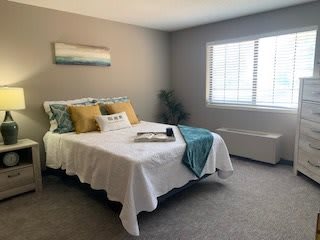
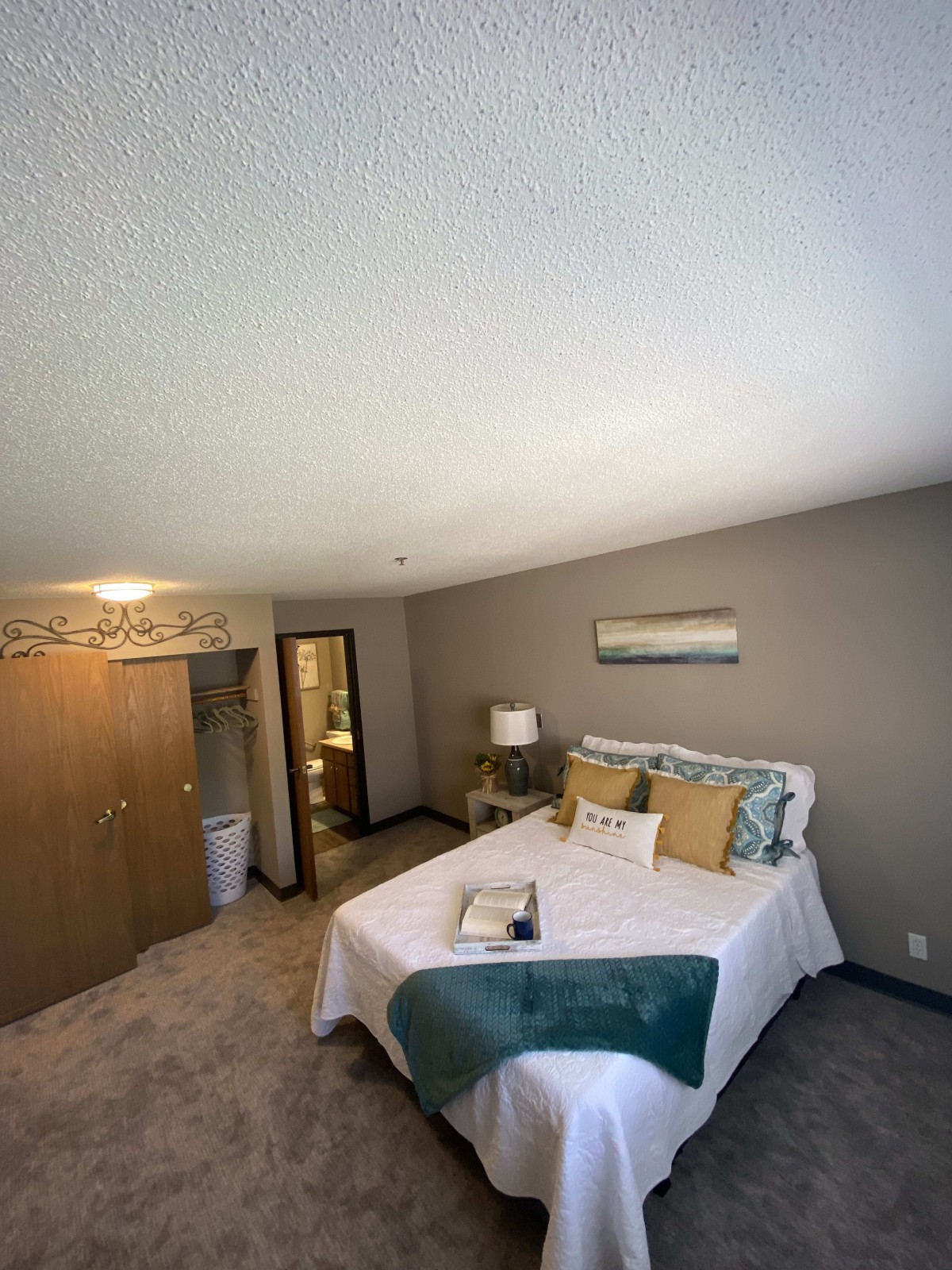
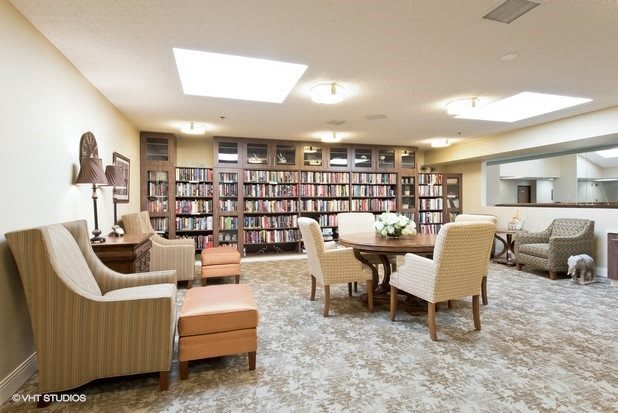
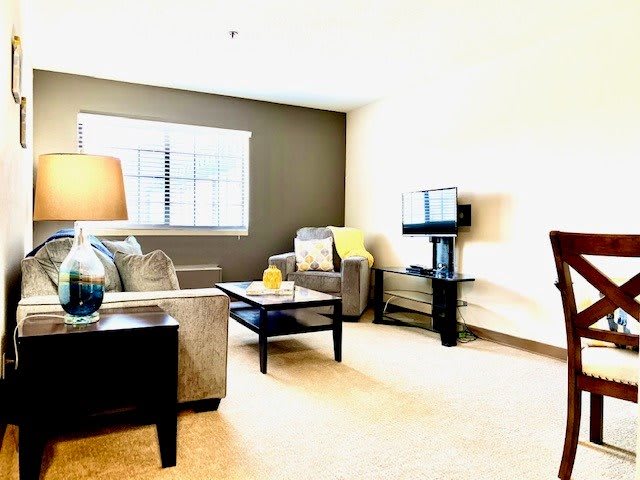
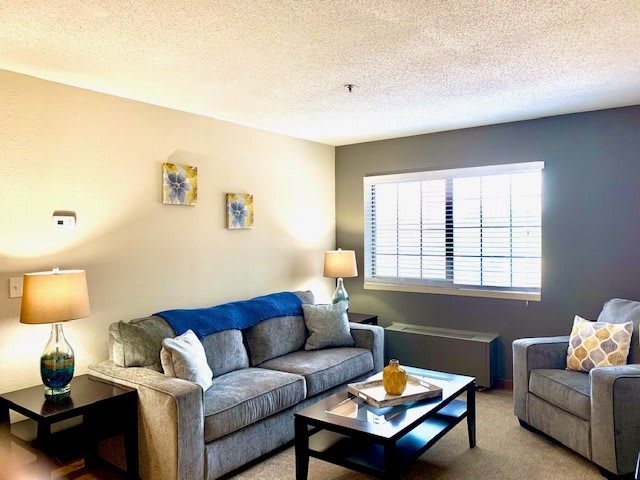
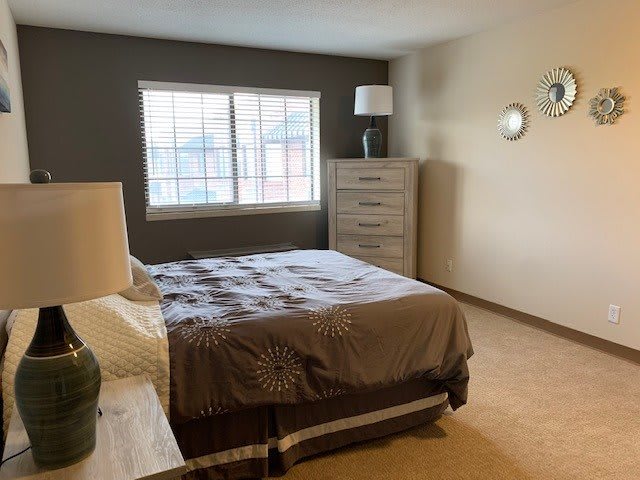
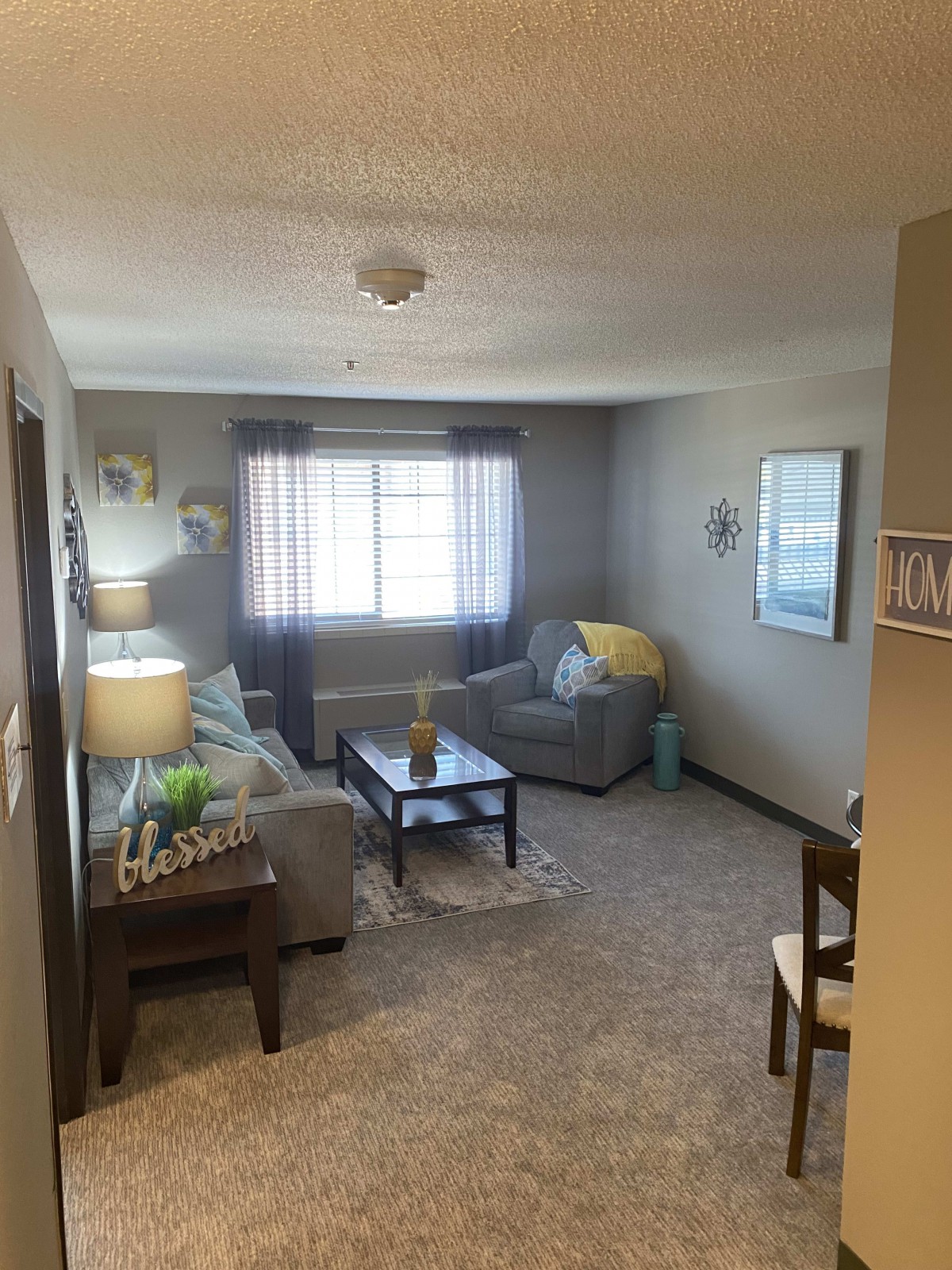
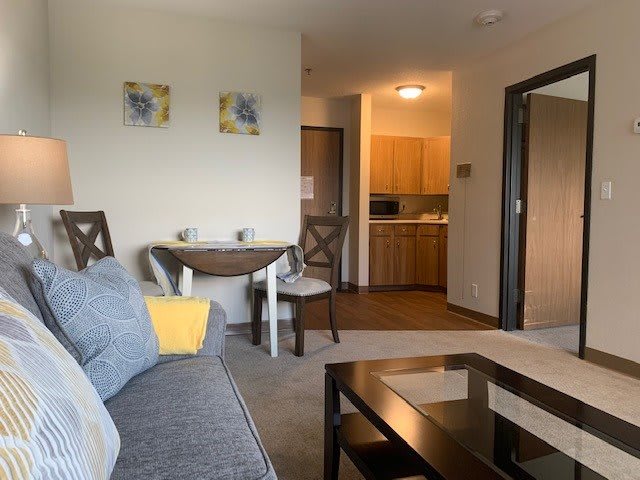
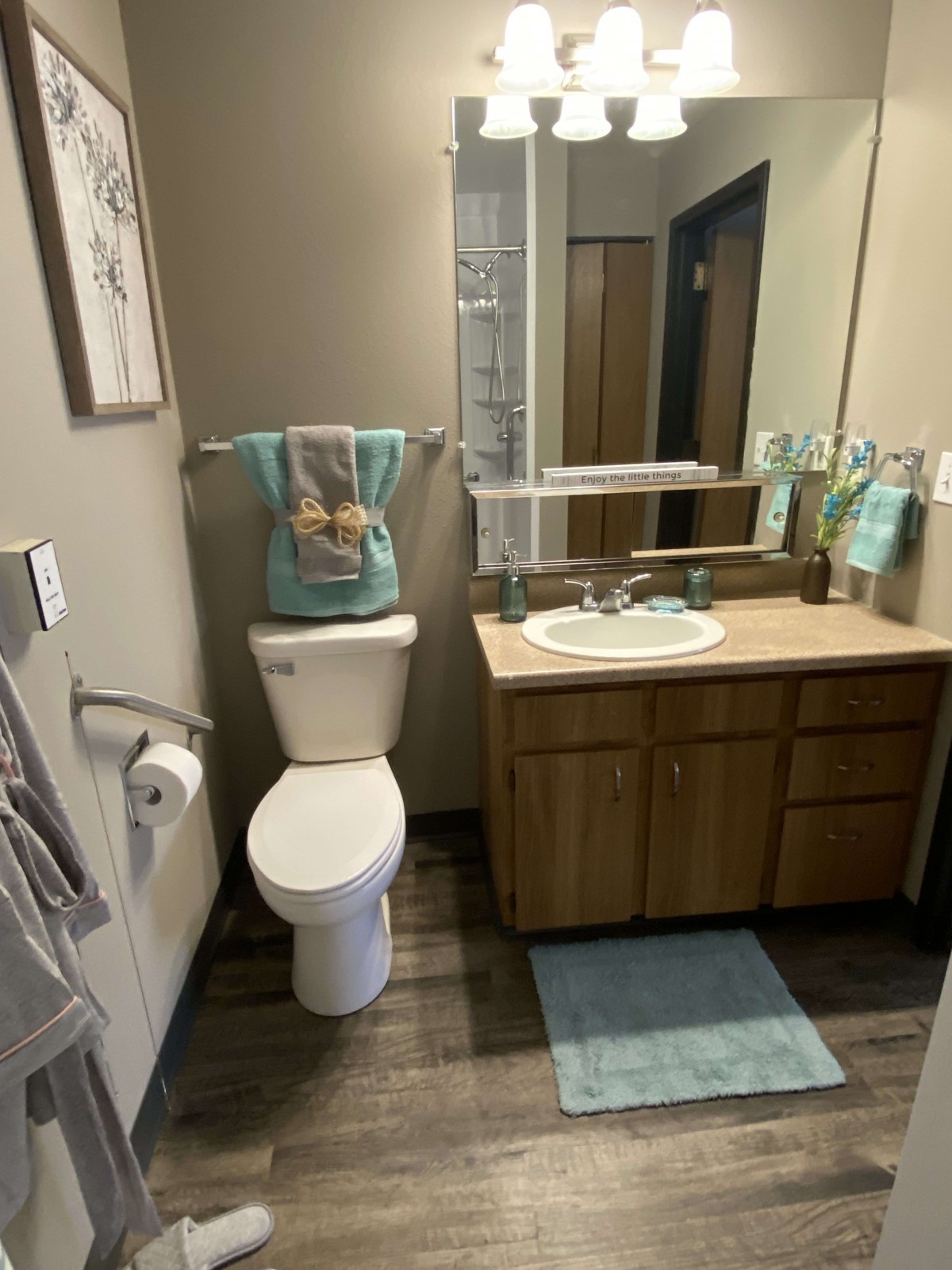
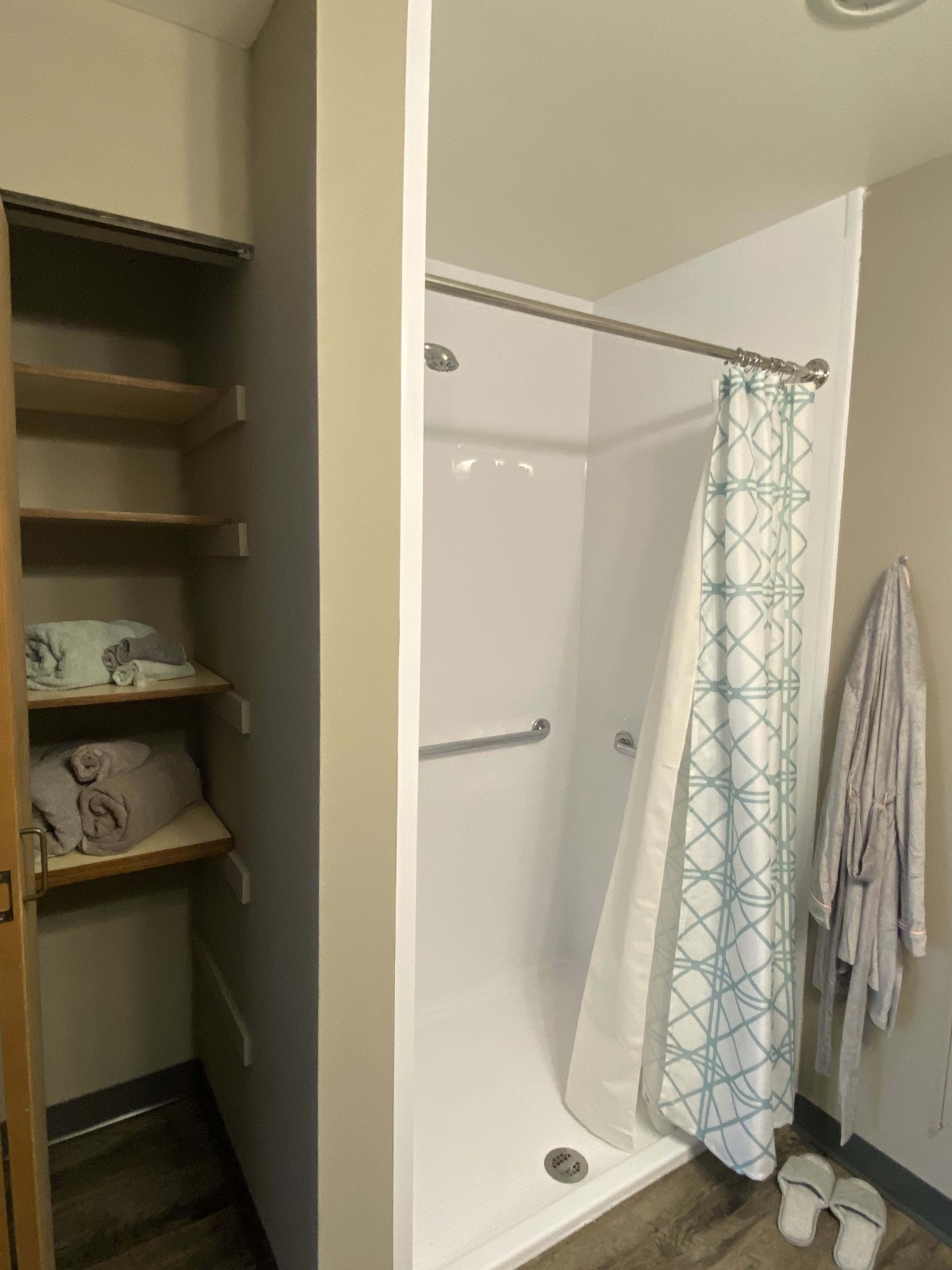
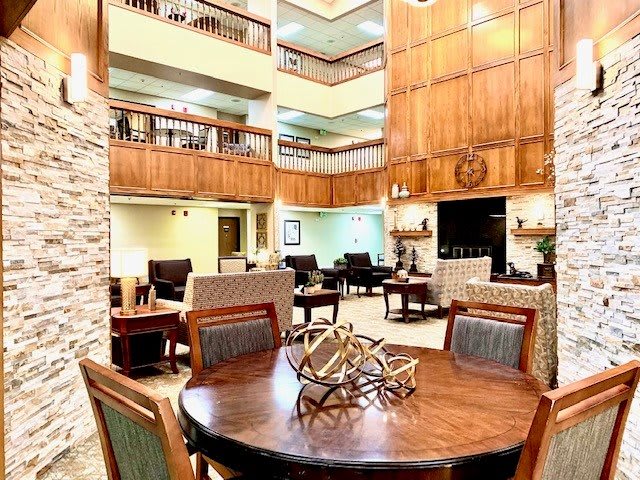
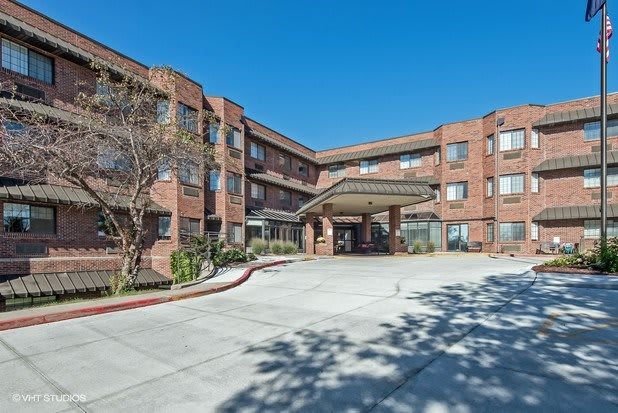
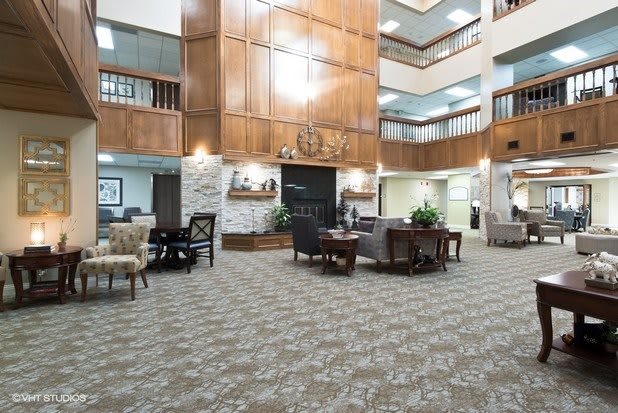
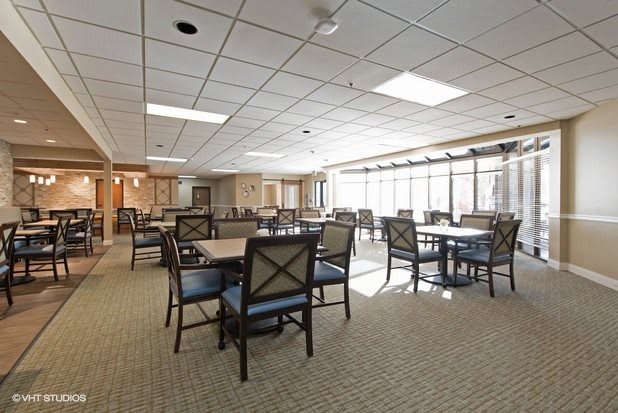
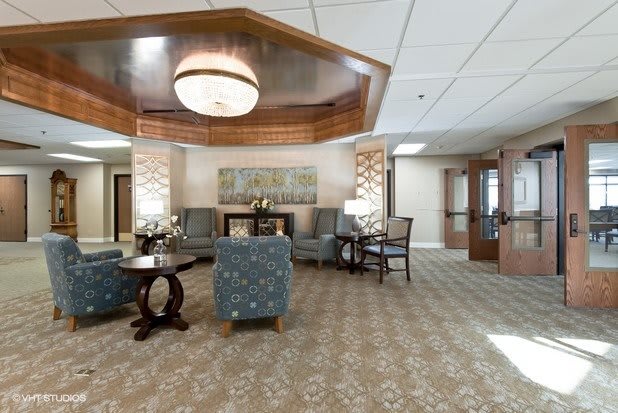
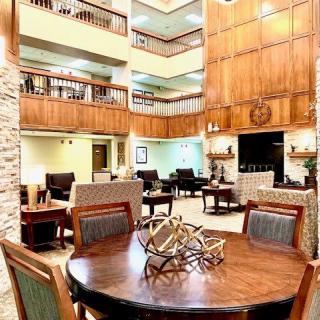
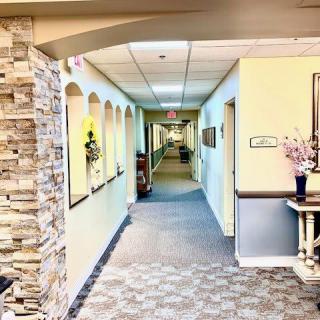
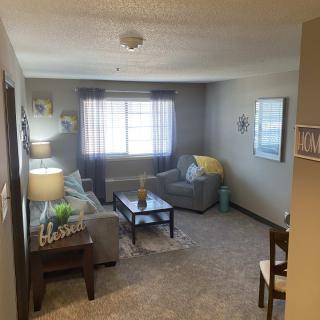
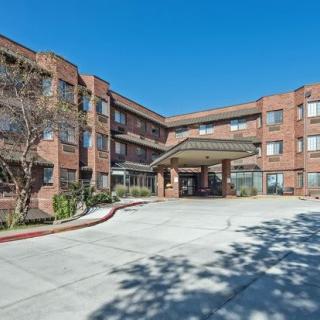
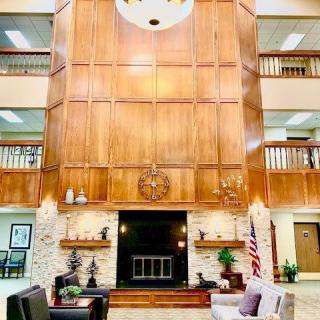
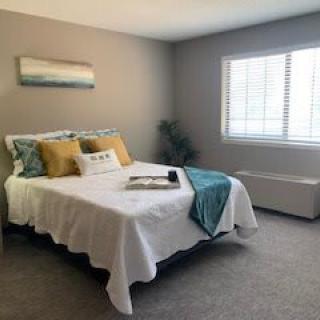
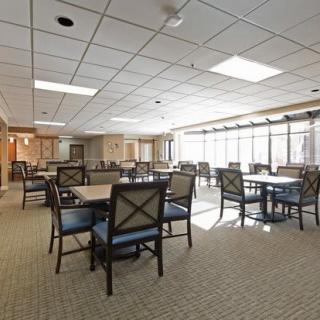
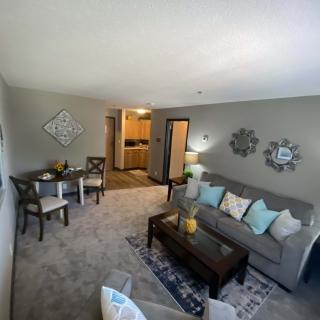
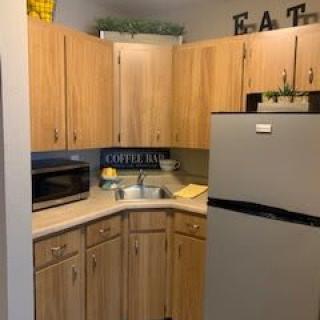
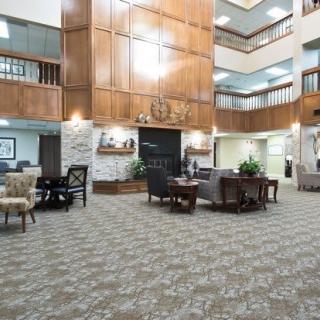
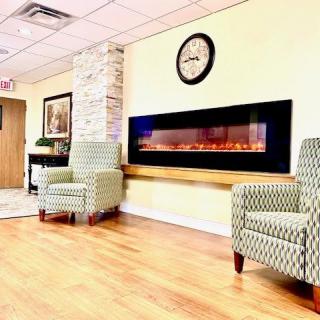
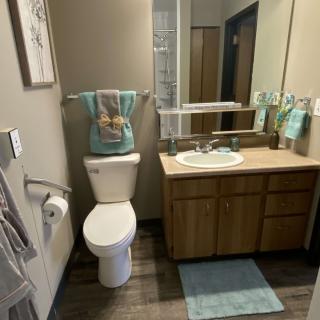
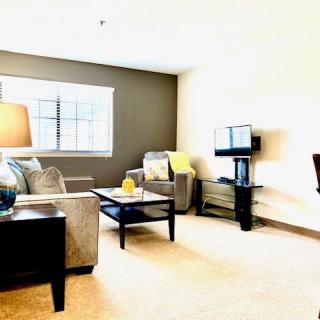
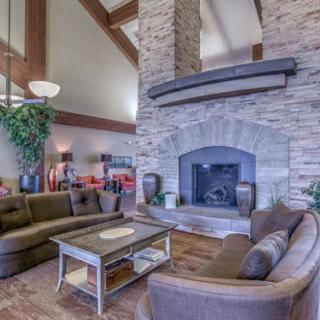
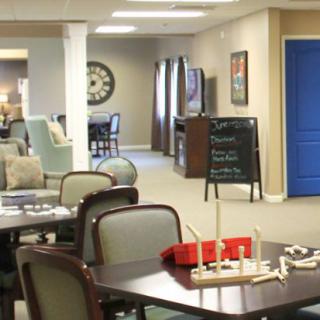
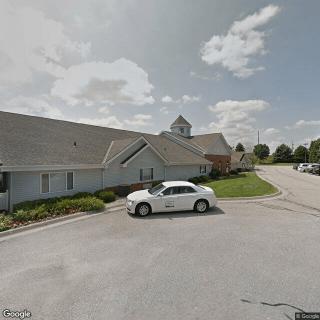
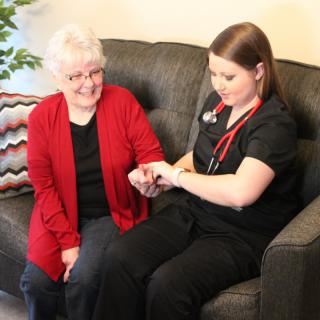
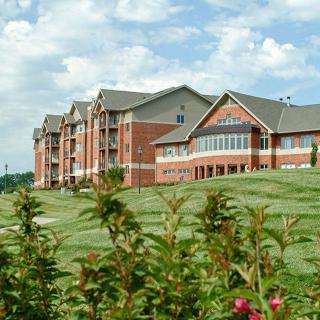
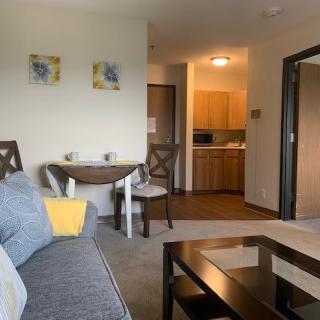
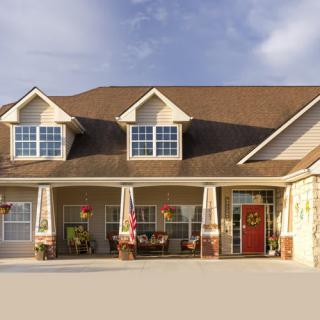
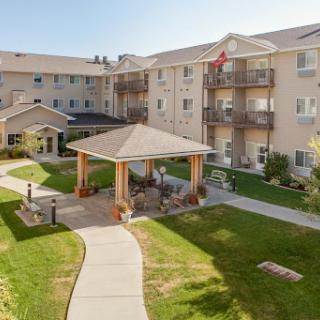
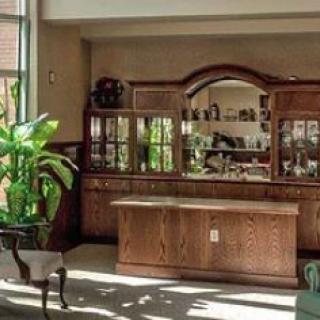
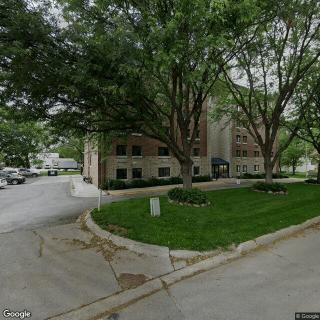
Crown Pointe Retirement Community on seniors.fyi includes 30 photos including images showing interior, decor, bedroom, living room, windows, lobby, architecture, floor plan, and more.
Nearby Communities
Crown Pointe
Omaha, NE
4.5 from 143 reviews
Friendly, attentive staff in a welcoming, well-maintained environment with engaging activities and spacious common areas.
Westgate Assisted Living
Omaha, NE
4.7 from 109 reviews
$3,277 to $5,783 / month
Friendly staff with engaging activities and a welcoming, clean environment.
River City Nursing And Rehabilitation
Omaha, NE
1.7 from 10 reviews
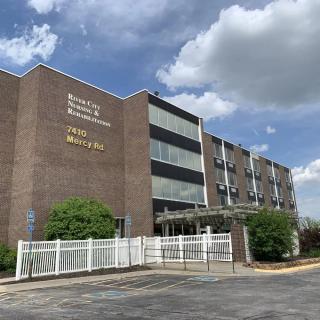
Extensive on-site amenities and 24/7 supervision.
Westminster Court
Omaha, NE
$1,145 to $1,425 / month
Affordable 1- and 2-bedroom pricing with convenient access to nearby amenities.
St. John Vianney Residence
Omaha, NE
5 from 4 reviews
Extensive nearby amenities (dining, parks, pharmacies, physicians, and hospitals).
Bickford of Omaha - Hickory
Omaha, NE
4.1 from 46 reviews
$3,802 to $4,106 / month
Intimate, homey environment with attentive staff and strong memory-care safety features.
Ralston House
Omaha, NE
3.3 from 13 reviews
$625 to $775 / month
Affordable 55+ living with a friendly, active community and first-floor accessibility.
New Cassel Retirement Center
Omaha, NE
4.5 from 38 reviews
Beautiful, well-maintained facilities (cathedral-like chapel) with friendly staff and varied activities and meals.
Southview Heights
Omaha, NE
4 from 12 reviews
Family-owned with attentive staff, clean facilities, good meals, and active social programs.
At-home dementia care expenses vary widely based on care levels, location, and caregiver expertise, with monthly costs for home health aides exceeding $4,500 and specialized care potentially surpassing $100,000 annually. While families favor in-home care for its comfort and personalized attention, they must consider financial planning and the challenges of caregiver fatigue.
The article discusses the late stages of dementia, detailing the progression from mild to severe impairment and highlighting key characteristics such as profound cognitive decline and dependency in daily activities. It emphasizes care strategies focused on comfort and dignity, the importance of advance directives, and the emotional support needed for family caregivers facing this challenging journey.
The article examines the link between certain medications and increased dementia risk, particularly in older adults, emphasizing that long-term or high-dose use of anticholinergics, benzodiazepines, and other drug classes can exacerbate cognitive impairment. It calls for careful medication evaluation and shared decision-making to mitigate these risks while managing treatment efficacy.
Get PricingAsk A QuestionSchedule A TourContact Senior Advisor
By clicking submit, you agree to our Partner's Terms of Use. You
also consent to receive calls and texts, which may be autodialed, from our Partner. Your consent is not a condition to
using our Partner's service. Please visit our Partner's Privacy Policy for information about their privacy practices.

 Assisted Living
 Independent Living
 Memory Care
 Cats allowed
 Dogs allowed
 Activities off-site
 Air-conditioning
 Bath tubs
 Beautician on-site
 Cable or satellite TV
 Devotional services off-site
 Ground floor units
 Handicap accessible
 Indoor common areas
 Kitchenette
 Outdoor common areas
 Respite or short term stays offered
 Wheelchair accessible showers
 Wi-Fi/high-speed internet available
 Eppley Airfield (9 miles away)
 Ambulatory care
 Diabetic care
 High acuity care
 Incontinence care
 Medication management
 Guest meals
 Art classes
 Catholic services
 Day trips and outings
 Educational speakers / life long learning
 Happy hour
 Live musical performances
 Live well programs
 Wine tasting
 Friendly, attentive staff in a welcoming, well-maintained environment with engaging activities and spacious common areas.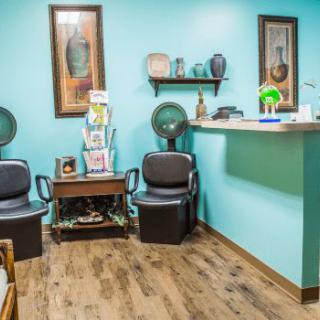
 Estimating the Expenses of At-Home Dementia Care: A Detailed Exploration
 Comprehensive Insights on the Late Stages of Dementia: What to Expect and How to Provide Care
 Medications Associated with Dementia Risk: A Comprehensive Overview