




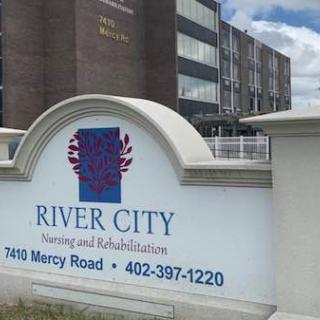
7410 Mercy Road, Omaha, NE 68124
For more information about senior living options: (866) 208-4318
Overall Review of River City Nursing And Rehabilitation
Pros
 The rehab was great and helped the patient become stronger quickly.
- The rehab and exercises are very helpful.
- The staff were incredibly kind and worked very hard.
- The facility offers art, reading, sewing projects, walking, and bingo, which residents enjoy.
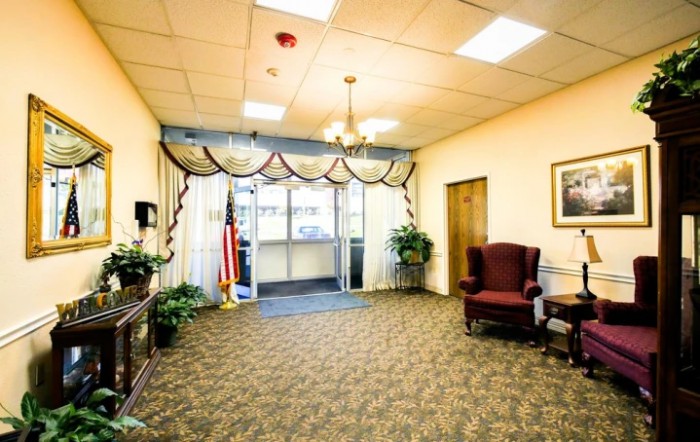
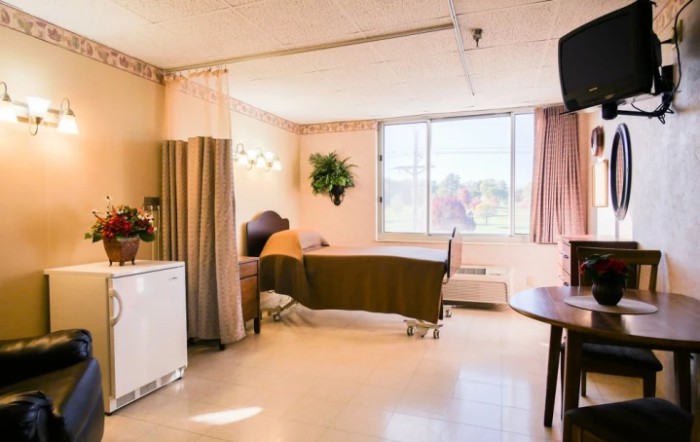
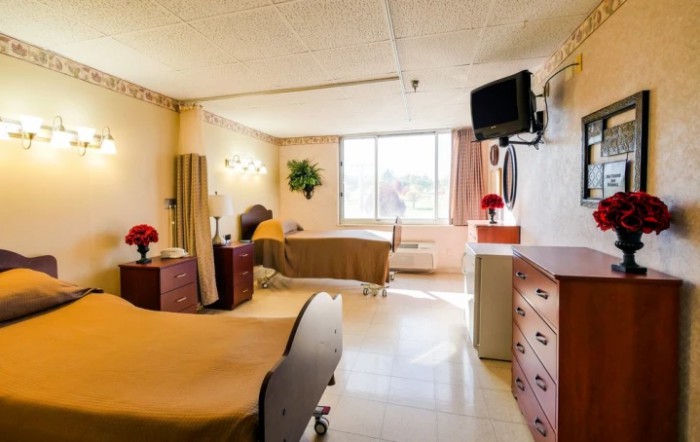
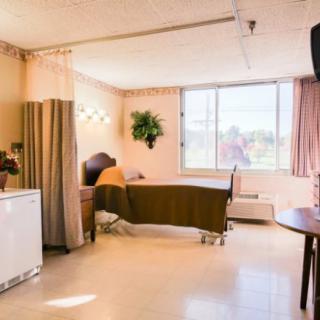
- The rooms were pretty good.
- The security and safety measures were good.
- The morning and overnight staff are good.
- The staff were friendly during visits.
- The reviewer would probably refer this facility to friends.
Cons
 The facility is a complete joke.
- The administration does not have the residents' best interests at heart.
- The administration fires CNAs who care for residents but cannot maintain basic supplies.
- Laundry is not being sent out or washed in bleach, causing residents to reuse washcloths.
- Nurses are constantly overmedicating and making critical medication errors, leading to hospitalizations for overdoses.
- They fail to act quickly and effectively in serious medical situations, resulting in ICU admissions.
- It is referred to by some as "Nebraska Kill" for a reason.
- There are only a few nurses who do their jobs well.
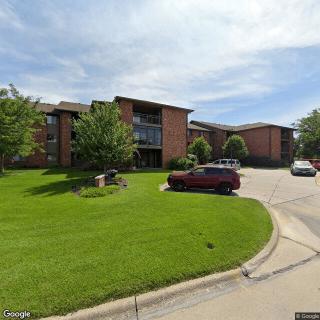
- Residents have to look at a graveyard during every meal.
- The care has led to near-death experiences for residents due to inadequate care.
Review
River City Nursing And Rehabilitation in Omaha is best suited for families that need affordable, basic rehab and social-activity coverage for a loved one, with the understanding that vigilant family oversight will be essential. The site often positions itself as a place for short-term rehab and routine daily routines, with some programming like arts, reading, sewing, walking, and bingo that can help keep a resident mentally engaged when medical care is less reliable. For families with modest expectations about clinical risk and a willingness to supervise care closely, this facility may function as a bottom‑tier option that offers daily structure and companionship.
Those who should consider alternatives are families facing high clinical needs, fragile health, or clear priorities around safety and medical responsiveness. The reviews repeatedly flag serious concerns about medical oversight, timely vitals, and the handling of medication. Potential residents with a history of infections, skin integrity issues, or requiring consistent instruction and oversight from nursing staff will want to look elsewhere. Families seeking transparent communication, reliable emergency response, and a track record of protecting residents’ dignity should not assume this campus will meet those standards.
The strongest positives cited are rehabilitative services and a few staff members who demonstrate care and dedication. When rehab is the focus, the therapy dimension can yield meaningful gains in strength and mobility within a relatively short window, and some residents note that the environment offers acceptable rooms and a sense of security. These advantages, however, are severely undermined by systemic cons: chronic understaffing, inconsistent communication, and frequent reports of safety lapses. The potential improvement from therapy does not fully compensate for ongoing hazards around medication administration, dignity, and basic daily care.
The most harmful themes across the reviews center on safety, containment, and accountability. Instances of ignored vitals, delayed medical attention, and calls to 911 paint a picture of a facility where medical emergencies can be mishandled. Reports of bedsores, residents left in discomfort or soiled conditions, broken call buttons, and heat risks demonstrate gaps in basic monitoring and responsiveness. Administrative instability and allegations of misrepresentation to insurers compound the risk, creating an environment where families cannot rely on consistent, proactive care. Taken together, these factors tilt the balance decisively away from suitability for anyone with significant medical or functional needs.
Practical counsel for families considering River City is to perform a rigorous, explicit due diligence before admission. Request up-to-date staffing ratios, incident and injury logs, and the latest state inspection report. Demand a meeting with the director of nursing and the administrator to review care plans, medication policies, and escalation procedures. Arrange an on-site visit at various times to observe meal service, call-button functionality, laundry routines, and how the front desk handles urgent questions. If progressing, insist on a documented, enforceable care plan with defined response times, and consider a short-term, supervised trial period to evaluate whether the promised rehab benefits and daily routines can coexist with adequate safety and dignity.
Ultimately, this community presents a stark trade-off: potential rehabilitation value and some pleasant amenities are shadowed by persistent, high-stakes safety and care concerns. For families prioritizing medical reliability, consistent communication, and unwavering dignity, alternatives with stronger clinical oversight are strongly recommended. If the choice is made to proceed, it must be paired with aggressive oversight, clear performance benchmarks, and a willingness to switch promptly if red flags reemerge.
 174 resident community capacity
 Skilled Nursing Facility
 Air-conditioning
 Beauty salon
 Cable or satellite TV
 Computer center
 Dining room
 Fitness room
 Fully furnished
 Gaming room
 Garden
 Housekeeping services
 Kitchenette
 Move-in coordination
 Outdoor space
 Private bathrooms
 Restaurant-style dining
 Small library
 Telephone
 Wellness center
 Wi-Fi/high-speed internet available
 Eppley Airfield (8 miles away)
 Community operated transportation
 12-16 hour nursing
 24-hour call system
 Activities of daily living assistance
 Assistance with bathing
 Assistance with dressing
 Assistance with transfers
 Diabetes diet
 Medication management
 Mental wellness program
 Special dietary restrictions
 Concierge services
 Planned day trips






 9 Stimulating Memory Activities for Seniors: Puzzles, Cards, and Much More
 Managing Nursing Home Expenses After Medicare Coverage Ends
 Is a Geriatric Care Manager the Right Choice for Your Family?