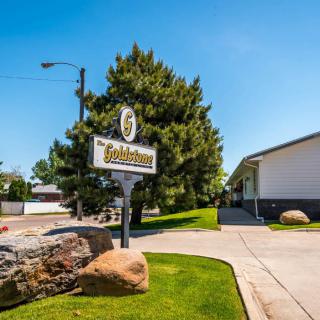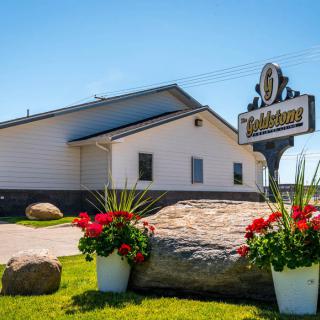
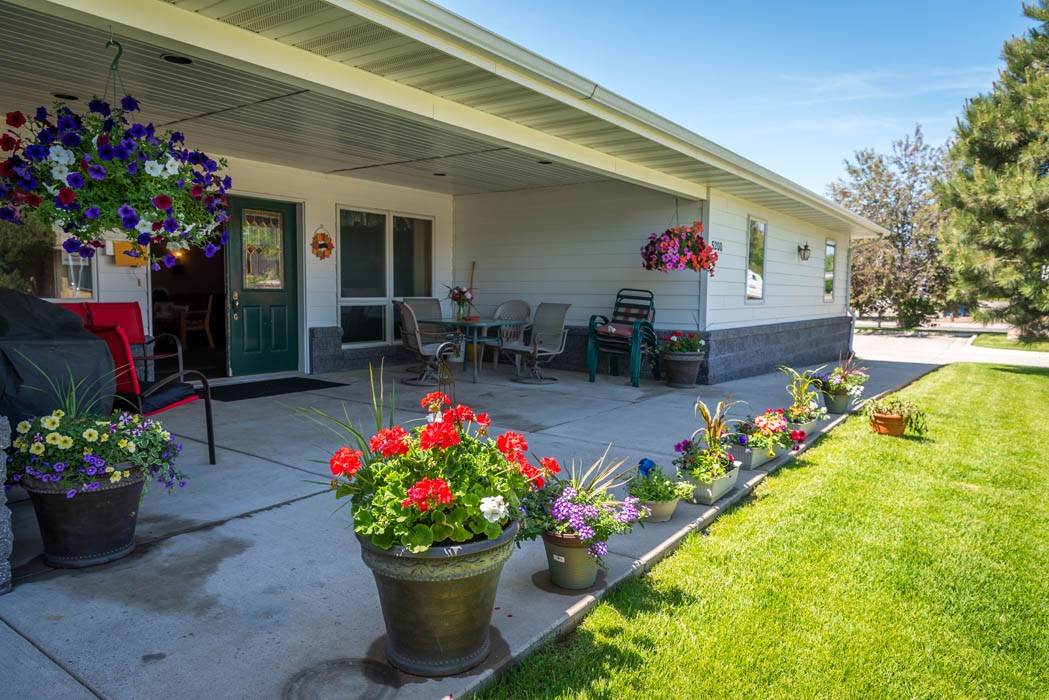
5200 9th Ave S, Great Falls, MT 59405
To contact a resident: (406) 452-1239
For more information about senior living options: (866) 208-4318
Overall Review of Goldstone
Pros
 The Goldstone Assisted Living is described as a very awesome place with attentive care.
 - Residents are well cared for by the staff.
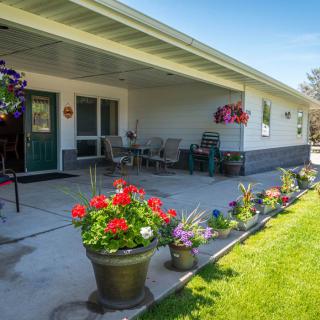
- It is small, personalized, and has a homelike setting.
- Residents can have their own small dogs there.
- The facility offers three wholesome meals a day plus snacks, with food available on request.
- It keeps the environment clean, smells pleasant, and has secure doors.
- Staff conduct weekly COVID testing for both residents and employees.
- Daily activities include exercise, bingo, reading, crafts, and games that foster social engagement.
- There is on-site nursing support (RN) and coordination with doctors to meet care needs.
Cons
 They don’t let visitors in.
- They lock their doors and the residents can’t get out.
- If a resident becomes combative, they cannot keep that person there.
- During move-in, the staff kept all residents in their rooms, which felt restrictive.
Review
Goldstone Assisted Living in Great Falls is best suited for seniors who want a small, home‑like setting with highly personalized care, particularly for those navigating the early to mid stages of dementia. The community’s 14‑resident footprint encourages intimate attention, consistent routines, and a sense of safety that comes from knowing staff and neighbors well. For families seeking affordability without sacrificing dignity, Goldstone delivers a combination of homelike atmosphere, private rooms, and hands‑on support with daily life tasks, medication management, and meal service. It suits residents who value privacy, a pet‑friendly policy, and the reassurance that care can scale as cognitive needs evolve, within a straightforward, residential environment.
Those who may want alternatives are clear: families facing more intensive medical needs or the requirement for 24/7 on‑site nursing should look elsewhere. If the expectation is a larger campus with frequent therapies, broader activity programming, or a more formal memory‑care milieu, Goldstone’s smaller scale may feel limiting. For anyone prioritizing a wide array of social opportunities, robust professional oversight, or seamless transitions across multiple levels of care, a larger facility with more amenities could be a better fit. While Goldstone offers dementia‑specific care from start to finish, it is not a full‑service nursing home, and families planning for rapid or complex medical escalations should evaluate options that provide round‑the‑clock skilled nursing and crisis support.
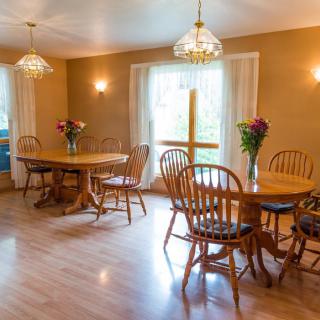
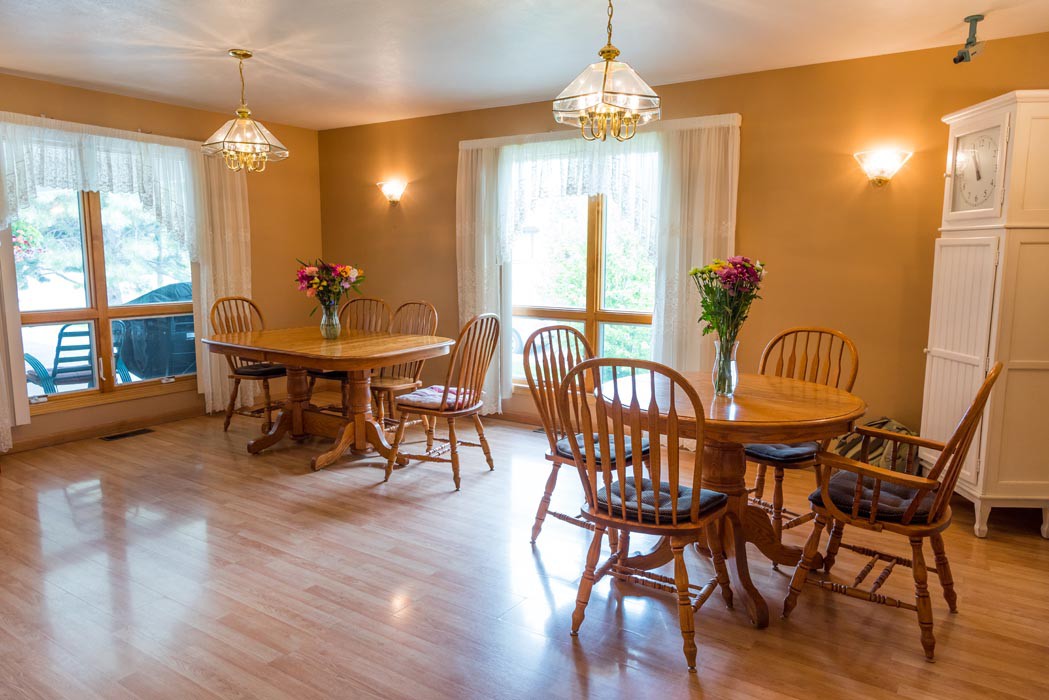
The primary strengths lie in the pros that matter most in a dementia‑focused, private‑pay setting. The intimate size translates into highly attentive staff who know residents’ routines, preferences, and needs, help with bathing, toileting, mobility aids, and timely medication delivery is consistently described as present and dependable. Meals are home cooked, fresh, and plentiful, with residents able to request food between scheduled offerings. The facility emphasizes cleanliness, a calm atmosphere, and a sense of normalcy: no crowded halls, clear routines, and a homelike feel that reduces confusion and agitation. A dog‑friendly policy further enhances quality of life for many residents, while the on‑site nursing presence and coordination with doctors keep medical oversight practical and cohesive within the care plan. These positives collectively offset the limits of a smaller operation by delivering meaningful daily life and a predictable, safe pace.
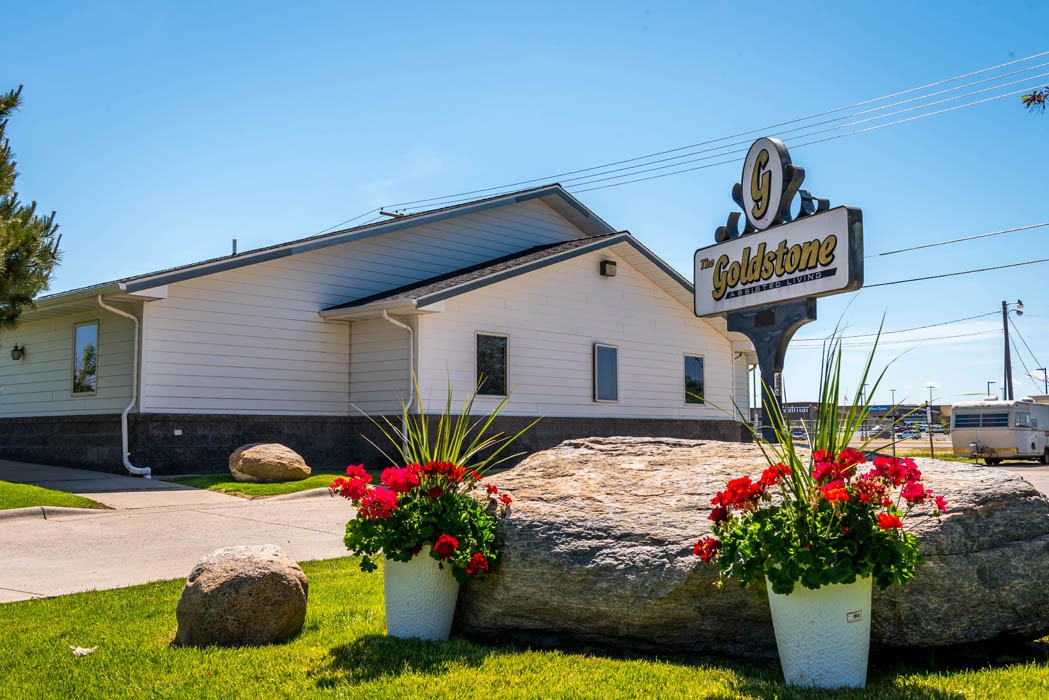
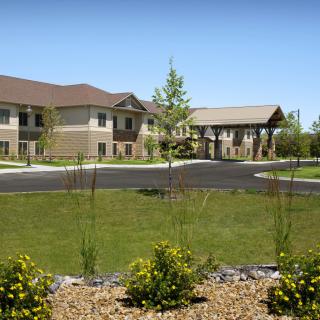
Yet, several notable cons temper the overall appeal. The most significant is the degree to which medical resources are centralized rather than 24/7 on site. An RN visits and care is coordinated with external physicians, but families needing constant, hospital‑style medical support should recognize that Goldstone does not operate as a traditional nursing home. The parking lot is small, which can create practical friction for families managing multiple visits or larger move‑ins, even if the layout remains calm and navigable. Another caveat is that the community is structured for dementia care progression, which means there is a clear plan to move residents through stages as needed; for someone who stabilizes at a later stage or who experiences aggressive behavior, the option to "remain there" may be limited. Finally, while two daily activities are a foundation, families seeking a broader, more diversified activity calendar may find the program leaner than anticipated.
From a decision standpoint, Goldstone represents a strong, practical choice for families prioritizing safety, affordability, privacy, and dementia‑capable care within a small, supportive ecosystem. It works best when the goal is to keep a loved one in a calm, predictable setting with highly individualized attention, where staff know the resident’s history, preferences, and daily rhythms. The key trade‑offs are clear: the setting trades breadth of programming and on‑site medical acuity for depth of personal attention, private rooms, and a home atmosphere. If the priority is maximal clinical complexity, broad social programming, or rapid escalation capacity, alternatives with larger medical staffs and more extensive amenities should be explored. Verification of levels of care, pricing, and admission criteria, especially around progression and emergency transitions, will finalize suitability.
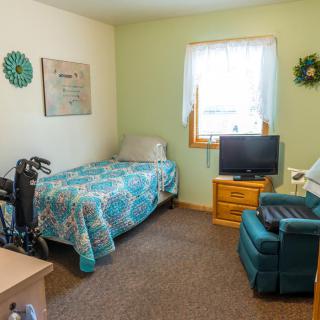
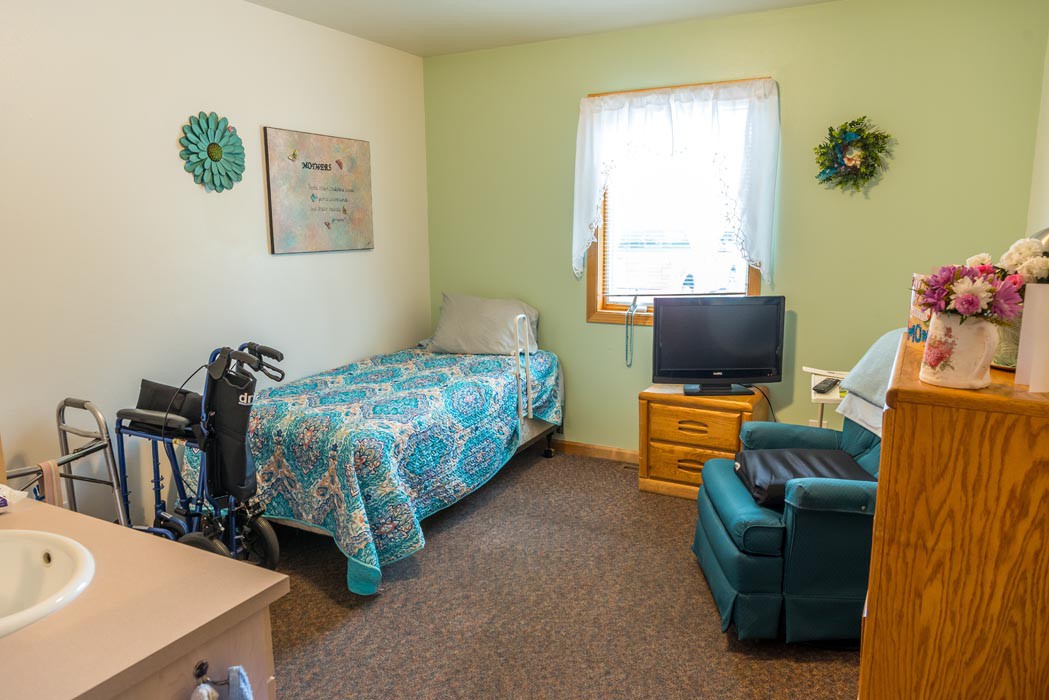
In practical terms, a families’ next steps should center on a focused evaluation. Confirm the exact scope of on‑site medical services and how transitions are managed if dementia progresses. Inspect the living spaces to ensure comfort with single occupancy rooms and the private atmosphere that supports independence. Talk to staff about daily schedules, meal flexibility, and how activities are tailored to individual abilities and interests. Finally, align expectations with cost and contractual terms, ensuring clarity on what “levels of care” truly cover today and what contingencies exist if needs intensify. When these elements align, Goldstone emerges as a decisive, well‑considered option for a loved one who values safety, dignity, and a humane, small‑town‑calm setting over larger, more clinical environments.
 13 resident community capacity
 Assisted Living
 Activities on-site
 Beauty salon
 Cable or satellite TV
 Devotional services off-site
 Dining room
 Fully furnished
 Garden
 Housekeeping services
 Indoor common areas
 Kitchenette
 Move-in coordination
 Outdoor space
 Restaurant-style dining
 Small library
 Telephone
 Wi-Fi/high-speed internet available
 Great Falls International (7 miles away)
 24-hour supervision
 Ambulatory care
 Assistance with bathing
 Assistance with dressing
 Assistance with transfers
 Diabetes diet
 Diabetic care
 Medication management
 Mental wellness program
 Special dietary restrictions


 Comprehensive Supportive Living Arrangements for Adults with Disabilities
 Funding and Affording Assisted Living: A Thorough Overview
 Assisted Living Expenses and Long-Term Care Insurance: A Comprehensive Exploration