

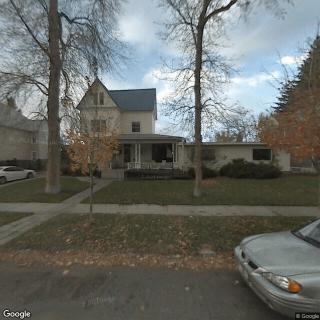
1109 6th Ave N, Great Falls, MT 59401
To contact a resident: (406) 727-7151
For more information about senior living options: (866) 208-4318
Cambridge Court - Great Falls Costs & Pricing
Cambridge Court in Great Falls offers competitive pricing for assisted living accommodations when compared to the broader metrics of Cascade County and the state of Montana. For a semi-private room, residents can expect a monthly cost of $600, which is significantly lower than the county average of $2,033 and the statewide average of $3,874. Studio apartments at Cambridge Court are priced at $1,745, still well below both the county ($3,660) and state averages ($3,729). Furthermore, the one-bedroom options are available at $2,775, which is more economical compared to the county's average of $3,303 and Montana's average of $3,468. This favorable pricing structure positions Cambridge Court as a financially viable choice for individuals seeking quality senior living without sacrificing comfort or care.
| Floor plans | Cambridge Court - Great Falls | Cascade County | Montana |
|---|---|---|---|
| Semi-Private | $600 | $2,033 | $3,874 |
| Studio | $1,745 | $3,660 | $3,729 |
| 1 Bedroom | $2,775 | $3,303 | $3,468 |
Overall Review of Cambridge Court - Great Falls
Pros
 The CNA staff were helpful.
- They liked this place.
- She liked the food and the open spaces.
Cons
 The reviewer states there was neglect and abuse at the facility and that the head honcho should be jailed.
- The halls were not vacuumed and the carpets were not shampooed.
- The first-floor bathroom was out of order.
- There was no evening attendant, and the tables were dirty and not fresh.
- The facility is run by the same person as Rainbow Assisted Living, but worse, and the reviewer says not to come.
- The administrator and the wellness director are a nightmare to deal with and are completely disingenuous.
Review
Cambridge Court in Great Falls, Montana is best suited for seniors whose priority is affordable, social-friendly living with recognizable daily care, and who can tolerate leadership instability. The community’s layout delivers open gathering spaces and meals that residents reportedly enjoy, which can support a sense of normalcy and routine for those not seeking premium amenities. This is not a high-end option, but a budget-conscious choice where the physical environment can feel welcoming if the right staff dynamics are in place. Families evaluating it should expect front-line care to exist, but understand that consistent governance and accountability may be lacking.
Those who should consider alternatives are families demanding reliable administration, transparent communication, and consistently maintained facilities. The reviews converge on a core concern: neglect in housekeeping and maintenance paired with management that appears difficult to trust. For residents who require close supervision, rapid problem resolution, or dignified handling of medical and daily living needs, Cambridge Court presents significant risk. If emphasis is on safety, clear expectations, and proactive problem-solving from leadership, other communities will likely deliver more predictable, durable outcomes.
From a practical standpoint, the visible positives, helpful CNA staff and genuine moments of care at the bedside, do not compensate for the dominant drawbacks. Caregivers on the floor are described as approachable and capable, and the facility’s social spaces can foster interaction and activity. However, these strengths are overwhelmed by pervasive maintenance issues, including unclean halls, carpet wear, a nonfunctional first-floor bathroom, and a lack of consistent evening supervision. The overarching impression is of a facility where frontline talent can do the job, but systemic leadership problems undermine stability and trust.
Maintenance and cleanliness concerns recur with enough frequency to shred confidence. Reviews describe halls that feel uncared-for, surfaces that are not promptly cleaned, and general neglect that makes everyday tasks feel uncertain. This creates a mismatch between the level of care families expect and what is experienced day-to-day. Coupled with reports of a disingenuous administration, the atmosphere becomes one where residents’ well-being is contingent on chance rather than consistent practice. In short, the infrastructure and leadership fragility compromise every careful effort made by care staff.
A disciplined decision process is essential for any family considering Cambridge Court. New inquiries should prioritize unannounced tours to observe actual conditions, and conversations with frontline caregivers should be followed by direct questions about staffing ratios, housekeeping schedules, maintenance response times, and incident reporting. Probe for details on recent administrative changes and any corrective actions underway. Verify current licensure status and review any state-facing documentation that reflects violations or improvements. If responses demonstrate steady oversight, transparent communication, and a track record of addressing issues, the option becomes viable; otherwise, it remains a red flag.
Ultimately, Cambridge Court is not the strongest match for families whose care goals center on unwavering reliability and clear, trustworthy leadership. The ongoing pattern of management concerns and maintenance gaps far surpasses the modest gains seen in staff kindness and social space. For households with tighter budgets and a willingness to monitor conditions closely, it can be a fallback option, but the prudent move is to shortlist stronger performers in Great Falls that combine cleaner environments, steadier leadership, and consistently dependable daily care. Conducting thorough, on-site evaluations now will reveal whether Cambridge Court can meet essential standards or if better-aligned communities should take precedence.
 Assisted Living
 Memory Care
 Cats allowed
 Dogs allowed
 Activities on-site
 Devotional services off-site
 Indoor common areas
 Great Falls International (4 miles away)
 Ambulatory care
 Diabetic care
 Meals provided







 Assisted Living and Memory Care: Understanding Their Core Differences
 Choosing the Right Senior Care: A Detailed Exploration of Assisted Living and Nursing Homes
 Safeguarding Your Memory Through the Golden Years: Eight Ways to Preserve Cognitive Health