
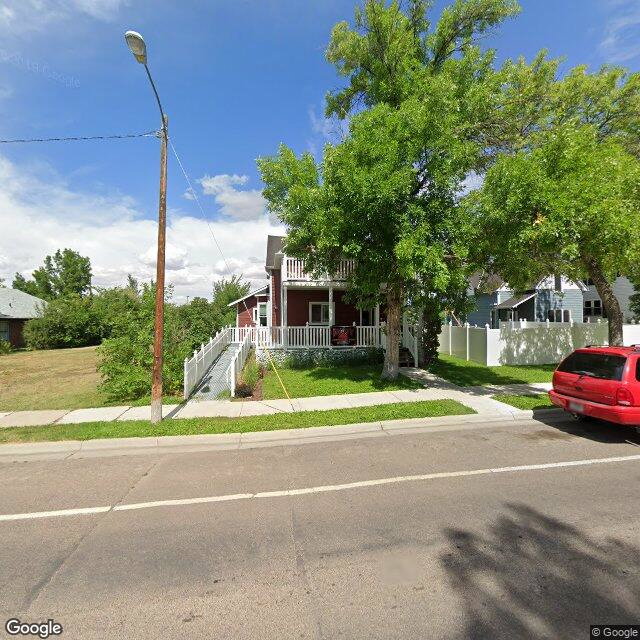
811 2nd Avenue South, Great Falls, MT 59405
For more information about senior living options: (866) 208-4318
MT Gems Inc-Ruby House Costs & Pricing
MT Gems Inc-Ruby House offers competitive pricing for its accommodations when compared to the broader market in Cascade County and the state of Montana. For studio units, Ruby House is priced at $3,000, which is notably lower than both the county average of $3,660 and the state average of $3,729. Similarly, their semi-private rooms are offered at $3,000 as well; this represents a significant divergence from Cascade County's average cost of just $2,033 while still being more economical than the statewide average of $3,874. In contrast, their private rooms are priced at $3,500, which remains reasonably positioned against Cascade County's average of $3,233 and Montana's higher statewide rate of $4,402. Overall, MT Gems Inc-Ruby House provides attractive pricing options that can appeal to potential residents seeking quality care without excessive costs.
| Floor plans | MT Gems Inc-Ruby House | Cascade County | Montana |
|---|---|---|---|
| Studio | $3,000 | $3,660 | $3,729 |
| Semi-Private | $3,000 | $2,033 | $3,874 |
| Private | $3,500 | $3,233 | $4,402 |
Memory care communities with a similar price nearby
-
from -$300 / mo
Renaissance Senior Care-Great Falls Clark
$2,700 / month1.5 miles away -
from -$500 / mo
MT Gems Inc-Sapphire House
$2,500 to $3,500 / month0.0 miles away
Overall Review of MT Gems Inc-Ruby House
Pros
 Ruby House is described as much more secure than the prior facility.
- The staff provide abundant compassion and loving care.
- Residents become comfortable and happy with the staff and surroundings.
- Private rooms at Ruby House are perceived as worth the monthly fee.
- Ruby House offers many activities and special services.
- The facility has an at-home atmosphere.
- The reviewers would highly recommend Ruby House as an A+ facility for a loved one.
Cons
 The inside layout made each doorway look like an outside door with siding and a light, creating an unprivate, prison-like feel.
- A room contained a twin bed against a wall, a sink hooked to a wall, a closet, and a toilet with no privacy.
- The room smelled of urine, and it burned the reviewer’s eyes and nose.
- It reminded the reviewer of a prison cell.
- The reviewer would not put their mother in either one of these places.
Review
Ruby House in Great Falls is best suited for families prioritizing dementia care and reliable caregiving, especially when proximity to relatives and a home-like atmosphere matter more than showroom finishes. The strongest case is for those who need a secure, structured environment where daily care feels steady and familiar, and where the option of a private room is both available and valued as part of a reasonable price for ongoing needs. For families spread across long distances, the facility’s emphasis on consistent staff and accessible visitation can translate into real peace of mind.
What complicates the picture are the physical conditions described by multiple observers. Early impressions depict cramped, dorm-style living spaces with rooms that afford little privacy, sinks against the wall, beds crowded along hallways, and a layout that resembles an old house more than a modern senior community. Reports of odors and a lack of personal space reinforce concerns that the interior environment can feel austere, even prison-like to some visitors. These concerns are not trivial for families scanning the space for dignity and comfort, especially for residents who will spend extended time there.
On the other hand, several accounts highlight substantial strengths that cannot be overlooked. The community is described as more secure than some alternatives, a critical factor for residents with a history of wandering or elopement risk. Staff are repeatedly praised for compassion and steady, attentive care, with families noting that their loved ones become comfortable and settled over time. A private room is available and valued by families, and the facility offers a range of activities and specialized services that contribute to a home-like, engaged atmosphere. For dementia care in particular, these elements can translate into steadier behavior, less agitation, and greater daily predictability.
Those practical advantages cannot be separated from the tangible drawbacks. When the priority is privacy, modern amenities, and a relaxing, updated environment, the negatives weigh heavily. The combination of small, dorm-style rooms, limited privacy, and odor concerns can undermine the sense of dignity and personal space that many families seek for a loved one. The mixed reviews, some hailing the care quality and security, others lamenting the living quarters, create a meaningful tension between the care philosophy and the resident experience. In short, the pros align with what actually matters to dementia-focused families, but they do not erase the drawbacks for those who demand a higher-end, more private setting.
For decision-making, these dynamics point to a clear split in which families should consider alternatives. If dementia-focused care, staff continuity, and the ability to visit a loved one in a secure, familiar setting are the top priorities, Ruby House offers a credible, practical option. If a polished, private, spa-like environment with expansive, modern rooms is non-negotiable, then seeking other Great Falls communities is prudent. The 3.7/6 review rating signals real variance in resident experiences, underscoring the need for direct, in-person assessment.
Actionable next steps are straightforward: arrange a tour focused on current room configurations, especially private rooms, and assess the noise, odor control, and overall environment. Speak with frontline staff about daily routines, dementia-specific programming, and how care plans adapt to changing needs. Ask about security features, elopement protocols, and staff turnover, as these factors heavily influence consistency of care. Verify what is included in the monthly fee for a private room and whether additional services are available as needs evolve. Ruby House can be a solid fit for dementia care and family accessibility, but families should clearly map their privacy, comfort, and modern-amenity expectations against the realities described to determine if this community truly aligns with long-term goals.
 19 resident community capacity
 Assisted Living
 Board and Care Home
 Memory Care
 Activities off-site
 Beautician on-site
 Cable or satellite TV
 Devotional services off-site
 Dining room
 Fully furnished
 Garden
 Housekeeping services
 Indoor common areas
 Kitchenette
 Move-in coordination
 Outdoor common areas
 Private
 Private bathrooms
 Respite or short term stays offered
 Restaurant-style dining
 Small library
 Telephone
 Wheelchair accessible showers
 Wi-Fi/high-speed internet available
 Great Falls International (4 miles away)
 24-hour supervision
 Assistance with bathing
 Assistance with dressing
 Assistance with transfers
 Diabetes diet
 Diabetic care
 High acuity care
 Incontinence care
 Medication management
 Mental wellness program
 Special dietary restrictions

 Why Do Dementia Patients Sleep So Much? Understanding Oversleeping, Stages, and Care Approaches
 8 Key Indicators That Suggest It May Be Time to Transition from Assisted Living to Skilled Nursing Care
 Nourishing the Mind: Essential Dietary Approaches for Dementia