
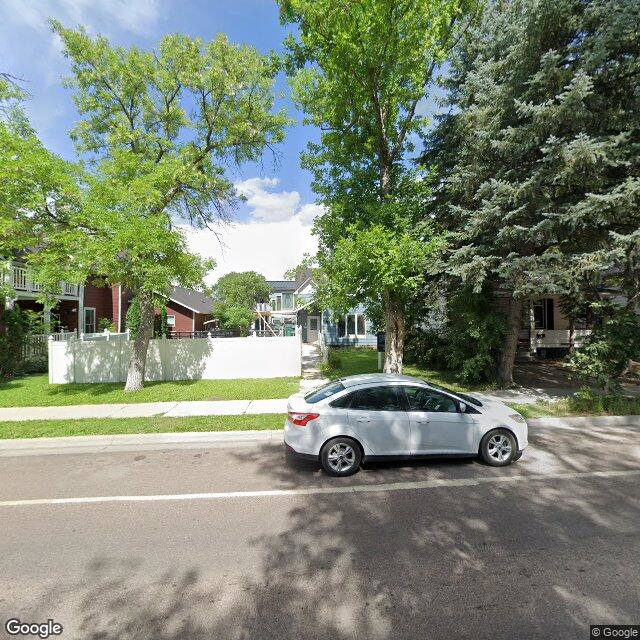
815 2nd Avenue South, Great Falls, MT 59405
For more information about senior living options: (866) 208-4318
MT Gems Inc-Sapphire House Costs & Pricing
At MT Gems Inc-Sapphire House, the monthly costs reflect a competitive pricing structure within Cascade County and the broader state of Montana. For those considering semi-private accommodations, Sapphire House offers a fee of $2,500 per month, which is notably higher than the county's average of $2,033 but remains significantly lower than the state rate of $3,874. When it comes to private rooms and one-bedroom units, both options are priced at $3,500 per month - exceeding Cascade County's averages of $3,233 for private rooms and $3,303 for one-bedroom units. However, they still present a more accessible alternative compared to the higher state averages of $4,402 for private rooms and $3,468 for one-bedroom accommodations. Overall, MT Gems Inc-Sapphire House provides residents with valuable options that balance comfort and affordability while remaining mindful of local market conditions.
| Floor plans | MT Gems Inc-Sapphire House | Cascade County | Montana |
|---|---|---|---|
| Semi-Private | $2,500 | $2,033 | $3,874 |
| Private | $3,500 | $3,233 | $4,402 |
| 1 Bedroom | $3,500 | $3,303 | $3,468 |
Memory care communities with a similar price nearby
-
from +$200 / mo
Renaissance Senior Care-Great Falls Clark
$2,700 / month1.5 miles away
Overall Review of MT Gems Inc-Sapphire House
Pros
 The environment is very clean and comfortable.
- The residents are well taken care of and treated with the utmost respect.
- The staff is very friendly.
- MT Gems has a warm and cozy family feel.
- The clean and caring staff make it a joy for loved ones to visit.
- It won the Best Alzheimer care and assistance services award in 2016, putting it ahead of every facility in the city.
Review
MT Gems Inc-Sapphire House in Great Falls is best suited for seniors who value a clean, comfortable, home-like setting where residents are treated with consistent respect and care. The reviews convey a warm, intimate atmosphere and staff who are genuinely friendly and attentive. Families will find visits to be straightforward and low-stress in a facility that feels more like a well-kept house than a hospital wing. The campus carries a signal of confidence in dementia care through an Alzheimer’s care award credited in 2016, suggesting a longstanding strength in memory-support services within the city. For those prioritizing atmosphere, dignity, and dependable daily care, Sapphire House stands out.
Those seeking broad programming, expansive amenities, or heavy-around-the-clock clinical oversight should consider alternatives. The small, family-style model is excellent for personal attention, but it can limit activity variety and the scope of on-site services found in larger communities. If medical complexity requires frequent on-site specialists or a dense activity calendar, Sapphire House may lag behind bigger campuses. Additionally, families monitoring costs will want solid clarity on what is included and what may require extra arrangements. In short, Sapphire House excels in intimate care and warmth, but it may not meet every demand of those chasing scale, breadth, or aggressive medical support.
The strongest pros are evident in care quality and the care environment. Cleanliness and a comfortable, nonclinical feel reduce stress for residents and reassure families during transitions. Staff are described as friendly and respectful, which translates into reliable routines, consistent supervision, and open channels for family communication. The intimate, family-like vibe makes visits a pleasure rather than a challenge, an important advantage when dementia requires steady familiarity. The Alzheimer’s care recognition, while dating from 2016, signals that staff have experience with memory-related needs and a readiness to tailor approaches in this setting. Taken together, these factors offset the risk of impersonal care that may arise in larger facilities.
Yet there is value in verifying current practice beyond that historical award. The smaller footprint can mean fewer on-site program options or advanced amenities, so prospective residents should probe what a typical day looks like and how memory-care routines are updated. The best defense against stagnation is ongoing staff training, clear care plans, and active engagement with families about evolving needs. The warmth and familiarity delivered by Sapphire House are not just nice extras; they are practical protections against resident isolation and family worry. In this setting, personal attention often stands in for, and sometimes surpasses, more expansive offerings elsewhere.
For a practical decision, focus questions on staffing, programming, and costs. What is the current staff-to-resident ratio during peak activity, and how stable is the team? How are memory-care services customized as needs change, and what triggers a plan revision? What does daily life look like for a resident with memory challenges, including meals, activities, and mobility support? How simple is it to visit and participate in care planning? What are the total costs and what is included in the base rate? Getting concrete answers will reveal whether the experience matches the initial warmth and the advertised care level.
Overall, Sapphire House delivers a compelling blend of cleanliness, respect, and a proven capacity to support Alzheimer's care in a small, home-forward setting. It is a practical top pick for families who want a safe, intimate environment where staff build real relationships with residents. For those who need larger-scale programming, broader amenities, or intensive medical staffing, exploring alternatives before deciding is wise. A disciplined tour and candid discussions about current dementia programming, staffing stability, and pricing will determine fit. When the realities align, Sapphire House stands as a confident, compassionate choice for Great Falls seniors seeking dignified, steady daily life.
 12 resident community capacity
 Assisted Living
 Board and Care Home
 Memory Care
 Activities off-site
 Beautician on-site
 Cable or satellite TV
 Devotional services off-site
 Dining room
 Fully furnished
 Garden
 Housekeeping services
 Indoor common areas
 Kitchenette
 Move-in coordination
 Outdoor common areas
 Private
 Respite or short term stays offered
 Restaurant-style dining
 Small library
 Telephone
 Wheelchair accessible showers
 Wi-Fi/high-speed internet available
 Great Falls International (4 miles away)
 24-hour supervision
 Ambulatory care
 Assistance with bathing
 Assistance with dressing
 Assistance with transfers
 Diabetes diet
 Diabetic care
 High acuity care
 Incontinence care
 Medication management
 Mental wellness program
 Special dietary restrictions

 Understanding Dementia Behaviors: Practical Insights and Strategies for Caregivers
 When Dementia Sparks Anger and Aggression: Understanding the Connection and Ways to Cope
 Dementia Behaviors: In-Depth Understanding and Effective Coping Strategies