Westpark Village Senior Living presents a competitive pricing structure for its residents, especially when compared to the average costs in Yellowstone County and the broader state of Montana. For instance, a studio apartment at Westpark is offered at $2,575 per month, significantly more affordable than the county's average of $4,105 and the state's median of $3,729. Similarly, one-bedroom units are priced at $3,055 - again below both Yellowstone County's average of $3,214 and Montana's statewide rate of $3,468. Even in the case of two-bedroom apartments, Westpark maintains an attractive price point of $3,880 compared to $4,137 in Yellowstone County and $4,247 statewide. This pricing strategy underscores Westpark Village's commitment to providing accessible and quality living options for seniors while ensuring affordability within the community.
Floor plans
Westpark Village Senior Living
Yellowstone County
Montana
Studio
$2,575
$4,105
$3,729
1 Bedroom
$3,055
$3,214
$3,468
2 Bedrooms
$3,880
$4,137
$4,247
Assisted Living communities with a similar price nearby
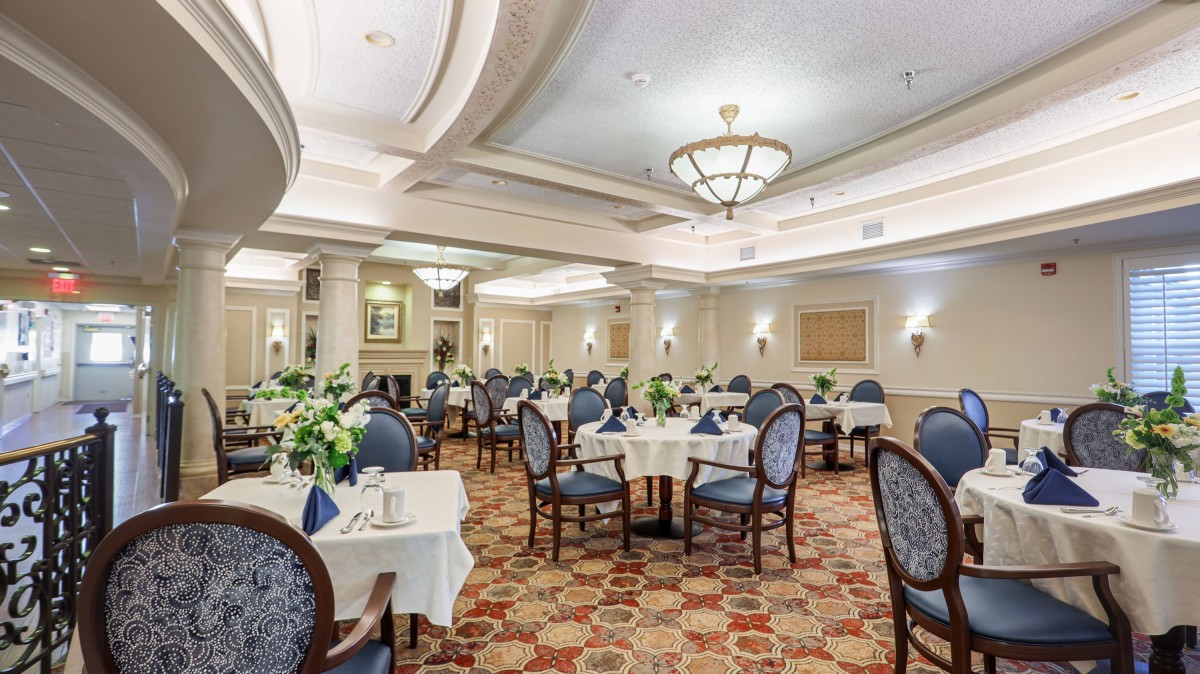
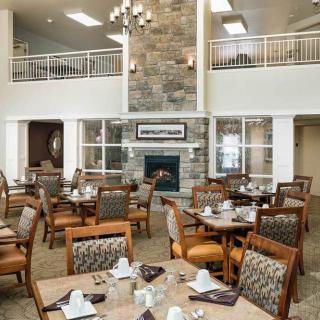
Dining stands out, with residents describing consistently good meals and attentive service.
Many reviews bring up the food and the dining experience, often saying the meals are good and well served. A few residents mention meal choices from a menu or room service–style convenience, and several describe friendly waitstaff. There are also a couple of complaints tied to dining execution, like food arriving cold in the dining room. Overall, dining quality and service are a consistent theme across families and visitors.
common26 reviews mention this
Staff care and friendliness
Staff members are described as friendly, attentive, and genuinely invested in residents.
Across reviews, residents and family members describe staff who treat people well, know residents by name, and communicate with families. Multiple caregivers and visitors say they felt supported by employee interactions, and several mention staff helping residents meet needs and stay engaged. Some feedback includes minor gaps, such as a wish for more attentiveness in one review, but the overall tone stays strongly positive. Together, reviews emphasize personal care and responsiveness as a daily-life strength.
common10 reviews mention this
Activities help residents stay engaged
Activities are a regular part of life, with residents describing plenty to do.
Reviews frequently mention on-site activities and outings, including arts and crafts, sing-alongs, group exercise, and themed events. Several residents also describe meeting people through meals or activities, and a few reviews highlight family enjoyment when they could join in. One reviewer notes the community may not have as many activities available, attributing that to pandemic-related limitations. Even with that caveat, the most common experience is that residents have options to participate.
differentiator6 reviews mention this
Care services span needs
Care support is emphasized, including assistance needs and memory-related programming.
Some reviews discuss how residents’ changing needs were supported, including help with daily needs and coordination around health. Several mention nursing presence or that staff kept an eye on health and understanding requirements, and one review specifically calls out hospice-related support. At the same time, one reviewer states the setting does not include nursing care for their loved one, so the care model can feel variable depending on the level of support required. Overall, reviews tie the community’s care approach to meeting evolving needs, but the exact nursing arrangement may matter when choosing a unit or level of care.
caveat3 reviews mention this
Cost feels high to some
Pricing is a sticking point for some families.
Even though some reviewers describe the base price as reasonable, multiple comments still characterize the community as expensive. One review also notes that additional services and options can carry extra charges, which can make total costs feel higher depending on needs. Another reviewer mentions cost alongside a positive overall experience, suggesting affordability is something to plan for rather than something everyone overlooks. When evaluating fit, families may want to budget for both the base rate and add-on care or services.
common7 reviews mention this
Facility is clean and well kept
The building quality comes up often, with reviews describing cleanliness and comfort.
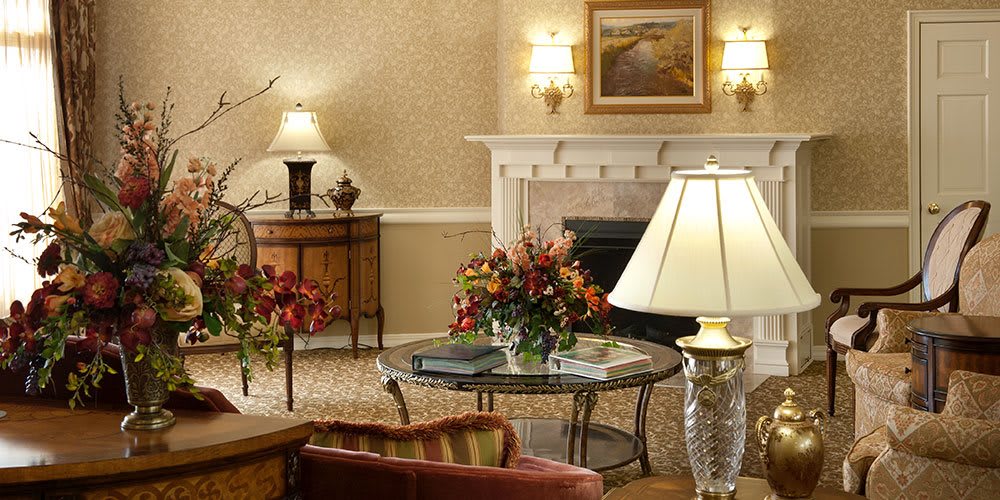
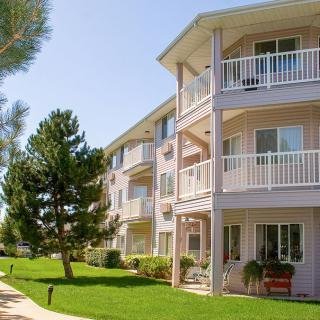
Several reviews describe the facility as immaculate, clean, and well kept, including praise for the overall look and comfort of spaces. Families and visitors also mention a homey atmosphere in addition to the facility being attractive. A couple of reviews add specific space-related details, like laundry rooms on each floor and a generally well-organized feel. The cleanliness impression supports the broader theme that residents and families feel comfortable spending time there.
How we summarize
Counts show how many written reviews mention each theme; a review can touch several themes, and only frequently mentioned themes are displayed.
Features
Housing
52 resident community capacity
Types of Care
Assisted Living
Independent Living
Memory Care
Skilled Nursing Facility
Pets
Cats allowed
Amenities
Activities off-site
Activities on-site
Air-conditioning
Beautician on-site
Beauty salon
Cable or satellite TV
Computer center
Devotional services on-site
Dining room
Fitness room
Full kitchen
Fully furnished
Gaming room
Garden
Ground floor units
Housekeeping services
Indoor common areas
Kitchenette
Laundry
Move-in coordination
Outdoor common areas
Outdoor space
Private bathrooms
Private patio, deck, or balcony
Respite or short term stays offered
Restaurant-style dining
Small library
Telephone
VA Benefits Consultation
Wellness center
Wheelchair accessible showers
Wi-Fi/high-speed internet available
Transportation
Billings Logan International (2 miles away)
Community operated transportation
Transportation & parking
Transportation arrangement
Transportation arrangement (non-medical)
Care Services
12-16 hour nursing
24-hour call system
24-hour supervision
Activities of daily living assistance
Ambulatory care
Assistance with bathing
Assistance with dressing
Assistance with transfers
Coordination with health care providers
Dementia waiver
Diabetes diet
Diabetic care
Hospice waiver
Incontinence care
Meal preparation and service
Medication management
Mental wellness program
Mild cognitive impairment
Special dietary restrictions
Specialized memory care programming
Transportation arrangement (medical)
Transportation to doctors appointments
Dining
Diabetes diet
Guest meals
Meals provided
Restaurant style dining
Room service
Special dietary restrictions
Activities
Activities off-site
Art classes
Catholic services
Community-sponsored activities
Concierge services
Day trips and outings
Devotional activities on-site
Educational speakers / life long learning
Fitness programs
Happy hour
Live dance or theater performances
Live musical performances
Live well programs
Planned day trips
Protestant services
Religious services
Resident-run activities
Scheduled daily activities
Stretching classes
Wine tasting
Languages Spoken
English
Nearby Places of Interest
This part of Billings, Montana offers a convenient and diverse range of amenities for seniors looking to settle in the area. With several physicians and pharmacies within close proximity, residents have easy access to medical care and prescriptions. The presence of cafes, restaurants, and parks provides opportunities for socializing, dining out, and enjoying outdoor activities. Additionally, nearby places of worship offer spiritual fulfillment and community engagement. For those who may require hospital services or transportation options, there are hospitals, research institutes, and the airport located within a short distance. Overall, this neighborhood provides a well-rounded environment suitable for senior living.
Physicians
Olsen Marc DDS (0.1 miles)
Drs. McBride & Steiner Optometrists (0.4 miles)
St Vincent Healthcare Primary Care Network (0.6 miles)
SCL Health Medical Group - West Grand (0.6 miles)
Brenda Gilmore FNP (0.6 miles)
Vision Optical (0.8 miles)
St Vincent Occupational Health (0.8 miles)
Cafes
Black Dog Coffee House (0.1 miles)
Panera Bread (1.4 miles)
Starbucks (2.2 miles)
Moav Coffee House West End (2.8 miles)
Bull Mountain Brew (2.9 miles)
Parks
Rose park pool (0.3 miles)
Terry Park (2.4 miles)
Pharmacies
CVS Pharmacy (0.3 miles)
Juro's Pharmacy Health & Wellness (0.4 miles)
Albertsons Pharmacy (0.9 miles)
Morgan Creek Compounding Pharmacy (1.2 miles)
Walgreens (1.2 miles)
Walgreens (1.2 miles)
CVS Pharmacy (1.3 miles)
Restaurants
Winners Circle Sports Bar (0.3 miles)
McDonald's (0.8 miles)
MacKenzie River Pizza Co. (0.8 miles)
Sam & Louie's Pizza - 2T2M & B (0.9 miles)
Chipotle Mexican Grill (0.9 miles)
Chalet Market (0.9 miles)
Papa John's Pizza (1 miles)
Places of Worship
St Pius X Church (1 miles)
Christian & Missionary Alliance Rocky Mountain Dist (1.1 miles)
Freedom Youth & Young Adults (1.4 miles)
Emmanuel Baptist Church (2.7 miles)
American Lutheran Church (2.9 miles)
Hospitals
SCL Health Research Institute (1.1 miles)
Transportation
U-Haul Moving & Storage (1.4 miles)
Billings Logan International Airport (BIL) (2.1 miles)
Westpark Village Senior Living presents a competitive pricing structure for its residents, especially when compared to the average costs in Yellowstone County and the broader state of Montana. For instance, a studio apartment at Westpark is offered at $2,575 per month, significantly more affordable than the county's average of $4,105 and the state's median of $3,729. Similarly, one-bedroom units are priced at $3,055 - again below both Yellowstone County's average of $3,214 and Montana's statewide rate of $3,468. Even in the case of two-bedroom apartments, Westpark maintains an attractive price point of $3,880 compared to $4,137 in Yellowstone County and $4,247 statewide. This pricing strategy underscores Westpark Village's commitment to providing accessible and quality living options for seniors while ensuring affordability within the community.
The array of features offered at Westpark Village Senior Living plays a crucial role in supporting residents with dementia or Alzheimer's disease by addressing their unique needs and enhancing their quality of life. The 24-hour supervision ensures that residents receive continuous care and immediate assistance when required, fostering a safe environment. Activities of daily living assistance, including help with bathing and dressing, promotes dignity while ensuring residents maintain personal hygiene and comfort. Coordination with healthcare providers guarantees comprehensive medical oversight tailored to individual health needs. Services such as incontinence care and meal preparation address essential daily requirements, while medication management prevents potential complications arising from mismanagement of prescriptions. Additionally, specialized memory care programming and mental wellness initiatives support cognitive engagement and emotional well-being, which are vital for maintaining function in those experiencing mild cognitive impairment. Transport arrangements for medical visits further facilitate access to necessary healthcare services, ultimately creating a holistic support system that enhances the overall experience for residents dealing with memory challenges.
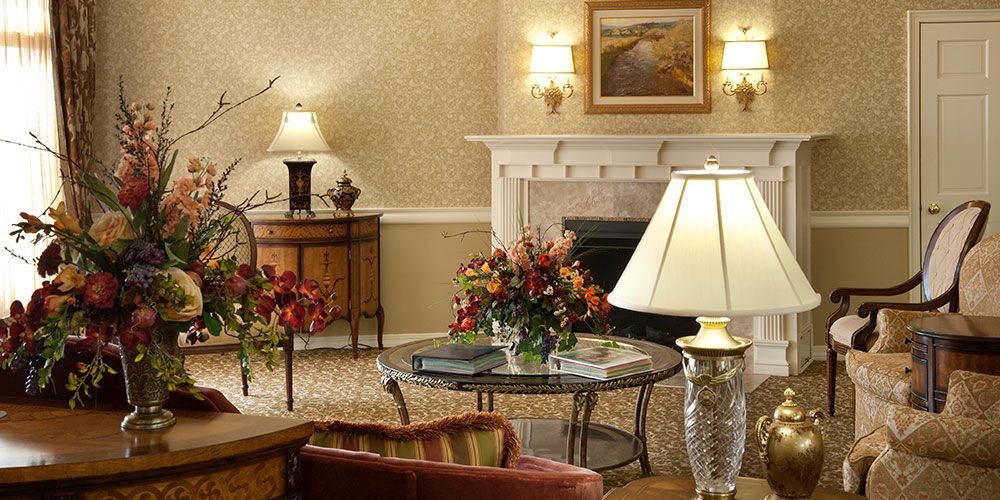
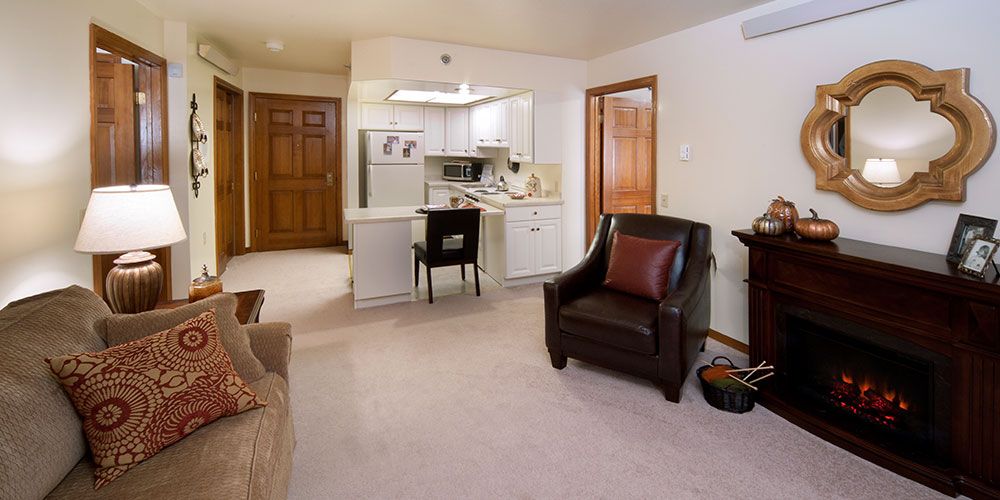
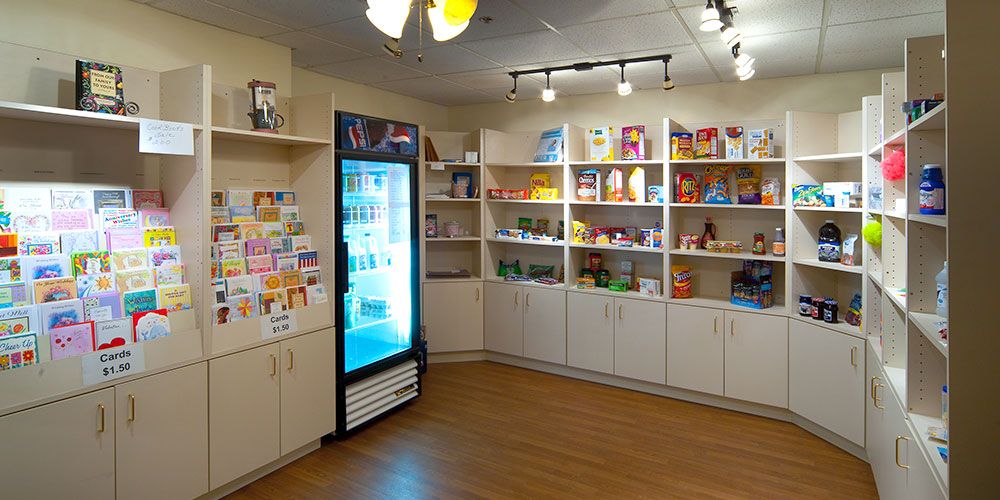
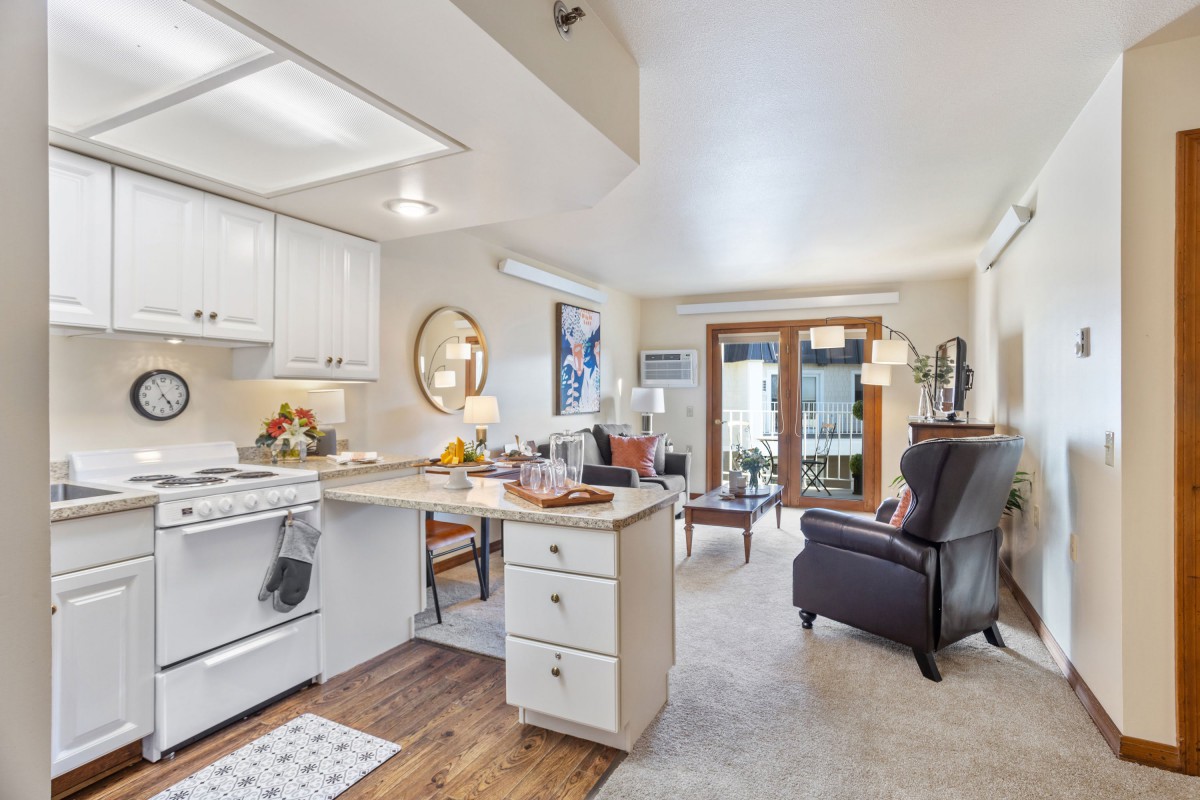
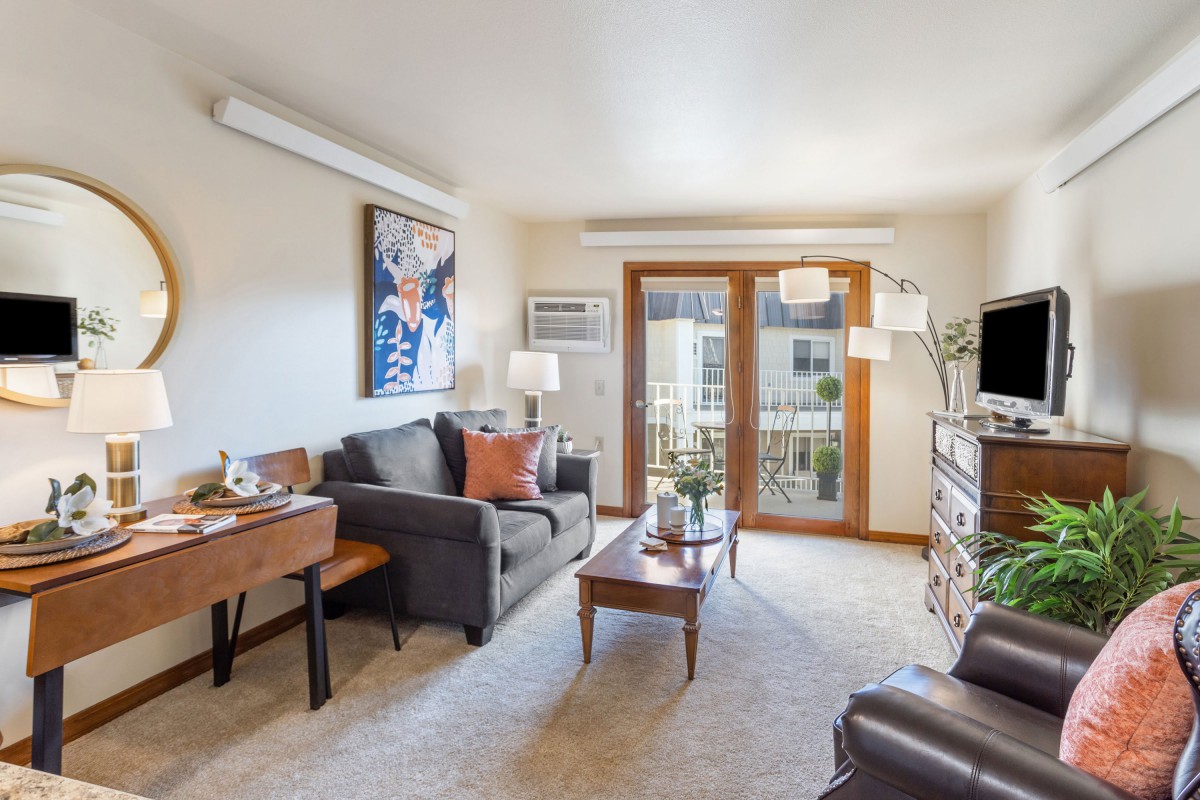
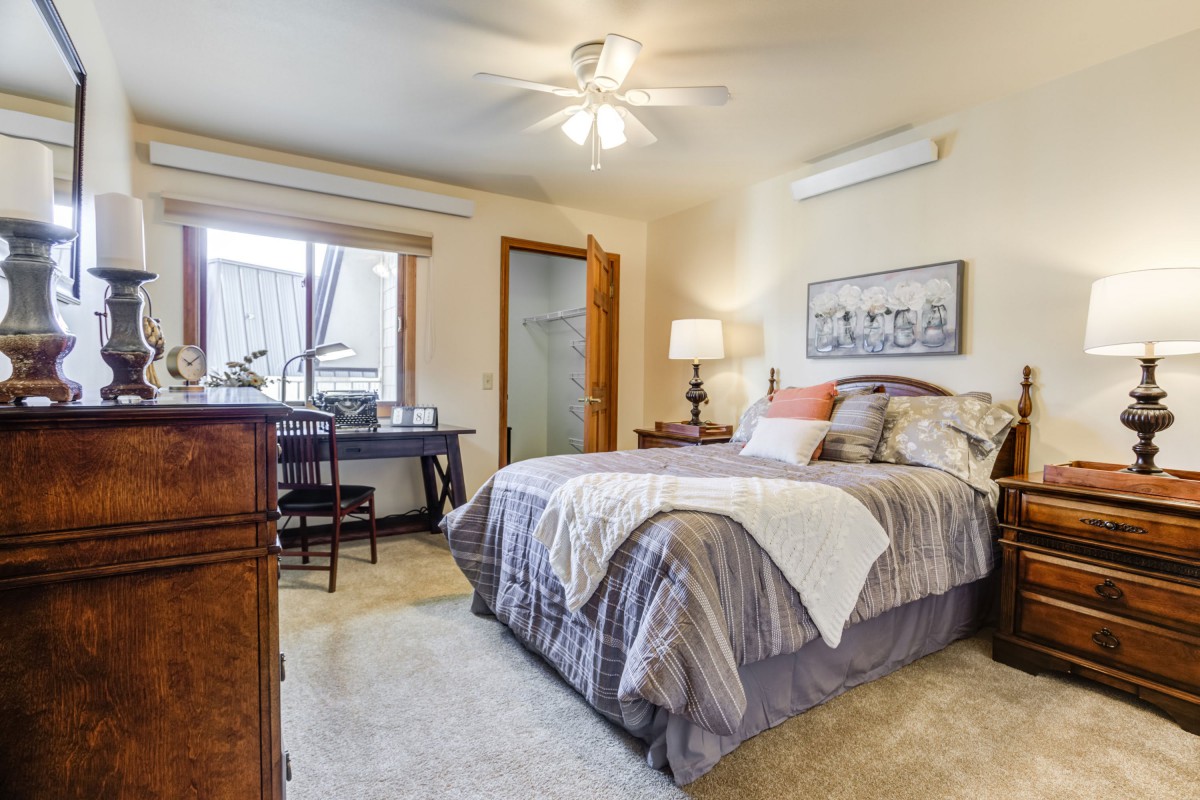
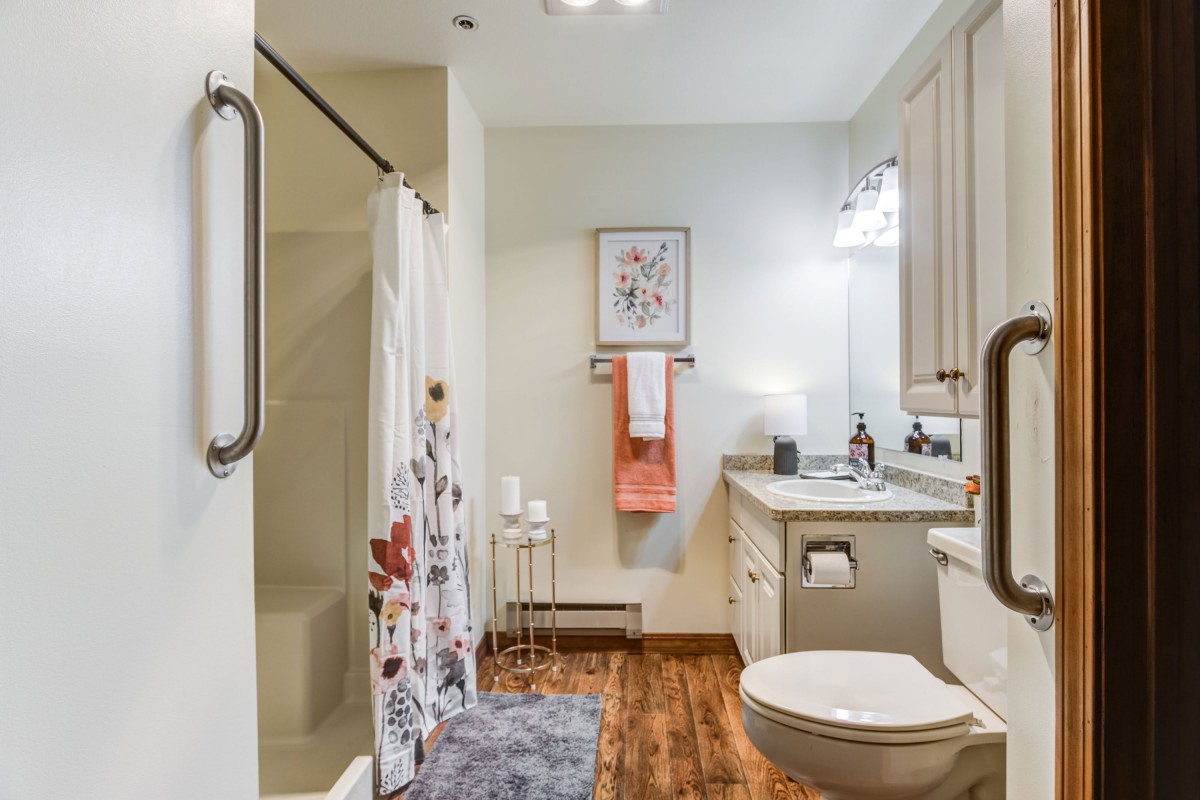
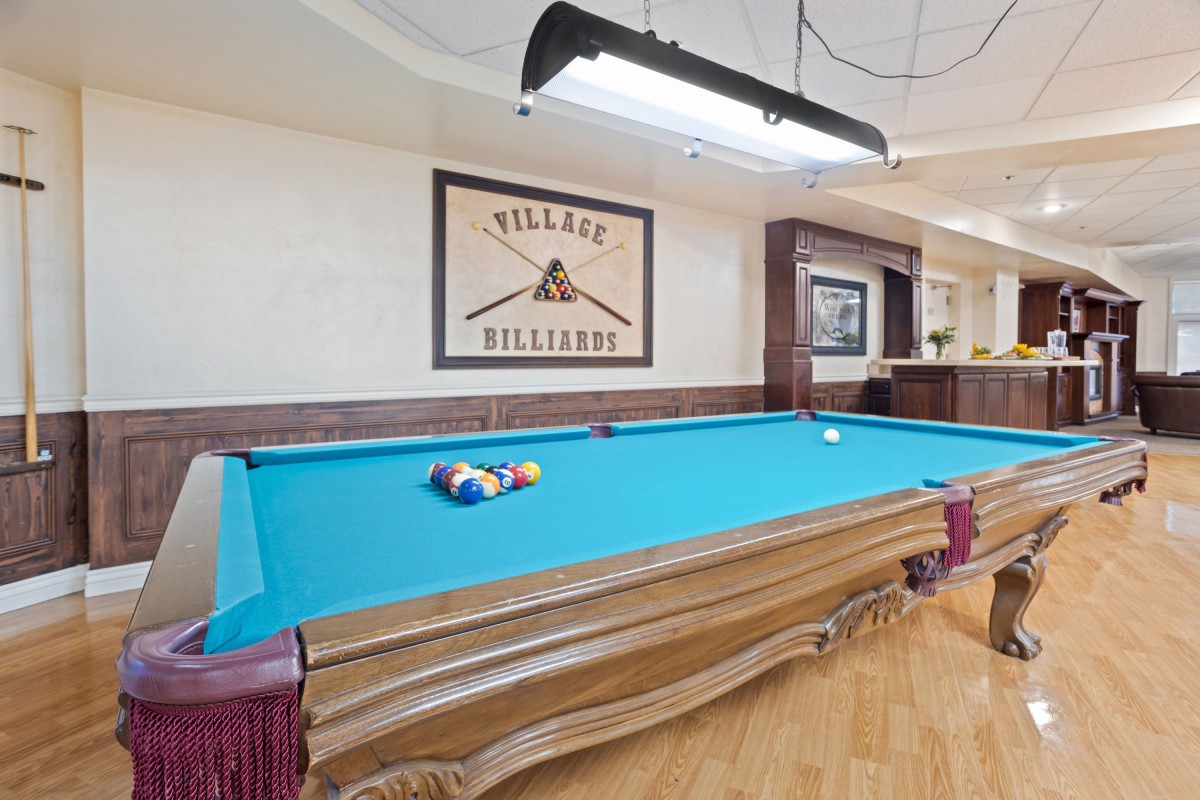
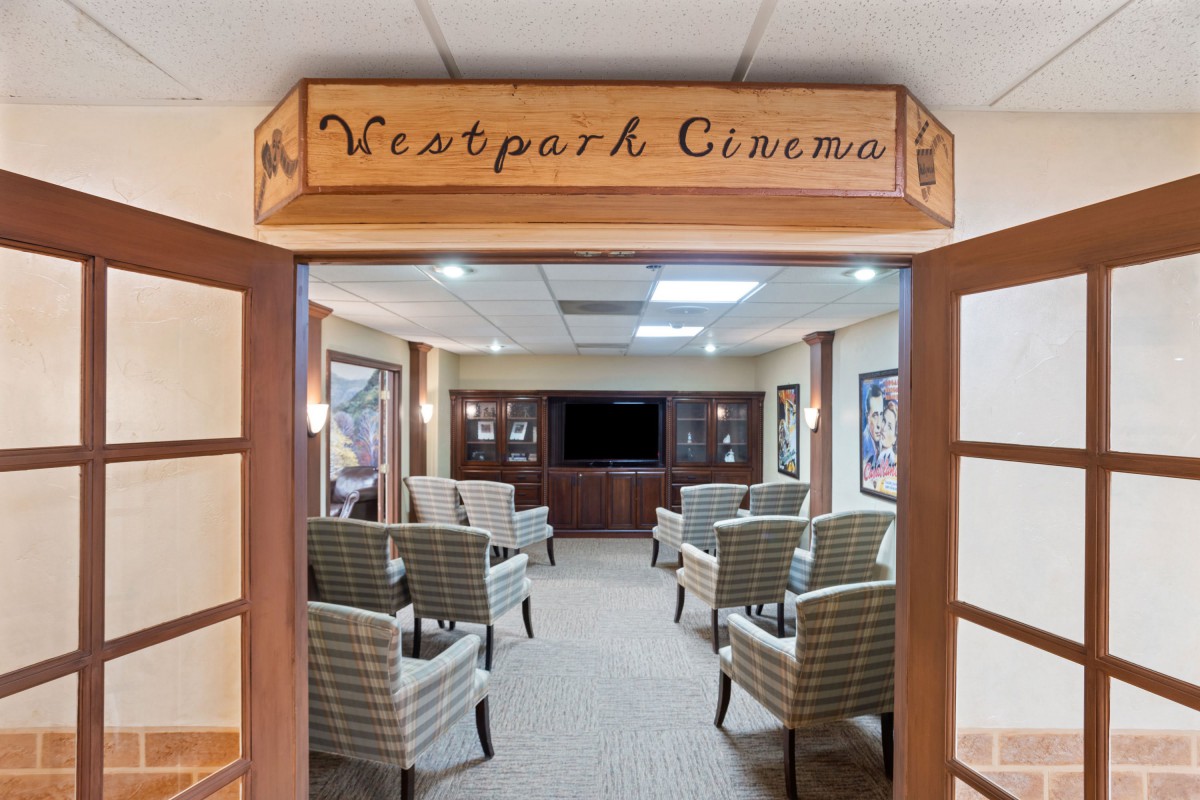
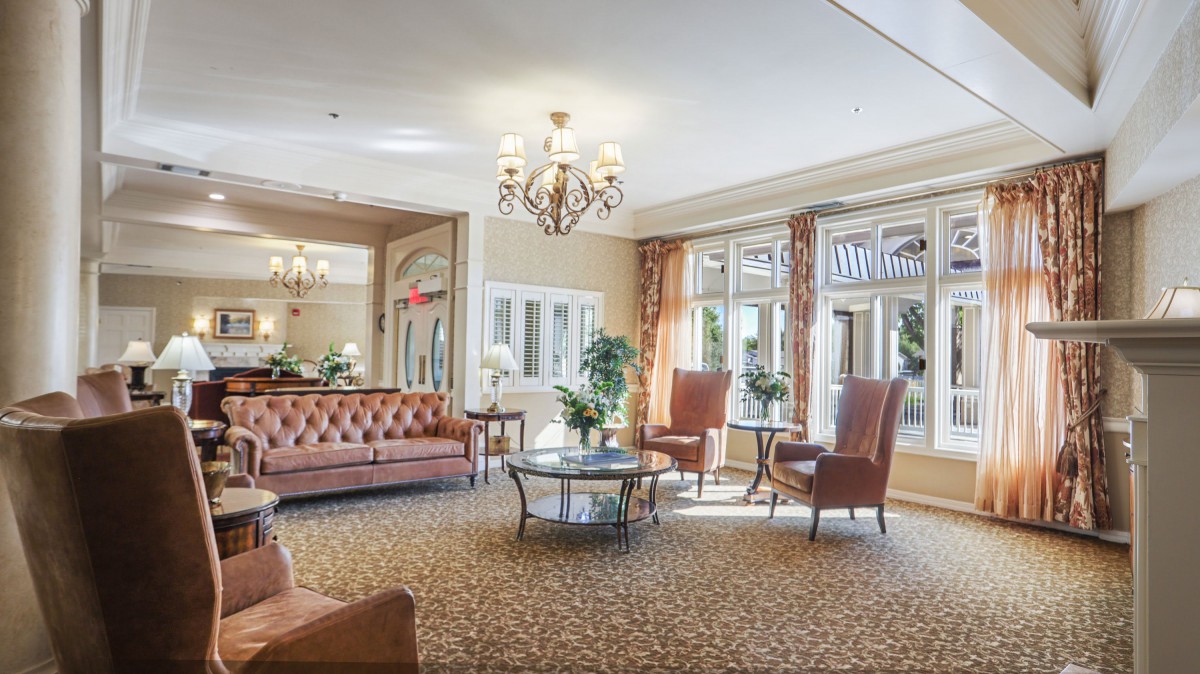
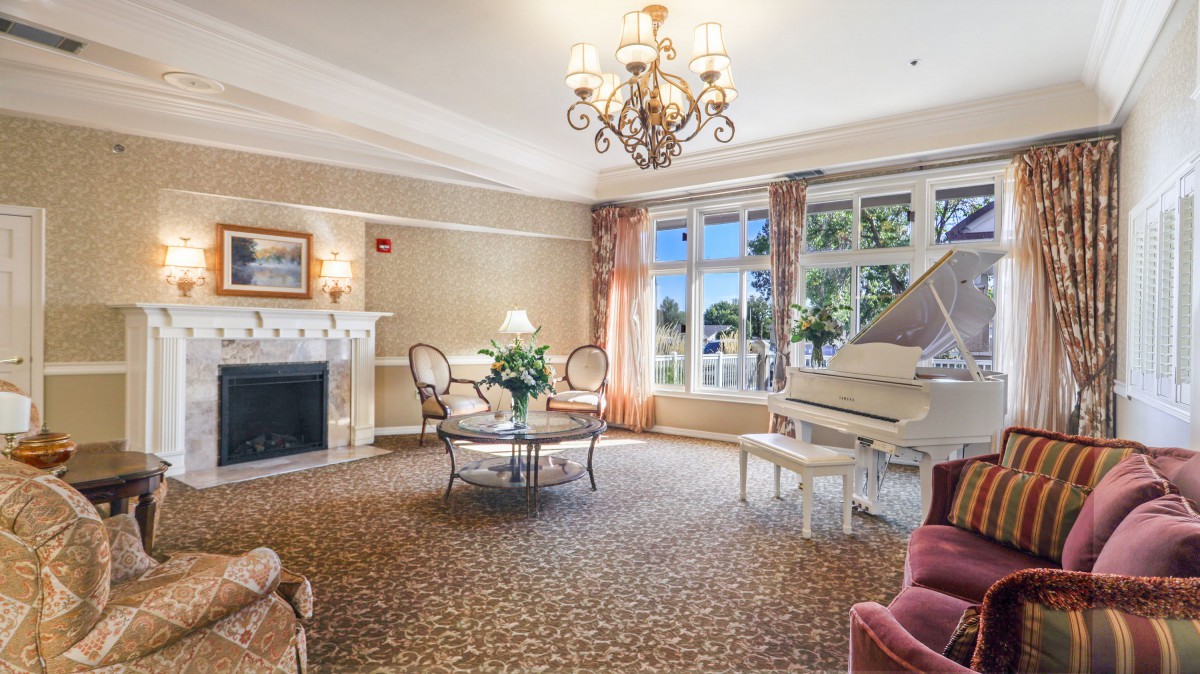
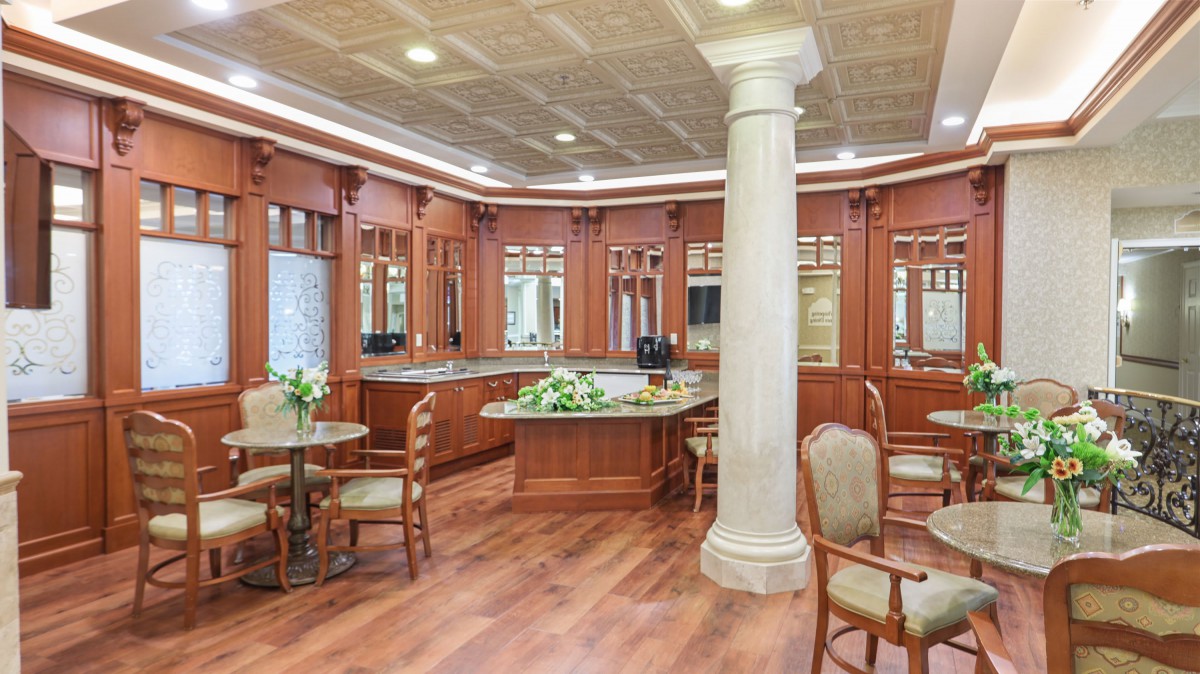
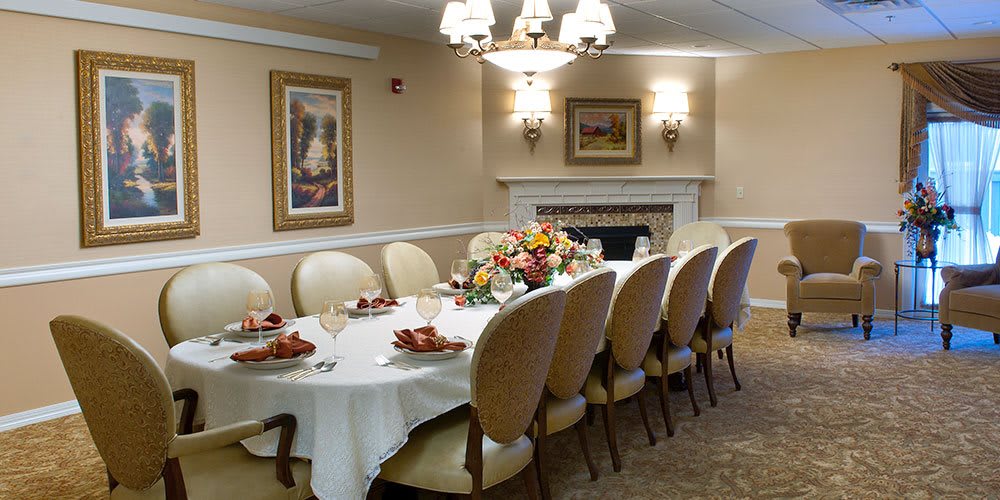
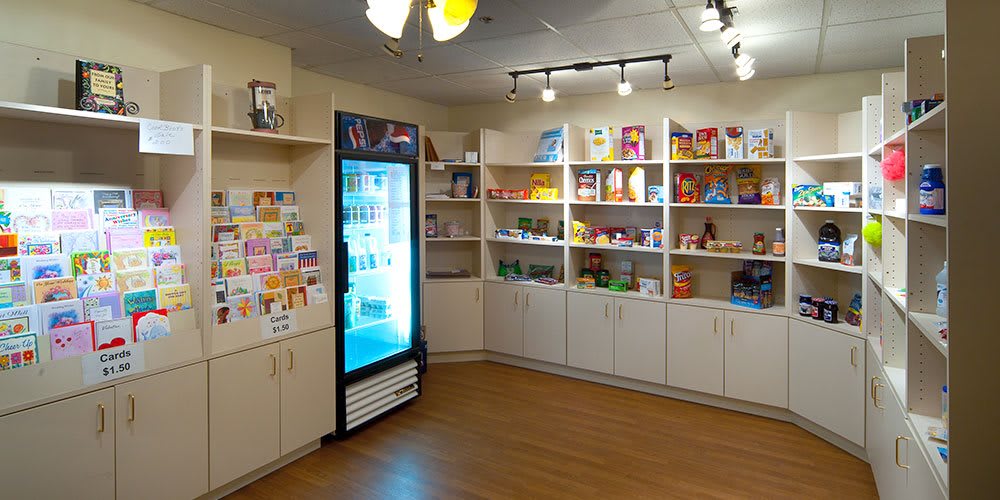
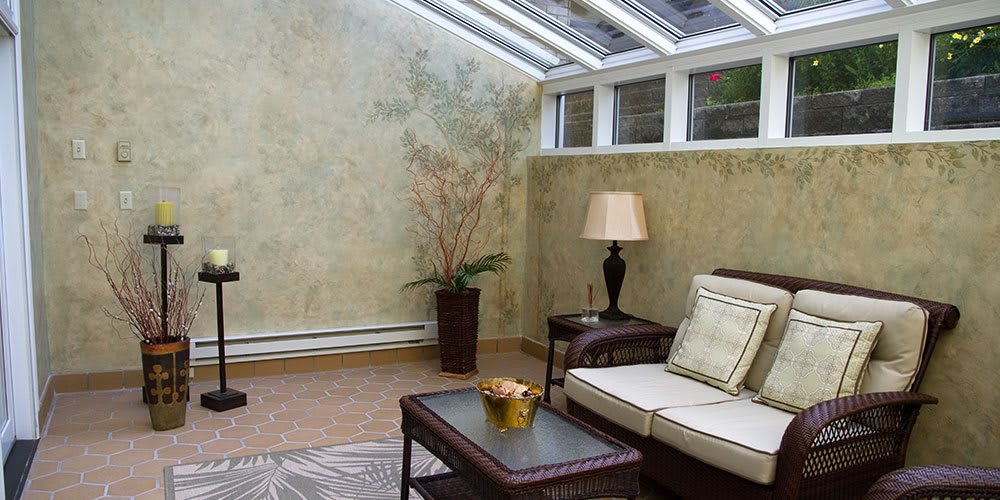
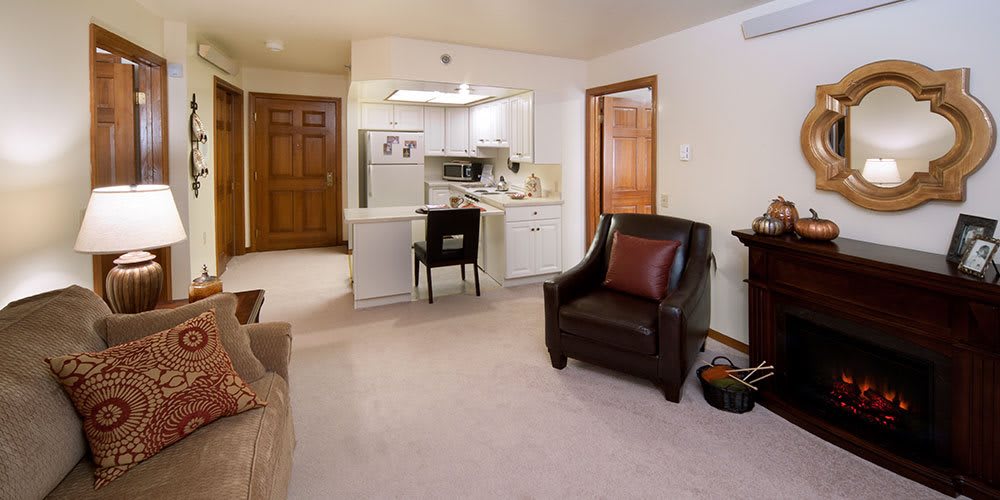
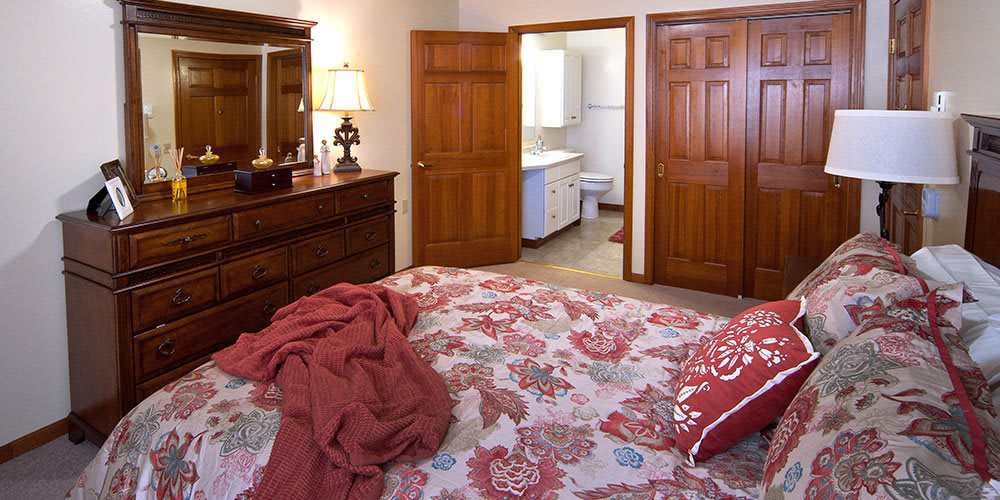
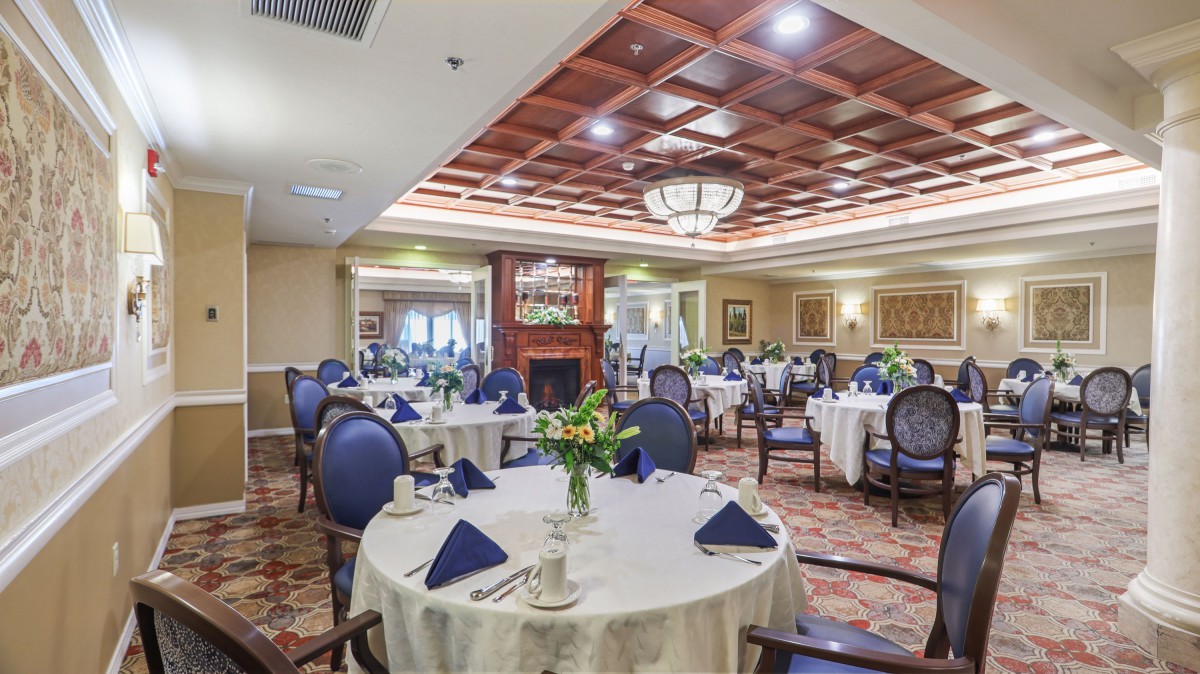
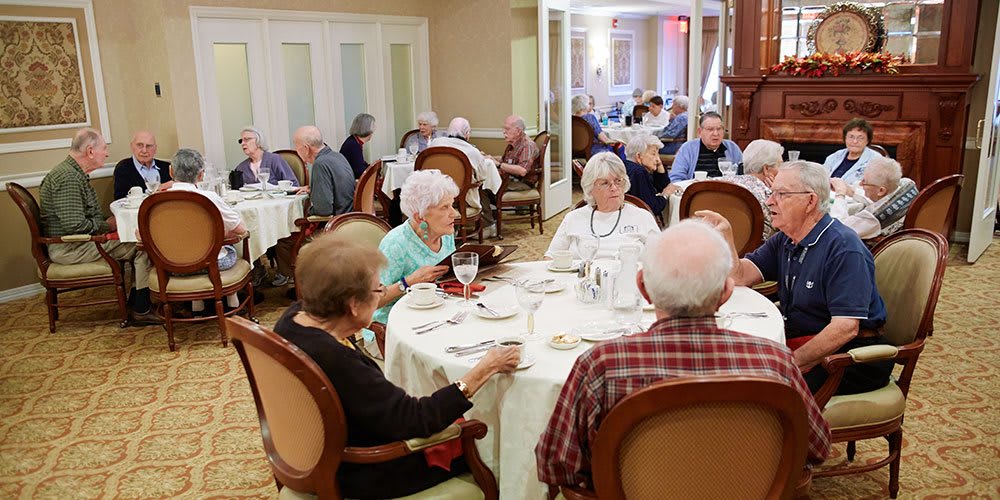
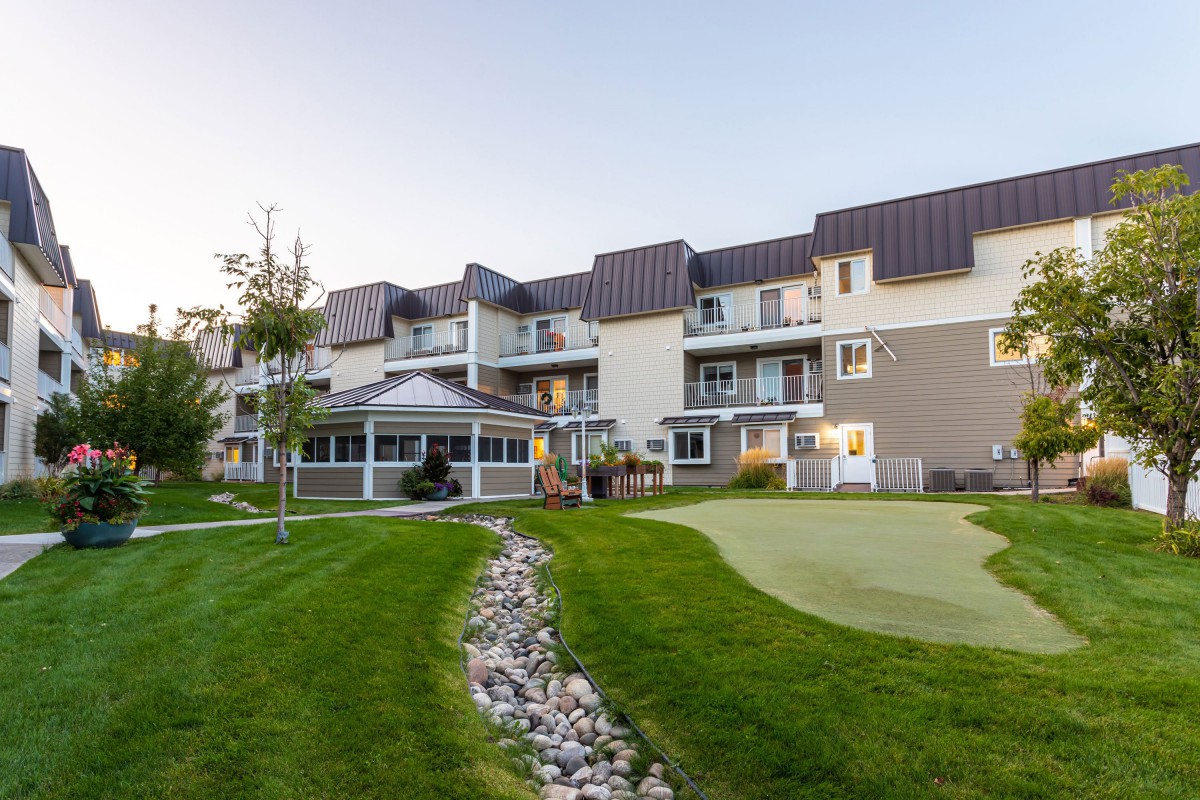
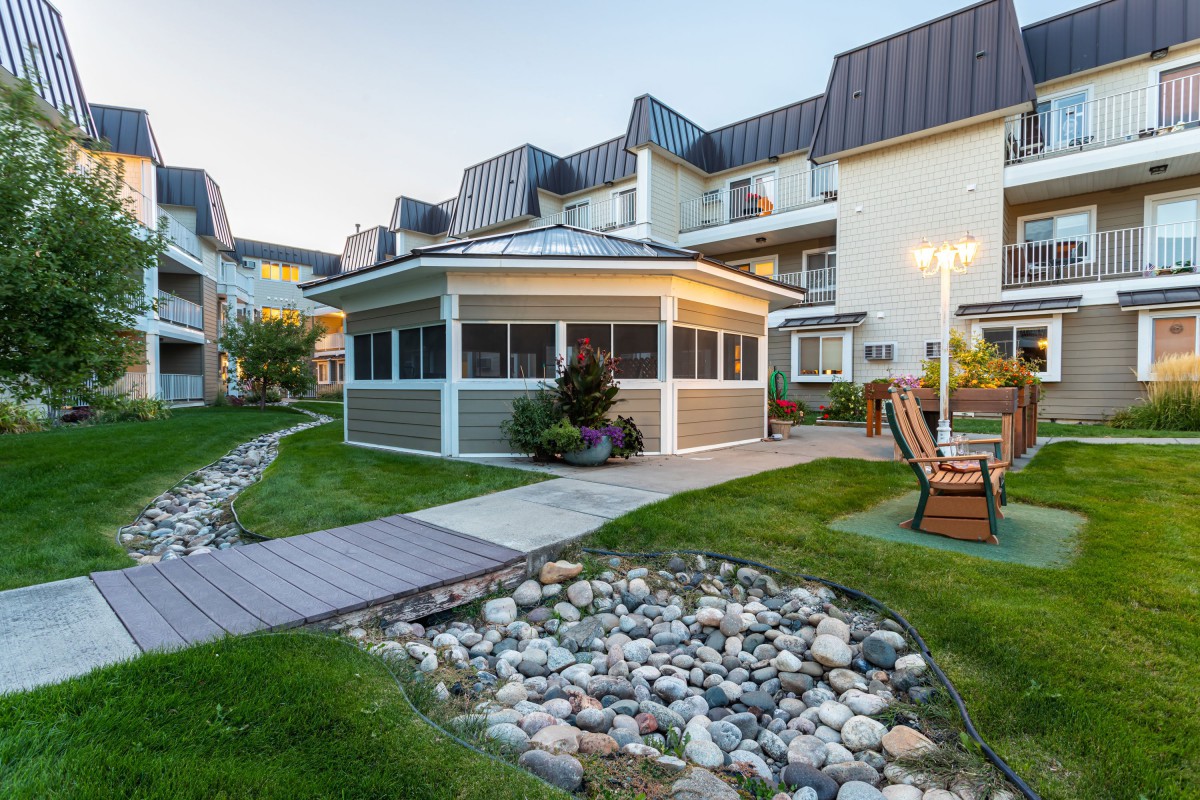
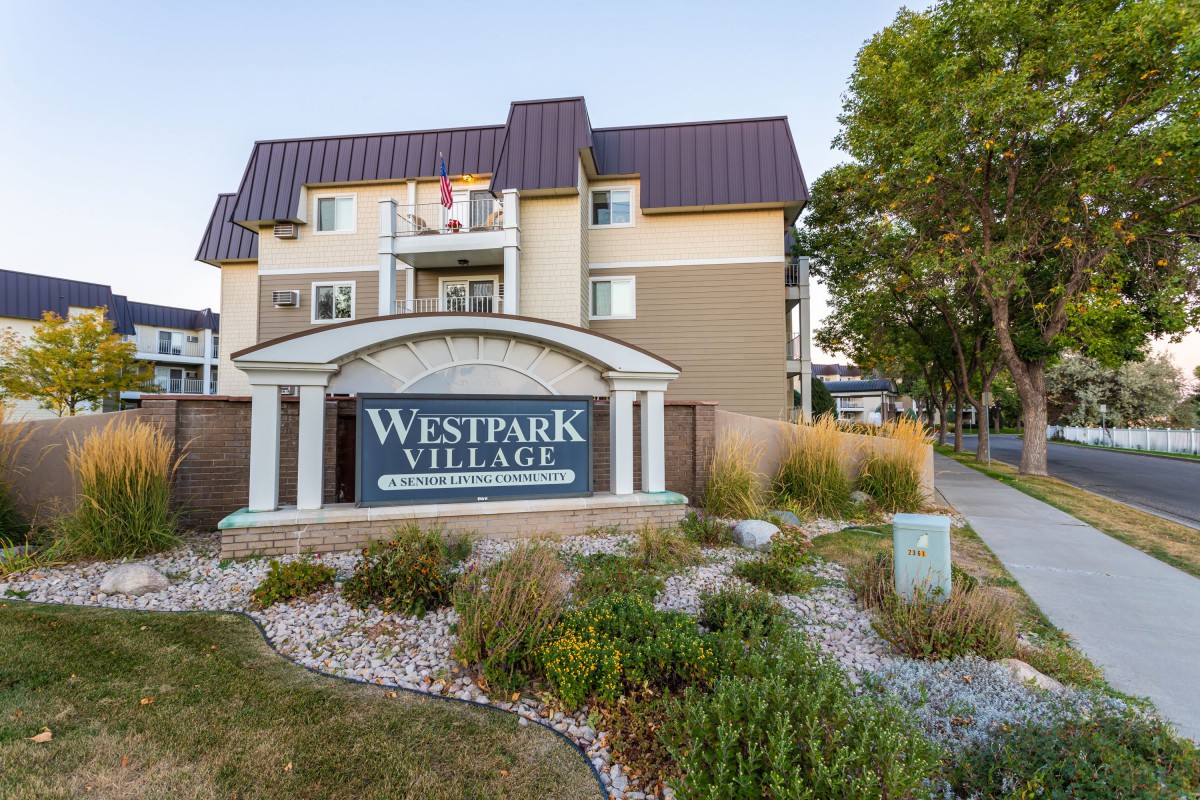
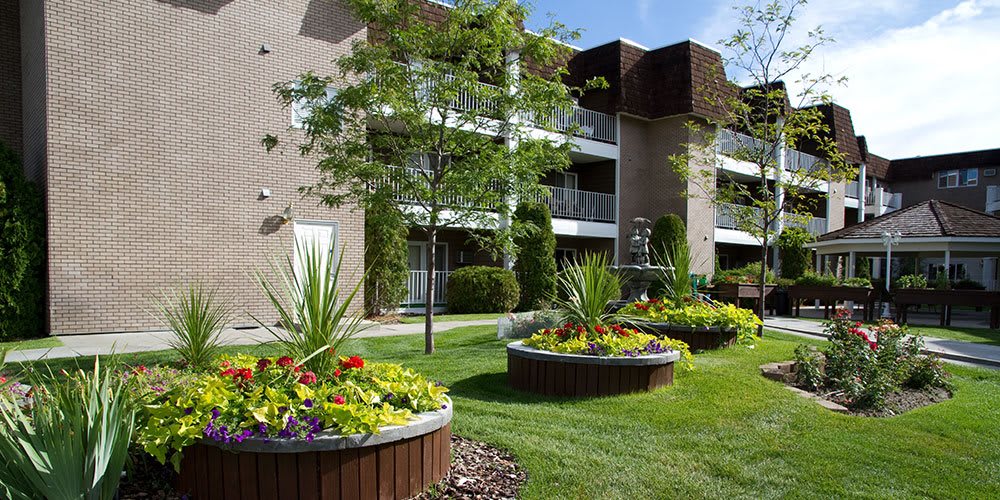
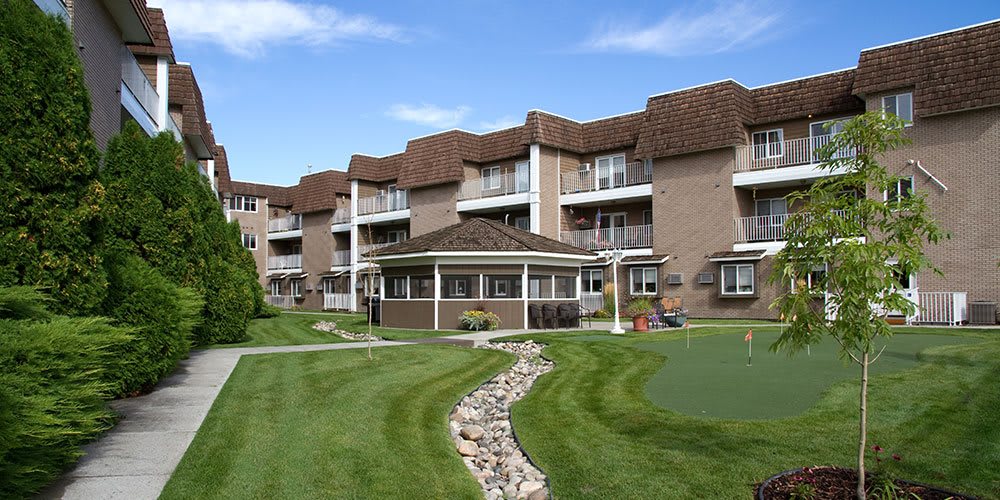
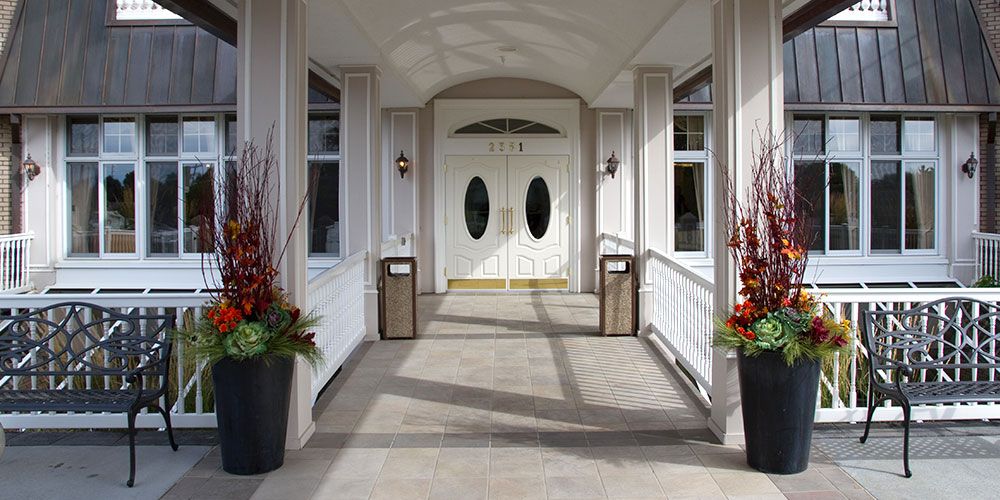
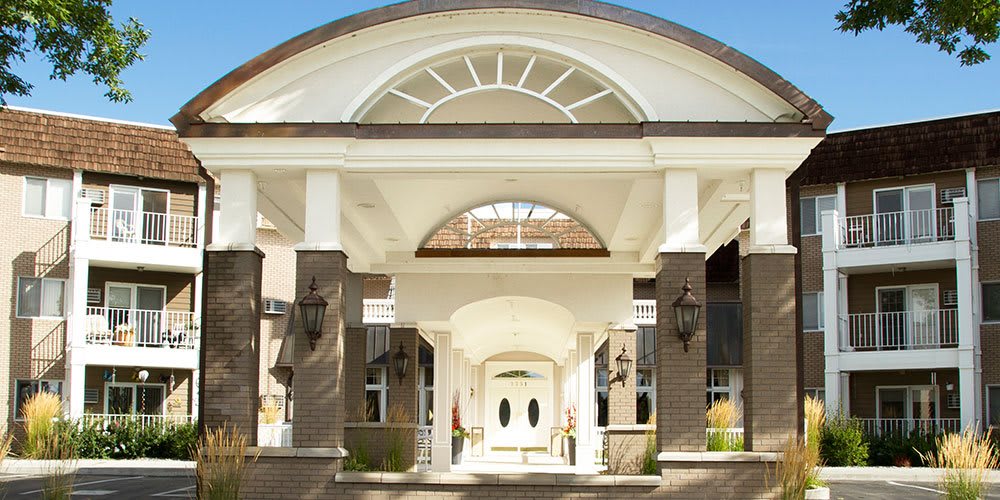
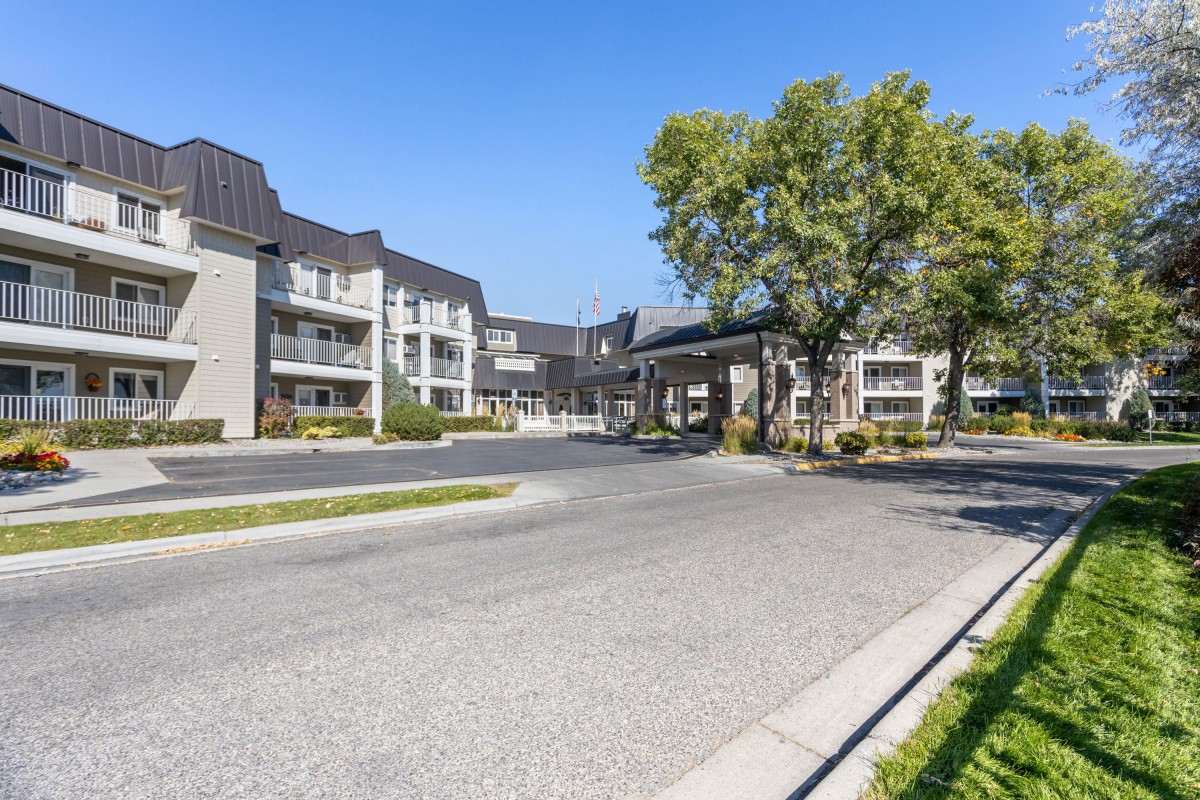
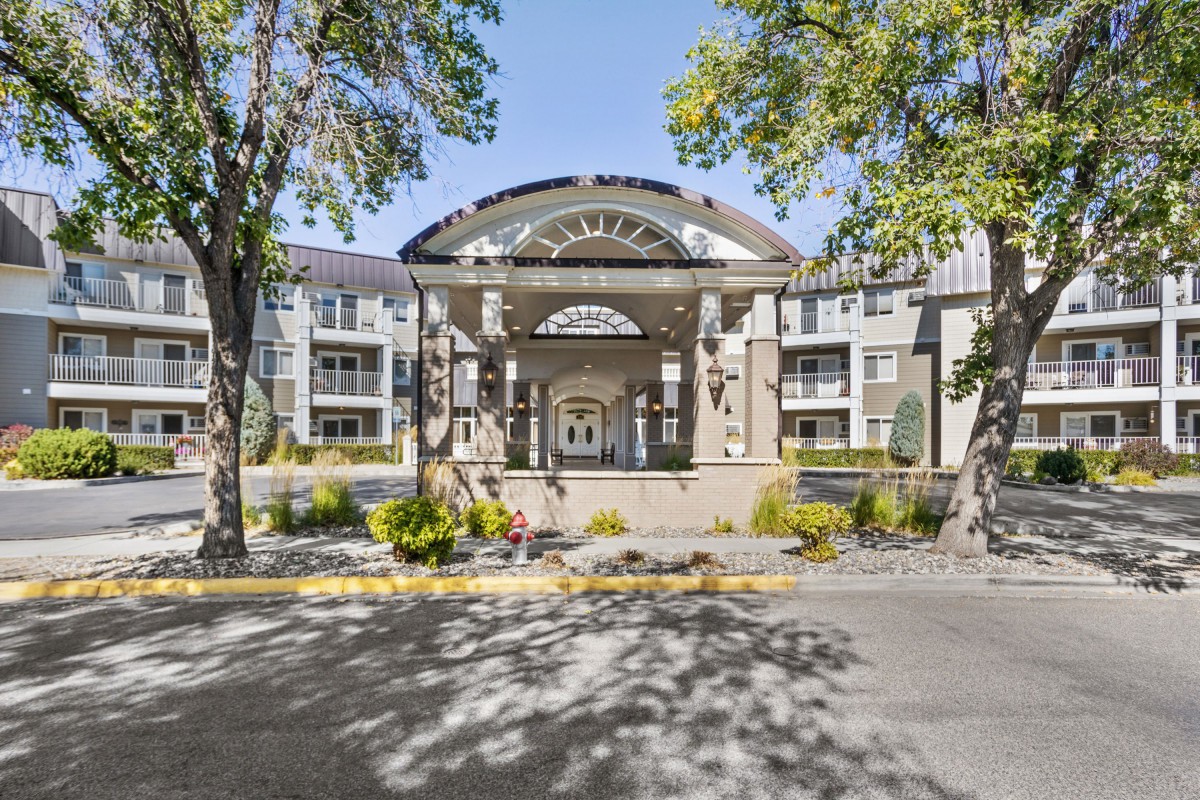
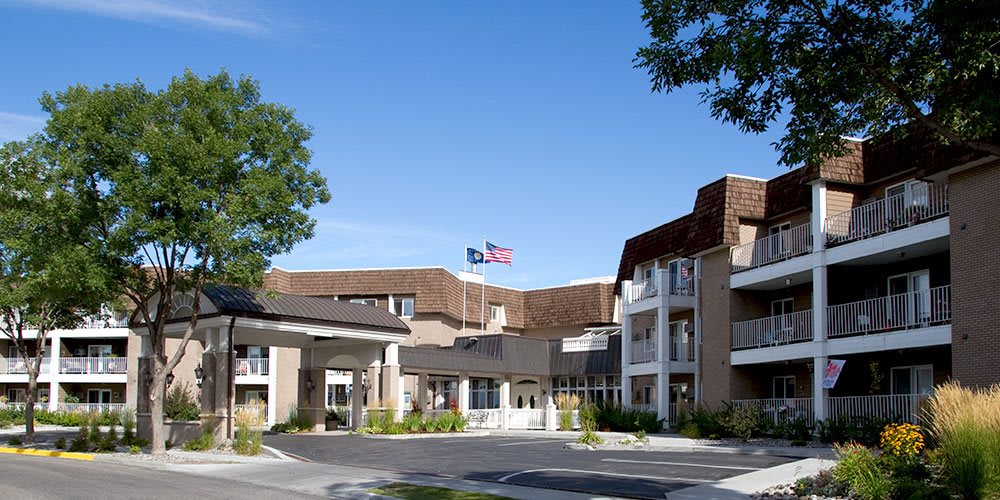
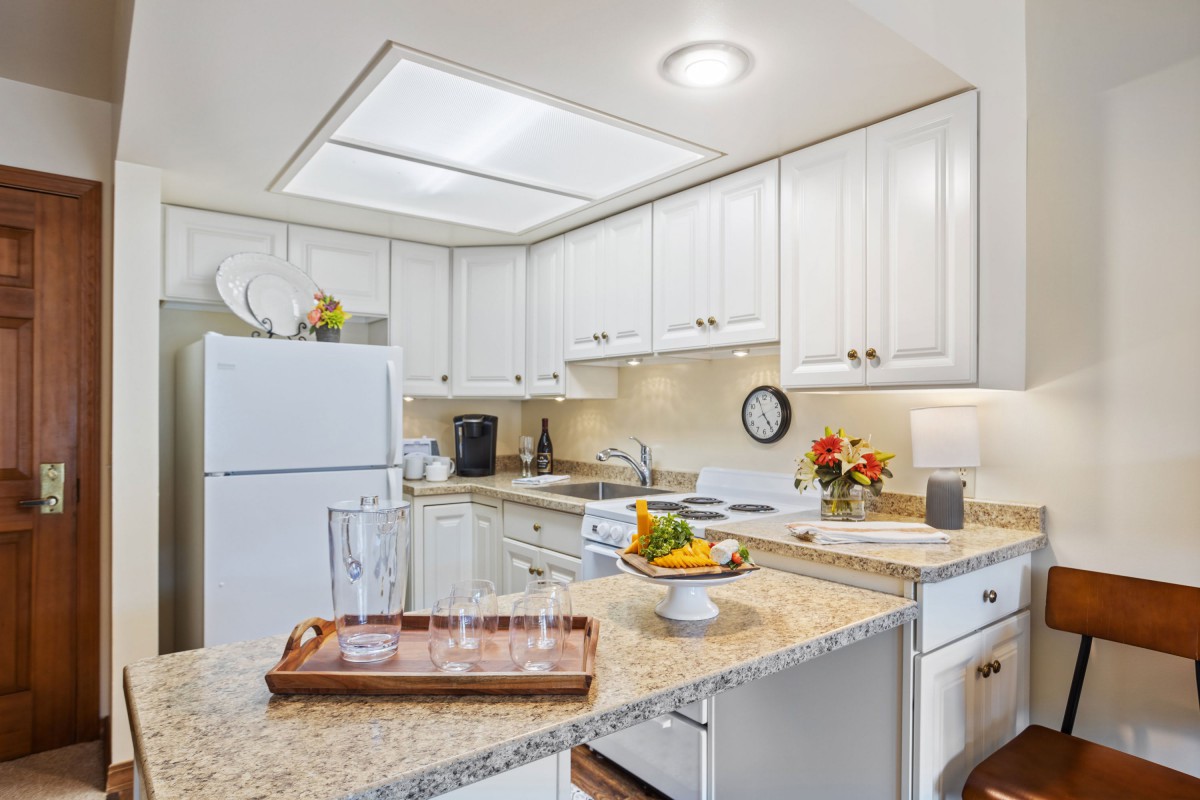
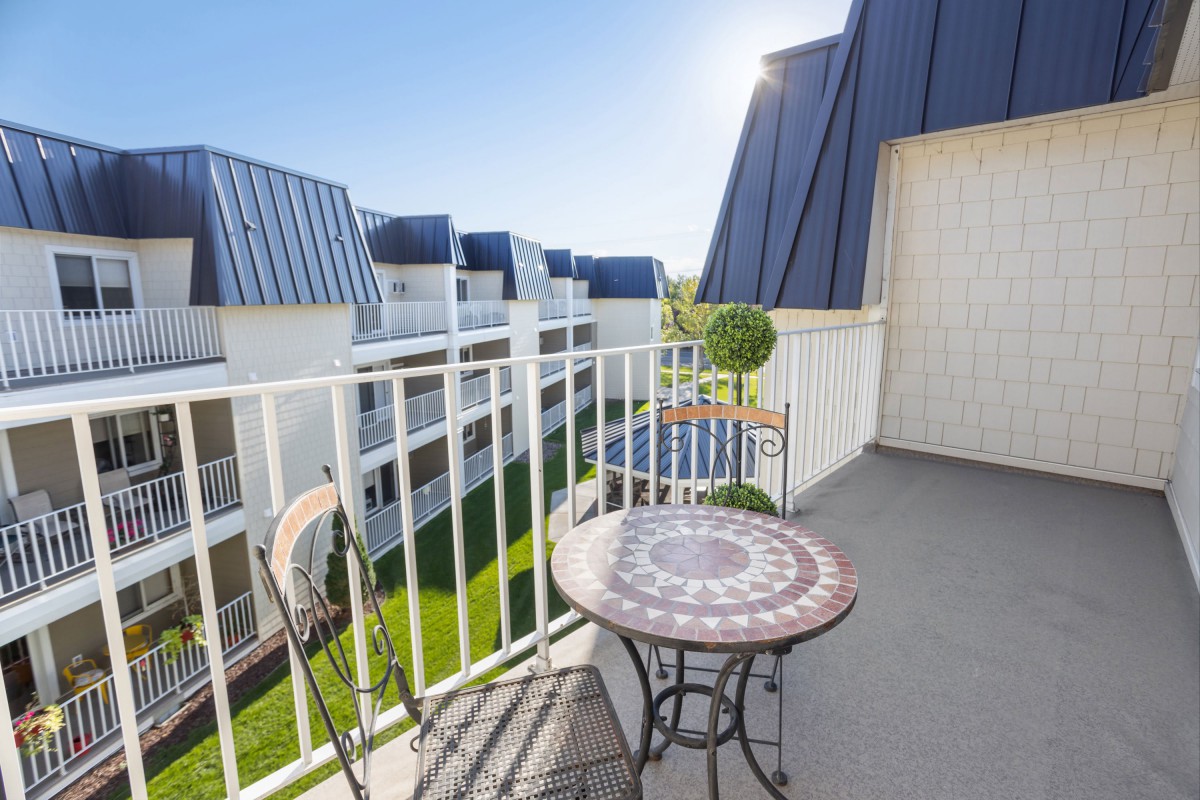
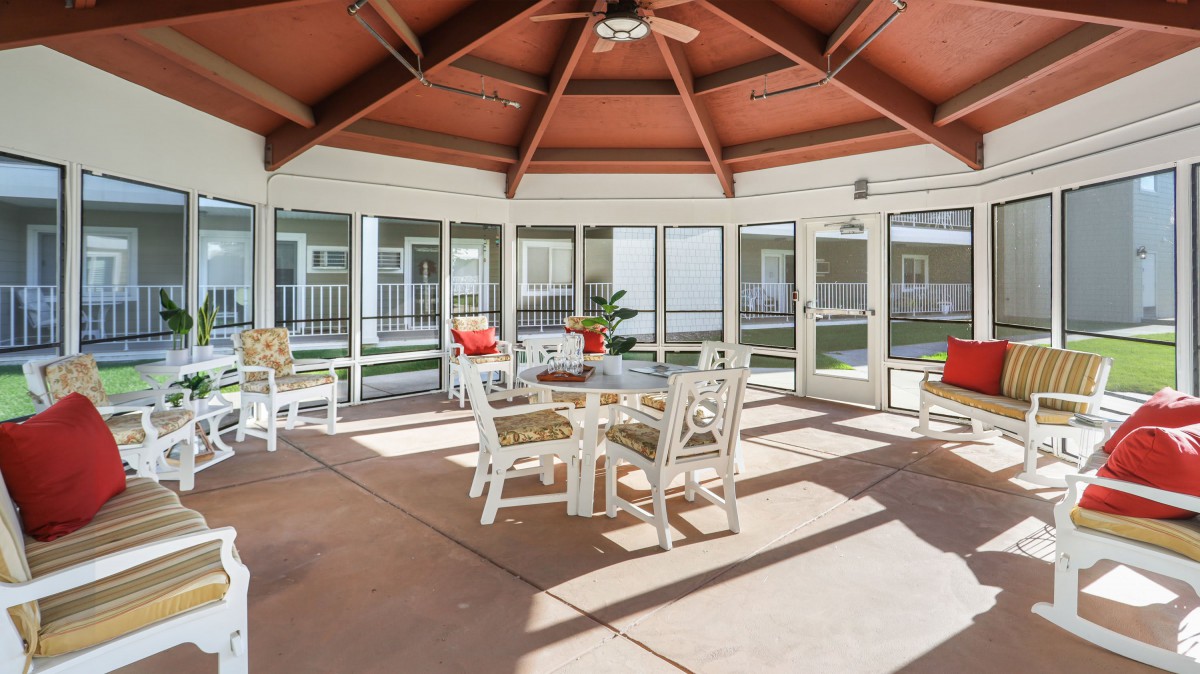
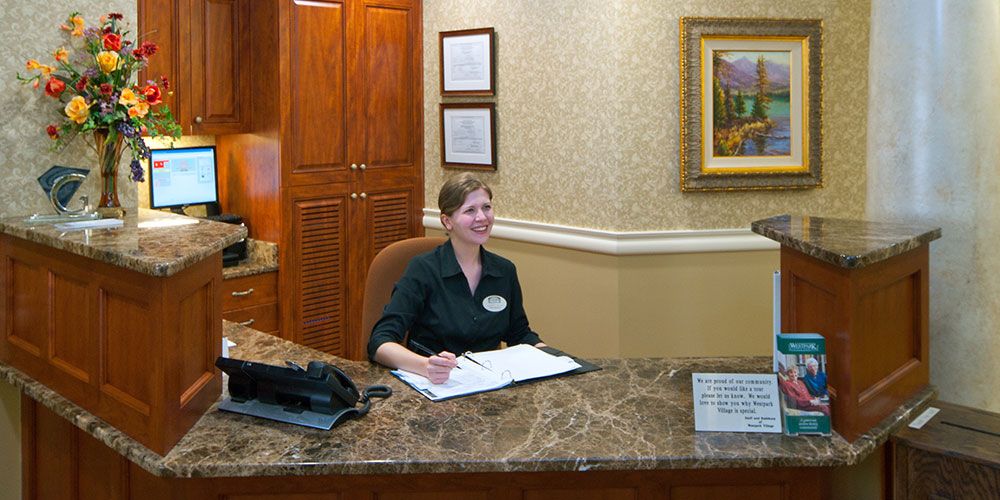
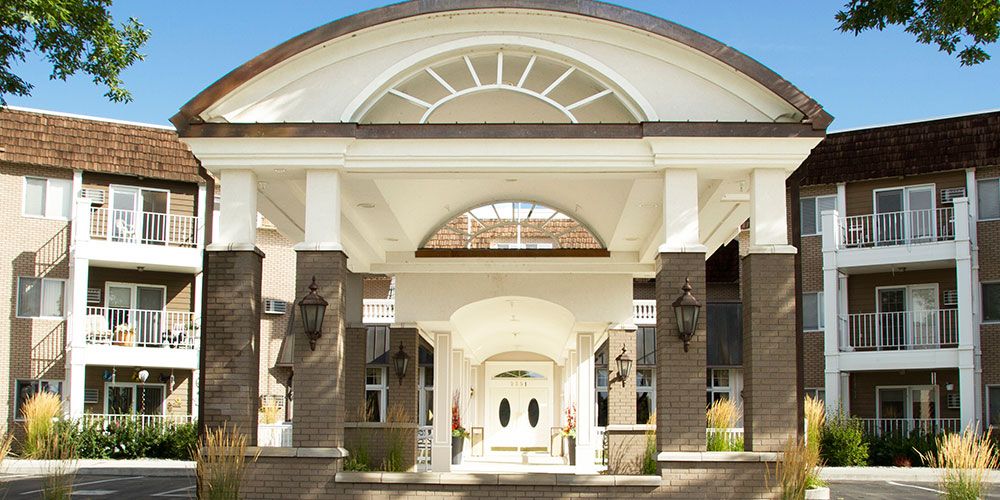
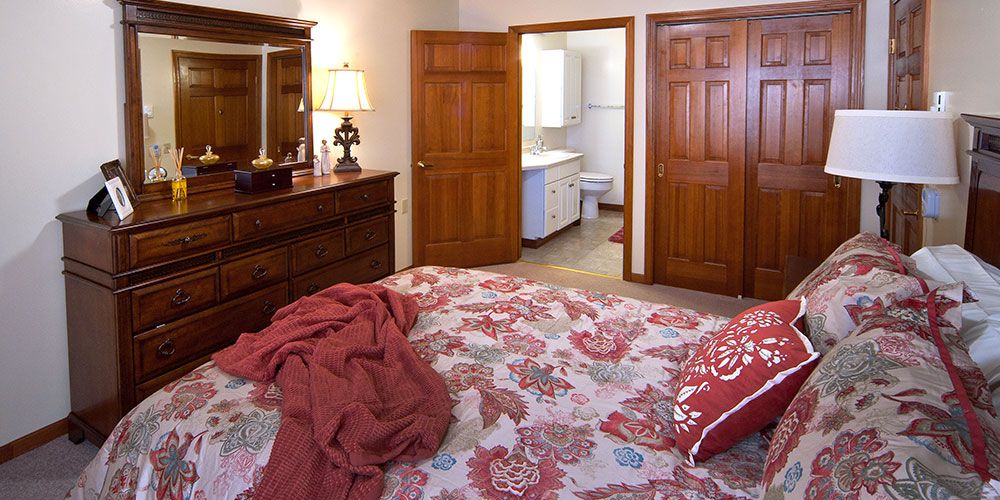
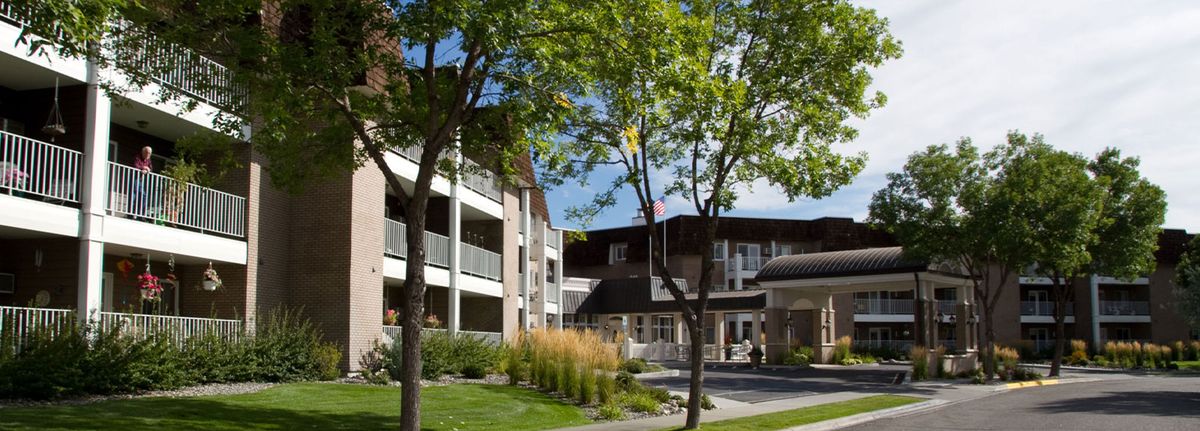
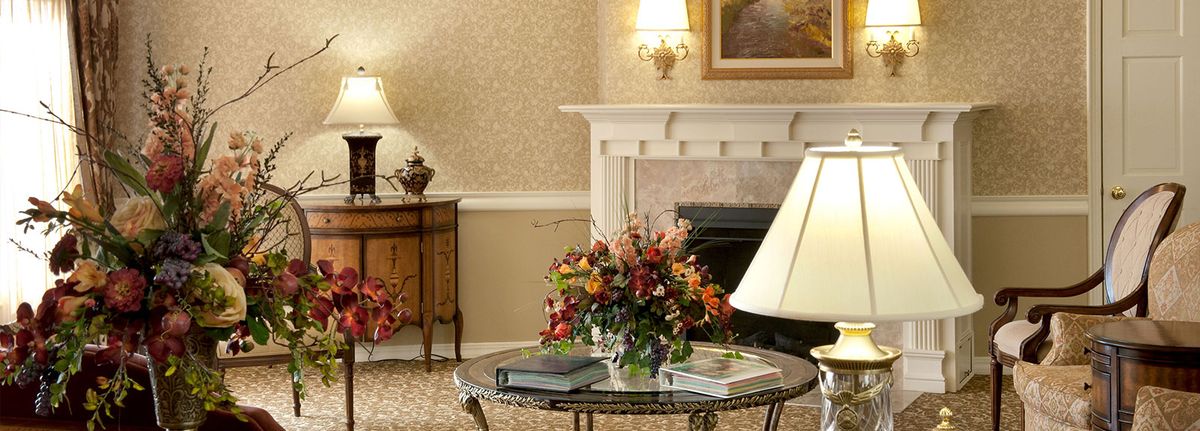
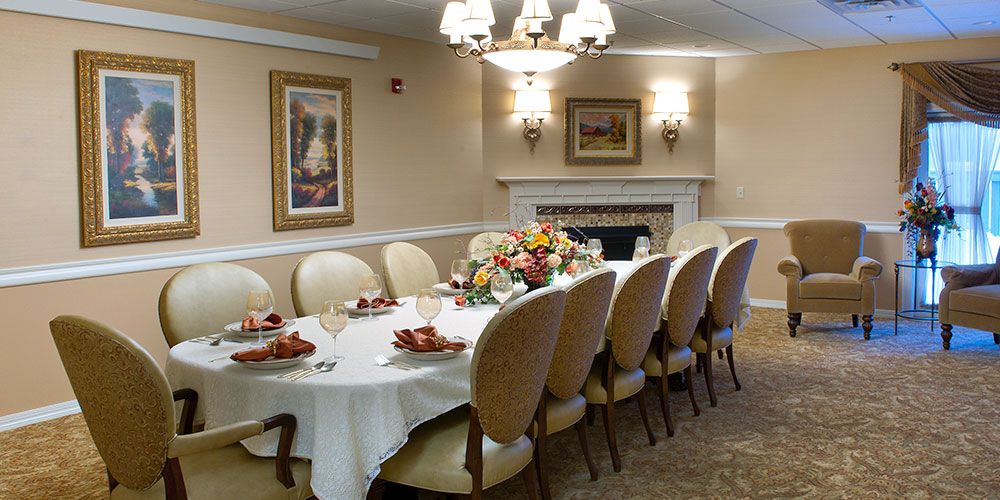
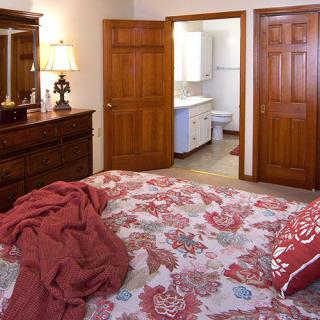
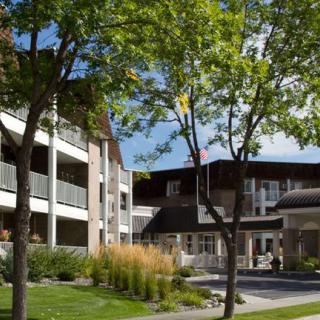
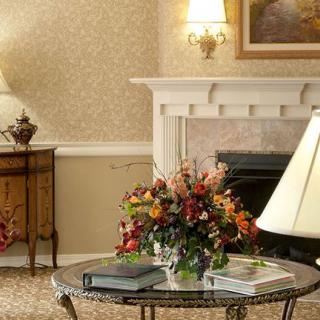
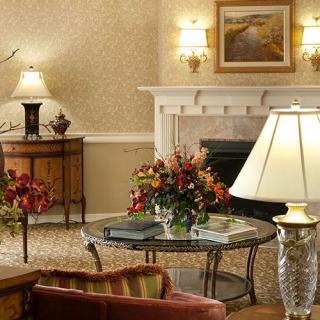
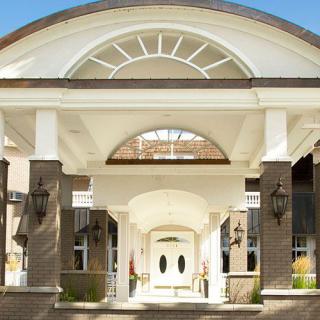
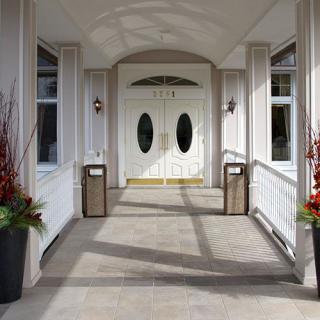
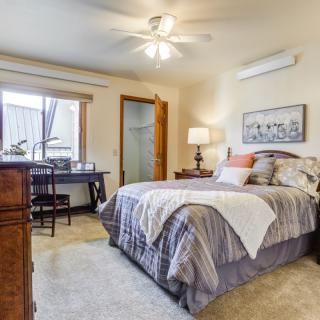
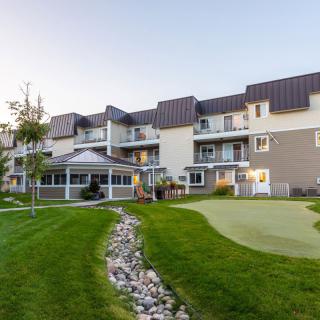
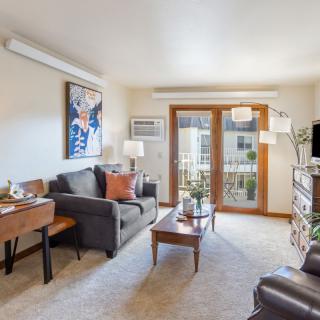
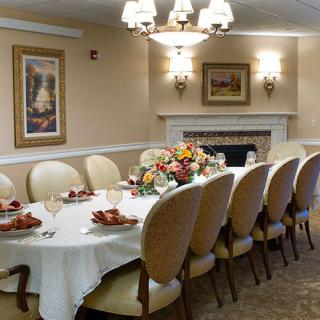
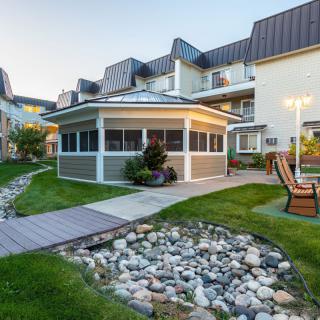
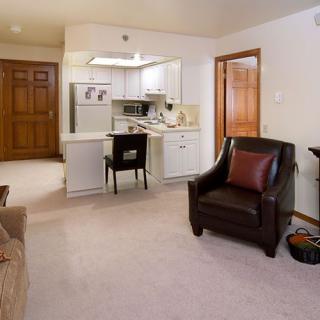
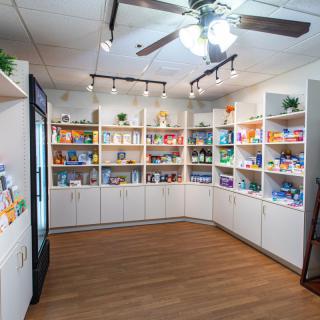
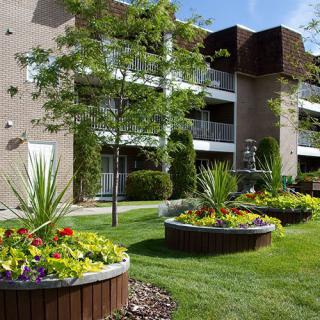
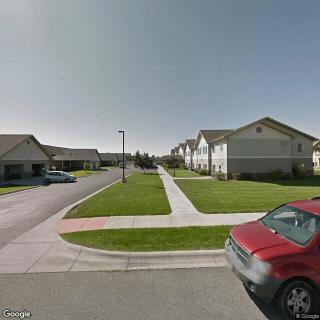
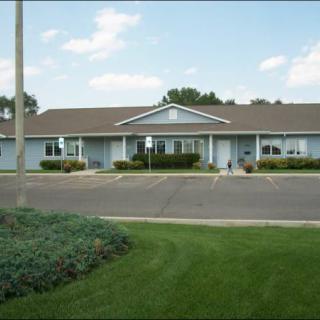
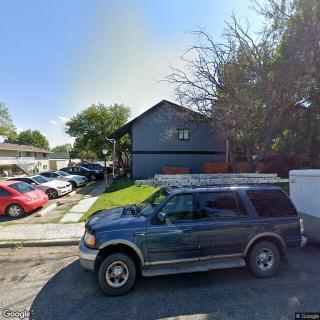
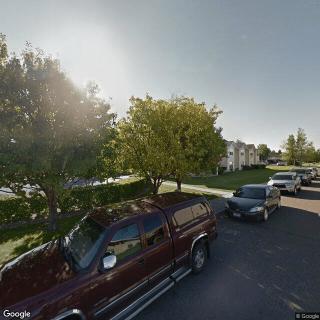
Westpark Village Senior Living on seniors.fyi includes 44 photos including images showing interior, decor, architecture, landscaping, living room, building, bedroom, windows, and more.
Nearby Communities
Valley Health Care Center
Billings, MT
3 from 37 reviews
$4,770 to $5,400 / month
Private rooms with easy access to hospitals and nearby amenities.
Bella Terra Of Billings
Billings, MT
3 from 40 reviews
Extensive on-site amenities and comprehensive care (24/7 supervision, restaurant-style dining, private apartments with kitchenettes, transportation).
Home Helpers Home Care of Billings, MT
Billings, MT
5 from 1 review
Peaceful assisted living with easy access to healthcare, dining, transportation, and worship.
At-home dementia care expenses vary widely based on care levels, location, and caregiver expertise, with monthly costs for home health aides exceeding $4,500 and specialized care potentially surpassing $100,000 annually. While families favor in-home care for its comfort and personalized attention, they must consider financial planning and the challenges of caregiver fatigue.
The article discusses the late stages of dementia, detailing the progression from mild to severe impairment and highlighting key characteristics such as profound cognitive decline and dependency in daily activities. It emphasizes care strategies focused on comfort and dignity, the importance of advance directives, and the emotional support needed for family caregivers facing this challenging journey.
The article examines the link between certain medications and increased dementia risk, particularly in older adults, emphasizing that long-term or high-dose use of anticholinergics, benzodiazepines, and other drug classes can exacerbate cognitive impairment. It calls for careful medication evaluation and shared decision-making to mitigate these risks while managing treatment efficacy.
Outdoor Seating, Natural Light, and Table And Chairs
Exterior
Appliances, Home Interior, and Fridge
Seating and Theater
Flag and Healthcare
Wall Art
Piano
Billiards, Game Room, and Recreation
Porch
Office and Reception
Grass
Refrigerator
Balcony
Gazebo
Bright Lighting
Open Space and Modern Furniture
Urban
Apartment Building
Apartment Complex
Doors
Potted Plants
Wood Paneling
Traditional Decor
Sunroom
Get PricingAsk A QuestionSchedule A TourContact Senior Advisor
By clicking submit, you agree to our Partner's Terms of Use. You
also consent to receive calls and texts, which may be autodialed, from our Partner. Your consent is not a condition to
using our Partner's service. Please visit our Partner's Privacy Policy for information about their privacy practices.



 52 resident community capacity
 Assisted Living
 Independent Living
 Memory Care
 Skilled Nursing Facility
 Cats allowed
 Activities off-site
 Air-conditioning
 Beautician on-site
 Cable or satellite TV
 Computer center
 Devotional services on-site
 Dining room
 Fitness room
 Full kitchen
 Fully furnished
 Gaming room
 Garden
 Ground floor units
 Housekeeping services
 Indoor common areas
 Laundry
 Move-in coordination
 Outdoor common areas
 Private bathrooms
 Private patio, deck, or balcony
 Respite or short term stays offered
 Restaurant-style dining
 Small library
 Telephone
 VA Benefits Consultation
 Wellness center
 Wheelchair accessible showers
 Wi-Fi/high-speed internet available
 Billings Logan International (2 miles away)
 Community operated transportation
 12-16 hour nursing
 24-hour call system
 Ambulatory care
 Assistance with bathing
 Assistance with dressing
 Assistance with transfers
 Diabetes diet
 Diabetic care
 Hospice waiver
 Incontinence care
 Medication management
 Mental wellness program
 Special dietary restrictions
 Transportation arrangement (medical)
 Art classes
 Catholic services
 Concierge services
 Day trips and outings
 Educational speakers / life long learning
 Happy hour
 Live dance or theater performances
 Live musical performances
 Wine tasting
 English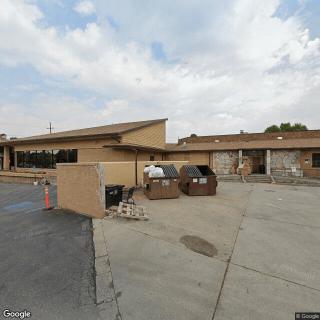
 Private rooms with easy access to hospitals and nearby amenities.


 Estimating the Expenses of At-Home Dementia Care: A Detailed Exploration
 Comprehensive Insights on the Late Stages of Dementia: What to Expect and How to Provide Care
 Medications Associated with Dementia Risk: A Comprehensive Overview