For more information about senior living options: (866) 208-4318
4.2 from 53 reviews
5 stars
36
4 stars
5
3 stars
2
2 stars
4
1 stars
6
The Gardens Assisted Living and Memory Care Costs & Pricing
The Gardens Assisted Living and Memory Care offers competitive pricing for its residents compared to the average costs in Greene County and across Missouri. For a semi-private room, the monthly fee is set at $2,710, which is notably lower than both the county average of $3,760 and the state average of $3,772. Studio apartments at The Gardens are priced at $3,730, slightly above Greene County's median of $3,280 but still within a reasonable range compared to the state average of $3,418. Additionally, their one-bedroom units are available for $4,250 - higher than Greene County's average of $2,890 but in line with the state's figure of $3,349. Overall, The Gardens provides a blend of affordability and quality care that stands out amidst local market rates.
Floor plans
The Gardens Assisted Living and Memory Care
Greene County
Missouri
Semi-Private
$2,710
$3,760
$3,772
Studio
$3,730
$3,280
$3,418
1 Bedroom
$4,250
$2,890
$3,349
Overall Review of The Gardens Assisted Living and Memory Care
differentiator7 reviews mention this
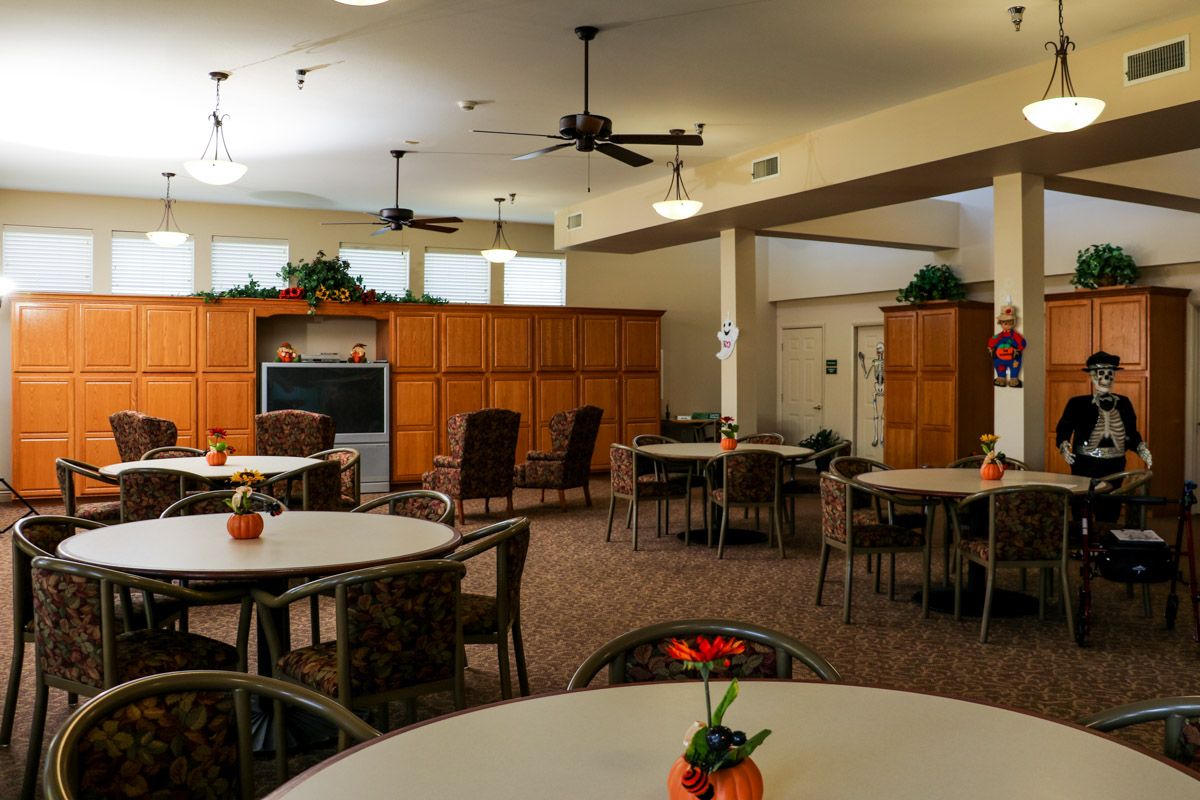
Dining feels restaurant-style
Residents and visitors consistently describe the meals as restaurant-quality.
Several reviewers specifically called out the quality of the food, including a steak prepared to their preferences and meals they said were very good. Others mentioned they either did not hear complaints about food or found the dining room experience welcoming, with friendly staff. Even when one person said the food was merely comparable, it was still described in the context of a workable dining experience rather than a deal-breaker.
common20 reviews mention this
Caring, helpful staff stand out
Staff compassion and helpfulness come through in many reviews.
Across assisted living and memory care experiences, reviewers describe staff as caring, professional, and supportive. Families mentioned staff going above and beyond for dementia-related needs and for transitions like hospice support, and others highlighted frequent check-ins and responsiveness. Not every review was fully positive—one family described hostility in the memory care unit and another criticized staffing—but the dominant thread is that residents and families felt supported day to day.
common9 reviews mention this
Cleanliness and upkeep are noticeable
Many reviewers say the facility is kept clean and updated.
Multiple reviewers described the community as very clean and well maintained, including room and common-area cleanliness. A family also noted recent improvements such as new flooring in the dining room. A minority of reviews raised serious cleanliness concerns, including reports of pests and an especially dirty dining area, which clashes with the more common “clean and updated” impressions.
caveat5 reviews mention this
Memory care staffing concerns recur
Some families question whether memory care staffing can meet care needs.
While several reviewers praised the compassion of the memory care team, other residents’ families reported problems with staffing and the level of assistance available. One reviewer said the facility was not staffed to provide walking assistance or wheelchair transfers, and another strongly criticized the presence of nursing staff. Additional concerns included medication management problems and that a physician was not available on-site, even as staff were described as competent in other reviews.
caveat3 reviews mention this
Pricing and fees raise questions
Some reviews raise concerns about cost and fee increases.
A few reviewers said the community was more expensive than they were looking for or that the price changed after initial discussions. Others described rent increases after move-in and mentioned a non-refundable community fee. At the same time, the listed price ranges can be below county and state benchmarks, so these concerns appear to be about how costs were presented or changed for individual moves rather than the overall pricing range alone.
common4 reviews mention this
Activities and faith-based options
Reviewers point to frequent activities, including Bible studies.
Several reviewers said there is always something to do, including Bingo and other activities that residents can join. A faith-based atmosphere also came up, with reviews mentioning Bible studies and music that residents enjoy. Some memory-related comments described “fun days,” tying activities into day-to-day enjoyment.
How we summarize
Counts show how many written reviews mention each theme; a review can touch several themes, and only frequently mentioned themes are displayed.
Features
Housing
148 resident community capacity
Types of Care
Assisted Living
Independent Living
Memory Care
Respite Care
Skilled Nursing Facility
Amenities
Activities off-site
Activities on-site
Air-conditioning
Beauty salon
Cable or satellite TV
Computer center
Devotional services off-site
Devotional services on-site
Dining room
Fitness room
Fully furnished
Gaming room
Garden
Housekeeping services
Indoor common areas
Kitchenette
Move-in coordination
Outdoor common areas
Outdoor space
Private bathrooms
Respite or short term stays offered
Restaurant-style dining
Small library
Telephone
Wellness center
Wi-Fi/high-speed internet available
Transportation
Springfield-Branson Regional (7 miles away)
Community operated transportation
Transportation arrangement
Transportation arrangement (non-medical)
Transportation to doctors appointments
Care Services
12-16 hour nursing
24-hour call system
24-hour supervision
Activities of daily living assistance
Ambulatory care
Assistance with bathing
Assistance with dressing
Assistance with transfers
Diabetes diet
Diabetic care
Incontinence care
Meal preparation and service
Medication management
Mental wellness program
Mild cognitive impairment
Special dietary restrictions
Specialized memory care programming
Dining
Diabetes diet
Meals provided
Special dietary restrictions
Activities
Activities off-site
Activities on-site
Community-sponsored activities
Concierge services
Devotional activities offsite
Devotional activities on-site
Fitness programs
Planned day trips
Resident-run activities
Scheduled daily activities
Nearby Places of Interest
Restaurants
McDonald's (0.4 miles)
Cedars South (1.2 miles)
Tortilleria Perches (1.3 miles)
Chick-Fil-A (1.4 miles)
Raising Cane's Chicken Fingers (1.5 miles)
Wendy's (1.9 miles)
Captain D's (1.9 miles)
Pharmacies
Walgreens (0.8 miles)
CVS Pharmacy (0.9 miles)
Walmart Pharmacy (1.1 miles)
South Oaks Pharmacy (1.1 miles)
Price Cutter (1.9 miles)
Walgreens (2 miles)
Walgreens (2.2 miles)
Parks
Nathanael Greene Park (1.3 miles)
Mizumoto Japanese Stroll Garden (1.3 miles)
Chesterfield Park (2 miles)
Phelps Grove Park (2.2 miles)
Physicians
Chesterfield Family Clinic (1.4 miles)
CoxHealth Center Chesterfield (1.5 miles)
Dental Er (1.7 miles)
Springfield Surgical Specialists Asc (1.8 miles)
Slater Jeremy D, MD (1.8 miles)
Mercy Clinic Family Medicine - Smith Glynn Callaway - Suite 240 (1.8 miles)
The Gardens Assisted Living and Memory Care offers competitive pricing for its residents compared to the average costs in Greene County and across Missouri. For a semi-private room, the monthly fee is set at $2,710, which is notably lower than both the county average of $3,760 and the state average of $3,772. Studio apartments at The Gardens are priced at $3,730, slightly above Greene County's median of $3,280 but still within a reasonable range compared to the state average of $3,418. Additionally, their one-bedroom units are available for $4,250 - higher than Greene County's average of $2,890 but in line with the state's figure of $3,349. Overall, The Gardens provides a blend of affordability and quality care that stands out amidst local market rates.
The Gardens Assisted Living and Memory Care offers a range of tailored services that significantly enhance the quality of life for residents with dementia or Alzheimer's disease. Assistance with dressing, bathing, and transfers ensures that individuals maintain their dignity while receiving essential support for daily activities, which can otherwise become challenging. Medication management is critical for maintaining health, as it helps ensure adherence to prescribed treatments, mitigating potential health crises. Meal preparation and service not only provide nutritious options but also encourage social interaction during mealtimes, fostering a sense of community. The 24-hour supervision guarantees safety and immediate assistance when needed, while specialized memory care programming and mental wellness initiatives engage residents cognitively and emotionally. Supporting those with mild cognitive impairment further emphasizes a holistic approach to care, ensuring all stages of memory loss are met with appropriate interventions. Additionally, incontinence care is discreetly addressed to promote comfort and confidence among residents. Together, these features create an environment that prioritizes both safety and well-being in managing memory-related conditions.
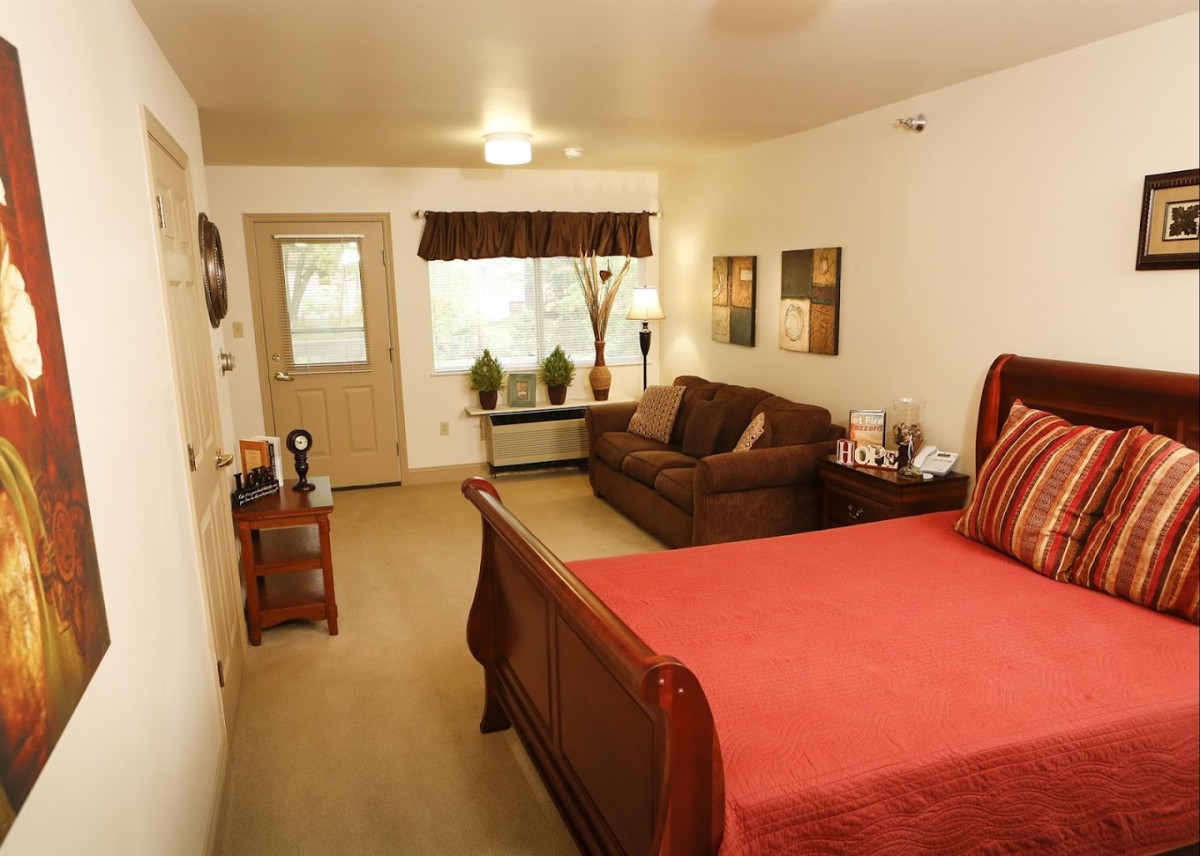
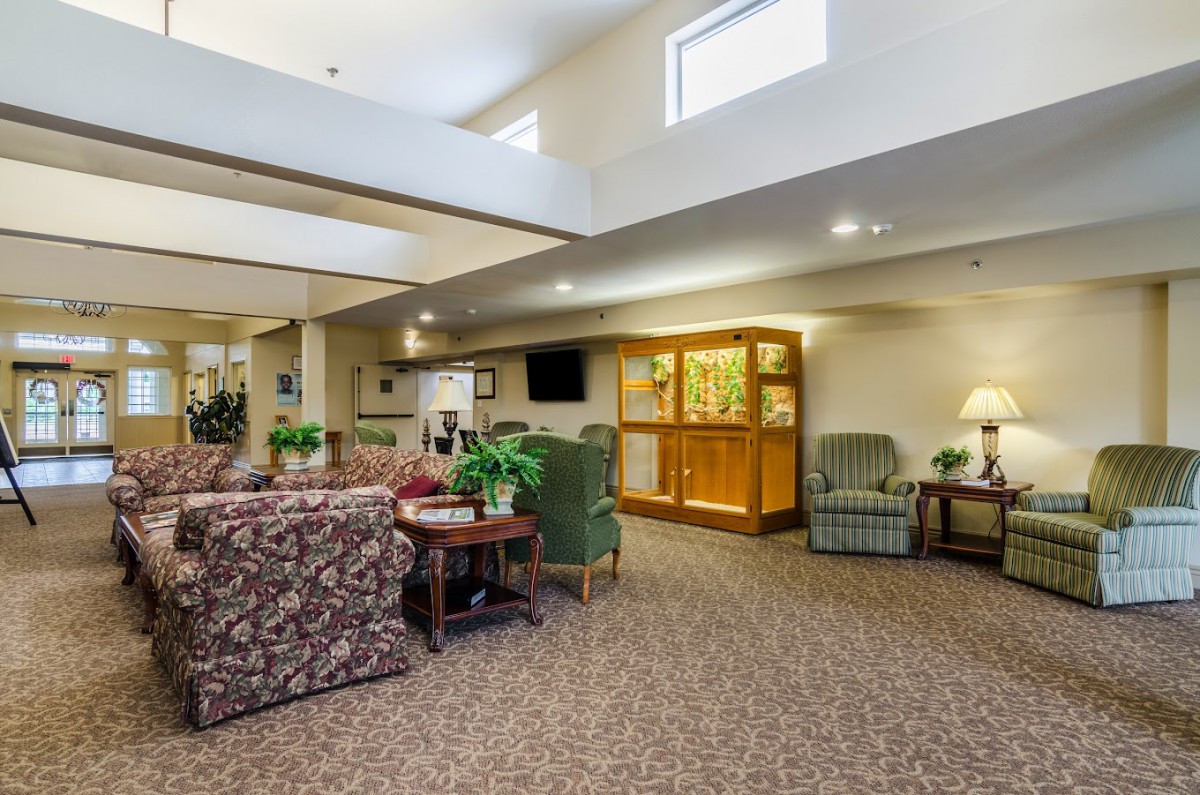
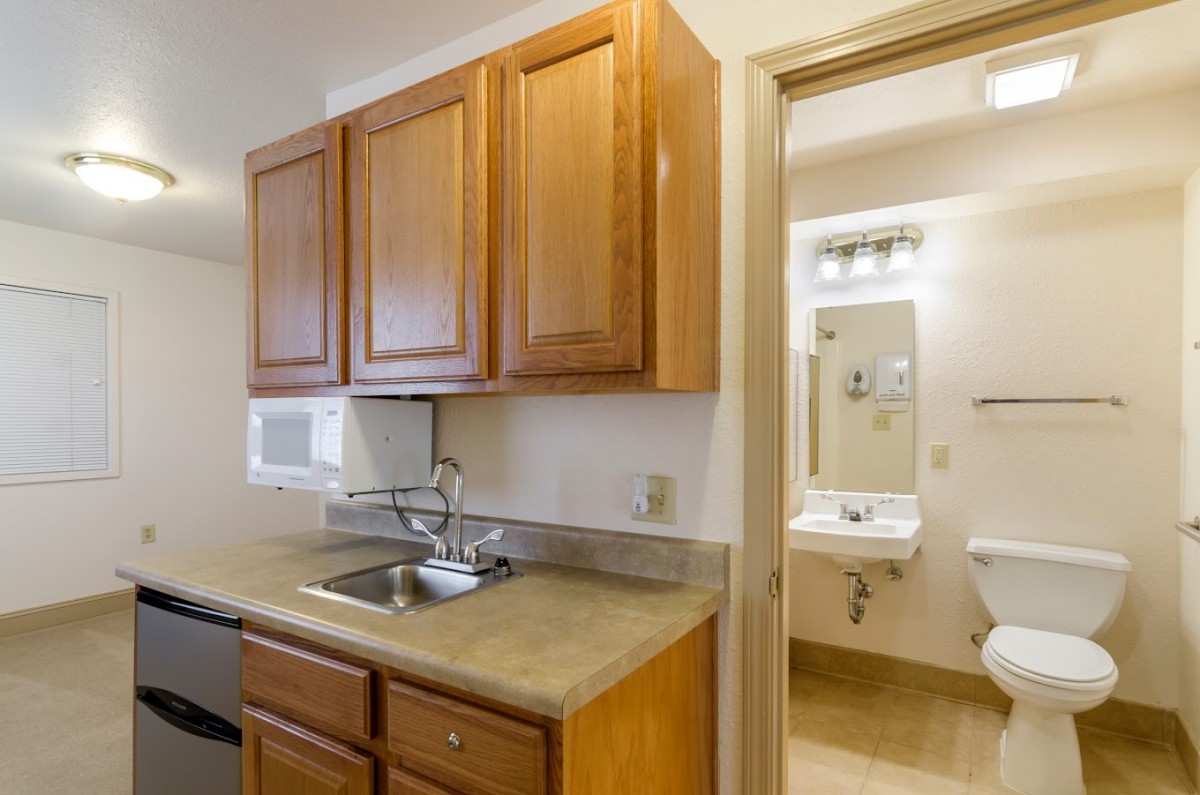
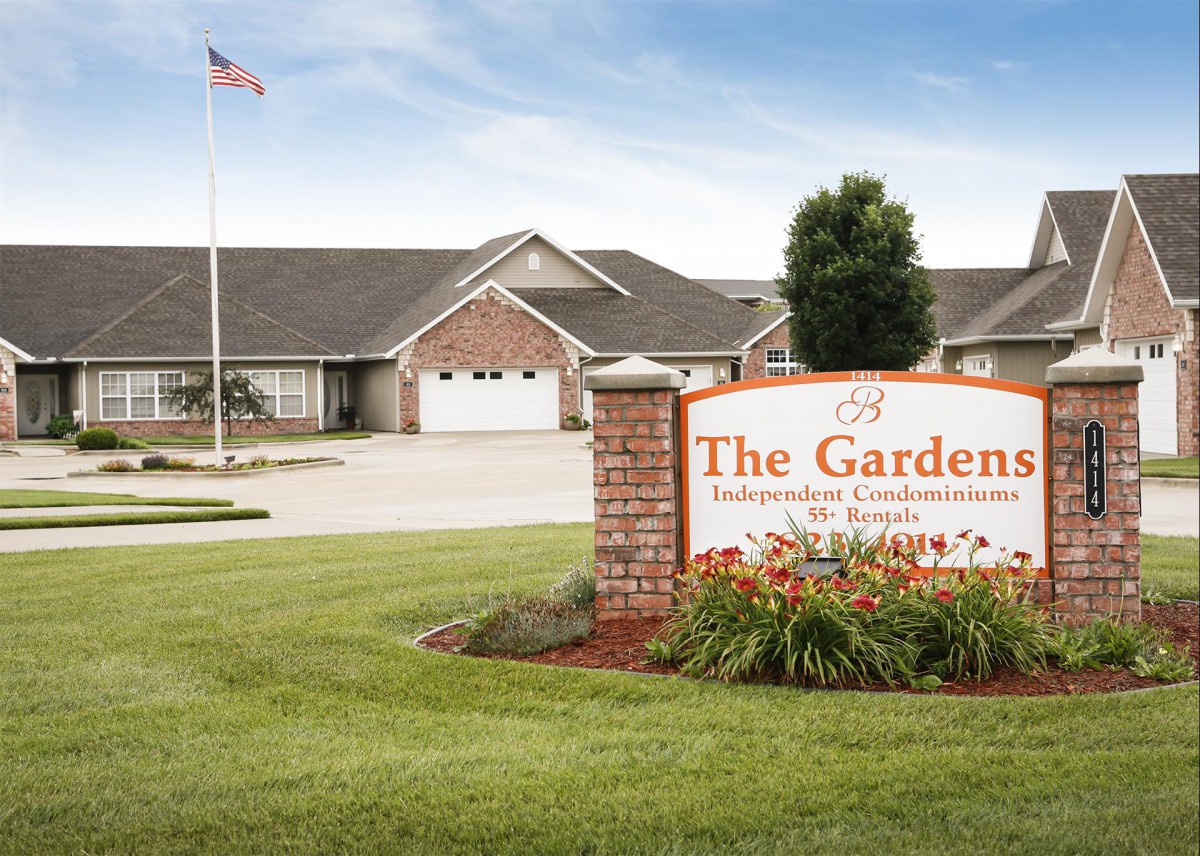
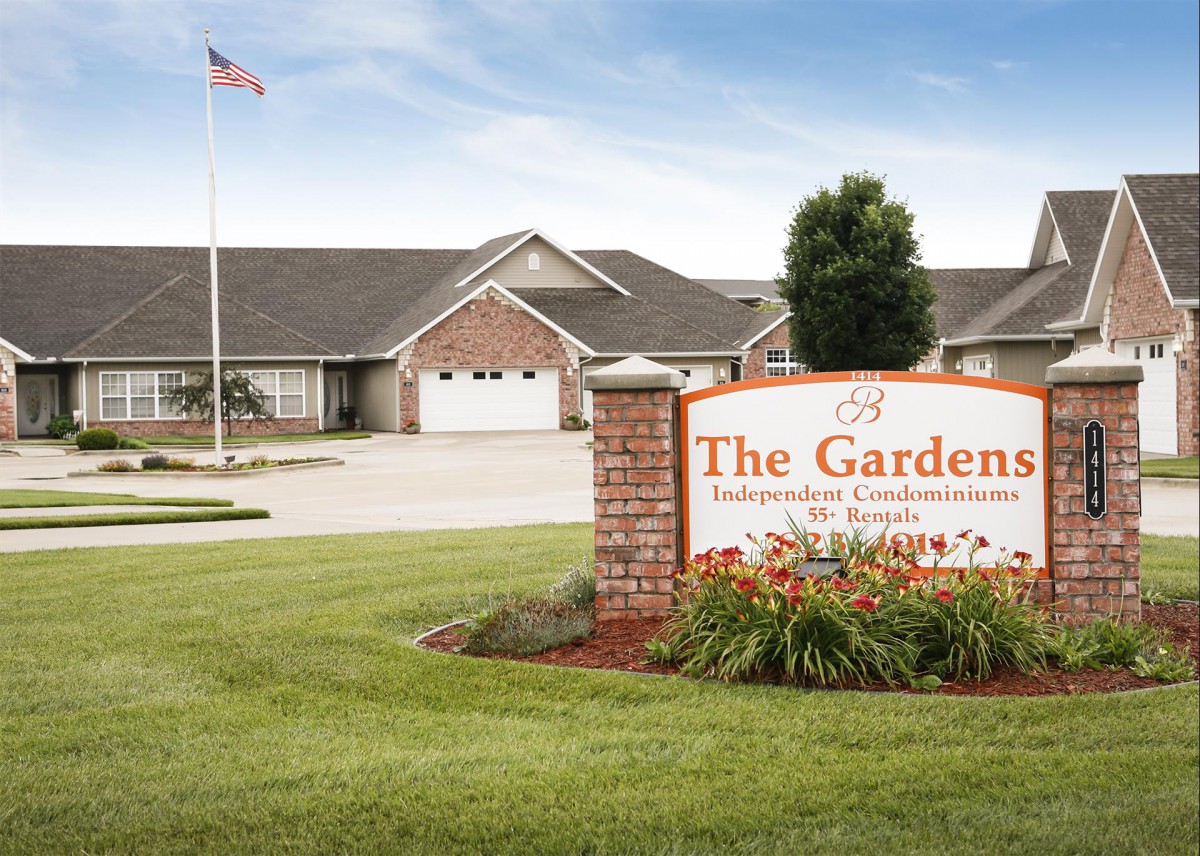
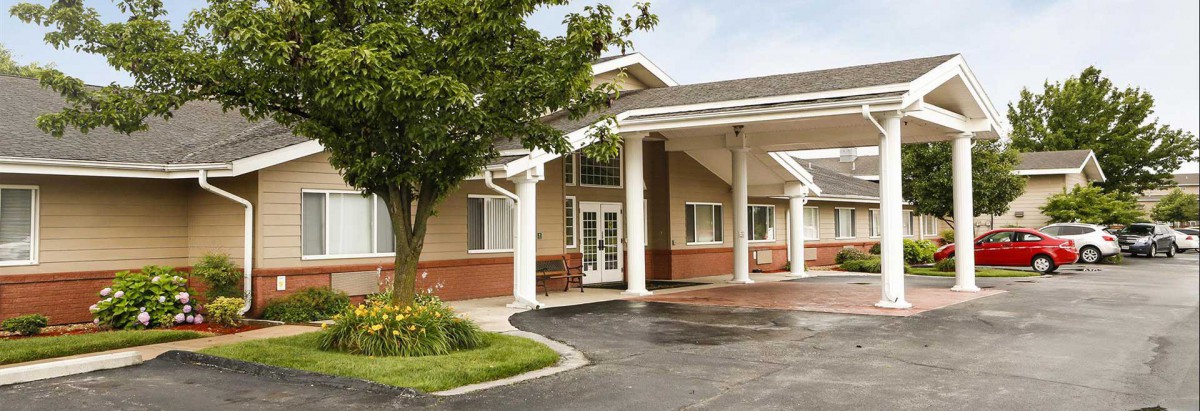
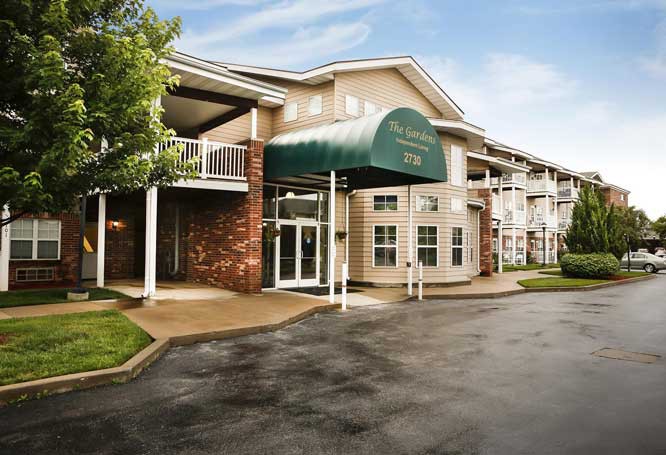
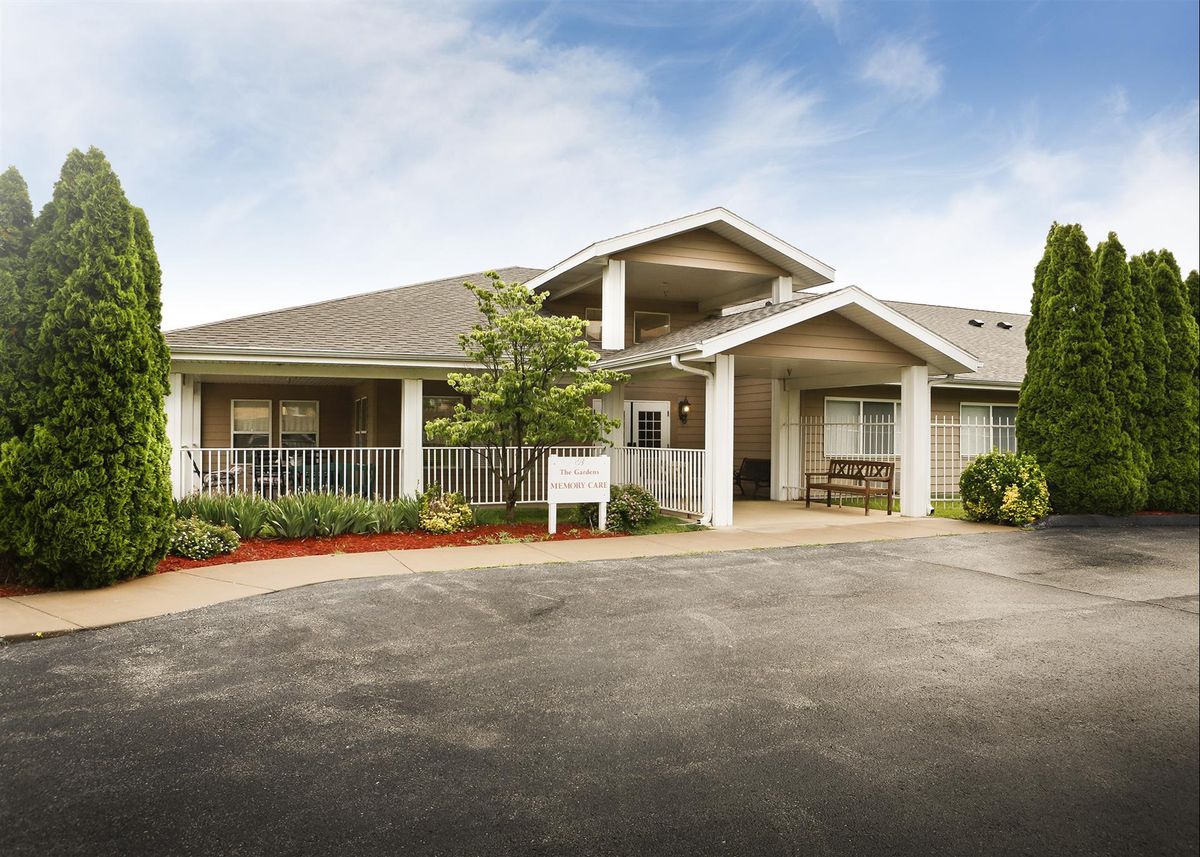
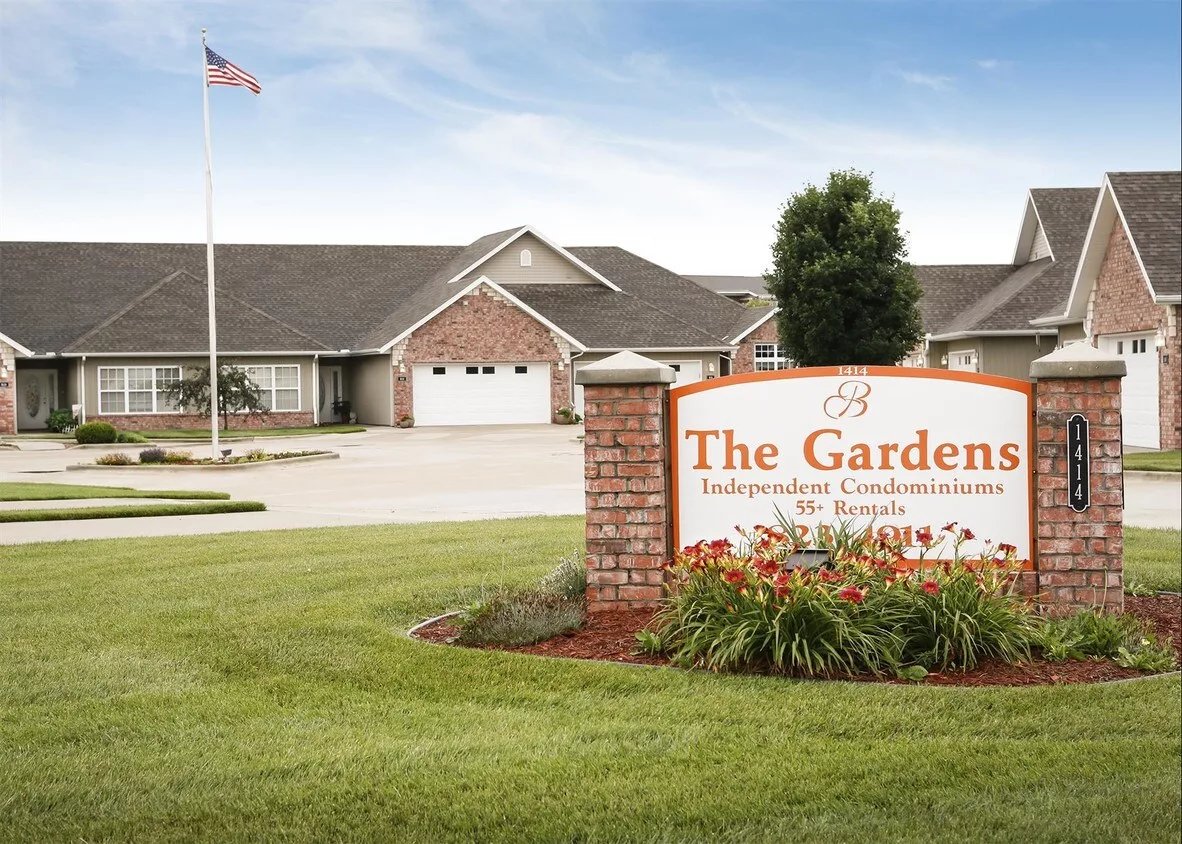
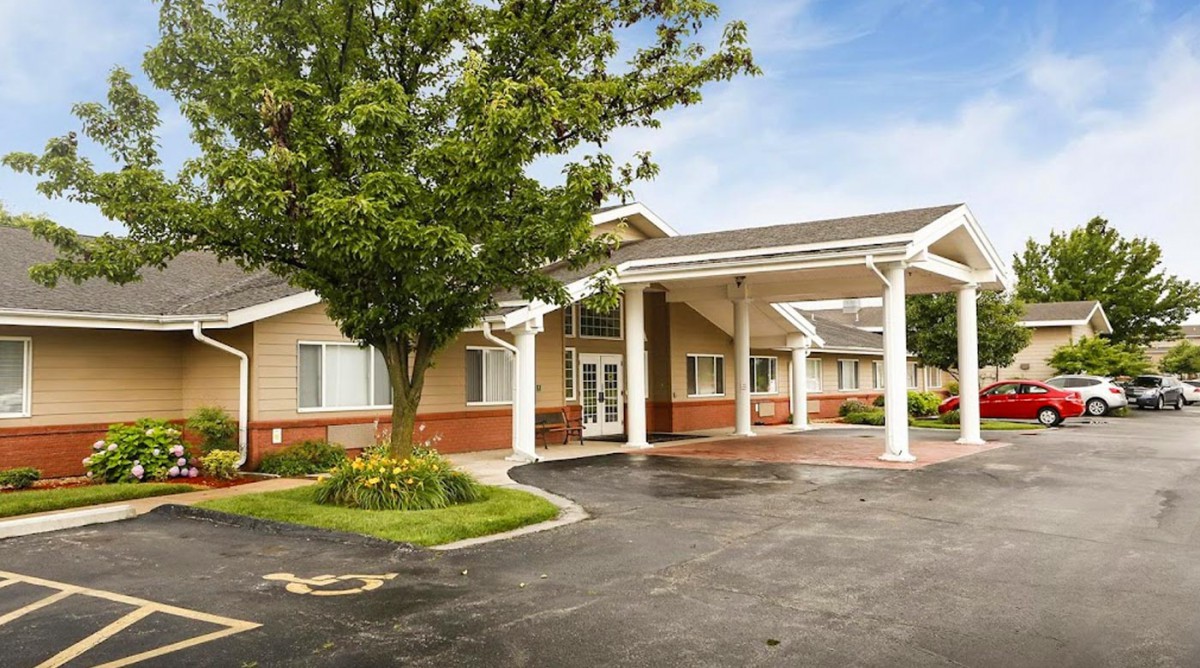
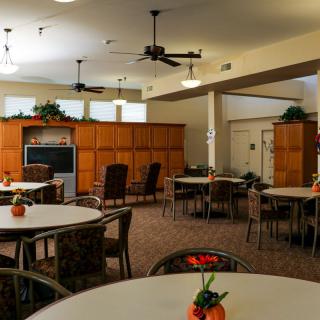
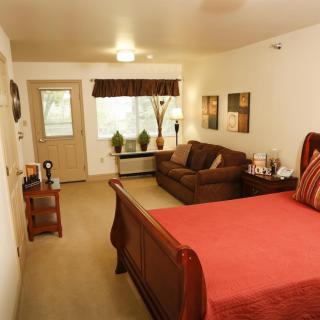
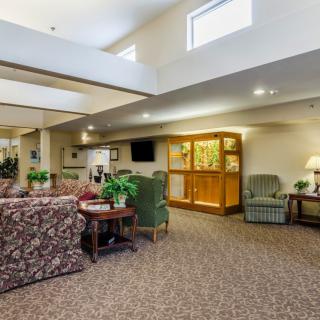
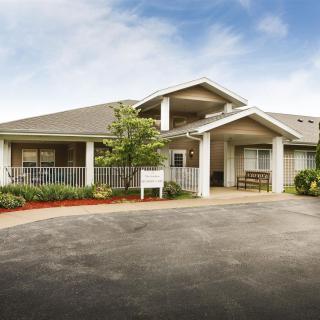
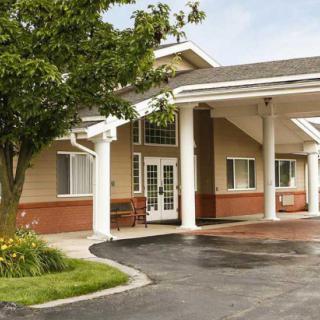
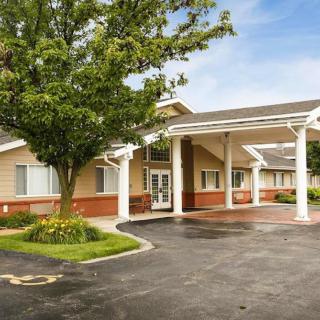
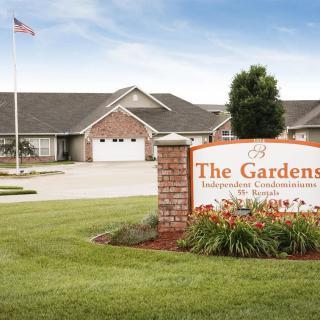
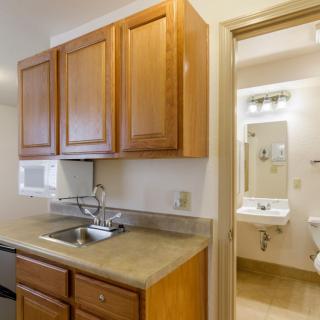
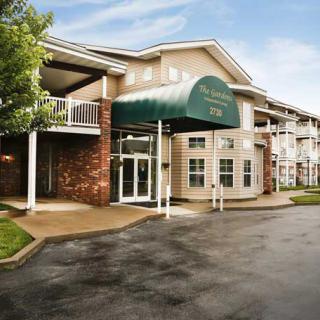
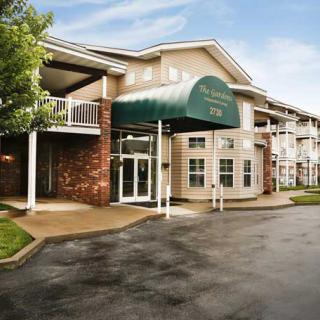
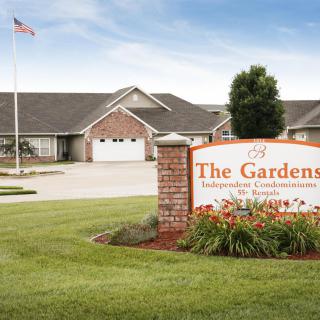
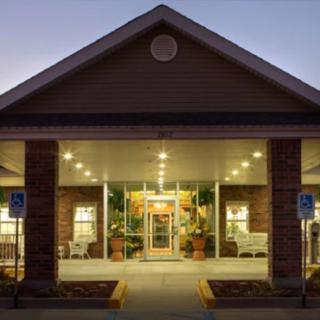
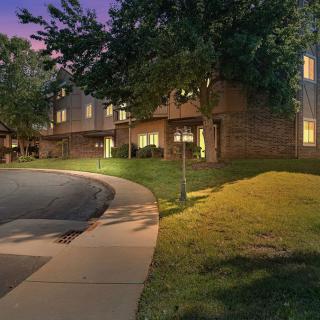
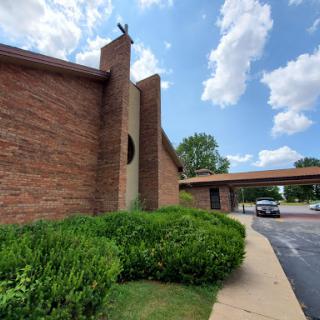
The Gardens Assisted Living and Memory Care on seniors.fyi includes 13 photos including images showing building, interior, landscaping, entrance, decor, architecture, awning, parking, and more.
Nearby Communities
The Gardens Independent Living
Springfield, MO
4.8 from 49 reviews
$2,100 to $2,500 / month
Warm, friendly staff with a diverse activity calendar.
Charleston Place
Springfield, MO
4.4 from 120 reviews
$625 to $1,075 / month
Affordable rent for 55+ living with easy access to parks, pharmacies, healthcare, dining, worship, and entertainment.
Springfield Rehabilitation & Health Care Center
Springfield, MO
3.6 from 65 reviews
Helpful staff, engaging activities, and clean, comfortable rooms.
Passionate Hearts Home Health Aide
Springfield, MO
4.9 from 47 reviews
Excellent access to healthcare, dining, and amenities nearby.
Magnolia Square Nursing And Rehab
Springfield, MO
4 from 101 reviews
Caring staff and a clean, welcoming environment.
Spring Ridge
Springfield, MO
4.8 from 24 reviews
$3,255 to $5,022 / month
Caring staff in a small, friendly community with pleasant grounds and varied activities.
The Cambridge
Springfield, MO
4.5 from 154 reviews
$2,199 to $3,309 / month
Friendly, attentive staff and an active resident community.
The Montclair
Springfield, MO
4.7 from 201 reviews
$2,600 to $3,400 / month
Friendly staff and an active community with restaurant-style dining.
Springfield Villa
Springfield, MO
2.8 from 47 reviews
Welcoming, clean facility with attentive staff and engaging activities.
Assisted living provides moderate support for seniors seeking independence, while memory care offers specialized support for individuals with dementia or cognitive impairments through structured routines and trained staff. Key differences include care approaches, environment security measures, staff training levels, activity types, and cost considerations.
Choosing between assisted living and nursing homes involves evaluating emotional and financial factors, with assisted living offering independence and support for daily activities at a lower cost, while nursing homes provide intensive medical care for individuals with significant health needs. The decision is influenced by personal preferences, health status, cognitive function, and varying Medicaid coverage across states.
The article presents eight strategies for preserving cognitive health and memory in older adults, emphasizing a nutrient-rich diet, regular exercise, intellectually stimulating activities, adequate sleep, social connections, stress management techniques, limiting harmful substances, and regular medical checkups to mitigate age-related memory decline.
The Gardens Assisted Living and Memory Care photos
×
Interior
Decor
Living Room
Building
Architecture
Windows
Landscaping
Kitchen
Entrance
Exterior
Brick Building
Design
Interior
Decor
Bedroom
Dining
Living Room
Landscaping
Windows
Building
Architecture
Bathroom, Kitchen, and Cabinets
Trees and Outdoor
Garden
Entrance
Exterior
Parking
Tree
Brick Building
Design
Awning
Get PricingAsk A QuestionSchedule A TourContact Senior Advisor
By clicking submit, you agree to our Partner's Terms of Use. You
also consent to receive calls and texts, which may be autodialed, from our Partner. Your consent is not a condition to
using our Partner's service. Please visit our Partner's Privacy Policy for information about their privacy practices.



 148 resident community capacity
 Assisted Living
 Independent Living
 Memory Care
 Respite Care
 Skilled Nursing Facility
 Activities off-site
 Air-conditioning
 Beauty salon
 Cable or satellite TV
 Computer center
 Devotional services off-site
 Dining room
 Fitness room
 Fully furnished
 Gaming room
 Garden
 Housekeeping services
 Indoor common areas
 Kitchenette
 Move-in coordination
 Outdoor common areas
 Private bathrooms
 Restaurant-style dining
 Small library
 Telephone
 Wellness center
 Wi-Fi/high-speed internet available
 Springfield-Branson Regional (7 miles away)
 Community operated transportation
 12-16 hour nursing
 24-hour call system
 Ambulatory care
 Assistance with bathing
 Assistance with dressing
 Assistance with transfers
 Diabetes diet
 Diabetic care
 Incontinence care
 Medication management
 Mental wellness program
 Special dietary restrictions
 Concierge services
 Planned day trips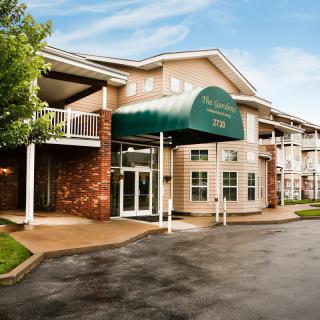
 Warm, friendly staff with a diverse activity calendar.



 Assisted Living and Memory Care: Understanding Their Core Differences
 Choosing the Right Senior Care: A Detailed Exploration of Assisted Living and Nursing Homes
 Safeguarding Your Memory Through the Golden Years: Eight Ways to Preserve Cognitive Health