Springfield Rehabilitation & Health Care Center in Springfield, MO

Save

  • Interior

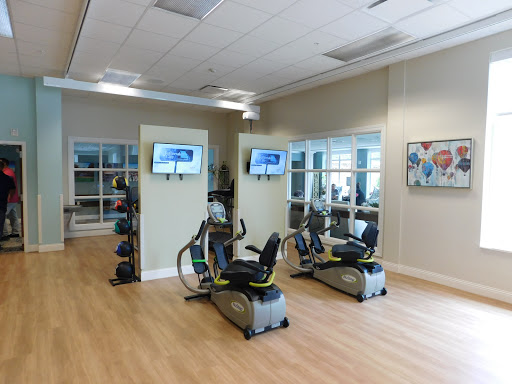
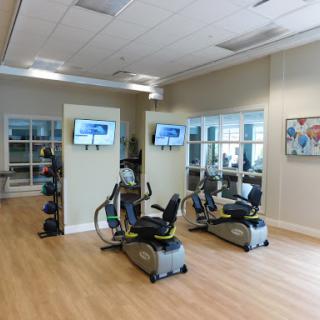
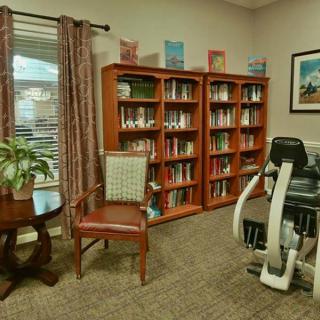
    A well-equipped gym area featuring elliptical machines and a spacious, inviting atmosphere.
  • Decor

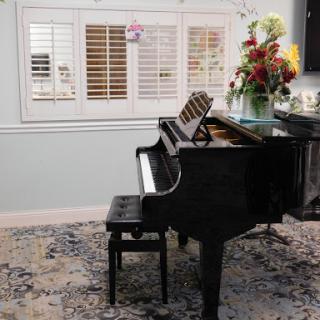
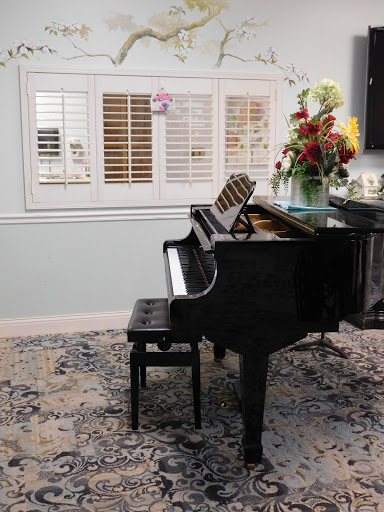
    A beautifully arranged grand piano with a charming floral arrangement, adding elegance to the living space.
  • Building

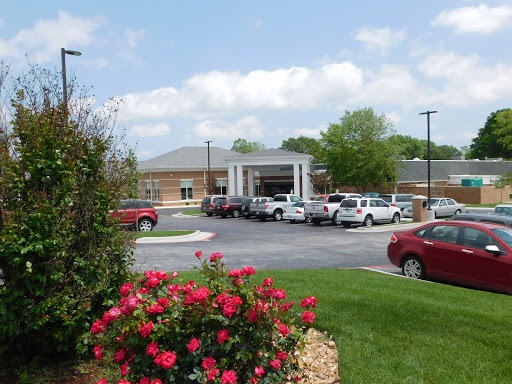
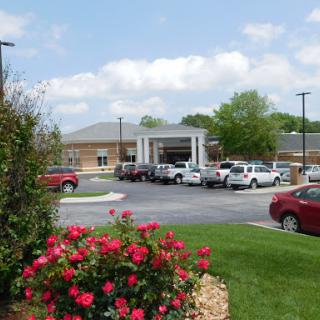
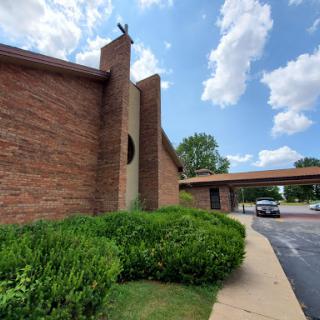
    A welcoming view of a healthcare facility surrounded by vibrant flowers and several parked cars under a partly cloudy sky.
  • Bedroom

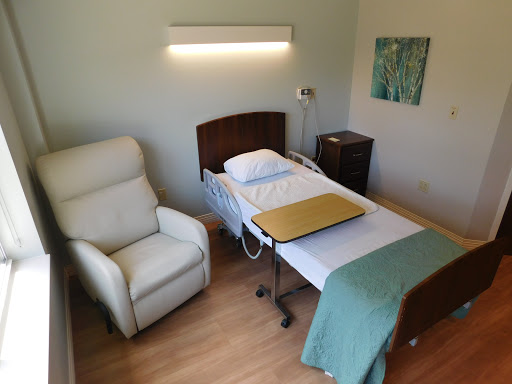
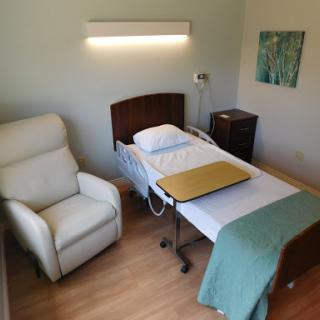
    A cozy hospital patient room featuring a bed, a recliner chair, and soft lighting.
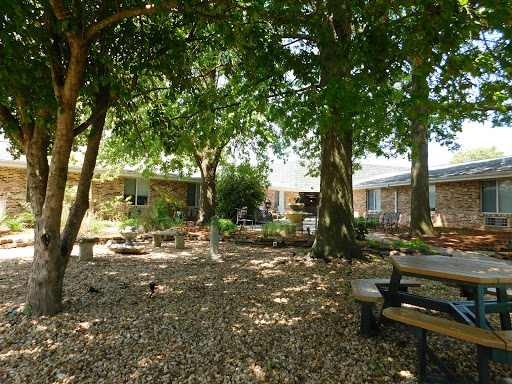
  • Trees

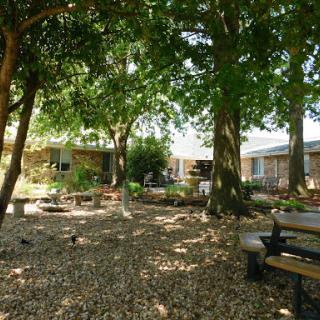
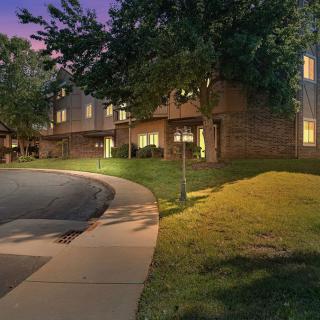
    A serene outdoor space featuring lush trees and benches, perfect for relaxation.
  • Windows

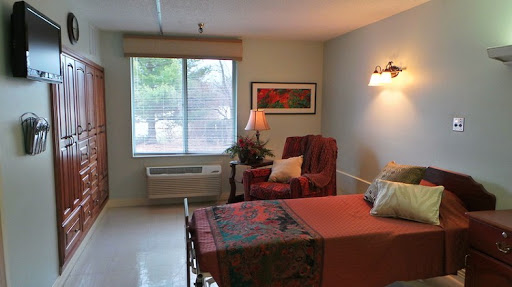
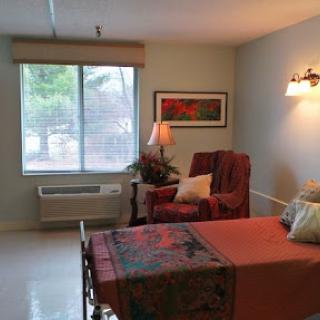
    A cozy bedroom featuring a bed, an armchair, and natural light from the window.
  • Landscaping

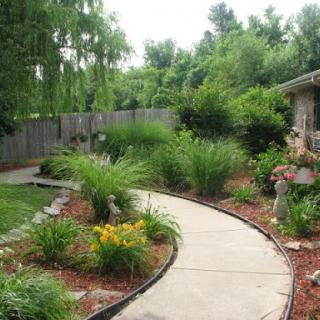
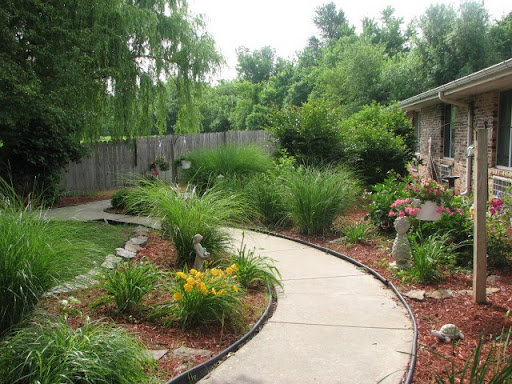
    A serene garden featuring a winding pathway surrounded by lush plants and flowers.
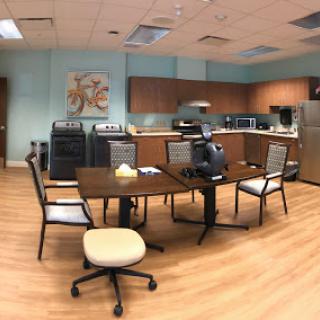
  • Kitchen

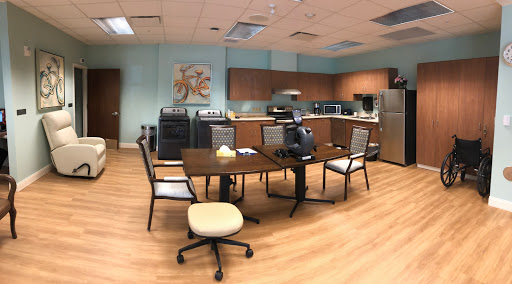
    A cozy office breakroom featuring a dining area with a table and chairs, equipped kitchen appliances, and a welcoming atmosphere.
  • Garden

    A charming fountain surrounded by greenery, adding a tranquil atmosphere to the garden.
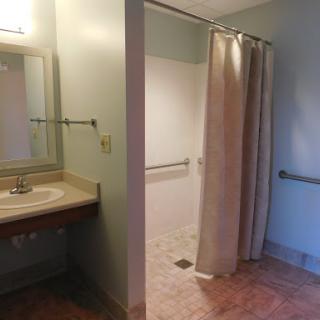
  • Bathroom

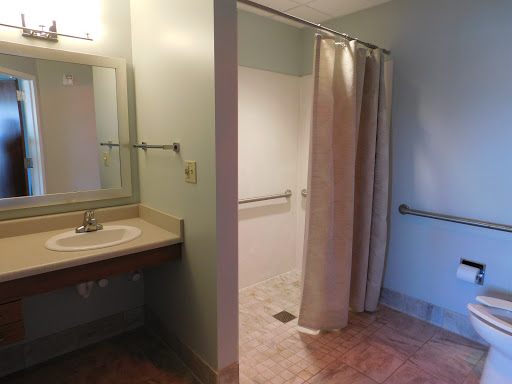
    A clean and accessible bathroom featuring a shower and vanity.

Springfield Rehabilitation & Health Care Center in Springfield, MO

2800 South Fort Avenue, Po Box 3438Gs, Springfield, MO 65807

For more information about senior living options: (844) 490-3973

3.5 from 59 reviews
5 stars
33
4 stars
4
3 stars
2
2 stars
1
1 stars
19

Memory Care Skilled Nursing Facility

What level of care are you interested in?

Assisted Living

Memory Care

Independent Living

Skilled Nursing Facility

Continuing Care Retirement Community (CCRC)CCRC

Other


Request a tour at Springfield Rehabilitation & Health Care Center

    Overall Review of Springfield Rehabilitation & Health Care Center

    Pros

    • pro The PT department is great.
    • pro The facility is friendly and clean with consistently great care.
    • pro The therapy team communicates well and keeps families in the loop.
    • pro The staff are compassionate and feel like family to residents.
    • pro The food is amazing and the care staff are angels.
    • pro Springfield Rehabilitation is highly recommended for its caring and skilled team.

    Cons

    • pro The social worker Emily is not good.
    • pro They are short-staffed even though the director says they are not.
    • pro About 45 minutes are spent waiting in urine or feces, which is humiliating for any age.
    • pro After 99 days, the mom contracted rhino virus, encephalitis, meningitis, and pneumonia, and is now in hospital fighting for her life.
    • pro The place is horrible in every way; the staff and management are pathetic.
    • pro There was no scheduled physical therapy, making it hard to comply when not feeling well.
    • pro Some staff were abusive and rude to residents.
    • pro The facility is dirty and none of the staff care; residents are left hungry and neglected.
    • pro Aides failed to call an ambulance or respond promptly when a stroke occurred.
    • pro Administration and the head of nursing were criticized for dangerous medication practices and overmedicating residents without proper communication.

    Review

    Springfield Rehabilitation & Health Care Center is best suited for families prioritizing strong physical rehabilitation and a personable, caring atmosphere in a facility that is clean and welcoming. The rehab team - the PT/OT staff in particular - consistently emerges as a standout asset, with reviewers noting energy, encouragement, and tangible progress in mobility. When families need clear communication about a loved one's therapy and daily milestones, this community often delivers, with social workers and therapists making concerted efforts to keep families informed and engaged, even across state lines.

    That said, prudent buyers should explicitly consider alternatives if a facility's core needs go beyond rehab and social warmth. Several reviews flag chronic staffing gaps, administrative missteps, and reports of rude or disjointed communication from some nurses and managers. For families whose priorities center on tightly coordinated medical oversight, timely response to emergencies, or end-of-life care with consistent pain and symptom management, Springfield Rehabilitation may fall short. The risk of miscommunication or inconsistent care is real enough that other options may be preferable for highly medically complex or terminally ill residents.

    The strongest positives - an engaged therapy team, a generally clean and pleasant environment, and staff who show genuine kindness - often offset some downsides, but not all cons. Families repeatedly praise the quality of therapy and the personal touch from certain aides and social workers, as well as the facility's warmth and cleanliness. In many cases, these elements translate into meaningful rehabilitation progress and improved mood for residents. The ability of the therapy department to involve the family in planning and updates also reduces worry during a stressful transition, which can be a decisive factor for short-term rehab stays.

    However, the same reviews reveal recurring concerns that cannot be ignored. Short-staffing, inconsistent nursing attention, and incidents of neglect or poor judgment have been documented in multiple accounts. Instances of medication errors, delayed assistance, and residents left unattended or underfed underscore the potential for serious consequences if medical oversight is not consistently strong. The most troubling narratives center on end-of-life experiences or severe health crises where pain control and compassionate communication did not meet expectations, highlighting that care quality can be uneven depending on staffing and leadership at the moment.

    For decision-makers, the practical takeaway is clear: use this community for targeted rehab gains and relational care, while verifying that it aligns with the resident's overall medical needs and care philosophy. Prospective families should request concrete care plans, direct access to the social worker or therapy leads, and a candid briefing on staffing patterns and escalation procedures. On site, observe how aides, nurses, and therapists interact with residents during routines, and press for timely responses to call bells and urgent needs. If a loved one requires robust, consistently coordinated medical management or end-of-life symptom control, earmark alternatives that emphasize these capabilities.

    In sum, Springfield Rehabilitation & Health Care Center offers a compelling package for those seeking effective rehabilitation delivered in a supportive, human-centered environment. Its true strengths lie in the therapy team, a caring staff culture, and a facility that feels welcoming to families. The caveat is that the core weaknesses - staffing instability and uneven medical oversight - can tilt the experience away from comfort and safety for residents with complex or high-risk needs. For families whose priorities center on rehabilitation outcomes and compassionate daily care, this community remains a strong option; for those prioritizing fail-safe medical management and predictable, comprehensive end-of-life services, exploring other Springfield-area facilities is strongly advised.

    Features

    Housing

    • 146 resident community capacity 146 resident community capacity

    Types of Care

    • Memory Care Memory CareMemory care is crucial for seniors as it provides specialized support and services for individuals with dementia or Alzheimer's disease. These programs offer a safe and secure environment where residents receive personalized care, cognitive stimulation, and help with daily activities. Memory care helps seniors maintain their independence, quality of life, and dignity while also providing peace of mind for their families.
    • Skilled Nursing Facility Skilled Nursing FacilitySkilled Nursing Facilities are crucial for seniors as they provide round-the-clock medical care, rehabilitation services, and assistance with daily activities. These facilities ensure that seniors receive the specialized care they need to maintain their health and well-being as they age.

    Amenities

    • Air-conditioning Air-conditioningAir conditioning is important for seniors as they are more vulnerable to heat-related illnesses and may have underlying health conditions that make it difficult for them to regulate their body temperature. It helps to keep them comfortable, safe, and healthy in hot weather.
    • Beauty salon Beauty salonBeauty salons are important for seniors because they provide a space for them to feel pampered, socialize, and maintain their personal grooming and hygiene. Regular visits to a beauty salon can help boost seniors' self-esteem and overall well-being.
    • Cable or satellite TV Cable or satellite TVCable or satellite TV is important for seniors because it provides entertainment, news, and companionship, helping to combat loneliness and boredom. It also offers a wide range of programming options tailored to different interests and preferences.
    • Computer center Computer centerA computer center is essential for seniors as it provides access to technology, communication tools, and resources that can enhance their daily lives. It allows them to stay connected with loved ones, engage in online activities, and learn new skills, ultimately promoting socialization and mental stimulation.
    • Dining room Dining roomDining rooms are important for seniors as they provide a space for socialization, connection, and nutritious meals. They offer opportunities for residents to bond over shared meals, foster a sense of community, and promote healthy eating habits. Dining rooms also ensure that seniors have access to well-balanced meals tailored to their dietary needs and preferences.
    • Fitness room Fitness roomHaving a fitness room in a senior living community is essential for seniors to stay active, maintain their physical health, and improve their overall well-being. Regular exercise can help prevent falls, reduce the risk of chronic diseases, and promote mental sharpness. It also provides social opportunities for residents to connect with others and enjoy a sense of community.
    • Fully furnished Fully furnishedFully furnished senior living communities are important for seniors because they provide convenience, comfort, and a hassle-free moving experience. Seniors can easily settle into their new living space without the stress of having to buy and move furniture. This allows them to focus on enjoying their new home and community.
    • Gaming room Gaming roomGaming rooms are important for seniors as they provide a fun and engaging environment for socializing, cognitive stimulation, and physical activity. Games can improve memory, problem-solving skills, and overall mental well-being while fostering friendships and reducing feelings of isolation.
    • Garden GardenGardens are important for seniors as they provide a peaceful and therapeutic environment for relaxation, physical activity, and socialization. Being in nature has been shown to reduce stress, improve mood, and promote overall well-being. Gardens also offer opportunities for seniors to engage in gardening activities, which can improve mobility, flexibility, and cognitive function. Additionally, gardens create a sense of community and connection with others who share a passion for plants and outdoor spaces.
    • Housekeeping services Housekeeping servicesHousekeeping services are important for seniors because they help maintain a clean and safe living environment, promote independence, and reduce the risk of accidents or illnesses. Additionally, having assistance with household chores can alleviate physical strain and allow seniors to focus on other aspects of their well-being.
    • Kitchenette KitchenetteKitchenettes are important for seniors living in senior living communities because they provide the convenience and independence of being able to prepare simple meals and snacks in the comfort of their own living space. This can help promote a sense of autonomy and well-being for seniors, allowing them to maintain some level of control over their dietary choices and daily routines.
    • Move-in coordination Move-in coordinationMove-in coordination is important for seniors because it helps ease the transition into their new living environment. It ensures that all logistics, such as packing, organizing movers, and setting up utilities are taken care of, allowing seniors to focus on settling in and adjusting to their new home. Having a smooth move-in process can alleviate stress and anxiety, making the transition smoother and more enjoyable for seniors.
    • Outdoor space Outdoor spaceOutdoor spaces are important for seniors as they provide opportunities for physical activity, social interaction, exposure to natural light and fresh air, and a sense of connection to nature. Having access to outdoor spaces can improve overall well-being and quality of life for older adults living in senior communities.
    • Private bathrooms Private bathroomsPrivate bathrooms are important for seniors in senior living communities because they provide independence, dignity, and comfort. Having a private bathroom allows seniors to maintain their personal hygiene routines without the need for assistance, promoting a sense of autonomy and privacy. Additionally, private bathrooms help prevent the spread of infections and provide a safe and clean environment for seniors to navigate safely.
    • Restaurant-style dining Restaurant-style diningRestaurant-style dining is important for seniors because it allows them to enjoy delicious, nutritious meals in a social and upscale setting. This enhances their dining experience, promotes healthy eating habits, and fosters socialization with fellow residents, ultimately contributing to their overall well-being and quality of life.
    • Small library Small librarySmall libraries are important for seniors as they provide access to a variety of reading materials, including books, newspapers, and magazines. This can help stimulate their minds, keep them engaged, and provide a sense of community through book clubs and other social activities. Additionally, reading has been shown to improve cognitive function and overall mental well-being in older adults.
    • Telephone TelephoneTelephones are important for seniors as they provide a lifeline for communication with loved ones, emergency services, and healthcare providers. They offer a sense of security and independence, enabling seniors to stay connected and access assistance when needed.
    • Wellness center Wellness centerWellness centers are important for seniors because they offer a variety of programs and services that promote physical, mental, and emotional well-being. These centers provide opportunities for exercise, socialization, education, and relaxation, helping seniors maintain their overall health and quality of life.
    • Wi-Fi/high-speed internet available Wi-Fi/high-speed internet availableWi-Fi/high-speed internet is important for seniors to stay connected with loved ones, access online resources, and participate in virtual activities to combat feelings of loneliness and isolation. It also allows them to easily manage healthcare needs, access entertainment, and engage in lifelong learning opportunities.

    Transportation

    • Springfield-Branson Regional (7 miles away) Springfield-Branson Regional (7 miles away)
    • Community operated transportation Community operated transportationCommunity operated transportation is crucial for seniors as it provides them with the means to access essential services, social activities, and medical appointments. It allows seniors to maintain their independence and quality of life by ensuring they can participate in activities outside of their homes. Additionally, community-operated transportation services offer a safe and reliable way for seniors to travel without having to rely on family or friends for assistance.
    • Transportation arrangement Transportation arrangementTransportation arrangements are crucial for seniors as they may face challenges with driving, mobility, or access to public transportation. Having reliable transportation services ensures that seniors can easily attend appointments, social activities, and maintain their independence and quality of life.

    Care Services

    • 24-hour call system 24-hour call system24-hour call systems are important for seniors because they provide peace of mind and immediate assistance in case of emergencies. This technology ensures that help is always available, promoting safety and security for elderly individuals living alone or in assisted living facilities.
    • 24-hour supervision 24-hour supervision24-hour supervision is important for seniors to ensure their safety, well-being, and access to immediate assistance in case of emergencies or health issues. This constant support provides peace of mind for both seniors and their loved ones, allowing them to age in place with dignity and security.
    • Activities of daily living assistance Activities of daily living assistanceActivities of daily living assistance are important for seniors because they provide essential support with tasks such as eating, bathing, dressing, and mobility. This assistance helps seniors maintain their independence, dignity, and overall quality of life as they age.
    • Assistance with bathing Assistance with bathingAssistance with bathing is crucial for seniors as it helps maintain personal hygiene, prevents infections, and ensures their overall well-being and comfort. It also provides a sense of dignity and independence for seniors who may struggle with this task on their own.
    • Assistance with dressing Assistance with dressingAssistance with dressing is important for seniors because it helps maintain their independence, promotes personal hygiene, prevents accidents and injuries, and improves overall quality of life. This service ensures that seniors can continue to dress comfortably and confidently, despite any physical limitations they may have.
    • Assistance with transfers Assistance with transfersAssistance with transfers is crucial for seniors as it helps prevent falls and injuries, maintains their independence, and ensures they can safely navigate their living environment. It also provides peace of mind for both seniors and their loved ones.
    • Diabetes diet Diabetes dietA diabetes diet is crucial for seniors as it helps manage blood sugar levels, reduce risks of complications, and improve overall health and well-being. By following a balanced and nutritious diet tailored to their specific needs, seniors can better control their diabetes and enhance their quality of life.
    • Meal preparation and service Meal preparation and serviceMeal preparation and service are crucial for seniors as they may have limited mobility or energy to cook nutritious meals. Having access to healthy and convenient food options can ensure they are getting the proper nutrition needed to maintain their overall health and well-being.
    • Medication management Medication managementMedication management is crucial for seniors to ensure they are taking the right medications at the correct dosages and times. This helps prevent adverse drug interactions, reduces the risk of medication errors, and promotes overall health and well-being. Proactive management also allows for adjustments as needed based on changing health conditions or new prescriptions.
    • Special dietary restrictions Special dietary restrictionsSpecial dietary restrictions are important for seniors because age-related changes in metabolism and health conditions can make it difficult for their bodies to process certain foods. By following a diet tailored to their specific needs, seniors can maintain their overall health and well-being, manage chronic conditions, and reduce the risk of complications such as malnutrition or food interactions with medications.

    Dining

    • Diabetes diet Diabetes dietA diabetes diet is crucial for seniors as it helps manage blood sugar levels, reduce risks of complications, and improve overall health and well-being. By following a balanced and nutritious diet tailored to their specific needs, seniors can better control their diabetes and enhance their quality of life.
    • Special dietary restrictions Special dietary restrictionsSpecial dietary restrictions are important for seniors because age-related changes in metabolism and health conditions can make it difficult for their bodies to process certain foods. By following a diet tailored to their specific needs, seniors can maintain their overall health and well-being, manage chronic conditions, and reduce the risk of complications such as malnutrition or food interactions with medications.

    Activities

    • Community-sponsored activities Community-sponsored activitiesCommunity-sponsored activities are important for seniors as they provide opportunities for social interaction, mental stimulation, and physical activity. These activities can help improve overall well-being, combat loneliness and isolation, and promote a sense of belonging and purpose among older adults.
    • Concierge services Concierge servicesConcierge services are essential for seniors as they provide assistance with daily tasks and errands, enhance their quality of life by offering convenience and personalized care, and promote a sense of safety and security.
    • Fitness programs Fitness programsFitness programs are crucial for seniors as they help improve strength, flexibility, balance, and overall well-being. Staying active can reduce the risk of chronic diseases, improve mental health, and enhance quality of life in older adults.
    • Planned day trips Planned day tripsPlanned day trips are important for seniors because they offer opportunities for socialization, mental stimulation, and physical activity. They provide a change of scenery and help seniors stay engaged and connected to their community, promoting overall well-being and quality of life.
    • Resident-run activities Resident-run activitiesResident-run activities are important for seniors as they encourage social interaction, creativity, and a sense of autonomy. These activities empower seniors to stay engaged and active in their community while fostering meaningful connections with their peers.
    • Scheduled daily activities Scheduled daily activitiesScheduled daily activities are important for seniors because they provide structure, socialization, mental stimulation, and physical activity. Engaging in regular activities can improve overall well-being and quality of life for seniors living in a community setting.

    Description

    Springfield Rehabilitation & Health Care Center in Springfield, MO is a premier assisted living community that provides exceptional care and amenities to its residents. As a skilled nursing facility, it offers round-the-clock supervision and assistance with activities of daily living such as bathing, dressing, and transfers. The dedicated staff ensures that each resident receives personalized care tailored to their specific needs.

    The center boasts a wide range of amenities designed to enhance the quality of life for its residents. A beauty salon is available for those who want to pamper themselves, while cable or satellite TV ensures entertainment options are always at hand. Community-operated transportation is provided for easy access to nearby attractions and appointments. A computer center allows for internet use, keeping residents connected with loved ones near and far.

    Mealtimes are enjoyable experiences at this assisted living community, with restaurant-style dining offering delicious meals prepared by the on-site kitchenette. Special dietary restrictions can be accommodated, ensuring that each resident's nutritional needs are met. Housekeeping services keep the living spaces clean and tidy.

    Residents have plenty of opportunities for recreation and socialization within the facility itself. A fitness room allows them to stay active and maintain their physical health. The gaming room provides options for leisurely entertainment. For those who enjoy spending time outdoors, there is a garden as well as outdoor spaces where they can relax and enjoy fresh air.

    For intellectual pursuits, a small library offers a quiet place for reading or engaging in research. Telephones are available for easy communication with family and friends, while Wi-Fi/high-speed internet keeps residents connected digitally.

    In addition to providing a nurturing environment within its walls, Springfield Rehabilitation & Health Care Center also ensures that its residents have easy access to various facilities in the surrounding area. There are several parks for outdoor enjoyment nearby, as well as numerous pharmacies, physicians' offices, restaurants, places of worship, theaters, and hospitals in close proximity.

    With its comprehensive care services, enriching amenities, and convenient location, Springfield Rehabilitation & Health Care Center is an exceptional assisted living community that prioritizes the well-being and comfort of its residents.

    Videos

    Nearby Places of Interest

    Restaurants

    • McDonald's (0.5 miles)
    • Cedars South (1 miles)
    • Tortilleria Perches (1.4 miles)
    • Chick-Fil-A (1.4 miles)
    • Raising Cane's Chicken Fingers (1.5 miles)
    • Captain D's (1.7 miles)
    • McDonald's (1.8 miles)

    Pharmacies

    • Walgreens (0.7 miles)
    • CVS Pharmacy (0.8 miles)
    • Walmart Pharmacy (0.9 miles)
    • South Oaks Pharmacy (0.9 miles)
    • Price Cutter (1.8 miles)
    • Walgreens (2 miles)
    • Walgreens (2.2 miles)

    Physicians

    • Chesterfield Family Clinic (1.4 miles)
    • CoxHealth Center Chesterfield (1.5 miles)
    • Dental Er (1.6 miles)
    • Springfield Surgical Specialists Asc (1.6 miles)
    • Slater Jeremy D, MD (1.7 miles)
    • Mercy Clinic Family Medicine - Smith Glynn Callaway - Suite 240 (1.7 miles)
    • Clarke Surgical Center (1.8 miles)

    Parks

    • Nathanael Greene Park (1.4 miles)
    • Mizumoto Japanese Stroll Garden (1.4 miles)
    • Chesterfield Park (2 miles)
    • Phelps Grove Park (2.2 miles)

    Places of Worship

    • Jefferson Ave Baptist Church (1.5 miles)
    • Messiah Lutheran Church (1.6 miles)
    • Park Crest Baptist Church (1.8 miles)
    • Ridgecrest Baptist Church (2.1 miles)
    • South Creek Church (2.6 miles)
    • Grand Oak Baptist Mission Center (2.7 miles)

    Hospitals

    • Cox Surgery Center (1.7 miles)
    • Cox Walnut Lawn (1.8 miles)
    • Cox Medical Center South (2 miles)
    • Skaggs Community Hospital Association (2 miles)
    • Jared Neuroscience Center (2 miles)
    • 7th Floor (2 miles)
    • Cox South Hospital (2.1 miles)

    Theaters

    • Alamo Drafthouse Springfield (1.7 miles)

    Frequently Asked Questions

    Where is Springfield Rehabilitation & Health Care Center?
    Does Springfield Rehabilitation & Health Care Center provide care for residents with dementia or Alzheimer's disease?
    What photos are available for Springfield Rehabilitation & Health Care Center in Springfield, Missouri?

    Nearby Communities

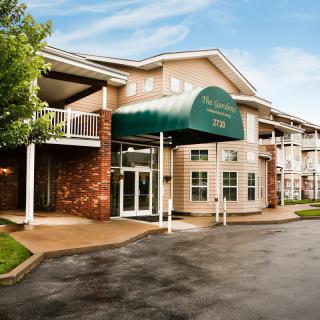
    • The Gardens Assisted Living and Memory Care

      The Gardens Assisted Living and Memory Care

      Springfield, MO

      4.2 from 47 reviews
       

      pro Friendly staff in a home-like environment with spacious, apartment-style living and memory care options.

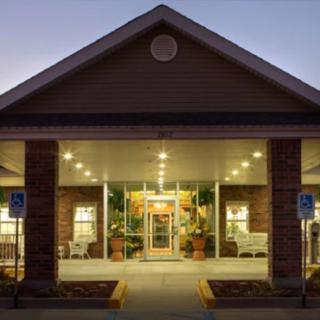
    • Charleston Place

      Charleston Place

      Springfield, MO

      4.4 from 100 reviews
      $625 to $1,075 / month

      pro Affordable rent for 55+ living with easy access to parks, pharmacies, healthcare, dining, worship, and entertainment.

    • The Gardens Independent Living

      The Gardens Independent Living

      Springfield, MO

      4.8 from 48 reviews
      $2,100 to $2,500 / month

      pro Warm, friendly staff with a diverse activity calendar.

    • Passionate Hearts Home Health Aide

      Passionate Hearts Home Health Aide

      Springfield, MO


      pro Excellent access to healthcare, dining, and amenities nearby.

    • Magnolia Square Nursing And Rehab

      Magnolia Square Nursing And Rehab

      Springfield, MO

      3.9 from 89 reviews
       

      pro Caring staff and a clean, welcoming environment.

    • Spring Ridge

      Spring Ridge

      Springfield, MO

      4.8 from 21 reviews
      $3,255 to $5,022 / month

      pro Caring staff in a small, friendly community with pleasant grounds and varied activities.

    • The Cambridge

      The Cambridge

      Springfield, MO

      4.4 from 142 reviews
      $2,199 to $3,309 / month

      pro Friendly, attentive staff and an active resident community.

    • The Montclair

      The Montclair

      Springfield, MO

      4.7 from 188 reviews
      $2,600 to $3,400 / month

      pro Friendly staff and an active community with restaurant-style dining.

    • Springfield Villa

      Springfield Villa

      Springfield, MO

      2.8 from 43 reviews
       

      pro Welcoming, clean facility with attentive staff and engaging activities.

    Related Resources

    • how to talk to someone with dementiaHow to Communicate with a Loved One Living with Dementia: 10 Supportive Strategies
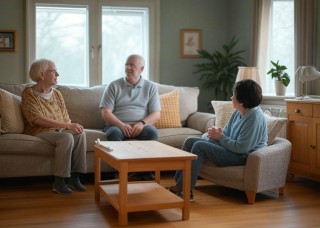
      The article outlines effective communication strategies for interacting with loved ones with dementia, highlighting the need for empathy, patience, and understanding while emphasizing supportive approaches like using simple language, minimizing distractions, and focusing on feelings over facts to maintain dignity and foster connection. It also suggests seeking professional guidance when needed as communication challenges evolve.

    • va nursing homeComprehensive Guide to VA Nursing Homes: A Crucial Long-Term Care Resource for Veterans

      VA nursing homes, or Community Living Centers (CLCs), offer tailored long-term care for veterans, featuring medical attention and rehabilitation in a supportive environment. The guide covers facility types, eligibility criteria, financial assistance options, quality of care standards, and alternatives to full-time nursing home placement.

    • in home dementia care costsEstimating the Expenses of At-Home Dementia Care: A Detailed Exploration
      At-home dementia care expenses vary widely based on care levels, location, and caregiver expertise, with monthly costs for home health aides exceeding $4,500 and specialized care potentially surpassing $100,000 annually. While families favor in-home care for its comfort and personalized attention, they must consider financial planning and the challenges of caregiver fatigue.


    Get Pricing Ask A Question Schedule A Tour Contact Senior Advisor