Overall Review of St. Louis Hills Assisted Living & Memory Care
common16 reviews mention this
Staff attentiveness is a mixed bag
Residents describe both very attentive care and, in some cases, serious staffing concerns.
Many reviewers say the staff are friendly, accommodating, and responsive to concerns, including during move-in and during daily needs. Multiple reviews also mention staff being patient, knowledgeable, and helpful with adjustments, therapies, and requests. On the other hand, a small set of reviewers describe periods of limited attention, weak communication, and care plan issues, including one review that reports a lack of change after raising concerns.
common9 reviews mention this
Dining earns frequent praise
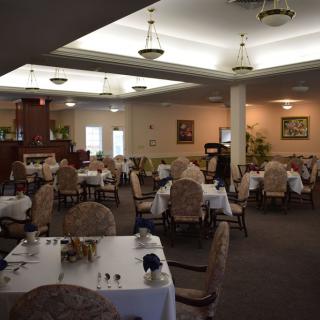
Dining is consistently described as good, with residents highlighting meals and the dining room.
Several residents and family members report that the food is good and that they’ve liked specific meals. Reviewers mention enjoying dining experiences like Salisbury steak and seasonal desserts, as well as day-to-day options like breakfast choices. There are also contrasting comments, including one tour review saying the food wasn’t as good as other places, even though the dining area itself felt nice.
common7 reviews mention this
Activities keep residents engaged
Activities are a regular part of life, with mixed feedback on how engaging they feel.
A number of reviewers describe a steady schedule of activities, including movie nights, bingo, games and puzzles, chair exercises, and regular trips or shopping outings. Others also mention devotional programming and live entertainment, and one review says residents appear actively engaged when visitors come by. A separate review calls activities boring or a joke, showing that the experience may vary by person or by what’s currently offered.
common8 reviews mention this
Cleanliness and comfort stand out
Residents repeatedly mention the facility feeling clean and comfortable.
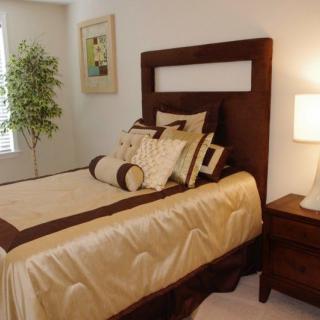
Many reviewers say the community is very clean and comfortable, including comments about it feeling inviting and well kept. Several also describe rooms as being clean and being like an older hotel building. The main negative theme in this area comes from reviews that report poor conditions or unresolved maintenance issues during their time there.
caveat4 reviews mention this
Value is a frequent theme
Pricing is described as reasonable by some, but others report rent increases and cost-driven disappointment.
A few reviewers say the price is reasonable and even mention affordability as a deciding factor. One reviewer also reports that a rent increase took effect with limited advance notice, creating urgency to find other options. Another negative review characterizes the community as the cheapest for a reason, which ties cost concerns to their experience with care and communication.
caveat3 reviews mention this
Rooms feel smaller than expected
Some reviewers feel the rooms are small, especially in an older, multi-story building.
A couple of tour and visit reviews say the rooms felt small, even though they were described as nice or hotel-like. One review also specifically points to the building being an older, seven-story setup. While others mention room features like having a refrigerator and microwave, the size and building age come up as a recurring concern for a subset of families.
How we summarize
Counts show how many written reviews mention each theme; a review can touch several themes, and only frequently mentioned themes are displayed.
Features
Housing
210 resident community capacity
1-bedroom apartments
Studio apartments
Types of Care
Assisted Living
Memory Care
Amenities
Air-conditioning
Beautician on-site
Beauty salon
Cable or satellite TV
Cafe
Computer center
Dining room
Financial aid
Fitness room
Fully furnished
Gaming room
Garden
Guasts at mealtime
Guest parking
Housekeeping services
Kitchenette
Laundry
Move-in coordination
Outdoor space
Party space
Private bathrooms
Resident parking
Respite or short term stays offered
Restaurant-style dining
Security gate
Small library
TV room
Telephone
VA Benefits Consultation
Wellness center
Wi-Fi/high-speed internet available
Transportation
Lambert-St Louis International (11 miles away)
Community operated transportation
Transportation & parking
Transportation arrangement
Transportation arrangement (non-medical)
Transportation to doctors appointments
Care Services
12-16 hour nursing
24-hour call system
24-hour supervision
Activities of daily living assistance
Assistance with bathing
Assistance with dressing
Assistance with transfers
Diabetes diet
Hospice care
Meal preparation and service
Medication management
Mental wellness program
Mild cognitive impairment
Personal care assistants
Physical therapy
Special dietary restrictions
Specialized memory care programming
Dining
Diabetes diet
Room service
Special dietary restrictions
Activities
Activities off-site
Arts and crafts
Book club
Community-sponsored activities
Concierge services
Cooking club
Educational speakers / life long learning
Fitness programs
Games
Gardening club
Live musical performances
Planned day trips
Religious services
Resident-run activities
Scheduled daily activities
Stories
Tai Chi
Wii bowling
Yoga / chair yoga
Nearby Places of Interest
Restaurants
Donut Drive-In (0.1 miles)
Ted Drewes Frozen Custard (0.3 miles)
La Catrinas (0.8 miles)
The Hideaway (1.3 miles)
Joey B's On The Hill (1.7 miles)
Colombo's Cafe & Tavern (2 miles)
Italia America Bocce Club (2.3 miles)
Pharmacies
Lindenwood Drug (0.3 miles)
Walgreens (0.6 miles)
Dierbergs (1 miles)
Walgreens (1.7 miles)
Walgreens (1.7 miles)
Schnucks (1.7 miles)
Walgreens (2 miles)
Parks
Francis Park (0.5 miles)
Willmore Park (0.7 miles)
Blackburn Park (2.4 miles)
Tower Grove Park (2.8 miles)
Bar K (3.1 miles)
Carondelet Park (3.1 miles)
Grant's Trail (3.5 miles)
Places of Worship
St Raphael the Archangel Church (1 miles)
Old Orchard Church (1.9 miles)
St Johns Lutheran Church (2.2 miles)
St Ambrose Church (2.4 miles)
Christ the King Church (3.5 miles)
St Matthias Catholic Church (5.5 miles)
Physicians
Southwest Medical Center (1.2 miles)
University Club Medical (3.4 miles)
Barnes-Jewish Hospital (3.7 miles)
Theaters
AMC Esquire 7 (3 miles)
Marcus Theatres (5.5 miles)
Transportation
Zooline Railroad The Wild (3.2 miles)
Cafes
Starbucks (3.6 miles)
Blueprint Coff (4.4 miles)
Starbucks (4.5 miles)
Starbucks (5.4 miles)
Hospitals
St Louis Children's Hospital (3.8 miles)
The Rehabilitation Institute of St Louis (4 miles)
SSM Cardinal Glennon Children's Medical Center (4 miles)
St Alexius Hospital (4.1 miles)
Metropolitan St Louis Psychiatric Center (4.5 miles)
VA Medical Center Spinal Cord Injury Program (5.3 miles)
The comprehensive features at St. Louis Hills Assisted Living & Memory Care are designed to cater specifically to the needs of residents with dementia or Alzheimer's disease, promoting their overall well-being and enhancing quality of life. The 24-hour supervision ensures that residents receive constant support, creating a safe environment where they can thrive despite the challenges posed by their conditions. Assistance with activities of daily living, such as bathing and dressing, fosters independence while providing necessary help tailored to individual capabilities. Meal preparation and service not only meet nutritional needs but also cultivate a sense of normalcy and routine through regular dining experiences. Medication management is critical in preventing mistakes that could negatively impact health, while specialized memory care programming and mental wellness initiatives engage cognitive functions and encourage social interaction. Additionally, physical therapy addresses mobility concerns, helping residents maintain physical strength and agility as they navigate their daily lives. Together, these services create an environment that supports both physical health and emotional security for individuals at various stages of cognitive decline.
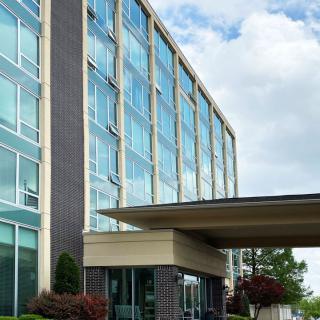
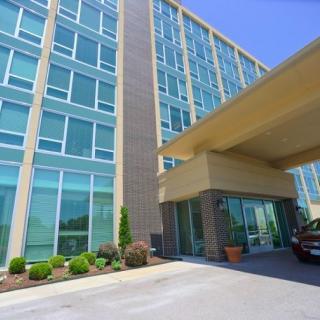
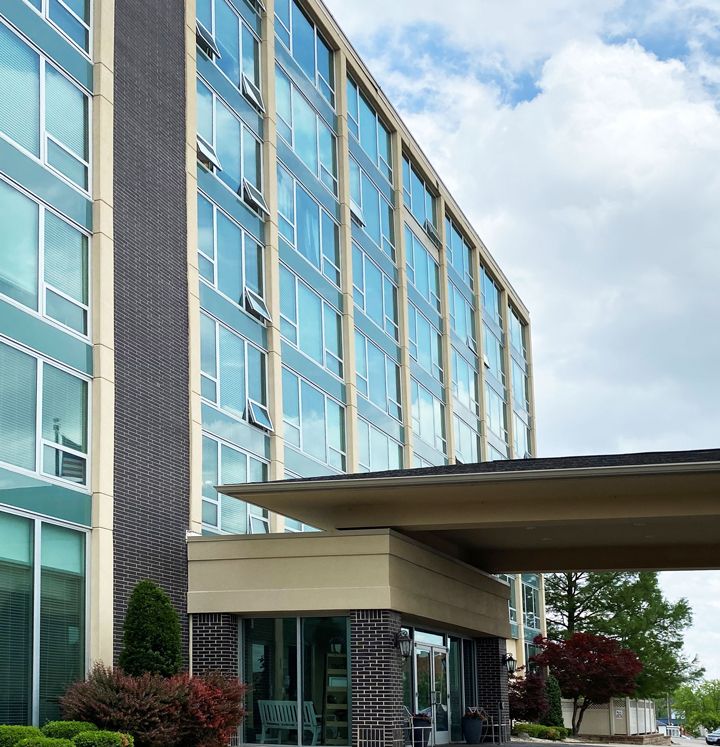
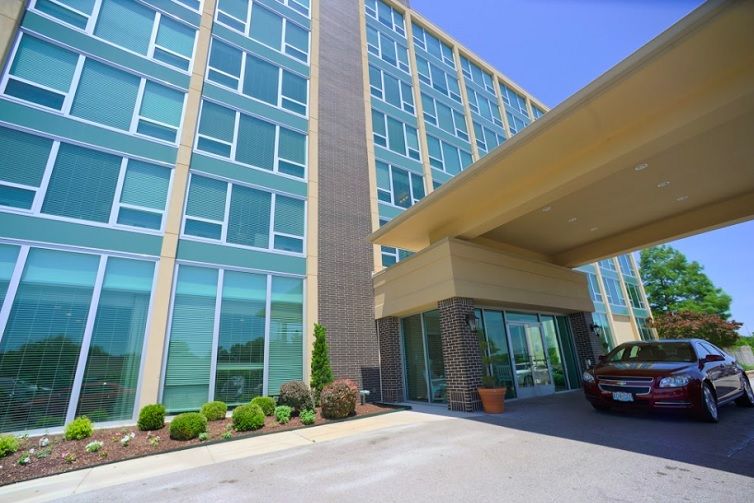
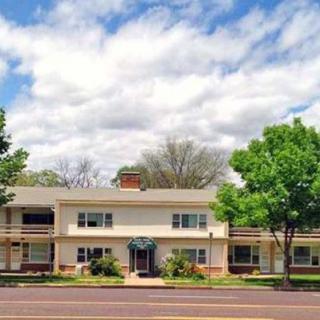
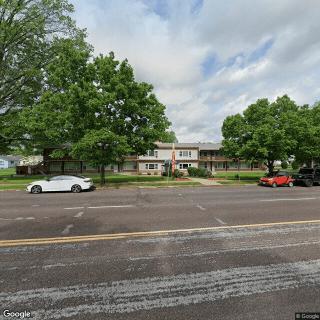
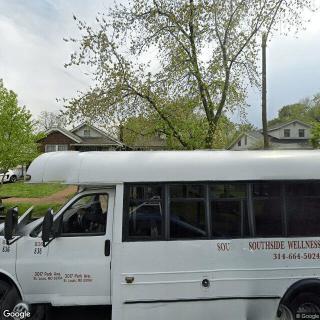
St. Louis Hills Assisted Living & Memory Care on seniors.fyi includes 3 photos including images showing architecture, building, outdoors, park, trees, exterior, clouds, entrance, and more.
Nearby Communities
St Louis Hills Assisted Living and Memory Care
Saint Louis, MO
3.9 from 84 reviews
$2,599 to $5,299 / month
Friendly, attentive staff; bright, clean environment; varied activities and good meals.
Senior Services Unlimited - St. Louis MO
Saint Louis, MO
4.8 from 20 reviews
Around-the-clock compassionate care with responsive administration and quality caregivers.
Kasey Paige Assisted Living
St. Louis, MO
2.4 from 21 reviews
Extensive amenities and 24/7 care
Loving Care Assisted Living
St. Louis, MO
2.6 from 24 reviews
Friendly, attentive staff that make residents feel at home.
ComForcare Senior Services
St. Louis, MO
4.7 from 23 reviews
Vibrant location with easy access to cafes, parks, pharmacies, hospitals, restaurants, places of worship, and theaters.
DuBourg House
St. Louis, MO
3.5 from 8 reviews
Friendly staff with engaging activities in a clean, active community.
Mother of Perpetual Help Residence
Webster Groves, MO
3.9 from 11 reviews
$4,911 to $6,026 / month
Positive tour experience; non-profit status and available skilled-nursing staff suggest quality care.
Bethesda Orchard
Webster Groves, MO
4.7 from 45 reviews
Excellent staff, clean facilities, engaging activities, and quality dining.
Lutheran Convalescent Home
Webster Groves, MO
4.5 from 17 reviews
High-quality care with attentive staff and well-maintained facilities.
Dementia is characterized by cognitive decline, with nutrition playing a vital role in brain health; while no specific diet can prevent or reverse it, a nutrient-dense diet rich in antioxidants and healthy fats may support cognitive function. The MIND diet, which emphasizes beneficial foods and limits processed items, along with proper hydration and individualized meal strategies, can enhance the well-being of dementia patients.
Dementia affects memory and cognitive function in older adults, presenting challenges for caregivers due to behavioral changes such as confusion and mood swings. Compassionate, person-centered care that considers individual history and preferences, along with effective communication and environmental modifications, is essential for supporting both patients and their caregivers.
Dementia leads to cognitive impairment and can cause emotional and behavioral changes, including aggression that arises from frustration, confusion, or fear. Effective coping strategies for caregivers include understanding dementia's nature, recognizing triggers, using empathetic communication, and employing non-pharmacological interventions like music and art therapy.
St. Louis Hills Assisted Living & Memory Care photos
×
Outdoors
Building
Entrance
Building
Architecture
Trees, Outdoors, and Park
Outdoor, Entrance, and Modern Architecture
Exterior and Clouds
Get PricingAsk A QuestionSchedule A TourContact Senior Advisor
By clicking submit, you agree to our Partner's Terms of Use. You
also consent to receive calls and texts, which may be autodialed, from our Partner. Your consent is not a condition to
using our Partner's service. Please visit our Partner's Privacy Policy for information about their privacy practices.



 210 resident community capacity
 1-bedroom apartments
 Assisted Living
 Memory Care
 Air-conditioning
 Beautician on-site
 Cable or satellite TV
 Cafe
Cafe Computer center
 Dining room
 Financial aid
 Fitness room
 Fully furnished
 Gaming room
 Garden
 Guest parking
 Housekeeping services
 Kitchenette
 Laundry
 Move-in coordination
 Outdoor space
 Party space
 Private bathrooms
 Respite or short term stays offered
 Restaurant-style dining
 Security gate
 Small library
 Telephone
 Wellness center
 Wi-Fi/high-speed internet available
 Lambert-St Louis International (11 miles away)
 Community operated transportation
 12-16 hour nursing
 24-hour call system
 Activities of daily living assistance
 Assistance with bathing
 Assistance with dressing
 Assistance with transfers
 Diabetes diet
 Hospice care
 Medication management
 Mental wellness program
 Physical therapy
 Special dietary restrictions
 Arts and crafts
 Book club
 Concierge services
 Cooking club
 Educational speakers / life long learning
 Games
Games Live musical performances
 Planned day trips
 Religious services
 Wii bowling
 Friendly, attentive staff; bright, clean environment; varied activities and good meals.
 Nourishing the Mind: Essential Dietary Approaches for Dementia
 Understanding Dementia Behaviors: Practical Insights and Strategies for Caregivers
 When Dementia Sparks Anger and Aggression: Understanding the Connection and Ways to Cope