


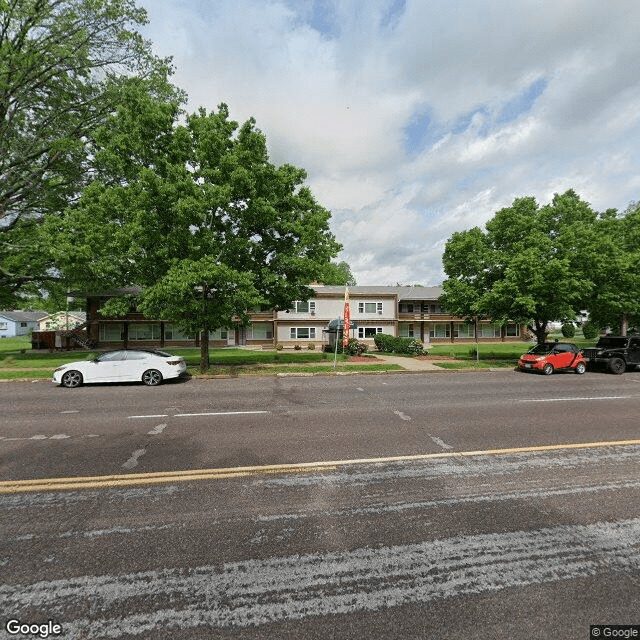
3715 Jamieson Avenue, St. Louis, MO 63109
For more information about senior living options: (866) 208-4318
Overall Review of Kasey Paige Assisted Living
Pros
 Admin Shay and Denise are awesome at helping residents in every way.
- Mike, the financial administrator, is nice, helpful, and precise in accounting.
- The med techs are nice and housekeeping is good.
- No bugs of any kind have been seen.
- The on-site nurse is friendly and caring.
- The food is good and portions are generous.
- The administrator was incredibly resourceful during the tour.
- Residents look happy and the recreational area is kept clean and tidy.
Cons
 This place is disgusting.
- The outside needs painting; the building is just terrible and looks like a jail.
- The place is depressing; there is no light in the corridor.
- There are two people to a room smaller than a cell; no activity or transportation for residents.
- They smoke cigarettes all day, making the building look bad.
- This place is overrun by bed bugs, and most of the head staff are only here for the check.
- Residents are rarely checked on; portion sizes are for that of a child; the overall vibe is poor.
- The lighting is dim and the paint on the walls is bland and not inviting.
- The staff were very abusive, and the administration team was absolutely horrible.
Review
Kasey Paige Assisted Living in St. Louis is best suited for families that can take an active oversight role, value affordability, and are willing to tolerate a facility that shows its age. It can work for residents who donā€™t demand a pristine, resort-like setting but appreciate staff members who come through with warmth and competence when found. The environment can feel homey when caregivers are engaged, yet maintenance gaps and dim, dated spaces surface repeatedly. This is a place where a few team members genuinely care, but daily operations often lag behind expectations, making vigilance and advocacy essential, not optional.
Those weighing alternatives should be honest about what matters most in daily care. Those requiring consistent bathing, predictable routines, and a consistently clean, well-supervised setting should consider other options. The layout, two residents to a room, with cramped spaces and hallways that feel dim, amplifies the sense of confinement. If safety monitoring and rapid response are non-negotiable, or if past experiences at facilities raise concerns about neglect or poor oversight, it is prudent to explore communities with stronger cleanliness records, clearer accountability, and more reliable staff coverage.
On the upside, praise lands on a subset of staff and management when engaged. Administrators and financial personnel can be clear, patient, and capable of explaining how the system operates, and tours sometimes reveal a tidy recreational area and a pleasant park nearby. The on-site nurse is described as a capable, serious professional, and a number of aides and housekeeping staff perform adequately in the moments they are present. For some residents, the food registers as a positive, with portions noted as generous. These constructive experiences show what quality care can look like when leadership and frontline workers align around resident needs.
Yet the scale of the downsides dominates the picture. Repeated reports of bedbug infestations, odors, and persistent cleanliness problems color the overall experience with a sense of risk and discomfort. Instances where residents are not checked on promptly, or where conflicts flare without timely staff intervention, point to safety concerns that should not be tolerated. The environment can feel unwelcoming: dim corridors, bland paint, and a lack of engaging daytime activities paired with limited transportation options sap morale. There are serious concerns about misbehavior by some staff and outright rude or obstructive administration in some accounts, including challenges around transfers and difficulties in making changes once a loved one is in place.
Prospective residents must approach with a structured, insistence-on-results mindset. Insist on a current, transparent briefing of how hygiene, pest control, and daily care routines are actually conducted. Request a face-to-face meeting with the head nurse and the highest-ranking administrator to review care plans, response times, and incident history. Tour the living spaces with a critical eye: check the condition of rooms, bathrooms, and common areas; verify that infestations are actively addressed and that staffing levels enable timely assistance throughout the day. Speak with current residents and families about consistency in caregivers and the reliability of daily schedules. If any red flags appear, demand a formal corrective plan with measurable timelines.
In the end, the decision about Kasey Paige Assisted Living should rest on a sober appraisal of risk versus reward. For most families, the cons, pervasive cleanliness and safety concerns, restricted space, and inconsistent supervision, tend to outweigh the pros. It is not an optimal choice for families seeking steady hygiene standards, predictable care, and a consistently uplifting atmosphere. Stronger options that prioritize transparent management, rigorous maintenance, and dependable staffing should be explored first. If Kasey Paige is on the short list, enter with explicit care milestones, scheduled family check-ins, and a binding commitment from leadership to address issues promptly. The prudent conclusion is to prioritize care quality and resident safety over cost, and pursue alternatives unless thorough, ongoing assurances are in place to resolve the pattern of deficiencies.
 111 resident community capacity
 Assisted Living
 Activities on-site
 Air-conditioning
 Beauty salon
 Cable or satellite TV
 Computer center
 Devotional services off-site
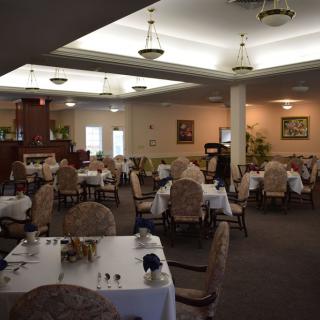
 Dining room
 Financial aid
 Fitness room
 Fully furnished
 Gaming room
 Garden
 Housekeeping services
 Indoor common areas
 Kitchenette
 Laundry
 Move-in coordination
 Outdoor space
 Private bathrooms
 Restaurant-style dining
 Small library
 Telephone
 Wellness center
 Wi-Fi/high-speed internet available
 Lambert-St Louis International (11 miles away)
 Community operated transportation
 12-16 hour nursing
 24-hour call system
 Ambulatory care
 Assistance with bathing
 Assistance with dressing
 Assistance with transfers
 Blood work
 Diabetes diet
 Diabetic care
 Medication management
 Mental wellness program
 Psychiatric care
 Special dietary restrictions
 Concierge services
 Planned day trips
 English






 Medicare Coverage for Assisted Living: An In-Depth Exploration
 Choosing the Right Senior Care: A Detailed Exploration of Assisted Living and Nursing Homes
 Understanding the True Cost of Assisted Living in 2025: A Comprehensive Guide