
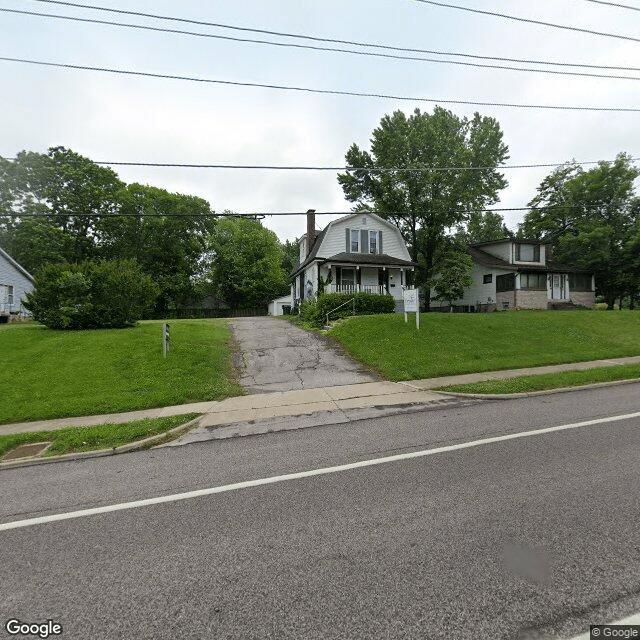
7526 Big Bend Blvd., Shrewsbury, MO 63119
To contact a resident: (314) 645-0900
For more information about senior living options: (866) 208-4318
Overall Review of Homewatch Caregivers
Pros
 They are trustworthy, professional, and leaders in homecare.
- They are the best of the best.
Cons
 They describe it as the most awful place ever.
- They say they spoke with a fake-nice man who promised to call back but never did.
- They report calling several times and receiving the same response.
- They strongly urge others to stay away from these people.
Review
This Homewatch Caregivers location in Shrewsbury, Missouri is best suited for families seeking dependable, professional in-home care that allows an aging loved one to stay at home. The emphasis on trustworthy staff and ethical practice makes it a solid fit for clients who value dignity, continuity, and hands-on support with daily tasks, transportation, and companionship. It works well for transitions from independence or post-hospital recovery where a steady, reputable caregiver network is prized. Those who want a straightforward onboarding and a care plan that can scale with changing needs will find the model appealing. In short, this office targets seniors who require consistent, in-home assistance delivered by caregivers backed by professional leadership.
The most persuasive strengths show up in the strongest reviews: caregivers described as trustworthy, professional, and leaders in homecare. That framing signals reliability, punctuality, and careful adherence to individualized care plans. The two five-star opinions, alongside another solid rating, suggest that when engagement is complete, the team can deliver high-quality, client-centered service. Staff are portrayed as well-trained and ethical, with leadership in the field that fosters clearer supervision, fewer care gaps, and a more predictable caregiving rhythm for families juggling work, life, and caregiving duties. These elements matter when the goal is aging in place with a sense of continuity and control over daily routines.
However, a notable warning arrives from the lone one-star experience: an intake encounter described as insincere and unresponsive, a “fake nice” representative who promised callbacks and then did not deliver. That touchpoint matters, because initial communication frames trust and transition. If the intake process feels opaque, promises go unkept, or follow-through stalls before any caregiver steps through the door, families wind up in uncertainty just as care is about to begin. For households prioritizing prompt follow-up, transparent pricing, and a crisp onboarding plan, this intake weakness can overshadow otherwise solid caregiving quality and raise questions about reliability in the early stages.
Those who can tolerate a rocky start may still harvest meaningful benefits, strong caregiving talent, consistent professionals, and active oversight, over time. The main strengths, trustworthiness, professionalism, and leadership, build a foundation that can offset a rough first impression once engagement is underway. If transitions are managed with explicit expectations, written agreements, and reinforced communication protocols, the actual day-to-day care can become the dominant factor, potentially eclipsing the initial miscue. Yet this offset hinges on the agency’s willingness to tighten intake communication and establish a reliable, clearly defined response path from first contact onward.
A practical decision framework helps separate fit from misfit. Prospective clients should ask how caregiver matching works and how often clients see the same caregiver, who conducts regular supervision, and what the escalation process looks like for issues. Inquire about backup coverage for weekends and holidays, and demand transparent pricing, including what services are included versus add-ons. Clarify the intake timeline, start-date guarantees, and cancellation terms, along with training standards, background checks, and ongoing caregiver education. Request client references and, if possible, a direct meeting with the administrator to gauge responsiveness firsthand. A rigorous set of questions reduces ambiguity and clarifies whether the firm’s strengths align with the needed level of reliability.
In the end, Homewatch Caregivers in Shrewsbury serves best families that prize established professionalism and ethical caregiving and can tolerate a potentially uneven onboarding experience in exchange for long-term, high-quality care. If immediate, transparent intake and a consistently reliable communications channel are non-negotiable, it is prudent to compare alternatives with stronger early responsiveness. The choice should hinge on the importance placed on caregiver stability, the clarity of care plans, and the confidence that promises are backed by written commitments and solid references. A deliberate, comparative approach will reveal the strongest partner for aging in place with dignity, consistency, and dependable support.
 Lambert-St Louis International (10 miles away)







 Compassionate Conversations: How to Comfort Someone Who Is Grieving
 Home Health Care Aides: Understanding Their Role and Supporting Your Family
 Urinary Tract Infections in Older Adults: Comprehensive Insights on Symptoms, Treatment, and Prevention