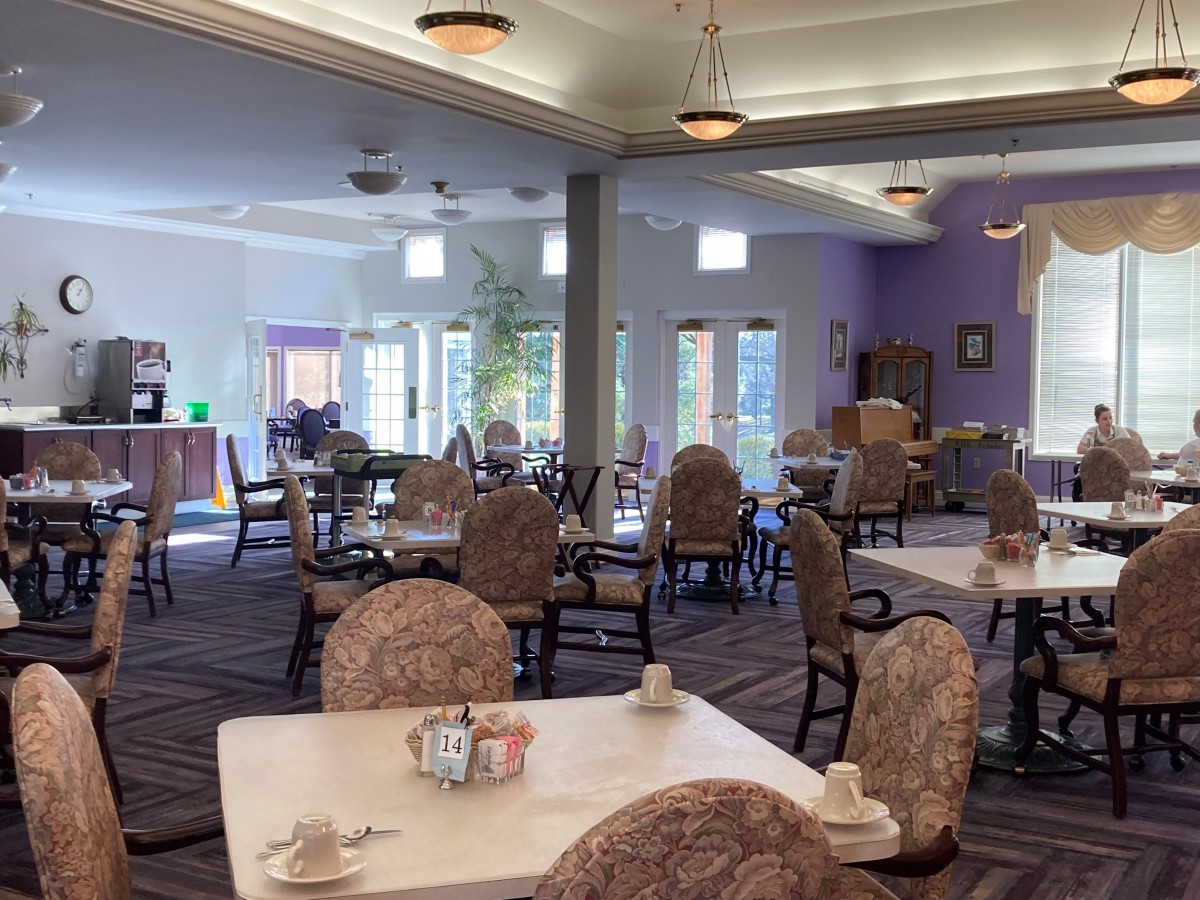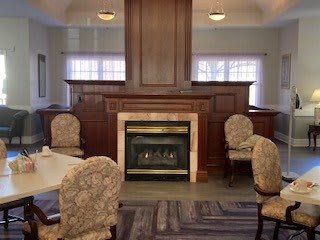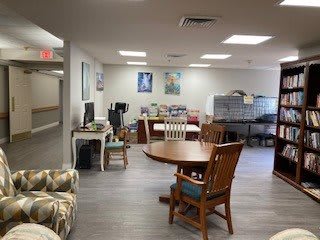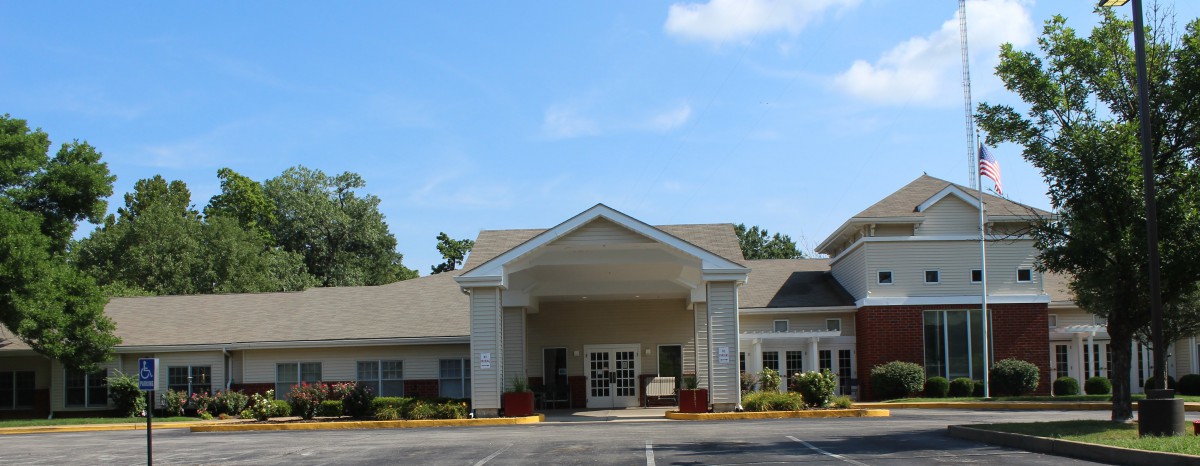
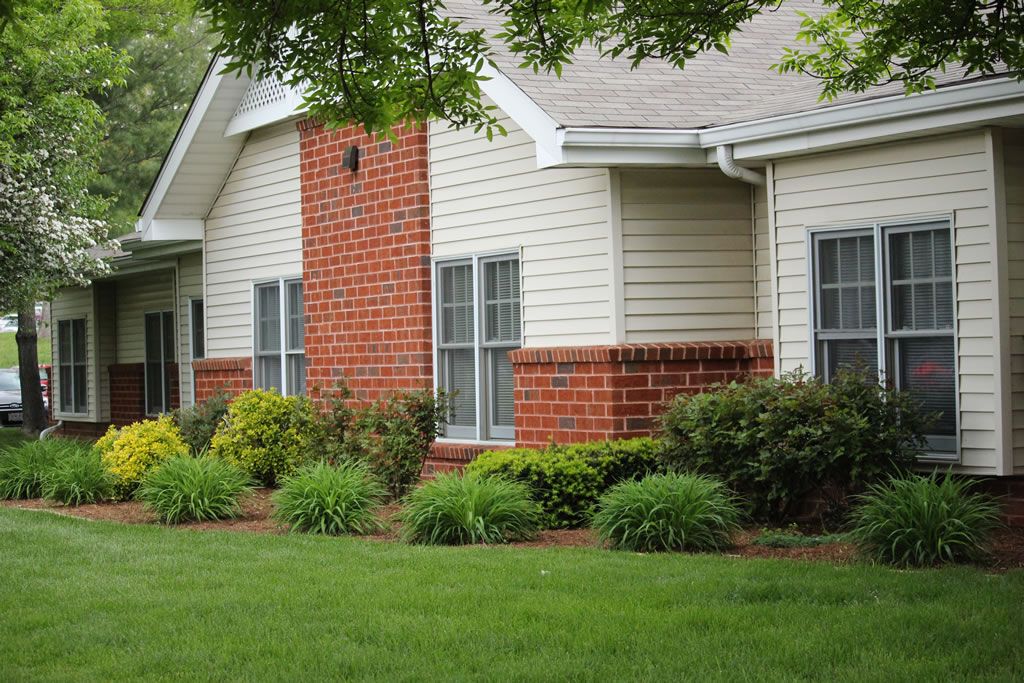
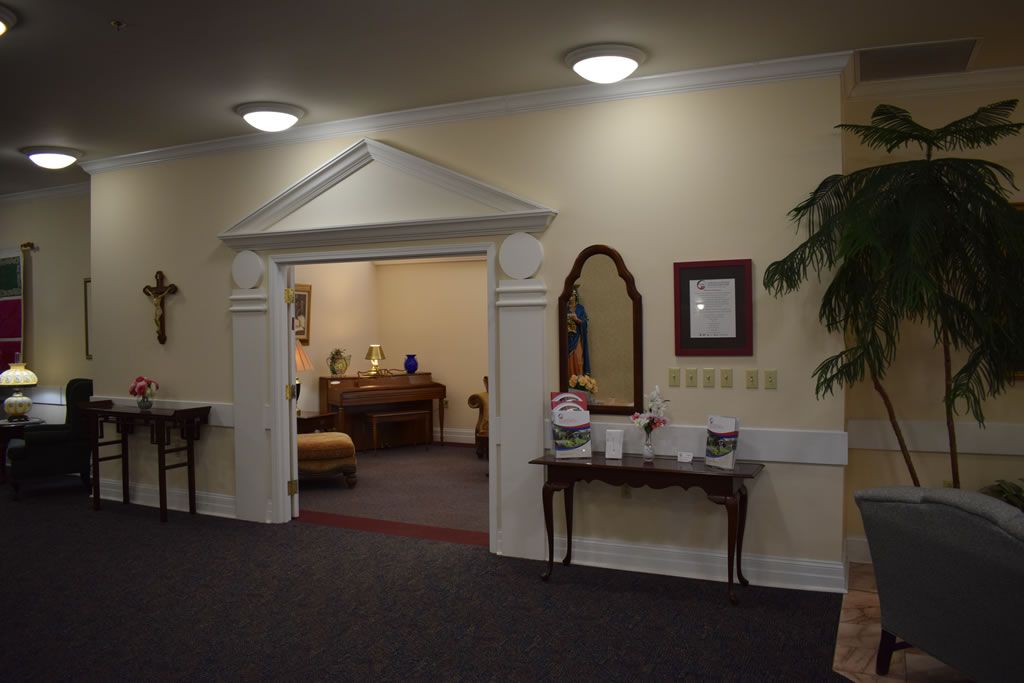
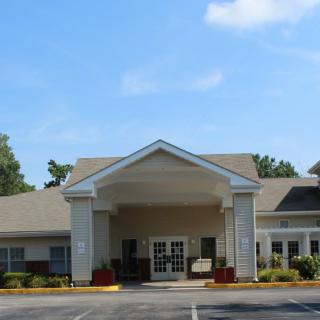
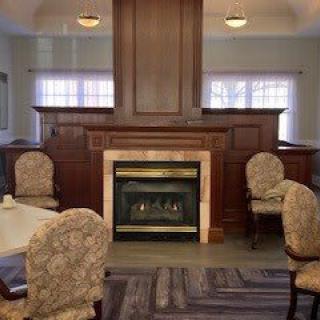
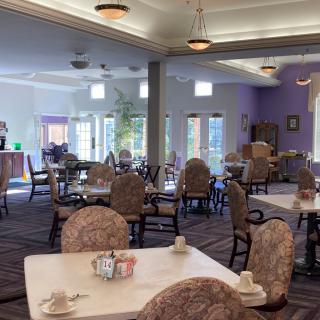
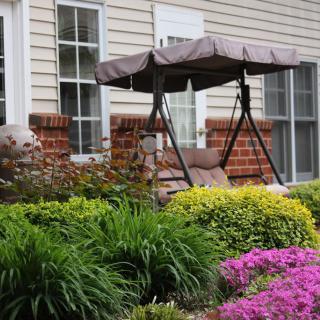
7609 Watson Rd, Webster Groves, MO 63119
To contact a resident: (314) 918-2260
For more information about senior living options: (866) 208-4318
Mother of Perpetual Help Residence Costs & Pricing
Mother of Perpetual Help Residence offers competitive pricing for its accommodations when compared to the broader market in St. Louis city and Missouri as a whole. For a studio unit, residents can expect to pay $4,911 per month, which is notably higher than the city average of $4,234 and significantly above the state average of $3,418. Similarly, the one-bedroom options at the residence are priced at $6,026, surpassing both the city's rate of $3,885 and the state average of $3,349. This pricing reflects not only the quality of care and services provided but also positions Mother of Perpetual Help Residence as a premium choice for those seeking supportive living arrangements in St. Louis.
| Floor plans | Mother of Perpetual Help Residence | St. Louis city | Missouri |
|---|---|---|---|
| Studio | $4,911 | $4,234 | $3,418 |
| 1 Bedroom | $6,026 | $3,885 | $3,349 |
Memory care communities with a similar price nearby
-
from +$279 / mo
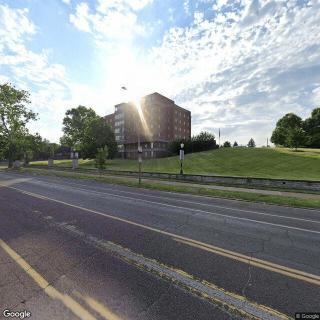
Bavaria Memory Care at the St. Louis Altenheim
$5,190 / month5.1 miles away -
from -$411 / mo
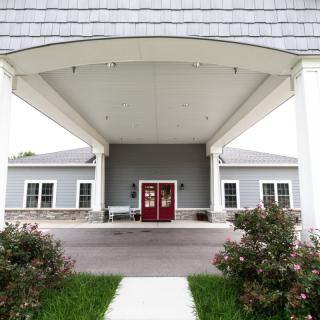
Joe's Place Caring Cottage
$4,500 to $4,700 / month20.8 miles away -
from -$761 / mo
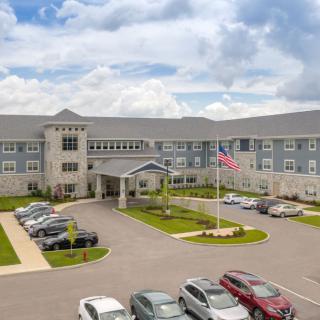
Clarendale of St. Peters
$4,150 to $5,720 / month21.1 miles away -
from +$389 / mo
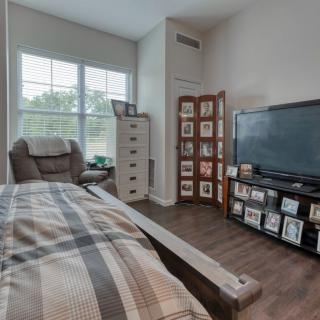
Cedarhurst of Arnold
$5,300 to $7,150 / month10.3 miles away -
from +$488 / mo

Anthology of Wildwood
$5,399 to $7,999 / month16.2 miles away
Overall Review of Mother of Perpetual Help Residence
Pros
 The tour experience at Mother of Perpetual Help Residence was great.
- Mother of Perpetual Help is a great choice and offers a positive experience.
- The staff are great and the residents are nice.
- The facility is very clean and the environment feels welcoming and loving.
- The staff are caring, kind, attentive, and helpful to residents and their families.
- Cleanliness is a hallmark of the unit; rooms and common areas are always neat and clean.
- Having all medical services in the building greatly reduces stress for residents and their families.
- The resident's sense of security has made her very happy.
Cons
 The incident report claimed there were no injuries despite a later-diagnosed broken femur.
 - The POA was not alerted; the brother was told there was no injury.
- The staff claimed the resident had thrown herself on the ground several times that week without investigating why she was falling.
- A nurse dismissed calls by saying she had other patients to deal with and would call back later.
- There was an incredible lack of empathy exhibited by the staff toward the elderly resident.
- The care was clearly inattentive to a critical medical situation, failing to notice the leg at a 45-degree angle and a large hip protrusion.
- The supervisor’s remark that the resident “lived through the surgery” reflected insensitivity.
Review
Mother of Perpetual Help Residence is best suited for families seeking a faith-inspired, nonprofit memory-care option that emphasizes cleanliness, a calm atmosphere, and integrated medical services right on site. It appeals to those who value a mission-driven environment where daily routines are structured, activities are encouraged, and in-house medical support offers convenience and continuity. For families prioritizing spiritual or community ties, and for residents who thrive with a stable, predictable setting, this community can feel like a trusted home. However, this suitability comes with a critical caveat: memory-care safety culture and incident transparency must be scrutinized closely, because a troubling report out of the St. Louis memory-care unit underscores potential risks that cannot be ignored.
On the upside, reviewers consistently highlight strong human warmth from staff, resident friendliness, and a sense of genuine care. The memory-care team is described as attentive, compassionate, and patient, with residents said to be welcomed quickly and to settle into a comfortable routine from day one. Cleanliness stands out as a hallmark, rooms and common areas are kept neat, and a clean environment helps reduce anxiety for families and residents alike. The building’s integrated services, clinical staff, therapy, and other medical resources located within the same footprint, meaningfully reduce the stress of coordinating care and transportation. For families seeking visible engagement, daily activities and documented participation provide reassurance that residents are mentally and socially stimulated.
The strongest caution comes from a single, highly concerning incident in the memory-care unit located at Michael House in St. Louis. Allegations recount a resident’s fall linked to a broken femur, with questions raised about notification to power of attorney, timely assessment, and the empathy displayed by staff during a critical period. The account paints a picture of communication gaps, missed opportunities to investigate why a resident was falling, and a perception of staff fatigue or dismissiveness. While this is not a blanket judgment of the Webster Groves operation, it does signal a vulnerability: safety culture, incident reporting, and family notification must be rock-solid to earn trust in memory care where residents cannot advocate for themselves as effectively as in other stages of care.
These strong positives can offset the main cons only to a degree. The practical advantages, a nonprofit setting with a mission-driven ethos, the convenience of on-site medical services, and a clean, welcoming environment, create a compelling, low-friction daily experience for many residents. The ability to access skilled nursing within the same campus is a meaningful asset, especially for families juggling complex medical needs alongside memory care. However, the weight of the safety incident looms large: without assertive, transparent handling of falls, injuries, and family communication, the positive impressions can feel fragile. Prospective families should press for clear fall prevention protocols, explicit incident-report workflows, and a commitment to timely, direct updates to designated family contacts.
For families evaluating alternatives, consider facilities with a demonstrated, uninterrupted commitment to safety culture and family communication. If transparency about incident investigations, faster response times, and consistently strong staffing are non-negotiables, other communities, especially those with more established memory-care safety metrics or more robust family-notification processes, may be worth a closer look. Nonprofit or faith-aligned environments can still deliver warmth and excellent daily life, but it is essential to verify that the specific memory-care unit maintains rigorous oversight, staff training, and measurable safety outcomes.
The bottom-line recommendation is concrete. Mother of Perpetual Help Residence can be a strong fit for families seeking a compassionate, community-centered environment with clean facilities and integrated medical services, particularly for residents who benefit from routine, engagement, and a familiar, purpose-driven setting. Yet the memory-care risks highlighted by the troubling incident demand aggressive due diligence: request current incident-management policies, review staff-to-resident ratios, ask for sample incident reports, and interview the memory-care leadership about how emergencies are handled and communicated to families. If such safeguards are hard to verify or if further evidence of consistent, transparent safety practices is lacking, it may be prudent to explore alternatives with a more explicit track record in falls prevention and family notification. In the right hands, this property can deliver steady comfort and care; in the wrong light, the safety and communication gaps become the tipping point.
 160 resident community capacity
 Assisted Living
 Memory Care
 Activities on-site
 Air-conditioning
 Beautician on-site
 Cable or satellite TV
 Computer center
 Devotional services off-site
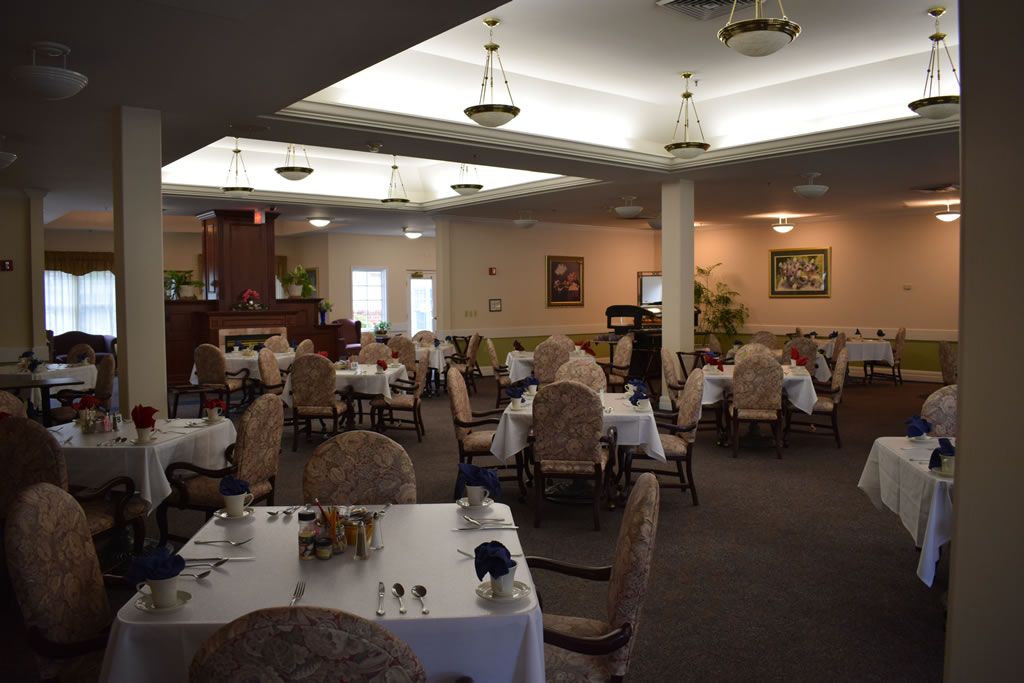
 Dining room
 Fitness room
 Fully furnished
 Gaming room
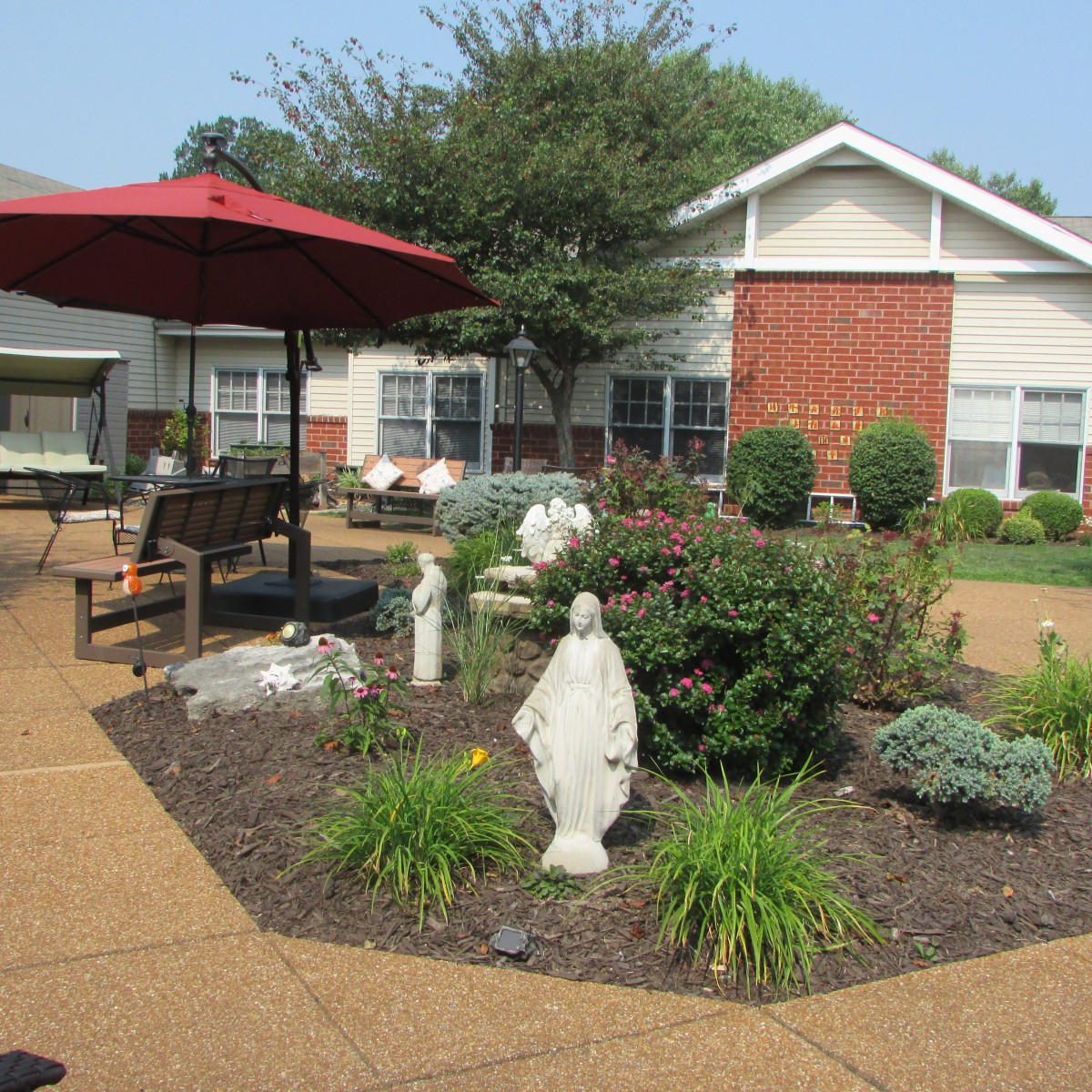
 Garden
 Ground floor units
 Handicap accessible
 Housekeeping services
 Indoor common areas
 Kitchenette
 Move-in coordination
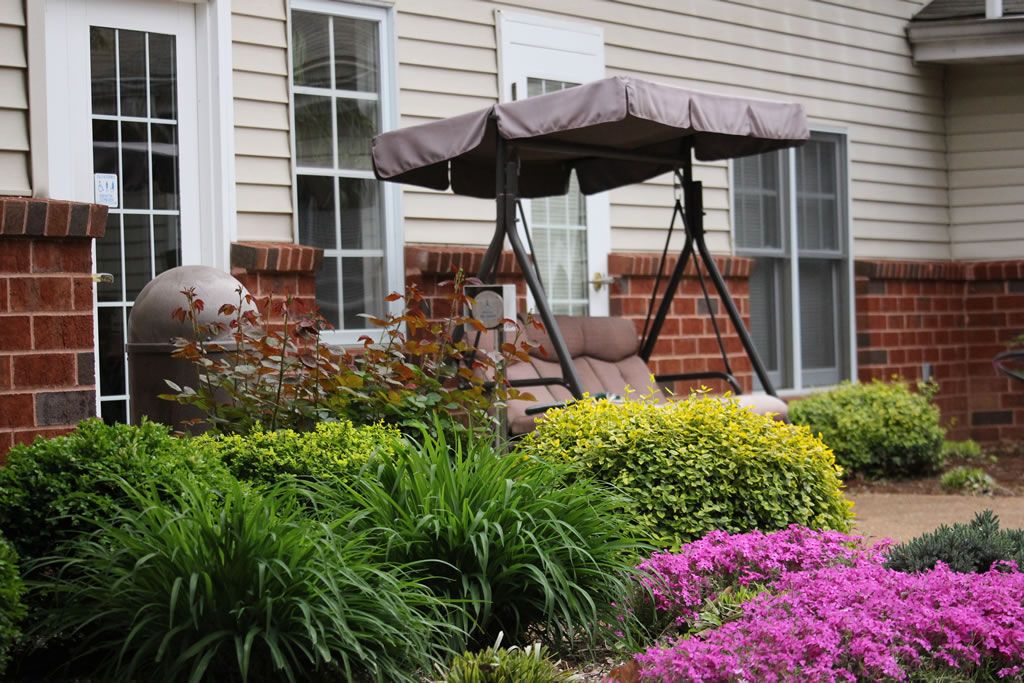
 Outdoor space
 Private bathrooms
 Restaurant-style dining
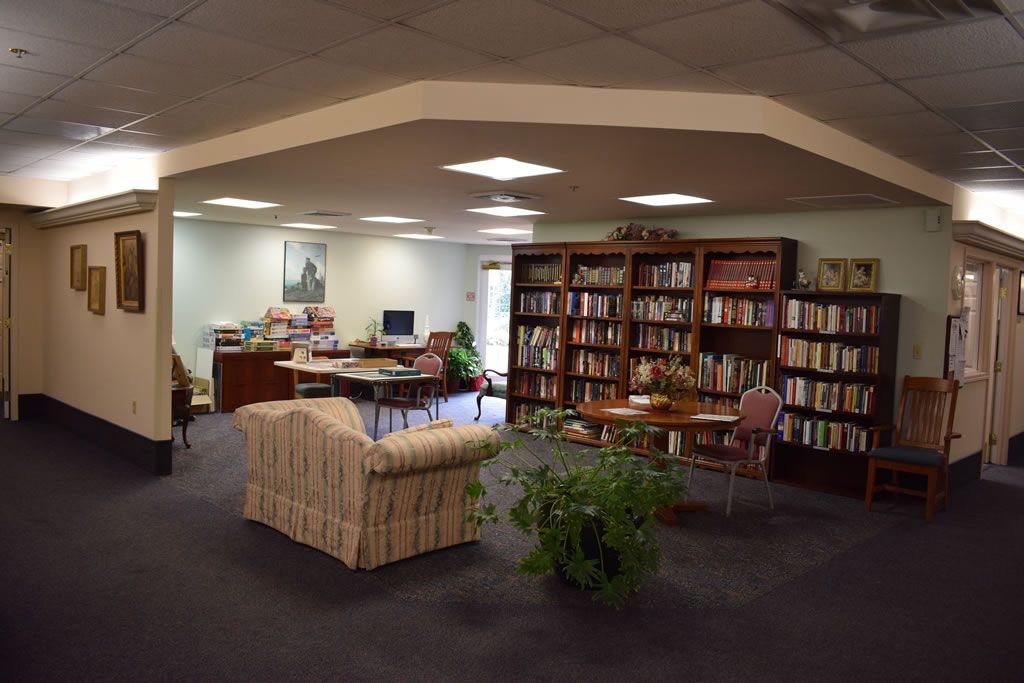
 Small library
 Telephone
 Wellness center
 Wi-Fi/high-speed internet available
 Lambert-St Louis International (12 miles away)
 Community operated transportation
 12-16 hour nursing
 24-hour call system
 Ambulatory care
 Assistance with bathing
 Assistance with dressing
 Assistance with transfers
 Diabetes diet
 Diabetic care
 Incontinence care
 Medication management
 Mental wellness program
 Special dietary restrictions
 Bible study group
 Birthday parties
 Concierge services
 Day trips and outings
 Happy hour
 Live musical performances
 Pet-focused programs

 Understanding Dementia Behaviors: Practical Insights and Strategies for Caregivers
 When Dementia Sparks Anger and Aggression: Understanding the Connection and Ways to Cope
 Dementia Behaviors: In-Depth Understanding and Effective Coping Strategies