
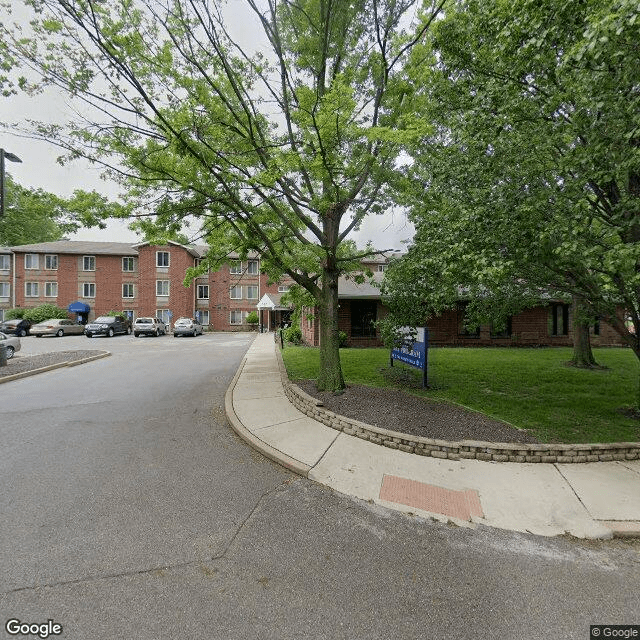
7663 Watson Road, St. Louis, MO 63119
To contact a resident: (314) 962-7878
For more information about senior living options: (866) 208-4318
Overall Review of Holy Infant Apartments
Pros
 They accepted her right away.
- They welcomed her without hesitation.
Cons
 The landlord discriminated against him for being African American.
- He was rejected after the landlord learned his race.
- The Caucasian friend was accepted right away, highlighting the perceived bias.
- The reviewer feels they were unfairly treated because of their race.
Review
Holy Infant Apartments in St. Louis is best suited for adults seeking affordable, apartment-style living where independence is expected and the emphasis is on straightforward housing rather than a full-service care environment. This community will likely attract residents who prioritize low cost and simple, uncomplicated living over access to robust assisted-living supports. Prospective families should understand that the experience is not described as a premium care setting; it’s more about housing access with limited, if any, timeline for enhanced care. In practice, this means a good fit for someone who values a basic, self-directed living arrangement and is comfortable with a potentially uneven service atmosphere.
Those who should actively consider alternatives are families prioritizing consistent, non-discriminatory admissions and transparent, well-defined care standards. The available testimonials raise a red flag about admissions and treatment by staff, specifically regarding race. If equal access, even-handed treatment, and reliable staff conduct are non-negotiable, this community warrants a cautious comparison with options that publish clear anti-discrimination policies and verifiable resident rights protections. For anyone seeking a setting with predictable care levels, scheduled activities, and stronger oversight, the choice should tilt toward facilities with documented fairness and stronger governance.
From the limited but illuminating feedback, the strongest pro relative to the core concern is the existence of a five-star rating, suggesting that some residents do experience satisfaction and a positive atmosphere. Yet that single positive signal sits alongside a troubling account of potential bias in the admissions process, which cannot be dismissed. The facility’s size and scope appear to yield a mixed impression: one resident perceives value somewhere, while another encountered a response that implies unequal treatment. The resulting rating of three out of five reinforces a reality where benefits are unevenly distributed and reliability varies by interaction. In practical terms, one clear pro cannot compensate for the risk posed by discriminatory behavior or the absence of robust, consistent service guarantees.
The key pros, affordability, a straightforward housing offer, and the possibility of a favorable resident experience for some, do not sufficiently offset the central con: a credible threat to equal access and a lack of transparency about admissions. For families weighing this option, that gap in trust undercuts any potential comfort gained from cost savings or a simple living arrangement. Without concrete assurances that admissions are fair and that staff conduct meets professional standards, the appeal of this community diminishes for households navigating assisted-living decisions where equity and protection of rights are essential. The absence of clear, enforceable policies is a meaningful liability when choosing a residence that may eventually intersect with care needs.
Practical due diligence should focus on a tight set of questions: what are the exact admission criteria, and how are applications evaluated? Is there a published nondiscrimination policy with a clear grievance process, and how are complaints resolved? What level of oversight exists, through a corporate entity, a board, or independent inspectors, and how often are staff trained on resident rights and fair housing? Request contact with current residents or recent applicants to hear about real experiences, and insist on written policies covering renewals, evictions, safety procedures, transportation options, and activity programming. Visiting the property with a checklist and seeking a formal tour of common spaces, leases, and ancillary services will reveal more than a glossy brochure ever can.
In the end, Holy Infant Apartments may be workable for some who prize affordability and independence above all else, but the stories available demand a cautious, almost skeptical approach. If equal access, predictable staff behavior, and transparent admissions are nonnegotiable, this community should be screened against higher-commitment options with clear anti-discrimination commitments and documented resident protections. For families willing to tolerate ambiguity and who can verify personal comfort with the atmosphere, it may serve as a passable stopgap, but only after rigorous, disciplined due diligence and direct confirmation of the policies that truly matter to aging in place with dignity.
 Active Adult Communities (55+)
 Lambert-St Louis International (12 miles away)




 Highly Beneficial Low-Impact Exercises for Senior Living Residents
 Is In-Home Healthcare Tax Deductible? Your Comprehensive Guide
 Nurturing Well-Being Through Gardening: A Detailed Guide for Senior Enthusiasts