St Louis Hills Assisted Living and Memory Care Costs & Pricing
St. Louis Hills Assisted Living and Memory Care offers competitive pricing for its various room types, particularly when compared to the local and state averages. For a semi-private room, residents can expect to pay $2,599 per month, significantly lower than the average cost in St. Louis City at $3,994 and even below the state average of $3,772. Studio apartments are priced at $3,659, which is more economical than the city average of $4,234 but slightly higher than Missouri's average of $3,418. For those seeking a one-bedroom unit, St. Louis Hills charges $5,299 monthly - considerably above the city average of $3,885 and the state's average of $3,349. Overall, while some options may exceed local averages, St. Louis Hills provides a variety of choices that cater to different budgetary needs within a supportive community environment.
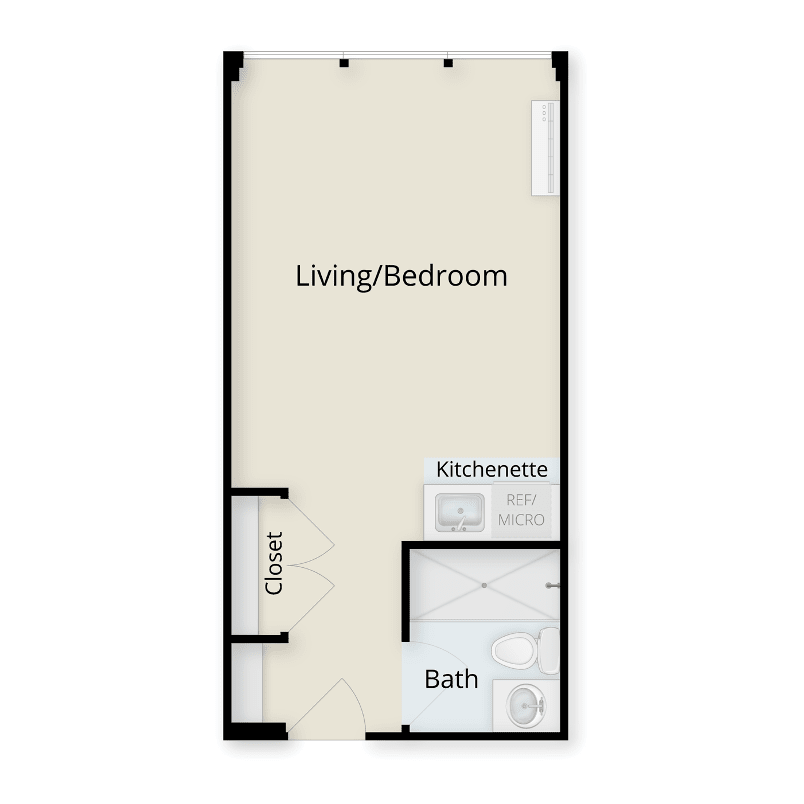
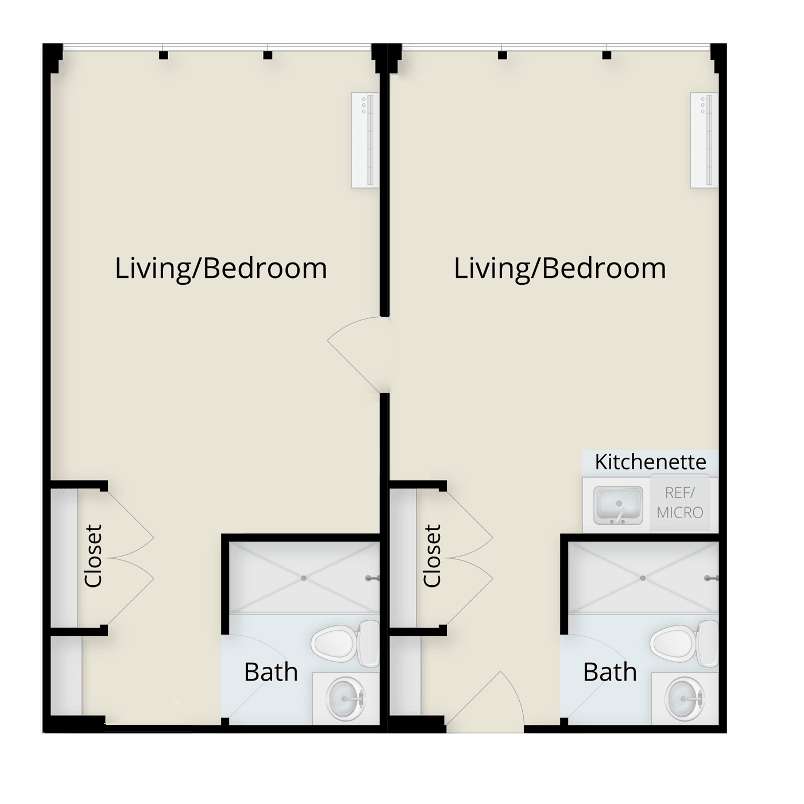
Floor plans
St Louis Hills Assisted Living and Memory Care
St. Louis city
Missouri
Semi-Private
$2,599
$3,994
$3,772
Studio
$3,659
$4,234
$3,418
1 Bedroom
$5,299
$3,885
$3,349
Memory care communities with a similar price nearby
from +$251 / mo
Cedar Creek of Godfrey
4.8 from 96 reviews
$2,850 to $3,850 / month
23.8 miles away
from +$266 / mo
Autumn View Gardens, Assisted Living and Memory Care
Overall Review of St Louis Hills Assisted Living and Memory Care
common13 reviews mention this
Staff are attentive and caring
Staff members are consistently described as attentive, kind, and supportive of residents.
Many residents’ family members describe staff who go above and beyond—listening to concerns, treating residents with dignity, and helping families feel at ease. Multiple reviews mention friendly, accommodating caregivers and nursing staff that respond to questions and reassurance needs. Even in critical reviews, several commenters still call out the care staff as compassionate, while placing their strongest frustration on broader operations.
common10 reviews mention this
Dining is often a positive
Meals and dining support are frequently described positively by families.
Several reviews praise the food itself—calling meals enjoyable, portions satisfying, and dining staff friendly and attentive. A few families also tie dining to overall wellbeing, such as enjoying food enough to gain weight or describing food as a reason they felt their loved one was settling in. Where dining is criticized, it’s usually discussed alongside other care or staffing problems rather than as the only issue.
common8 reviews mention this
Activities help residents stay engaged
Residents benefit from regular activities and community events.
Reviews commonly describe activities that keep people engaged, including outings, events, and opportunities to socialize with other residents. Some families say their loved ones enjoy specific recurring options, while others mention community events that make the transition feel smoother. A smaller number of reviewers describe limitations in activity engagement, especially for residents who spend more time in their rooms.
caveat9 reviews mention this
Cleanliness and upkeep vary
Cleanliness and facility upkeep are a frequent point of disagreement across reviews.
Some families describe the building as clean, nicely kept, and welcoming, with housekeeping that works hard. Others report serious cleanliness concerns such as unclean rooms or bathrooms, odors, and delayed housekeeping or repair follow-through. A few reviews also mention maintenance issues like an elevator being broken or hard to use, reinforcing that the day-to-day experience can vary for residents.
caveat7 reviews mention this
Staffing levels and response times
Several reviews raise concerns about staffing coverage and response timing.
Alongside praise for staff compassion, multiple reviews also describe understaffing or slow responses, including delays with repairs and issues with how help requests are handled. A few commenters say management and communication fell short, contributing to inconsistent care experiences. One review also describes care needs that could not be sustained at the level expected, which drove a move to a different setting.
common4 reviews mention this
Costs are often below local benchmarks
Pricing is described as affordable or cost-justified by some families.
Some reviews explicitly frame the cost as a strength, noting it was the best value they found or affordable enough for their situation. At the same time, other commenters say pricing felt high at first or that value did not match what was delivered. Overall, the community’s pricing falls below county and state benchmarks across unit types, which aligns with the positive “value” comments from several families.
common2 reviews mention this
Convenient location for families
Families mention the community’s location as convenient for visits and errands.
A couple of reviews emphasize location as a priority because it made it easier to visit frequently and check in. That convenience is consistent with a setting close to local restaurants, parks, pharmacies, and healthcare options listed nearby.
How we summarize
Counts show how many written reviews mention each theme; a review can touch several themes, and only frequently mentioned themes are displayed.
Features
Types of Care
Assisted Living
Memory Care
Pets
Cats allowed
Dogs allowed
Amenities
Activities off-site
Activities on-site
Air-conditioning
Bath tubs
Beautician on-site
Cable or satellite TV
Devotional services on-site
Handicap accessible
Indoor common areas
Kitchenette
Outdoor common areas
Private bathrooms
Respite or short term stays offered
Wheelchair accessible showers
Wi-Fi/high-speed internet available
Transportation
Lambert-St Louis International (11 miles away)
Care Services
Ambulatory care
Diabetic care
High acuity care
Incontinence care
Medication management
Dining
Anytime dining
Gluten-free
Guest meals
Low / no sodium
Meals provided
No Sugar
Professional chef
Restaurant style dining
Room service
Special dining programs
Vegan
Vegetarian
Activities
Art classes
Catholic services
Cooking classes
Day trips and outings
Devotional activities on-site
Educational speakers / life long learning
Karaoke
Live well programs
Other religious services
Protestant services
Visiting chaplain or priest
Wine tasting
Nearby Places of Interest
This part of Saint Louis, Missouri offers a variety of amenities and services that may cater to the needs of seniors looking for a convenient and comfortable location. With several pharmacies nearby such as Lindenwood Drug and Walgreens, accessing medication and healthcare essentials is easily accessible. There are also numerous dining options like Donut Drive-In and La Catrinas for enjoyable meals with friends or family. In terms of recreation, there are several parks in close proximity like Francis Park and Willmore Park for leisurely walks or outdoor activities. Additionally, there are reputable healthcare facilities in the area such as Barnes-Jewish Hospital and St Louis Children's Hospital for any medical needs that may arise. Overall, this part of Saint Louis provides a well-rounded environment with various amenities that can enhance the quality of life for seniors looking to settle in the area.
Restaurants
Donut Drive-In (0.1 miles)
Ted Drewes Frozen Custard (0.3 miles)
La Catrinas (0.8 miles)
The Hideaway (1.3 miles)
Joey B's On The Hill (1.7 miles)
Colombo's Cafe & Tavern (2 miles)
Italia America Bocce Club (2.3 miles)
Pharmacies
Lindenwood Drug (0.3 miles)
Walgreens (0.6 miles)
Dierbergs (1 miles)
Walgreens (1.7 miles)
Walgreens (1.7 miles)
Schnucks (1.7 miles)
Walgreens (2 miles)
Parks
Francis Park (0.5 miles)
Willmore Park (0.7 miles)
Blackburn Park (2.4 miles)
Tower Grove Park (2.8 miles)
Bar K (3.1 miles)
Carondelet Park (3.1 miles)
Grant's Trail (3.5 miles)
Places of Worship
St Raphael the Archangel Church (1 miles)
Old Orchard Church (1.9 miles)
St Johns Lutheran Church (2.2 miles)
St Ambrose Church (2.4 miles)
Christ the King Church (3.5 miles)
St Matthias Catholic Church (5.5 miles)
Physicians
Southwest Medical Center (1.2 miles)
University Club Medical (3.4 miles)
Barnes-Jewish Hospital (3.7 miles)
Theaters
AMC Esquire 7 (3 miles)
Marcus Theatres (5.5 miles)
Transportation
Zooline Railroad The Wild (3.2 miles)
Cafes
Starbucks (3.6 miles)
Blueprint Coff (4.4 miles)
Starbucks (4.5 miles)
Starbucks (5.4 miles)
Hospitals
St Louis Children's Hospital (3.8 miles)
The Rehabilitation Institute of St Louis (4 miles)
SSM Cardinal Glennon Children's Medical Center (4 miles)
St Alexius Hospital (4.1 miles)
Metropolitan St Louis Psychiatric Center (4.5 miles)
VA Medical Center Spinal Cord Injury Program (5.3 miles)
St. Louis Hills Assisted Living and Memory Care offers competitive pricing for its various room types, particularly when compared to the local and state averages. For a semi-private room, residents can expect to pay $2,599 per month, significantly lower than the average cost in St. Louis City at $3,994 and even below the state average of $3,772. Studio apartments are priced at $3,659, which is more economical than the city average of $4,234 but slightly higher than Missouri's average of $3,418. For those seeking a one-bedroom unit, St. Louis Hills charges $5,299 monthly - considerably above the city average of $3,885 and the state's average of $3,349. Overall, while some options may exceed local averages, St. Louis Hills provides a variety of choices that cater to different budgetary needs within a supportive community environment.
Medication management is crucial for residents with dementia or Alzheimer's disease, as these individuals often have complex medication regimens that require careful oversight to ensure adherence and to mitigate potential side effects. This service not only helps maintain cognitive function but also alleviates the stress on families, knowing that their loved ones' medications are administered correctly and timely. Incontinence care is equally important, as it addresses one of the common challenges faced by those with memory impairments. By providing compassionate support in this area, St. Louis Hills ensures residents maintain dignity and comfort, which can significantly reduce anxiety and behavioral issues often associated with incontinence. Together, these features create a holistic environment that promotes well-being and enhances the quality of life for residents dealing with the challenges of memory loss.
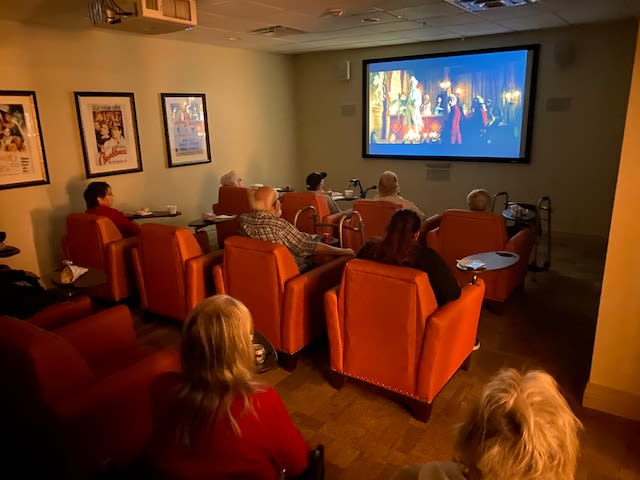
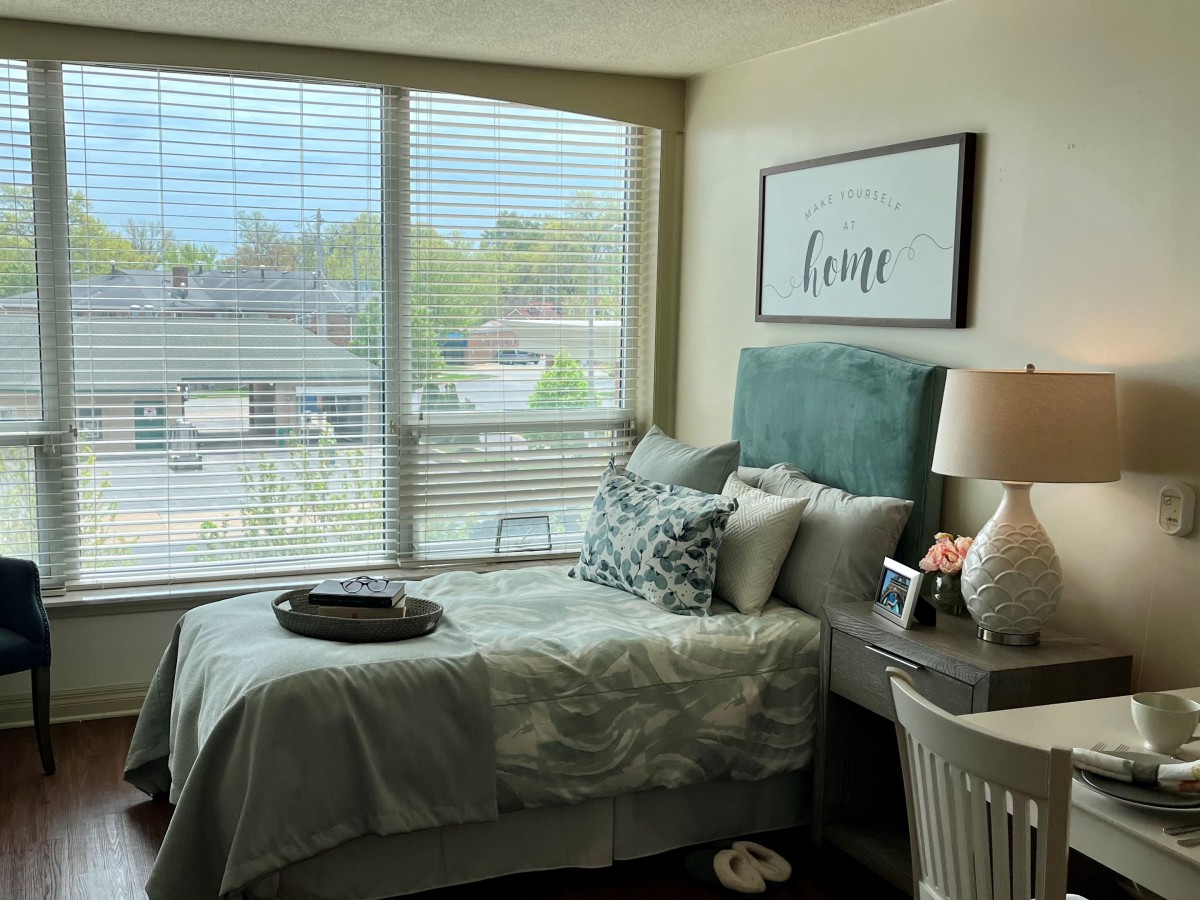
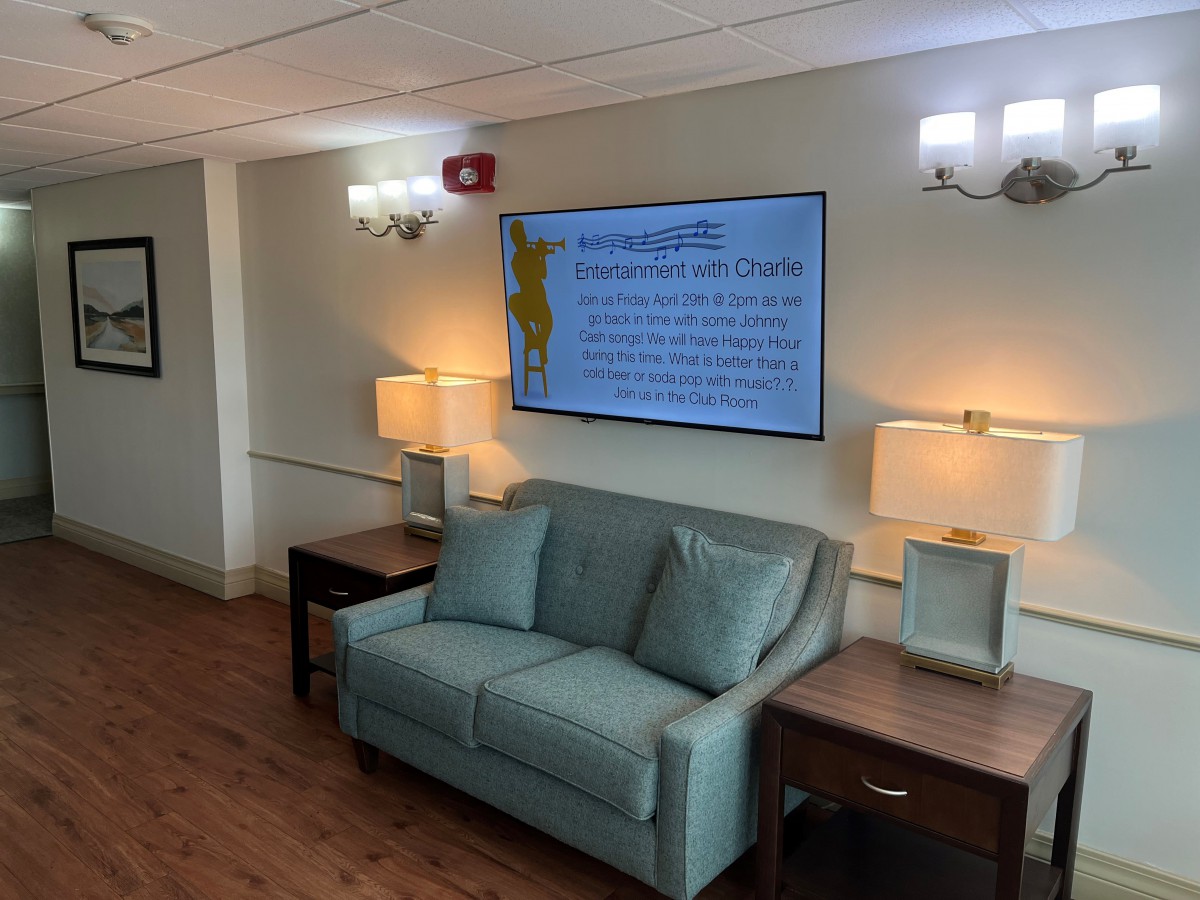
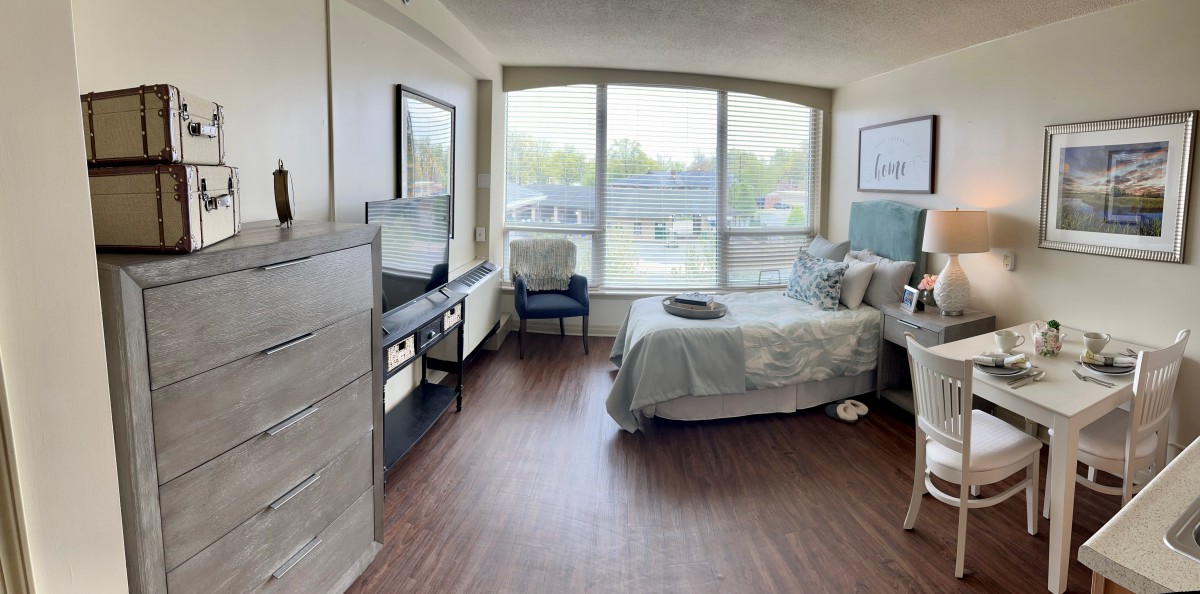
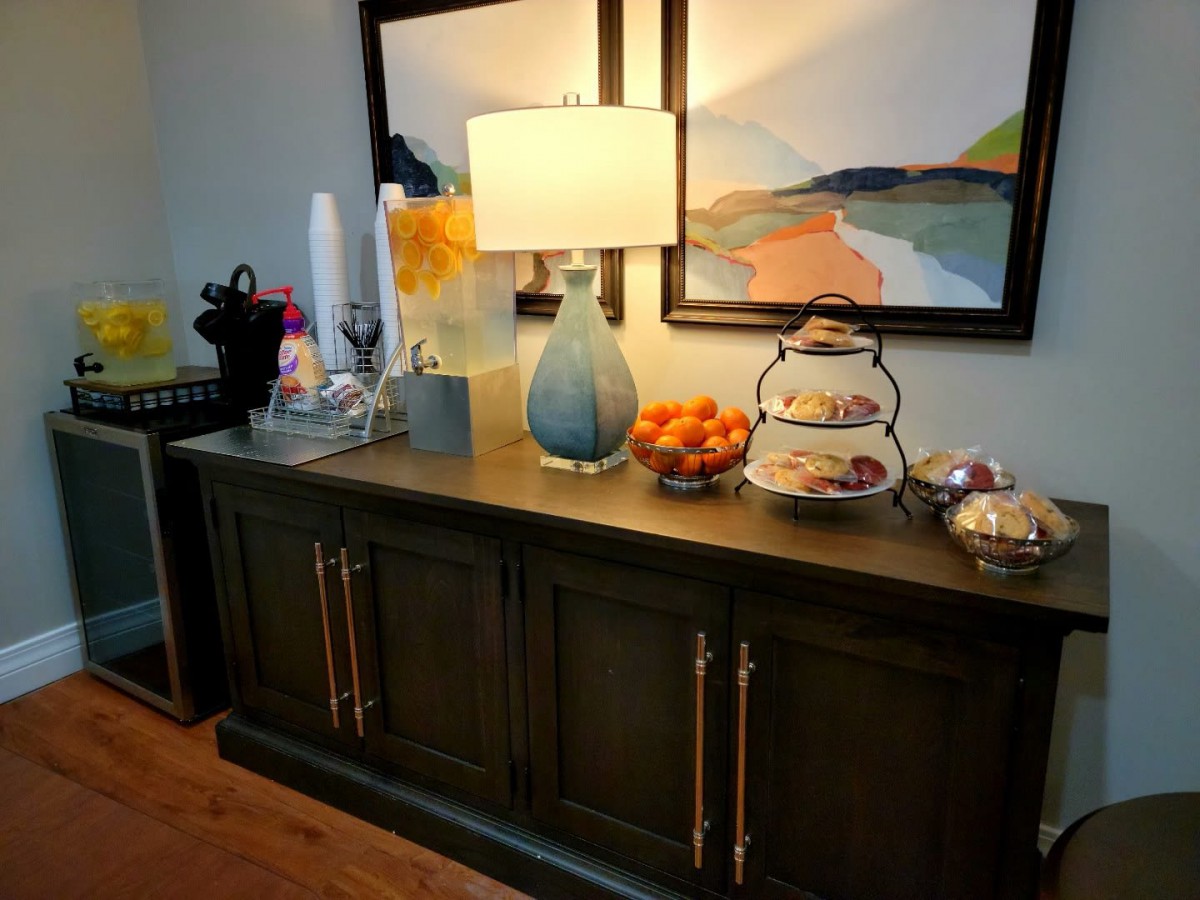
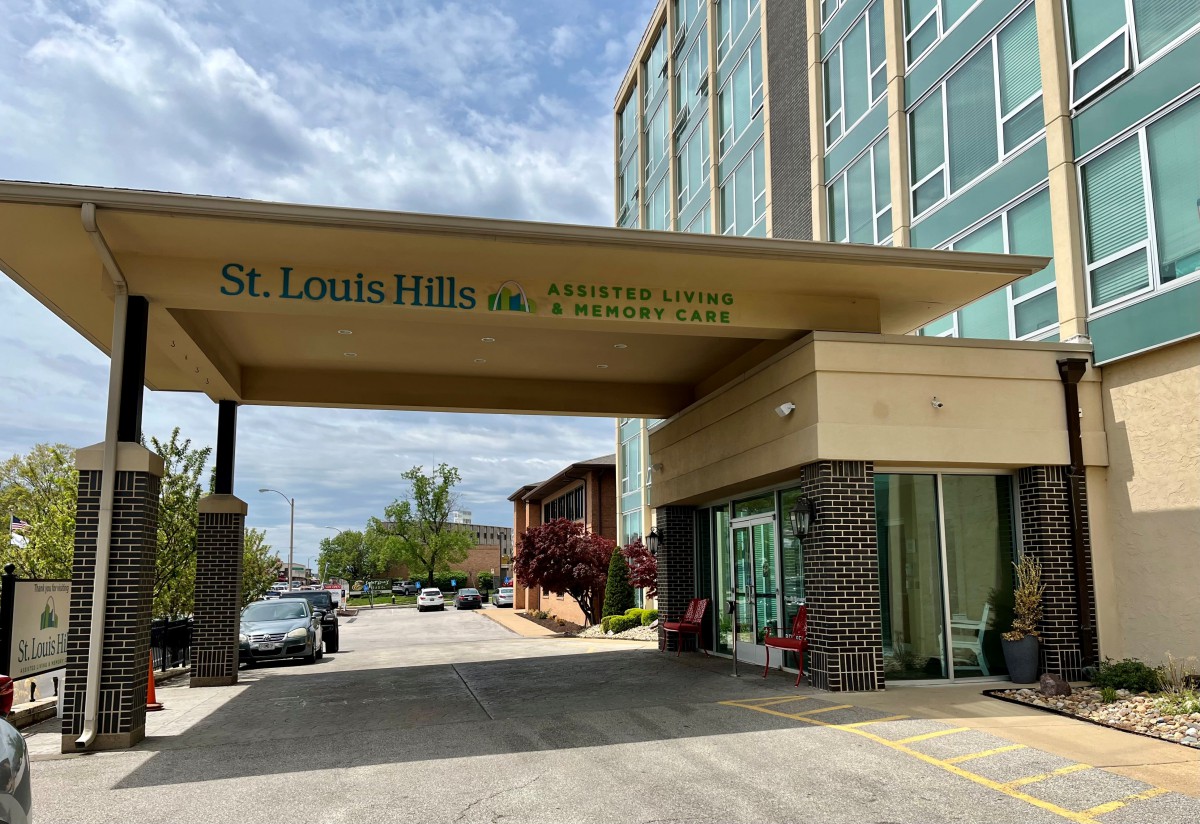
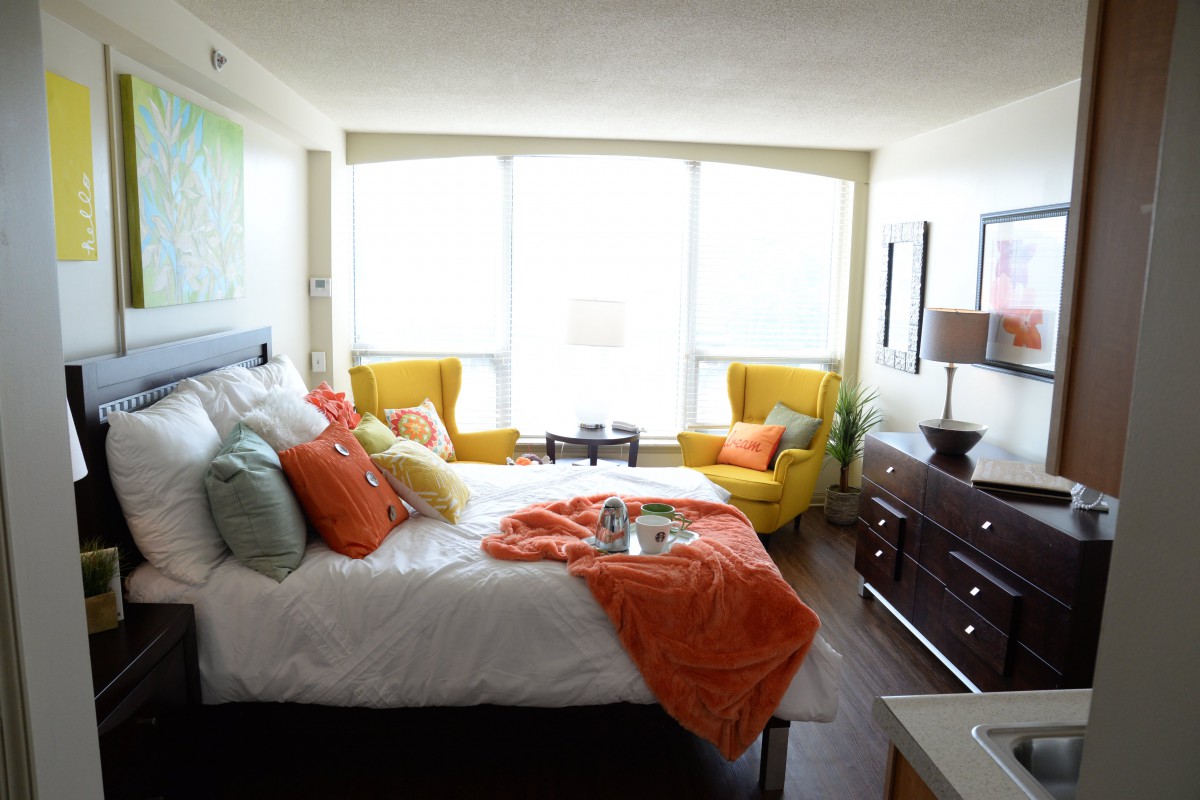
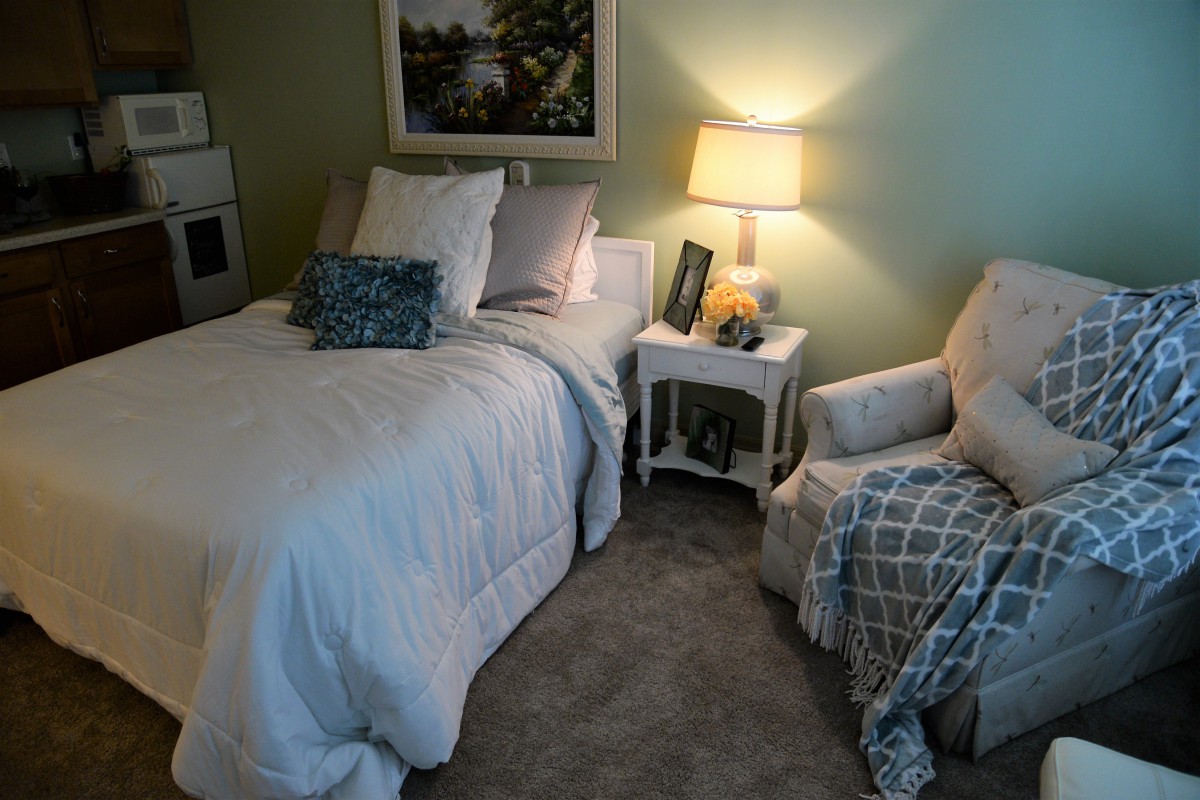
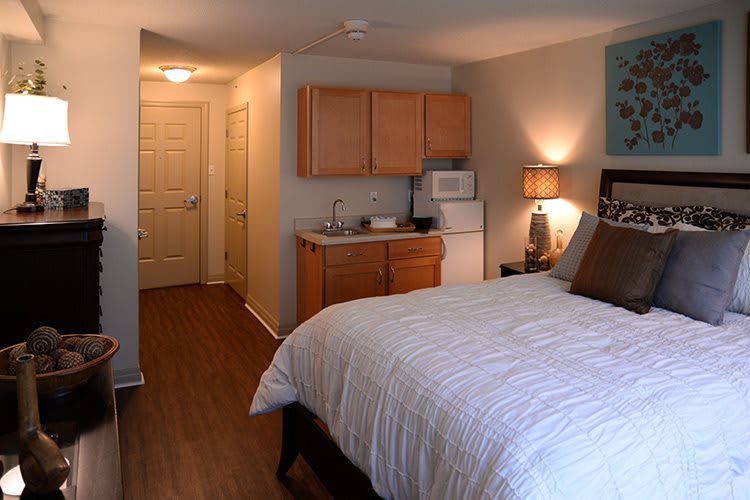
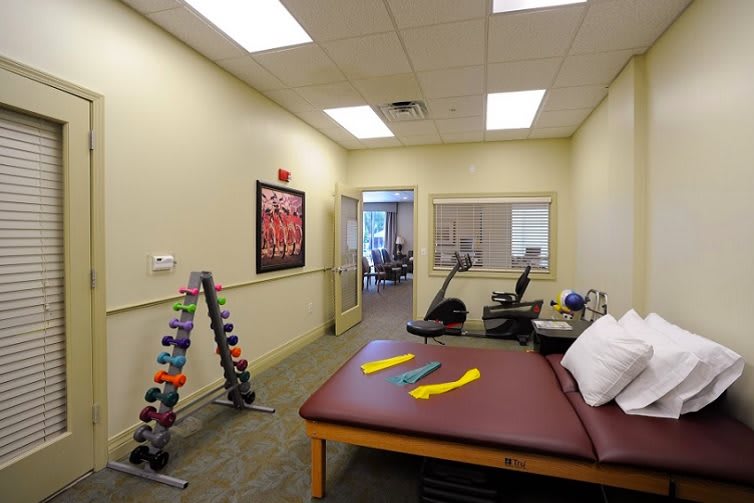
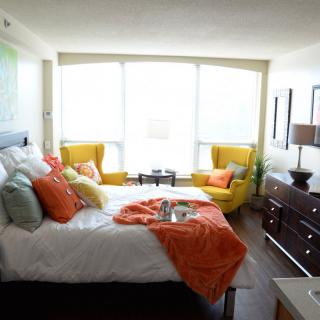
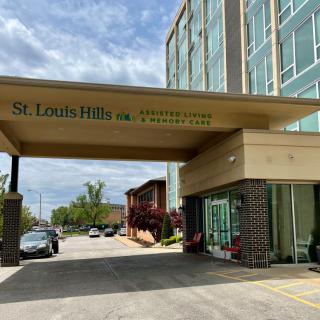
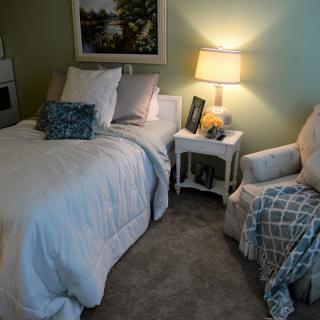
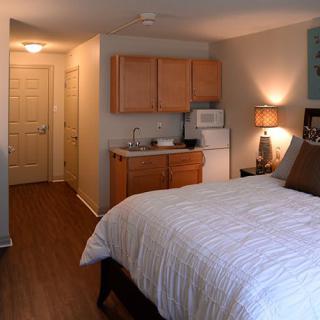
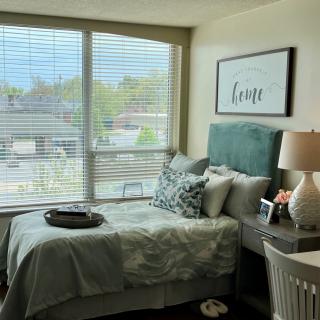
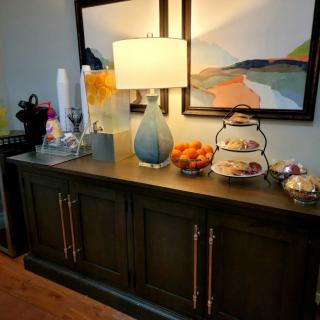
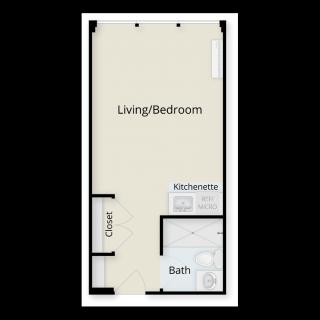
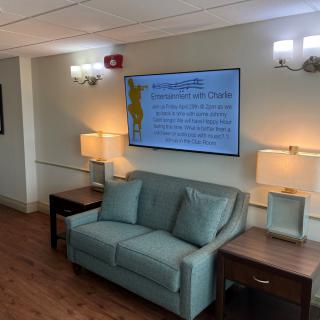
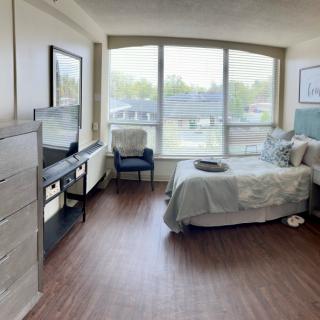
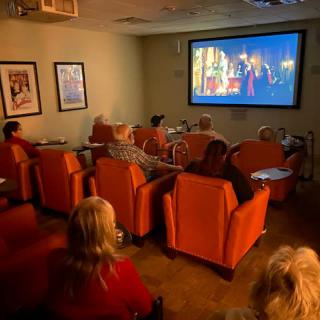
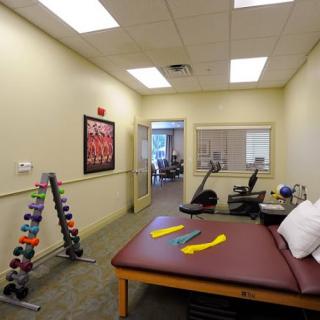
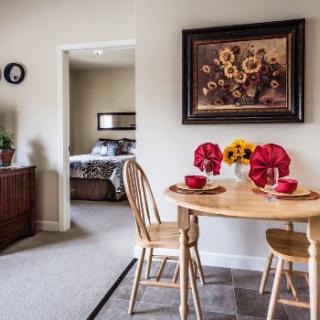
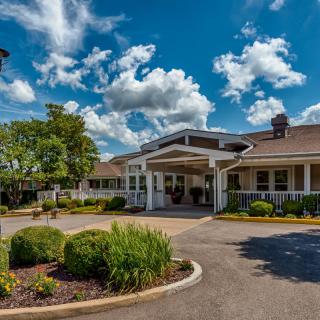
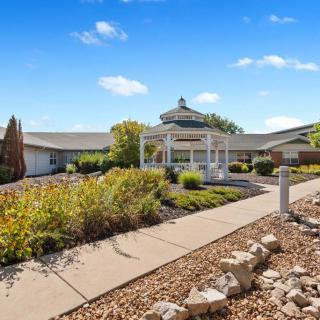
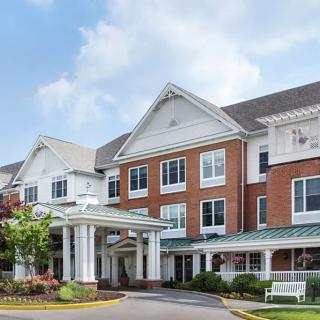
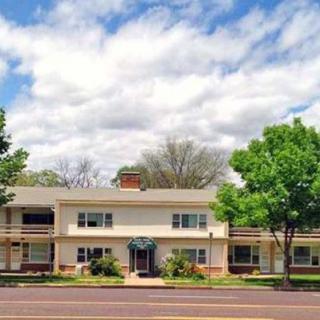
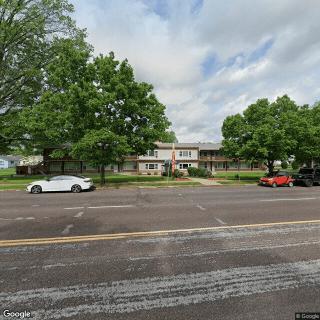
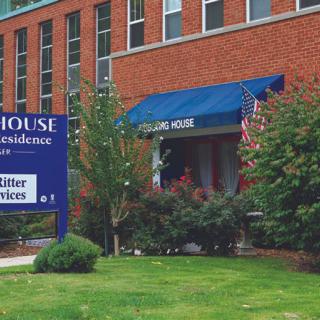
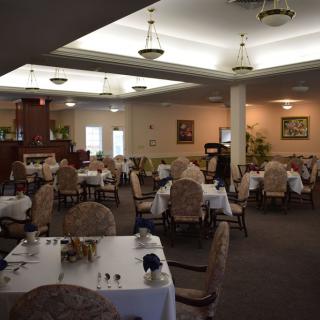
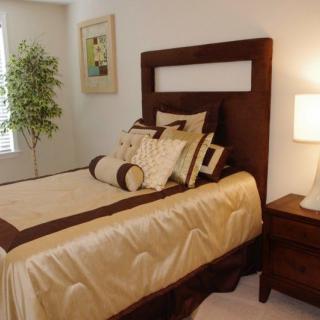
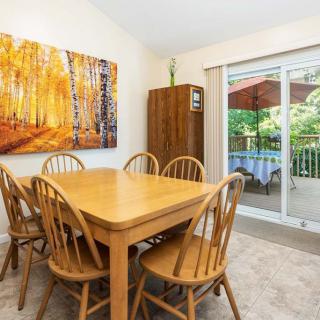
St Louis Hills Assisted Living and Memory Care on seniors.fyi includes 14 photos including images showing interior, bedroom, floor plan, decor, studio apartment, windows, architecture, natural light, and more.
Nearby Communities
St. Louis Hills Assisted Living & Memory Care
St. Louis, MO
4.1 from 36 reviews
Friendly staff in a clean, bright facility with engaging activities and good value.
Senior Services Unlimited - St. Louis MO
Saint Louis, MO
4.8 from 20 reviews
Around-the-clock compassionate care with responsive administration and quality caregivers.
Kasey Paige Assisted Living
St. Louis, MO
2.4 from 21 reviews
Extensive amenities and 24/7 care
Loving Care Assisted Living
St. Louis, MO
2.6 from 24 reviews
Friendly, attentive staff that make residents feel at home.
ComForcare Senior Services
St. Louis, MO
4.7 from 23 reviews
Vibrant location with easy access to cafes, parks, pharmacies, hospitals, restaurants, places of worship, and theaters.
DuBourg House
St. Louis, MO
3.5 from 8 reviews
Friendly staff with engaging activities in a clean, active community.
Mother of Perpetual Help Residence
Webster Groves, MO
3.9 from 11 reviews
$4,911 to $6,026 / month
Positive tour experience; non-profit status and available skilled-nursing staff suggest quality care.
Bethesda Orchard
Webster Groves, MO
4.7 from 45 reviews
Excellent staff, clean facilities, engaging activities, and quality dining.
Lutheran Convalescent Home
Webster Groves, MO
4.5 from 17 reviews
High-quality care with attentive staff and well-maintained facilities.
The guide on holistic dementia care outlines the complexity of dementia and stresses the need for individualized caregiver strategies that include medical treatment, psychological support, and environmental adaptations, while emphasizing early detection, various therapeutic options, and caregiver support to enhance quality of life and maintain dignity.
"Memory Care Pathways: A Holistic Guide to Dementia Support" outlines the complexities of dementia and its various types, emphasizing early detection, patient-centered care strategies, caregiver support, and long-term care options while addressing legal and financial considerations to enhance the quality of life for individuals with dementia and their families.
Sundown syndrome, or sundowning, is a phenomenon in dementia patients characterized by increased confusion and agitation during late afternoon and evening, influenced by factors like disrupted circadian rhythms and fatigue. Effective caregiver strategies include establishing routines and managing environmental light while addressing caregiver stress through support services.
St Louis Hills Assisted Living and Memory Care photos
×
Interior
Outdoors
Decor
Bedroom
Windows
Artwork
Floor Plan
Television
Natural Light
Seating
Exercise Equipment
Interior
Decor
Bedroom
Windows
Floor Plan
Building, Entrance, and Outdoors
Architecture
Artwork and Coffee Station
Television, Lobby, and Waiting Area
Exercise Equipment and Physical Therapy
Natural Light
Seating and Theater
Studio Apartment
Kitchenette
Architectural Design
Additional Photos
Get PricingAsk A QuestionSchedule A TourContact Senior Advisor
By clicking submit, you agree to our Partner's Terms of Use. You
also consent to receive calls and texts, which may be autodialed, from our Partner. Your consent is not a condition to
using our Partner's service. Please visit our Partner's Privacy Policy for information about their privacy practices.

 Assisted Living
 Memory Care
 Cats allowed
 Dogs allowed
 Activities off-site
 Air-conditioning
 Bath tubs
 Beautician on-site
 Cable or satellite TV
 Devotional services on-site
 Handicap accessible
 Indoor common areas
 Kitchenette
 Outdoor common areas
 Private bathrooms
 Respite or short term stays offered
 Wheelchair accessible showers
 Wi-Fi/high-speed internet available
 Lambert-St Louis International (11 miles away)
 Ambulatory care
 Diabetic care
 High acuity care
 Incontinence care
 Medication management
 Anytime dining
 Art classes
 Catholic services
 Cooking classes
 Day trips and outings
 Educational speakers / life long learning
 Karaoke
 Live well programs
 Wine tasting
 Friendly staff in a clean, bright facility with engaging activities and good value.
 A Holistic Dementia Care Guide: Effective Strategies for Memory Support
 Memory Care Pathways: A Holistic Guide to Dementia Support
 Comprehending Evening Confusion in Dementia: Causes, Manifestations, and Support