
1415 Olive Street, Saint Joseph, MO 64503
For more information about senior living options: (866) 208-4318
Overall Review of Thomas Residential Care Facility III
Cons
 The staff are mostly unprofessional.
- The house is infested with bedbugs.
- The reviewer is allergic to bedbugs.
Review
Thomas Residential Care Facility III in Saint Joseph, Missouri is best suited for seniors who are largely independent but want light, non-medical support in a small, budget-conscious setting. The model here seems to emphasize a home-like atmosphere with basic daily assistance rather than comprehensive medical oversight or robust activity programming. For residents who can tolerate some variability in staffing and cleanliness, and whose families are prepared to actively supervise care quality, this community can offer a low-cost option that provides companionship and routine tasks without the frills of larger operators.
Those who may want to consider alternatives are residents with ongoing or escalating care needs, mobility challenges that require trained aides, or anyone who places a premium on consistent professional intervention. Families of allergy-prone individuals, especially those with bedbug sensitivities or asthma, will want to be particularly cautious. Prospective residents who expect predictable staffing, transparent housekeeping, and rigorous pest control should look toward facilities with documented licensure, higher staff-to-resident ratios, and formal QA processes that prioritize safety and cleanliness.
The experience implied by the visible reviews is mixed, with some high marks and clear caution from others. A couple of five-star opinions hint at moments when personal attention or perceived value aligned with expectations. Yet those positives do not erase the foundational concerns raised by residents who report serious issues. The existence of standout praise does not compensate for recurring problems when care reliability and environmental health are at stake. In practical terms, the favorable ratings may reflect isolated good days rather than sustained performance.
The most pressing drawbacks are hard to ignore. A bedbug infestation poses immediate health and quality-of-life risks, especially for someone with allergies or skin sensitivities. Infestations suggest gaps in cleanliness and ongoing pest management, which can quickly erode comfort and peace of mind in a residential setting that promises daily assistance. Coupled with a workforce described as mostly non-professional, the risk becomes broader: inconsistent response times, uneven monitoring of residents' needs, and potential lapses in essential tasks such as medication reminders, mobility support, and meal delivery. The combination of environmental and staffing shortcomings creates a fragile foundation that undermines trust in daily living and safety.
Practical, concrete steps shape the due-diligence path for families confronting this choice. Begin by requesting the latest pest-control remediation plan, along with documentation showing recent treatments and any resident-facing notices. Ask for records of housekeeping schedules, cleaning protocols, and how often rooms are sanitized. During tours, observe staff interactions for timeliness, warmth, and responsiveness to mobility or accessibility questions, and probe the consistency of care by speaking with current residents about quiet days, engagement opportunities, and how concerns are addressed. Obtain a copy of the resident agreement, and press for clarity on what constitutes acceptable remediation timelines and follow-up inspections. Where possible, negotiate a measured trial stay or respite period to evaluate ongoing performance before committing long-term.
In the end, the decision hinges on risk tolerance and care expectations. The bedbug issue, coupled with concerns about staff professionalism, makes this community a weak fit for residents with allergies or for those who rely on steady, professional daily support. Alternatives with stronger pest control, higher staffing levels, and clearer quality assurances represent a safer, more reliable path. If choosing to pursue this facility, insist on a formal remediation plan with defined milestones, regular third-party pest-control verification, and transparent progress updates, and approach any enrollment with a firm, time-limited evaluation window to ensure that conditions truly improve before committing long-term.
 20 resident community capacity
 Assisted Living
 Board and Care Home
 Beauty salon
 Cable or satellite TV
 Dining room
 Fully furnished
 Garden
 Housekeeping services
 Kitchenette
 Move-in coordination
 Outdoor space
 Telephone
 Wi-Fi/high-speed internet available
 24-hour call system
 Activities of daily living assistance
 Assistance with bathing
 Assistance with dressing
 Assistance with transfers
 Diabetes diet
 Meal preparation and service
 Medication management
 Mental wellness program
 Special dietary restrictions
 Transportation arrangement (medical)
 Transportation to doctors appointments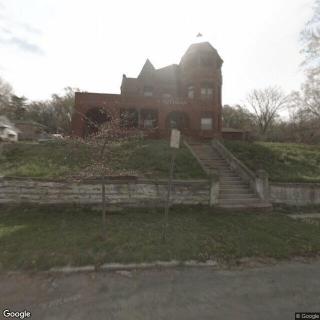
 Excellent nearby healthcare and amenities.



 Senior Transition Services: Understanding Their Role, Cost, and Importance
 Exploring the Path to Senior Living: A Comprehensive Look at Independent Living and Assisted Living
 Is Assisted Living Deductible on Your Taxes? Understanding the Complexities of Assisted Living Expenses and Deductions