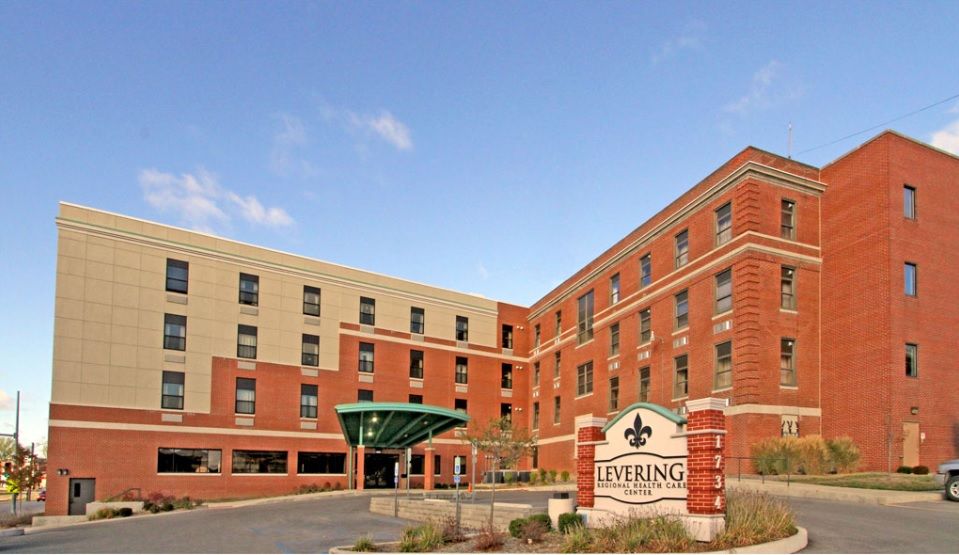



1734 Market Street, Hannibal, MO 63401
For more information about senior living options: (866) 208-4318
Overall Review of Levering Regional Health Care Center
Pros
 The facility is wonderful for residents and staff.
- Everyone feels like family.
- Residents are cared for and supported.
- The staff love their jobs.
- Loved ones are cared for like family there.
- The staff are friendly and courteous.
Cons
 It is the worst nursing home in the state.
- There is no housekeeping, which is disgusting.
- The grandson, a resident there, can only get water from the bathroom sink.
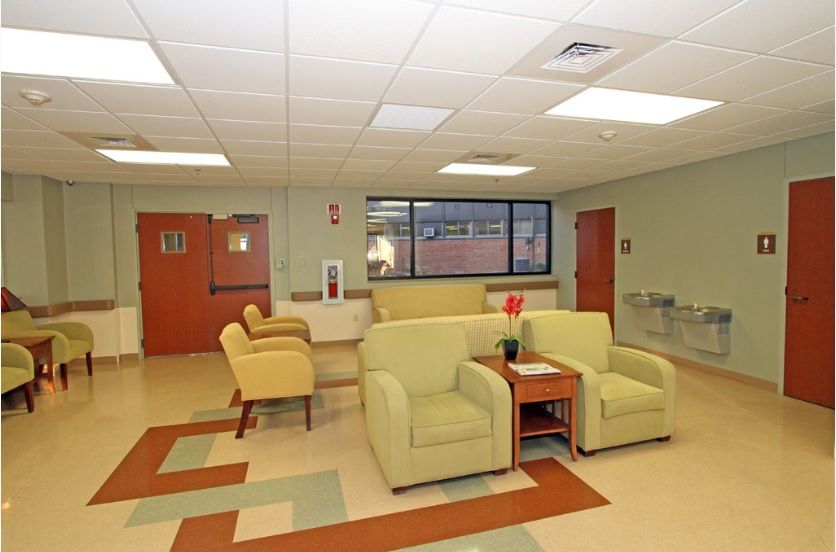
- There are no water fountains or access to other water.
- Residents must provide their own housekeeping.
- He has been there for over five years.
- The girlfriend has been there for over a year and staff keep trying to prevent her release.
- They won't transport her for her court date and make it hard to get released.
- The facility is terrible.
- The reviewer cannot reach their mom by phone; rarely any answer after several days.
- They have let anyone put themselves on her emergency contact paperwork.
- After traveling three hours to visit, they wouldn’t let her see her due to visiting hours.
- Doctors come there so they don’t leave.
- They do not offer help to move her closer to the family.
Review
Levering Regional Health Care Center in Hannibal, Missouri, is best suited for families seeking a warm, family-centric atmosphere where residents feel genuinely cared for by a close-knit staff. The strongest impression from reviews is a sense of belonging: residents and caregivers treating each other like family, and staff taking pride in their work. For families prioritizing steady, transparent oversight, rigorous safety standards, and consistently clean daily living conditions, this facility may not meet expectations. Those families should consider alternatives with stronger, verifiable safety records and more reliable, day-to-day communication with relatives. The facility’s core appeal is relational warmth; its potential weaknesses are governance, operational consistency, and basic sanitation concerns that some families will not tolerate.
Pros center on the relational climate. The facility is described as a second home by residents, with staff advocacy and genuine affection toward those entrusted to care. That culture can translate into calmer days, better engagement, and a sense that someone is watching out for welfare beyond routine tasks. For families who want their loved ones to be known by name, receive individualized attention, and feel supported by a loyal care team, these elements are meaningful. Yet warmth does not automatically equate to complete safety or flawless daily operations. The practical care outcomes, hydration, hygiene, timely updates, must align with the compassionate mood that staff foster.
Nonetheless, several reviews raise serious, potentially dangerous concerns. One account depicts abuse and a facility in need of serious oversight, while another describes unsanitary conditions, restricted access to drinking water, and a completed lack of housekeeping. A resident reportedly had to draw water from a vomit-splattered bathroom sink, underscoring fundamental sanitation failures. Additional postings describe barriers to visiting, poor communication, and difficulties arranging transportation or responding to emergencies. Taken together, these testimonies demand careful scrutiny; they highlight critical gaps in safety, sanitation, and logistical coordination that cannot be dismissed as isolated incidents.
These cons challenge the premise that a caring environment alone suffices. Positive staff attitudes and an apparent culture of advocacy are valuable, but they cannot compensate for persistent sanitation lapses, inconsistent housekeeping, and opaque family communication. When families cannot verify a loved one’s status, or when access to the resident is constrained by visiting hours or administrative hurdles, trust erodes. The cases of delayed or obstructed court-related transportation and unclear emergency contacts compound risk. In short, the facility may deliver a nurturing vibe, but the operational framework raises legitimate concerns about basic quality of life and safety.
For families weighing Levering, a rigorous due-diligence plan is essential. Schedule multiple on-site visits and talk with front-line staff, the administrator, and a few residents to gauge consistency beyond initial impressions. Request current care plans, medication records, and the latest state survey results, noting any citations and how they were resolved. Confirm staffing ratios, housekeeping schedules, and sanitation practices across shifts. Verify water accessibility, room cleanliness, and resident privacy. Ask about how family members are updated, who serves as the emergency contact, and how transportation for appointments or legal matters is arranged. Collect references from several families and observe long-term care routines rather than snap judgments.
Bottom line: Levering Regional Health Care Center offers a clearly warm, engaged staff and a sense of family for many residents, but real-world safety and consistency concerns persist. The decision hinges on what matters most: a trusted, transparent safety net or a home-like culture that demands vigilant ongoing oversight. For families that prize dependable oversight, clear communication, and spotless basic care, exploring other options is prudent. For those who can actively supervise care, value personal connections, and are prepared to demand accountability, a careful, staged engagement with this community can be considered, yet only after obtaining verifiable commitments to water safety, sanitation, housekeeping, and proactive family communication.
 35 resident community capacity
 Assisted Living
 Hospice Agency
 Skilled Nursing Facility
 Beauty salon
 Cable or satellite TV
 Dining room
 Fully furnished
 Garden
 Housekeeping services
 Kitchenette
 Move-in coordination
 Outdoor space
 Restaurant-style dining
 Small library
 Telephone
 Wi-Fi/high-speed internet available
 24-hour call system
 Activities of daily living assistance
 Assistance with bathing
 Assistance with dressing
 Assistance with transfers
 Diabetes diet
 Medication management
 Mental wellness program
 Special dietary restrictions




 Assisted Living Expenses and Long-Term Care Insurance: A Comprehensive Exploration
 Securing Financial Support for Assisted Living: A Comprehensive Overview
 Social Security Benefits and Assisted Living: Navigating Options Across the U.S.