2407 Kentucky Street, Louisiana, MO 63353
For more information about senior living options: (866) 208-4318
Overall Review of Maple Grove Lodge
Pros
 It is a wonderful place to live.
 - The staff are caring.
- The staff are always caring and help as soon as they are able.
- The staff are great and try their best.
- Maple Grove Lodge is very helpful and offers Medicaid assistance.
- Maple Grove Lodge offers full-service skilled nursing.
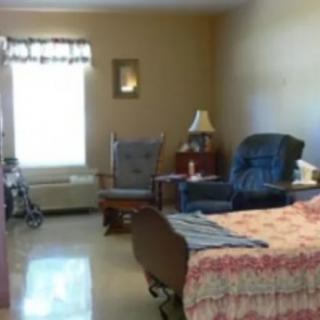
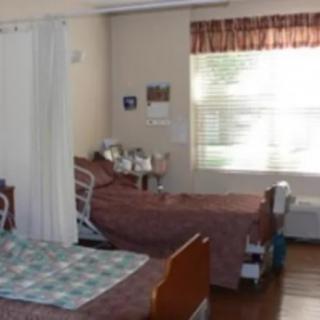
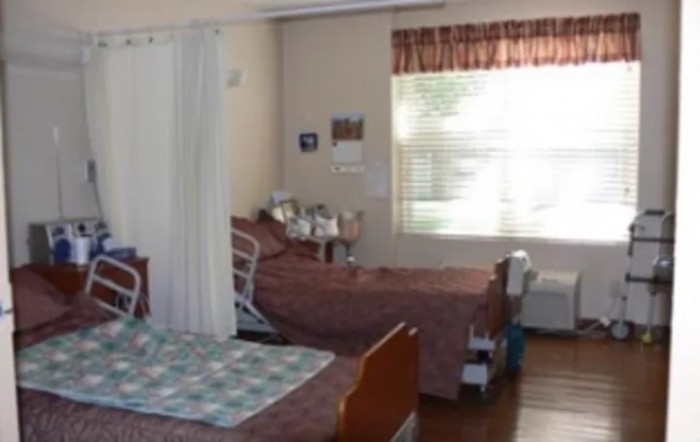
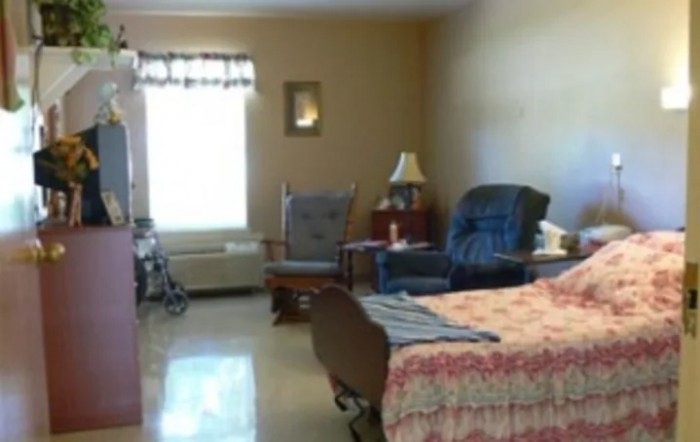
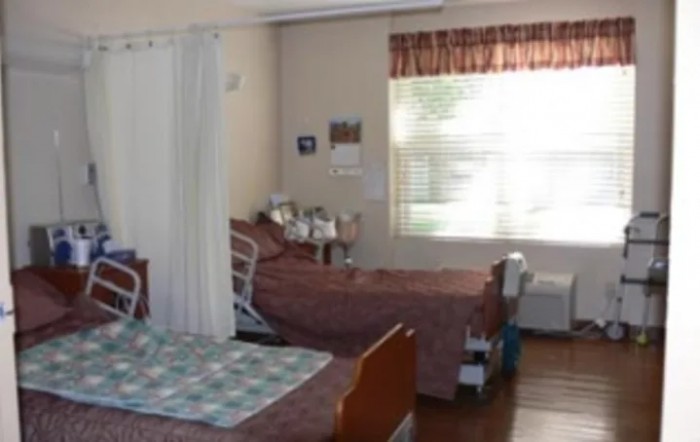
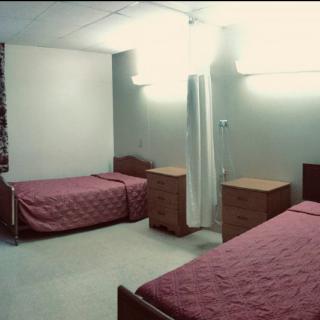
- The room is very clean.
Cons
 They will bill you even though you have Medicaid.
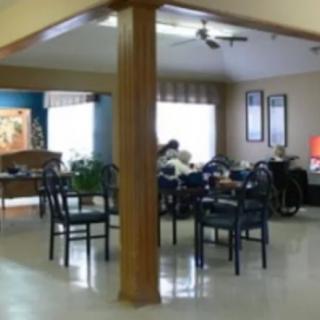
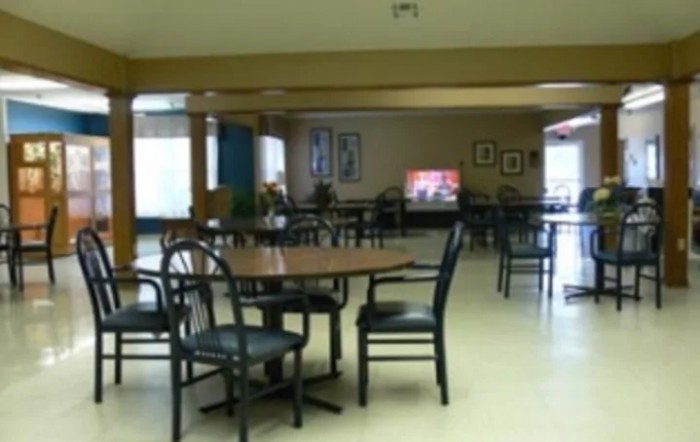
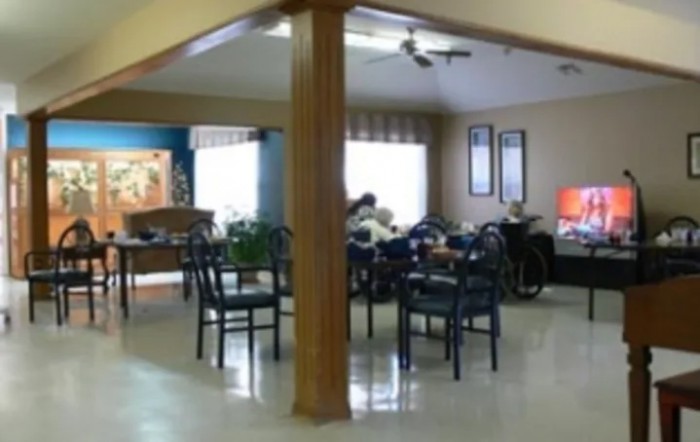
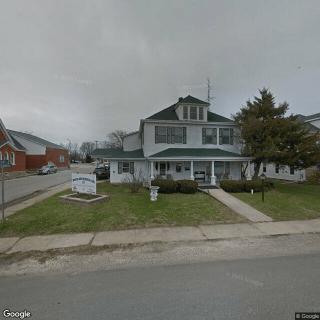
- Pictures must be from when it was first built; the current state does not reflect that and looks shabby.
- It could really use a fresh coat of paint.
- Most patients are not carefully watched and require better supervision.
- The staff is caring, but clearly overworked and understaffed.
- There is only one CNA per wing for 10–13 patients, leading to long waits for assistance.
- Contact precautions are not clearly marked and posted signs go unnoticed.
- The facility hasn't had consistent leadership; there have been several administrators in the last two years and change has not been demonstrated, indicating insufficient staffing and potential negligence.
Review
Maple Grove Lodge in Louisiana, Missouri is best suited for families seeking a Medicaid-eligible, full-service skilled nursing option that prioritizes the care ethos of frontline staff and the convenience of a nearby location. It suits residents who want hands-on nursing attention from caregivers who come across as genuinely kind, and who value the community’s proximity to family support. It works for families willing to navigate Medicaid paperwork in partnership with the facility and for those who accept an older facility appearance in exchange for familiar staff and a known care team. It is not the right fit for families chasing modern aesthetics, pristine new interiors, or a campus with abundant on-site programming.
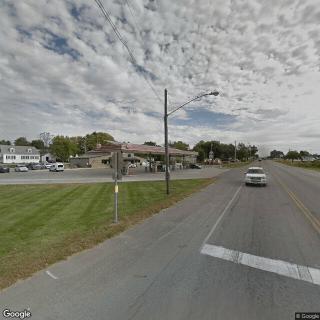
Several clear positives stand out. Frontline staff are repeatedly described as caring, compassionate, and helpful, even as they contend with staffing pressures. The location is practical for families in the area, offering straightforward access and the sense that a loved one can stay close to home. There is regular activity programming and a schedule that provides daily options, contributing to a semblance of routine and engagement. When a resident’s family mentions Medicaid facilitation, the lodge appears willing to assist with filings, reducing some of the bureaucratic burden during a stressful transition. Cleanliness is highlighted as a constant strength, even when rooms or decor feel dated.
Yet the most consequential drawbacks temper the overall picture. Staffing remains a major bottleneck: one CNA per wing serving 10–13 residents translates into long wait times for assistance, with delays frequently reported that undermine daily quality of life and safety. Supervisory oversight is inconsistent, and visitors note lapses in infection control practices, with signs sometimes ignored and room turnover contributing to a risk-conscious environment. Administrative turnover has been frequent in recent years, undermining stability and eroding confidence that leadership will enact lasting improvements. Residents and families also raise alarm about the price-to-service ratio, arguing that the level of care and oversight does not consistently reflect the fees charged.
Those strong caregiving attributes and the facility’s community feel do offset some risks, but not evenly. The consistently compassionate staff partly mitigates concerns about under-staffing, because a kind, willing team can still provide essential day-to-day support even when stretched thin. The proximity to family and accessible Medicaid guidance offer real relief during transitions, and the clean, familiar atmosphere can reduce agitation for some residents who value routine. However, the lack of reliable supervision, ongoing administrative changes, and documented lapses in safety and infection control tend to eclipse these positives for families prioritizing predictability, rigorous oversight, and a facility that feels purpose-built for high-stakes nursing care.
For families evaluating alternatives, a few red flags are decisive. If modern decor, renovated rooms, and a consistently robust staffing ratio are non-negotiables, Maple Grove Lodge should be crossed off the short list. Likewise, if transparent, steady leadership and a formalized approach to safety and infection prevention are priorities, other communities may deliver more reliable governance and risk management. For residents who expect a hospital-like level of supervision and a 24/7 assurance that every precaution is diligently followed, look for places with longer-tenured administrators, verifiable staffing models, and updated facilities.
Practical next steps for families considering Maple Grove Lodge: request current staffing data and nurse aide ratios for each shift; meet several staff members across departments to gauge responsiveness and morale; review the most recent incident and safety audit summaries; ask about concrete plans for facility updates and how often rooms are refreshed; verify Medicaid approval timelines and billing practices to avoid surprise charges, and confirm who handles appeals or disputes. Tours should include a candid discussion with the administrator about recent staffing trends, maintenance plans, and the community’s approach to infection control and resident safety. Above all, balance the undeniable kindness of caregivers and the undeniable convenience of the location against the realities of supervision, leadership stability, and the age of the building when making a final choice.
In the end, Maple Grove Lodge offers a viable option for Medicaid-eligible seniors who prioritize accessible care and close-to-home support, and who can tolerate an older campus with variable administrative stability. For families where reliability, modern facilities, and consistently strong oversight are non-negotiable, exploring other communities with stronger staffing models and up-to-date environments is strongly advised. The decision should hinge on how the trade-offs between loving, attentive care and the practical demands of daily supervision line up with the resident’s needs and the family’s risk tolerance.
 90 resident community capacity
 Assisted Living
 Skilled Nursing Facility
 Air-conditioning
 Beauty salon
 Cable or satellite TV
 Computer center
 Dining room
 Fitness room
 Fully furnished
 Gaming room
 Garden
 Housekeeping services
 Kitchenette
 Move-in coordination
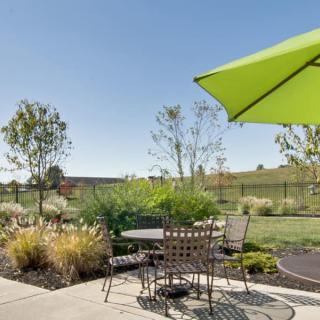
 Outdoor space
 Private bathrooms
 Restaurant-style dining
 Small library
 Telephone
 Wellness center
 Wi-Fi/high-speed internet available
 Community operated transportation
 24-hour call system
 Activities of daily living assistance
 Assistance with bathing
 Assistance with dressing
 Assistance with transfers
 Diabetes diet
 Medication management
 Special dietary restrictions
 Concierge services
 Planned day trips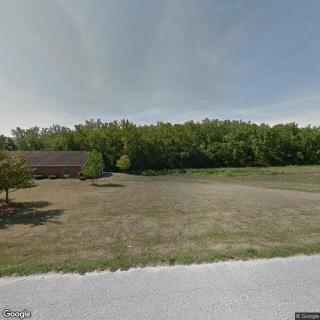


 Assisted Living Support for Veterans: A Complete and Detailed Overview
 Exploring the Contrasts Between Assisted Living and Skilled Nursing
 8 Key Indicators That Suggest It May Be Time to Transition from Assisted Living to Skilled Nursing Care